 English EN


Gelatin sheet vs powder what science says in 2026
Gelatin sheet offers chefs better clarity, smooth texture, and consistent results than powdered gelatin, making it the top choice for desserts in 2026.
More
Gelatin is a versatile gelling agent derived from collagen, widely used in food, pharmaceuticals, and nutraceuticals. For overseas buyers—including food-ingredient purchasing managers, supplement R&D teams, and pharmaceutical excipient QA professionals—understanding the conversion between gelatin powder and sheets is essential for batch consistency, solubility, and final product quality. This article provides a practical, data-driven approach to conversion, covering bloom strength, hydration methods, and application-specific recommendations.
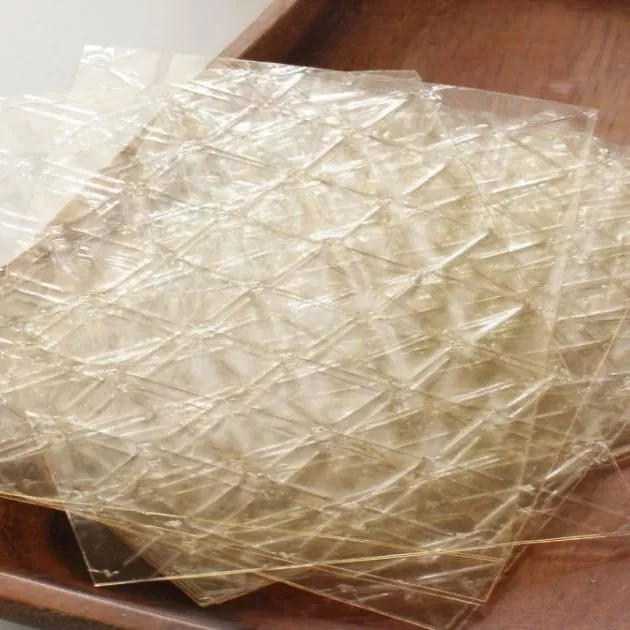
Gelatin powder and sheets are two forms of the same ingredient, but they differ in processing, bloom strength, and handling. Gelatin powder is granulated, typically with a bloom range of 150–300 g, and is often used in industrial applications like gummy production, capsule shells, and protein fortification. Sheets (also called leaf gelatin) are thin, transparent, and come in standardized bloom strengths, commonly 160–250 g. The key difference lies in hydration: sheets require soaking in cold water for 5–10 minutes, while powder can be bloomed directly in cold liquid. For consistent results, always check the bloom value on your supplier's Certificate of Analysis (COA).
The conversion depends on bloom strength. A standard rule: one sheet of gelatin (typically 2 g, 200 bloom) equals about 1 teaspoon (2.8 g) of powdered gelatin with the same bloom. However, bloom values vary. For example, if your powder is 250 bloom and your sheets are 160 bloom, you need to adjust the weight. Use this formula: Sheet weight = (Powder bloom / Sheet bloom) × Powder weight. For most recipes, a 1:1 weight substitution works if bloom is similar. Always test a small batch first. Below is a typical conversion table for common bloom ranges.
| Gelatin Form | Bloom Range (g) | Weight per Sheet | Equivalent Powder Weight |
|---|---|---|---|
| Sheet (leaf) | 160–250 | 2 g (typical) | 2.8 g (approx.) |
| Powder (granulated) | 150–300 | N/A | 1 g powder = 0.7 g sheet (approx.) |
Note: These are typical industry ranges; final values per COA/sample.
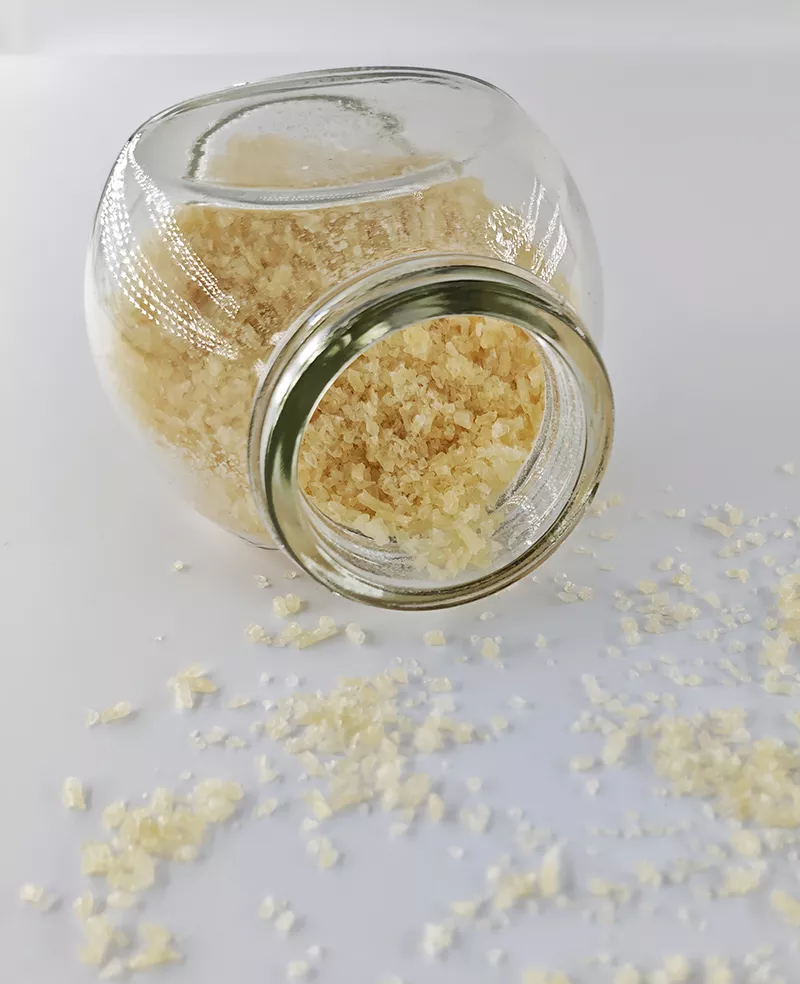
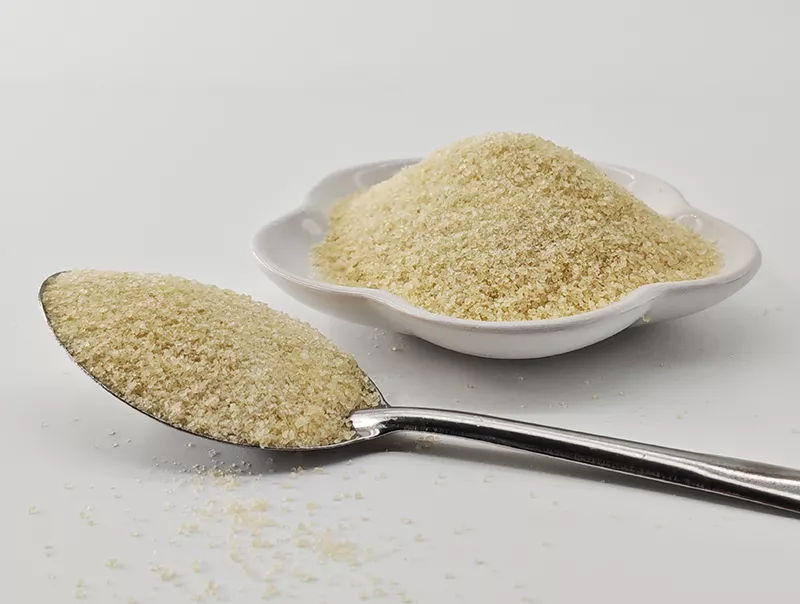
When sourcing gelatin, focus on these parameters: bloom strength, viscosity, mesh size, and moisture content. For gelatin powder, bloom typically ranges from 50–300 g, with 150–260 g common for gummies and capsules. Viscosity ranges from 2.0–5.5 mPa·s, and mesh size from 8–60. Moisture should be ≤14%. Collagen peptides, often used in nutraceuticals, have molecular weights around 2,000–5,000 Da, with protein ≥90%. Plant protein peptides (pea, rice, soy) offer protein levels of 80–90% and molecular weights below 5,000 Da, making them suitable for vegan formulations. Always request a COA from your supplier to verify specs.
Different industries require different gelatin forms. For food applications like gummies and softgels, high-bloom gelatin (200–260 g) provides firm texture and quick set. For hard capsules, pharmaceutical-grade bovine bone gelatin with consistent viscosity is critical. In sports nutrition and joint health, collagen peptides (fish or bovine) with low molecular weight improve absorption. For plant-based and vegan formulations, consider plant protein peptides like pea or rice hydrolysates, which offer allergen-free alternatives. Below is a selection guide:
Beyond Biopharma, based in Shanghai, China, is a B2B manufacturer specializing in collagen peptides, gelatin, and plant protein peptides. With over 10 years of industry experience, we export to 50+ countries. Our facility produces approximately 3,000 MT/year of collagen and 5,000 MT/year of gelatin, using fully automatic production lines, GMP clean workshops, and stainless-steel sealed piping with automated temperature/pH control. We hold ISO 9001, US FDA registration, and select products carry Halal/Kosher certifications. Our bovine bone gelatin is BSE-free, and our in-house lab conducts heavy-metal and microbiological testing. We offer three grades (food, pharmaceutical, cosmetic) and support custom bulk supply and formulation/OEM. For joint health, we also supply undenatured collagen type II and other ingredients like chondroitin sulfate and hyaluronic acid.
Q: Can I use gelatin powder instead of sheets in any recipe?
Yes, but you must adjust for bloom strength and hydration. Powder requires blooming in cold liquid for 5–10 minutes, while sheets need soaking in cold water. Test a small batch to ensure texture matches.
Q: What bloom strength is best for gummy candies?
For gummies, a bloom of 200–260 g is typical. Higher bloom gives firmer, chewier texture. Bovine hide gelatin is a common choice for its high bloom and clarity.
Q: How do I know if my gelatin is pharmaceutical grade?
Pharmaceutical-grade gelatin meets strict purity and viscosity standards. Look for suppliers with ISO 9001 and FDA registration. Beyond Biopharma offers pharmaceutical gelatin with documented viscosity and bloom specs.
Q: Is fish gelatin a good alternative for halal or kosher diets?
Yes, fish gelatin is often Halal and Kosher certified. It has lower bloom (typically 150–250 g) and is suitable for softgels and gummies. Beyond Biopharma supplies fish gelatin with Halal certification.
Q: What is the shelf life of gelatin powder and sheets?
Both forms typically last 2–3 years when stored in a cool, dry place away from moisture. Always check the expiration date on the COA. Proper storage prevents clumping and loss of bloom strength.
Q: Can I use plant protein peptides as a gelatin substitute?
Plant protein peptides (pea, rice, soy) are not direct substitutes for gelatin, as they lack the same gelling properties. However, they work well in vegan formulations for protein fortification and texture enhancement. For gelling, consider agar-agar or pectin.
Converting gelatin powder to sheets is straightforward once you understand bloom strength and hydration. For consistent results in baking, confectionery, or pharmaceutical applications, always verify specs with your supplier. Beyond Biopharma offers free samples and formulation support to help you select the right grade.
To get started, please provide the following details so we can send you the right product:
Contact Beyond Biopharma today for free samples and a competitive quote. Our team is ready to support your bulk supply and formulation needs.

We provide you with comprehensive foreign trade solutions to help enterprises achieve global development
The High-Performance Barrier for Core Material Protection and Controlled Release.
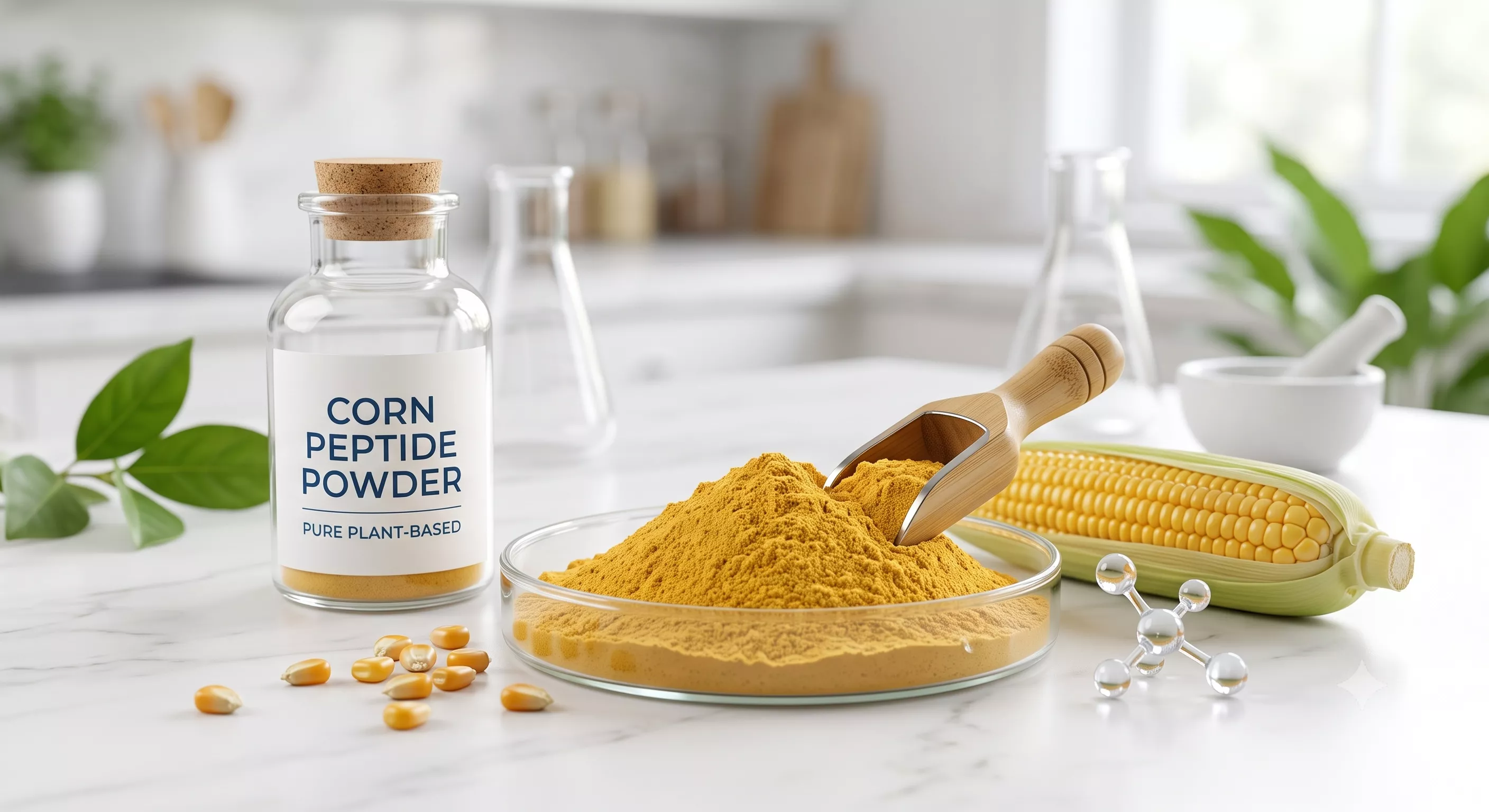
Source high-purity wholesale hydrolyzed corn protein peptide powder in bulk. Over 85% oligopeptides under 1000 Da. Rich in Alanine and Leucine for liver support and sobriety formulas.
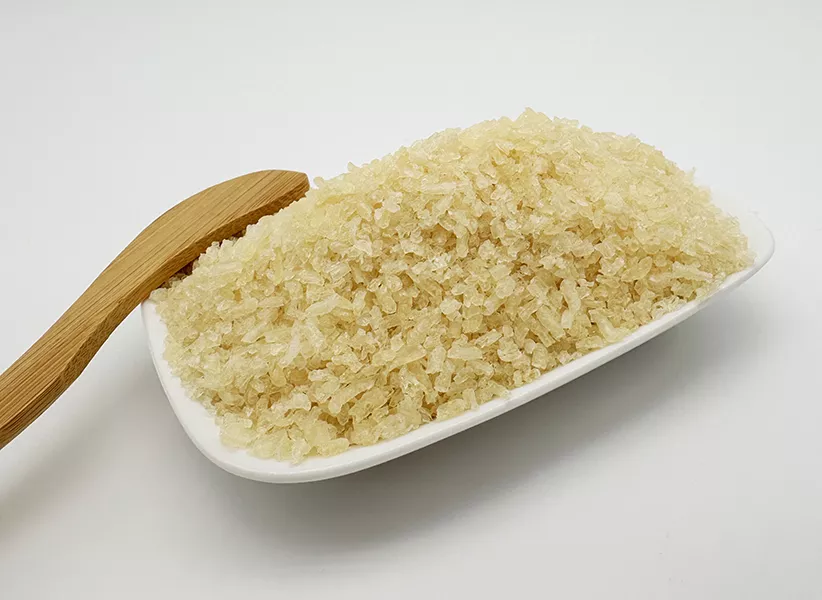
Our Bovine Hides Gelatin is engineered for versatility and compliance, ensuring performance across various applications.
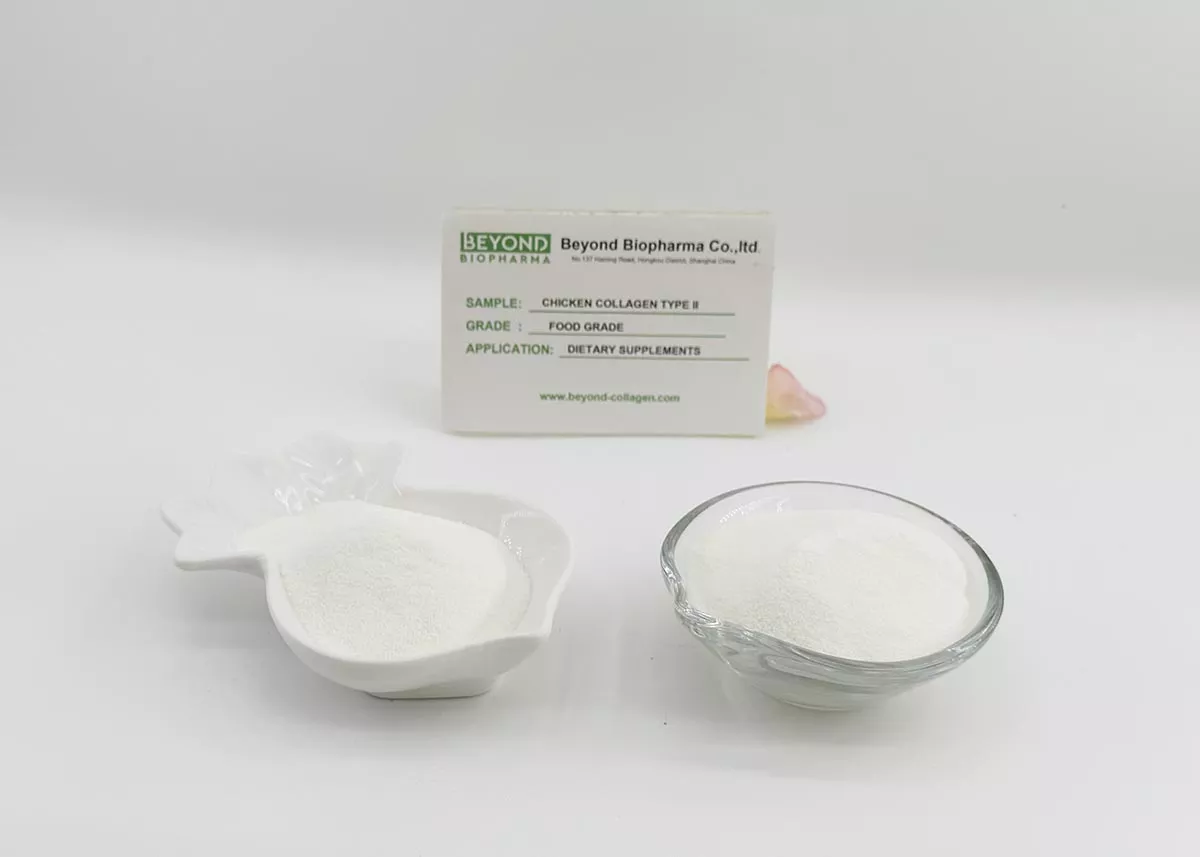
BEYOND BIOPHARMA is a specialized manufacturer of highly purified Hydrolyzed Collagen Type II. Through advanced enzymatic hydrolysis, we create low-molecular-weight collagen peptides that are highly bioavailable, offering foundational nutritional support for cartilage repair, joint function, and skin health. Our product is designed for rapid absorption and maximum efficacy in oral supplements.
Select the most popular foreign trade service products to meet your diverse needs
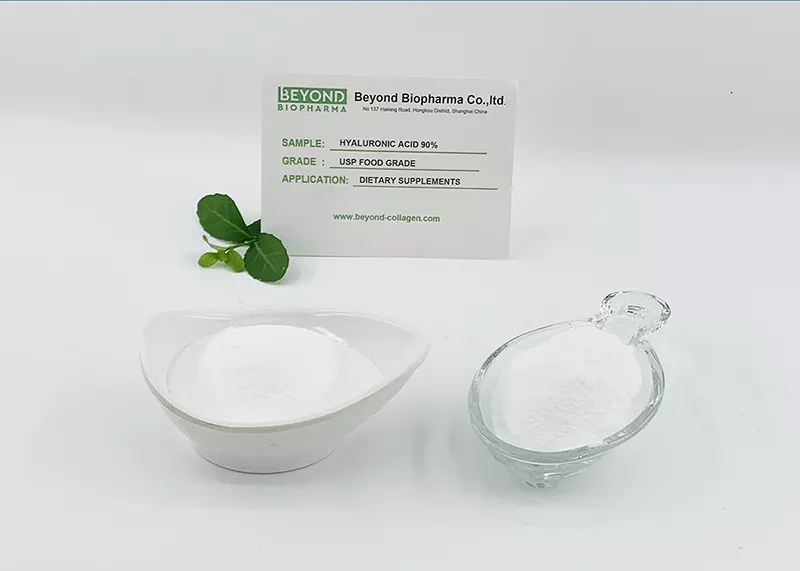
High Molecular Weight for Superior Joint, Skin, and Eye Health.
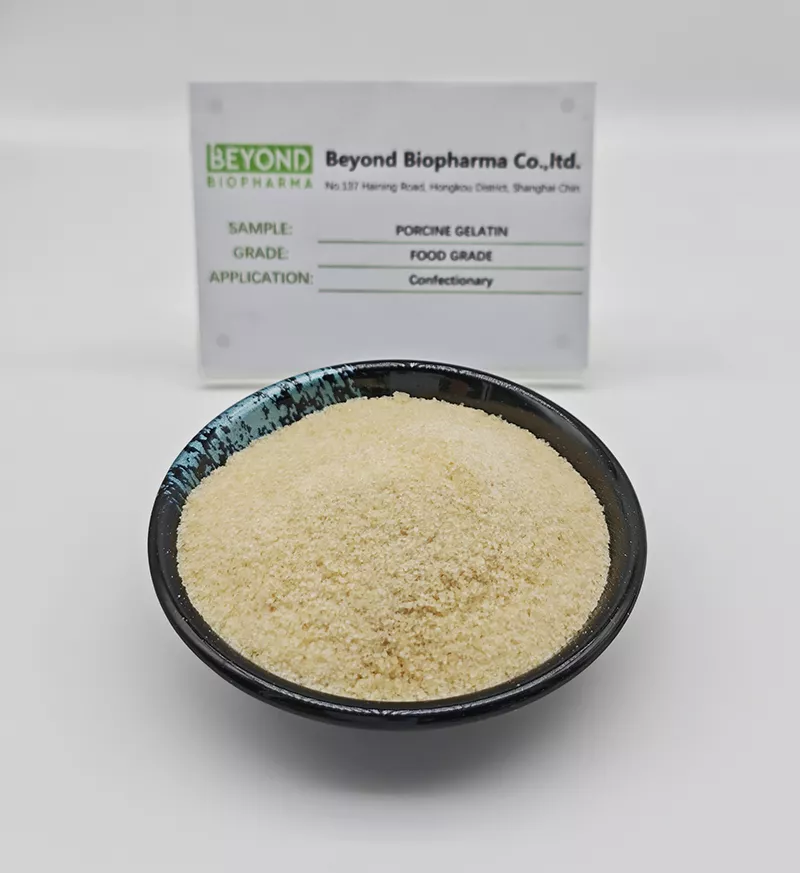
Food-grade porcine gelatin is a highly versatile and cost-effective natural protein derived from the collagen found in pig skin and bones. It is a premier gelling agent known for its exceptional clarity, neutral taste, and thermal reversibility.
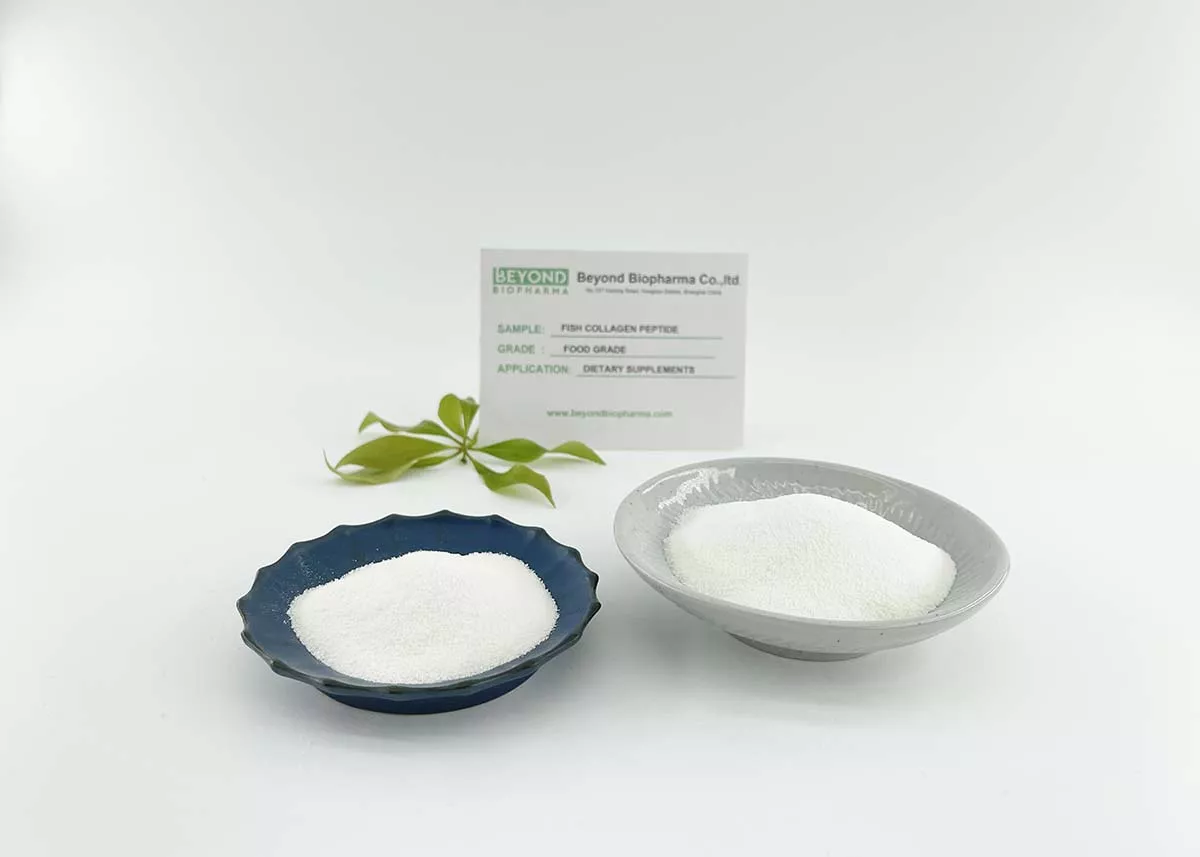
Premium marine-sourced collagen peptides with >90% protein content and low molecular weight (1000-3000 Da) for superior bioavailability. Sustainably sourced, neutral taste, and fully soluble—ideal for nutricosmetics and functional foods.
Tel:+86 21 65010906
Cell/Whatsapp/Wechat:
+86 13482884055
+86 18657345785
Email: sales@beyondbiopharma.com





User Comments
Service Experience Sharing from Real Customers
Megan
Pastry ChefAs someone who's always used sheet gelatin, switching to powder felt daunting. This conversion guide was a lifesaver! The table was clear, and the tip about blooming powder in cold water first saved my panna cotta. Finally, I can buy in bulk without stress. Feels like a professional secret unlocked!
Leo
Home BrewerI needed this for clarifying my homemade beer. The powder-to-sheet ratio was spot on, but I wish there was a bit more detail on adjusting for different bloom strengths. Still, it got the job done—my latest batch is crystal clear. Simple and practical, just what a hobbyist like me needs.
Chloe
Research TechnicianIn our lab, precision is everything. We had to substitute sheets with powder for a gelation protocol last minute. This conversion resource was incredibly accurate and cited reliable sources. It kept our experiment on track. A niche but vital tool for scientific work!
Raj
Culinary InstructorI've been teaching for 15 years, and students always ask about gelatin conversion. This is the clearest, most no-nonsense explanation I've seen. I've bookmarked it and will be sharing it in class next week. The practical examples (like for mousses vs. glazes) make it real. Brilliant work.