 English EN


Bovine gelatin pros and cons everyone should know
Bovine gelatin offers strong gelling and health benefits but has dietary, ethical, and allergen concerns. Compare bovine gelatin to other gelatin options here.
More
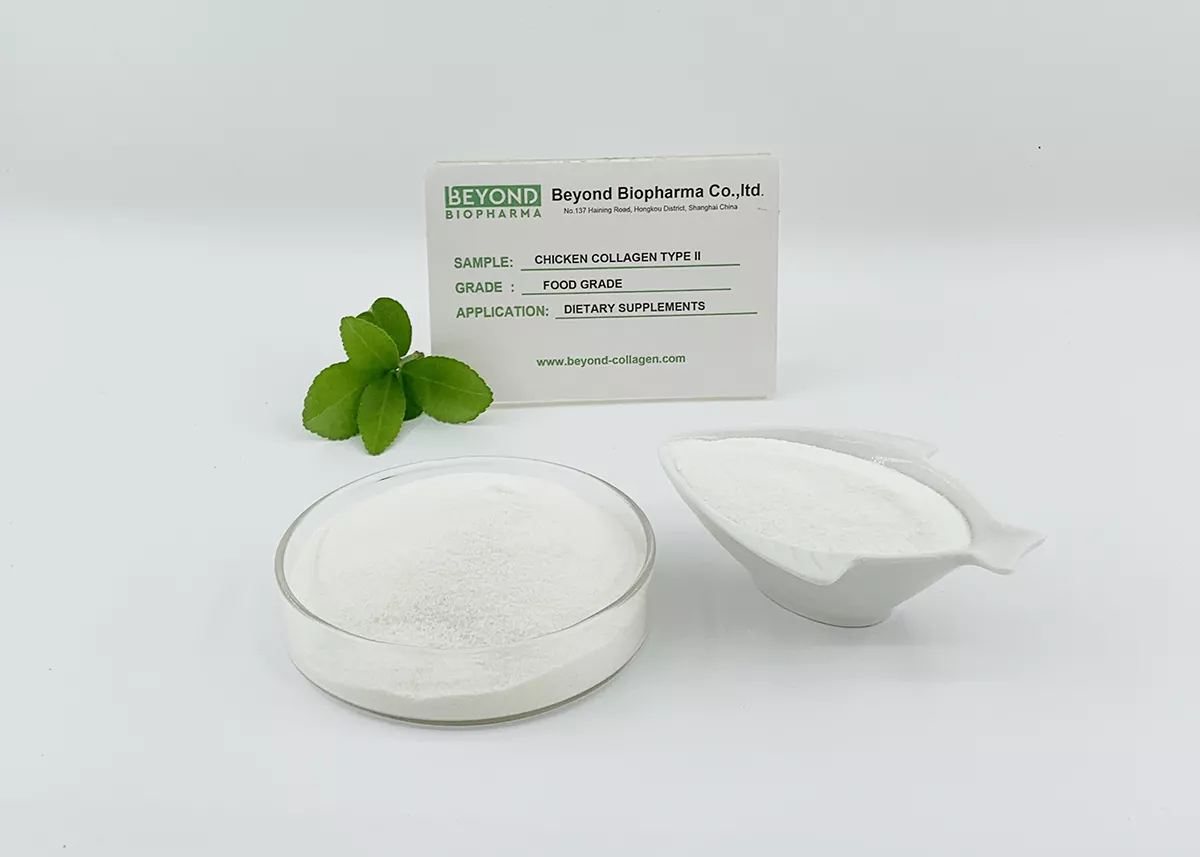
When a recipe calls for 3 gelatin sheets and you only have powder on hand, the conversion is not always straightforward. Gelatin sheets and powder differ in bloom strength, which directly affects how much liquid they can set. For most standard recipes, 3 gelatin sheets (typically 200-bloom) are equivalent to about 1 teaspoon (3 grams) of powdered gelatin. However, this ratio can vary based on the brand and bloom value of your sheets. This article breaks down the conversion process, explains the key parameters, and helps you choose the right gelatin for your application.
The most reliable conversion for 3 gelatin sheets to powder is 3 grams of powdered gelatin, which equals approximately 1 teaspoon. This assumes your gelatin sheets are standard 200-bloom, which is the most common grade used in professional baking. If your sheets are 160-bloom or 250-bloom, you may need to adjust the amount slightly. For precision, always check the bloom strength listed on your gelatin packaging. When in doubt, use a kitchen scale to weigh the powder rather than relying on volume measurements.
Bloom strength is a measure of the gel's firmness, typically ranging from 50 to 300 grams. Higher bloom values create firmer gels. When converting sheets to powder, matching the bloom strength ensures your final product has the same texture. For example, if your recipe uses 200-bloom sheets, using a 250-bloom powder without adjustment may result in a rubbery texture. Most powdered gelatins are 200-bloom as well, making the conversion straightforward. For industrial applications, suppliers like Edible Gelatin provide detailed COAs with bloom values to help you match specifications.
Hydration is critical for both forms. For sheets, soak them in cold water for 5–10 minutes until soft, then squeeze out excess water before adding to warm liquid. For powder, sprinkle it over cold water (use 4–5 times the weight of gelatin) and let it bloom for 5–10 minutes, then gently heat to dissolve. Never boil gelatin, as it can lose gelling power. For large-scale production, using Pharmaceutical Gelatin with consistent viscosity ensures repeatable results in gummies and softgels.
| Parameter | Typical Range | Notes |
|---|---|---|
| Bloom (g) | 50–300 | Pharma/gummies often 150–260 Bloom |
| Viscosity (mPa·s) | 2.0–5.5 | Affects mouthfeel and setting time |
| Mesh | 8–60 | Finer mesh dissolves faster |
| Moisture (%) | ≤14 | Lower moisture extends shelf life |
Note: These are typical industry ranges; final values per COA / sample.
Gelatin is used across multiple industries, each with specific requirements:
Beyond Biopharma is a Shanghai-based manufacturer with over 10 years of experience in the food-ingredient industry. We export to more than 50 countries and operate a fully automatic production line with GMP clean workshops. Our annual capacity is approximately 3,000 MT of collagen and 5,000 MT of gelatin. All products are ISO 9001 certified and US FDA registered. Select items carry Halal and Kosher certifications, and our bovine bone gelatin is BSE-free. Our in-house lab performs heavy-metal and microbiological testing, supported by a dedicated QA/QC team. We offer three grades—food, pharmaceutical, and cosmetic—along with free samples and formulation support.
Q: Can I substitute gelatin sheets with powder in any recipe?
Yes, as long as you match the bloom strength and weight. Use 3 grams of powder for every 3 standard sheets. Adjust liquid slightly if the recipe calls for sheet hydration water.
Q: What if my gelatin sheets are not 200-bloom?
Check the package for bloom value. For 160-bloom sheets, use about 3.5 grams of powder; for 250-bloom, use about 2.5 grams. Always weigh for accuracy.
Q: How do I store gelatin powder and sheets?
Keep both in a cool, dry place away from moisture. Powdered gelatin can last up to 2 years if sealed properly. Sheets are more sensitive to humidity.
Q: Is fish gelatin a good alternative to bovine or porcine gelatin?
Yes, fish gelatin is suitable for kosher and halal diets and has a lower melting point, making it ideal for soft gels and some desserts. Beyond Biopharma offers fish gelatin with consistent bloom.
Q: Can I use collagen peptides instead of gelatin for gummies?
Collagen peptides are hydrolyzed and do not gel like gelatin. They are better for beverages and supplements. For gummies, stick with high-bloom gelatin.
Q: What certifications should I look for when sourcing gelatin?
For food and pharma use, look for ISO 9001, FDA registration, and Halal/Kosher if required. Beyond Biopharma provides all these and offers BSE-free bovine options.
To ensure you get the right gelatin for your application, please provide the following details when contacting us: your intended use (food, pharmaceutical, or cosmetic), required grade, quantity or MOQ, target specifications (bloom, mesh, molecular weight, certifications), and destination country. Beyond Biopharma will send free samples and a competitive quote. Our team supports custom bulk supply and formulation/OEM to meet your exact needs. The conversion of 3 gelatin sheets to powder is just the start—let us help you scale with confidence.

We provide you with comprehensive foreign trade solutions to help enterprises achieve global development
Fish Gelatin for foods is increasingly recognized as the premium alternative to traditional mammalian sources, meeting the growing global demand for clean-label ingredients that align with diverse dietary and religious requirements. Derived from the skin and scales of fish like cod and tilapia, fish gelatin offers unique functional benefits that make it an exceptional gelling, stabilizing, and texturizing agent.
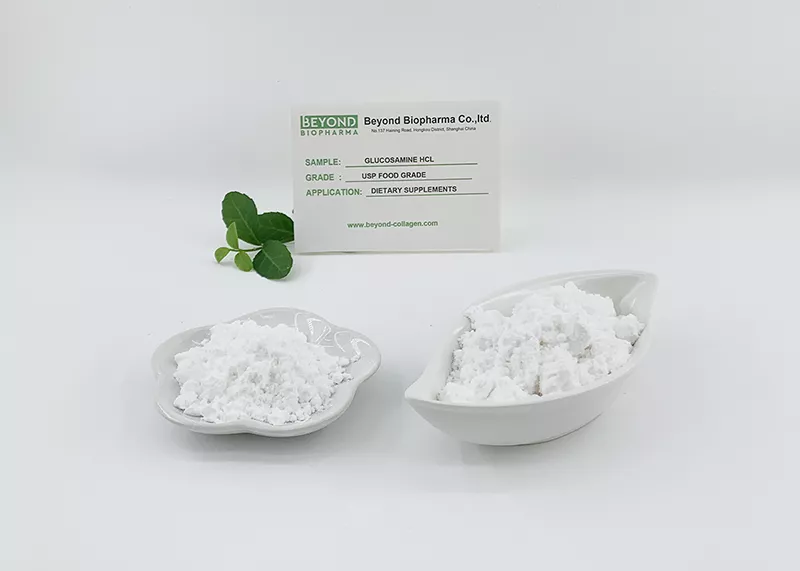
The Purest Plant-Based Joint Support Solution
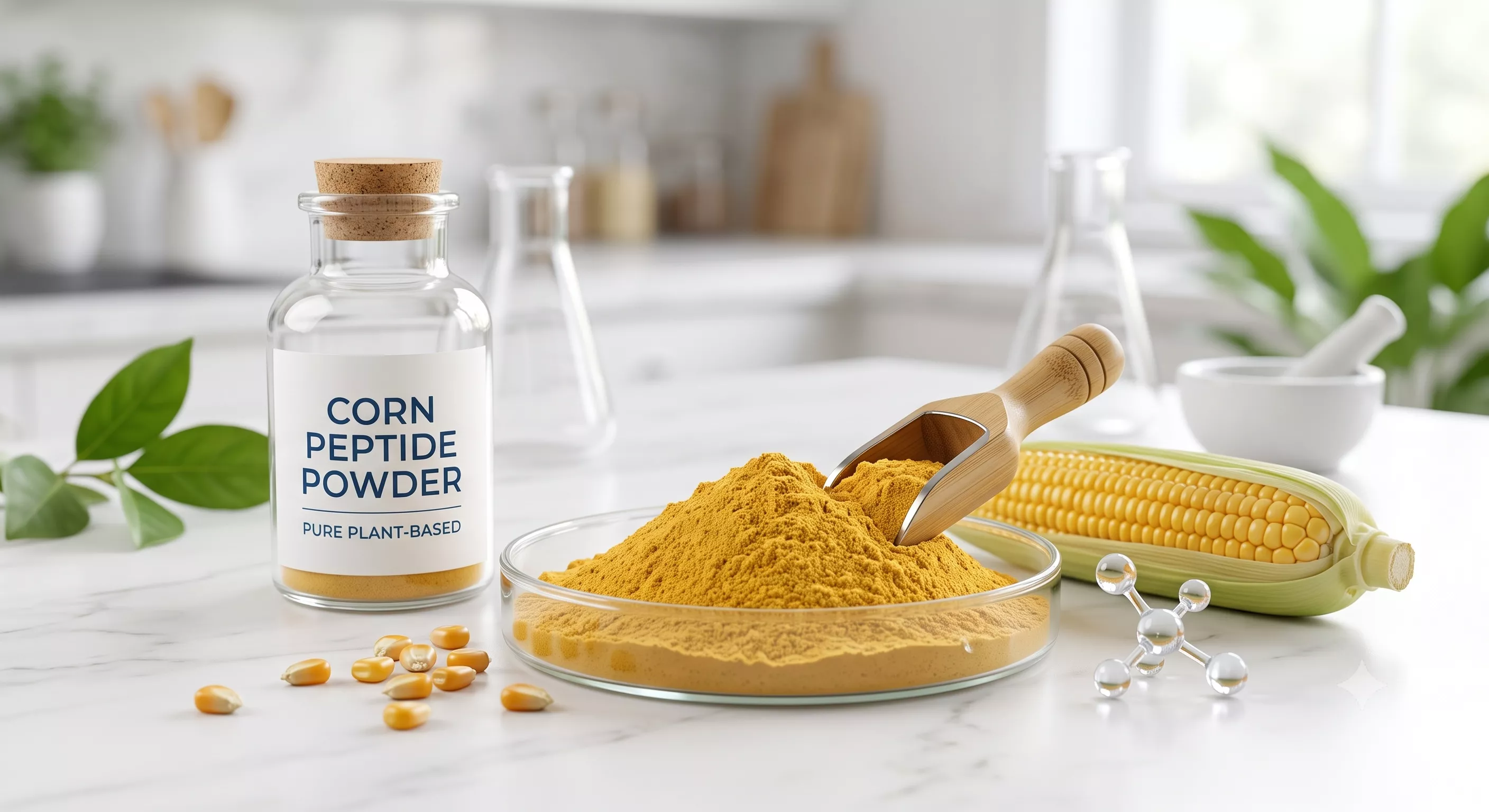
Source high-purity wholesale hydrolyzed corn protein peptide powder in bulk. Over 85% oligopeptides under 1000 Da. Rich in Alanine and Leucine for liver support and sobriety formulas.
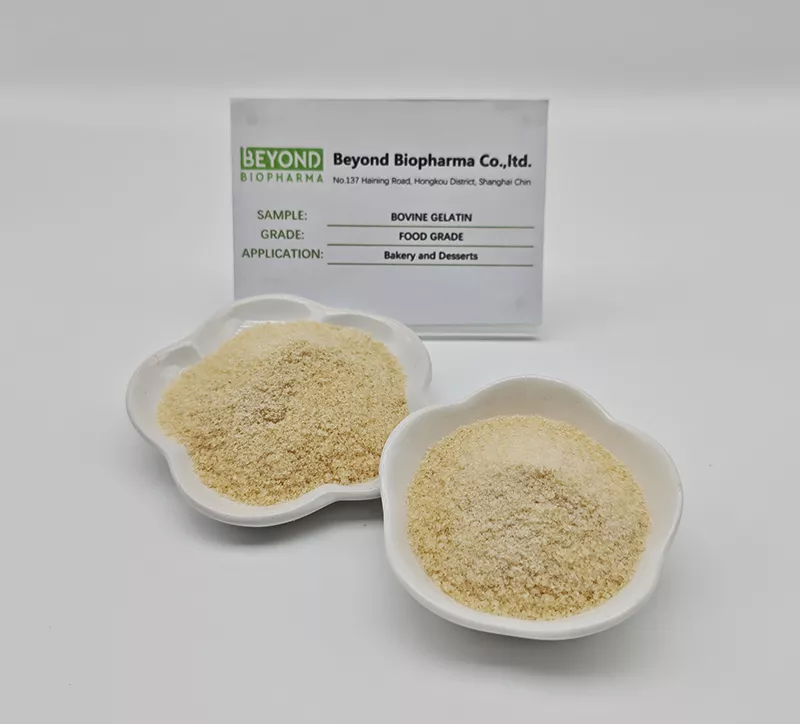
20 years experiences, 5000 ton/year capacity, Sustained supply with stable quality
Select the most popular foreign trade service products to meet your diverse needs
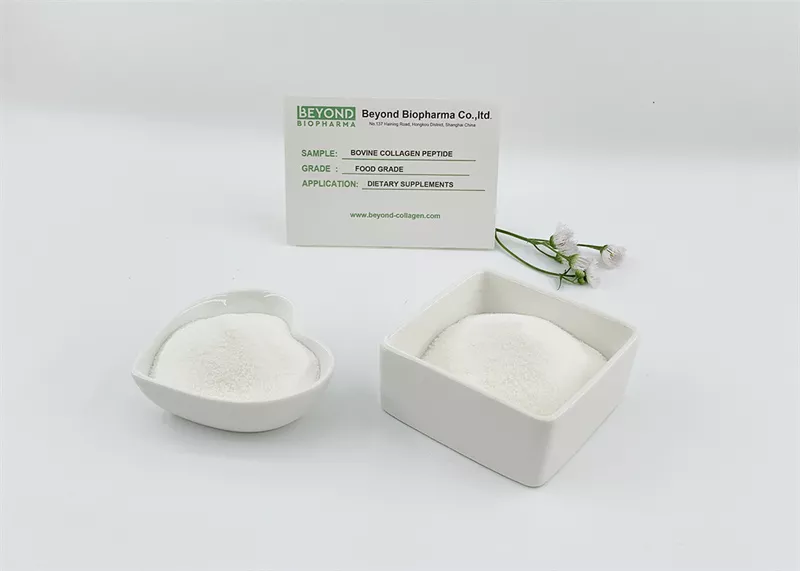
Manufacturer of bovine collagen peptide, shipping in containers all around the world
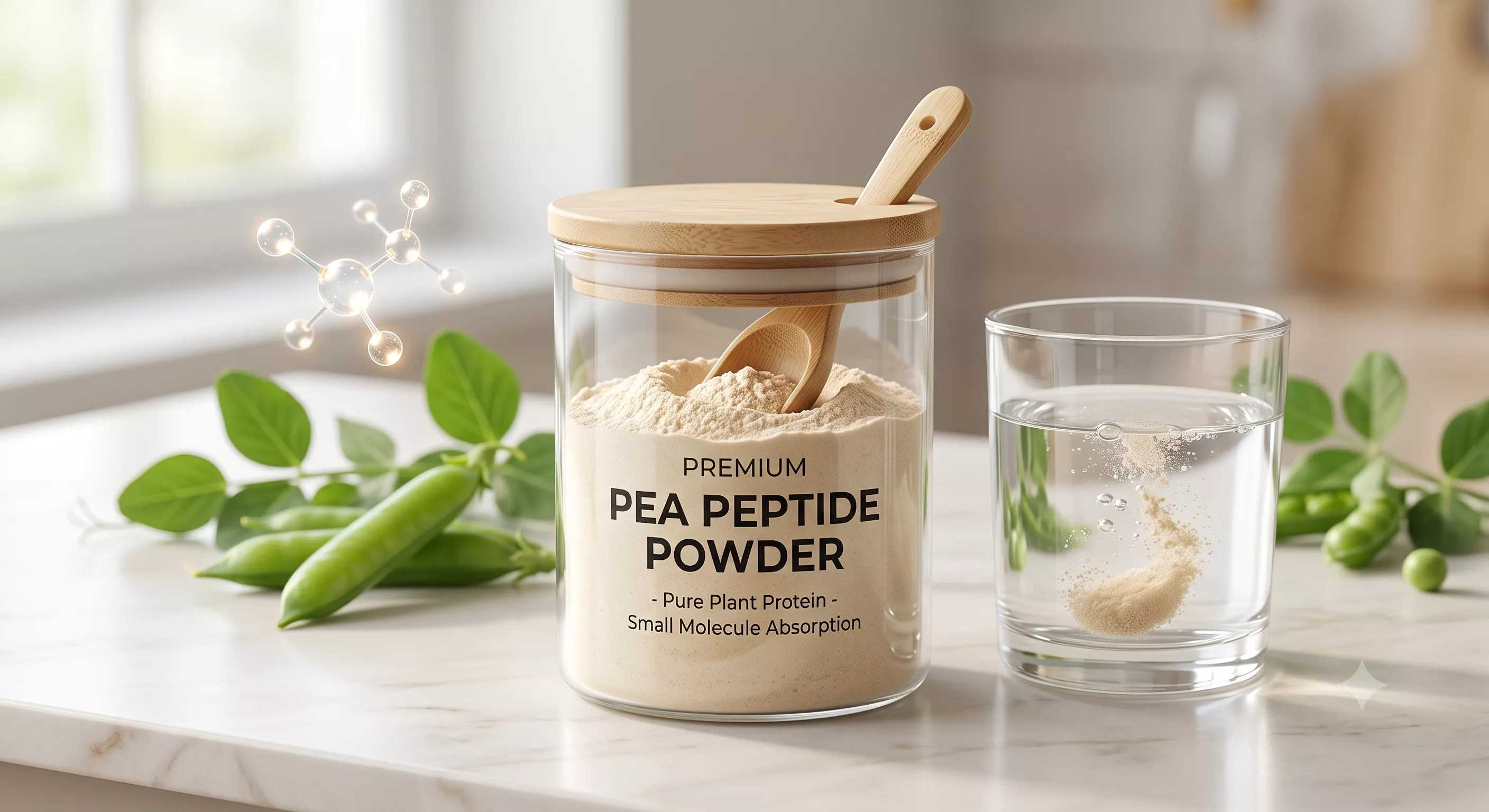
Source high-purity, hypoallergenic hydrolyzed pea peptide powder in bulk. Complete water solubility, rich in BCAAs, ideal for vegan recovery formulas.
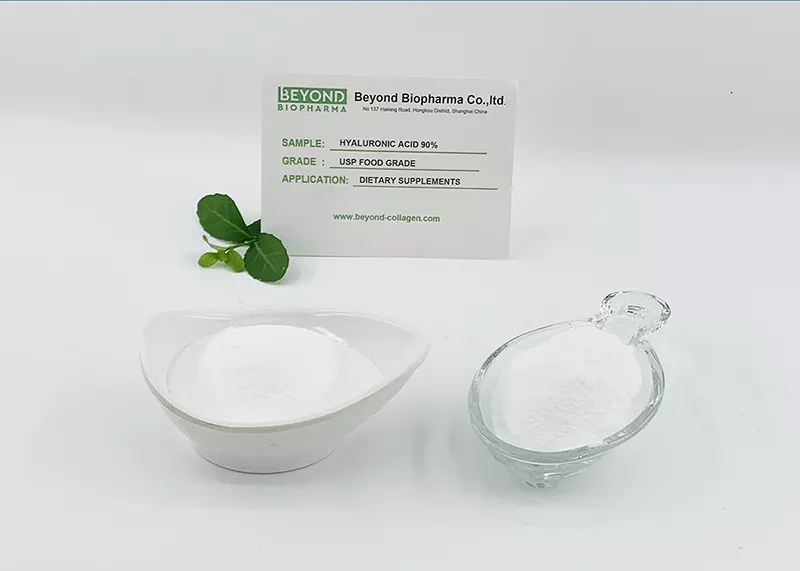
High Molecular Weight for Superior Joint, Skin, and Eye Health.
Tel:+86 21 65010906
Cell/Whatsapp/Wechat:
+86 13482884055
+86 18657345785
Email: sales@beyondbiopharma.com





User Comments
Service Experience Sharing from Real Customers
Megan
Pastry ChefAs someone who's been baking professionally for 8 years, I've always struggled with gelatin sheet conversions. This guide saved me so much time during our holiday rush—finally a clear, accurate ratio! My panna cotta has never been more consistent.
Leo
Home CookHonestly I was skeptical because gelatin sheets seem fancier, but this conversion actually worked in my grandma's mousse recipe. Lost one star because I wish there was a tip for adjusting setting time, but overall super helpful for a beginner like me!
Chloe
Food Science StudentUsed this for my lab project on hydrocolloids—the powder-to-sheet ratio was spot on. My professor even asked for the source. It's rare to find such practical, no-fluff information online. Bookmarked forever!
Ryan
Catering ManagerWe switched to powder for cost reasons and this conversion was a lifesaver. Tested it on 3 batches of champagne gelee for a wedding—perfect set every time. The team no longer argues about gelatin math. Thank you!