Plant Protein Peptide | Bulk Pea & Soy Peptide - Beyond Biopharma

products

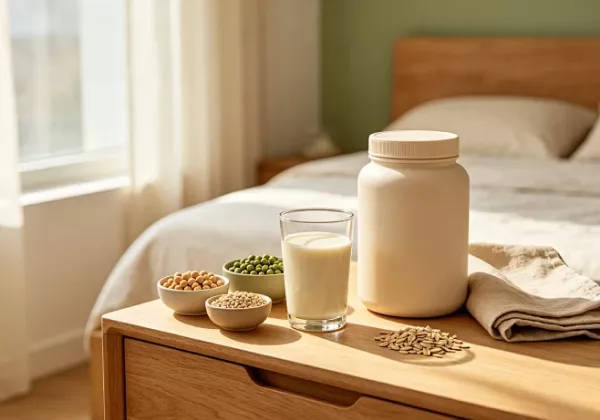
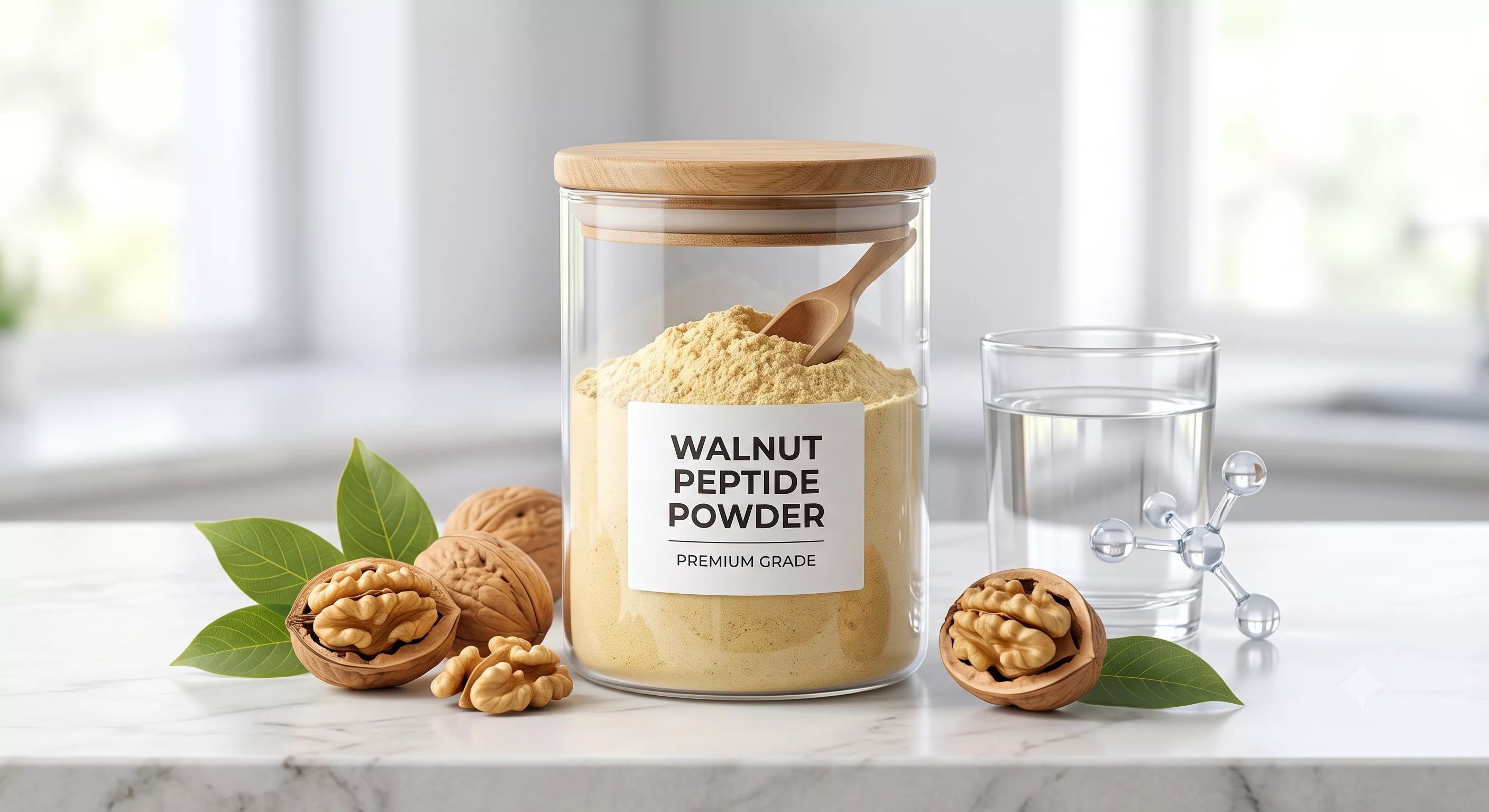
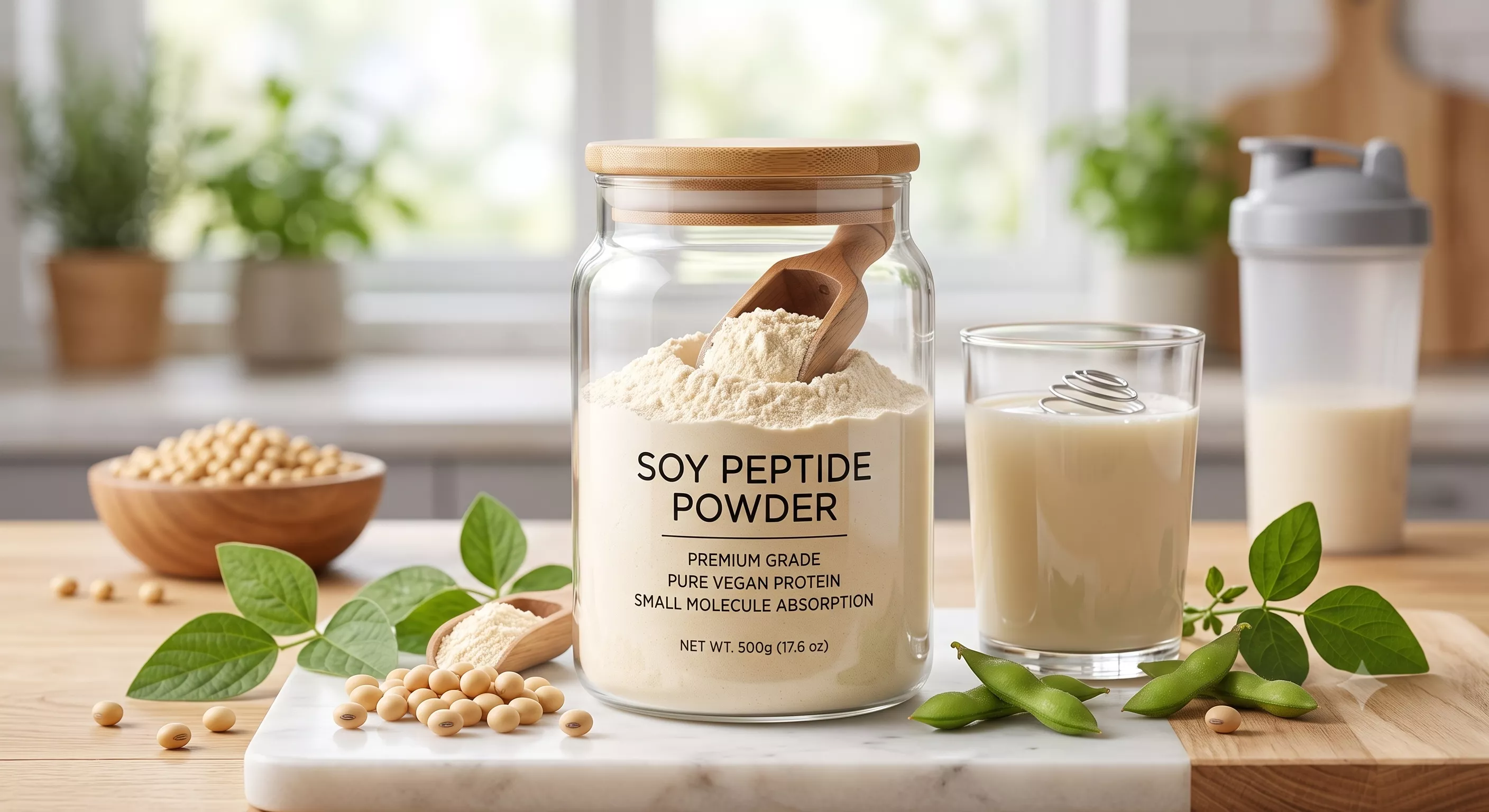
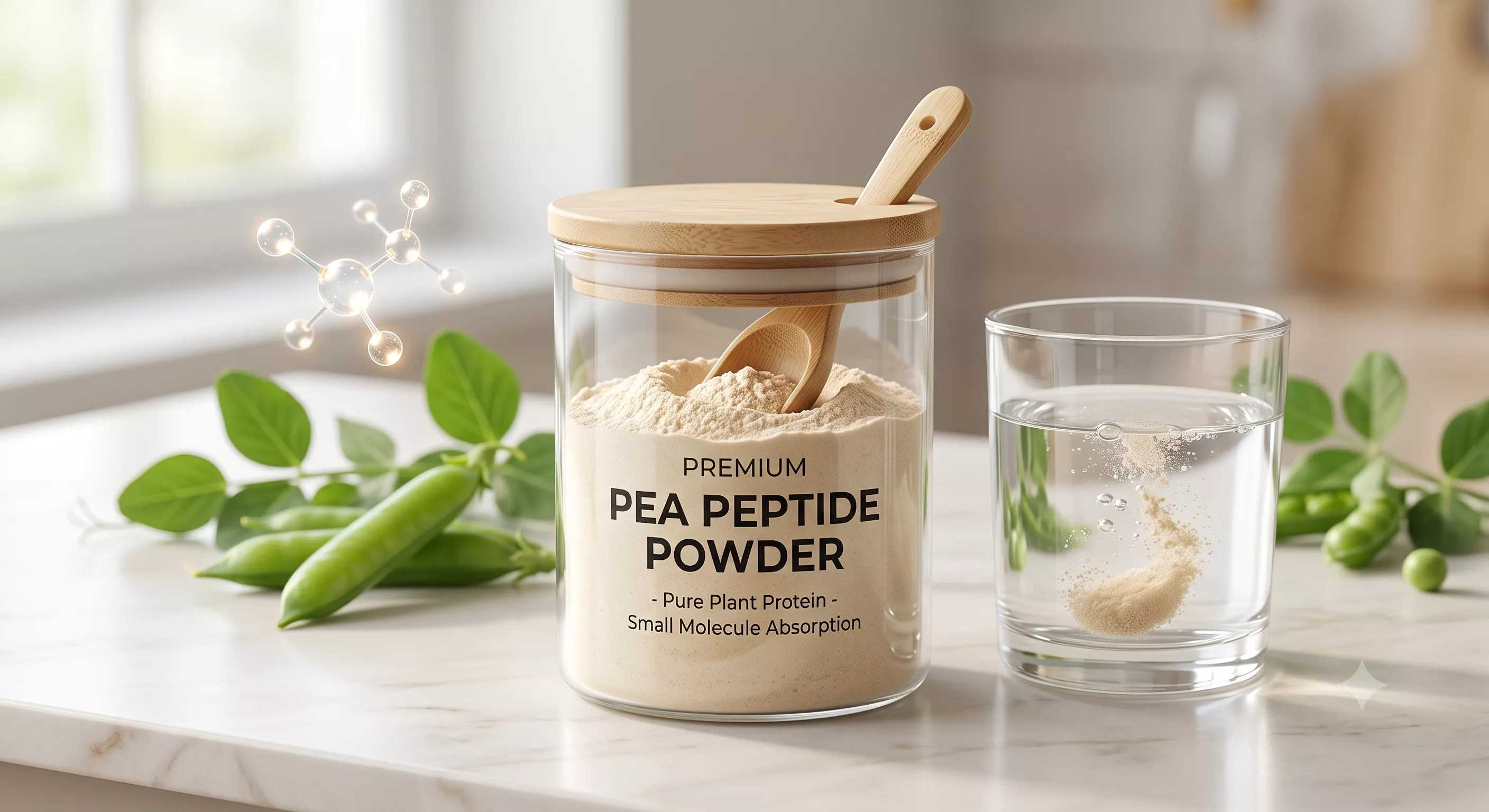
At Beyond Biopharma, we turn premium plant proteins into high-performance nutrition. As a specialized plant protein peptide manufacturer, we offer a versatile portfolio of hydrolyzed pea, soy, rice, wheat, corn and walnut peptides for the global food, beverage and nutraceutical industries.
Through controlled enzymatic hydrolysis, we break native plant proteins down into low-molecular-weight peptides (typically 1,000–3,000 Da) for superior bioavailability and rapid absorption. Whether you are formulating a clear high-protein beverage, a clean-label sports recovery blend, a plant-based meat or dairy alternative, or a senior and medical nutrition product, our peptides deliver consistent solubility, a neutral taste and a complete amino acid profile. Every batch is 100% plant-based, non-GMO and allergen-conscious, giving your R&D team a sustainable, vegan-friendly protein source that performs from lab scale to full production. Explore our range to find the exact molecular weight, solubility and sensory profile your formulation demands.
  • Low Molecular Weight: Enzymatically hydrolyzed to 1,000–3,000 Da for fast absorption and high bioavailability.
  • Clean-Label & Vegan: 100% plant-based, non-GMO and allergen-conscious — ideal for plant-forward formulations.
  • Neutral Taste & High Solubility: Fully water-soluble with minimal beany or bitter off-notes, even in clear beverages.

FAQS

  • What is a plant protein peptide, and how is it different from plant protein isolate?
    A plant protein peptide is what you get when a plant protein isolate is broken down further by controlled enzymatic hydrolysis. An isolate is still made of long, intact protein chains; a peptide is a short chain of amino acids — ours typically fall in the 1,000–3,000 Da range. That difference is functional, not just semantic. Peptides dissolve completely in cold water without grit or sediment, they are absorbed faster because they need less digestive breakdown, and they stay clear in solution where an isolate would go cloudy. The trade-off is that peptides have weaker gelling and texturizing properties, so they are chosen for nutrition and solubility rather than structure.
  • Which plant sources do you offer, and how do I choose between them?
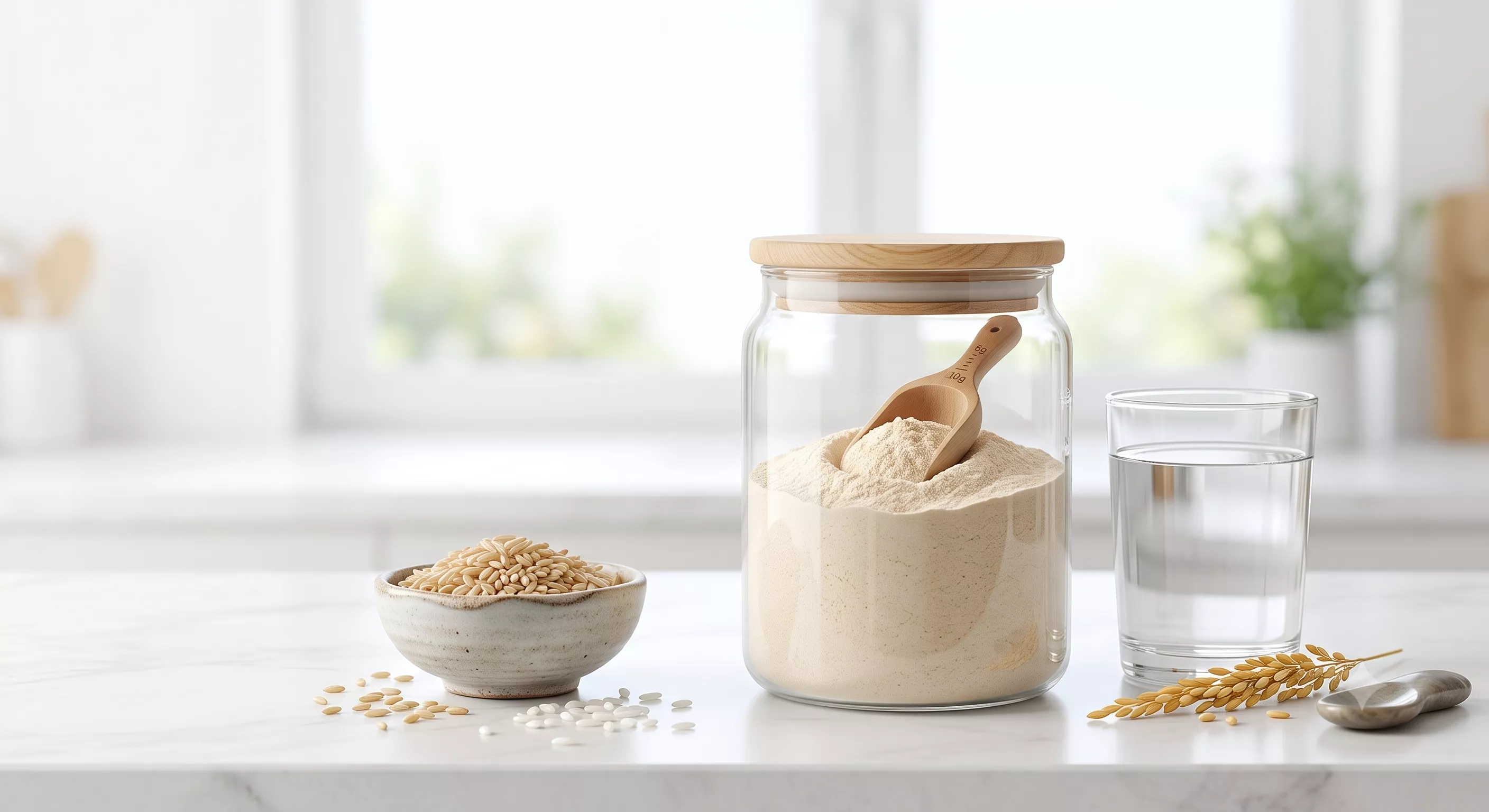
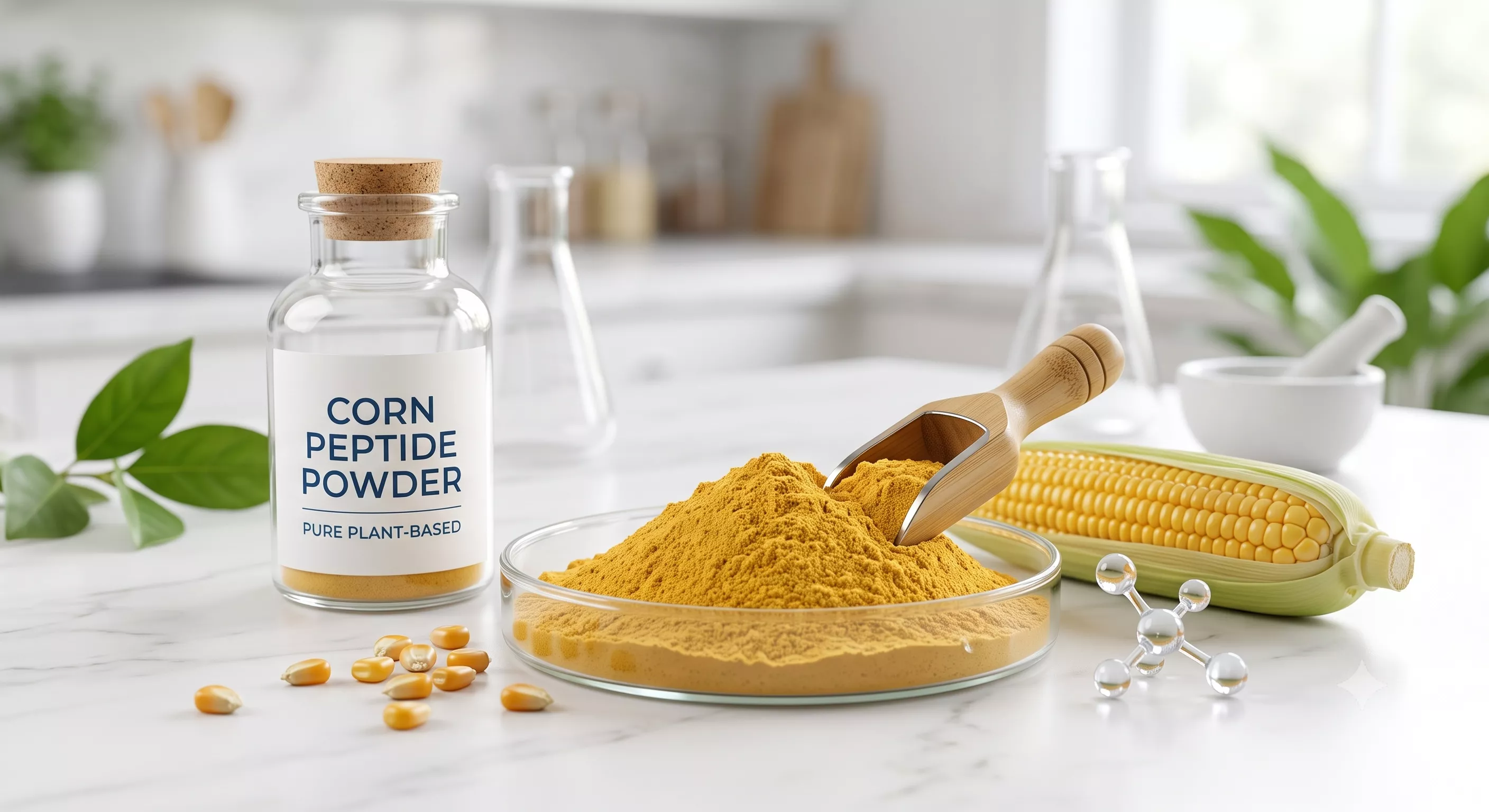
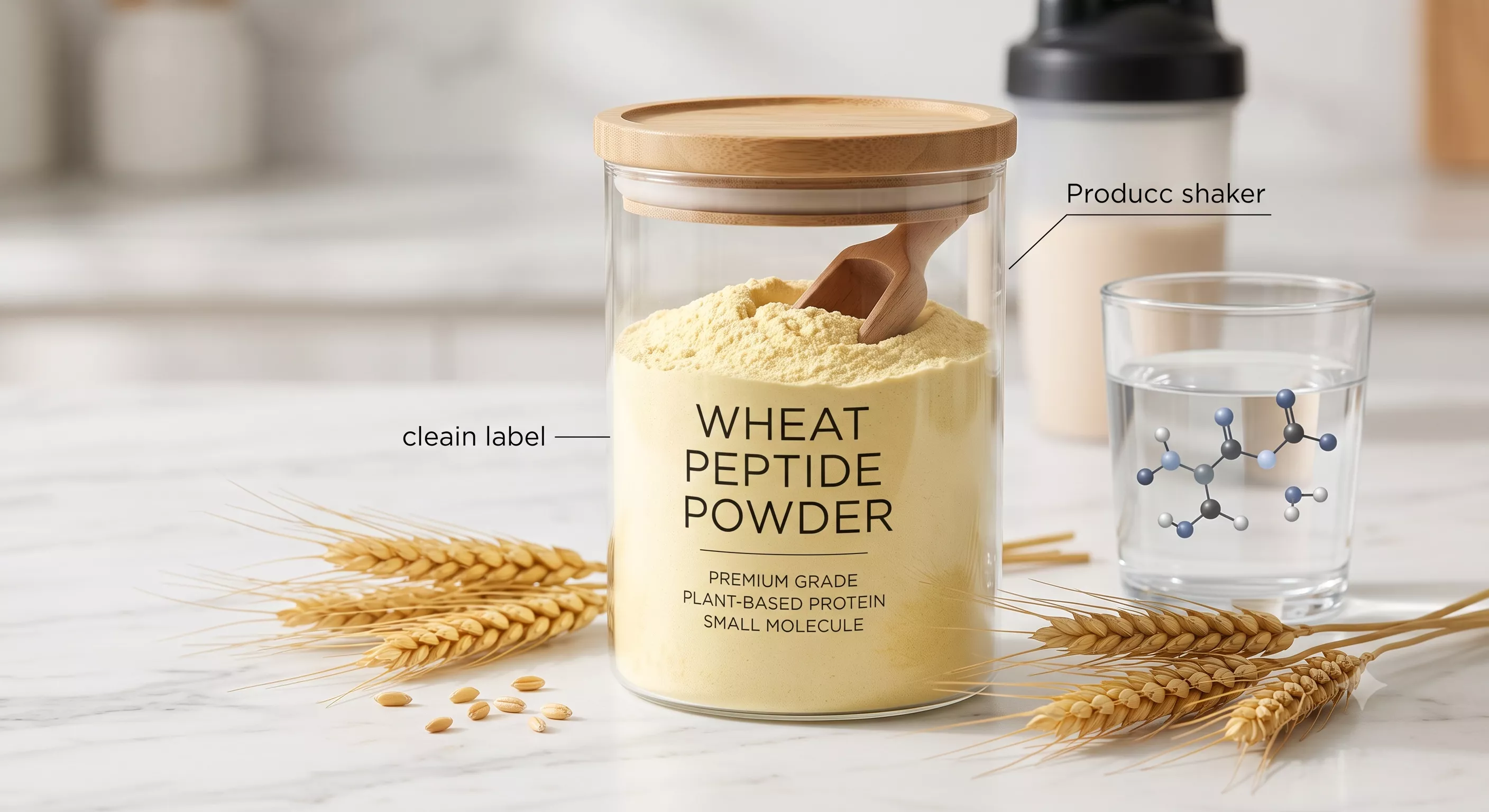
    We produce six: pea, soybean, rice, wheat, corn and walnut. The right choice usually comes down to three questions. - Allergen constraints? Rice and pea peptides are the two hypoallergenic options. Soy, wheat and walnut are declarable allergens in most markets. - Clarity requirement? Rice and pea peptides perform best in transparent beverages and protein waters. - Functional target? Wheat gluten peptide is naturally glutamine-rich; corn peptide is used for endurance and fatigue applications; walnut peptide for cognitive-positioning products; soybean oligopeptide offers the most complete amino acid profile of the six. If your formulation needs a complete amino acid profile from plants alone, blending is usually better than any single source — pea supplies lysine, rice supplies methionine.
  • What specifications and documentation do you provide?
    Every shipment ships with a batch-specific Certificate of Analysis covering protein content, moisture, ash, molecular weight distribution, solubility, pH, particle size, heavy metals, and microbiological limits. Technical Data Sheets, MSDS and allergen statements are available on request, as are certificates. One thing worth flagging for buyers: protein content depends on which nitrogen conversion factor is applied. Soy is conventionally calculated at 5.71 and rice at 5.95, not the generic 6.25 — so the same powder can show meaningfully different protein figures depending on the method. We state our factor on the COA. It is worth confirming this with any supplier before comparing quotes.
  • Are your plant peptides fully soluble in cold water?
    Yes. All six products are 100% water-soluble in cold water with no clumping, sedimentation or grit, and they stay clear rather than turning the solution cloudy. This holds across a wide pH range, which is what makes them viable for protein waters, RTD beverages, coffee applications and instant mixes. Two caveats worth knowing before you formulate. At low pH — below roughly 4.0 — solubility behaviour changes and some sources perform noticeably better than others; tell us your target pH and we will recommend the right grade. And separately, high solubility does not automatically mean high heat stability: UHT and retort processing affect colour and flavour more than they affect dissolution.
  • Do plant peptides taste bitter?
    Bitterness is the single most common concern with any protein hydrolysate, and it is a fair one — hydrolysis exposes hydrophobic amino acid residues that bind to bitter taste receptors. It is also manageable. Bitterness does not rise linearly with hydrolysis; it follows a bell-shaped curve, which means the degree of hydrolysis can be targeted rather than simply maximised. We combine controlled DH targeting with exopeptidase treatment and multi-stage purification to produce a neutral, debittered profile that can be dosed at high levels without heavy masking agents. Sensory tolerance varies a lot by application — a flavoured recovery shake accepts far more than an unflavoured protein water. Tell us the application and we will match the grade.
  • What applications are these peptides used in?
    The four largest categories we supply are: - Sports nutrition and recovery — vegan recovery shakes, protein bars, RTD sports drinks - Clear functional beverages — protein waters, RTD drinks, coffee creamers, instant mixes - Plant-based foods and bakery — meat and dairy alternatives, high-protein snacks, energy bars - Clinical and senior nutrition — meal replacements, medical nutrition, sarcopenia and healthy-ageing formulas Beyond food, hydrolyzed plant proteins are also used in agricultural biostimulants, pet food and aquafeed as palatability and digestibility enhancers, and in personal care under INCI names such as Hydrolyzed Pea Protein.
  • Are your plant peptides non-GMO, vegan and allergen-friendly?
    All six products are 100% plant-based, vegan and non-GMO, with full raw material traceability. On allergens, be precise rather than general: soy, wheat and walnut peptides remain declarable allergens in the US, EU and most other markets. Enzymatic hydrolysis reduces but does not reliably eliminate allergenicity, and hydrolysis does not by itself qualify wheat-derived peptides for a gluten-free claim — that requires validated testing against the applicable threshold using a method suitable for hydrolysed protein. If you need to avoid declarable allergens entirely, **rice peptide and pea peptide** are the two options to look at.
  • What are your MOQ, lead time and customisation options?
    Samples are available for evaluation, typically 100 g–1 kg per grade. Commercial orders ship in 25 kg bags, with container-load supply available. We work in three models: standard grades from our existing portfolio, modified specifications built on our own products, and fully custom hydrolysis where we develop a peptide profile to your brief. Customisable parameters include degree of hydrolysis, molecular weight range, debittering level, particle size and agglomeration, and multi-source blending. Lead time depends on grade and order size, and includes production, QC release and export documentation. Send us your target specification, volume and destination market and we will come back with a realistic timeline.

CONTACT

Your Name:*

Country:*

Company:*

Email:*

Phone (with Country Code)*

Message:*