 English EN


Bovine Collagen Peptide or Whey Protein Which Boosts Energy Bars Best
Bovine collagen peptide boosts energy bars with high protein, digestibility, and texture, making it a top choice over whey protein for wellness and recovery.
More
For overseas buyers—whether you are a food-ingredient purchasing manager, a supplement R&D professional, or a pharmaceutical excipient QA specialist—sourcing the right gelatines can be a challenge. You need consistent batch quality, reliable solubility, and certifications that meet your market's regulatory demands. This article breaks down what gelatines are, how they work, and how to choose the right type for your products.
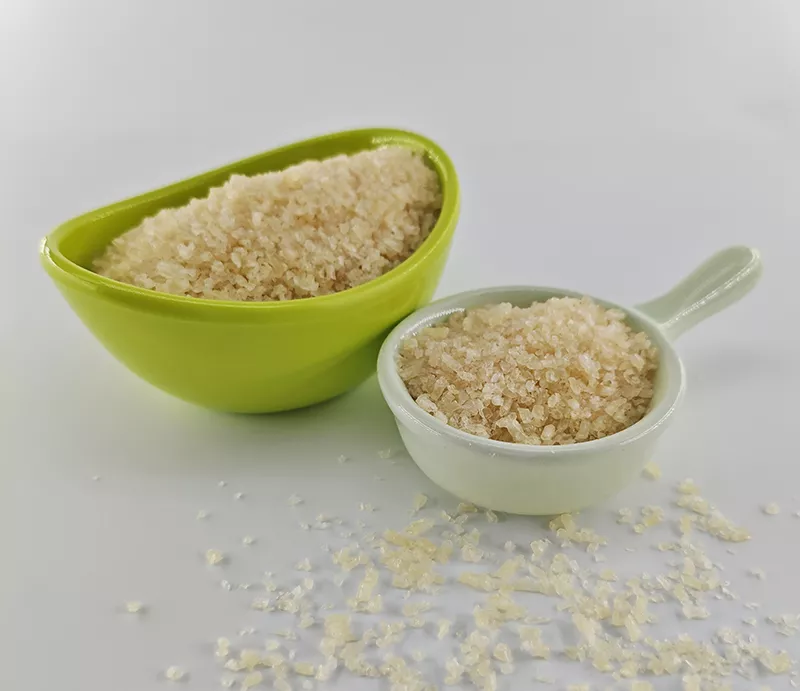
Gelatines are natural, water-soluble proteins obtained by partial hydrolysis of collagen, which is sourced from animal bones, hides, and connective tissues. The production process involves controlled acid or alkaline treatment followed by enzymatic hydrolysis and extraction. The result is a pure, functional protein that forms thermally reversible gels. This process determines key properties like bloom strength, viscosity, and molecular weight.
For example, Edible Gelatin (bovine, porcine, or fish) is commonly used in confectionery and dairy, while Pharmaceutical Gelatin (bovine bone gelatin) is formulated for hard capsules and softgels. The choice of raw material and hydrolysis method directly impacts the final product's performance.
Understanding standard parameters helps you evaluate suppliers. Below is a table of typical industry ranges for common gelatine grades. Note: these are generic ranges; final values should be confirmed per Certificate of Analysis (COA) and samples.
| Parameter | Edible Gelatin (Typical Range) | Pharmaceutical Gelatin (Typical Range) |
|---|---|---|
| Bloom (g) | 50–300 (150–260 for gummies) | 150–260 (hard capsules), high-viscosity for softgels |
| Viscosity (mPa·s) | 2.0–5.5 | 2.5–6.0 (depending on application) |
| Mesh | 8–60 | 20–60 |
| Moisture (%) | ≤14 | ≤14 |
| Protein (%) | ≥85 | ≥85 |
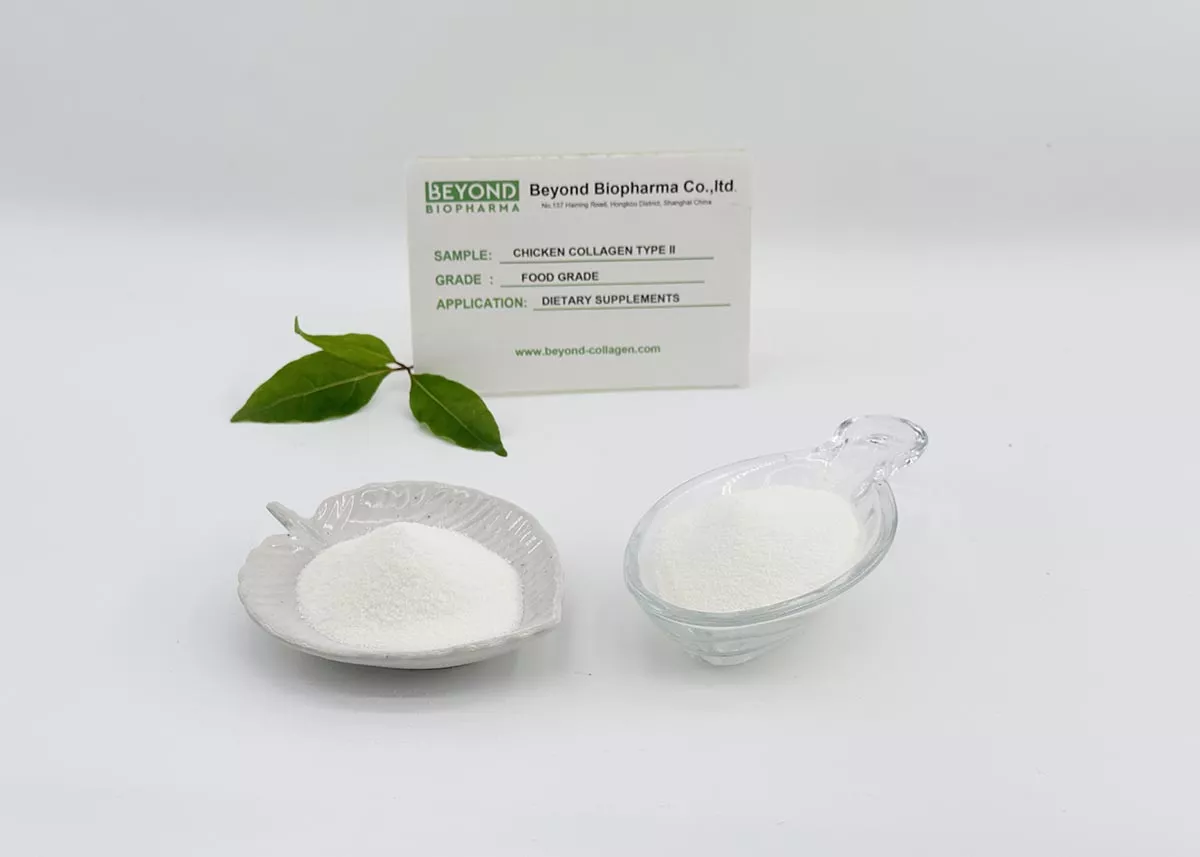
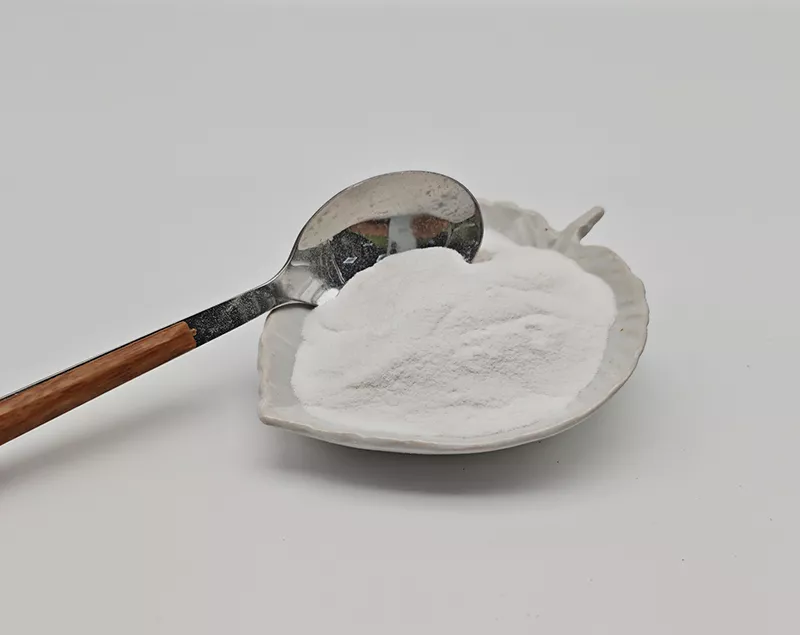
For collagen peptides, molecular weight typically ranges from 2,000–5,000 Da, with fish sources often at the lower end for faster absorption. Plant Protein Peptides (pea, rice, soy) offer protein content of 80–90% and molecular weight below 5,000 Da, suitable for allergen-free and vegan formulations.
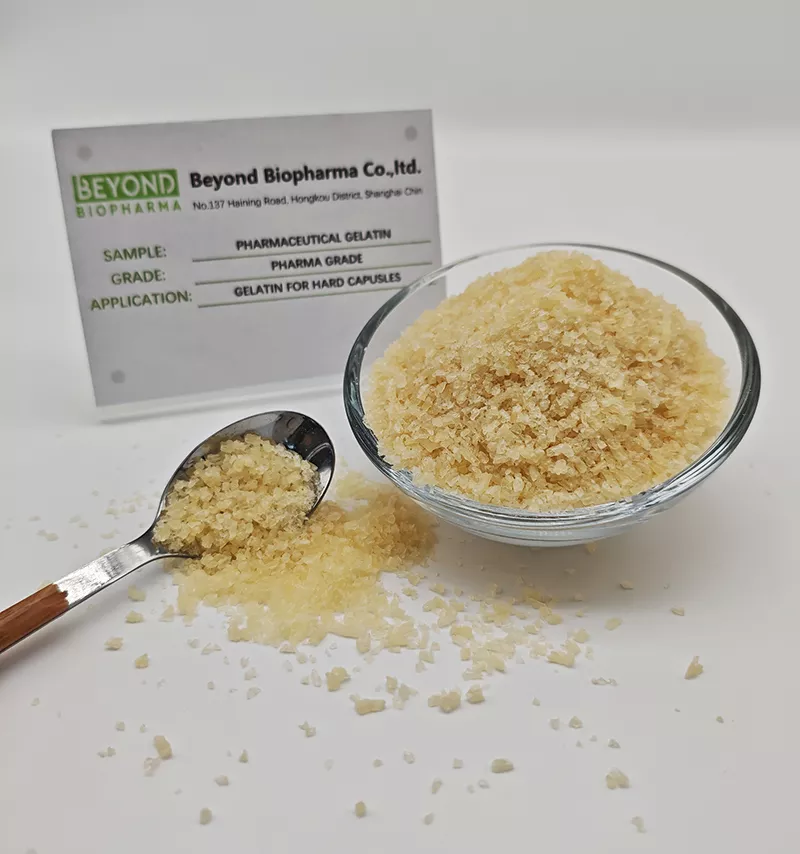
Selecting the correct gelatine depends on your end-use. Here is a breakdown by industry:
Beyond Biopharma is a Shanghai-based manufacturer with over 10 years of experience in the food-ingredient industry. Our products are exported to 50+ countries. We operate fully automatic production lines in GMP clean workshops, with stainless-steel sealed piping and automated temperature/pH control. Our annual capacity is approximately 3,000 MT for collagen and 5,000 MT for gelatin.
We hold ISO 9001 certification, are US FDA registered, and maintain a GMP clean workshop. Select products carry Halal and Kosher certifications (e.g., fish gelatin). Our bovine bone gelatin is BSE-free. An in-house lab conducts heavy-metal and microbiological testing, supported by a dedicated QA/QC team. We offer three grades (food, pharmaceutical, cosmetic) and provide free samples along with formulation and selection support.
Q: What is the difference between edible gelatin and pharmaceutical gelatin?
A: Edible gelatin is used in food products like gummies and desserts, with bloom values typically between 150–260. Pharmaceutical gelatin meets stricter purity and viscosity standards for hard capsules and softgels, ensuring consistent drug delivery.
Q: How do I ensure batch-to-batch consistency when sourcing gelatines?
A: Request a Certificate of Analysis (COA) for each batch, specifying bloom, viscosity, moisture, and microbial limits. Work with suppliers like Beyond Biopharma that have in-house QA/QC and automated production controls.
Q: Can gelatines be used in vegan or allergen-free products?
A: Traditional gelatines are animal-derived. For vegan formulations, consider plant protein peptides (pea, rice, soy) which offer similar functional properties without animal allergens.
Q: What certifications should I look for when importing gelatines?
A: Common requirements include ISO 9001, FDA registration, Halal, Kosher, and BSE-free certification. Beyond Biopharma offers these for select products, ensuring compliance with global markets.
Q: How do I choose between fish, bovine, or porcine gelatin?
A: Consider dietary restrictions (halal, kosher), allergen profiles, and desired gel properties. Fish gelatin has lower bloom and is suitable for soft capsules; bovine and porcine offer higher bloom for gummies and hard capsules.
Q: What is the typical lead time for bulk gelatine orders?
A: Lead time varies by product and quantity. Contact Beyond Biopharma with your MOQ and destination country for a precise timeline. Free samples are available for evaluation.
To ensure you get the right gelatines for your formulation, please provide the following details when contacting Beyond Biopharma: your specific application (food, pharmaceutical, or cosmetic), required grade (edible, pharmaceutical, or cosmetic), target specifications (bloom, mesh, molecular weight, certifications), estimated quantity or MOQ, and destination country. This allows our team to send you free samples and a tailored quotation. We are committed to supporting your product development with reliable, high-quality ingredients.

We provide you with comprehensive foreign trade solutions to help enterprises achieve global development
Stability, Swallowing Enhancement, and Controlled Release
Fish Gelatin for foods is increasingly recognized as the premium alternative to traditional mammalian sources, meeting the growing global demand for clean-label ingredients that align with diverse dietary and religious requirements. Derived from the skin and scales of fish like cod and tilapia, fish gelatin offers unique functional benefits that make it an exceptional gelling, stabilizing, and texturizing agent.
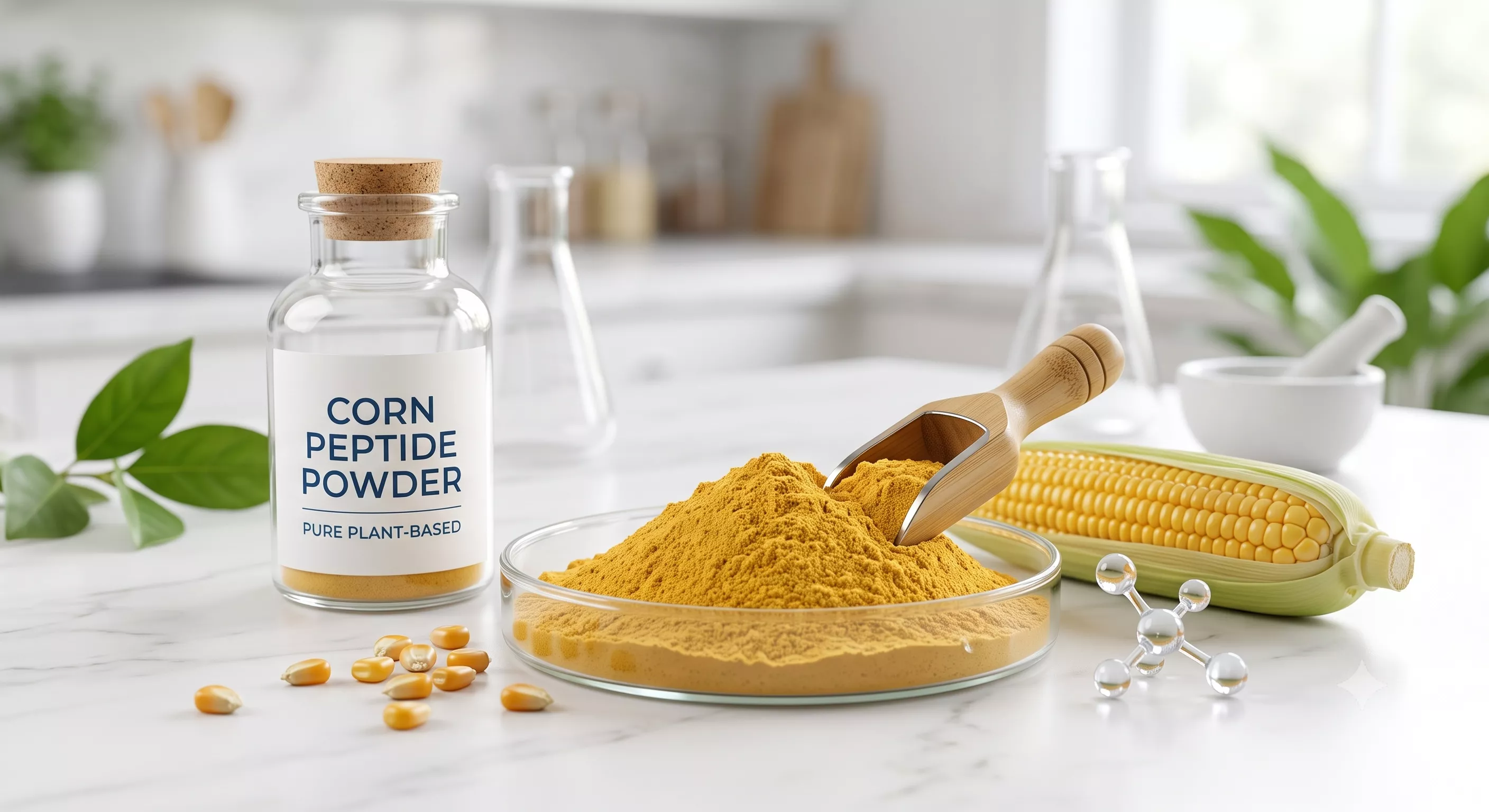
Source high-purity wholesale hydrolyzed corn protein peptide powder in bulk. Over 85% oligopeptides under 1000 Da. Rich in Alanine and Leucine for liver support and sobriety formulas.
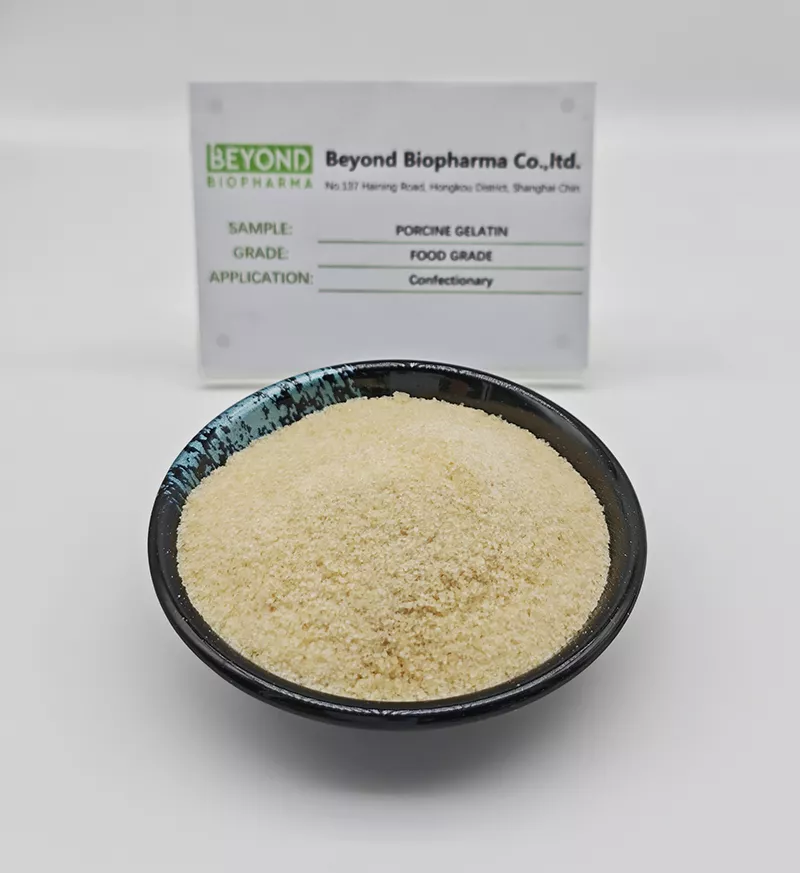
Food-grade porcine gelatin is a highly versatile and cost-effective natural protein derived from the collagen found in pig skin and bones. It is a premier gelling agent known for its exceptional clarity, neutral taste, and thermal reversibility.
Select the most popular foreign trade service products to meet your diverse needs
Source high-purity wholesale hydrolyzed corn protein peptide powder in bulk. Over 85% oligopeptides under 1000 Da. Rich in Alanine and Leucine for liver support and sobriety formulas.
Fish Gelatin for foods is increasingly recognized as the premium alternative to traditional mammalian sources, meeting the growing global demand for clean-label ingredients that align with diverse dietary and religious requirements. Derived from the skin and scales of fish like cod and tilapia, fish gelatin offers unique functional benefits that make it an exceptional gelling, stabilizing, and texturizing agent.
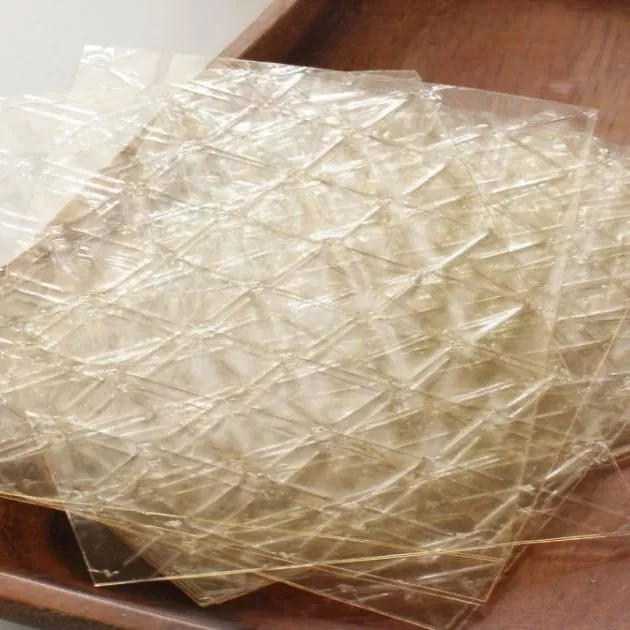
Our Gelatin Sheets are produced to precise standards, ensuring consistency and reliability across different Bloom grades (Silver being the most common professional choice).
Tel:+86 21 65010906
Cell/Whatsapp/Wechat:
+86 13482884055
+86 18657345785
Email: sales@beyondbiopharma.com





User Comments
Service Experience Sharing from Real Customers
Megan
Pastry ChefAs a professional baker, I've tried countless gelatines. This one sets perfectly every time—no weird aftertaste, and it gives my fruit tarts that gorgeous, clear shine. My customers keep asking what my 'secret' is! Been using it for 6 months now.
Leo
Science TeacherUsed these gelatines for a classroom experiment on polymers. The kids loved making edible slime—it dissolved way easier than the cheap store brand I used last year. Lost one star because the packaging could be a bit sturdier, but the product itself is great.
Chloe
Home BakerOkay, I was skeptical after a few failed attempts with other brands, but this actually worked for my homemade gummy bears! The texture is spot-on, not too rubbery. My picky 5-year-old finally approved a snack I made. Total game-changer for my weekend projects.
Ryan
Catering ManagerWe go through gelatine like crazy for aspics and mousses at events. This batch is consistently clear and strong—no last-minute panic when things don't set. Only minor gripe is the lead time on bulk orders, but quality-wise, it's reliable stuff.