 English EN


Tackling the Gelatin Cross-Linking Phenomenon in Softgel Capsules
USP Tier 2 enzyme testing resolves cross-linking and cloudy softgels: diagnosing gelatin capsule shell failures. High-purity gelatin prevents shell degradation.
More
Food in gelatin is a broad category that includes everything from fruit jellies and gummy candies to savory aspics and pharmaceutical capsules. For overseas buyers—whether you are a food-ingredient purchasing manager, a nutraceutical R&D developer, or a pharmaceutical excipient QA specialist—understanding the sourcing challenges around batch consistency, solubility, certification barriers, and allergen or vegan requirements is critical. This guide covers the working principles, typical specifications, and practical applications of gelatin and its alternatives, helping you make informed procurement decisions.
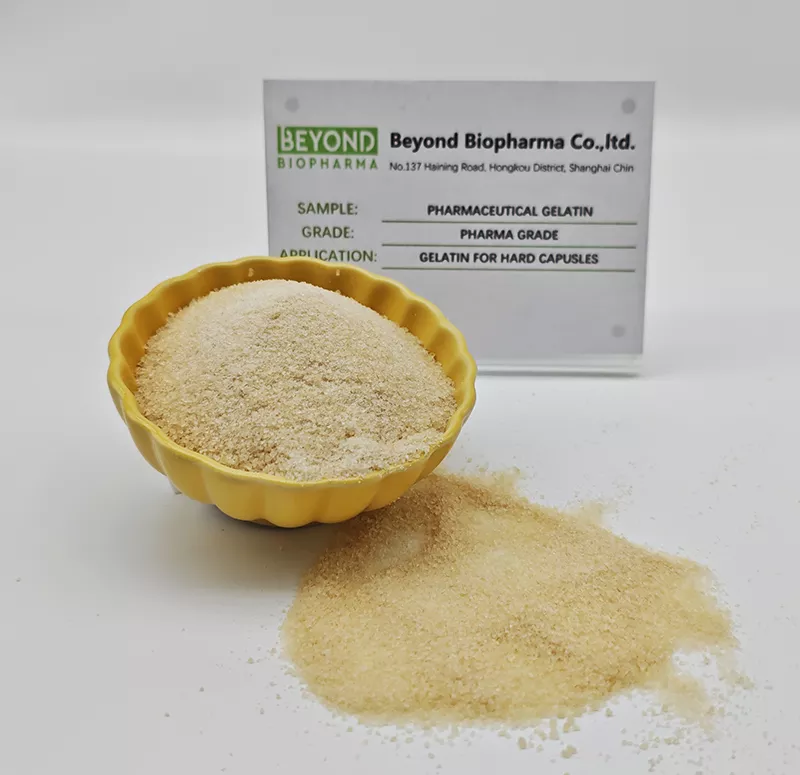
Food in gelatin refers to any edible product where gelatin acts as the primary gelling, stabilizing, or texturizing agent. Gelatin is derived from collagen—typically from bovine, porcine, or fish sources—and is widely used in confectionery, dairy, meat products, and even pharmaceutical capsules. For buyers, the key pain point is finding a supplier that delivers consistent bloom strength, low odor, high solubility, and the right certifications (Halal, Kosher, BSE-free). Beyond Biopharma, a Shanghai-based manufacturer with over 10 years in the industry, addresses these concerns with fully automated production lines and GMP clean workshops.
The global demand for food in gelatin continues to grow, driven by the rise of gummy supplements, clean-label confections, and plant-based alternatives. However, not all gelatin is created equal. Factors like molecular weight, bloom value, and mesh size directly impact performance in your final product. Understanding these parameters helps you avoid costly formulation failures and ensures your end product meets consumer expectations for texture, clarity, and shelf stability.
The production of food in gelatin begins with collagen-rich raw materials—bovine hide, bovine bone, porcine skin, or fish skin. These materials undergo a controlled hydrolysis process, either acidic or alkaline, to extract gelatin. The resulting product is then dried, milled, and sieved to achieve specific particle sizes. For collagen peptides, enzymatic hydrolysis breaks the protein into smaller chains, typically 2,000–5,000 Da, which improves solubility and absorption.
Key performance indicators include bloom strength (the gel firmness, measured in grams), viscosity (flow behavior), and mesh size (particle fineness). For example, high-bloom gelatin (200–260 g) is ideal for gummy candies and softgels, while low-bloom gelatin (50–100 g) works better in mousses and whipped products. At Beyond Biopharma, our automated temperature and pH control systems ensure every batch meets tight specifications, from edible gelatin to pharmaceutical-grade variants.
When sourcing food in gelatin, you will encounter a range of technical parameters. The table below summarizes common industry ranges. Note: these are typical values; final specifications should always be verified against the Certificate of Analysis (COA) from your supplier.
| Parameter | Typical Industry Range | Common Applications |
|---|---|---|
| Bloom (g) | 50–300 (pharma/gummies: 150–260) | Gummies, softgels, hard capsules |
| Viscosity (mPa·s) | 2.0–5.5 | Coatings, encapsulation |
| Mesh size | 8–60 | Powder blending, instant dissolution |
| Moisture | ≤14% | Shelf stability |
| Protein (collagen peptides) | ≥90% | Sports nutrition, beauty drinks |
| Molecular weight (peptides) | 2,000–5,000 Da (fish: lower) | Rapid absorption formulations |
For plant protein peptides—such as pea, rice, or soy hydrolysates—protein content typically ranges from 80–90%, with molecular weight below 5,000 Da. These are suitable for vegan and allergen-free formulations, offering good solubility and a clean flavor profile.
Selecting the correct grade of food in gelatin depends on your end product and processing conditions. Below are common application areas with recommended solutions:
For micro-encapsulation applications, gelatin for micro-encapsulation provides excellent barrier properties for protecting sensitive ingredients.
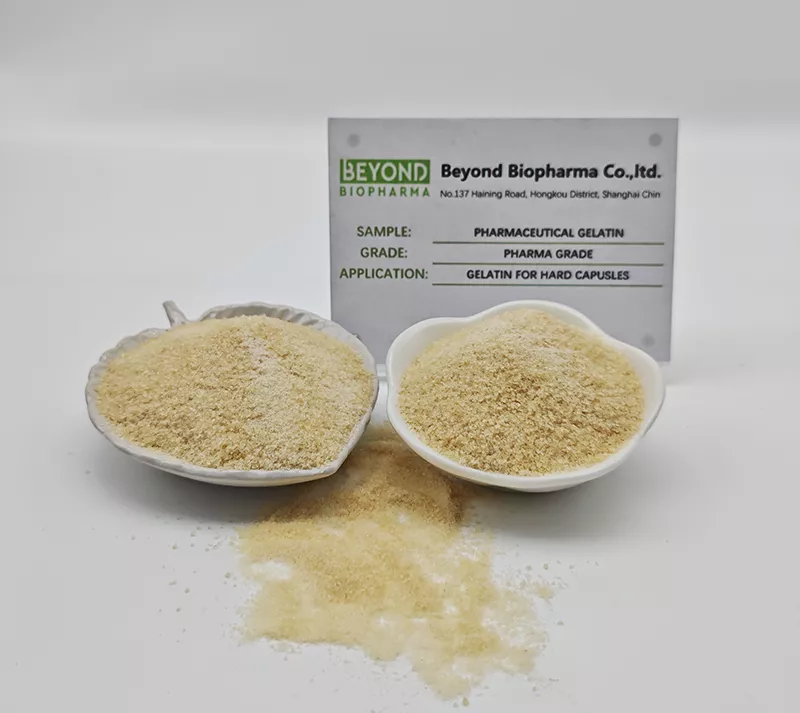
Beyond Biopharma, headquartered in Shanghai, China, is a dedicated manufacturer of collagen peptides, gelatin, and plant protein peptides. With over 10 years of experience in the food-ingredient industry, we export to more than 50 countries. Our facility has an annual capacity of approximately 3,000 MT for collagen and 5,000 MT for gelatin, supported by fully automatic production lines, GMP clean workshops, and stainless-steel sealed piping with automated temperature and pH control.
We hold ISO 9001 certification, are US FDA registered, and maintain a GMP clean workshop. Select products carry Halal and Kosher certifications—for example, our fish gelatin. Our bovine bone gelatin is BSE-free, and we operate an in-house lab for heavy-metal and microbiological testing, supported by a dedicated QA/QC team. We offer three grades (food, pharmaceutical, cosmetic) and provide free samples along with formulation and selection support.
Our product lines include edible gelatin (bovine, porcine, fish; including high-bloom bovine hide gelatin), pharmaceutical gelatin (bovine bone gelatin for hard capsules; ultra-high-viscosity gelatin for softgels), collagen peptides (fish and bovine; fish collagen tripeptide), undenatured collagen type II for joint health, plant protein peptides (pea, rice, soy), and joint health ingredients like bovine chondroitin sulfate sodium, glucosamine HCl, and food-grade hyaluronic acid powder.
Q: What is the difference between gelatin and collagen peptides?
A: Gelatin is partially hydrolyzed collagen that forms a gel when cooled, while collagen peptides are more fully hydrolyzed, resulting in smaller molecular weight (typically 2,000–5,000 Da) and cold-water solubility. Gelatin is used for gelling, while peptides are preferred for rapid absorption in supplements.
Q: How do I ensure batch-to-batch consistency when sourcing food in gelatin?
A: Work with a supplier that provides detailed COAs for every batch, including bloom, viscosity, pH, and microbiological data. Beyond Biopharma uses automated production controls and in-house testing to maintain tight tolerances across all grades.
Q: Can I use gelatin in vegan or plant-based products?
A: Traditional gelatin is animal-derived. For vegan formulations, consider plant protein peptides from pea, rice, or soy. Beyond Biopharma offers these as allergen-free alternatives with good solubility and gelling properties.
Q: What certifications should I look for when importing gelatin?
A: Key certifications include ISO 9001, FDA registration, Halal, Kosher, and BSE-free status for bovine products. Beyond Biopharma holds these certifications, and select items like fish gelatin are Halal and Kosher certified.
Q: How does bloom strength affect my final product?
A: Higher bloom (e.g., 250 g) creates firmer, more elastic gels ideal for gummies and softgels. Lower bloom (e.g., 100 g) yields softer textures for mousses or marshmallows. Always match bloom to your application requirements.
Q: What is the typical shelf life of food-grade gelatin?
A: When stored in a cool, dry place below 25°C and away from moisture, gelatin typically has a shelf life of 2–3 years. Always check the COA for specific storage recommendations and expiration dates.
If you are evaluating food in gelatin for your next product, we invite you to reach out to Beyond Biopharma. Please provide the following details so we can send you free samples and a tailored quote: your specific application (e.g., gummies, capsules, sports nutrition), required grade (food, pharmaceutical, or cosmetic), estimated quantity or MOQ, target specifications (bloom, mesh, molecular weight, certifications), and destination country. Our team will help you select the optimal solution from our range of edible gelatin, pharmaceutical gelatin, collagen peptides, and plant protein peptides.
We understand the challenges of sourcing food in gelatin—batch consistency, odor control, solubility, and certification barriers. With our 10+ years of experience, GMP-certified facility, and dedicated QA/QC team, we are committed to delivering high-quality ingredients that meet your exact requirements. Contact us today to start the conversation.

We provide you with comprehensive foreign trade solutions to help enterprises achieve global development
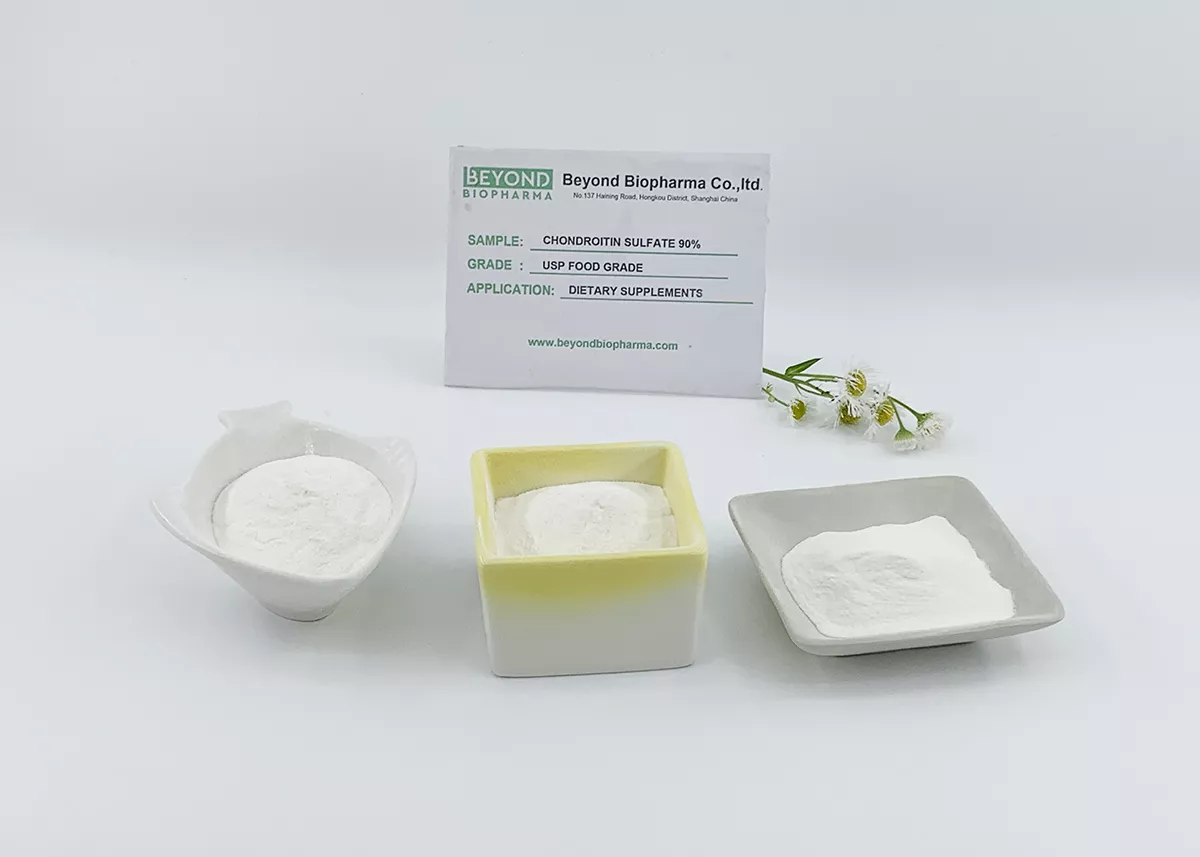
High Purity and Efficacy for Joint Health Formulations
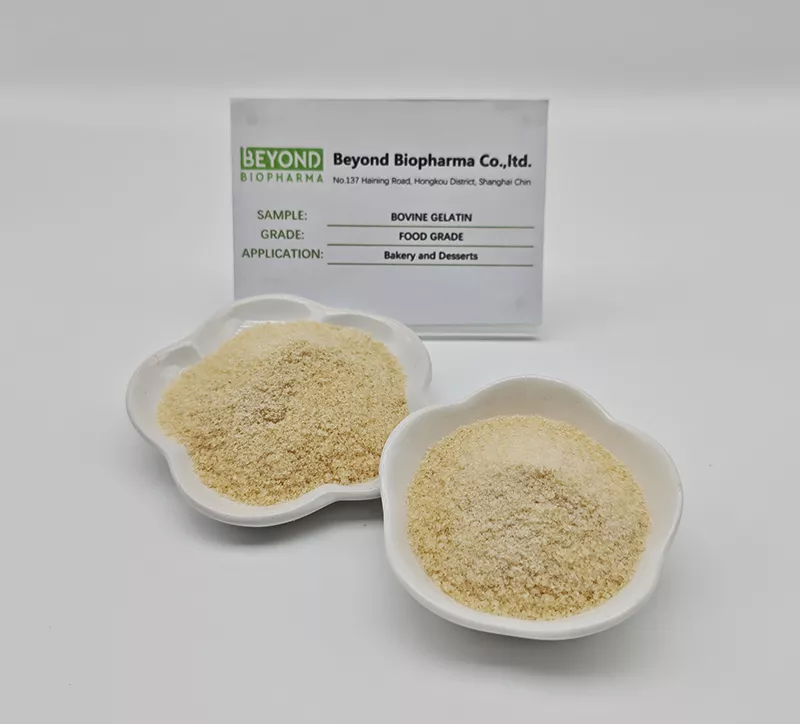
20 years experiences, 5000 ton/year capacity, Sustained supply with stable quality
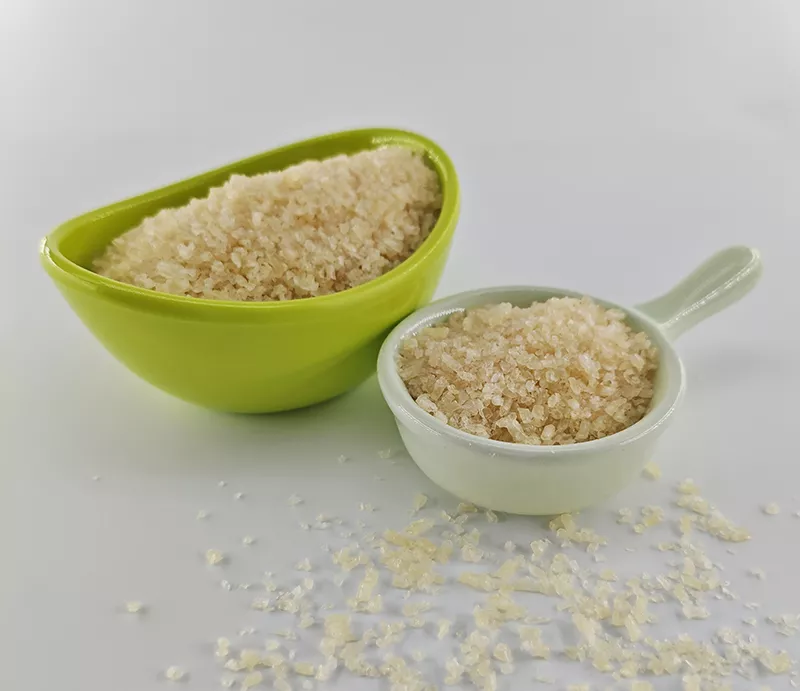
Stability, Swallowing Enhancement, and Controlled Release
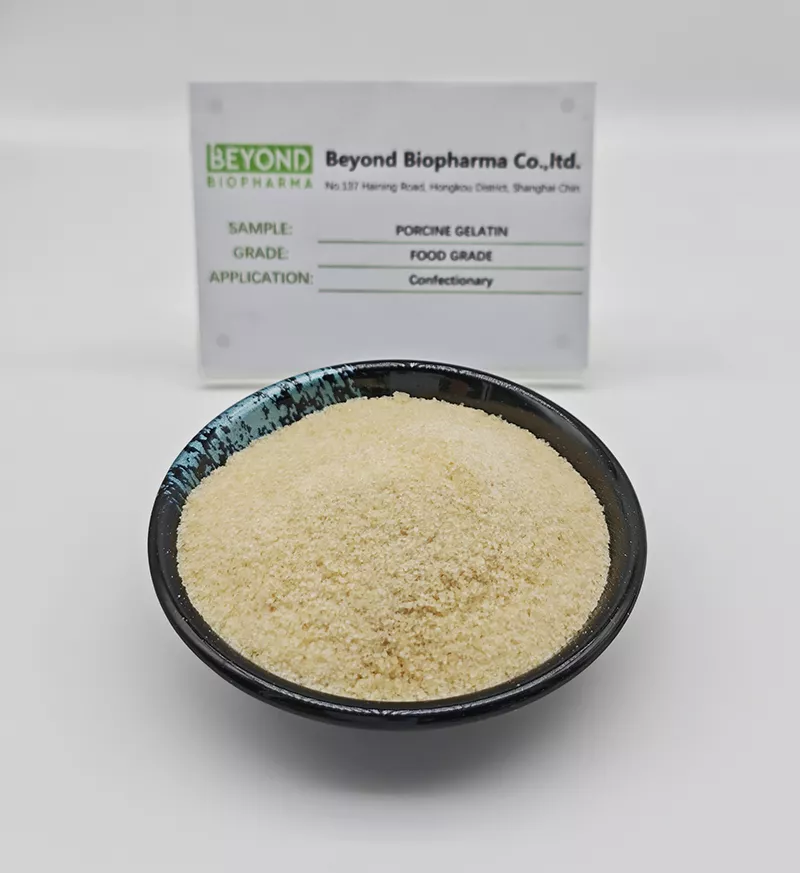
Food-grade porcine gelatin is a highly versatile and cost-effective natural protein derived from the collagen found in pig skin and bones. It is a premier gelling agent known for its exceptional clarity, neutral taste, and thermal reversibility.
Select the most popular foreign trade service products to meet your diverse needs
High Purity and Efficacy for Joint Health Formulations
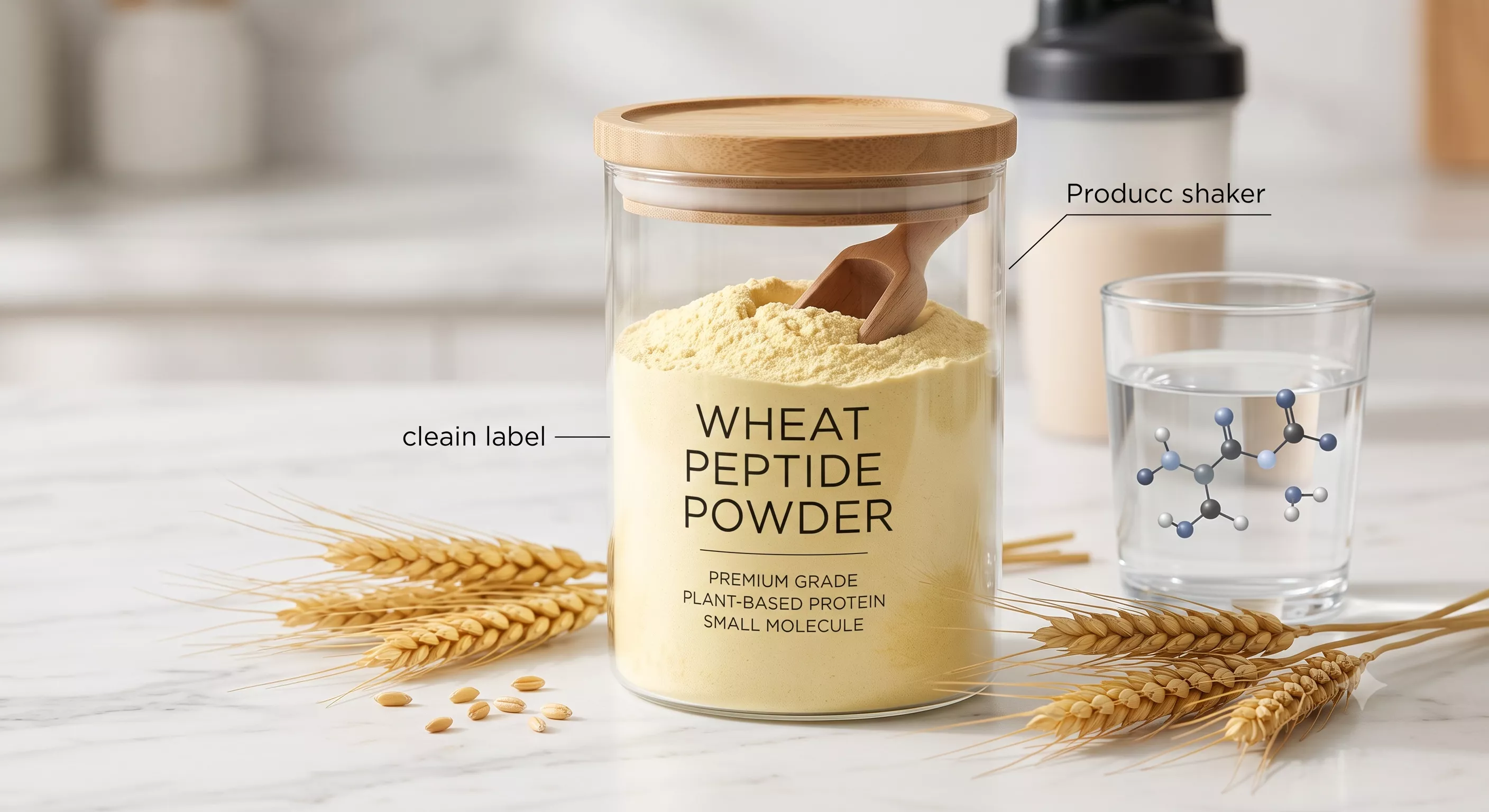
Source ultra-pure, high-solubility wholesale hydrolyzed wheat gluten peptide in bulk. Rich in plant-bound Glutamine ($\ge 25\%$) for muscle recovery and gut barrier health.
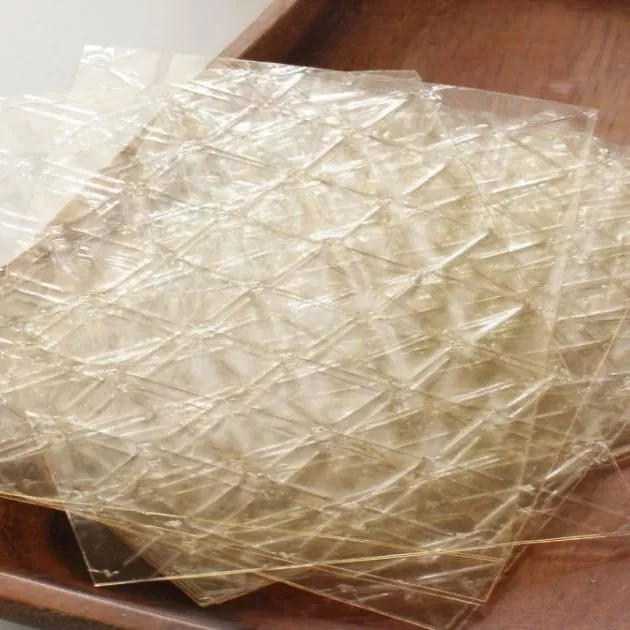
Our Gelatin Sheets are produced to precise standards, ensuring consistency and reliability across different Bloom grades (Silver being the most common professional choice).
Tel:+86 21 65010906
Cell/Whatsapp/Wechat:
+86 13482884055
+86 18657345785
Email: sales@beyondbiopharma.com





User Comments
Service Experience Sharing from Real Customers
Megan
Graphic DesignerAs someone who meal preps for the week, these gelatin cups are a lifesaver! The texture is smooth, not rubbery at all, and the mango flavor actually tastes like real fruit. My only wish is for less sugar in the strawberry variant. Perfect for my desk lunches!
Leo
Construction SupervisorHonestly, I was skeptical—thought it'd be like hospital food. But these protein-packed gelatin snacks keep me going on long shifts without needing refrigeration. The lemon-lime one is surprisingly refreshing. My crew thinks I'm fancy now!
Chloe
Pediatric NurseThese are fantastic for elderly patients or anyone with swallowing difficulties. The peach flavor gets requested constantly on my ward. It's not overly sweet, and the ingredients list is clean. Makes my job a tiny bit easier—thank you!
Raj
Software EngineerGame-changer for coding marathons! No crumbs on my keyboard, and the collagen actually helps my joints after sitting all day. The matcha green tea flavor is genius—subtle and not too sweet. My new favorite hack against snack fatigue.