 English EN


Bovine gelatin pros and cons everyone should know
Bovine gelatin offers strong gelling and health benefits but has dietary, ethical, and allergen concerns. Compare bovine gelatin to other gelatin options here.
More
If you are sourcing packaging materials for food, nutraceuticals, or pharmaceuticals, you have likely encountered a common pain point: balancing product protection with environmental responsibility. Synthetic plastics offer durability but raise disposal concerns, while many biodegradable options lack the mechanical strength or barrier properties needed for sensitive contents. Gelatin food packaging addresses this challenge directly. Derived from collagen — typically bovine, porcine, or fish sources — gelatin forms a flexible, edible, and water-soluble film that can encapsulate, coat, or wrap a wide range of products. For buyers in the food and supplement industries, this means a packaging solution that not only preserves freshness but also aligns with clean-label and sustainability goals.
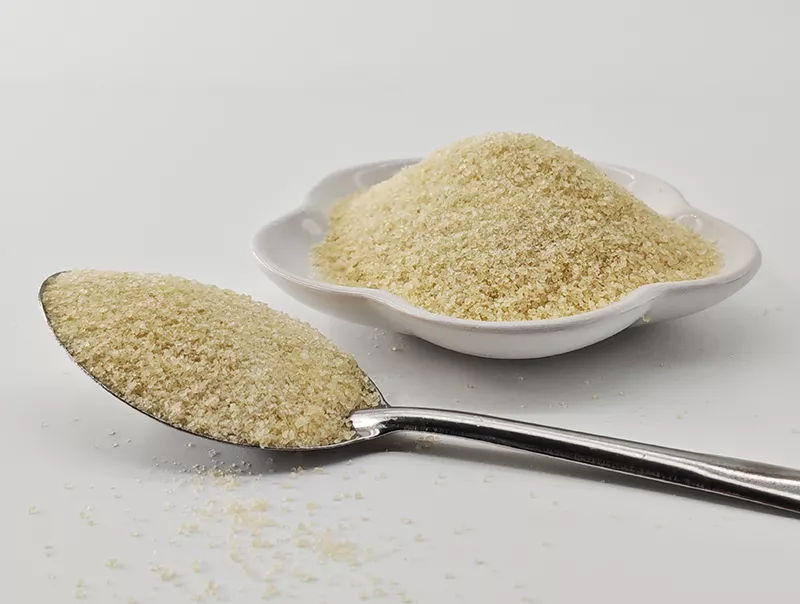
The working principle of gelatin food packaging relies on the unique gelling and film-forming properties of gelatin. When gelatin is dissolved in warm water and then cooled, its protein chains form a three-dimensional network that traps water and creates a solid yet flexible structure. This process, known as gelation, is what allows gelatin to be cast into thin films or coatings. In commercial production, gelatin is typically extracted from collagen-rich animal tissues through controlled hydrolysis — a process that breaks down the collagen into shorter protein chains while preserving its functional characteristics.
For packaging applications, manufacturers adjust parameters like bloom strength (a measure of gel firmness) and viscosity to achieve the desired film thickness, flexibility, and dissolution rate. For example, a high-bloom gelatin (around 200–260 g) produces a firmer, more rigid film suitable for capsule shells or protective coatings, while a lower-bloom gelatin (around 100–150 g) yields a softer, more elastic film ideal for edible wraps or dissolvable pouches. The film-forming process can be done through casting, extrusion, or dip-coating, depending on the final product shape and intended use.
One of the key advantages of gelatin food packaging is its oxygen barrier property. Gelatin films can reduce oxygen transmission rates by up to 50–70% compared to some synthetic polymers, helping to prevent lipid oxidation in fatty foods and extending shelf life. Additionally, gelatin is inherently water-soluble, which makes it suitable for single-use applications like instant soup packets or dissolvable coffee pods. When combined with plasticizers such as glycerol or sorbitol, the film gains flexibility and resistance to cracking, making it versatile for different product formats.
When evaluating gelatin for food packaging applications, buyers typically focus on a few critical parameters that directly affect performance. The table below outlines common specification ranges for gelatin used in packaging, based on industry standards. Please note that these are typical industry ranges; final values should be confirmed per Certificate of Analysis (COA) and sample testing.
| Parameter | Typical Range | Relevance to Packaging |
|---|---|---|
| Bloom Strength | 50–300 g (common: 150–260 g) | Higher bloom = firmer film; lower bloom = more flexible film |
| Viscosity (6.67%, 60°C) | 2.0–5.5 mPa·s | Affects coating uniformity and film thickness control |
| Mesh Size | 8–60 mesh | Finer mesh dissolves faster; coarser mesh for slow-release |
| Moisture Content | ≤14% | Lower moisture prevents microbial growth and film brittleness |
| pH (1% solution) | 4.5–6.5 | Neutral pH ensures compatibility with sensitive ingredients |
| Ash Content | ≤2.5% | Low ash indicates purity and minimal mineral residue |
For collagen peptides used in edible packaging or as a coating ingredient, molecular weight typically ranges from 2,000 to 5,000 Da, with protein content ≥90%. Fish-derived collagen peptides often have a lower molecular weight, which can enhance absorption and solubility — a useful trait for dissolvable packaging or nutraceutical coatings. Plant protein peptides, such as those from pea or rice, are also available for vegan formulations, with protein content around 80–90% and molecular weight commonly below 5,000 Da. These alternatives are compatible with allergen-free and plant-based packaging requirements.
Gelatin food packaging is not a one-size-fits-all solution. Different industries require specific grades and formulations. Below is a breakdown of common applications and recommended selection guidance.
In the food sector, gelatin is widely used as an edible coating for fruits, nuts, and confectionery items. It can also form dissolvable pouches for instant soups, coffee, or seasoning blends. For these applications, a medium-bloom gelatin (180–220 g) with fine mesh (30–60 mesh) is often preferred for quick dissolution and even coating. If you are developing clean-label or organic products, look for gelatin that is Halal or Kosher certified — Beyond Biopharma offers Halal and Kosher verified fish gelatin that meets these requirements.
For hard capsules and softgels, gelatin acts as both a packaging material and a delivery system. Hard capsules typically use bovine bone gelatin with bloom values around 150–200 g, while softgels require ultra-high-viscosity gelatin (viscosity above 4.5 mPa·s) to form a stable, leak-proof shell. If you are sourcing for pharmaceutical applications, consider premium pharmaceutical gelatin for tablet coating, which is manufactured under GMP clean workshop conditions and is BSE-free for bovine bone sources.
Gelatin can be used as a binder or coating for protein bars, energy chews, and sports nutrition products. It helps improve texture and prevents moisture migration, keeping bars soft and fresh. For these applications, a low-bloom gelatin (100–150 g) or a collagen peptide with high solubility works best. Beyond Biopharma supplies bovine collagen peptide for energy bar products, which provides clean protein fortification without affecting taste.
Edible packaging for beauty supplements or joint health powders often incorporates collagen peptides. For example, fish collagen tripeptide can be used in dissolvable sachets that consumers mix into beverages. If you are targeting the joint health market, consider combining gelatin with other ingredients like food-grade hyaluronic acid powder or chondroitin sulfate for a comprehensive formulation.
For buyers requiring vegan or allergen-free packaging, plant protein peptides from pea, rice, or soy are viable alternatives. These hydrolyzed proteins can form films with similar barrier properties, though they may require different processing conditions. Beyond Biopharma offers plant protein peptide options that are compatible with vegan formulations, providing a clean-label solution without animal-derived ingredients.
Beyond Biopharma is a Shanghai, China–based manufacturer specializing in collagen peptides, gelatin, and plant protein peptides for B2B buyers. With over 10 years of experience in the food-ingredient industry, we have exported our products to more than 50 countries. Our production capacity is approximately 3,000 metric tons per year for collagen and 5,000 metric tons per year for gelatin. We operate a fully automatic production line with a GMP clean workshop, stainless-steel sealed piping, and automated temperature and pH control to ensure batch-to-batch consistency.
Quality is verified through ISO 9001 certification, US FDA registration, and GMP compliance. Select products carry Halal or Kosher certification — for example, our fish gelatin is certified for clean-label applications. Our bovine bone gelatin is BSE-free, and we maintain an in-house laboratory for heavy-metal and microbiological testing, supported by a dedicated QA/QC team. We offer three product grades — food, pharmaceutical, and cosmetic — to match your specific application requirements.
Beyond standard supply, we provide free samples and formulation support to help you select the right grade and specifications. Whether you need gelatin for micro-encapsulation or a custom blend for your packaging line, our team can guide you through the selection process.
Q1: Is gelatin food packaging safe for direct contact with food?
Yes, gelatin is generally recognized as safe (GRAS) by the FDA for food contact. It is a natural protein derived from collagen and is edible. However, you should always verify that the specific grade you source meets food-grade standards and has passed relevant microbiological and heavy-metal tests.
Q2: Can gelatin packaging be used for oily or fatty foods?
Gelatin films have moderate oil resistance but are not as effective as synthetic barriers for high-fat products. For oily foods, a coating of beeswax or a composite film with plant-based polymers may be needed. Always test the specific formulation with your product to ensure adequate barrier performance.
Q3: What is the shelf life of gelatin packaging materials?
When stored in a cool, dry place away from direct sunlight, gelatin powder or film can last 12–24 months. The actual shelf life depends on moisture content and packaging conditions. We recommend storing gelatin at temperatures below 25°C and relative humidity under 60% to maintain optimal performance.
Q4: How do I choose between bovine, porcine, and fish gelatin for packaging?
The choice depends on your target market and regulatory requirements. Bovine gelatin is widely accepted and offers high bloom strength. Porcine gelatin is an alternative for markets where bovine is restricted. Fish gelatin is ideal for Kosher, Halal, or pescatarian-friendly products, and it typically has a lower melting point, which can be advantageous for certain applications.
Q5: Can gelatin packaging be customized for specific dissolution rates?
Yes, dissolution rate can be adjusted by modifying bloom strength, film thickness, and the addition of plasticizers or cross-linking agents. For fast-dissolving applications, use low-bloom gelatin with fine mesh. For slow-release or protective coatings, higher bloom and thicker films are recommended. Beyond Biopharma can provide samples to match your target dissolution profile.
Q6: Is gelatin packaging compostable or biodegradable?
Yes, gelatin is biodegradable and compostable under industrial conditions. It breaks down into amino acids and can be safely returned to the environment. This makes it an attractive alternative to single-use plastics for companies aiming to reduce their ecological footprint.
If you are ready to explore how gelatin food packaging can improve your product line, we invite you to reach out with your specific requirements. To help us provide the most accurate recommendation, please include the following details in your inquiry:
Beyond Biopharma offers free samples and formulation support to help you test and validate the right material for your production line. Our team of experienced QA/QC professionals can work with you to ensure that the final product meets your quality standards. Contact us today to start the conversation.

We provide you with comprehensive foreign trade solutions to help enterprises achieve global development
The High-Performance Barrier for Core Material Protection and Controlled Release.
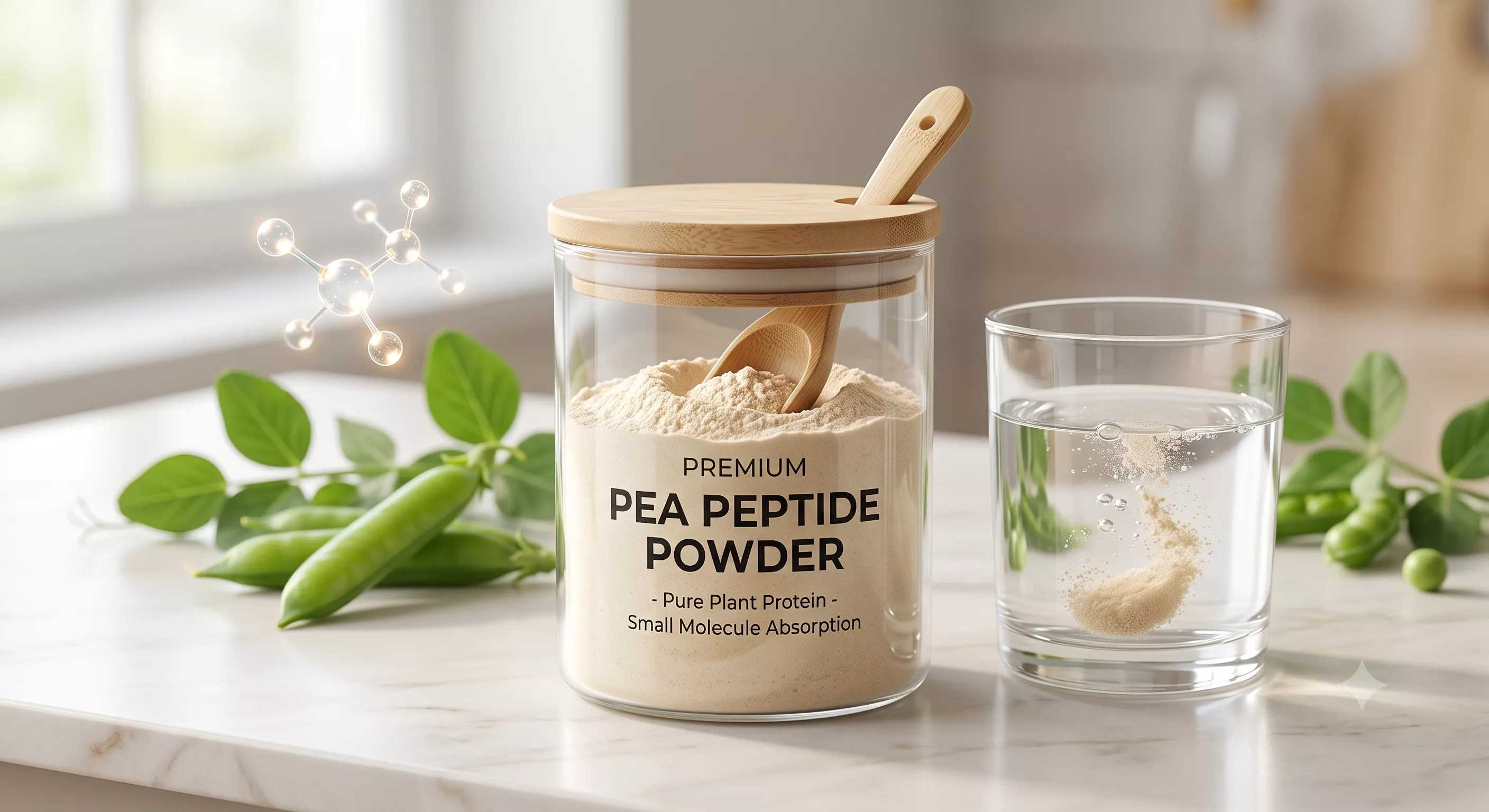
Source high-purity, hypoallergenic hydrolyzed pea peptide powder in bulk. Complete water solubility, rich in BCAAs, ideal for vegan recovery formulas.
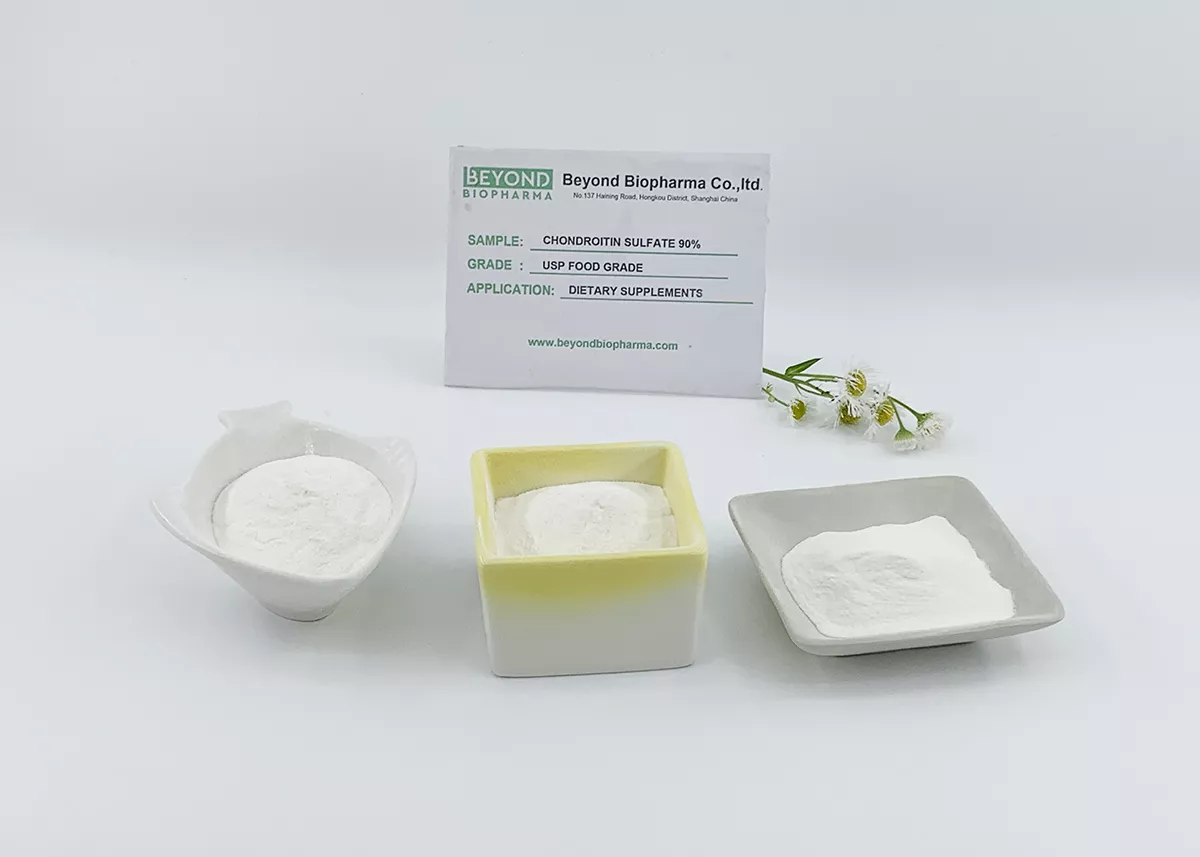
High Purity and Efficacy for Joint Health Formulations
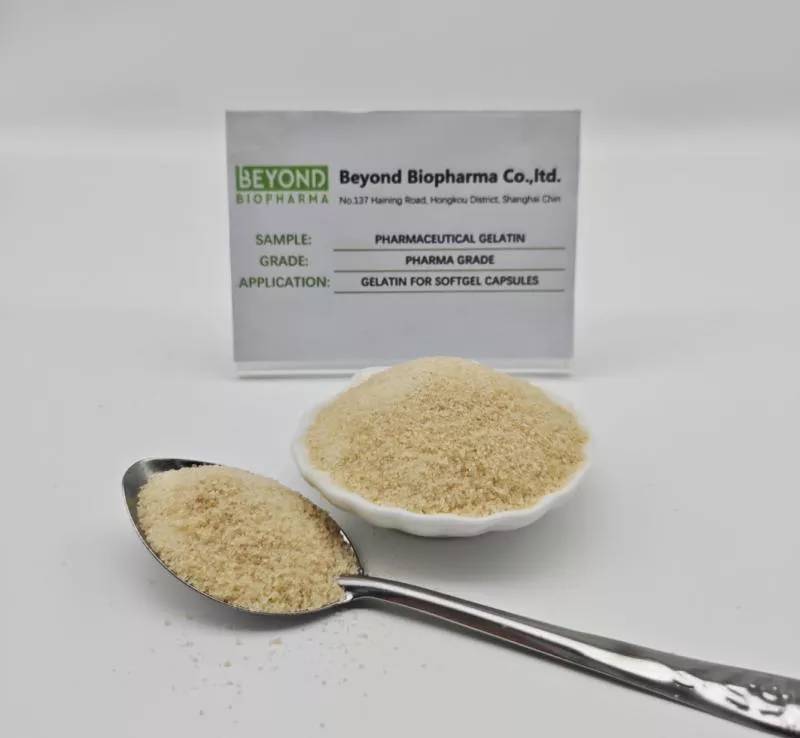
Softgel encapsulation demands a gelatin with unique physical attributes to perform optimally during the high-speed manufacturing process
Select the most popular foreign trade service products to meet your diverse needs
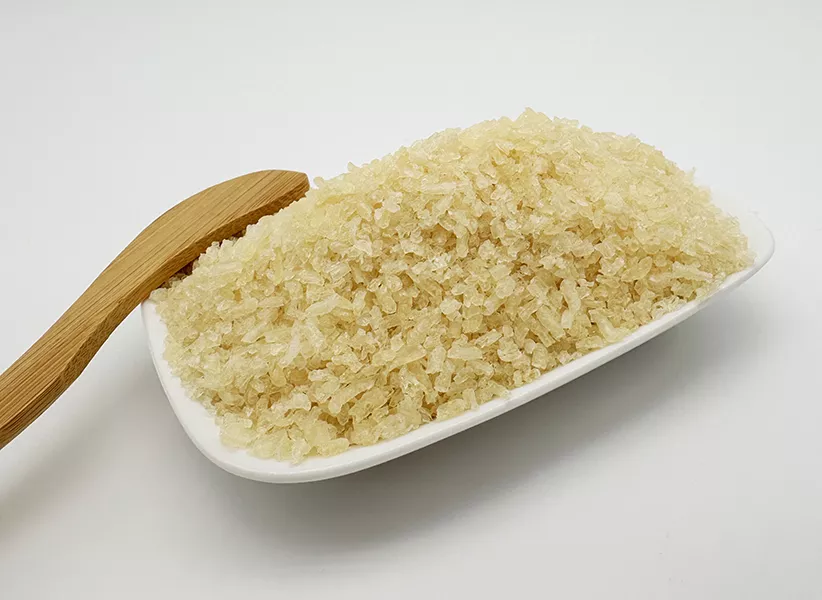
Our Bovine Hides Gelatin is engineered for versatility and compliance, ensuring performance across various applications.
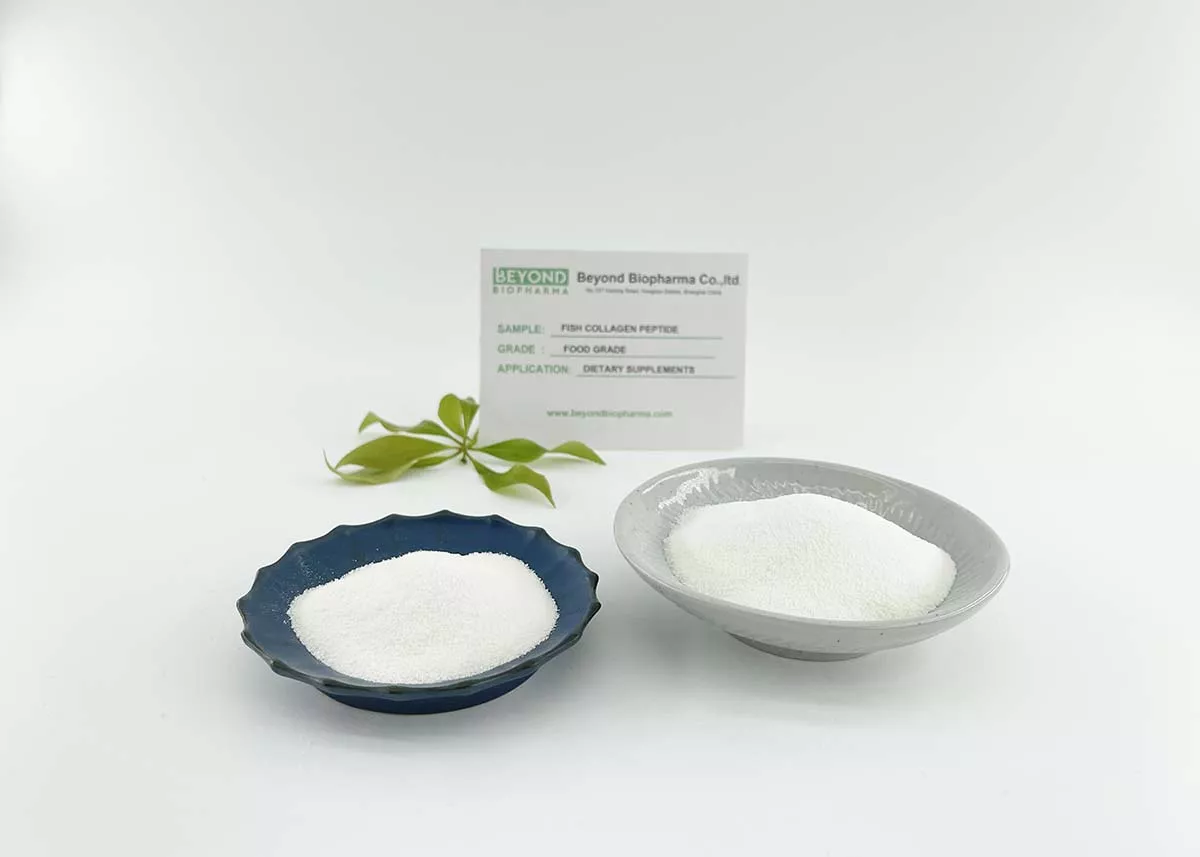
Premium marine-sourced collagen peptides with >90% protein content and low molecular weight (1000-3000 Da) for superior bioavailability. Sustainably sourced, neutral taste, and fully soluble—ideal for nutricosmetics and functional foods.
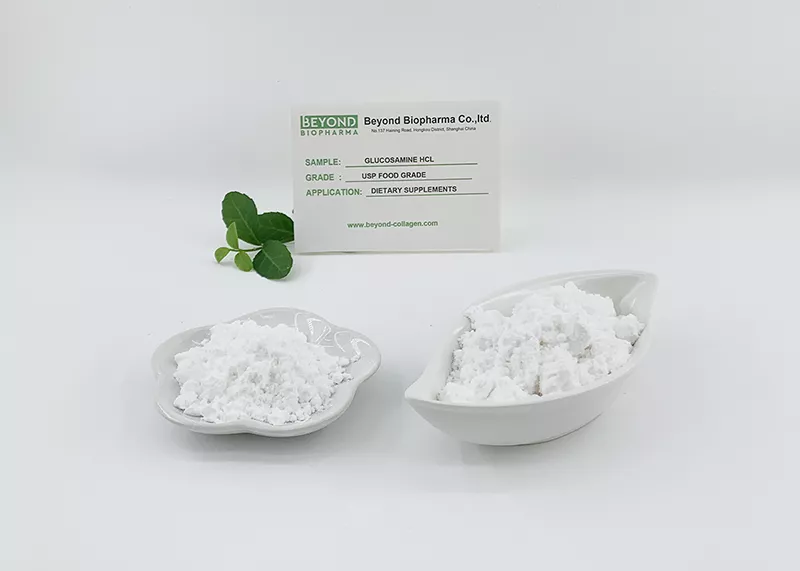
The Purest Plant-Based Joint Support Solution
Tel:+86 21 65010906
Cell/Whatsapp/Wechat:
+86 13482884055
+86 18657345785
Email: sales@beyondbiopharma.com





User Comments
Service Experience Sharing from Real Customers
Megan
Café OwnerSwitched to gelatin-based packaging for our takeaway salads last month. Not only does it decompose in my compost bin in weeks, but customers keep complimenting the matte, premium look. It just feels right for our brand. No more guilt about single-use plastics!
Leo
Supply Chain AnalystFrom a logistics perspective, the moisture resistance surprised me. We tested it for our dried fruit line, and it held up better than some conventional films in humid storage. Slight learning curve with heat sealing, but overall a game-changer for reducing our environmental footprint.
Chloe
Food Science StudentUsed this for my final year project on edible packaging. The clarity and flexibility are impressive – you can actually see the freshness of the herbs inside. My professor said it's one of the most practical applications he's seen. Honestly excited about the future of packaging!
Ryan
Head ChefI was skeptical at first, but we've been using gelatin pouches for our signature spice blends. They keep the aromatics locked in way better than plastic. Had a customer call saying the packaging itself smelled amazing when she opened it. That's a win in my book. Only wish it came in more size options.