 English EN


Bovine gelatin pros and cons everyone should know
Bovine gelatin offers strong gelling and health benefits but has dietary, ethical, and allergen concerns. Compare bovine gelatin to other gelatin options here.
More
Gelatin food allergy is a rare but real immune response triggered by proteins in gelatin, commonly derived from bovine or porcine collagen. For overseas buyers in the food ingredient, nutraceutical, and pharmaceutical sectors, understanding this allergy is critical for sourcing batch-consistent, allergen-free alternatives. This article covers symptoms, causes, and safe substitutes like plant protein peptides, plus practical selection guidance for R&D and QA teams.
A gelatin food allergy occurs when the immune system mistakenly identifies gelatin proteins as harmful, triggering symptoms ranging from mild hives to severe anaphylaxis. Gelatin is a hydrolyzed collagen product, often sourced from bovine hide, bovine bone, or porcine skin. While rare, this allergy is more common in individuals with prior sensitivities to meat or certain vaccines. For purchasing managers and product developers, batch consistency and allergen labeling are key concerns when sourcing gelatin for gummies, softgels, or capsules.
Symptoms typically appear within minutes to a few hours after ingestion. They include:
For QA teams, verifying that raw materials are free from gelatin cross-contamination is essential, especially in products marketed as hypoallergenic.
The primary cause is the immune system’s reaction to the collagen-derived proteins in gelatin. Risk factors include:
For formulators, choosing alternative gelling agents or plant-based proteins can eliminate this risk entirely.
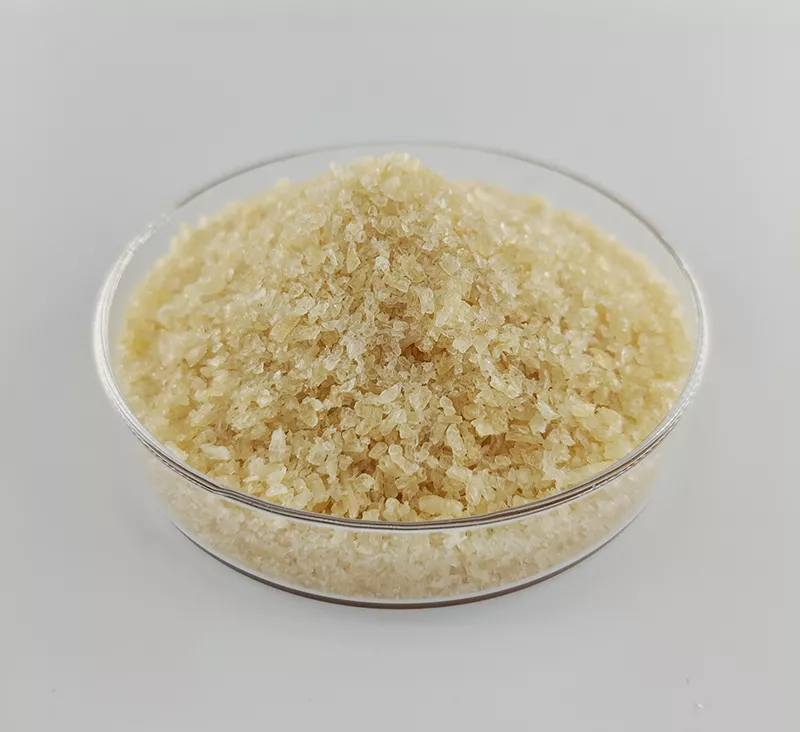
Gelatin is produced through partial hydrolysis of collagen from animal skins, bones, or connective tissues. The process involves acid or alkaline treatment, followed by extraction at controlled temperatures. The resulting protein chains retain epitopes that can bind to IgE antibodies in sensitive individuals. For buyers, understanding the source (bovine vs. porcine vs. fish) is crucial, as allergenicity can vary. Fish gelatin, for example, is often considered less allergenic but still carries risk for those with fish allergies.
When sourcing gelatin, buyers often review these parameters. Note: these are typical industry ranges; final values should be confirmed per COA or sample.
| Parameter | Typical Range | Allergen Note |
|---|---|---|
| Bloom (g) | 50–300 (pharma/gummies: 150–260) | Animal source determines allergen profile |
| Viscosity (mPa·s) | 2.0–5.5 | Higher viscosity often from bovine bone |
| Mesh size | 8–60 | Finer mesh may increase dust exposure risk |
| Moisture | ≤14% | Standard for all grades |
For allergen-free formulations, consider high-bloom gelatin for hard capsules or plant-based alternatives.
For buyers needing allergen-free options, several alternatives exist. Food-grade porcine gelatin used for gummies and jellies is common, but for vegan or allergy-safe products, plant protein peptides are ideal. Beyond Biopharma offers premium pharmaceutical gelatin for tablet coating as well as plant-based hydrolyzed peptides from pea, rice, and soy. These alternatives provide similar functional properties without animal-derived allergens.
Choosing the right ingredient depends on your application:
For joint health formulations, explore standardized gelatin sheets for consistent gels or our hydrolyzed collagen type II powder for comprehensive joint support.
Beyond Biopharma is a Shanghai, China–based manufacturer with over 10 years of experience in the food-ingredient industry. Our products are exported to 50+ countries. We operate fully automatic production lines in GMP clean workshops, with stainless-steel sealed piping and automated temperature/pH control. Our annual capacity is approximately 3,000 MT for collagen and 5,000 MT for gelatin. We are ISO 9001 certified, US FDA registered, and select products carry Halal or Kosher certification (e.g., fish gelatin). Our bovine bone gelatin is BSE-free. We maintain an in-house lab for heavy-metal and microbiological testing, supported by a dedicated QA/QC team. We offer free samples and formulation support across food, pharmaceutical, and cosmetic grades.
Yes, it can develop at any age, often after repeated exposure or sensitization through vaccines or meat consumption. Symptoms may appear suddenly even if you previously tolerated gelatin.
Not necessarily. Fish gelatin is derived from fish collagen, which has different protein structures. However, individuals with fish allergies may still react. Always test under medical supervision.
Plant protein peptides from pea, rice, or soy are excellent alternatives. They offer similar gelling or binding properties without animal-derived allergens. Beyond Biopharma supplies these for nutraceutical and food applications.
Request a Certificate of Analysis (COA) and allergen declaration from your supplier. Look for third-party testing for common allergens. Beyond Biopharma provides full documentation and in-house lab reports.
Hydrolyzed collagen is broken down into smaller peptides, which may reduce allergenicity but not eliminate it. Individuals with confirmed gelatin allergy should still exercise caution and consult an allergist.
Look for ISO 9001, FDA registration, and Halal/Kosher certifications. For plant-based options, vegan certification is also important. Beyond Biopharma offers these across our product lines.
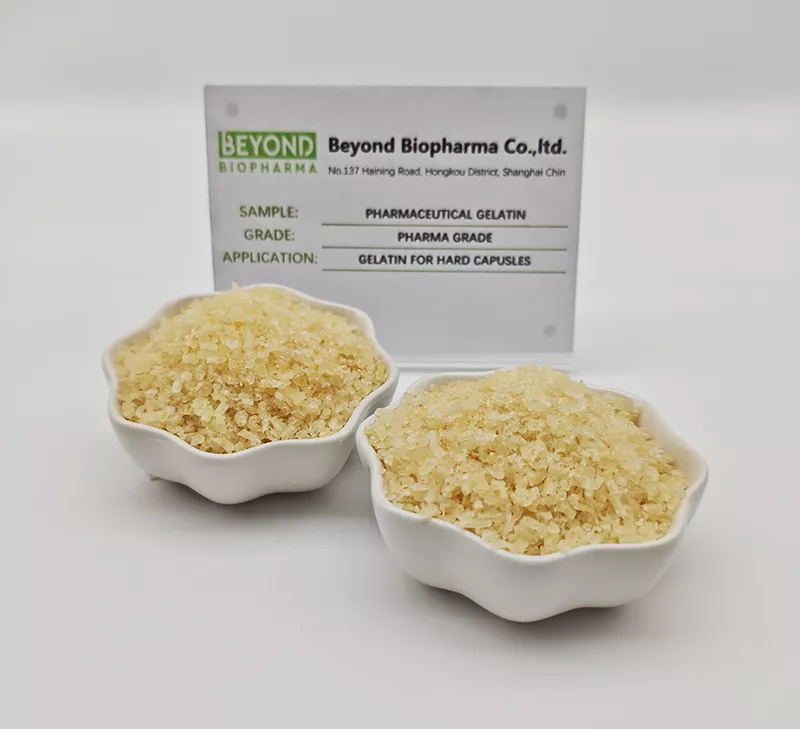
If you are sourcing gelatin or allergen-free alternatives for your formulations, we invite you to contact us. Please provide the following details so we can send you free samples and a tailored quote:
Our team will respond with product recommendations, COAs, and pricing. Beyond Biopharma is committed to helping you find the right ingredient for your needs, whether it is gelatin, collagen peptides, or plant protein peptides. We look forward to supporting your next project.

We provide you with comprehensive foreign trade solutions to help enterprises achieve global development
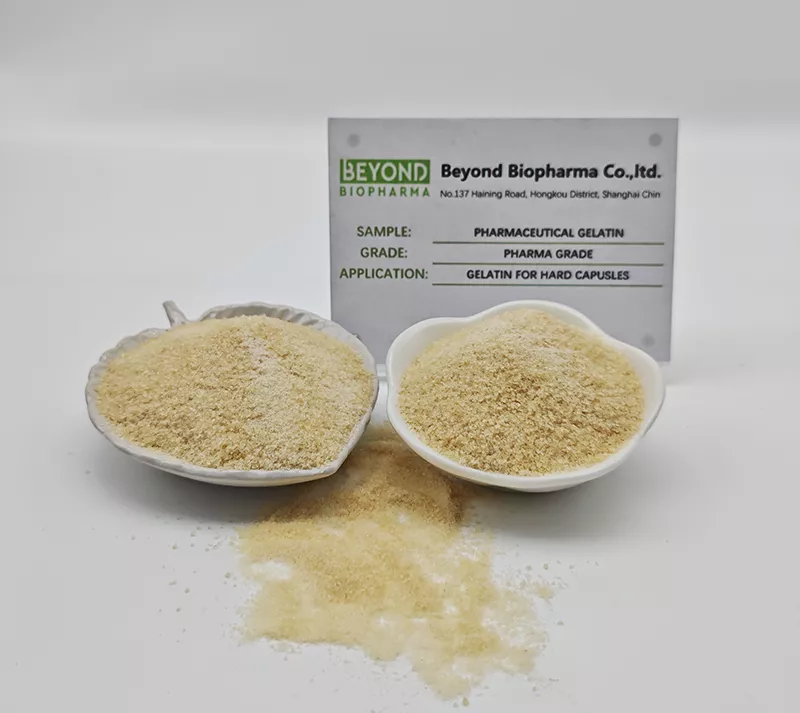
The high-strength and rapid-setting characteristics of Bovine Bone Gelatin ensure it forms a stable, uniform, and durable shell that preserves the integrity of the active pharmaceutical ingredient (API).

Source ultra-pure, 100% water-soluble wholesale hydrolyzed rice protein peptide in bulk. Over 85% molecules under 1000 Da. Ideal for infant nutrition, clean-label sports formulas, and sensitive skincare.
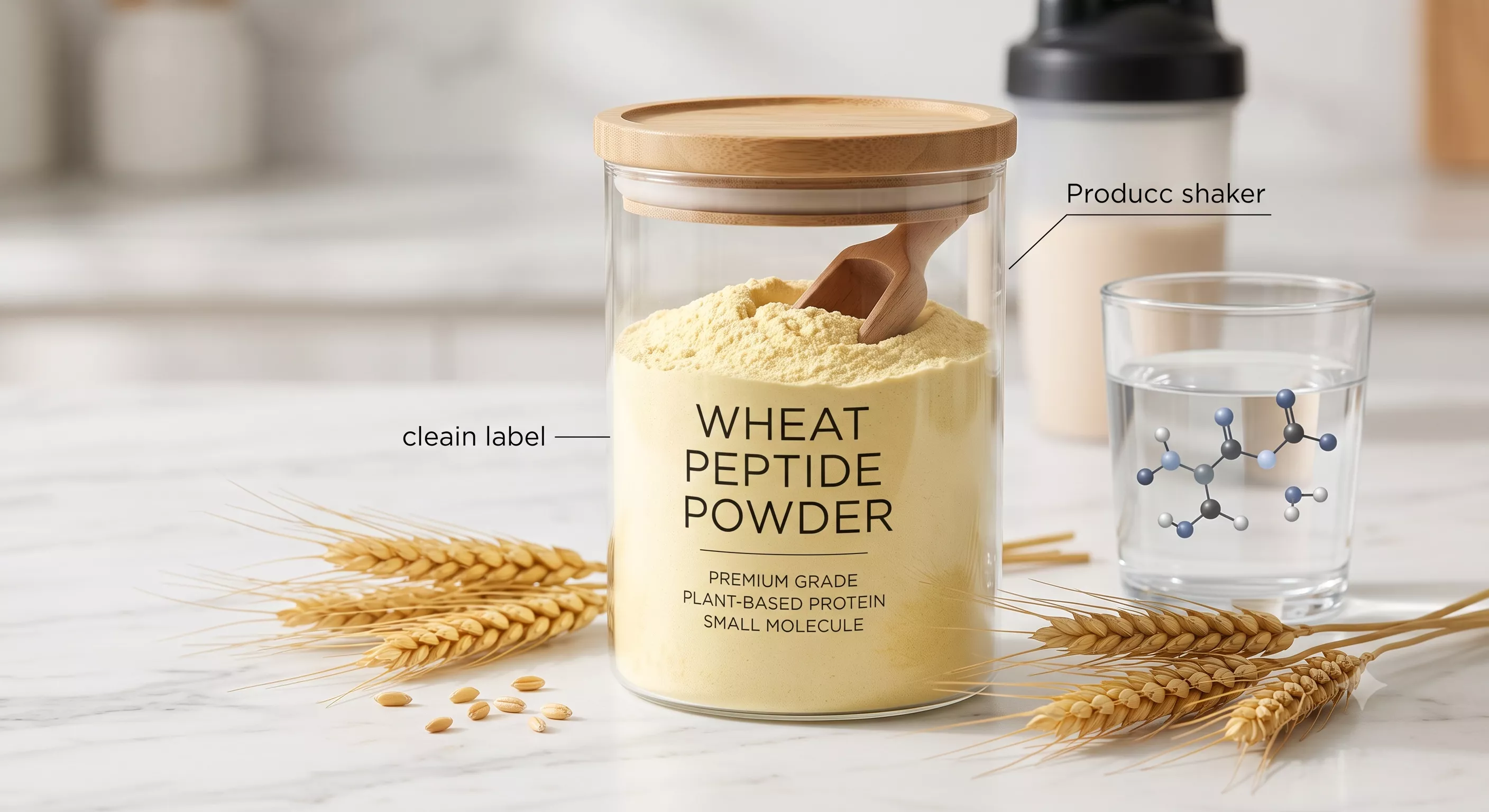
Source ultra-pure, high-solubility wholesale hydrolyzed wheat gluten peptide in bulk. Rich in plant-bound Glutamine ($\ge 25\%$) for muscle recovery and gut barrier health.
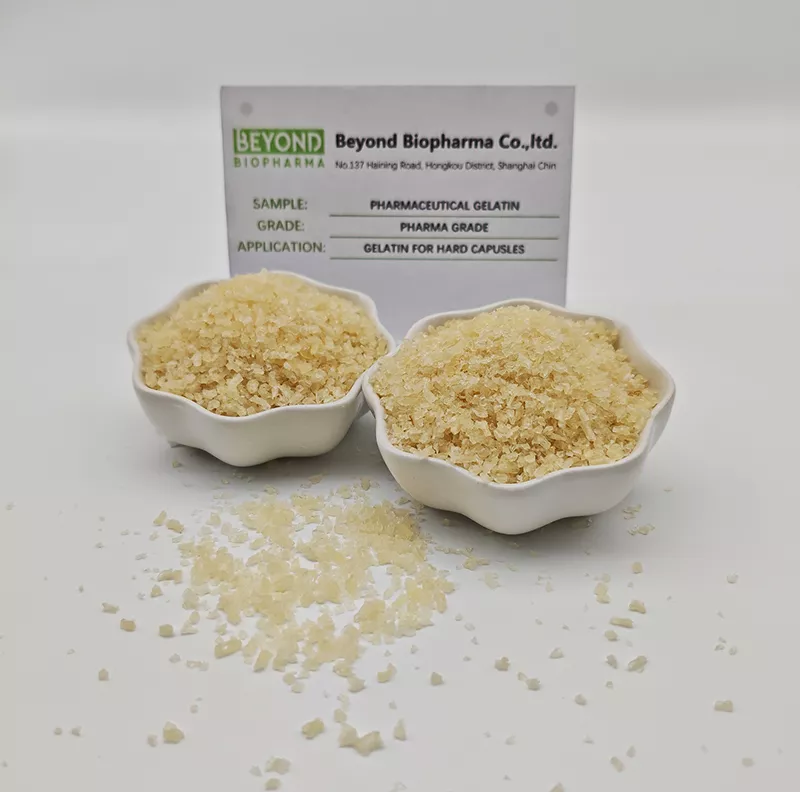
Precision, Purity, and Optimal Machinability
Select the most popular foreign trade service products to meet your diverse needs
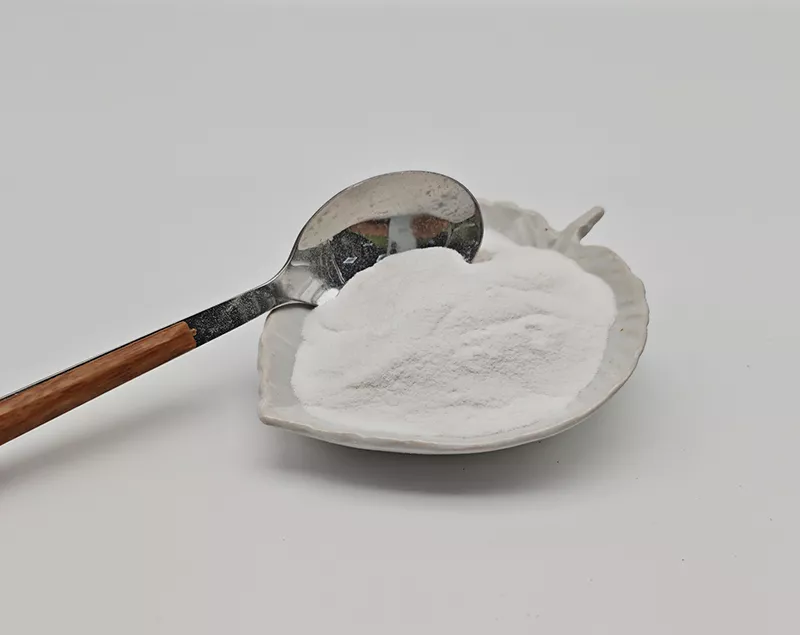
Fish Gelatin for foods is increasingly recognized as the premium alternative to traditional mammalian sources, meeting the growing global demand for clean-label ingredients that align with diverse dietary and religious requirements. Derived from the skin and scales of fish like cod and tilapia, fish gelatin offers unique functional benefits that make it an exceptional gelling, stabilizing, and texturizing agent.
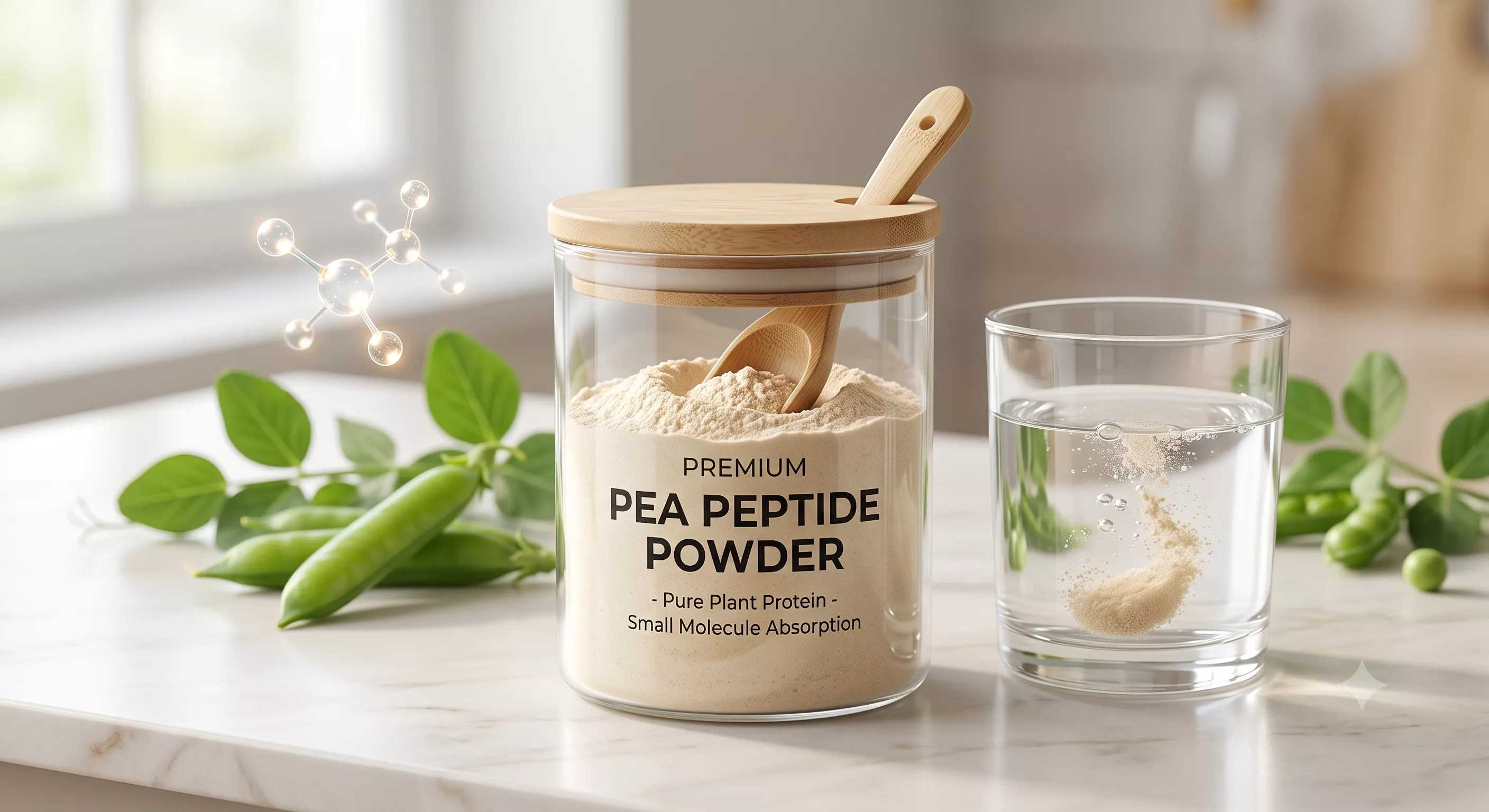
Source high-purity, hypoallergenic hydrolyzed pea peptide powder in bulk. Complete water solubility, rich in BCAAs, ideal for vegan recovery formulas.
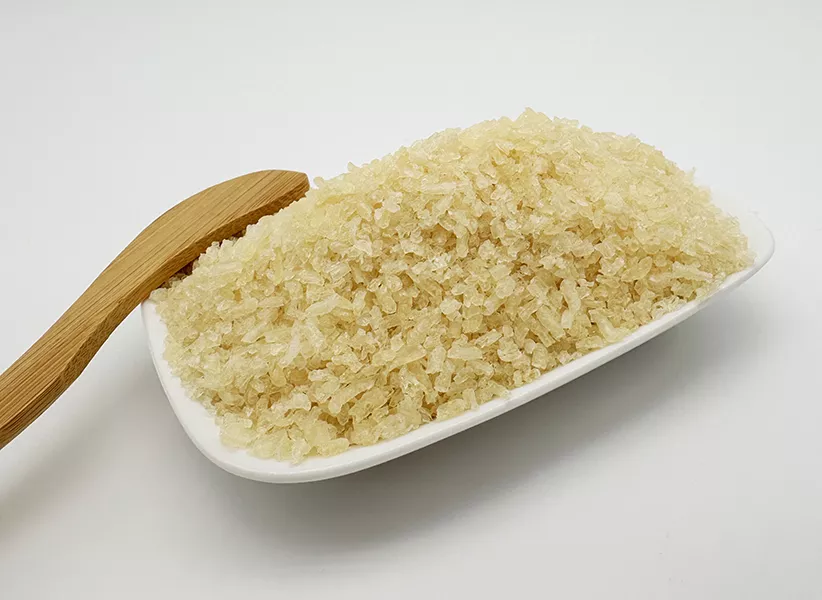
Our Bovine Hides Gelatin is engineered for versatility and compliance, ensuring performance across various applications.
Tel:+86 21 65010906
Cell/Whatsapp/Wechat:
+86 13482884055
+86 18657345785
Email: sales@beyondbiopharma.com





User Comments
Service Experience Sharing from Real Customers
Jack
Pastry ChefAs someone with a severe gelatin allergy, finding safe desserts is a nightmare. This product's clear 'gelatin-free' labeling saved me so much stress. The texture is perfect—no one at the bakery could tell the difference! Finally, I can enjoy a treat without worrying.
Jacqueline
Elementary School TeacherMy son has a gelatin allergy, and packing his lunch used to be a guessing game. This product was a game-changer! He loves the taste, and I love that I don't have to decipher a novel's worth of ingredients. One star off because the packaging could be more kid-friendly.
Jackson
Fitness InstructorHonestly, I never read labels until I had an allergic reaction to gelatin in a protein bar. Found this alternative and it's been solid. Great for my post-workout routine, no bloating or itching. Simple, clean, and does what it says. Big relief for someone like me who's always on the go.
Jake
Graphic DesignerI'm mildly allergic to gelatin—gives me hives. Tried this on a whim after my usual brand changed its formula. The flavor is surprisingly good, and it works perfectly in my homemade gummies (yes, I make my own now!). Only wish it came in a bigger bulk size for my experiments.