
EN
Many vaccines contain porcine gelatin to shield them from harm and keep them working as intended. Most people can trust its safety and effectiveness, based on years of scientific research. Leading suppliers, like BEYOND BIOPHARMA CO., LTD, provide high-quality gelatin for these important uses.
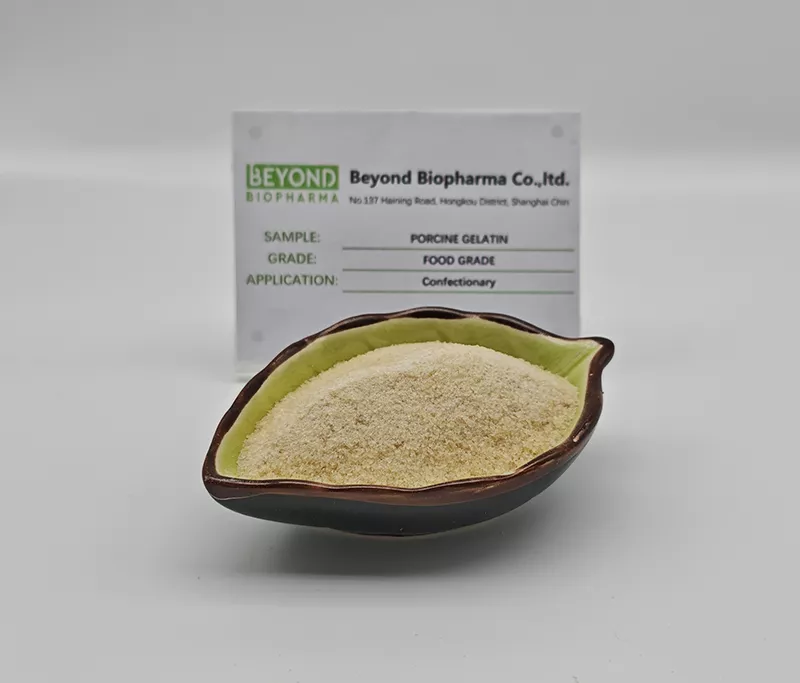
Porcine gelatin plays a crucial role in vaccines as a stabilizer. Scientists choose it because it helps keep vaccine viruses stable and effective, even when exposed to heat or during freeze-drying. The unique properties of porcine gelatin make it the preferred choice for many vaccine manufacturers.
Did you know?
Porcine gelatin accounted for over half of the global gelatin market share in vaccine production in 2026. Its popularity comes from its cost-effectiveness and strong performance as a stabilizer.
The table below highlights the main reasons why porcine gelatin is chosen as a stabilizer in vaccine formulations:
Reason | Description |
|---|---|
Enhances stability of vaccine virus particles | Helps maintain the structure and function of the vaccine virus |
Maintains desirable structure of lyophilized vaccine cakes | Keeps the vaccine solid and stable during freeze-drying |
Low molecular weight reduces allergic reactions | Less likely to cause allergies compared to other types of gelatin |
Very low incidence of anaphylactic reactions | Rarely causes severe allergic responses |
Vaccine manufacturers rely on porcine gelatin because it acts as both a preservative and a stabilizer. It protects the vaccine from changes in temperature and other storage conditions. This ensures that vaccines remain safe and effective until they reach the people who need them.
Vaccines often travel long distances and face different temperatures before reaching clinics and hospitals. Porcine gelatin helps protect these vaccines during storage and transportation. Studies show that vaccines with porcine gelatin stay stable for over 90 days, while those without it may only last 30 days. This extra protection means that vaccines can be stored and shipped more easily, reducing waste and ensuring more people get vaccinated.
Gelatin is essential during freeze-drying, a process that removes water from vaccines to make them last longer.
It also helps vaccines work better when given through the nose, as it easily absorbs into mucosal tissue.
Strict manufacturing standards and regulatory oversight ensure the safety and quality of porcine gelatin used in vaccines. Vaccine production follows national and international standards, including Good Manufacturing Practices (GMP). Manufacturers test raw materials, monitor production, and check the final product to guarantee viral safety and effectiveness.
Many leading suppliers, such as BEYOND BIOPHARMA CO., LTD, provide high-quality Food Grade Porcine Gelatin for vaccine production. Their advanced processes and commitment to quality help ensure that vaccines remain safe and effective for everyone.
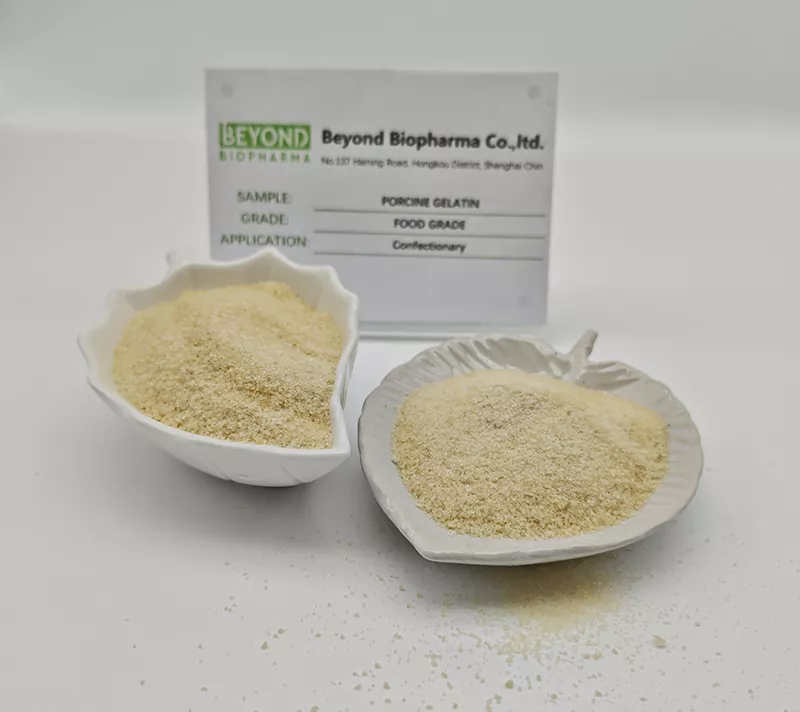
Porcine gelatin plays a key role in keeping vaccines stable during storage and transport. Scientists use hydrolyzed porcine gelatin because it protects viruses and viral proteins from environmental stresses like freeze-thaw cycles and drying. This protection helps vaccines stay effective, even when they face temperature changes. The gelatin used in vaccines is highly purified and hydrolyzed, which makes it different from the gelatin found in food products.
Porcine gelatin works through non-covalent binding. This means it forms gentle bonds with vaccine components without changing their structure. These bonds help prevent the breakdown of important parts of the vaccine, such as antigens and viral proteins. Gelatin nanoparticles also shield vaccine antigens from degradation and provide a slow, steady release of these antigens. This process helps the immune system respond better when someone receives a vaccine.
Tip:
Vaccine manufacturers choose porcine gelatin because it offers reliable stability and helps maintain the safety and effectiveness of vaccines during long periods of storage.
Vaccines must remain effective from the time they are made until they are given to people. Porcine gelatin helps achieve this goal by protecting the active ingredients in vaccines. For example, live vaccines often use porcine gelatin to protect live viruses from temperature changes. This ensures that the vaccine works as intended when it reaches clinics and hospitals.
Many well-known vaccines contain porcine gelatin. These include the measles, mumps, and rubella (MMR) vaccine, varicella (chickenpox) vaccine, and some influenza vaccines. Studies show that vaccines with porcine gelatin maintain their potency and stability as well as those with other types of gelatin. No significant difference in effectiveness has been found between vaccines using porcine gelatin and those using human gelatin under different storage conditions.
Leading suppliers like BEYOND BIOPHARMA CO., LTD provide high-quality gelatin for vaccine production. Their expertise and advanced processes help ensure that vaccines remain safe and effective for people around the world.
Porcine gelatin has a long history of use in vaccines. Major health organizations recognize its strong safety profile. Scientists have studied its effects for decades. Most people do not experience problems after receiving vaccines containing this ingredient. Severe allergic reactions, such as anaphylaxis, are rare. Studies show that the amount of gelatin in vaccines varies, but the risk remains low for the general population. In some countries, like Japan, researchers noticed a decrease in vaccine-induced anaphylaxis after removing gelatin from certain vaccines. This finding highlights the importance of ongoing monitoring and research to ensure vaccine safety.
Note:
Regulatory agencies require strict testing and quality control for all vaccine ingredients, including porcine gelatin. This process helps protect public health.
Allergic reactions to porcine gelatin in vaccines are uncommon. Most people tolerate it well. However, some individuals with a known gelatin allergy may experience symptoms. These can include hives, low blood pressure, runny nose, or lightheadedness. Symptoms often appear within minutes of vaccination. For example, a 17-year-old girl reported a reaction similar to what she experienced after eating Jell-O®.
In a study of 163 patients, only 13 (8%) had a confirmed gelatin allergy.
The rate of anaphylaxis after the MMR vaccine is about 1.8 per million doses.
The MMR vaccine uses gelatin as a stabilizer and has been linked to rare allergic reactions.
Doctors recommend that people with a history of severe gelatin allergy discuss their risks with a healthcare provider before vaccination. For most people, the benefits of vaccination far outweigh the risks.
Some religious groups have concerns about the use of porcine ingredients in vaccines. Muslims and Jews often avoid pork products due to dietary laws. However, many Islamic scholars state that gelatin is permissible in medical contexts because the manufacturing process transforms it. Not all scholars agree, which can lead to hesitancy. In Indonesia, skepticism about porcine-derived vaccines caused a drop in vaccination rates in some areas. Jewish law allows the use of porcine-derived drugs if no alternatives exist, as vaccines are not considered food. Despite these allowances, some individuals may still feel uncomfortable.
Muslims: Some accept porcine gelatin in vaccines due to its transformation, while others do not.
Jews: Most authorities permit its use in medicine if no alternative is available.
Christians: Some view porcine ingredients as unclean, which can also affect vaccine acceptance.
Healthcare providers and vaccine manufacturers continue to respect these concerns and seek alternatives when possible.
Regulatory agencies around the world monitor vaccine safety closely. They require manufacturers to follow strict guidelines for ingredient sourcing, production, and testing. Agencies such as the FDA and WHO review data on allergic reactions and other side effects. This oversight ensures that vaccines remain safe for the public. Companies like BEYOND BIOPHARMA CO., LTD support vaccine safety by providing high-quality, traceable porcine gelatin that meets international standards. Ongoing research and transparent communication help address concerns and maintain public trust in immunization programs.
Scientists have explored several alternatives to porcine gelatin for use as stabilizing ingredients in fda-approved vaccines. One promising substitute is recombinant human gelatin, known as FG-5001. Researchers developed this ingredient using a yeast expression system. FG-5001 has demonstrated the ability to stabilize live attenuated varicella vaccines during freeze-drying and storage. Its performance matches that of hydrolyzed porcine gelatin in both short-term and long-term tests. Some manufacturers have also considered plant-based thickeners, but these often require extra taste-masking and can introduce new impurity profiles.
Challenge Type | Description |
|---|---|
Mechanical Compatibility | Small changes in ingredients can affect powder flow and tablet weight. |
Patient-Centric Formulation | Plant-based options may need more taste-masking, especially for liquid and injectable forms. |
Bioequivalence | Reformulated products must deliver the same results as original fda-approved vaccines. |
Physicochemical Characterization | Chemical incompatibilities can impact stability and effectiveness. |
Environmental Sensitivity | Plant-based polymers can absorb water easily or become brittle, risking product quality. |
New Chemical Impurity Profiles | New ingredients can introduce impurities, requiring more stability testing. |
Many vaccine manufacturers continue to use porcine gelatin as a stabilizer in fda-approved vaccines for several reasons:
Porcine gelatin protects vaccine ingredients during transport and storage.
The risk of allergic reactions is very low, with about one case of anaphylaxis per two million doses.
Decades of use have shown that porcine gelatin is both effective and safe for most people.
These factors support the ongoing use of porcine gelatin in vaccines, even as alternatives become available.
BEYOND BIOPHARMA CO., LTD stands out as a trusted supplier of Food Grade Porcine Gelatin for fda-approved vaccines and other applications. The company follows strict standards, such as QB 2354-2005, to control protein content, heavy metals, and microbiological indicators. Advanced production methods, including vacuum evaporation and freeze drying, help maintain the quality of the ingredients. The company uses ion exchange and activated carbon to remove impurities. Each batch undergoes rigorous testing for gel strength, viscosity, and microbiological safety. BEYOND BIOPHARMA CO., LTD also offers customization options, allowing clients to select the right Bloom strength, viscosity, and particle size for their unique vaccine ingredients. This commitment to quality and safety makes their Food Grade Porcine Gelatin a reliable choice for manufacturers seeking high standards in their fda-approved vaccines.
Porcine gelatin remains a key ingredient in protecting vaccines and ensuring their effectiveness. Its strong safety record supports its continued use. Researchers continue to explore new options for vaccine stabilization.
The study reports the synthesis of gelatin stabilized ferrous sulfide nanoparticles (Gel-FeS NPs) that demonstrate good stability, biocompatibility, and significant antiviral activity against the porcine reproductive and respiratory syndrome virus (PRRSV). This suggests that Gel-FeS NPs could serve as a viable alternative to traditional porcine gelatin in vaccine stabilization.
Healthcare professionals offer these recommendations:
People with severe gelatin allergies should avoid vaccines containing gelatin.
Patients with food allergies to gelatin should know their allergy status before vaccination.
Those with confirmed allergies should receive specific testing before vaccination.
For high-quality porcine gelatin, BEYOND BIOPHARMA CO., LTD stands out as a trusted supplier.
Porcine gelatin comes from pig skin and bones. Vaccine makers use it as a stabilizer. It helps protect vaccine ingredients from heat and drying, keeping vaccines safe and effective.
Most people tolerate porcine gelatin well. Severe allergic reactions are rare. Regulatory agencies monitor its safety closely. Doctors recommend discussing any concerns with a healthcare provider.
Scientists have developed some alternatives, such as recombinant human gelatin. However, porcine gelatin remains the most common choice because it offers proven stability and safety.
Manufacturers can rely on BEYOND BIOPHARMA CO., LTD for Food Grade Porcine Gelatin. The company offers strict quality control, customization options, and meets international safety standards.
Tel:+86 21 65010906
Cell/Whatsapp/Wechat:
+86 13482884055
+86 18657345785
Email: sales@beyondbiopharma.com





 English EN


