
EN
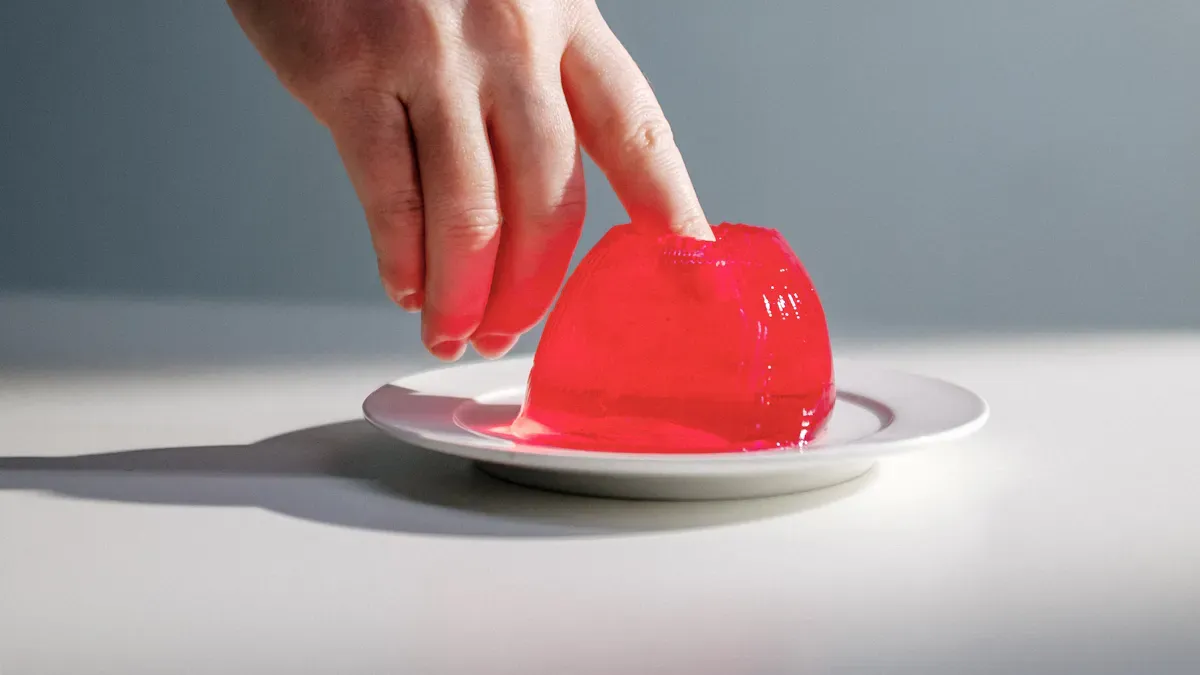
Bovine gelatin offers strong gelling, thickening, and stabilizing properties, making it a versatile option for food, pharmaceutical, and cosmetic uses. Many consumers choose bovine gelatin because it is a natural protein and aligns with the demand for clean label ingredients. However, some people avoid bovine gelatin due to dietary restrictions or ethical concerns. These differences matter for health, religious, and environmental reasons. Beyond Biopharma’s Edible Bovine Gelatin stands out as a premium food-grade choice, trusted by many in the food and beverage industry. Understanding these factors helps people select the best gelatin for their needs.
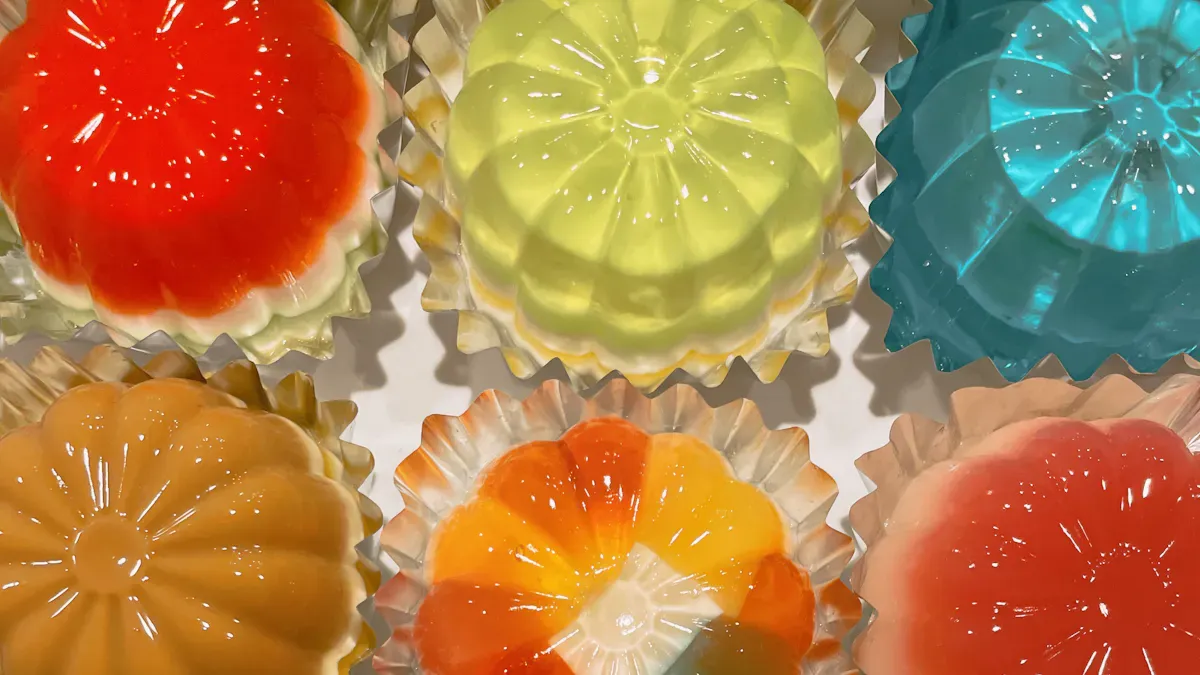
Bovine gelatin is the largest segment in the global gelatin market. This popularity comes from its high gel strength and stability, which make it a preferred choice for many food and pharmaceutical products. Bovine hide gelatin is widely available because it is produced in large quantities around the world. The cost of bovine gelatin remains competitive, even though porcine gelatin can sometimes be less expensive. Many people choose bovine gelatin over other alternatives due to religious or cultural reasons. Fish gelatin and plant-based options are growing in popularity, but they still hold a smaller market share compared to bovine hide gelatin.
Several factors influence the price and availability of bovine gelatin:
Fluctuating raw material prices can impact the cost and supply of bovine hide gelatin.
Health and dietary restrictions may limit the consumer base for bovine gelatin.
Environmental concerns can affect production practices and consumer choices.
Regulatory challenges can increase production costs and make it harder for new companies to enter the market.
Competition from plant-based alternatives can reduce the market share for bovine hide gelatin.
Beyond Biopharma’s Edible Bovine Gelatin stands out for its consistent supply and premium quality. The company has over 20 years of industry experience and a large production capacity. This ensures that customers receive reliable, high-quality bovine gelatin powder for their recipes and food applications.
Bovine gelatin is known for its strong gelling ability, high gel strength, and excellent thickening and stabilizing properties. These features make it a top choice for many recipes and food products. Bovine hide gelatin forms firm, elastic gels that hold their shape well. This is important for desserts, candies, and other foods that need a stable structure.
The following table compares the functional properties of different types of gelatin:
Gelatin Type | Viscosity (kDa) | Average Molecular Weight (kDa) |
|---|---|---|
Bovine | 48.8 ± 2.8 | 48.8 |
Porcine | 98.4 ± 1.3 | 98.4 |
Fish | 24.8 ± 1.5 | 24.8 |
Bovine hide gelatin offers a balance of viscosity and gel strength, making it suitable for a wide range of culinary uses and applications. Beyond Biopharma’s Edible Bovine Gelatin features high bloom strength, which means it creates firm gels with excellent texture. The product also provides reliable thickening and stabilizing effects, which are essential for many recipes.
Beyond Biopharma’s gelatin is produced under strict quality control and holds certifications such as ISO 22000 and FSSC 22000. The company follows Good Manufacturing Practices and sources raw materials from healthy animals. This ensures that the gelatin is safe, pure, and meets the highest industry standards.
Bovine gelatin provides several health benefits because it is rich in collagen and amino acids. These nutrients support joint health, skin elasticity, digestion, and the growth of hair and nails. The table below shows some of the main health benefits of consuming bovine hide gelatin:
Health Benefit | Description |
|---|---|
Joint Health | Collagen helps build cartilage and lubricate joints, which may improve flexibility and mobility. |
Skin Health | Collagen increases skin elasticity and can reduce fine lines and wrinkles. |
Digestive Health | Amino acids like glycine and proline help repair the intestinal lining and support gut health. |
Hair and Nail Growth | Collagen supports keratin production, leading to stronger hair and nails. |
The recommended daily intake of bovine gelatin is 1-2 tablespoons. It is important to listen to your body and maintain a balanced diet. Overconsumption may cause gut upset or, in rare cases, allergies. Choosing high-quality bovine gelatin powder, such as Beyond Biopharma’s Edible Bovine Gelatin, ensures that you receive the nutritional benefits without unwanted additives.
Bovine gelatin is a key ingredient in many recipes. It acts as a gelling agent, stabilizer, binder, emulsifier, film former, and whipping agent. Bovine hide gelatin is used in gummies, marshmallows, desserts, jelly, yogurt, pudding, salad, ice cream, cake, and beer. In gummy candies, bovine gelatin creates a shiny, transparent look and an elastic, chewy texture. It melts gently in the mouth and releases flavor well.
For whipped cream and marshmallows, bovine hide gelatin helps create a fluffy, light texture. In ice cream, it improves texture, prevents ice crystal formation, slows melting, and extends shelf life. Yogurt made with bovine gelatin is creamy and does not separate. Cheesecakes become firm and easy to slice when made with bovine hide gelatin. In beer, gelatin clarifies the liquid by removing substances that cause cloudiness.
Bovine gelatin stands out for its firm texture, strong gel strength, and reliable performance in a wide range of desserts and recipes. Beyond Biopharma’s Edible Bovine Gelatin is trusted by food manufacturers for its consistent quality and technical support. The company offers recipe-specific recommendations and helps customers achieve the best results in their culinary creations.
Tip: For the best results in desserts and other recipes, use high-quality bovine gelatin powder with a high bloom value. This ensures a firm, elastic texture and strong gelling ability.
Bovine gelatin is not suitable for everyone. Many people follow vegetarian or vegan diets and avoid all animal-derived ingredients, including bovine hide gelatin. Some religious groups have specific dietary laws that affect which types of gelatin they can consume. In markets with large Muslim and Jewish populations, dietary laws strictly prohibit pork-derived products. This restriction has increased the demand for gelatin that meets Halal and Kosher standards. Bovine gelatin is generally accepted as Halal and Kosher, provided it is produced according to religious guidelines. This makes it a preferred choice over porcine gelatin for many consumers. However, individuals who avoid all animal products must look for plant-based alternatives. People with certain health considerations, such as food allergies or sensitivities, should also check product labels carefully.
Gelatin can cause allergic reactions in some people. Bovine hide gelatin is a potential allergen, especially for those who are already sensitive to beef products. Allergic reactions can range from mild skin rashes to more serious symptoms. The prevalence of allergic reactions to different types of gelatin varies. The table below shows the rates among children who are already sensitized to beef or pork meat:
Type of Gelatin | Prevalence of Allergic Reactions (%) |
|---|---|
Bovine Gelatin | 16% (among beef meat-sensitized children) |
Porcine Gelatin | 38% (among pork meat-sensitized children) |
This data shows that while bovine hide gelatin is less likely to cause allergies than porcine gelatin, it still poses a risk for some individuals. People with a history of food allergies should consult a healthcare provider before consuming products containing gelatin. Food manufacturers must clearly label products that contain bovine gelatin to help consumers avoid potential allergens.
The production of bovine hide gelatin raises ethical and environmental concerns. Some consumers worry about animal welfare and the treatment of animals used to produce gelatin. The process uses by-products from the meat industry, which can raise questions about sustainability and animal rights. Environmental concerns include the resources needed to raise cattle, such as water, land, and feed. The meat and dairy industries contribute to greenhouse gas emissions, which can impact climate change. People who prioritize animal welfare or want to reduce their environmental footprint may choose plant-based gelatin alternatives. Companies like Beyond Biopharma address these concerns by sourcing raw materials from healthy animals and following strict quality standards. However, the broader issues of animal welfare and sustainability remain important topics in the gelatin industry.
Bovine hide gelatin has a mild taste and odor, but some people notice a slight animal flavor in certain recipes. This can affect the final taste of desserts, candies, or dairy products. High-quality gelatin, such as that produced by Beyond Biopharma, undergoes careful processing to minimize taste and odor. Even so, sensitive individuals may still detect subtle differences compared to plant-based alternatives. Chefs and food manufacturers often choose gelatin with a neutral profile to ensure the best results in delicate recipes. The choice of gelatin can influence the sensory experience of the finished product.
Note: When selecting gelatin for recipes, consider both the functional properties and the potential impact on taste and odor. Testing small batches can help identify the best option for your needs.
Gel strength is a key property of bovine gelatin powder. The Bloom value measures how firm a gel will be. Higher Bloom numbers mean stronger gels and better performance in recipes. Most bovine hide gelatin powders have Bloom values between 100 and 260. Some premium products reach up to 300. This range allows food makers to choose the right firmness for their needs. The gel strength depends on both the concentration and the molecular weight of the gelatin. Strong gels help desserts, candies, and dairy products keep their shape and texture.
The Bloom number shows gel strength. Higher numbers mean firmer gels.
Bovine gelatin powder with a high Bloom value creates stable, elastic gels.
Food manufacturers can select the right Bloom value for each application.
Beyond Biopharma offers technical support to help customers pick the best Bloom strength for their products.
Bovine hide gelatin stands out for its heat resistance and mechanical strength. This property makes it useful in both food and pharmaceutical products. The gelatin can handle high temperatures during cooking or processing. It keeps its structure even after sterilization or pasteurization. This thermal stability protects active ingredients in capsules and ensures food products remain stable during storage.
Bovine gelatin powder forms a gel that melts near body temperature, giving a pleasant mouthfeel.
The gel structure stays stable during cooking and storage.
Heat resistance is important for yogurt, ice cream, and meat products.
Beyond Biopharma can customize gelatin properties, including heat resistance, to match specific needs.
Bovine hide gelatin creates a wide range of textures in food. It can make products creamy, firm, or even fluffy. The gelatin gives a smooth mouthfeel and helps flavors release quickly. It also stabilizes emulsions and foams, which is important for desserts and dairy foods.
Gelatin provides a creamy or firm texture, depending on the recipe.
It creates a pleasant melting sensation in the mouth.
The texture can be tailored for gummies, mousses, or yogurts.
Customizable Property | Benefit to Food Manufacturers |
|---|---|
Bloom Strength | Tailors texture and firmness |
Viscosity | Adjusts flow and mouthfeel |
Particle Size | Influences solubility and dispersion |
Beyond Biopharma supports food makers with technical advice and custom options. This ensures each product has the ideal texture and performance.
Tip: Choosing the right bovine gelatin powder helps achieve the perfect texture, stability, and mouthfeel in your finished foods.
When choosing a gelatin source, it is important to understand how different gelatin types perform in recipes. Each type has unique properties that affect texture, melting point, and culinary applications. The table below shows key differences among common gelatin sources:
Type of Gelatin | Gel Strength (g) | Melting Point (°C) | Proline & Hydroxyproline Content (%) |
|---|---|---|---|
Bovine | 200–300 | 35–40 | 20–25 |
Porcine | 200–300 | 35–40 | 20–25 |
Fish | 50–150 | 25–30 | 10–15 |
Porcine gelatin is made from pig skin and bones. It has similar gel strength and melting temperature to bovine hide gelatin. Both types create firm gels and work well in desserts, gummies, and dairy products. Porcine gelatin is widely used in the food industry because it is easy to process and often less expensive. However, some people avoid it for religious or cultural reasons. Bovine gelatin is often chosen as an alternative in these cases.
Fish gelatin comes from fish skin and bones. It has a lower gel strength and melts at a lower temperature than bovine hide gelatin. This means fish gelatin creates softer gels that dissolve quickly in the mouth. It is a good choice for people who avoid land animal products. However, it may not provide the same firmness or stability as bovine hide gelatin in recipes like gummies or marshmallows. Fish gelatin is often used in products that require a gentle melt or for certain dietary needs.
Plant-based alternatives, such as agar and pectin, do not come from animal sources. Agar is made from seaweed and forms strong, heat-stable gels. Pectin comes from fruit and is used mainly in jams and jellies. These alternatives are suitable for vegetarians and vegans. However, they behave differently from bovine hide gelatin. For example, agar gels do not melt in the mouth like animal-based gels, and pectin requires sugar and acid to set. When choosing a gelatin source, consider the texture, melting point, and recipe requirements.
Note: Bovine gelatin, such as Beyond Biopharma’s Edible Bovine Gelatin, offers firm texture, high gel strength, and reliable performance in many culinary applications. For those who need plant-based alternatives, agar and pectin are good options, but they may not fully replicate the qualities of bovine hide gelatin.
Choosing the right gelatin depends on the intended application. Food manufacturers often select bovine hide gelatin for desserts, dairy products, and confectionery because it provides firm texture and reliable gelling. Pharmaceutical companies use gelatin for capsules and supplements due to its purity and stability. Plant-based alternatives work well in jams and vegan recipes, but they do not always match the texture of bovine gelatin. The table below highlights key factors to consider when choosing the right gelatin for specific uses:
Factor | Description |
|---|---|
Gelatin Type | Different types of gelatin (bovine, porcine, fish) have varying properties important for applications. |
Source and Purity | High-purity gelatin is crucial to avoid contaminants affecting product stability and efficacy. |
Gel Strength and Viscosity | These parameters influence the firmness and processing characteristics of the final product. |
Supplier Reputation | A reputable supplier ensures consistent quality and adherence to regulatory standards. |
Regulatory Requirements | Compliance with regional regulations is essential for safety in pharmaceutical applications. |
Beyond Biopharma’s technical team offers guidance to help customers select the best bovine hide gelatin for their recipes and formulations.
Dietary needs play a major role in choosing the right gelatin. People who follow vegetarian or vegan diets avoid animal-derived gelatin. Bovine hide gelatin is suitable for those who require Halal or Kosher products, as long as it meets religious standards. Some individuals have allergies to bovine gelatin or other animal proteins. Plant-based gelatin alternatives, such as agar or pectin, provide options for those with dietary restrictions. Always check product labels to ensure the gelatin matches your dietary requirements. Beyond Biopharma’s Edible Bovine Gelatin is produced with strict quality control, making it a trusted choice for many dietary needs.
Tip: Review dietary guidelines and ingredient lists before choosing the right gelatin for your recipes.
Ethical concerns influence the decision when choosing the right gelatin. Some consumers prefer plant-based gelatin to avoid animal products. Others look for suppliers who follow responsible sourcing and animal welfare practices. Bovine hide gelatin uses by-products from the meat industry, which can raise ethical questions. Beyond Biopharma sources raw materials from healthy animals and adheres to high standards. The company’s commitment to quality and transparency helps address ethical concerns for many customers.
Choosing the right gelatin involves balancing use cases, dietary needs, and ethical preferences. Beyond Biopharma’s technical support team can help you find the ideal solution for your application.
The comparison of bovine hide gelatin with other gelatin types reveals several important points:
Bovine gelatin offers high bloom strength, excellent stability, and a chewy texture.
Bovine hide gelatin is versatile, used in food, pharmaceuticals, and cosmetics.
Gelatin from bovine hide contains about 85% protein and supports joint and skin health.
Ethical and sustainability concerns affect consumer choices.
Health, dietary, ethical, and practical factors should guide your selection. For premium gelatin, Beyond Biopharma’s Edible Bovine Gelatin provides reliable quality and expert support.
Parameter | Recommendation |
|---|---|
Bloom Strength | 180–250 for gummies |
Certifications | Halal, Kosher, ISO, GMP |
Packaging | Moisture barrier, 25kg bags |
Bovine gelatin comes from the hides and bones of cattle. Manufacturers extract collagen, then process it into a powder. Beyond Biopharma uses healthy bovine hides to produce premium, food-grade gelatin.
Most bovine gelatin meets Halal and Kosher standards if produced according to religious guidelines. Beyond Biopharma’s Edible Bovine Gelatin holds certifications for both, making it a trusted choice.
Bloom strength measures gel firmness. For gummies, use 180–250 bloom. For dairy or desserts, select a bloom value that matches your desired texture. Beyond Biopharma offers technical support for selection.
Some people may experience allergic reactions to bovine gelatin, especially if sensitive to beef products. Always check labels and consult a healthcare provider if you have concerns.
Beyond Biopharma’s gelatin offers high bloom strength, strict quality control, and certifications like ISO 22000. The technical team provides formulation guidance and custom solutions for food manufacturers.


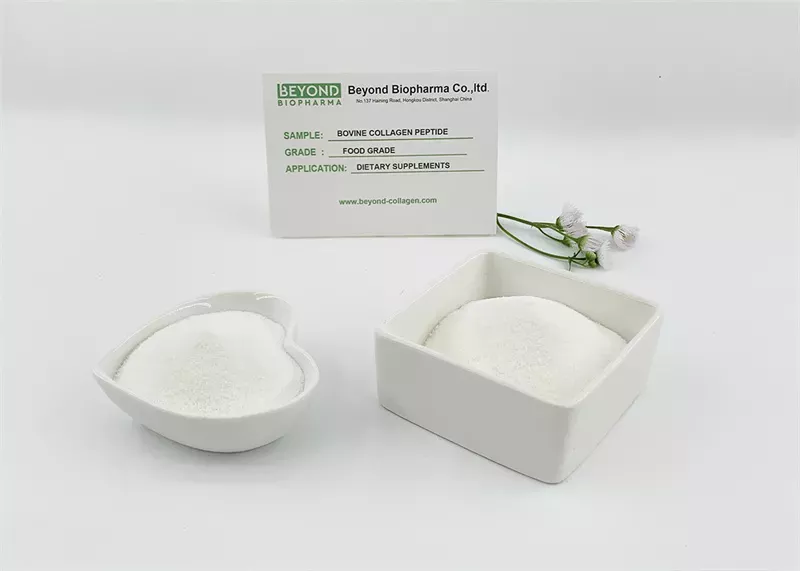
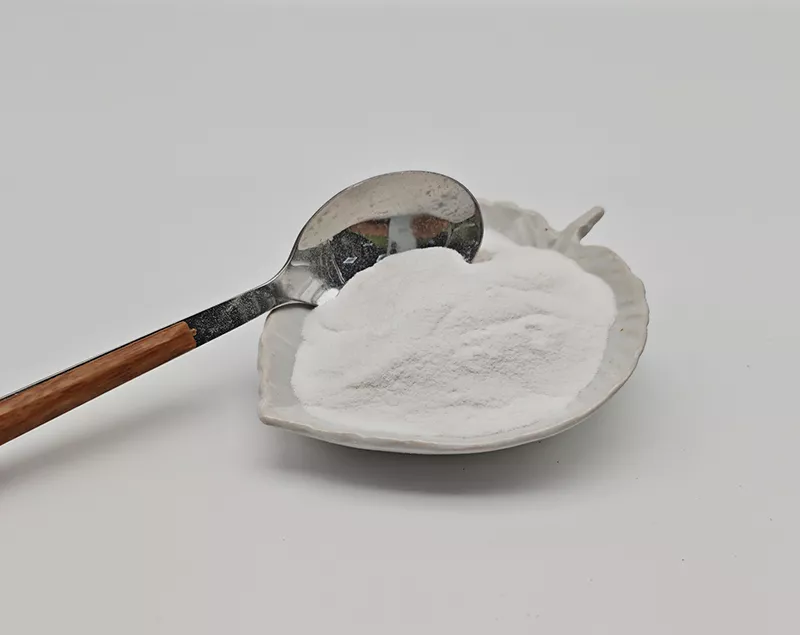
Tel:+86 21 65010906
Cell/Whatsapp/Wechat:
+86 13482884055
+86 18657345785
Email: sales@beyondbiopharma.com





 English EN


