
EN
Gelatin comes from animal collagen. Producers extract it mainly from the skin, bones, and connective tissue of animals. Fish gelatin uses the skin and bones of fish. Bovine gelatin and pork gelatin rely on the skin, bones, and connective tissue of cows and pigs. The extraction process involves several steps. First, manufacturers pretreat the raw materials. Then, they use thermal hydrolysis to break down collagen. After that, they filter, concentrate, dry, and crush the material to create the final gelatin product. Each type of gelatin contains a unique amino acid profile, which leads to differences in composition and properties.
Fish gelatin: Sourced from fish skin and bones.
Bovine gelatin: Sourced from cow skin, bones, and connective tissue.
Pork gelatin: Sourced from pig skin, bones, and connective tissue.
The table below highlights the main differences in physical properties, composition, and gel strength among fish, bovine, and pork gelatin. These differences affect their performance in recipes and their suitability for various diets.
Attribute | Fish Gelatin | Bovine Gelatin | Pork Gelatin |
|---|---|---|---|
Source | Fish skin, bones | Cow skin, bones, connective tissue | Pig skin, bones, connective tissue |
Texture | Soft, elastic | Firm, elastic | Firm, elastic |
Melting Point | Low (15–25°C) | Medium (30–35°C) | Medium (30–35°C) |
Bloom Strength | 200–250 | 200–300 | 200–300 |
Flavor | Noticeable, mild | Neutral | Neutral |
Dietary Suitability | Kosher, Halal, Pescatarian | Kosher, Halal (if certified) | Not suitable for Kosher/Halal diets |
Fish gelatin melts at a lower temperature than bovine or pork gelatin. This property makes it ideal for applications that require quick melting. Pork gelatin and bovine gelatin both offer strong gel strength and firm texture. The differences in composition and amino acids influence the physical properties and bloom strength of each type. Bloom strength measures gel firmness. Higher bloom strength means a firmer gel. Pork gelatin and bovine gelatin usually have similar bloom strength, while fish gelatin may be slightly lower but still effective for many uses.
Note: Choosing the right gelatin depends on the desired texture, melting point, and dietary needs. Understanding these properties helps users select the best option for their recipes.
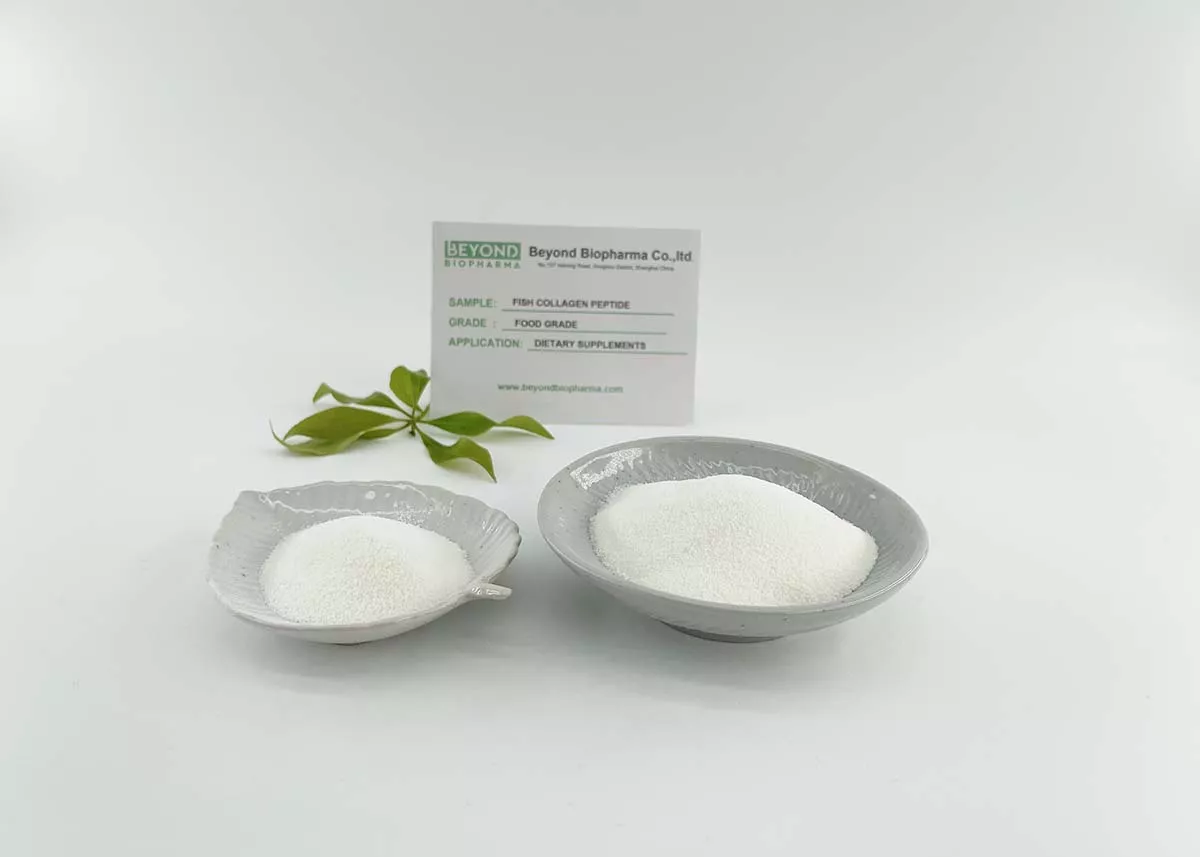
Fish gelatin displays unique gelling properties compared to bovine and pork gelatin. Manufacturers extract fish gelatin from fish skin and bones, which results in a softer, more elastic texture. The gel strength is weaker, so the gels feel less firm and more delicate. Chefs and food scientists often choose fish gelatin for recipes that require a gentle mouthfeel or rapid melting. The table below compares the texture and gelling properties of fish gelatin with other types.
Property | Fish Gelatin | Bovine Gelatin | Porcine Gelatin |
|---|---|---|---|
Gel Strength | Softer, less firm | Stronger, firmer | Stronger, firmer |
Texture | Elastic, delicate | Firm, elastic | Firm, elastic |
Solubility | Less soluble at high temperatures | Good solubility in hot water | Good solubility in hot water |
Fish gelatin offers functional properties that suit desserts, beauty supplements, and beverages. Its softer texture makes it ideal for applications where a gentle gel is preferred.
Fish gelatin melts at lower temperatures than bovine or pork gelatin. The melting point ranges from 15°C to 25°C, which is 5–10°C lower than mammalian gelatins. This property allows fish gelatin to dissolve quickly and form thermo-reversible gels. Fish gelatin contains less proline and hydroxyproline, which contributes to its lower melting point. It is soluble in water and works well in cold beverages, smoothies, and beauty shots. Many manufacturers prefer fish gelatin for recipes that require instant dissolution and rapid melting.
Fish gelatin melts faster than bovine and pork gelatin.
It forms gels at lower temperatures, making it suitable for chilled foods.
The functional properties of fish gelatin support easy mixing and quick preparation.
Fish gelatin has a mild, noticeable flavor, which differs from the neutral taste of bovine and pork gelatin. Some traditional fish gelatin products carry a slight fishy odor, but modern deodorization technology removes this scent. Many brands now offer odorless fish gelatin, making it suitable for beverages and supplements without altering their flavor. The neutral taste and odorless nature of fish gelatin enhance its versatility in food and beauty applications.
Odorless fish gelatin improves consumer acceptance and expands its use in functional foods.
Fish gelatin meets the needs of many dietary groups. It is suitable for halal diets and kosher diets, as well as pescatarians. Religious communities and individuals with allergies often choose fish gelatin to avoid bovine or pork gelatin. Fish gelatin does not carry the risk of bovine spongiform encephalopathy, making it a safer alternative. Ethical and environmental considerations also support the preference for fish gelatin.
Fish gelatin is halal and kosher certified.
It is ideal for pescatarians and those with allergies to mammalian gelatins.
Sustainability and safety make fish gelatin a popular choice.
Fish gelatin provides functional properties that align with dietary restrictions and ethical concerns.
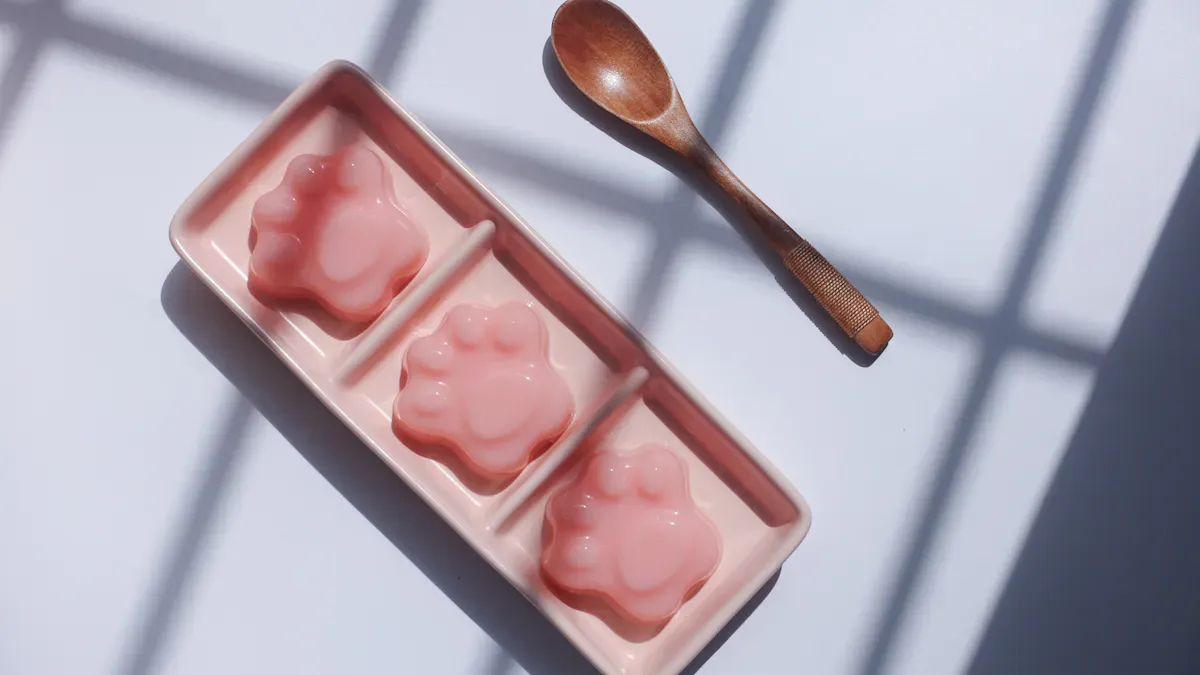
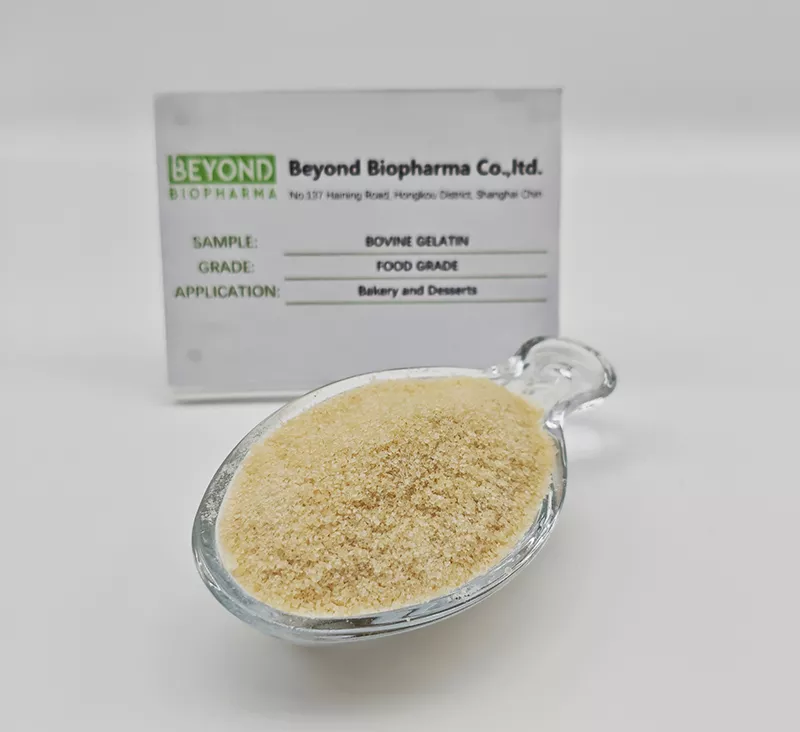
Bovine gelatin stands out for its strong setting power and reliable gelling properties. Food scientists recognize that this gelatin forms a firm, heat-stable gel at low concentrations, usually between 0.5% and 1% by weight. The gel strength of bovine gelatin exceeds that of many plant-based gelling agents. This property allows chefs to create desserts and savory dishes with a firm texture and elastic bite. The small gap between melting and gelling temperatures helps maintain the desired consistency in recipes like jellies and custards. Bovine gelatin also produces thermoreversible gels, which means the gel can melt and reset with temperature changes. This feature is valuable for recipes that require reheating or molding.
The melting point of bovine gelatin falls in the medium range, typically between 30°C and 35°C. This temperature range supports the formation of a firm, heat-stable gel that holds its shape at room temperature but melts pleasantly in the mouth. The melting point, combined with high gel strength, gives bovine gelatin its unique properties. These properties make it ideal for foods that need to maintain structure during storage and serving. The balance between melting and gelling ensures that desserts and savory items have a smooth, enjoyable texture.
Bovine gelatin plays a key role in many culinary traditions. Chefs and food manufacturers use it to create a wide variety of products:
Jellies, jelly beans, marshmallows, and ice cream
Candy, dairy products, and puddings
Mousse, panna cotta, and whipped cream
Terrines, aspics, and pâtés
Canned meat preparations and sauces
This gelatin stabilizes creams and desserts, helping them keep their shape and texture over time. In savory dishes, bovine gelatin sets aspics and terrines, enhancing both presentation and mouthfeel. Its gelling properties allow for the creation of both delicate and firm textures, depending on the recipe.
Bovine gelatin is a tasteless, soluble mixture of peptides and proteins derived from beef collagen. This source matters for people with dietary restrictions. Some religious groups, such as those following Hinduism, may avoid beef gelatin due to cultural or spiritual beliefs. Kosher or halal diets require certification to ensure the gelatin meets religious standards. People with alpha-gal syndrome, a rare allergy to mammalian products, must also avoid bovine gelatin because it contains alpha-gal, which can trigger severe reactions.
Different religious sects | % of US population | Restrictions that impact medical selection | Views on use of restricted products in medical situations |
|---|---|---|---|
Hinduism | 0.7 | • Vegetarianism is common. • Bovine and porcine products are often restricted. | There is no universal stance on the use of bovine materials across Hinduism. Vaishnavism, the major branch of Hinduism, does not permit the use of any drugs, wound dressings, or implants if they contain bovine or porcine products. Religious exemptions may be made in emergencies if there are no available substitutions. |
Bovine gelatin can be certified as halal, making it suitable for halal consumers. However, always check for proper certification. For those seeking alternatives, fish gelatin from Beyond Biopharma offers a solution that meets halal and kosher requirements, as well as high bioavailability and excellent functional properties.
Porcine gelatin stands out for its reliable gelling properties and consistent gel strength. Food scientists and chefs value its ability to create a firm texture in many recipes. The bloom strength of pork gelatin usually falls between 200 and 300, which means it forms strong, stable gels. Gel strength, measured by the bloom value, indicates how stiff and resilient the final product will be. Higher bloom strength leads to a firmer, more chewy texture, which is especially important in products like gummy candies and chewy desserts. The table below compares mechanical strength among different gelatin sources:
Gelatin Source | Mechanical Strength (kPa) |
|---|---|
Bovine | 60 |
Porcine | 40 |
Fish | 10 |
Porcine gelatin’s balance of elasticity and firmness makes it a favorite for both home cooks and food manufacturers.
Pork gelatin melts at a temperature range of 32°C to 35°C (90°F to 95°F). This melting point is crucial for achieving the right gelling process in recipes. It allows desserts, aspics, and gummy candies to hold their shape at room temperature but melt smoothly in the mouth. The melting point also helps create a stable, chewy texture in foods like rich soups and stews, sauces, and confections. Understanding this property ensures that chefs can produce consistent results with every batch.
Porcine gelatin offers a wide range of functionalities in food processing and culinary uses. Its versatility comes from its ability to provide:
Gelling
Foaming
Film-forming
Thickening
Water-binding
Emulsifying
Stabilizing
Adhesion
These properties make pork gelatin a key ingredient in many products. It enhances the texture and flavor of desserts, gummy candies, sauces, soups, and stews. Food manufacturers use it in edible coatings to preserve meat, extend shelf life, and prevent microbial growth. Its multifunctionality supports innovation in both the food and pharmaceutical industries.
Porcine gelatin is derived from pig skin, bones, and connective tissues. It accounts for about 40-50% of global gelatin production. However, several religious and dietary groups avoid pork gelatin due to prohibitions. The table below summarizes these restrictions:
Religion | Prohibition on Pork | Reason for Prohibition |
|---|---|---|
Judaism | Yes | Considered ritually unclean in the Torah |
Islam | Yes | Considered ritually unclean in the Quran |
Certain Christian Denominations | Yes | Adhere to Jewish dietary laws |
People who follow kosher or halal diets, or those with specific ethical concerns, often seek alternatives. Fish-based gelatin, such as the high-quality options from Beyond Biopharma, provides a suitable substitute for those who cannot consume porcine products.
Gelatin creates gels with different textures based on its source. Fish gelatin forms soft, elastic gels that melt quickly in the mouth. Bovine and pork gelatin produce firmer, more resilient gels. The composition of each type affects the final texture. Fish gelatin contains lower levels of proline and hydroxyproline, which leads to a softer gel. Bovine and pork gelatin have higher concentrations of these amino acids, resulting in a stronger structure. Chefs often select fish gelatin for desserts or beverages that require a delicate, smooth texture. Bovine and pork gelatin work best in recipes that need a firm, stable gel, such as gummy candies or aspics.
Note: The physical properties of gelatin, such as gel strength and elasticity, play a key role in determining the mouthfeel of finished products.
The melting point of gelatin varies by source. Fish gelatin melts at a lower temperature, usually between 15°C and 25°C. This property allows it to dissolve easily in cold or room-temperature liquids. Bovine and pork gelatin have melting points between 30°C and 35°C. These higher melting points help maintain the structure of foods at room temperature. The difference in melting point comes from the unique composition of each gelatin. Fish gelatin is ideal for chilled desserts, beauty drinks, and applications where rapid melting is important. Bovine and pork gelatin are better for products that need to hold their shape in warmer environments.
Gelatin Type | Melting Point (°C) | Best Use Cases |
|---|---|---|
Fish | 15–25 | Chilled desserts, beverages |
Bovine | 30–35 | Gummies, marshmallows, aspics |
Pork | 30–35 | Candies, jellies, savory dishes |
Flavor is another important difference among gelatin types. Fish gelatin sometimes has a mild, noticeable taste, especially in traditional products. Modern processing methods, such as those used by Beyond Biopharma, remove unwanted odors and flavors. This results in an odorless and neutral-tasting ingredient. Bovine and pork gelatin usually have a neutral flavor, making them suitable for a wide range of foods. When choosing gelatin for a recipe, chefs consider how the flavor will interact with other ingredients. Odorless fish gelatin works well in beverages, supplements, and beauty products because it does not alter the taste.
Tip: For recipes where flavor neutrality is essential, select a high-quality, deodorized fish gelatin like the one offered by Beyond Biopharma.
Dietary suitability often guides the choice of gelatin. Fish gelatin meets the needs of people who follow kosher, halal, or pescatarian diets. It also avoids concerns related to bovine spongiform encephalopathy. Bovine gelatin can be suitable for halal or kosher diets if certified, but some religious groups avoid it for cultural reasons. Pork gelatin is not suitable for kosher or halal diets and is restricted in several religions. The composition and source of gelatin influence its acceptance in different communities.
Fish gelatin: Suitable for kosher, halal, and pescatarian diets.
Bovine gelatin: Acceptable for some kosher and halal diets with certification.
Pork gelatin: Not suitable for kosher or halal diets.
The physical properties and functional properties of each gelatin type, along with their composition, determine their best uses and suitability for various dietary needs. Beyond Biopharma provides premium fish gelatin and collagen peptides that meet strict dietary and quality standards, making them a trusted choice for manufacturers and consumers.
Culinary experts suggest that the choice of gelatin depends on the desired texture and the type of desserts. For soft desserts like panna cotta or mousse, fish gelatin works best because it provides a luxurious texture and melts at a lower temperature. Pork gelatin suits chewy candies and savory dishes, offering strong setting power. Bovine gelatin creates firm structures in both sweet and savory applications. The table below summarizes these recommendations:
Type of Gelatin | Best For | Key Characteristics |
|---|---|---|
Fish Gelatin | Soft desserts, Kosher or Halal diets | Neutral taste, luxurious texture, lower melting temperature |
Pork Gelatin | Chewy candies, savory dishes | Strong setting power, ideal for classic recipes |
Bovine Gelatin | Strong, hearty structures | Excellent stability, firm texture for sweet and savory applications |
Chefs select gelatin based on the recipe’s requirements. They consider texture, melting point, and flavor. Fish gelatin is ideal for chilled desserts and beverages. Pork gelatin is preferred for traditional candies. Bovine gelatin is chosen for recipes needing stability.
Dietary restrictions play a major role in gelatin selection. Many people require products suitable for halal or kosher diets. Fish gelatin meets these needs and is also suitable for pescatarians. Certification ensures that gelatin aligns with religious and ethical standards. Bovine gelatin can be used if it has proper certification. Pork gelatin is not suitable for kosher or halal diets. Individuals with allergies or specific health concerns often choose fish gelatin for safety and peace of mind.
Tip: Always check for certification when selecting gelatin for dietary needs. This guarantees the product meets the required standards.
Beyond Biopharma offers a wide range of premium gelatin and collagen products. Their expertise helps manufacturers and consumers select the right gelatin for desserts, beverages, and supplements. The brand provides fish gelatin with high bioavailability and neutral taste, making it ideal for beauty-from-within products and functional foods. Beyond Biopharma ensures certification and traceability for all products. Their technical support assists with formulation and application, helping clients achieve the best results. For those seeking reliable gelatin solutions, Beyond Biopharma stands out as a trusted partner.
Proper storage helps maintain the quality and effectiveness of gelatin products. Store them in a cool, dry place away from direct sunlight. High humidity can cause clumping or spoilage. Use airtight containers to prevent moisture from entering. Keep the product away from strong odors, as it can absorb smells from the environment. For large quantities, refrigeration extends freshness, but always allow the product to reach room temperature before opening to avoid condensation.
Tip: Always check the packaging for specific storage instructions from the manufacturer.
Shelf life depends on storage conditions and packaging. Most high-quality gelatin products last between 24 and 36 months when stored correctly. Check the expiration date on the package before use. If the powder changes color, develops an off smell, or forms lumps, it should not be used. Properly sealed packaging helps prevent contamination and preserves the product’s functional properties.
Storage Condition | Expected Shelf Life |
|---|---|
Cool, dry, sealed | 24–36 months |
Exposed to humidity | Shortened |
Refrigerated, sealed | Up to 36 months |
To preserve the functional properties of gelatin, follow these best practices:
Use cross-linking agents like genipin or citric acid to improve structural stability in advanced applications.
Incorporate nanomaterials such as silver nanoparticles or zinc oxide to enhance barrier and antimicrobial functions in specialized uses.
Blend with other biopolymers like chitosan, agar, or pectin for better flexibility and water resistance.
Handle with clean, dry utensils to avoid introducing moisture or contaminants.
Seal the container tightly after each use.
Beyond Biopharma provides premium gelatin and collagen products with clear handling guidelines and robust packaging. Their expertise ensures that customers receive products with optimal quality and safety.
Note: Following these tips helps maintain product performance and extends shelf life.
Consumers notice clear differences among fish, bovine, and pork gelatin. Texture, melting point, and flavor vary by source, which affects recipe outcomes and dietary suitability. Authentication methods like ELISA and FTIR help address ethical and health concerns. Fish gelatin films offer unique barrier properties and faster degradation. Choosing the right gelatin depends on recipe goals and dietary needs. Beyond Biopharma provides premium gelatin and collagen products, supporting both quality and safety. People should match their selection to their culinary and nutritional requirements.
Fish collagen peptides come from marine sources like cod and tilapia. They offer higher bioavailability and dissolve quickly in cold water. Many people choose them for beauty supplements and dietary needs.
Clinical studies show that fish collagen peptides support skin hydration and elasticity. They stimulate collagen production, which helps reduce dryness and wrinkles. Many users notice visible improvements after regular intake.
Fish collagen peptides meet kosher and halal requirements. They also suit pescatarians and those with allergies to mammalian products. Beyond Biopharma ensures full certification and traceability for their fish collagen peptide.
Fish collagen peptides dissolve instantly in cold beverages. They work well in smoothies, coffee, and beauty drinks. Their neutral taste and odorless nature make them easy to add to many foods without changing flavor.
Beyond Biopharma offers high-quality fish collagen peptides. Their products support skin health and meet strict dietary standards. Many manufacturers trust Beyond Biopharma for reliable collagen solutions.


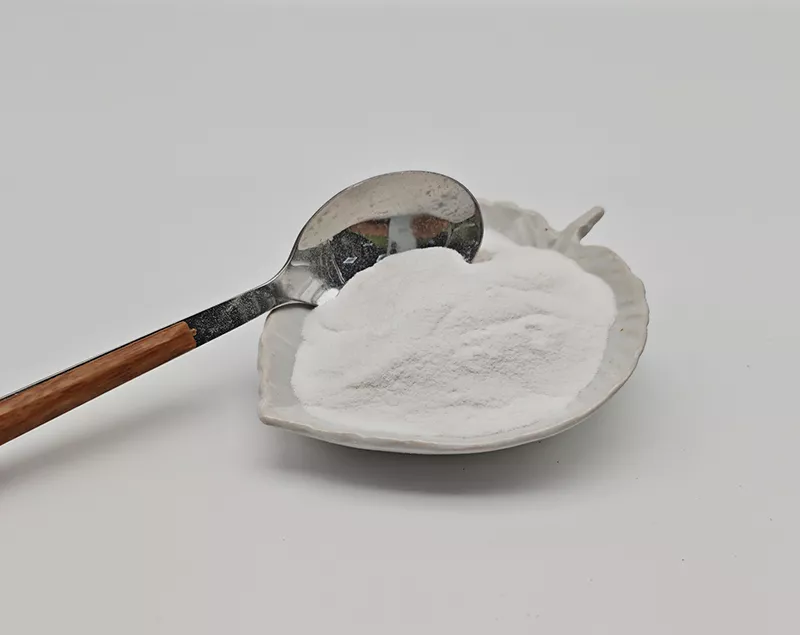
Tel:+86 21 65010906
Cell/Whatsapp/Wechat:
+86 13482884055
+86 18657345785
Email: sales@beyondbiopharma.com





 English EN


