
EN
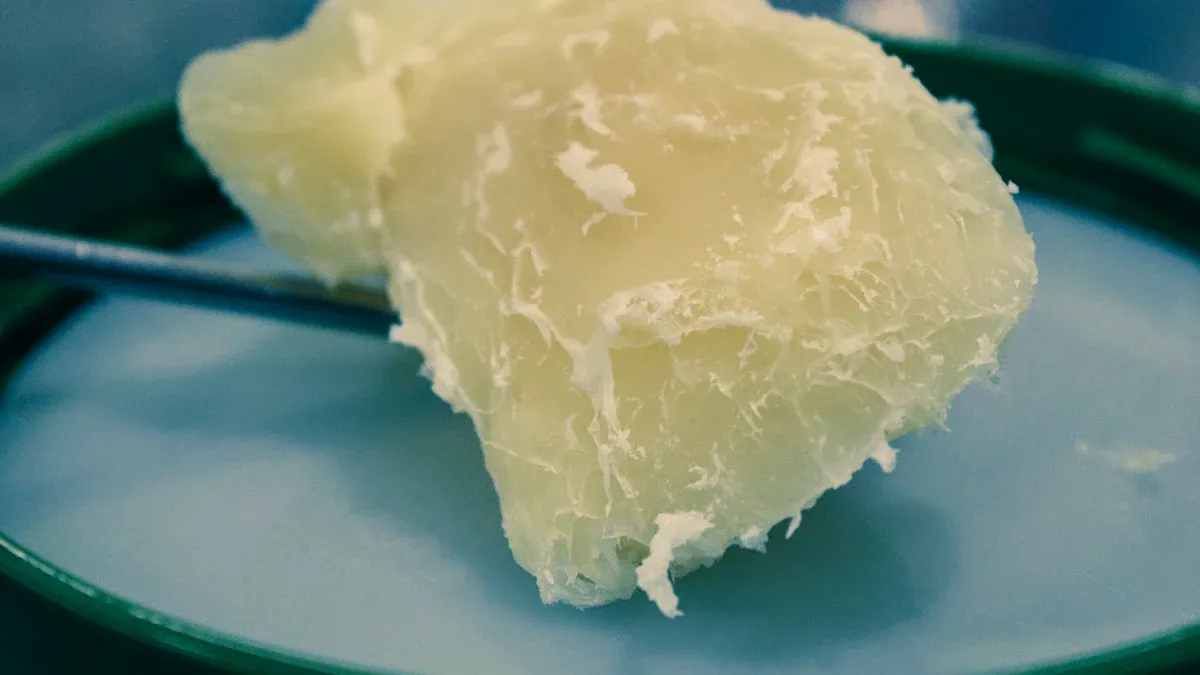
Choosing the right gelatin depends on personal dietary needs, recipe goals, and religious guidelines. Many people need kosher or halal options for cooking, especially when preparing desserts or recipes for diverse groups. Fish gelatin powder stands out for those who want a clean label and specialty diets. Beyond Biopharma provides halal and kosher verified fish gelatin, which suits pescatarian and strict halal markets. Fish gelatin works well in recipes for soft desserts and offers a reliable choice for those who avoid beef or pork. Many recipes for cooking and desserts benefit from the unique properties of fish gelatin.
The following table highlights the key properties of the main types of gelatin. This overview helps readers quickly see how fish, beef, and pork gelatin types differ in source, texture, melting point, dietary suitability, and certifications.
Gelatin Type | Source | Texture | Melting Point (°C) | Bloom Strength (g) | Dietary Suitability | Certifications |
|---|---|---|---|---|---|---|
Fish | Fish skin/scales | Soft, elastic | 15–25 | 0–270 | Kosher, Halal, Pescatarian | Halal, Kosher |
Beef | Cows, bulls | Firm, resilient | 30–35 | 130–308 | Halal/Kosher (if certified) | Halal, Kosher (if certified) |
Pork | Pigs | Firm, resilient | 30–35 | 130–308 | Not Halal/Kosher | None |
The three main types of gelatin each offer unique features. Fish gelatin creates soft, elastic gels that melt quickly in the mouth. This property makes it ideal for chilled desserts and beverages. Beef and pork gelatin types produce firmer gels that hold their shape better in warm conditions. These types of gelatin work well in gummies, marshmallows, candies, and savory dishes.
Fish gelatin types have a lower melting point, usually between 15°C and 25°C. This means they dissolve easily and provide a smooth texture in cold recipes.
Beef and pork gelatin types have higher melting points, around 30°C to 35°C. These types of gelatin maintain structure in recipes that need to stay firm at room temperature or above.
The Bloom strength, which measures gel firmness, ranges from 0–270 g for fish gelatin types and 130–308 g for mammalian gelatin types.
Fish gelatin types suit kosher, halal, and pescatarian diets. Beef gelatin types can be suitable if certified, but pork gelatin types are not allowed in kosher or halal diets.
Nutritionally, fish gelatin types contain slightly less glycine and proline but offer higher lysine and histidine compared to beef and pork gelatin types.
Tip: Always check the label for certifications when choosing between different types of gelatin. This ensures the product meets dietary and religious needs.
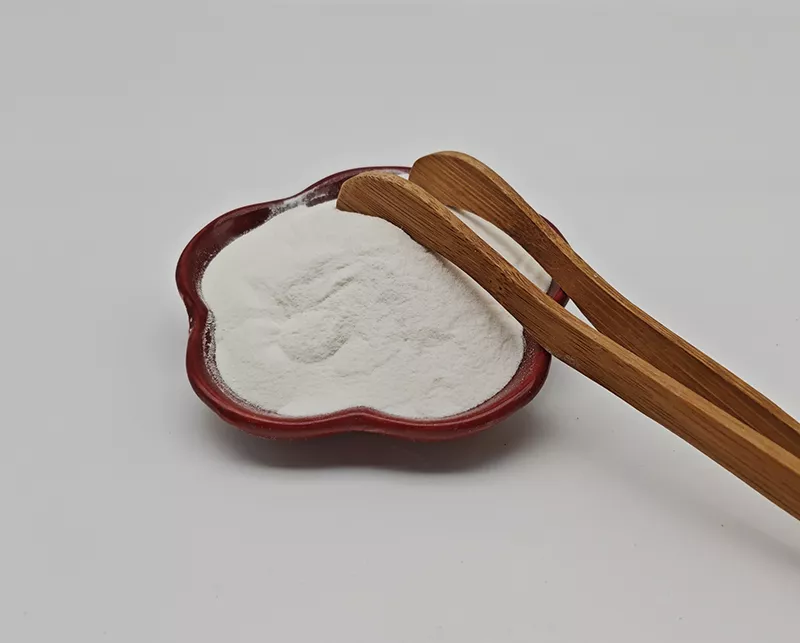
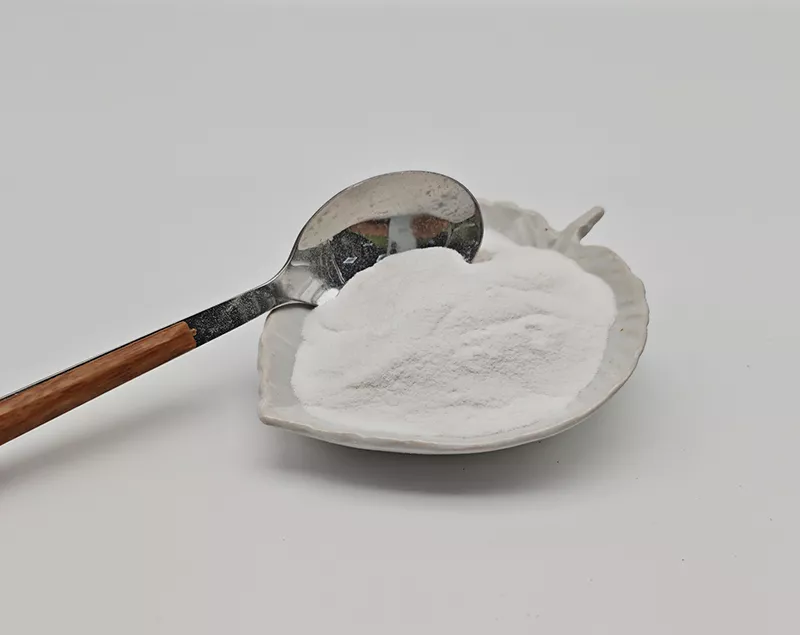
Fish gelatin powder comes from the skin and scales of fish, with tilapia being a common source. Producers often use acid or alkaline hydrolysis to extract gelatin from fish materials. This process helps control the purity and safety of the final product. The type of fish and the intensity of treatment can change the amino acid composition, which affects how the gelatin works in recipes. Beyond Biopharma’s Halal and Kosher Verified Fish Gelatin uses high-quality fish sources and advanced extraction methods. These steps ensure a clean label ingredient that meets strict dietary standards. The product holds certifications such as Halal, Kosher, GMP, ISO 22000, and FSSC 22000, making it suitable for specialty diets and global markets.
Tilapia skin is a leading source for fish gelatin powder.
Acid and alkaline hydrolysis are the main extraction methods.
The process impacts purity, safety, and functional properties.
Certifications guarantee suitability for halal, kosher, and pescatarian diets.
Fish gelatin powder creates a soft, elastic gel that stands out for its delicate texture. The melting point of fish gelatin ranges from 15°C to 25°C, which is lower than beef or pork gelatin. This property allows fish gelatin to melt quickly in the mouth, giving a smooth and pleasant eating experience. The table below compares the texture and melting point of fish gelatin with bovine and porcine gelatin:
Property | Fish Gelatin | Bovine Gelatin | Porcine Gelatin |
|---|---|---|---|
Gel Strength | Softer, less firm | Stronger, firmer | Stronger, firmer |
Texture | Elastic, delicate | Firm, elastic | Firm, elastic |
Melting Point | 15°C to 25°C | Higher | Higher |
Fish gelatin powder’s lower Bloom strength means it forms softer gels, which work well in chilled desserts and beverages. The neutral flavor profile ensures that it does not overpower other ingredients in a recipe.
Fish gelatin powder offers several advantages for both manufacturers and consumers. It provides a clean label solution for those who need halal, kosher, or pescatarian options. The rapid melt and soft texture make it ideal for premium desserts. Its neutral taste allows for easy blending into various recipes. The safety profile is strong, as the product is free from BSE and TSE risks.
Pros:
Meets halal and kosher requirements
Suitable for pescatarian and specialty diets
Clean label and certified for safety
Soft, elastic texture with rapid melt
Neutral flavor for versatile use
Cons:
Not suitable for recipes that require a very firm gel at room temperature
Note: Beyond Biopharma’s fish gelatin powder stands out for its certifications and safety, making it a top choice for specialty and clean label foods.
Fish gelatin powder works best in recipes that benefit from a soft, delicate texture and quick melting. It is especially useful in chilled desserts, mousses, panna cotta, and specialty confectionery. The powder should be rehydrated, or “bloomed,” in cold liquid before use to prevent clumping. For large-scale production, manufacturers can prepare a gelatin mass, which removes the need for blooming. Allowing the mixture to cool slowly at room temperature helps create strong bonds, but refrigeration for 24 to 36 hours is also effective.
Chilled desserts like panna cotta and mousse
Specialty confectionery and premium desserts
Recipes for halal, kosher, or pescatarian diets
Applications where a rapid melt and soft texture are desired
Fish gelatin powder provides a reliable and safe ingredient for innovative food products. Its unique properties and certifications make it a preferred choice for clean label and specialty applications.
Beef gelatin comes from bovine hides and bones. Producers use several methods to extract beef gelatin, including acid treatment, alkaline treatment, and thermal extraction. Each process affects the quality and properties of the final product. The table below shows how these methods work and their impact on beef gelatin quality:
Production Process | Description | Effect on Quality |
|---|---|---|
Acid Treatment | Suitable for collagen with lower cross-linking, short process time (24 hours) | Produces gelatin with lower viscosity |
Alkaline Treatment | Suitable for collagen with higher cross-linking, longer production time (8-12 weeks) | Produces high-quality gelatin with higher viscosity |
Thermal Extraction | Uses hot water for partial hydrolysis of collagen | Requires control of degradation to maintain quality |
Controlling the degree of gelatin degradation during production is important. If the process is not managed well, the beef gelatin may lose its gelling properties. This can affect its performance in cooking and other applications.
Beef gelatin is known for its firm and elastic texture. It has a higher Bloom strength than most fish gelatin types. This means beef gelatin forms strong gels that hold their shape well, even at room temperature. The table below compares the Bloom strength and texture of different gelatin types:
Type of Gelatin | Bloom Strength (g) | Texture Characteristics |
|---|---|---|
Bovine Gelatin | Higher than fish | Typically firmer and more elastic |
Fish Gelatin (Tuna) | 426 | Similar to mammalian, but lower gelling/melting points |
Fish Gelatin (Tilapia) | 180.8 | Comparable to bovine, but with different sensory qualities |
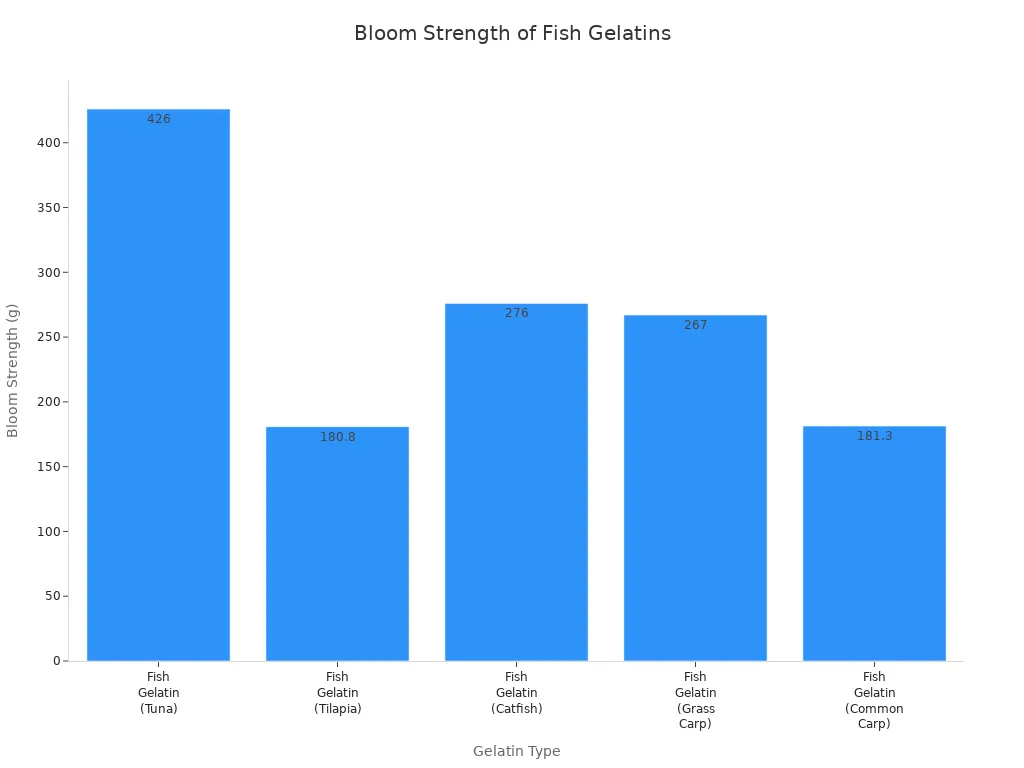
This firm texture makes beef gelatin a popular choice for recipes that require structure and stability during cooking.
Beef gelatin offers several benefits for both health and cooking. It contains high protein and supports skin, joints, and gut health. However, excessive protein intake may lead to health concerns. The table below outlines the main advantages and disadvantages:
Advantages | Disadvantages |
|---|---|
High protein content | Potential health risks from excessive protein intake |
Benefits for skin, joints, and gut health | Concerns about flavored gelatin products being lower in protein and higher in sugar and sodium |
Supports muscle, gut, skin, bones, and joints | Long-term high protein intake can lead to bone disorders, kidney problems, and increased cancer risk |
Note: Most people use beef gelatin in moderation, which helps them enjoy its benefits without negative effects.
Beef gelatin is versatile in both food and pharmaceutical industries. It plays a key role in many cooking applications. The table below highlights common uses:
Application Type | Description |
|---|---|
Tablet Production | Gelatin is used for its binding and strengthening properties in tablet formulations. |
Hard Capsules & Soft Gels | Gelatin serves as an excipient, enhancing production efficiency and protecting sensitive ingredients. |
Microencapsulation | Used to encapsulate vitamins and flavors, providing protection from light and oxygen. |
Medical Devices | Found in hemostatic sponges and ostomy patches, aiding in medical applications. |
Food Products | Essential in making gummies, desserts, and other food items, showcasing its versatility. |
In cooking, beef gelatin helps create gummies, jellies, and thickened desserts. It provides texture and stability in many recipes. People also use beef gelatin for its binding properties in tablet production and as a protective agent in pharmaceuticals. These diverse gelatin uses make beef gelatin a staple in many industries.
Pork gelatin comes mainly from pig skin and bones. Producers extract pork gelatin by partially hydrolyzing collagen found in these animal parts. The process involves breaking down collagen to create a product with unique gelling and emulsifying properties. The source and extraction method influence the final characteristics of pork gelatin, such as its ability to form gels and stabilize mixtures. Many food manufacturers choose pork gelatin for its reliable performance in recipes. However, demand for alternatives like fish gelatin has increased due to health concerns and religious dietary restrictions.
Pig skin and bones serve as the primary sources for pork gelatin.
Partial hydrolysis of collagen creates the final pork gelatin product.
Extraction methods affect the gelation and emulsification abilities of pork gelatin.
Pork gelatin forms strong, resilient gels. The texture of pork gelatin is firm and elastic, making it suitable for products that need to hold their shape at room temperature. Pork gelatin has a high Bloom strength, which means it creates gels that are both stable and flexible. This property makes pork gelatin a popular choice for candies, marshmallows, and other foods that require a consistent texture. The strength of pork gelatin allows it to perform well in both culinary and industrial applications.
Pork gelatin offers several nutritional and functional benefits. It consists of 98-99% protein and serves as the richest food source of glycine. Pork gelatin contains small amounts of vitamins and minerals. Many people use pork gelatin to support skin hydration, joint health, and intestinal wellness. Some studies show that pork gelatin may reduce joint pain and improve skin appearance.
Benefit | Description |
|---|---|
Hydrated Skin | Pork gelatin may improve skin hydration and reduce wrinkles by promoting collagen production. |
Healthy Intestines | Pork gelatin supports intestinal wall health and may protect against damage. |
Lower Blood Sugar | Glycine in pork gelatin may help manage blood sugar and reduce inflammation in Type 2 diabetes. |
Stronger Joints and Bone | Pork gelatin can strengthen connective tissues and reduce joint pain. |
Despite these benefits, pork gelatin can have an unpleasant taste and may cause feelings of fullness. Pork gelatin is not suitable for those who follow halal or kosher diets.
High protein content
Rich in glycine
May improve skin and joint health
Not suitable for halal or kosher diets
Possible unpleasant taste
Pork gelatin is widely used in the food industry. Manufacturers add pork gelatin to confectionery products such as jellies and fruit snacks. Pork gelatin helps create the chewy texture found in many candies. The pharmaceutical industry uses pork gelatin for capsules, as it provides a stable and safe coating for medications. Pork gelatin also appears in desserts, marshmallows, and dairy products. Its strong gelling ability makes pork gelatin a versatile ingredient in many specialty foods.
Confectionery products like jellies and fruit snacks
Pharmaceutical capsules
Marshmallows and dairy desserts
Specialty food products that require a firm gel
Note: Pork gelatin remains a staple in many recipes, but consumers with dietary restrictions often seek alternatives.
Selecting the right gelatin starts with understanding dietary and religious requirements. Many people follow kosher, halal, or pescatarian diets. Each group has specific rules for what they can eat. Kosher gelatin must come from animals that meet kosher standards and must be processed according to kashrus laws. These laws require that only certain animals, such as cows and kosher fish skins, are used. The equipment must also meet kosher standards. Kosher meat gelatin must not mix with dairy in any recipes. This ensures that all kosher foods, including gelatin, follow strict guidelines.
Halal gelatin must not contain any pork or alcohol. The animals used must be slaughtered according to Islamic law. Utensils and equipment must not touch anything forbidden. Fish gelatin often meets halal and kosher standards, especially when made from fish like tilapia or cod. Pescatarians choose gelatin from fish sources because they avoid meat from land animals. Many people with allergies also prefer fish gelatin because it does not contain common allergens found in beef or pork.
Tip: Always check for certifications on the label. Look for kosher, halal, or pescatarian symbols to make sure the gelatin fits your needs.
Beyond Biopharma supports specialty diets by offering a range of certified products. Their kosher gelatin and halal gelatin options help manufacturers and home cooks meet strict dietary rules. They use advanced methods to ensure every batch meets high standards for safety and purity.
Chefs and food manufacturers choose gelatin based on the texture and results they want in their recipes. Different types of gelatin work best for different dishes. Fish gelatin creates soft, delicate gels that melt quickly in the mouth. This makes it perfect for chilled desserts, mousses, and panna cotta. Kosher gelatin from beef or pork gives a firmer texture, which is ideal for gummies, marshmallows, and jellies.
Gelatin for cooking offers unique properties. It helps create foams, mousses, and glazes that improve the look and taste of dishes. Chefs use gelatin to make restaurant-quality desserts like cheesecake and panna cotta. They choose the type based on the desired firmness and melting point. Fish gelatin works well in recipes that need a gentle, smooth texture. Kosher gelatin from beef or pork is better for recipes that need to hold their shape at room temperature.
Fish gelatin: Best for soft, quick-melting desserts and specialty recipes.
Kosher gelatin from beef: Good for firm, stable gels in candies and baked goods.
Pork gelatin: Used in many commercial products but not suitable for kosher or halal diets.
Kashrus rules also affect recipe choices. For example, kosher meat gelatin cannot be used in dairy desserts. Chefs must plan recipes carefully to follow these rules.
Cost and availability play a big role in choosing gelatin. The table below compares the main types:
Type of Gelatin | Cost Comparison | Availability Factors |
|---|---|---|
Fish Gelatin | More expensive | Limited sourcing options and higher production costs |
Beef Gelatin | Common price | Fluctuates based on cattle availability and processing |
Pork Gelatin | Cheaper | Lower raw material costs |
Fish gelatin often costs more because it comes from limited sources and requires special processing. Kosher gelatin and halal gelatin may also cost more due to strict certification and production standards. Beef gelatin is widely available, but prices can change based on cattle supply. Pork gelatin is usually the cheapest and most common, but it does not meet kosher or halal needs.
Beyond Biopharma helps customers find the right gelatin for their recipes and budgets. They offer reliable supplies of kosher gelatin, halal gelatin, and fish gelatin for cooking. Their team provides support for specialty diets and helps manufacturers meet global standards.
Note: When choosing gelatin, consider both the cost and the ability to meet dietary or religious needs. Certified products may cost more, but they offer peace of mind and wider market appeal.
The following table gives a clear overview of the main features of fish, beef, and pork gelatin. Readers can use this summary to compare each type and decide which one fits their needs best.
Feature | Fish Gelatin | Beef Gelatin | Pork Gelatin |
|---|---|---|---|
Source | Fish skin and scales | Cow hides and bones | Pig skin and bones |
Texture | Soft, elastic | Firm, resilient | Firm, resilient |
Melting Point (°C) | 15–25 | 30–35 | 30–35 |
Bloom Strength (g) | 0–270 | 130–308 | 130–308 |
Dietary Suitability | Halal, Kosher, Pescatarian | Halal/Kosher (if certified) | Not Halal/Kosher |
Certifications | Halal, Kosher (if certified) | None | |
Best Uses | Chilled desserts, specialty | Gummies, candies, capsules | Marshmallows, jellies, snacks |
Cost | Higher | Moderate | Lower |
Tip: People who need a clean label or specialty diet often choose fish gelatin. Those who want a firmer texture in candies or gummies may prefer beef or pork gelatin.
Fish gelatin works well for recipes that need a soft, quick-melting texture. Beef gelatin gives structure to foods that must hold their shape. Pork gelatin remains a common choice in many commercial products, but it does not meet halal or kosher requirements.
Each gelatin type offers unique benefits. Readers should check dietary needs, recipe goals, and certifications before making a choice. Beyond Biopharma provides reliable options for those who need certified gelatin for specialty diets.
The best gelatin depends on diet, faith, texture, and use. Fish gelatin fits clean label needs, kosher and halal standards, pescatarian buyers, soft desserts, and quick-melt desserts. Beef gelatin suits firmer desserts. Pork gelatin fits users without kosher or halal limits. Consumers often compare melting point, kosher status, and gelatin in recipes before they choose. Beyond Biopharma’s Halal and Kosher Verified Fish Gelatin gives buyers a trusted fish option for gelatin in recipes. If they remain unsure, they can ask Beyond Biopharma, compare recipes, or review plant-based capsule options for non-gelatin needs.
Fish gelatin often fits halal and kosher needs when a trusted certification body verifies it. Buyers should check the label first. Beyond Biopharma offers Halal and Kosher Verified Fish Gelatin for brands that serve specialty markets.
Fish gelatin creates a softer set and a quick melt. Many chefs choose it for mousse, panna cotta, and chilled desserts. It supports a delicate bite instead of a firm chew.
Beef and pork options usually create a firmer texture than fish-based choices. Many manufacturers use them for gummies, marshmallows, and chewy sweets. Recipe goals should guide the final choice.
Pescatarian consumers often choose fish-based gelatin. It also suits brands that want a clean label ingredient with broad dietary appeal. Beyond Biopharma supports those needs with certified supply and technical guidance.


Tel:+86 21 65010906
Cell/Whatsapp/Wechat:
+86 13482884055
+86 18657345785
Email: sales@beyondbiopharma.com





 English EN


