 English EN


Bovine gelatin pros and cons everyone should know
Bovine gelatin offers strong gelling and health benefits but has dietary, ethical, and allergen concerns. Compare bovine gelatin to other gelatin options here.
More
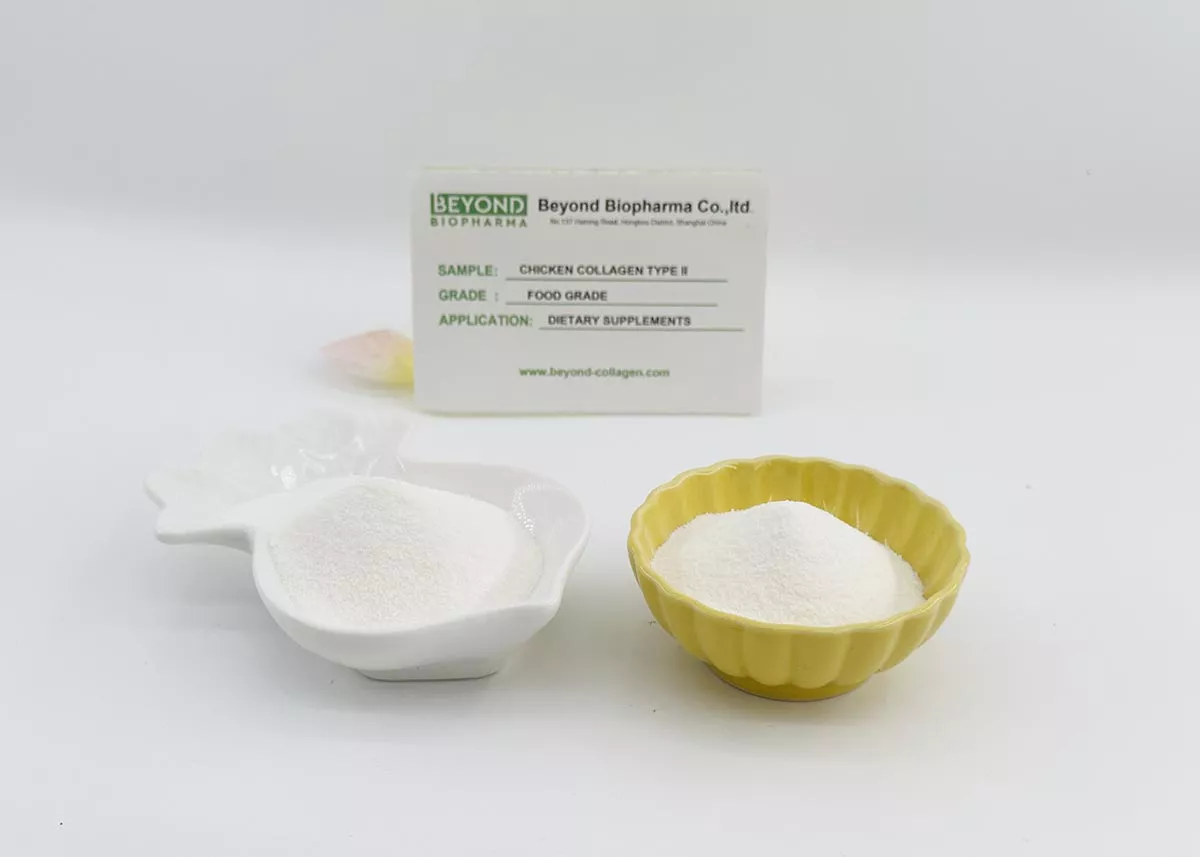
Gelatin is a hydrolyzed protein obtained by partial hydrolysis of collagen from animal connective tissues. It is a key ingredient in gummy candies, marshmallows, gelatin desserts, capsules, and even some dairy products. For overseas buyers, common pain points include batch-to-batch variation in gel strength (bloom), unpleasant odor or fishy smell, poor solubility, and difficulty meeting Halal, Kosher, or allergen-free requirements. Choosing the right gelatin source — bovine, porcine, or fish — directly impacts product quality and regulatory acceptance.
Gelatin is produced through acid or alkaline hydrolysis of collagen-rich raw materials such as bovine hide, bovine bone, porcine skin, or fish skin. The process involves cleaning, demineralization, extraction, filtration, concentration, drying, and milling. Key performance parameters include:
These values represent typical industry ranges; final specifications are provided per Certificate of Analysis (COA) or sample.
Below is a reference table of common gelatin grades and their typical parameter ranges:
| Grade | Bloom (g) | Viscosity (mPa·s) | Mesh | Moisture (%) |
|---|---|---|---|---|
| Edible Gelatin (bovine/porcine/fish) | 50–300 | 2.0–5.5 | 8–60 | ≤14 |
| Pharmaceutical Gelatin (hard capsules) | 150–260 | 3.0–5.0 | 20–40 | ≤12 |
| Collagen Peptides (fish/bovine) | N/A (soluble) | Low | Powder | ≤8 |
Note: These are typical industry ranges. Always confirm final values with the supplier's COA or sample.
Selecting the right gelatin depends on your end product. Here is guidance by industry:
Beyond Biopharma is a Shanghai, China–based manufacturer specializing in collagen peptides, gelatin, and plant protein peptides. With over 10 years in the food-ingredient industry, we export to 50+ countries. Our facility features a fully automatic production line, GMP clean workshop, stainless-steel sealed piping, and automated temperature/pH control. Annual capacity is approximately 3,000 MT for collagen and 5,000 MT for gelatin. We hold ISO 9001, US FDA registration, and select products carry Halal/Kosher certification (e.g., fish gelatin). Bovine bone gelatin is BSE-free. Our in-house lab conducts heavy-metal and microbiological testing, supported by a dedicated QA/QC team. We offer three grades: food, pharmaceutical, and cosmetic. Free samples and formulation support are available.
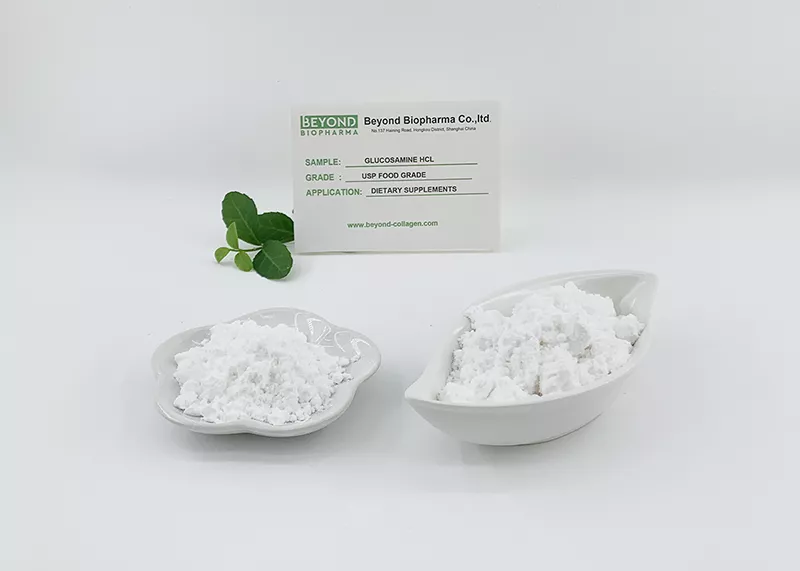
Gelatin is partially hydrolyzed collagen that forms a gel when cooled. Collagen peptides are more extensively hydrolyzed, resulting in smaller molecular weight (2,000–5,000 Da) and cold-water solubility. Gelatin is used for gelling and thickening; collagen peptides are used for rapid absorption in supplements.
Traditional gelatin is animal-derived. For vegan formulations, alternatives like plant protein peptides (pea, rice, soy) or hydrocolloids (agar, pectin) are used. Beyond Biopharma offers plant protein peptides suitable for allergen-free and vegan applications.
Bovine gelatin is preferred for high bloom and kosher/Halal applications (if certified). Porcine gelatin offers consistent gel strength and is widely used in gummies. Fish gelatin has lower melting point and is suitable for Halal/Kosher and clean-label products. Consider your target market, certification needs, and allergen profile.
Key certifications include ISO 9001, FDA registration, Halal, Kosher, and BSE-free status. For pharmaceutical use, GMP compliance is essential. Beyond Biopharma's fish gelatin is Halal and Kosher verified, and bovine bone gelatin is BSE-free.
Request a Certificate of Analysis (COA) for each batch, covering bloom, viscosity, mesh, moisture, and microbial limits. Work with suppliers that have automated production lines and in-house QA/QC labs. Beyond Biopharma's fully automatic line with temperature/pH control ensures consistent quality.
Gelatin typically has a shelf life of 2–3 years when stored in a cool, dry place below 25°C, away from moisture and direct sunlight. Proper packaging (sealed bags) is critical to prevent absorption of moisture and odors.
To find the right gelatin for your application, please provide the following details so Beyond Biopharma can send free samples and a competitive quote:
Contact our team to discuss your sourcing needs. We are committed to supporting your product development with consistent quality and reliable supply.

We provide you with comprehensive foreign trade solutions to help enterprises achieve global development
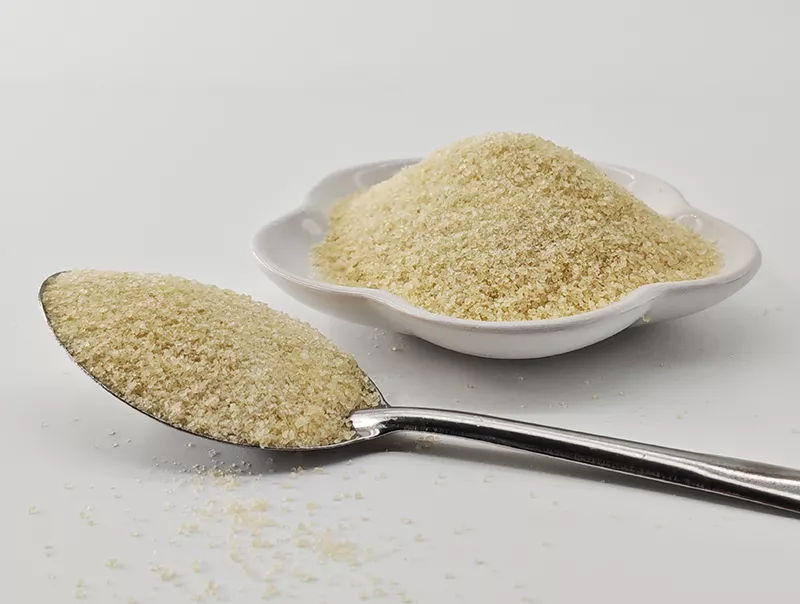
The High-Performance Barrier for Core Material Protection and Controlled Release.
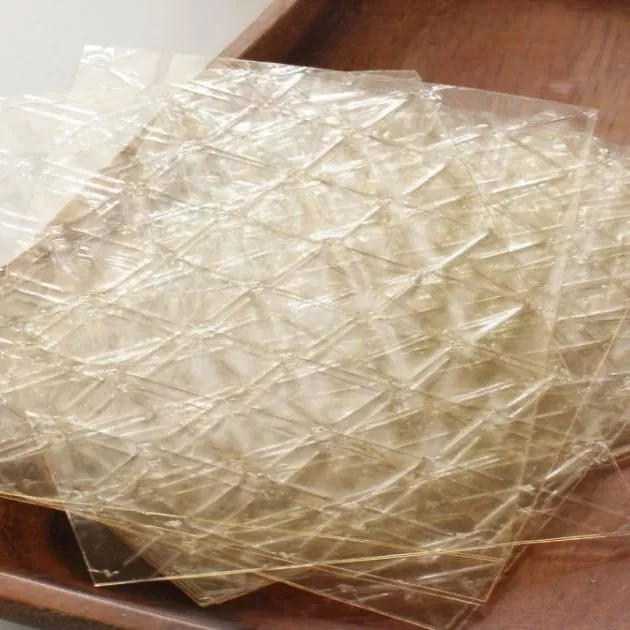
Our Gelatin Sheets are produced to precise standards, ensuring consistency and reliability across different Bloom grades (Silver being the most common professional choice).
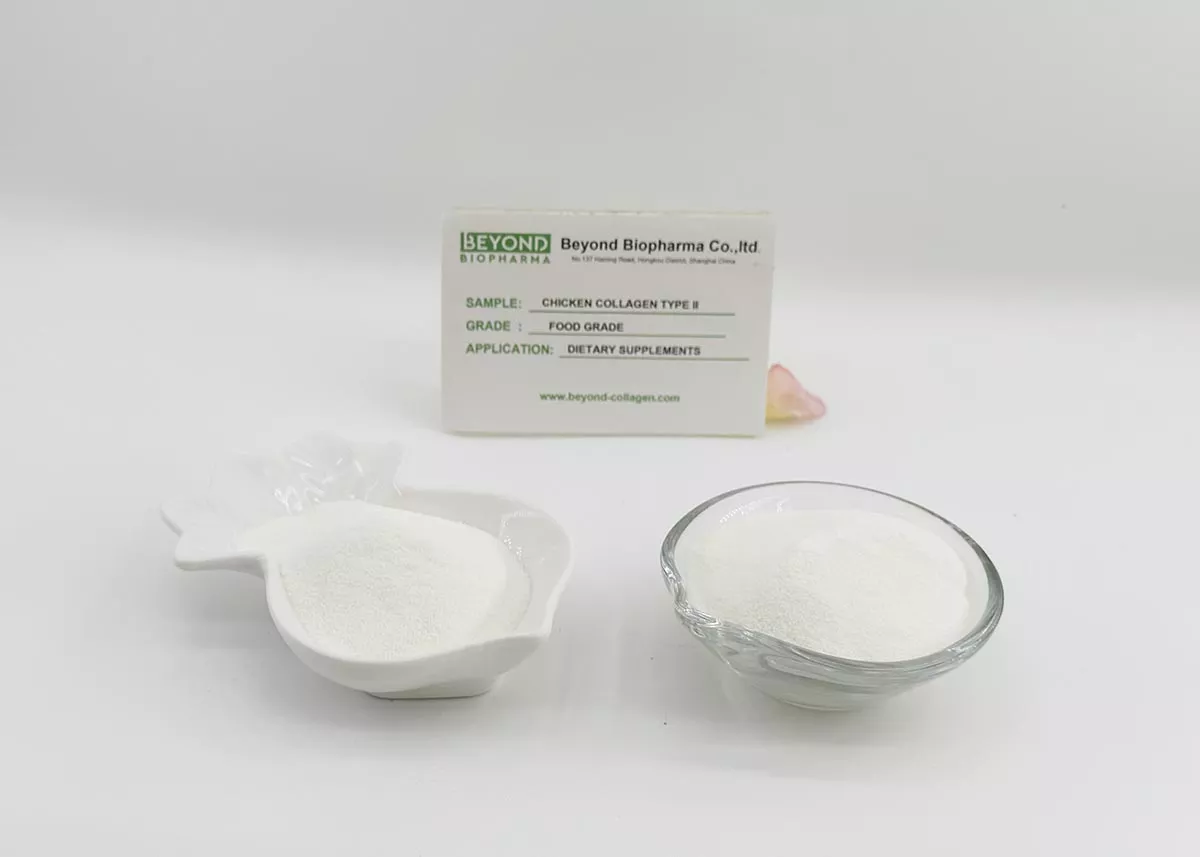
BEYOND BIOPHARMA is a specialized manufacturer of highly purified Hydrolyzed Collagen Type II. Through advanced enzymatic hydrolysis, we create low-molecular-weight collagen peptides that are highly bioavailable, offering foundational nutritional support for cartilage repair, joint function, and skin health. Our product is designed for rapid absorption and maximum efficacy in oral supplements.
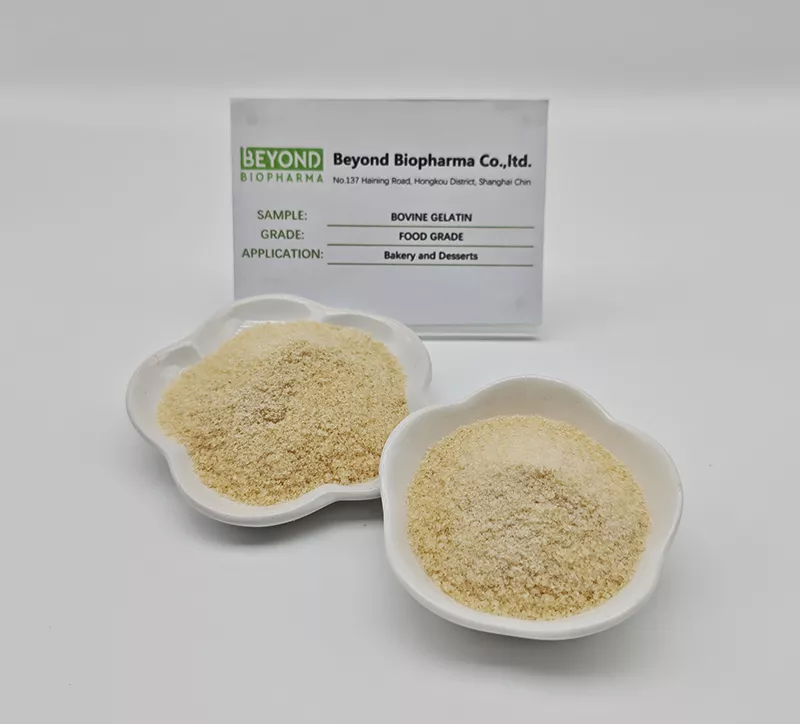
20 years experiences, 5000 ton/year capacity, Sustained supply with stable quality
Select the most popular foreign trade service products to meet your diverse needs
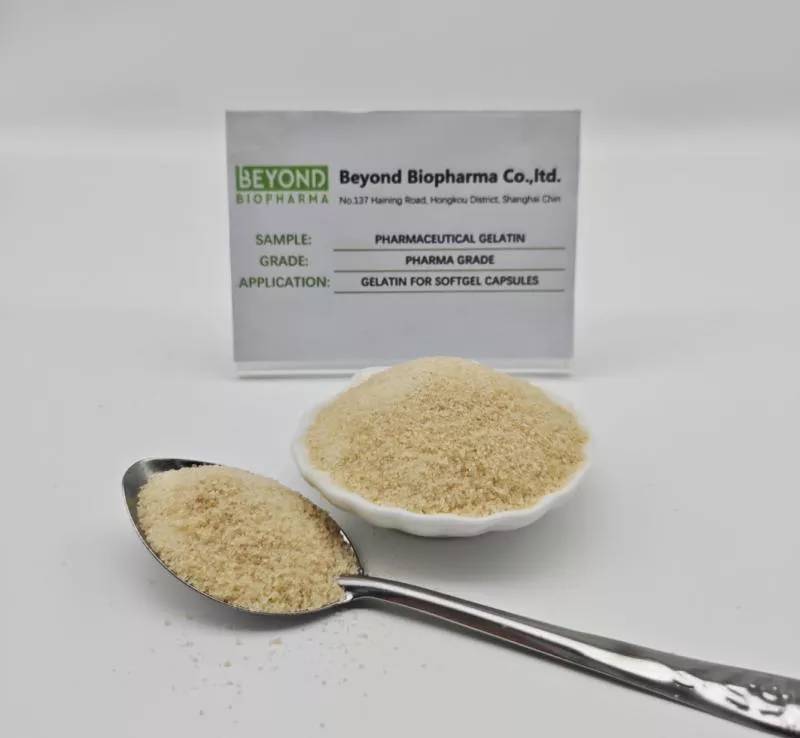
Softgel encapsulation demands a gelatin with unique physical attributes to perform optimally during the high-speed manufacturing process
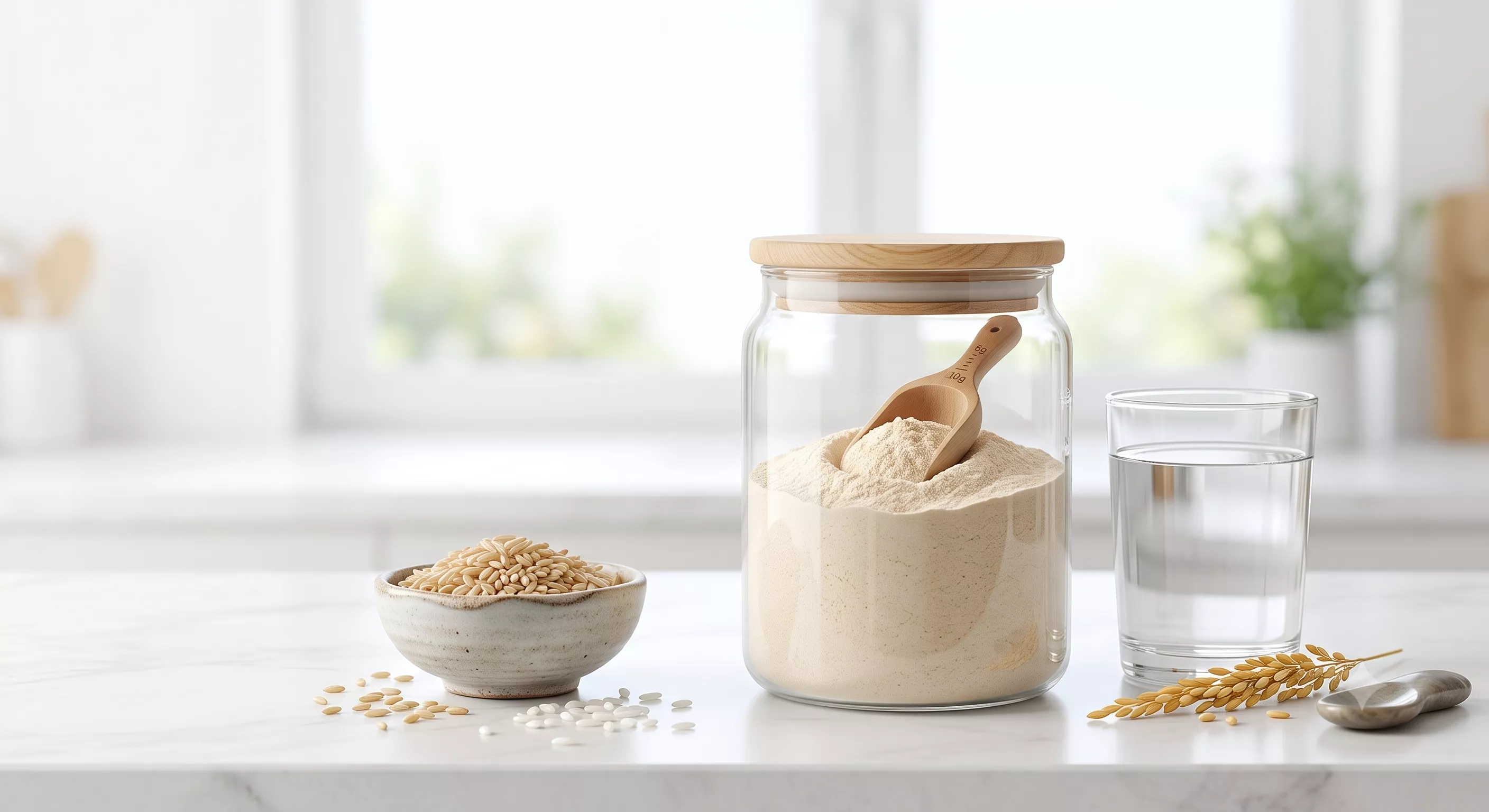
Source ultra-pure, 100% water-soluble wholesale hydrolyzed rice protein peptide in bulk. Over 85% molecules under 1000 Da. Ideal for infant nutrition, clean-label sports formulas, and sensitive skincare.
Our Gelatin Sheets are produced to precise standards, ensuring consistency and reliability across different Bloom grades (Silver being the most common professional choice).
Tel:+86 21 65010906
Cell/Whatsapp/Wechat:
+86 13482884055
+86 18657345785
Email: sales@beyondbiopharma.com





User Comments
Service Experience Sharing from Real Customers
Megan
Graphic DesignerI was skeptical about gummy vitamins, but these ones with gelatin are a game-changer! They actually hold their shape in my bag and don't melt together like other brands. The texture is perfect—chewy but not tough. My kids finally take their vitamins without a fight. Total win!
Leo
Construction SupervisorLong days on site mean I need snacks that won't get crushed. Tried these protein marshmallows with gelatin on a whim. They're surprisingly filling and don't make a mess. Knocking off one star because the strawberry flavor tastes a bit artificial, but overall, they're solid.
Chloe
Dental HygienistAs someone who's picky about textures, the smoothness of these gelatin-based panna cottas blew me away. No weird graininess, just creamy perfection. I appreciate that they use grass-fed gelatin too—feels like a slightly healthier treat. My new go-to dessert for dinner parties!
Raj
Software EngineerOkay, the bone broth gelatin cups are genius for coding marathons. Easy to stash at my desk, and they actually keep me full. Taste is mild (which I prefer). Only thing—wish the packaging was easier to open without scissors. Still, way better than reaching for chips at 3 AM.