
EN
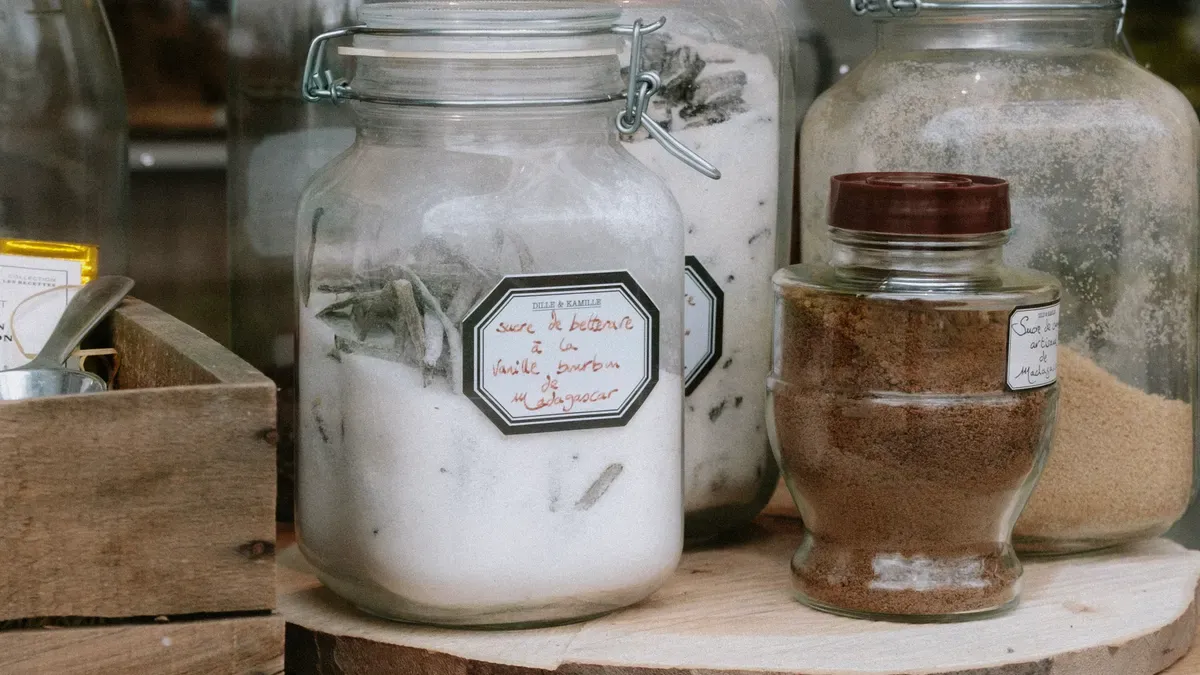
Moisture control directly preserves gelatin powder quality, prevents unwanted caking, and extends overall usability. Dry gelatin powder possesses a highly hygroscopic nature. It rapidly absorbs ambient atmospheric moisture from surrounding air. High ambient relative humidity causes severe structural degradation in the powder granules. This moisture exposure lowers Bloom strength over time and degrades total gelling capacity. Bakers, professional chefs, and commercial food manufacturers must regulate storage humidity to maintain product functionality. Proper environmental management maximizes gelatin powder storage shelf life and ensures consistent texture in final food applications. Preventing early moisture contact keeps the dry powder free-flowing, stable, and ready for immediate hydration.
Dry gelatin powder possesses a strong affinity for atmospheric moisture. Polar groups along the protein chains attract water molecules through hydrogen bonding. Moisture rapidly binds to the dry granules when relative humidity rises in the storage space. Absorbed water forces the gelatin matrix to undergo a physical phase transition. Research on whitefish skin gelatin powder reveals that keeping moisture content at or below 8 gw/gdm on a dry basis prevents caking. Crossing this critical moisture threshold triggers a shift from a stable glass state to a rubbery state.
This glass-to-rubber transition causes individual granules to stick together. Damp particles form solid liquid bridges and consolidate into hard clumps inside bags or containers. Caked gelatin dissolves unevenly during production and clogs industrial processing equipment. Under dry storage conditions, unopened dry gelatin powder features a commercial gelatin powder storage shelf life of 2 to 5 years. Moisture barrier limitations of the package material determine this shelf life limit rather than chemical degradation of the protein itself. Uncontrolled humidity causes premature caking long before the true functional lifespan ends.
Excess moisture absorption directly damages the internal molecular structure of gelatin powder. Absorbed water promotes slow hydrolytic cleavage of the peptide bonds during extended storage. This molecular breakdown shortens the collagen-derived protein chains within each granule. Shorter peptide chains cannot form a tight, stable triple-helix network during the cooling process.
The loss of structural integrity lowers the measured Bloom strength of the gelatin. Lower Bloom values reduce gelling power, viscosity, and melting points in finished food products. Confectionery items lose elasticity, while dairy products suffer from phase separation and weak textures. Storing dry gelatin in low-humidity environments protects the molecular chain length, preserving exact Bloom strength specifications for predictable batching performance.
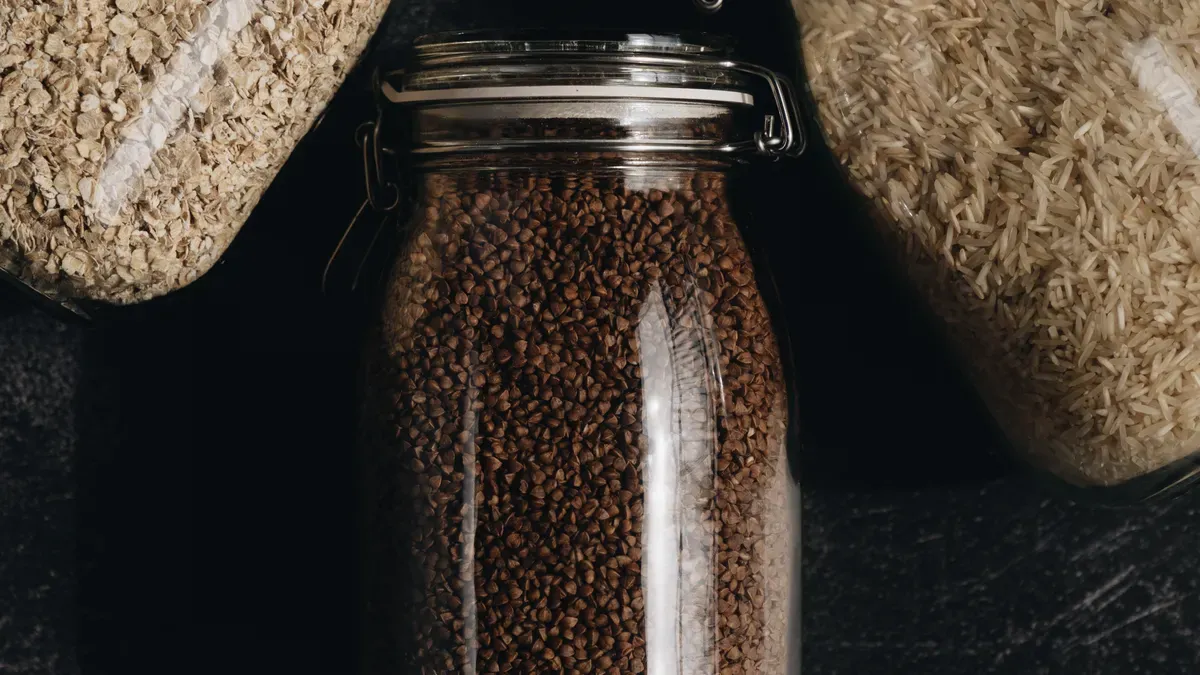
Environmental control directly influences product stability during long-term storage. Facility managers must maintain a relative humidity below 60% inside the primary storage area. Ambient air with high moisture content drives rapid absorption into dry protein structures. Cool ambient temperatures shield delicate peptide bonds from thermal stress and structural degradation. Proper humidity management maximizes gelatin powder storage shelf life across commercial facilities.
Uncontrolled heat accelerates physical deterioration inside sealed or open storage containers. Keeping storage spaces consistently cool preserves the stable glass state of dry particles. Storage managers prevent early clumping by keeping ambient temperatures low. This strict control protects functional bloom strength and ensures long-term ingredient performance for future food manufacturing processes.
Specialized packaging materials safeguard dry ingredients from ambient atmospheric humidity. Product packaging must feature light-blocking barriers, airtight seals, and food-grade desiccant packets to capture internal moisture. Desiccant packs absorb residual water vapor from package headspace. These combined barrier features extend gelatin powder storage shelf life by keeping humidity away from powder granules.
Status | Storage Method | Shelf Life |
|---|---|---|
Unopened | Store in a dry, cool place away from high temperatures and direct sunlight; room temperature is acceptable. | About 2 years at room temperature under ideal conditions. |
Opened | Seal tightly or transfer to an airtight container; keep in the refrigerator to prevent oxidation, moisture, and high temperatures. | Not specified, but best to use promptly; shelf life depends on storage conditions. |
Careful handling of open packages prevents accidental moisture exposure during daily batching operations. Kitchen staff and production operators must seal original bags tightly or transfer leftover powder into airtight containers immediately after opening. Vacuum-sealing removes trapped atmospheric air from package interiors. Storing opened containers inside a cold refrigerator protects dry powder from high temperatures, oxidation, and atmospheric moisture. Standardized handling procedures optimize gelatin powder storage shelf life and deliver consistent gelling performance in final food products.
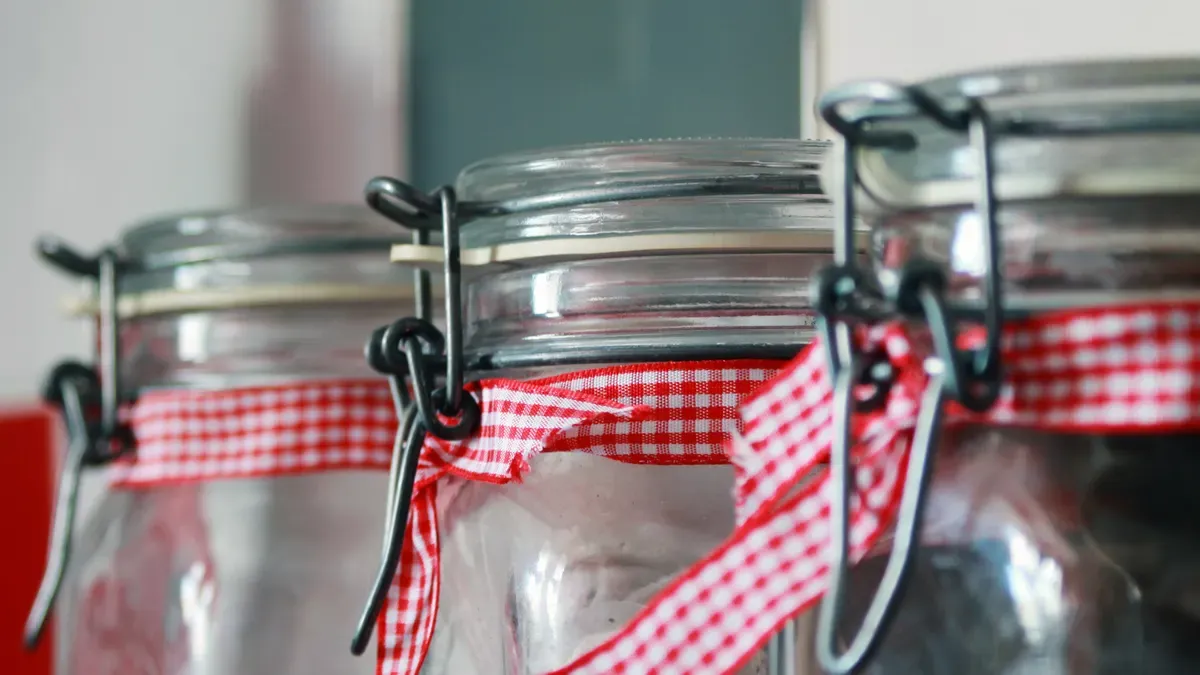
Operators must protect gelatin powder from humidity during daily prep work. Production staff should store bulk stock in original packaging to preserve strong moisture barriers. Implementing clear handling methods prevents ambient air from spoiling dry ingredients during routine measuring.
Keep storage temperatures between 15°C and 25°C with relative humidity below 60%.
Use hard plastic or glass airtight containers for daily ingredient access.
Apply a decanting strategy by moving small weekly supplies into separate working containers.
Follow the Conditioning Rule by letting chilled containers reach room temperature before opening.
Blooming gelatin powder in cold liquid prior to heating remains essential for high-quality production. Cold water hydrates individual granules evenly without dissolving them immediately. Water molecules penetrate the collagen strands and activate them for complete dissolution. Adding un-bloomed gelatin directly to hot liquids creates sticky lumps and grainy textures. Proper cold hydration guarantees smooth granule dispersion, consistent viscosity, and optimal gel strength across every batch.
Beyond Collagen Edible Gelatin delivers exceptional stability and functional performance for commercial manufacturers. The manufacturer produces food-grade gelatin from premium bovine, porcine, and fish sources. Advanced processing methods create customizable products with specific viscosity options and varying mesh sizes. High-Bloom variations ranging from 200 to 280 Bloom provide superior firmness and excellent clarity for gummy products.
Advanced extraction technology preserves a neutral taste and odor in gelatin formulations, allowing primary product flavors to shine through without interference.
This edible gelatin provides reliable functional performance across diverse manufacturing lines. Confectionery applications benefit from controlled Bloom values for elastic gummies and superior whipping qualities for marshmallows. Dairy processing lines use the gelatin to prevent whey separation and improve creaminess in yogurts and mousses. Meat producers utilize its powerful water-binding properties to increase yields in hams and sausages. Furthermore, pharmaceutical manufacturers choose high-purity grades for hard and soft capsule production.
Visual inspection offers an immediate method for detecting moisture degradation in stored gelatin powder. High ambient humidity causes dry granules to aggregate into distinct physical shapes. Quality control operators inspect incoming raw ingredients before releasing them to production lines. Healthy gelatin powder flows freely with uniform particle sizes.
Physical indicators of moisture spoilage include hard block formation, sticky residues on container walls, and visible powder discoloration.
Moisture absorption forces the dry granules to form solid liquid bridges. The powder turns into hard, unbreakable blocks inside storage bags. Workers notice sticky residues along internal container surfaces when ambient air penetrates the packaging. The color of damaged gelatin shifts from light off-white to dark amber. Storage managers must reject caked batches because consolidated lumps resist uniform hydration.
Odor checks provide another critical line of defense during daily ingredient evaluations. Premium dry gelatin maintains a neutral aroma under clean storage conditions. Moisture exposure activates background volatile compounds inside the protein matrix. Quality assurance technicians perform smell tests on raw powder before beginning warm batch mixing operations. Humid storage environments generate unpleasant, stale, or damp odors in damaged batches.
Hydration and dissolution speed assessments evaluate functional gelling capacity prior to full production runs. Technicians mix a small sample of powder into cold liquid to observe particle hydration behavior.
Healthy granules swell rapidly and absorb water evenly within standard soaking windows.
Damaged granules form sticky clumps that resist water penetration.
Damp powder dissolves slowly during heating and leaves grainy residues in solution.
Sluggish dissolving speeds confirm peptide bond breakdown and reduced Bloom strength. Processing plants run these quick evaluation steps to eliminate compromised ingredients and prevent expensive final product failures.
Strict humidity management preserves functional ingredient quality during long-term storage. Facility operators must keep relative humidity levels below 60% in every storage area. Airtight packaging materials and desiccant packs shield dry granules from destructive water vapor. Production teams should bloom dry powder in cold liquid before heating to achieve smooth dissolution.
Effective moisture control guarantees maximum gelling strength and eliminates costly ingredient waste. Careful environmental regulation maximizes total gelatin powder storage shelf life across professional kitchens and food processing facilities. Commercial food manufacturers achieve consistent culinary results by selecting dependable ingredients like Beyond Collagen Edible Gelatin for all production lines.
Storage facilities must maintain relative humidity below 60%. Cool storage temperatures between 15°C and 25°C further shield dry granules from environmental moisture. These controlled conditions prevent premature caking and preserve protein chain integrity.
Unopened gelatin powder maintains a commercial shelf life of 2 to 5 years under ideal dry conditions. High-quality package moisture barriers determine this storage limit by blocking atmospheric water vapor over extended timeframes.
Cold hydration allows liquid to penetrate collagen strands evenly. This initial soaking step prevents sticky granule clumping during heating. Proper blooming ensures complete particle dissolution, uniform viscosity, and maximum functional gelling strength.
Moisture absorption turns free-flowing powder into hard blocks and sticky residues inside containers. Damaged batches exhibit color shifts from light off-white to dark amber. Exposed granules also lose dissolution speed and emit damp odors.


Tel:+86 21 65010906
Cell/Whatsapp/Wechat:
+86 13482884055
+86 18657345785
Email: sales@beyondbiopharma.com





 English EN


