 English EN


Bovine gelatin pros and cons everyone should know
Bovine gelatin offers strong gelling and health benefits but has dietary, ethical, and allergen concerns. Compare bovine gelatin to other gelatin options here.
More
When you ask what foods contain gelatin, the answer spans everything from chewy candies and marshmallows to yogurt, broths, and coated tablets. Gelatin acts as a gelling agent, stabilizer, and thickener, offering unique texture and mouthfeel. For overseas buyers—whether you are a food-ingredient purchasing manager, a supplement R&D specialist, or a pharmaceutical excipient QA—knowing the source (bovine, porcine, fish) and grade (food, pharma, cosmetic) is critical. Batch-to-batch consistency, odor control, and allergen or vegan requirements often drive sourcing decisions. This guide provides a practical breakdown of gelatin-containing foods, typical specifications, and how to match them to your application.
Gelatin is produced through partial hydrolysis of collagen from animal hides, bones, or fish skin. The process involves acid or alkaline treatment, followed by extraction at controlled temperatures, filtration, and drying. Key performance factors include bloom strength (gel rigidity), viscosity, mesh size, and molecular weight. For example, high-bloom gelatin (200–260 g) is preferred in gummies and softgels for firm texture, while low-bloom (50–100 g) works better in light desserts. Enzymatic hydrolysis can further break down gelatin into collagen peptides, which offer faster absorption and high solubility—ideal for nutraceutical beverages.
Below is a table of common parameter ranges for edible gelatin, collagen peptides, and plant protein peptides. Note: These are typical industry ranges; final values should be confirmed per Certificate of Analysis (COA) or sample.
| Product Type | Parameter | Typical Range |
|---|---|---|
| Edible Gelatin | Bloom (g) | 50–300 (pharma/gummies often 150–260) |
| Edible Gelatin | Viscosity (mPa·s) | 2.0–5.5 |
| Edible Gelatin | Mesh | 8–60 |
| Edible Gelatin | Moisture | ≤14% |
| Collagen Peptide | Molecular Weight (Da) | 2,000–5,000 (fish typically lower) |
| Collagen Peptide | Protein | ≥90% |
| Plant Protein Peptide | Protein | 80–90% |
| Plant Protein Peptide | Molecular Weight (Da) | Commonly |
*Typical industry range; final values per COA / sample.
Gelatin appears in a wide range of products. Here is a breakdown by industry, along with recommended solutions:
Beyond Biopharma, based in Shanghai, China, has over 10 years of experience in the food-ingredient industry, exporting to 50+ countries. Our facility produces approximately 3,000 MT/year of collagen and 5,000 MT/year of gelatin, using fully automatic production lines, GMP clean workshops, and stainless-steel sealed piping with automated temperature and pH control. We are ISO 9001 certified, US FDA registered, and select products carry Halal or Kosher certifications (e.g., fish gelatin). Our bovine bone gelatin is BSE-free, and our in-house lab conducts heavy-metal and microbiological testing with a dedicated QA/QC team. We offer three grades (food, pharmaceutical, cosmetic) and provide free samples along with formulation and selection support.
Q: Is gelatin suitable for vegan or plant-based products?
A: Traditional gelatin is animal-derived, so it is not vegan. For plant-based formulations, we recommend plant protein peptides (pea, rice, or soy) as alternatives, which offer similar gelling or texturizing properties.
Q: What is the difference between edible gelatin and pharmaceutical gelatin?
A: Pharmaceutical gelatin meets stricter purity and viscosity standards, making it ideal for hard capsules and softgels. Edible gelatin is suitable for food applications like gummies and desserts. Both are available in bovine, porcine, or fish sources.
Q: How can I avoid fishy smell or off-odors in gelatin?
A: Low-odor gelatin is achieved through careful raw material selection and processing. Fish gelatin from Beyond Biopharma is processed to minimize odor, and collagen peptides undergo enzymatic hydrolysis for high solubility and neutral taste. Always request a sample to evaluate.
Q: What certifications should I look for when sourcing gelatin?
A: Key certifications include ISO 9001, FDA registration, Halal, Kosher, and BSE-free status for bovine products. Beyond Biopharma provides these for select product lines, ensuring compliance with global market requirements.
Q: Can gelatin be used in cold-water applications?
A: Standard gelatin requires warm water to dissolve. For cold-water solubility, collagen peptides (hydrolyzed gelatin) are recommended, as they dissolve easily in cold liquids without gelling, making them ideal for ready-to-drink beverages.
Q: What is the typical shelf life of gelatin?
A: Gelatin generally has a shelf life of 2–3 years when stored in a cool, dry place away from moisture and heat. Always check the COA for specific storage recommendations and expiration dates.
Understanding what foods contain gelatin is just the first step. To ensure the right match for your product, please provide your application, required grade (food, pharmaceutical, or cosmetic), estimated quantity or MOQ, target specifications (bloom, mesh, molecular weight, certifications), and destination country. Beyond Biopharma will send free samples and a tailored quote. Contact us today to start your sourcing journey.

We provide you with comprehensive foreign trade solutions to help enterprises achieve global development
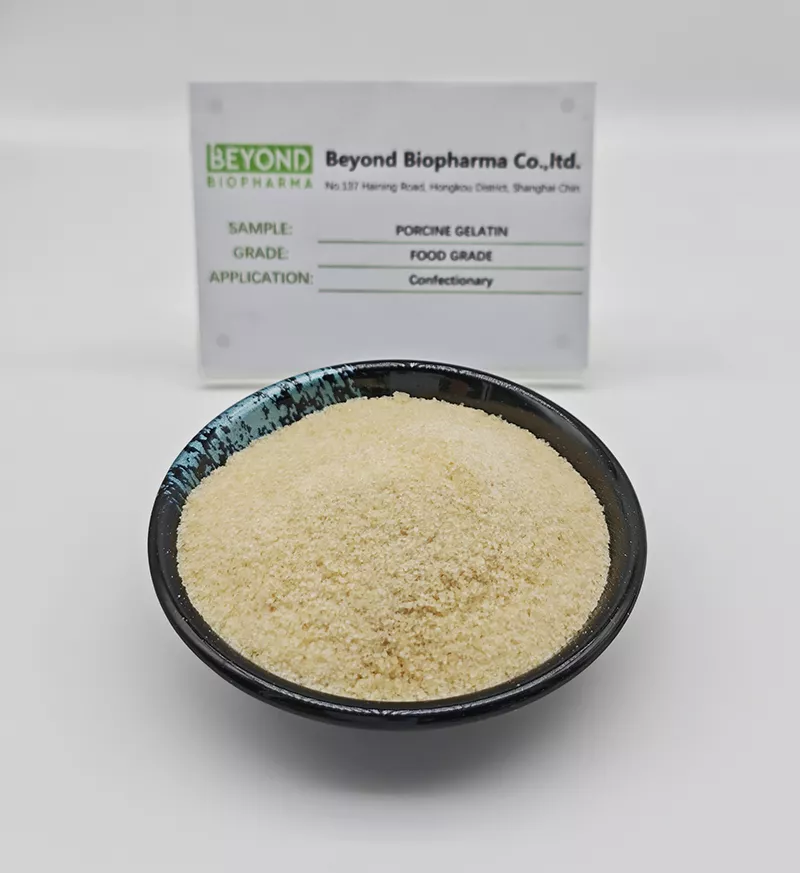
Food-grade porcine gelatin is a highly versatile and cost-effective natural protein derived from the collagen found in pig skin and bones. It is a premier gelling agent known for its exceptional clarity, neutral taste, and thermal reversibility.
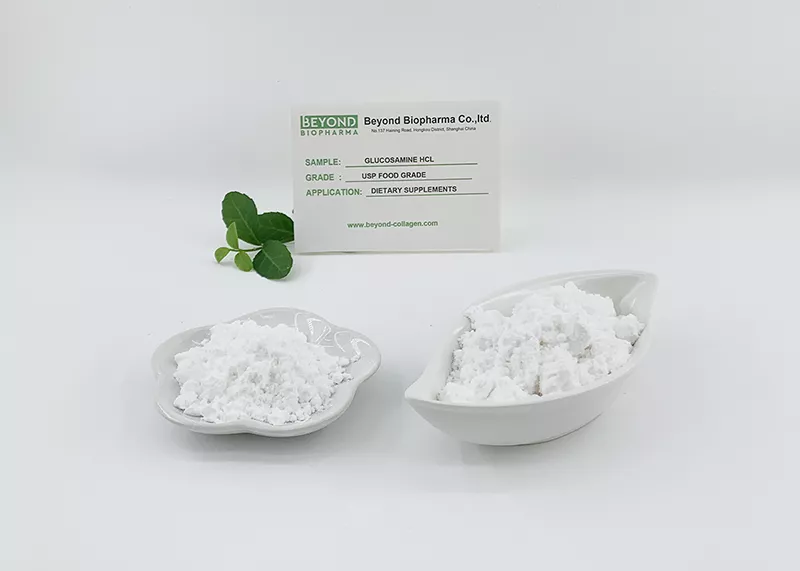
The Purest Plant-Based Joint Support Solution
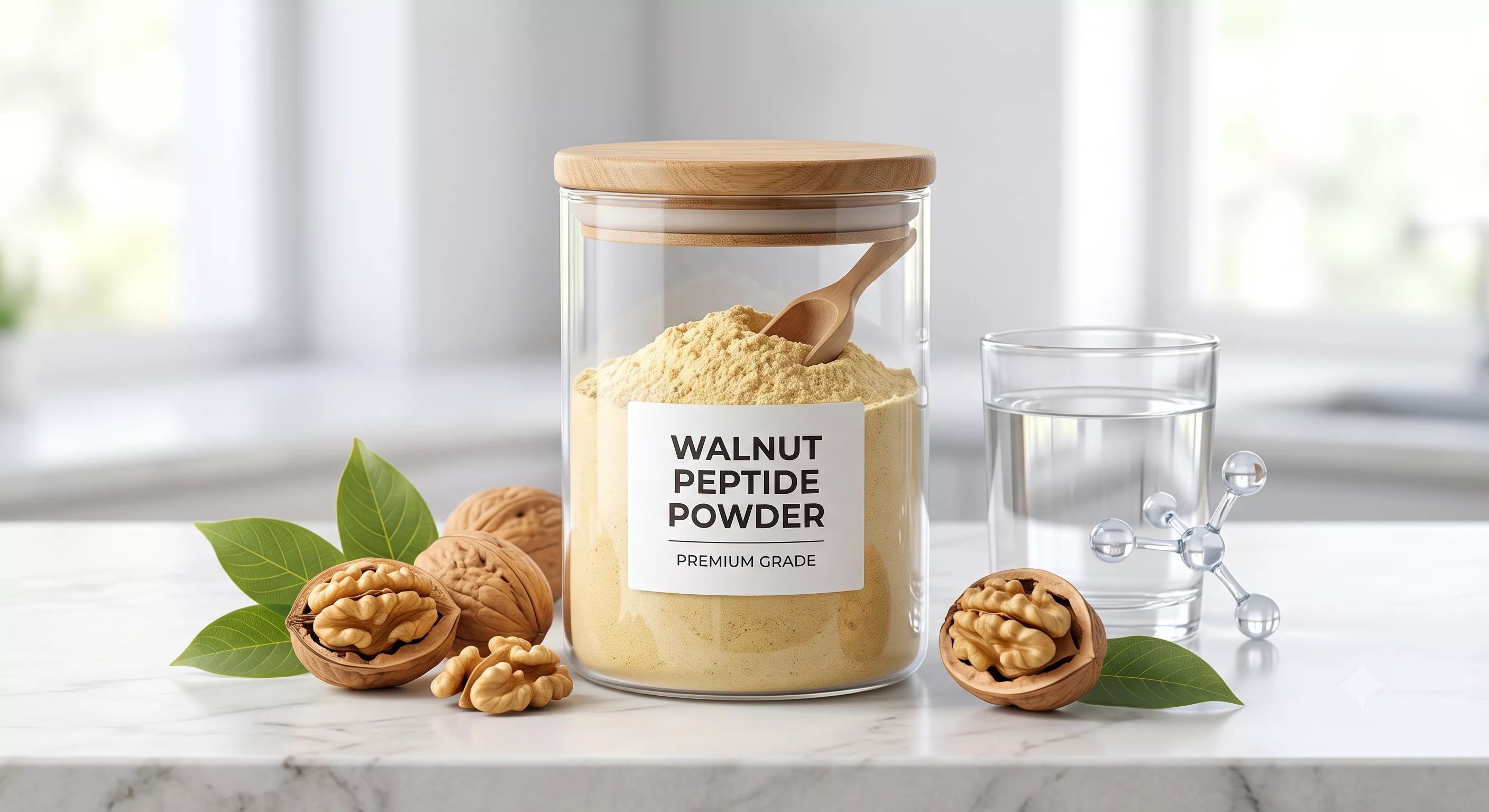
Source wholesale hydrolyzed walnut protein peptide powder in bulk. Over 85% low-molecular-weight oligopeptides rich in Glutamic Acid. Perfect for cognitive formulas and sleep aid supplements.
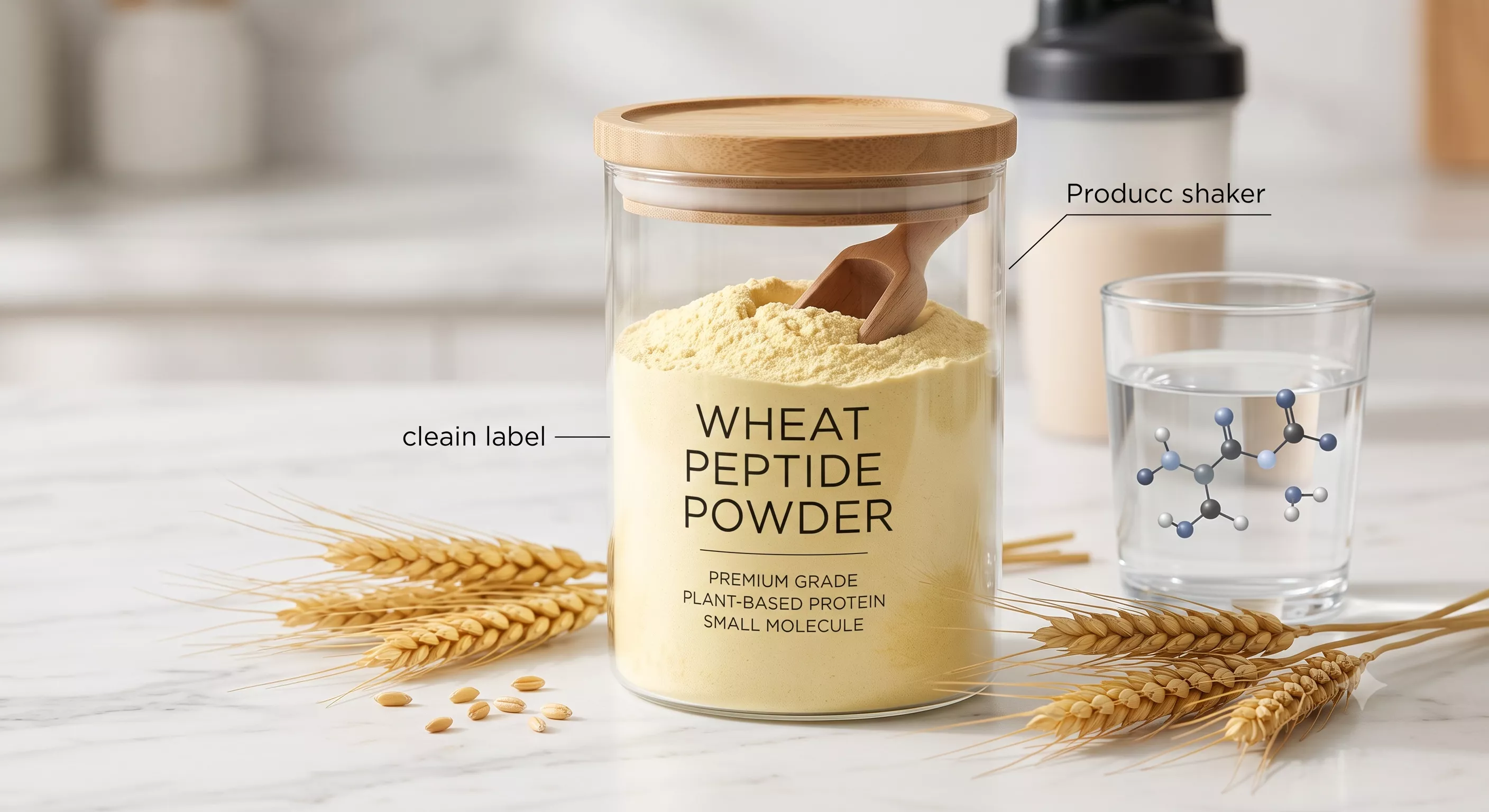
Source ultra-pure, high-solubility wholesale hydrolyzed wheat gluten peptide in bulk. Rich in plant-bound Glutamine ($\ge 25\%$) for muscle recovery and gut barrier health.
Select the most popular foreign trade service products to meet your diverse needs
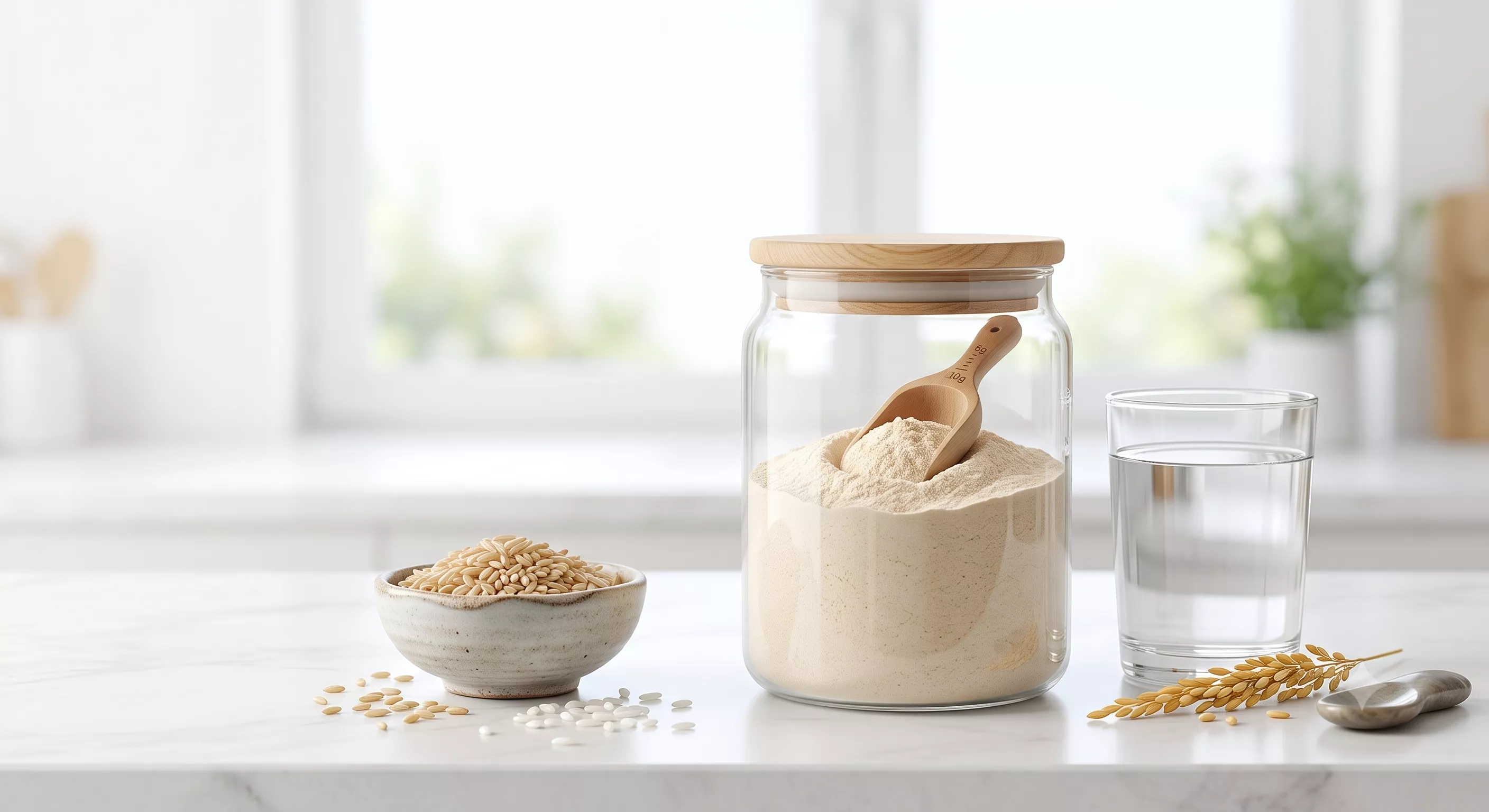
Source ultra-pure, 100% water-soluble wholesale hydrolyzed rice protein peptide in bulk. Over 85% molecules under 1000 Da. Ideal for infant nutrition, clean-label sports formulas, and sensitive skincare.
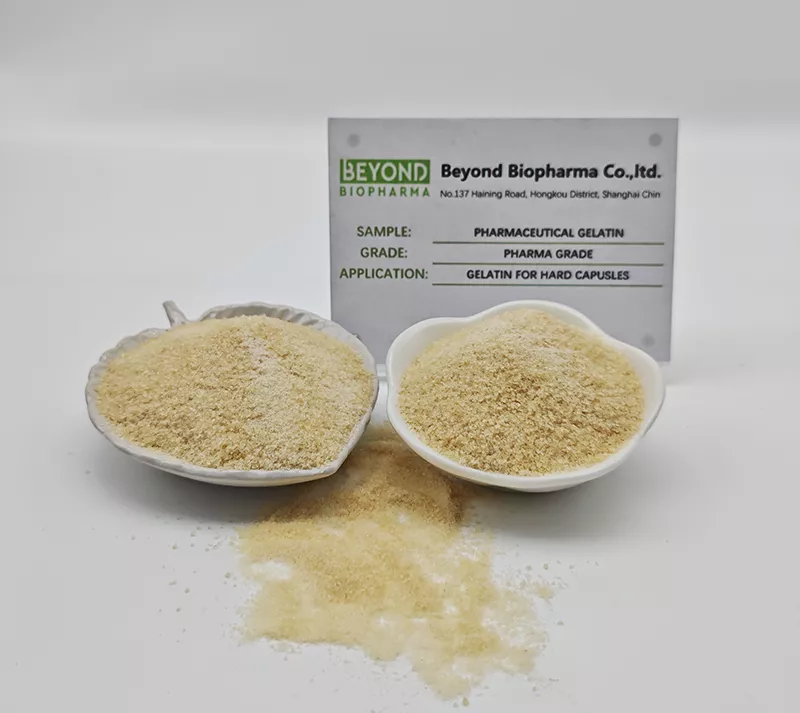
The high-strength and rapid-setting characteristics of Bovine Bone Gelatin ensure it forms a stable, uniform, and durable shell that preserves the integrity of the active pharmaceutical ingredient (API).
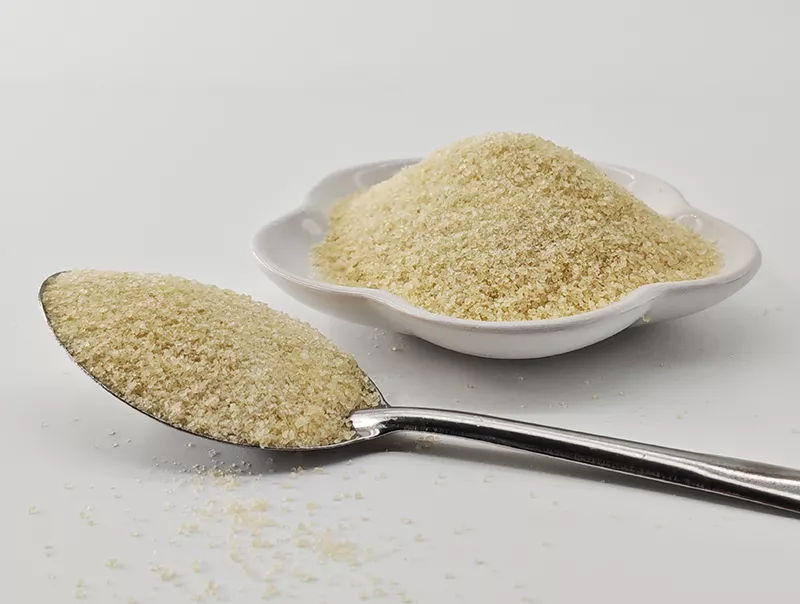
The High-Performance Barrier for Core Material Protection and Controlled Release.
Tel:+86 21 65010906
Cell/Whatsapp/Wechat:
+86 13482884055
+86 18657345785
Email: sales@beyondbiopharma.com





User Comments
Service Experience Sharing from Real Customers
Megan
Pastry ChefAs someone who works with desserts daily, I'm always cautious about gelatin sources. This marshmallow brand uses high-quality bovine gelatin that gives the perfect chew without any weird aftertaste. My kids love them, and I feel good about the ingredient transparency. Would be perfect if they had a slightly less sweet option!
Leo
Fitness CoachHonestly, I grabbed these protein gummies on a whim after my workout. Didn't expect much, but the texture is fantastic—no rubbery feel like some others. The gelatin seems clean (no bloating for me), and they actually keep me full. Been recommending them to my clients who need a quick post-training snack.
Chloe
StudentOkay, so the jelly cups taste great and the price is decent, but I wish the label was clearer about whether the gelatin is pork-based. As someone who avoids pork for personal reasons, I had to dig through their website FAQ to find out. Tasty, but the hassle makes me unsure about repurchasing.
Raj
Retail ManagerMy grandma used to make homemade gelatin desserts, and these store-bought panna cottas brought back that memory. Smooth, melts just right, and the fruit layer isn't overly artificial. I appreciate that they list the gelatin source upfront (fish gelatin, perfect for my diet). Keep this quality up!