 English EN


Bovine gelatin pros and cons everyone should know
Bovine gelatin offers strong gelling and health benefits but has dietary, ethical, and allergen concerns. Compare bovine gelatin to other gelatin options here.
More
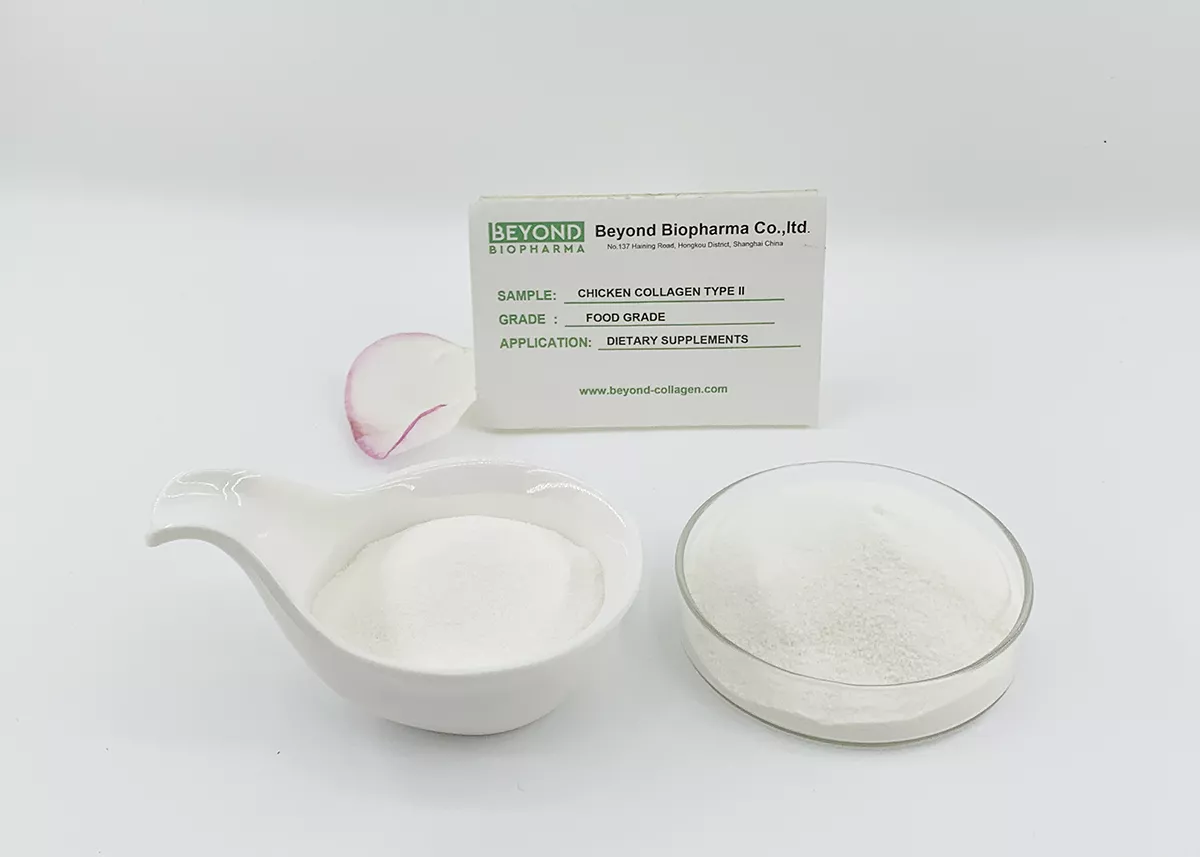
A gelatin-free diet excludes all forms of gelatin — typically derived from bovine, porcine, or fish collagen — and is essential for consumers who follow vegan, vegetarian, halal, kosher, or allergen-free lifestyles. For overseas buyers, the challenge is finding ingredients that match the functional properties of gelatin (gelling, thickening, stabilizing) without animal origin. This is where plant protein peptides and other gelatin alternatives come into play. The gelatin free food list includes naturally gelatin-free whole foods like fruits, vegetables, grains, legumes, nuts, and seeds, as well as processed items made with plant-based thickeners such as agar-agar, pectin, carrageenan, and starches. For formulators, understanding these options is critical to developing products that meet dietary certifications and consumer demand.
Gelatin-free alternatives are produced through different processes depending on the source. Plant-based gelling agents like agar-agar are extracted from seaweed, while pectin comes from fruit peels. For protein-based applications, Edible Gelatin can be replaced by hydrolyzed plant protein peptides derived from pea, rice, or soy. These plant protein peptides are made via enzymatic hydrolysis, breaking down protein into smaller peptides with molecular weights typically below 5,000 Da. This process improves solubility and digestibility, making them ideal for beverages, bars, and sports nutrition. In contrast, traditional gelatin relies on partial hydrolysis of animal collagen, giving it a bloom value (gel strength) of 50–300 g. Gelatin-free alternatives do not gel in the same way; instead, they provide emulsification, foaming, or water-binding properties. For pharmaceutical applications, such as hard capsules, manufacturers now use plant-based polymers like HPMC (hydroxypropyl methylcellulose) as a gelatin-free shell material.
When evaluating gelatin-free ingredients, buyers should compare key parameters. Below is a table of common industry ranges for popular alternatives. Note: these are typical industry ranges; final values should be confirmed per COA or sample.
| Ingredient Type | Protein / Gelling Content | Molecular Weight / Bloom | Key Quality Indicators |
|---|---|---|---|
| Plant Protein Peptides (Pea, Rice, Soy) | Protein 80–90% | MW | High solubility, low odor, allergen profile varies by source |
| Agar-Agar | Gelling strength 700–1300 g/cm² | N/A | Thermo-reversible, clear gel, vegan |
| Pectin (High Methoxyl) | DE >50% | N/A | Requires sugar and acid for gelation |
| Carrageenan (Kappa) | Gel strength varies | N/A | Forms firm gel with potassium ions |
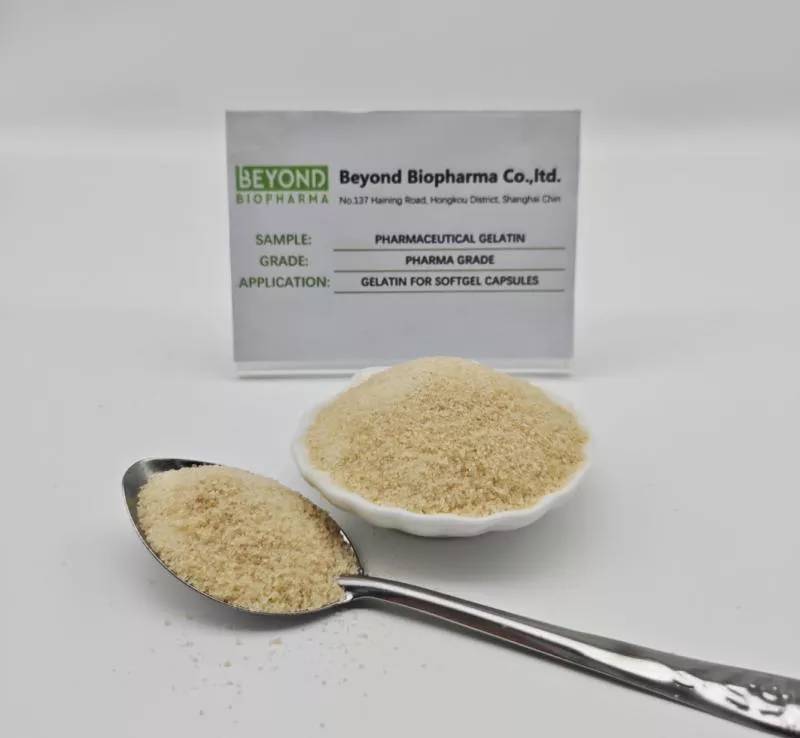
For buyers comparing gelatin-free options to traditional Pharmaceutical Gelatin, it is important to note that bloom values (50–300 g) and viscosity (2.0–5.5 mPa·s) do not apply to plant-based alternatives. Instead, focus on solubility, pH stability, and sensory profile.
Choosing the right gelatin-free ingredient depends on your application. Here is selection guidance by industry:
Beyond Biopharma, based in Shanghai, China, is a manufacturer with over 10 years of experience in the food-ingredient industry. We produce collagen peptides, gelatin, and plant protein peptides, and our products are exported to more than 50 countries. Our facility has an annual capacity of approximately 3,000 MT for collagen and 5,000 MT for gelatin, with fully automatic production lines, GMP clean workshops, stainless-steel sealed piping, and automated temperature/pH control. We hold ISO 9001 certification, are US FDA registered, and maintain GMP clean workshops. Select products carry Halal or Kosher certification (e.g., fish gelatin), and our bovine bone gelatin is BSE-free. Our in-house lab conducts heavy-metal and microbiological testing, supported by a dedicated QA/QC team. For gelatin-free needs, we offer Plant Protein Peptides (pea, rice, soy) that are hydrolyzed for high solubility and low allergen profiles. We also provide free samples and formulation support across three grades: food, pharmaceutical, and cosmetic.
Q: Are all plant protein peptides considered gelatin-free?
Yes. Plant protein peptides derived from pea, rice, or soy contain no animal collagen, making them fully gelatin-free. They are suitable for vegan and allergen-free formulations.
Q: Can I replace gelatin with agar-agar in gummy candies?
Yes, agar-agar is a common gelatin-free gelling agent. However, it produces a firmer, more brittle gel than gelatin. You may need to adjust sugar and acid levels to achieve the desired texture.
Q: What certifications should I look for in gelatin-free ingredients?
Look for vegan, halal, kosher, and non-GMO certifications. For pharmaceutical use, ensure the ingredient meets USP or EP standards. Beyond Biopharma offers Halal and Kosher options for select products.
Q: Are gelatin-free capsules as stable as gelatin capsules?
HPMC capsules are comparable in stability, especially for hygroscopic fills. They have lower moisture content (2–5%) than gelatin capsules (13–15%), which can be an advantage for moisture-sensitive ingredients.
Q: What is the typical molecular weight of plant protein peptides?
Plant protein peptides commonly have a molecular weight below 5,000 Da, which ensures high solubility and rapid absorption. This is similar to fish collagen peptides, which are often lower in molecular weight.
Q: How do I ensure my gelatin-free product has good mouthfeel?
Mouthfeel depends on the gelling agent and its concentration. For beverages, use hydrolyzed plant protein peptides with low viscosity. For gummies, combine pectin with a small amount of starch to improve texture.
If you are sourcing ingredients for your next product, we invite you to share your requirements. Please provide your application, required grade (food, pharmaceutical, or cosmetic), quantity/MOQ, target specifications (e.g., protein content, molecular weight, solubility, certifications), and destination country. Beyond Biopharma can send free samples and a competitive quote. Our team supports custom bulk supply and formulation/OEM to help you bring your gelatin-free product to market efficiently.

We provide you with comprehensive foreign trade solutions to help enterprises achieve global development
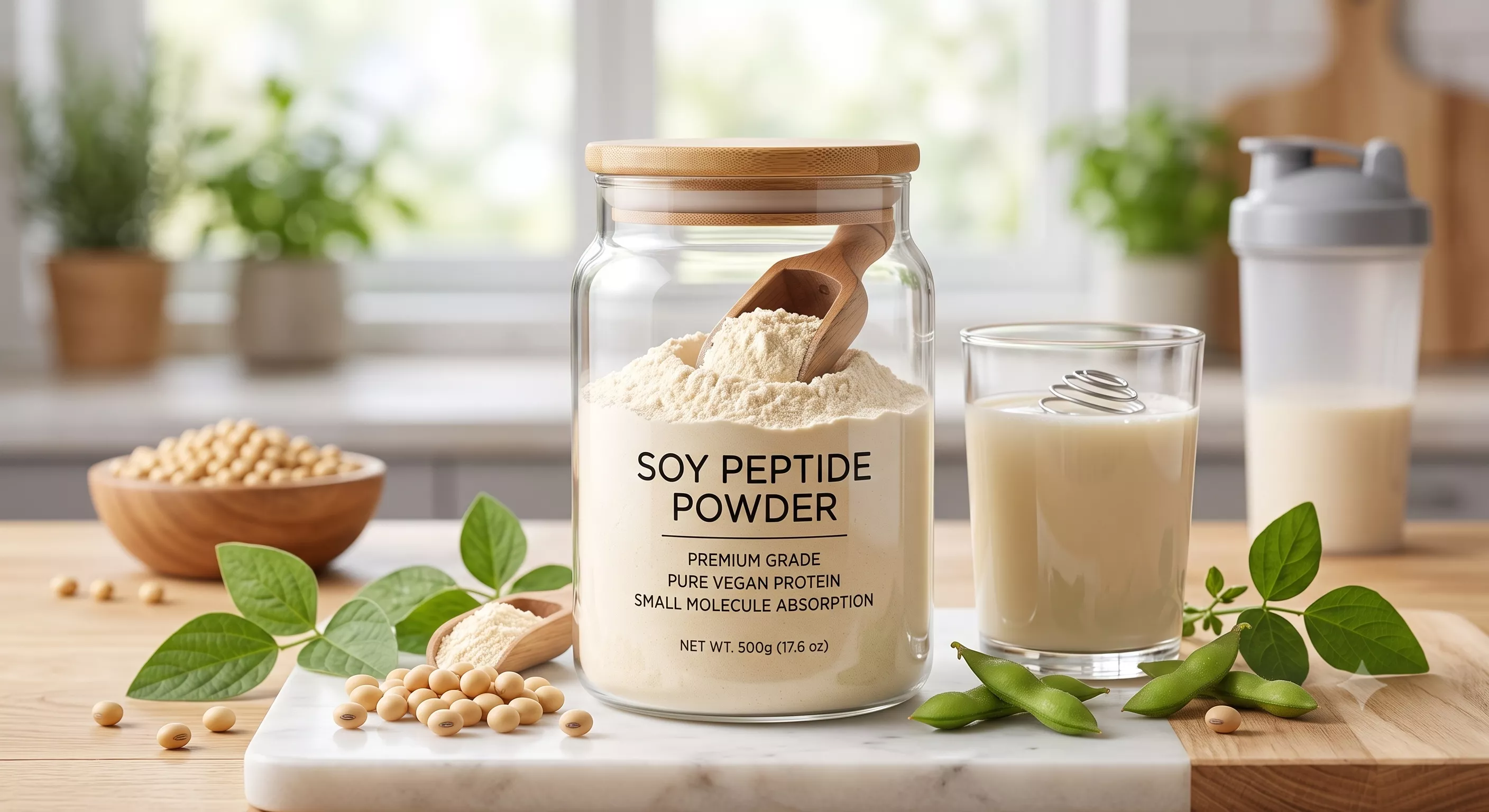
Source ultra-pure, non-GMO hydrolyzed soybean oligopeptide powder in bulk. Complete water solubility, over 80% peptides under 1000 Da. Ideal for sports nutrition and immune recovery formulas.
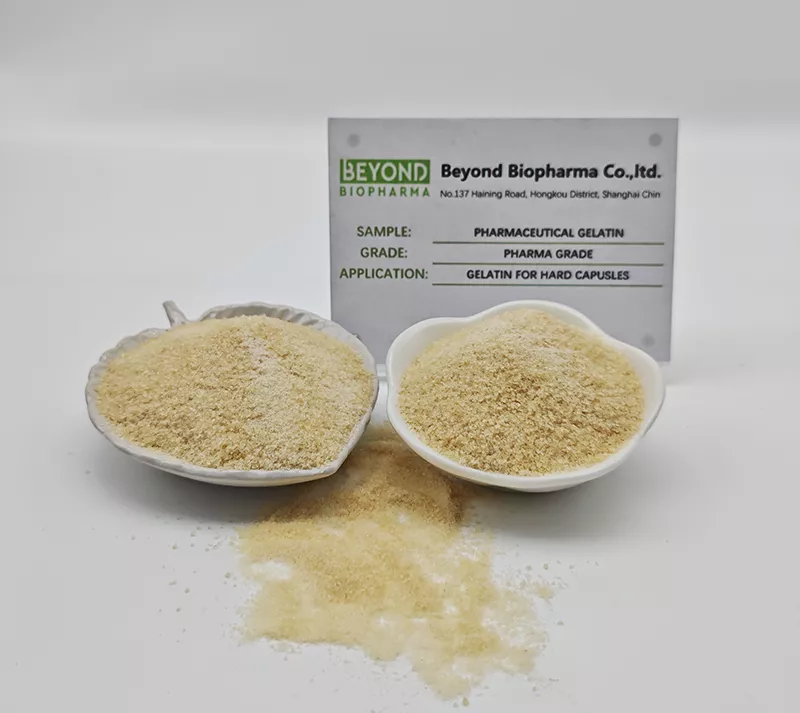
The high-strength and rapid-setting characteristics of Bovine Bone Gelatin ensure it forms a stable, uniform, and durable shell that preserves the integrity of the active pharmaceutical ingredient (API).
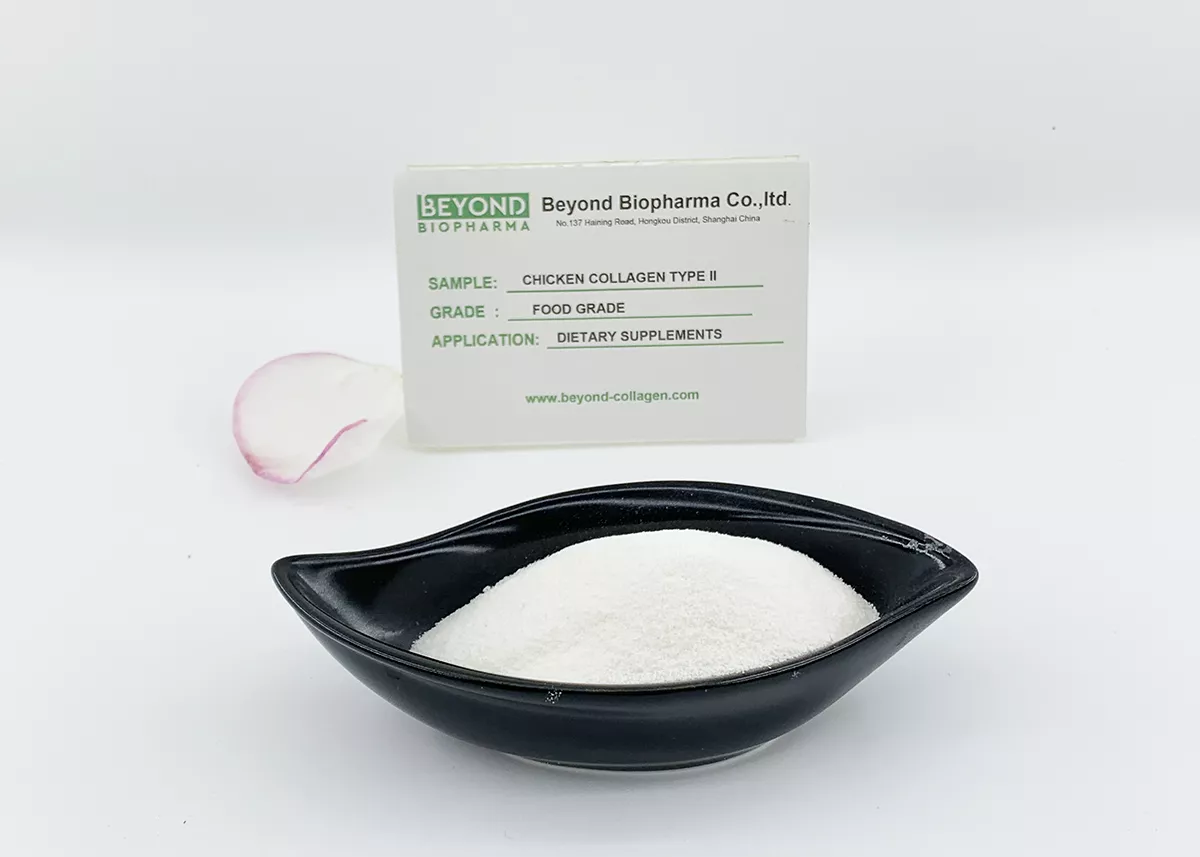
BEYOND BIOPHARMA is a specialized manufacturer of high-quality Undenatured Collagen Type II. Utilizing low-temperature, non-enzymatic extraction methods, our Undenatured Collagen Type II retains its native, triple-helix structure, essential for modulating the immune system's response to joint health and providing superior support for mobility, flexibility, and overall joint comfort.
20 years experiences, 5000 ton/year capacity, Sustained supply with stable quality
Select the most popular foreign trade service products to meet your diverse needs
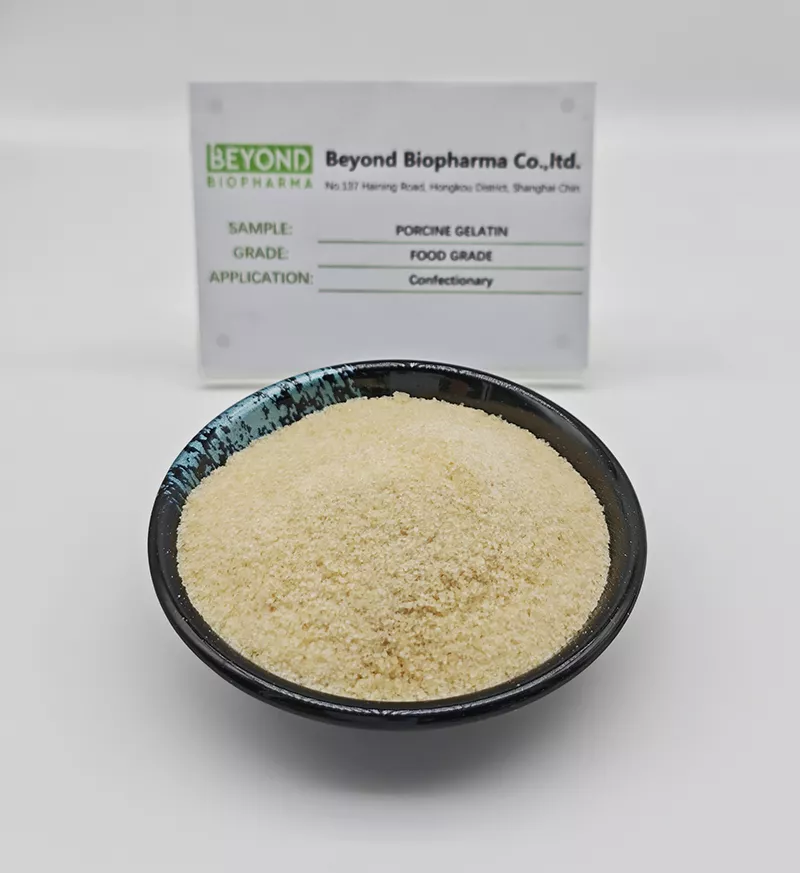
Food-grade porcine gelatin is a highly versatile and cost-effective natural protein derived from the collagen found in pig skin and bones. It is a premier gelling agent known for its exceptional clarity, neutral taste, and thermal reversibility.
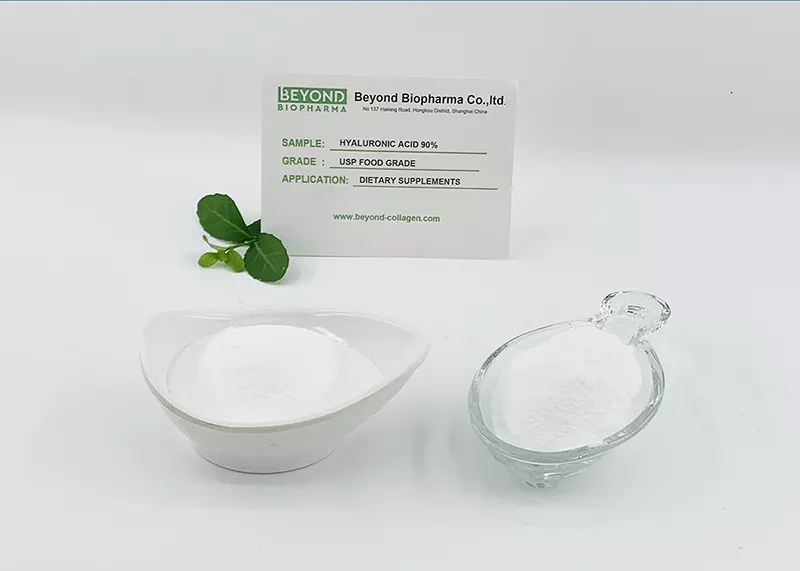
High Molecular Weight for Superior Joint, Skin, and Eye Health.
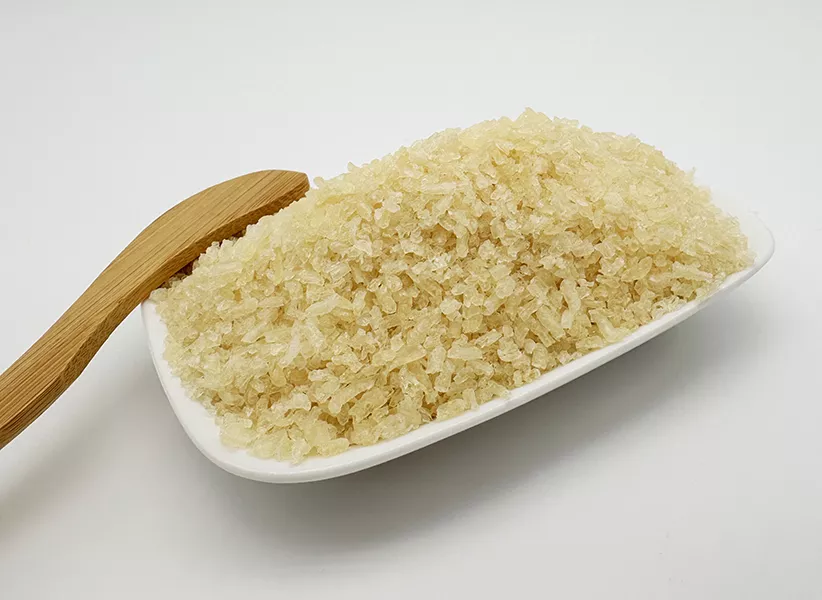
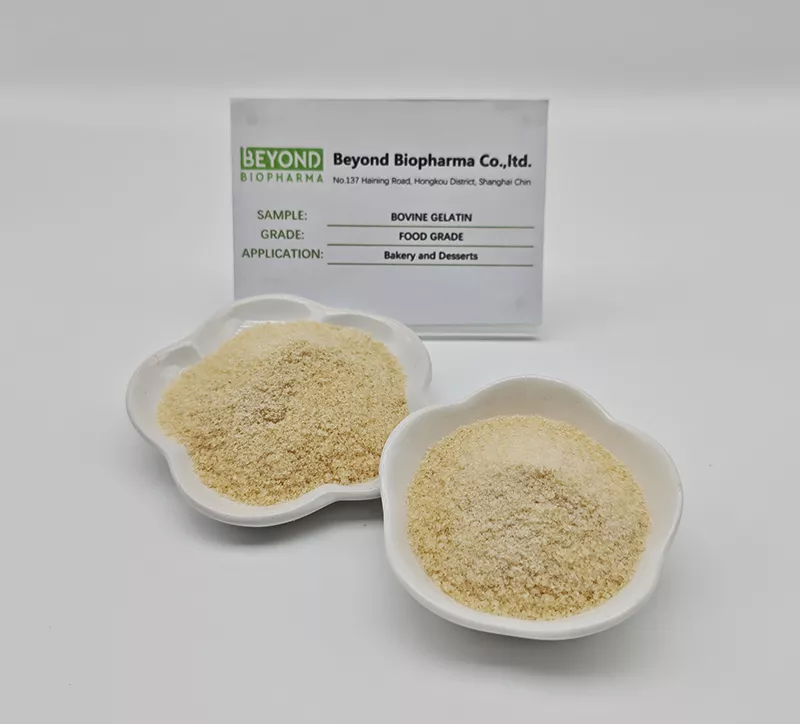
Our Bovine Hides Gelatin is engineered for versatility and compliance, ensuring performance across various applications.
Tel:+86 21 65010906
Cell/Whatsapp/Wechat:
+86 13482884055
+86 18657345785
Email: sales@beyondbiopharma.com





User Comments
Service Experience Sharing from Real Customers
Megan
Graphic DesignerAs someone with a collagen sensitivity, finding safe snacks is a nightmare. This list was a lifesaver! I actually keep it bookmarked on my phone for grocery runs. The chia pudding recommendation? Game changer.
Leo
High School TeacherSolid list! I'm vegetarian and avoiding gelatin, so this gave me some great lunchbox ideas beyond the usual stuff. Minus one star because I wish there were more budget-friendly options called out specifically.
Chloe
Nurse PractitionerFinally, a list that doesn't just say 'read the labels.' The specific brand suggestions for gummies and marshmallows saved me hours. My kiddo has dietary restrictions and was thrilled. Practical and straight to the point.
Ryan
Software EngineerHonestly, I clicked out of curiosity (new to this whole gelatin-free thing). The breakdown by food category is logical and easy to scan. Found a couple of energy bar brands I'd never heard of. Useful even for a novice like me.