 English EN


Porcine gelatin always protects vaccines from harm
Porcine gelatin stabilizes vaccines, ensuring safety and effectiveness. Most people tolerate it well, with rare allergic reactions and strict quality controls.
More
Gelatin in food is a versatile, protein-rich ingredient derived from animal collagen, widely used as a gelling agent, stabilizer, and thickener. For overseas buyers—whether you are a food-ingredient purchasing manager, supplement R&D professional, or pharmaceutical excipient buyer—understanding its sourcing, functional specs, and application fit is critical to avoid batch inconsistency, odor issues, and certification barriers. This guide covers what gelatin is, how it works, key parameters, and how to select the right grade for your product line.
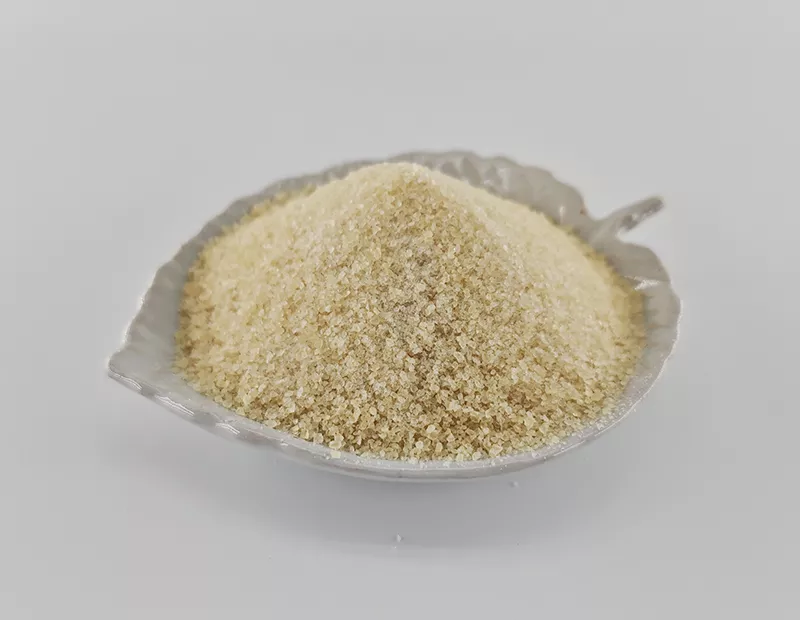
Gelatin is a natural protein obtained by partial hydrolysis of collagen from animal skin, bones, and connective tissues. The process involves cleaning, acid or alkaline treatment, extraction with hot water, filtration, concentration, and drying. The result is a pure, odorless, and colorless ingredient that forms a thermoreversible gel when dissolved in water. Common sources include bovine hide, bovine bone, porcine skin, and fish skin. Each source yields gelatin with distinct bloom strength, viscosity, and melting point, making it suitable for different food, nutraceutical, and pharmaceutical applications.
Gelatin works by forming a three-dimensional network of protein chains when cooled below its gelation temperature. This network traps water, creating a semi-solid structure. The gel strength is measured in Bloom (grams). Higher Bloom values indicate firmer gels. Viscosity, measured in mPa·s, affects flow and mouthfeel. Molecular weight distribution influences solubility and gel clarity. For collagen peptides, which are fully hydrolyzed, no gel forms; instead, they offer high solubility and rapid absorption, ideal for beverages and supplements.
Below is a table of common parameter ranges for food-grade gelatin. Note: these are typical industry ranges; final values per COA or sample.
| Parameter | Typical Range | Common Application |
|---|---|---|
| Bloom (g) | 50–300 (pharma/gummies often 150–260) | Gummies, marshmallows, desserts |
| Viscosity (mPa·s) | 2.0–5.5 | Softgels, capsule shells |
| Mesh size | 8–60 | Powder blending, instant mixes |
| Moisture (%) | ≤14 | All food applications |
| Protein (%) | ≥90 (collagen peptides) | Sports nutrition, beverages |
Gelatin in food appears in gummies, jellies, marshmallows, dairy products, meat jellies, and confectionery. For nutraceuticals, it is a key component in softgel capsules and hard capsule shells. Collagen peptides from gelatin are added to functional beverages, beauty-from-within powders, and joint health supplements. For plant-based or vegan formulations, alternatives like Edible Gelatin from bovine or fish sources remain the standard, while plant protein peptides serve allergen-free markets.
Gelatin provides clean-label gelling, improved texture, and protein enrichment. It is a natural ingredient with no artificial additives. In pharmaceutical applications, gelatin ensures consistent capsule dissolution and bioavailability. For joint health, collagen peptides support cartilage repair. Gelatin also acts as a stabilizer in emulsions and foams, making it indispensable in modern food manufacturing.
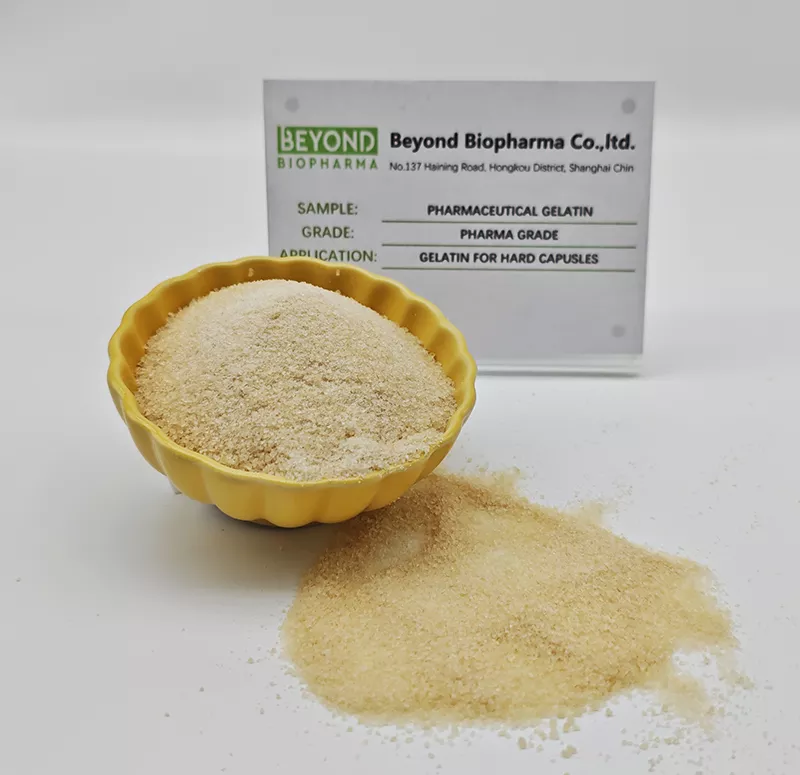
Selection depends on your application. For gummies and softgels, a high-bloom gelatin (200–260 Bloom) provides firm texture and stability. For hard capsules, Pharmaceutical Gelatin with controlled viscosity is essential. For sports nutrition and beverages, low-molecular-weight collagen peptides (2,000–5,000 Da) ensure rapid dissolution and absorption. For plant-based or vegan products, consider Food Grade Porcine Gelatin or fish gelatin as alternatives. Always request a COA and sample for your specific formulation.
Beyond Biopharma is a Shanghai-based manufacturer with over 10 years of experience in the food-ingredient industry. Our products are exported to more than 50 countries. We operate a fully automatic production line with GMP clean workshops, stainless-steel sealed piping, and automated temperature and pH control. Our annual capacity is approximately 3,000 MT for collagen and 5,000 MT for gelatin. We are ISO 9001 certified, US FDA registered, and select products carry Halal and Kosher certifications. Our bovine bone gelatin is BSE-free. We offer three grades: food, pharmaceutical, and cosmetic. Our in-house lab conducts heavy-metal and microbiological testing, supported by a dedicated QA/QC team. We provide free samples and formulation support.
Q: Is gelatin in food suitable for vegetarians or vegans?
Standard gelatin is animal-derived and not suitable for vegans. For plant-based formulations, we offer Plant Protein Peptide options from pea, rice, or soy, which are allergen-free and vegan-friendly.
Q: What is the difference between gelatin and collagen peptides?
Gelatin retains gelling properties due to partial hydrolysis. Collagen peptides are fully hydrolyzed, meaning they do not gel but dissolve easily in cold water and are absorbed faster. Both are derived from the same collagen source.
Q: How do I ensure batch consistency for gelatin in food?
Request a Certificate of Analysis (COA) from your supplier. Look for consistent Bloom, viscosity, and microbiological specs. Beyond Biopharma provides rigorous in-house testing and maintains strict process control.
Q: Can gelatin be used in halal or kosher products?
Yes. Our fish gelatin and select bovine gelatin carry Halal and Kosher certifications. Always verify the source and certification with your supplier.
Q: What is the shelf life of food-grade gelatin?
Typically 2–3 years when stored in a cool, dry place below 25°C and away from moisture. Always check the expiration date on the packaging.
Q: How do I choose between bovine, porcine, and fish gelatin?
Consider your target market, religious dietary requirements, and functional needs. Bovine gelatin offers high bloom and is BSE-free. Porcine gelatin is widely used in gummies. Fish gelatin has lower melting point and is suitable for halal/kosher applications.
If you are sourcing gelatin in food, collagen peptides, or plant protein peptides for your next project, we invite you to reach out. Please provide your application, required grade (food, pharmaceutical, or cosmetic), estimated quantity or MOQ, target specifications (Bloom, mesh, molecular weight, certifications), and destination country. Beyond Biopharma will send you free samples and a tailored quotation. We are committed to supporting your product development with reliable, high-quality ingredients.
Contact us today to discuss your gelatin in food requirements and experience the difference a trusted manufacturer can make.

We provide you with comprehensive foreign trade solutions to help enterprises achieve global development
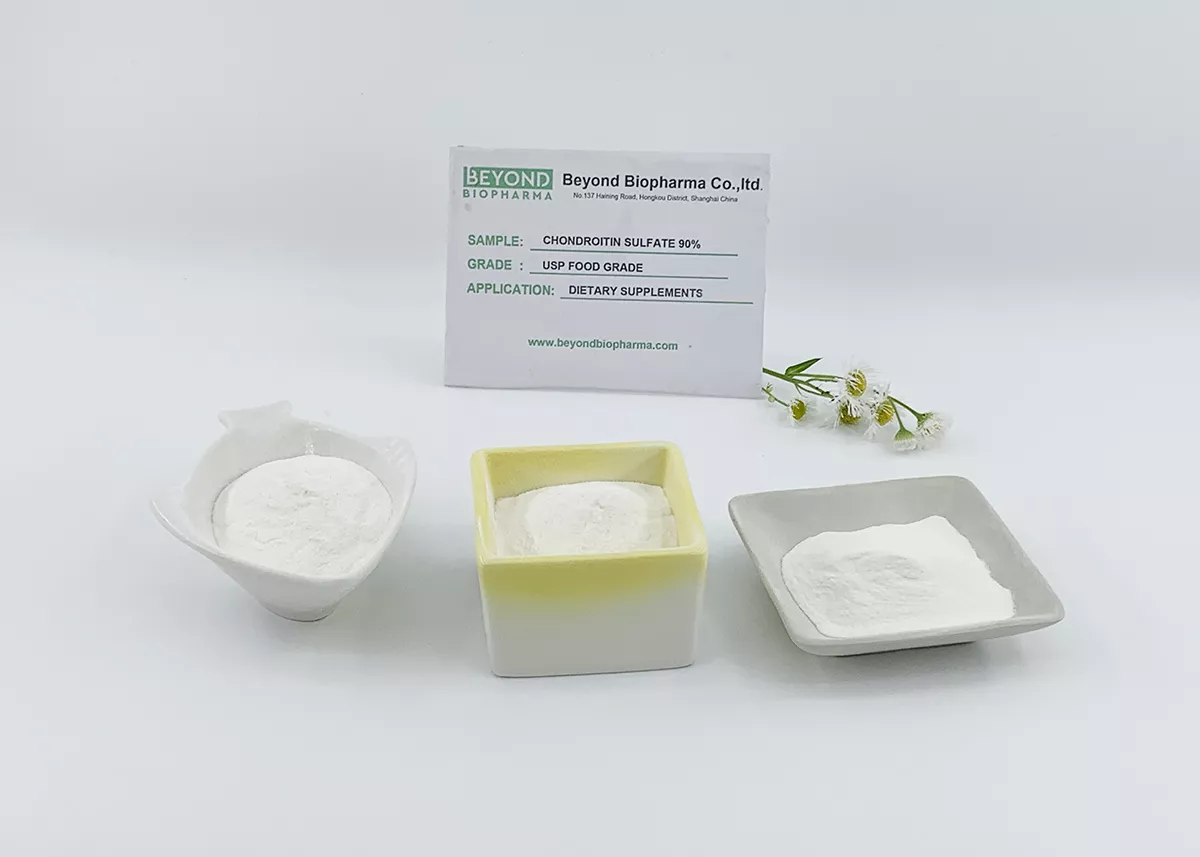
High Purity and Efficacy for Joint Health Formulations
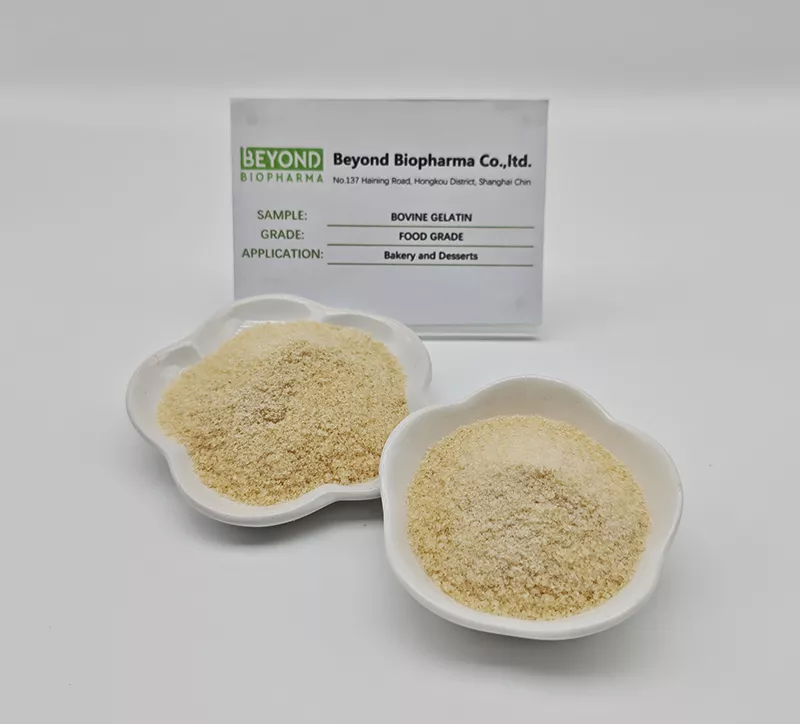
20 years experiences, 5000 ton/year capacity, Sustained supply with stable quality
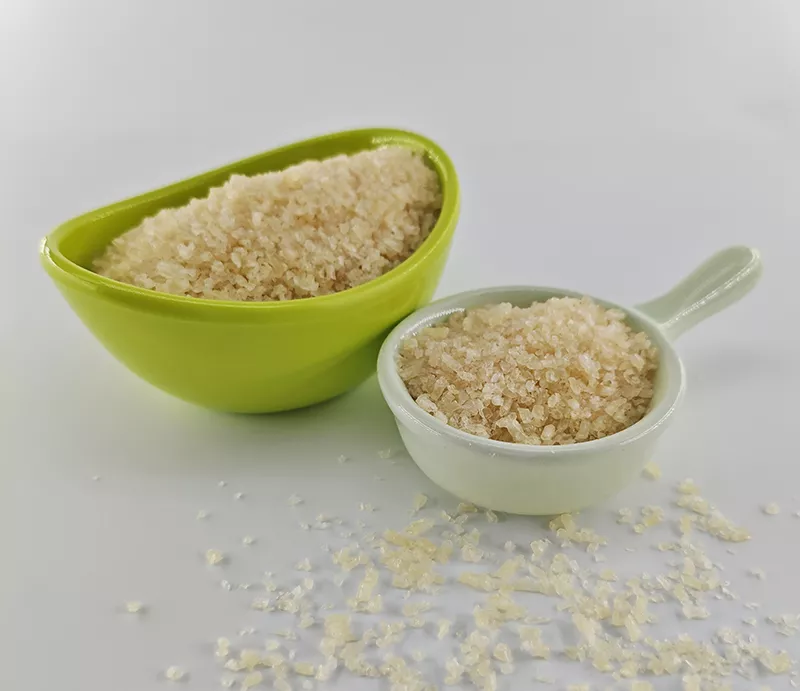
Stability, Swallowing Enhancement, and Controlled Release
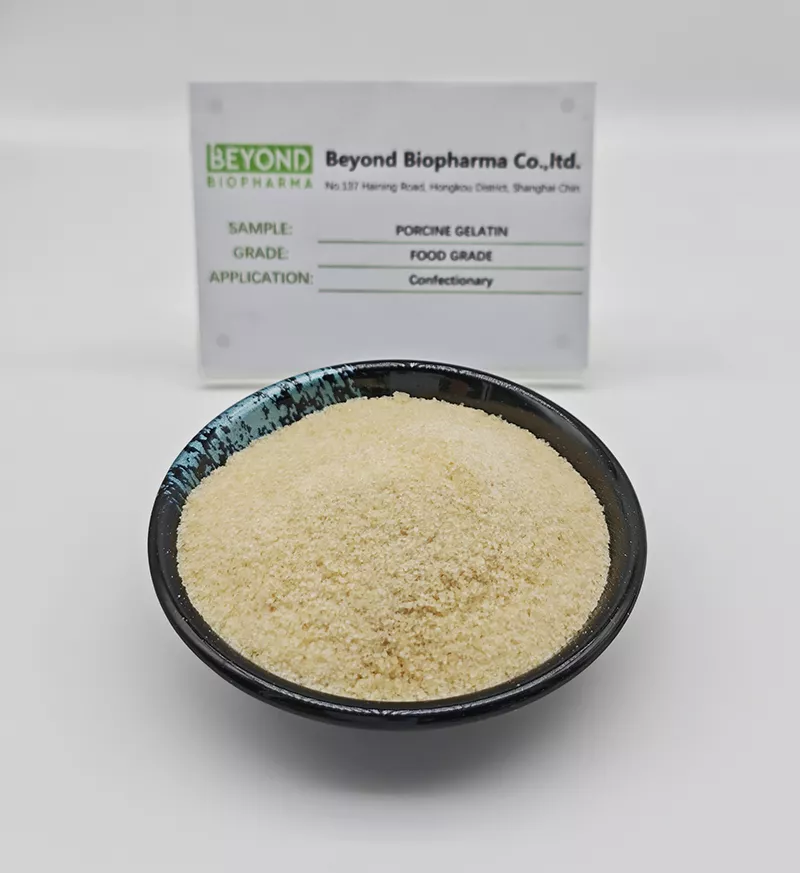
Food-grade porcine gelatin is a highly versatile and cost-effective natural protein derived from the collagen found in pig skin and bones. It is a premier gelling agent known for its exceptional clarity, neutral taste, and thermal reversibility.
Select the most popular foreign trade service products to meet your diverse needs
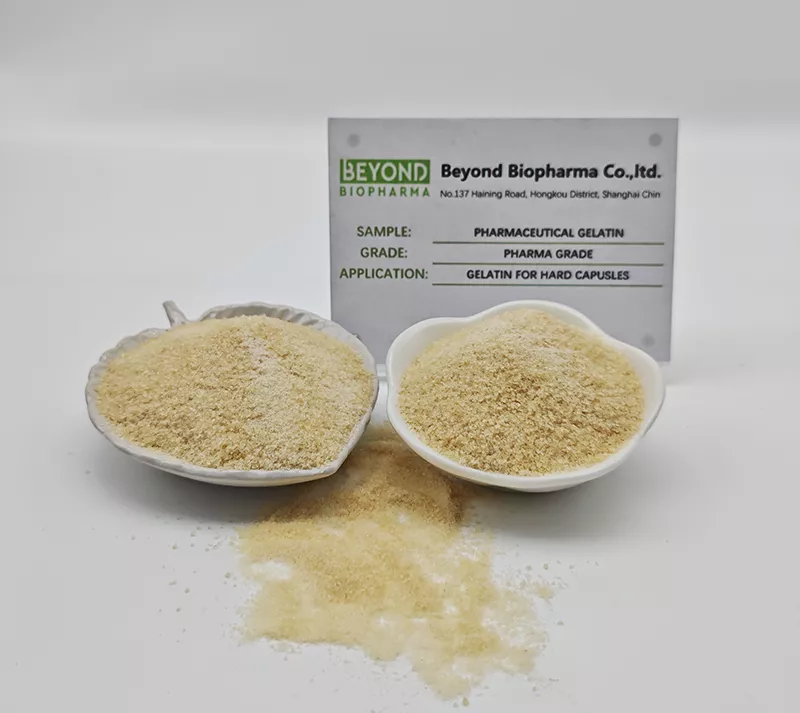
The high-strength and rapid-setting characteristics of Bovine Bone Gelatin ensure it forms a stable, uniform, and durable shell that preserves the integrity of the active pharmaceutical ingredient (API).
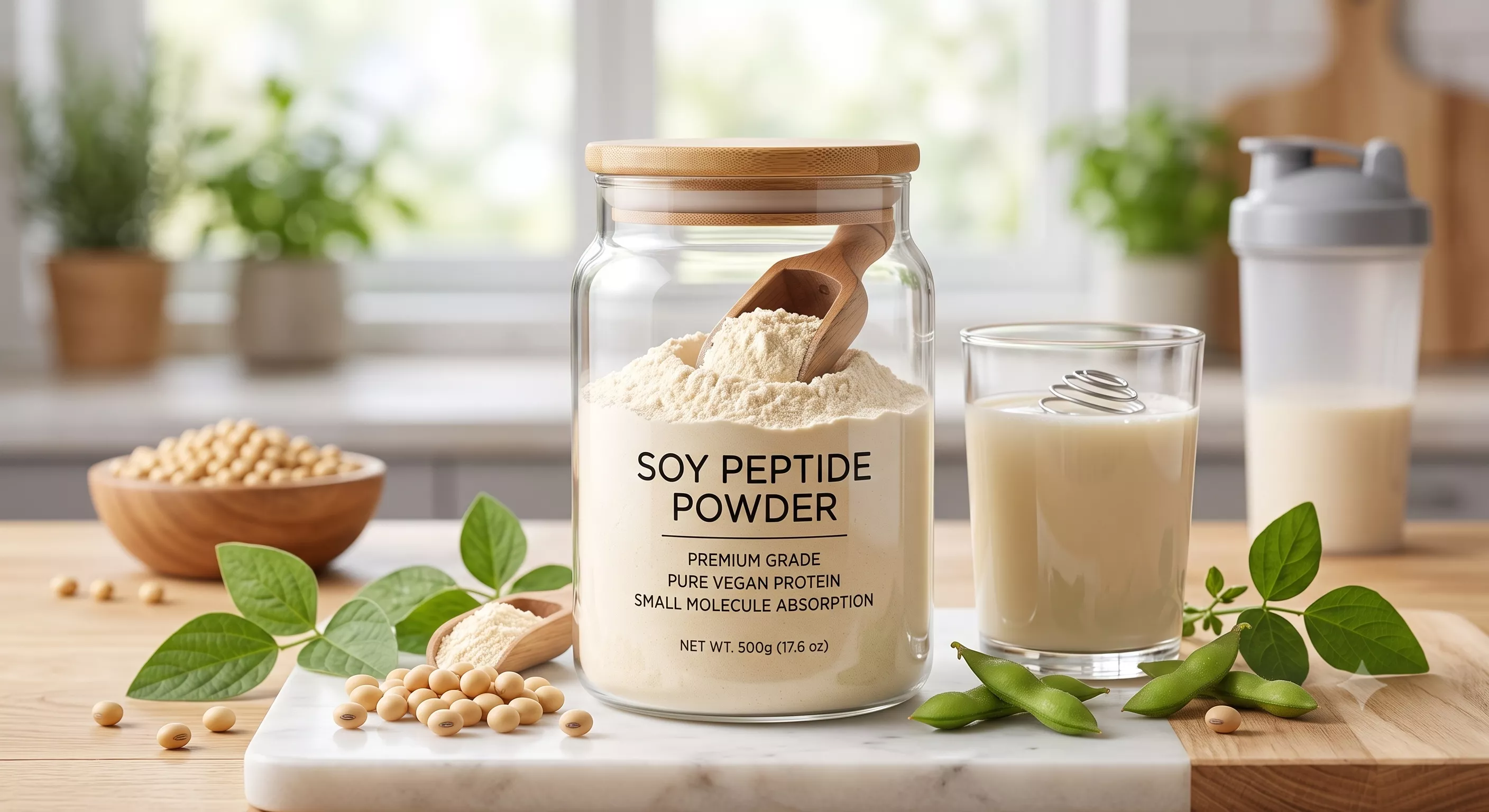
Source ultra-pure, non-GMO hydrolyzed soybean oligopeptide powder in bulk. Complete water solubility, over 80% peptides under 1000 Da. Ideal for sports nutrition and immune recovery formulas.
Food-grade porcine gelatin is a highly versatile and cost-effective natural protein derived from the collagen found in pig skin and bones. It is a premier gelling agent known for its exceptional clarity, neutral taste, and thermal reversibility.
Tel:+86 21 65010906
Cell/Whatsapp/Wechat:
+86 13482884055
+86 18657345785
Email: sales@beyondbiopharma.com





User Comments
Service Experience Sharing from Real Customers
Jack
Pastry ChefAs a pastry chef, I've tried countless gelling agents, but the gelatin in this product is exceptional. It sets perfectly every time without any weird aftertaste. My fruit tarts have never looked better!
Jacqueline
Nutrition StudentI was skeptical about gelatin in gummy vitamins, but this brand uses a sustainably sourced type that actually dissolves well. One star off because the texture takes some getting used to, but overall I'm impressed.
Jackson
Home CookHonestly, I never paid attention to gelatin until I tried making marshmallows from scratch. This food-grade gelatin is a game-changer—so much better than store-bought. My kids now request 'Dad's fluffy clouds' every weekend!
Jake
Food Quality InspectorIn my line of work, I see a lot of gelatin-based products with consistency issues. This one holds up remarkably well under temperature stress tests. Minor note: the labeling could be clearer about sourcing, but the performance is top-notch.