
EN
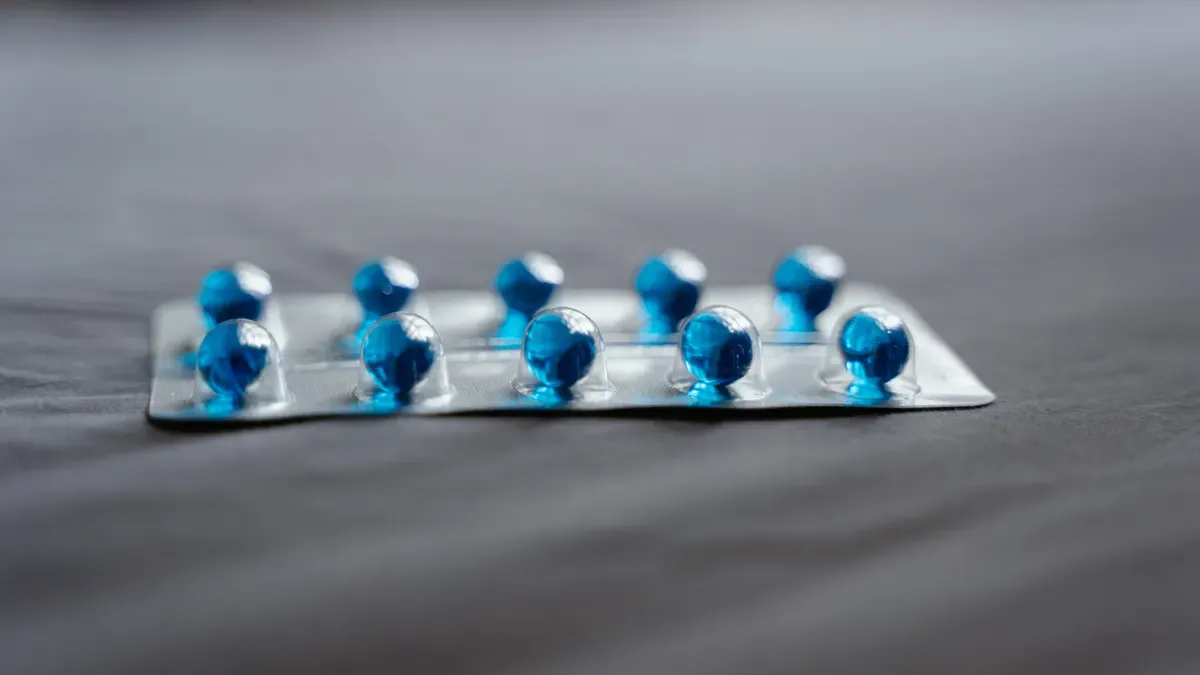
Unwanted gelatin cross-linking creates an insoluble pellicle barrier. This internal crosslinking slows the drug release rate and causes permanent dissolution failures in soft gelatin products. Severe cross-linking prevents active fill migration.
Cross-linking results in the formation of pellicles on the internal or external surface of the shell. Depending on the extent of the cross-linking, this pellicle may delay or prevent the release of the fill during dissolution testing.
Formulators must address gelatin cross-linking in every formulation. Scientists diagnose shell degradation using Cross-Linking and Cloudy Softgels: Diagnosing Gelatin Capsule Shell Failures. Sourcing BEYOND BIOPHARMA Bovine Hides Gelatin prevents capsule instability. Premium gelatin soft capsules ensure compliant dissolution. Pure gelatin capsule materials optimize manufacturing.
Gelatin cross-linking occurs when reactive chemical groups modify the native protein structure within a gelatin capsule shell. Aldehyde molecules drive these fundamental cross-linking reactions by targeting specific functional groups on adjacent peptide chains. Specifically, detailed spectral analysis confirms that aldehydes interact directly with arginine and lysine residues, forming amine methyl alcohol as a primary reaction intermediate. This chemical reaction permanently alters the structural integrity of the protein matrix.
Formaldehyde triggers rapid chemical bonding that accelerates gelatin cross-linking.
Low molecular weight aldehydes initiate cross-linking reactions in the gelatin shell matrix.
These covalent chemical bonds create an insoluble film during gelatin cross-linking. The resulting crosslinking phenomenon forms a tough outer layer that prevents rapid fill release. This robust pellicle barrier directly impairs capsule disintegration during standard dissolution testing, creating significant compliance challenges for pharmaceutical manufacturing teams.
Internal fill components frequently initiate the crosslinking process during routine shelf storage. Certain fill formulation choices introduce reactive chemical compounds that accelerate cross-linking. For example, oxidized oils and polyphenols in the active fill ingredients generate reactive free radicals. These reactive species promote additional crosslinking across adjacent gelatin protein chains, compounding shell degradation over time.
External environmental storage conditions further accelerate these cross-linking reactions inside gelatin-based formulations. High thermal exposure and elevated relative humidity speed up crosslinking pathways in every softgel formulation. Elevated heat increases overall molecular mobility, while atmospheric moisture facilitates reactant migration through the dense gelatin network.
High storage temperatures and high humidity levels accelerate unwanted gelatin cross-linking, which severely restricts active ingredient release.
Formulators must carefully monitor every softgel formulation to prevent gelatin cross-linking during long-term storage. Uncontrolled crosslinking creates a strong insoluble barrier that inhibits fill release. Preventing chemical cross-linking preserves proper drug release and ensures consistent product release performance over time.
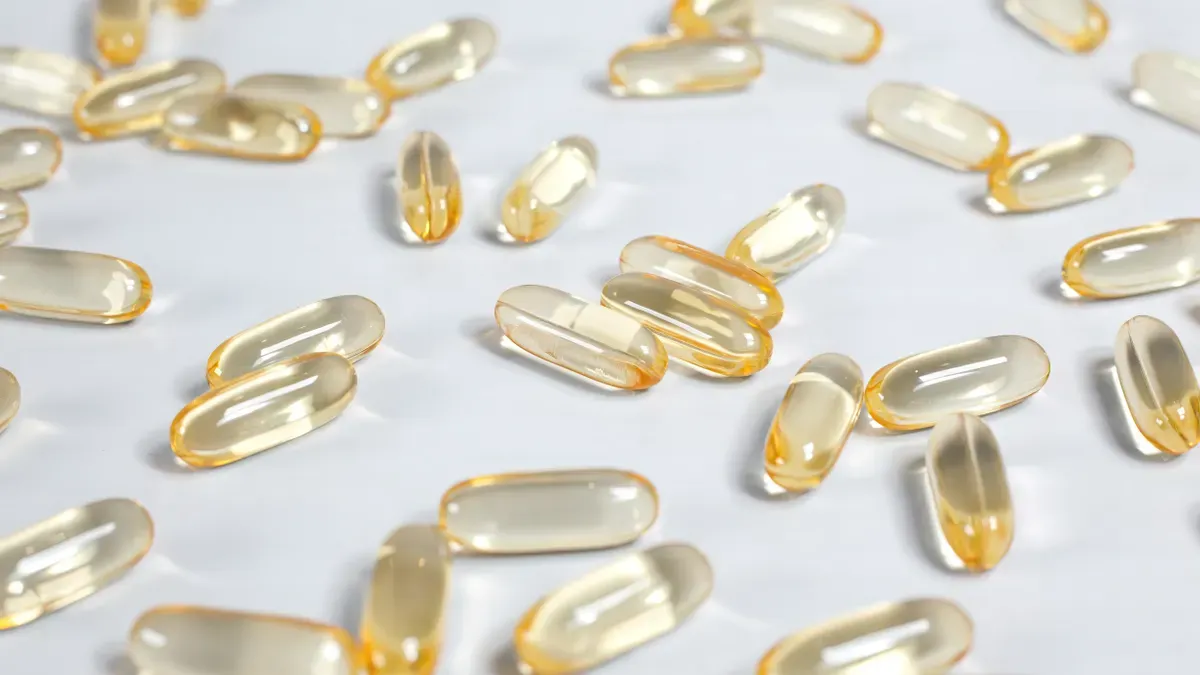
Formulators observe physical anomalies when shell degradation alters gelatin capsule products during stability studies. Visual signs like haze or a cloudy gelatin shell signal early structural changes. A damaged shell deforms, swells, and remains intact while the inner contents fail to migrate out. Furthermore, floating insoluble strands create visible turbidity in the medium during testing. These physical cues help analysts evaluate cross-linking and cloudy softgels: diagnosing gelatin capsule shell failures before major dissolution failures occur.
Discriminatory testing detects subtle shifts in the active release rate during early stability storage. Identifying these physical changes allows scientists to distinguish simple age-related physical changes from chemical cross-linking. Early detection helps quality teams address cross-linking and cloudy softgels: diagnosing gelatin capsule shell failures. Prompt evaluation protects batch quality and ensures predictable active ingredient release.
Analytical teams confirm gelatin cross-linking using the standard USP Tier 2 dissolution protocol. Initial stage S1 dissolution testing often shows high variability or atypically low active compound release. Analysts confirm cross-linking reactions by adding specific enzymes to the testing medium. They select pepsin for acidic dissolution media and pancreatin for quasi-neutral dissolution media.
Tier 1 Dissolution Testing (Standard Medium)
High Variability / Low Dissolution?
Tier 2 Dissolution Testing (Enzyme Added)
Acidic Medium: Pepsin Neutral Medium: Pancreatin
The added enzymes digest the insoluble protein film and restore normal active ingredient release. A distinct pellicle on the outer shell creates cloudiness in the media. Conversely, an internal pellicle causes shell swelling and distortion. Tier 2 testing confirms true crosslinking, whereas physical aging fails to resolve with enzymatic addition. This protocol gives scientists clear diagnostic evidence for cross-linking and cloudy softgels: diagnosing gelatin capsule shell failures.
Gelatin crosslinking dramatically alters the internal protein structure of the capsule matrix. Gel permeation chromatography evaluates changes in molecular weight distribution within the degraded shell. Chemical crosslinking forms high molecular weight, highly branched protein networks.
In contrast, normal aging through hydrolysis breaks protein chains into lower molecular weight fragments. Chromatographic profiling clearly separates chemical cross-linking from ordinary physical aging. This precise analytical data supports cross-linking and cloudy softgels: diagnosing gelatin capsule shell failures. Monitoring molecular weight shifts allows manufacturers to preserve expected drug release performance.
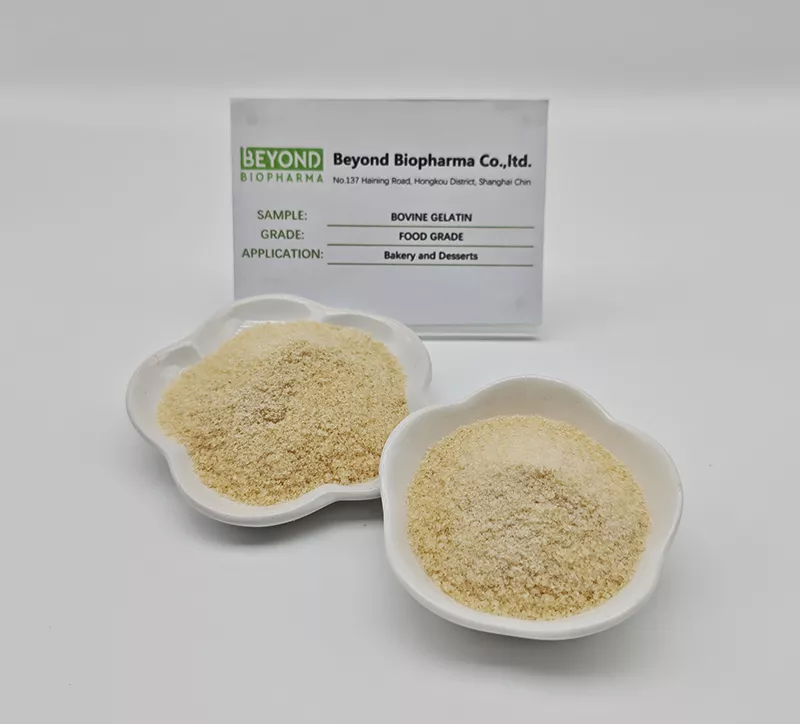
Pharmaceutical manufacturers prevent gelatin cross-linking by selecting high-purity raw materials for softgel shell production. BEYOND BIOPHARMA provides Certified High Bloom Bovine Hides Gelatin (168–252 Bloom) to support batch consistency. Controlled alkaline processing gives this gelatin high gelling strength, superior clarity, and consistent quality. Formulators rely on this pure gelatin to lower cross-linking risks during processing, which minimizes severe cross-linking under stress. Premium gelatin capsule shells retain proper dissolution properties throughout extended shelf life.
Specialized gelatin technologies offer targeted functional protection for challenging formulation projects. Manufacturers utilize modified gelatin options to prevent shell insolubility under environmental stress:
RXL technology controls crosslinking to prolong product stability and maintain reliable dissolution performance.
RXL Ultra variants incorporate succinic acid into gelatin to block reactive amino groups, preventing unwanted crosslinking reactions when encapsulating reactive botanical extracts.
Protection variants like Prime, Advanced, Pro, and Ultra address specific fill reactivity challenges to prevent unwanted crosslinking under humid storage conditions.
Formulators screen fill ingredients to protect sensitive gelatin-based formulations against shell degradation. Active fill components often carry trace aldehydes or peroxides from raw processing. These reactive chemical impurities initiate gelatin cross-linking during shelf storage, while heat reduces chemical cross-linking during storage. Adding effective cross-linking inhibitors directly to the formulation neutralizes reactive compounds. Formulators stop gelatin cross-linking through strategic raw material selection to ensure fast fill release performance.
Proper excipient selection preserves rapid active ingredient release over time. Analytical screening eliminates incompatible oils before encapsulation to prevent cross-linking reactions and prevents external cross-linking from delaying drug release. Formulators stabilize gelatin-based formulations by maintaining low peroxide values across oil matrices. Target testing helps scientists achieve zero crosslinking within the shell to optimize fill release. Controlled formulation chemistry resists cross-linking over time, secures prompt active release, and guarantees predictable capsule disintegration.
Operators control plant conditions to prevent early crosslinking during softgel manufacturing. Technicians maintain the production area temperature around 21°C with 25–30% RH. The drying area requires lower moisture levels between 20–25% RH. Humidity levels above 50% RH soften shell structures. Meanwhile, elevated thermal exposure triggers chemical crosslinking inside wet shells.
Strict environmental controls safeguard gelatin-based formulations throughout processing. Stable manufacturing parameters maintain target dissolution rates and secure batch uniformity. Preventing thermal stress limits polymer chain mobility during drying. Controlled manufacturing environments protect raw gelatin protein chains, which ensures consistent active ingredient release performance across every production lot.
Processing Stage | Temperature | Relative Humidity (RH) |
|---|---|---|
Production Area | ~21°C | 25–30% RH |
Drying Area | Unspecified | 20–25% RH |
Recommended Storage | 15–25°C | 30–40% RH |
Packaging selection directly impacts long-term capsule stability during ambient storage. Low-grade packaging materials introduce trace aldehydes or reducing sugars. These reactive impurities target amino groups inside gelatin, initiating a Schiff base reaction that induces severe cross-linking. High storage temperatures increase polymer chain mobility, which accelerates thermodynamic cross-linking over time.
Storage Condition | Duration | Effect on Standard Gelatin | Effect on Modified Gelatin |
|---|---|---|---|
22°C / 50% RH | 12 months | Significant cross-linking delay (reduced fill release within 30 minutes) | Prevents cross-linking, faster fill release |
30°C / 65% RH | 12 months | Significant cross-linking delay | Prevents cross-linking, maintains rapid dissolution |
40°C / 75% RH | 6 months | Cross-linking delay | Prevents cross-linking, maintains rapid dissolution |
Formulators execute stability studies under controlled settings to monitor long-term active compound release. Avoid conditions above 30°C or 50% RH to prevent shell breakdown. Maintaining proper storage between 15–25°C and 30–40% RH prevents gelatin cross-linking. Uncontrolled storage accelerates gelatin cross-linking and alters fill disintegration. Proper packaging preserves formulation integrity and protects overall softgel shell quality.
Overcoming gelatin cross-linking requires rapid enzymatic diagnosis, stringent fill screening, and raw material optimization. Formulators resolve cross-linking through Tier 2 dissolution testing. Strict excipient screening prevents chemical crosslinking before manufacturing. High-purity gelatin prevents cross-linking and preserves target active release. Formulators mitigate cross-linking during storage through proactive testing.
Sourcing BEYOND BIOPHARMA Bovine Hides Gelatin prevents gelatin cross-linking while securing batch consistency and long-term shelf stability. This certified gelatin meets strict GMP requirements and ISO-certified manufacturing processes. Choosing pure gelatin stops internal cross-linking, protects capsule integrity, and guarantees prompt drug release. Formulation scientists must evaluate shell raw materials, prevent cross-linking, and consult supplier technical teams to eliminate cross-linking.
Chemical reactions between aldehydes and amino acids create covalent bonds between peptide chains. Internal fill components like oxidized oils and external factors like high heat or humidity accelerate this process. This mechanism forms an insoluble pellicle that delays active drug release.
Quality teams use the USP Tier 2 dissolution protocol with added enzymes. Analysts add pepsin to acidic media or pancreatin to neutral media. These enzymes digest the insoluble pellicle and restore normal drug release, confirming true chemical degradation instead of simple physical aging.
BEYOND BIOPHARMA produces Certified High Bloom Bovine Hides Gelatin using a controlled alkaline process. This raw material provides 168–252 Bloom gelling strength, superior clarity, and high purity. Its low impurity profile reduces cross-linking risks and maintains consistent shell dissolution over shelf storage.
Manufacturers should maintain production areas near 21°C with 25–30% relative humidity. Long-term storage requires temperature control between 15–25°C and moisture levels between 30–40% relative humidity. These stable conditions limit polymer chain mobility and prevent thermal cross-linking pathways.


Tel:+86 21 65010906
Cell/Whatsapp/Wechat:
+86 13482884055
+86 18657345785
Email: sales@beyondbiopharma.com





 English EN


