
EN
Choosing the right edible gelatin can make or break your culinary creations. Whether you are crafting silky panna cotta, chewy gummy candies, or stabilizing a creamy mousse, the type and quality of gelatin you use directly impact texture, clarity, and performance. In this guide, we break down the key differences between gelatin sources, Bloom strengths, and formats—helping you pick the perfect option for your kitchen or production line.
Gelatin is a natural protein derived from collagen, typically sourced from bovine hides, porcine skin, or fish scales. Its primary function in cooking and baking is to provide structure, thickening, and a unique melt-in-the-mouth texture. The two most common forms are powdered gelatin and sheet (leaf) gelatin, each with its own advantages depending on the application.
For home bakers, powdered gelatin is often more accessible and easier to measure by weight. Professional chefs frequently prefer sheet gelatin for its consistent hydration and clearer gels. When selecting an Edible Gelatin, always consider the Bloom strength—a measure of gel firmness. Low Bloom (around 100–150) yields soft, tender gels ideal for mousses, while high Bloom (250–300) creates firm, elastic textures perfect for gummy candies and marshmallows.
The source of gelatin affects its melting point, clarity, and flavor profile. Bovine gelatin, derived from cattle hides, offers a high melting point and neutral taste, making it a top choice for confectionery and dairy desserts. Porcine gelatin, from pig skin, tends to have a slightly lower melting point and is widely used in gummy production due to its excellent clarity and elasticity.
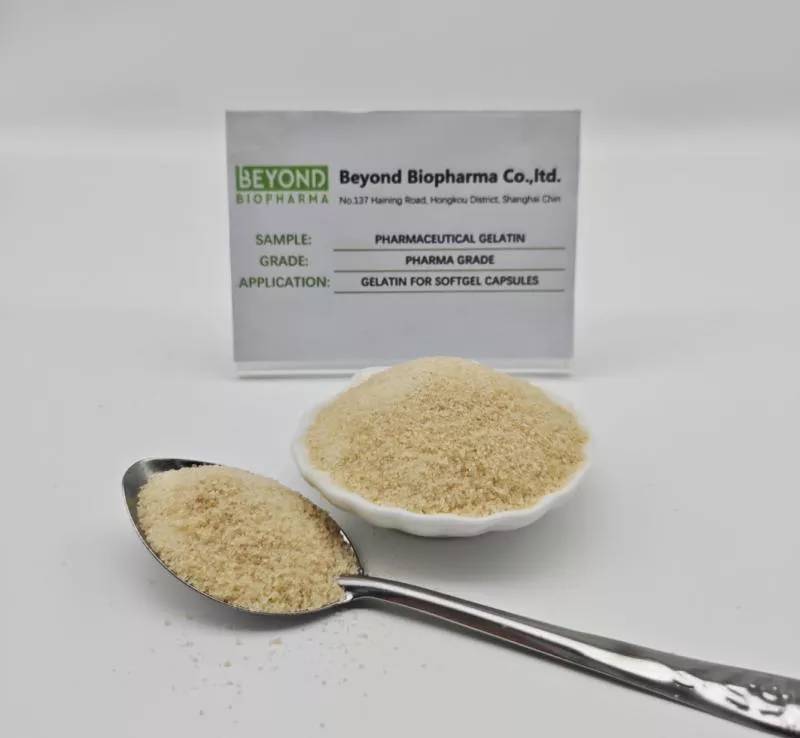
Fish gelatin, often certified Halal and Kosher, is an excellent option for clean-label products and consumers with dietary restrictions. It has a lower melting point, which makes it ideal for cold-set desserts and certain pharmaceutical applications. For more specialized uses, such as capsule manufacturing, Pharmeceutical Gelatin meets strict purity and compliance standards.
Bloom is the standard measure of gelatin’s gelling power. A higher Bloom number means a firmer gel. For baking, a Bloom of 200–250 is versatile for most recipes, including panna cotta and cheesecake. For gummy candies, a Bloom of 250–300 provides the desired chewiness without being rubbery. Low Bloom gelatin (100–150) works well for light, airy mousses and marshmallows where a soft set is preferred.
When substituting between different Bloom strengths, adjust the quantity accordingly. For example, if a recipe calls for 200 Bloom gelatin but you have 250 Bloom, use slightly less to achieve the same texture. Always hydrate gelatin in cold water for 5–10 minutes before gently heating to dissolve—this ensures even dispersion and avoids clumping.
To get the best results, always weigh your gelatin rather than using volume measurements. One packet of powdered gelatin (about 7 grams) typically sets 2 cups of liquid. For sheet gelatin, one sheet (around 2–3 grams) sets about 1 cup of liquid. Avoid boiling gelatin, as high heat can break down its gelling ability. Instead, dissolve it in warm liquid (around 50–60°C) after hydration.
For fruit-based desserts, note that certain fresh fruits like pineapple, kiwi, and papaya contain enzymes that break down gelatin. These fruits must be cooked or canned before use to deactivate the enzymes. Acidic ingredients like lemon juice may also weaken the gel, so adjust the gelatin quantity upward if your recipe is highly acidic.
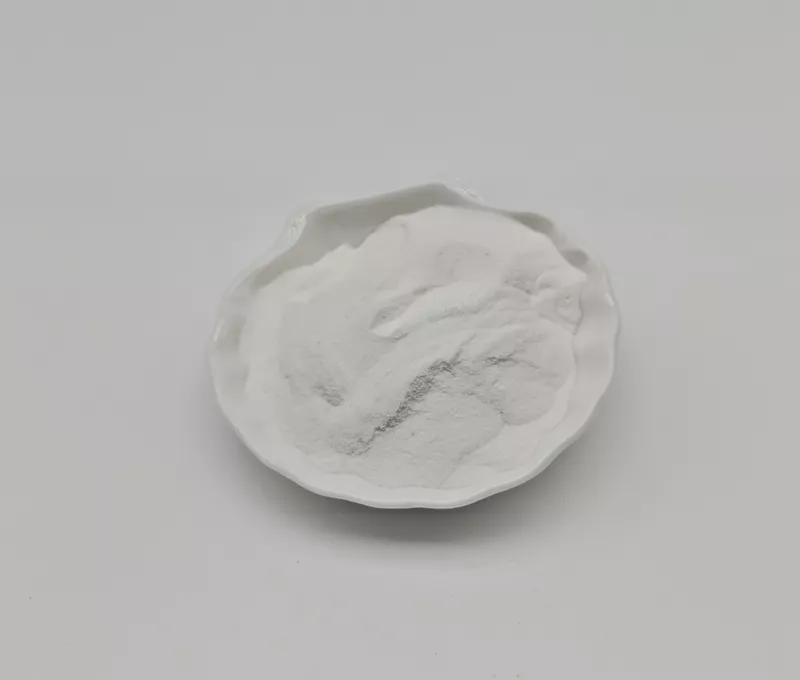
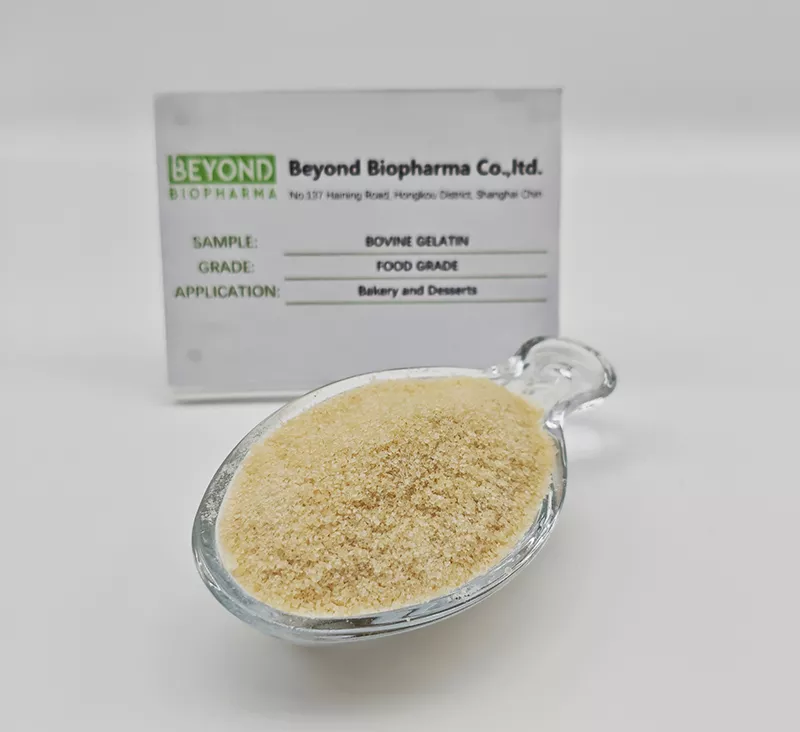
Gelatin is incredibly versatile. In confectionery, it provides the chewy texture in gummies and the stable foam in marshmallows. For dairy desserts, it prevents syneresis (whey separation) in yogurt and gives ice cream a smooth, creamy mouthfeel. In savory cooking, gelatin is used to clarify broths and create aspics, while in baking, it stabilizes whipped cream and mousse fillings.
For wine and juice clarification, gelatin acts as a fining agent, binding with tannins and particles to produce a crystal-clear liquid. This is especially useful for home winemakers and artisan juice producers looking to improve visual appeal without adding artificial ingredients.
When choosing a gelatin supplier, look for consistent quality, neutral odor, and clear labeling of Bloom strength and source. For home use, a mid-range Bloom (200) from bovine or porcine sources covers most recipes. For commercial production, customizable Bloom options allow you to fine-tune texture for specific products like gummies, marshmallows, or dairy stabilizers.
If you follow a Halal or Kosher diet, fish gelatin or certified bovine gelatin are excellent alternatives. Always verify certifications on the packaging. For pharmaceutical-grade applications, such as making your own softgel capsules at home, use gelatin that meets pharmacopoeia standards for purity and safety.
Our collagen peptides are enzymatically hydrolyzed to a low molecular weight, typically between 1000 Da to 3000 Da. This ensures superior bioavailability and rapid absorption by the human body.
Yes, our peptides feature excellent cold-water solubility. Through a specialized agglomeration process, we ensure that the powder disperses quickly and dissolves completely without clumping or precipitation. The resulting solution remains clear and transparent, making it an ideal ingredient for functional beverages, RTD products, and instant protein mixes.
Our product is characterized by its neutral taste and odor profile. We utilize a multi-stage purification process, including advanced filtration and deodorization technologies, to eliminate the characteristic 'fishy' or 'earthy' notes often associated with raw collagen. This neutrality allows you to incorporate high dosages into food and beverage products without affecting the original flavor profile or requiring heavy masking agents.
We offer high-quality collagen derived from several premium sources to meet diverse market demands: Marine Collagen sourced from deep-sea fish skins/scales (Non-GMO, sustainable), Bovine Collagen sourced from 100% grass-fed, pasture-raised cattle hides, and Porcine Collagen available for specific food applications. All raw materials are fully traceable and comply with global safety standards. We can provide HALAL, KOSHER, and ISO certifications upon request.


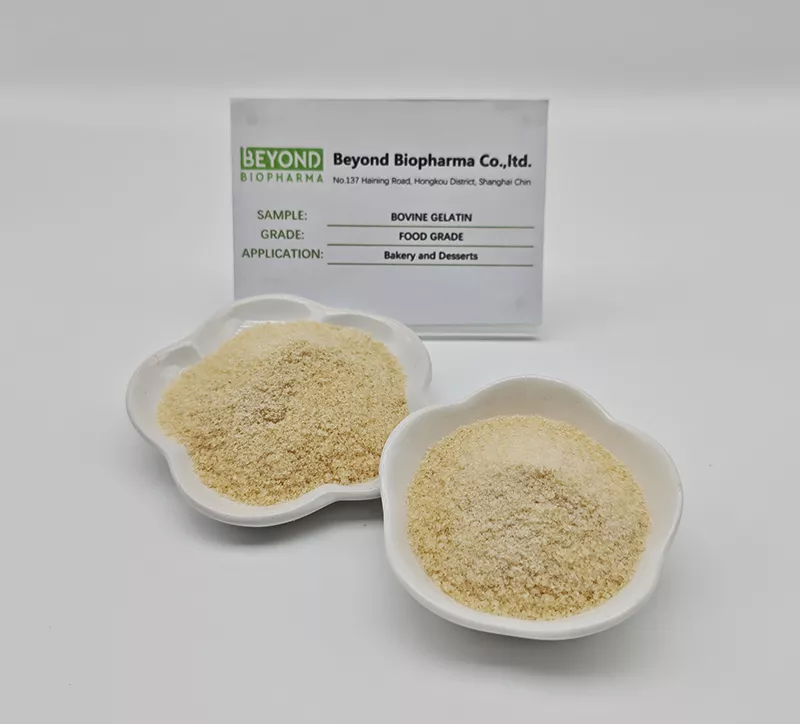
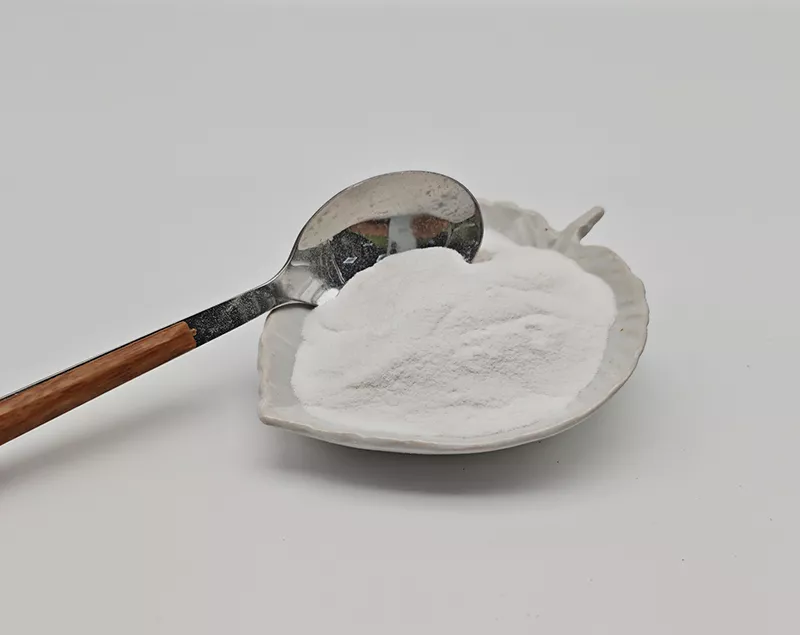
Tel:+86 21 65010906
Cell/Whatsapp/Wechat:
+86 13482884055
+86 18657345785
Email: sales@beyondbiopharma.com





 English EN


