 English EN


Porcine gelatin always protects vaccines from harm
Porcine gelatin stabilizes vaccines, ensuring safety and effectiveness. Most people tolerate it well, with rare allergic reactions and strict quality controls.
More
When sourcing gelatin in Chinese food, buyers often face challenges like batch consistency, odor control, and certification requirements. Gelatin, derived from animal collagen, provides the characteristic bounce and melt-in-mouth feel in dishes such as bao fillings, chilled soups, and jelly-like confections. For overseas purchasing managers, the key is finding a supplier that delivers uniform bloom strength, low odor, and full documentation for food-grade compliance.
Gelatin is produced through partial hydrolysis of collagen from animal skins and bones. In Chinese cuisine, it is often used as a gelling agent, thickener, or stabilizer. The process involves enzymatic or acid treatment, followed by extraction and drying. Gel strength, measured in Bloom, determines the texture: higher Bloom (200–300 g) yields firmer gels for desserts, while lower Bloom (50–150 g) is used for softer applications like chilled soups. For industrial buyers, molecular weight and viscosity are also critical parameters affecting performance in large-scale production.
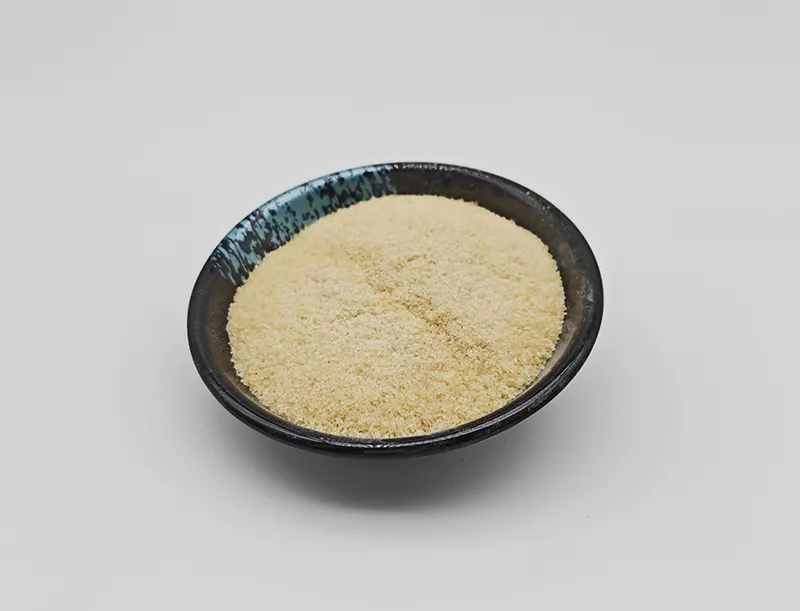
Buyers should evaluate gelatin based on common industry parameters. Below is a table of typical ranges for edible gelatin used in Chinese food applications. Note: these are generic industry ranges; final values should be confirmed per Certificate of Analysis (COA) and sample testing.
| Parameter | Typical Range (Industry Standard) |
|---|---|
| Bloom Strength | 50–300 g (pharma/gummies often 150–260 Bloom) |
| Viscosity | 2.0–5.5 mPa·s |
| Mesh Size | 8–60 mesh |
| Moisture Content | ≤14% |
| Protein Content | ≥85% (typical for edible grade) |
For collagen peptides, molecular weight typically ranges from 2,000 to 5,000 Da, with fish sources often on the lower end for faster absorption. Protein content is ≥90%, and high solubility with low odor are key quality markers.
Gelatin in Chinese food is versatile, but its uses extend to many industries. Here is selection guidance by application:
Beyond Biopharma, based in Shanghai, China, is a B2B manufacturer specializing in collagen peptides, gelatin, and plant protein peptides. With over 10 years in the food-ingredient industry, our products are exported to 50+ countries. Our facility has an annual capacity of approximately 3,000 MT for collagen and 5,000 MT for gelatin, supported by a fully automatic production line, GMP clean workshop, stainless-steel sealed piping, and automated temperature/pH control.
We hold ISO 9001 certification, are US FDA registered, and maintain GMP clean workshops. Select products carry Halal or Kosher certification (e.g., fish gelatin). Our bovine bone gelatin is BSE-free. An in-house lab conducts heavy-metal and microbiological testing, with a dedicated QA/QC team ensuring batch consistency. We offer three grades—food, pharmaceutical, and cosmetic—and provide free samples along with formulation and selection support.
Our product lines include Edible Gelatin (bovine, porcine, fish; high-bloom bovine hide gelatin), Pharmaceutical Gelatin (bovine bone for hard capsules; ultra-high-viscosity for softgels), Collagen Peptide (fish and bovine; fish collagen tripeptide), Undenatured Collagen Type II for joint health, and Plant Protein Peptide (pea, rice, soy hydrolysates). We also supply joint health ingredients like bovine chondroitin sulfate sodium, glucosamine HCl, and food-grade hyaluronic acid powder.
Q: What is the difference between gelatin and collagen peptides in Chinese food?
A: Gelatin forms a gel when cooled, while collagen peptides are hydrolyzed to smaller molecular weights and dissolve in cold water without gelling. In Chinese food, gelatin is used for texture, while collagen peptides are added for protein fortification in drinks or soups.
Q: Can gelatin in Chinese food be replaced with plant-based alternatives?
A: Yes, plant protein peptides from pea or rice can mimic some gelling properties, but they may not achieve the same clarity or melt-in-mouth feel. For vegan formulations, these alternatives work well in certain dishes, though texture adjustments are often needed.
Q: What certifications should I look for when sourcing gelatin for Chinese food?
A: For international buyers, ISO 9001, FDA registration, and Halal/Kosher certifications are common. BSE-free documentation is critical for bovine gelatin. Always request a COA for each batch to verify bloom, viscosity, and microbial limits.
Q: How do I test gelatin quality before placing a bulk order?
A: Request free samples from the supplier. Test for solubility, odor, and gel strength in your specific application. For industrial use, compare viscosity and bloom against your target specs. A reputable supplier will provide a COA and support formulation adjustments.
Q: What is the shelf life of gelatin used in Chinese food?
A: Typically, edible gelatin has a shelf life of 2–3 years when stored in a cool, dry place below 25°C. Avoid exposure to moisture and high temperatures, which can degrade gel strength and promote microbial growth.
Q: Can gelatin be used in both hot and cold Chinese dishes?
A: Yes. Gelatin dissolves in warm liquids (above 40°C) and sets upon cooling. It is used in hot dishes like savory aspics that are served chilled, and in cold desserts like fruit jellies. For hot soups served immediately, gelatin may not set unless cooled.
If you are sourcing gelatin in Chinese food for your products, Beyond Biopharma can help. To receive free samples and a tailored quote, please provide the following details: your specific application (e.g., gummies, capsules, beverages), required grade (food, pharmaceutical, or cosmetic), estimated quantity or MOQ, target specifications (bloom, mesh, molecular weight, certifications), and destination country. Our team will match the right product from our range of Gelatin for Micro-Encapsulation or other lines to your needs. Contact us today to start the process.

We provide you with comprehensive foreign trade solutions to help enterprises achieve global development
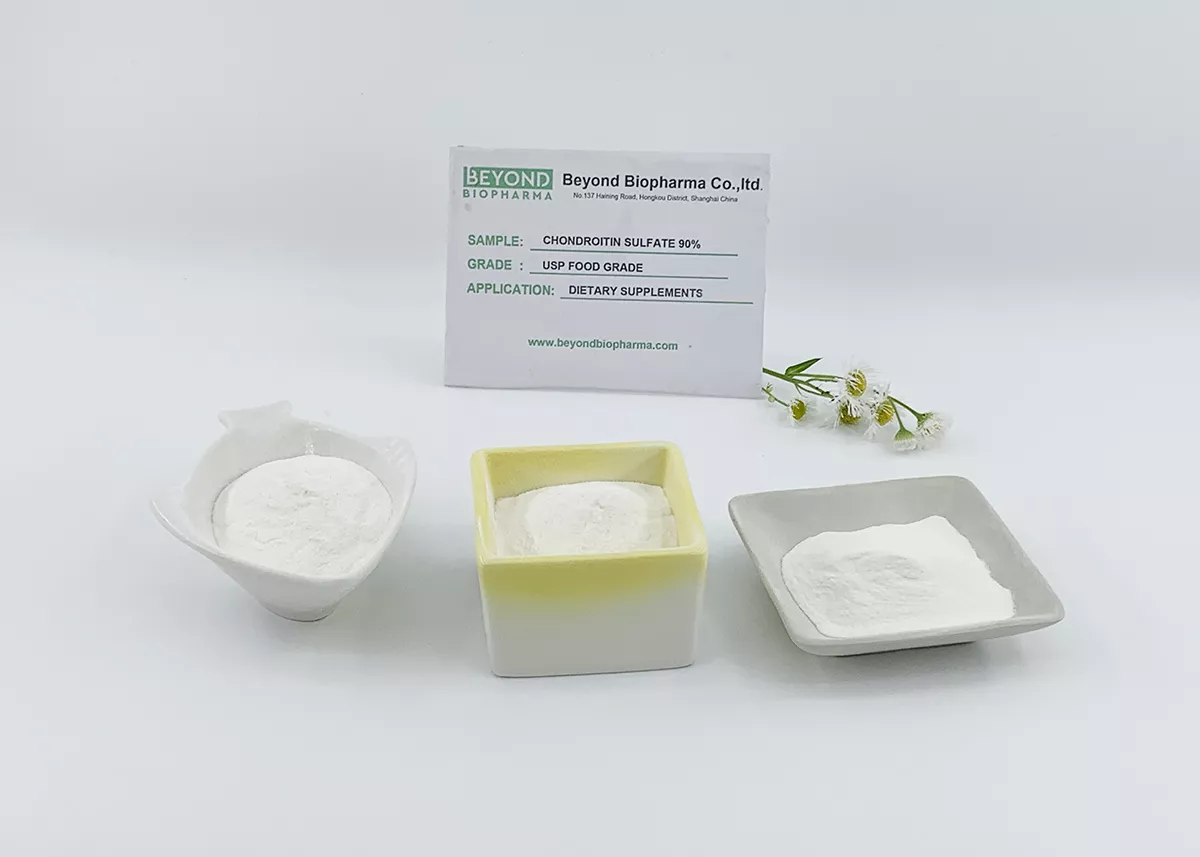
High Purity and Efficacy for Joint Health Formulations
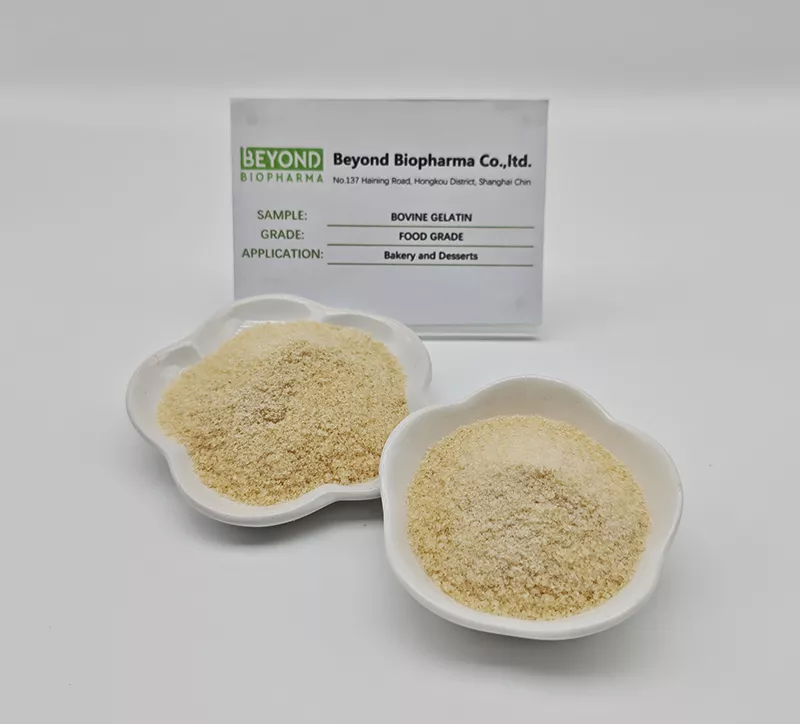
20 years experiences, 5000 ton/year capacity, Sustained supply with stable quality
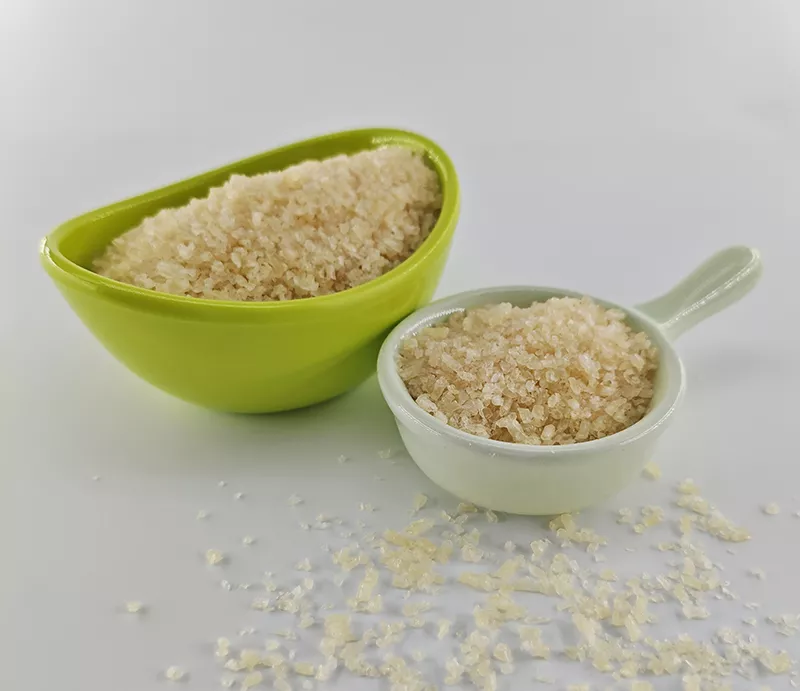
Stability, Swallowing Enhancement, and Controlled Release
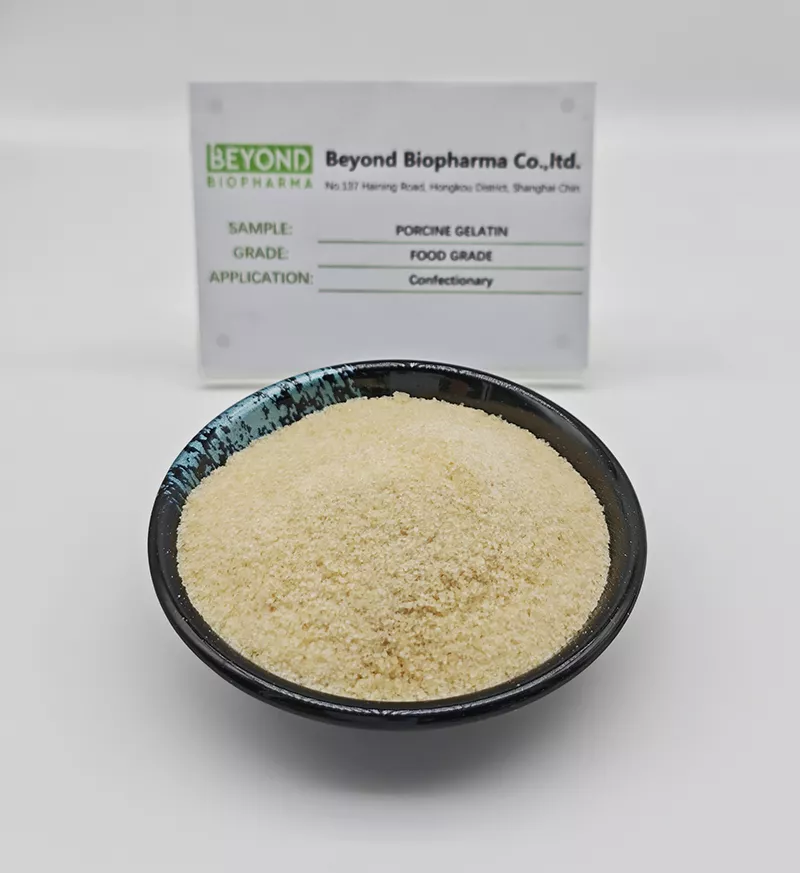
Food-grade porcine gelatin is a highly versatile and cost-effective natural protein derived from the collagen found in pig skin and bones. It is a premier gelling agent known for its exceptional clarity, neutral taste, and thermal reversibility.
Select the most popular foreign trade service products to meet your diverse needs
High Purity and Efficacy for Joint Health Formulations
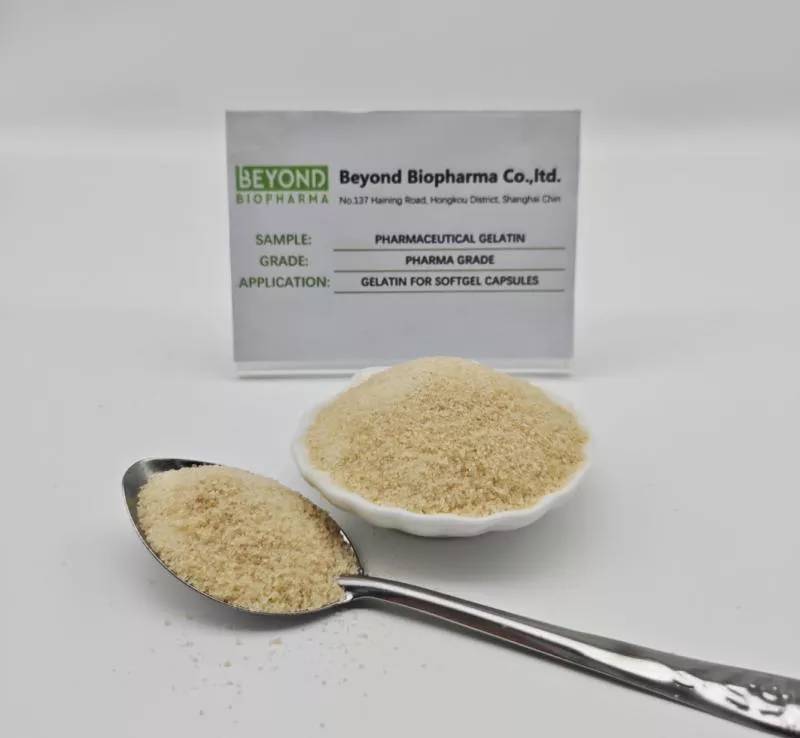
Softgel encapsulation demands a gelatin with unique physical attributes to perform optimally during the high-speed manufacturing process
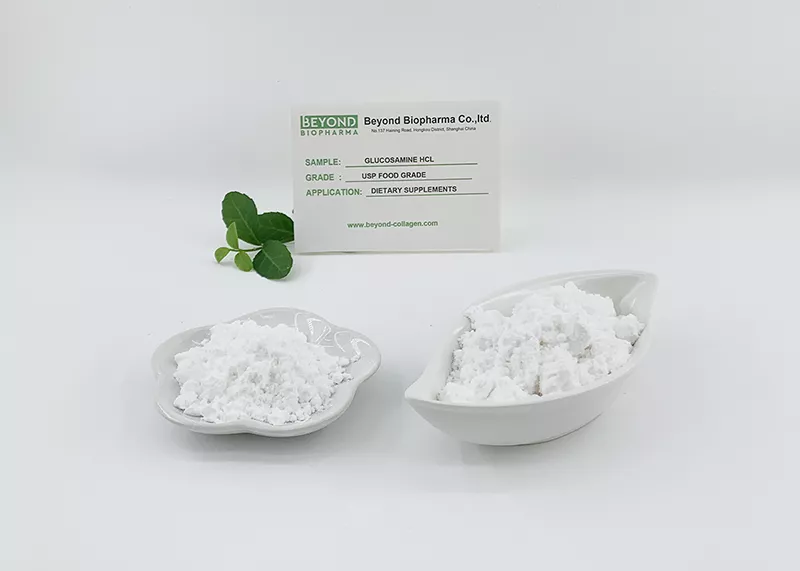
The Purest Plant-Based Joint Support Solution
Tel:+86 21 65010906
Cell/Whatsapp/Wechat:
+86 13482884055
+86 18657345785
Email: sales@beyondbiopharma.com





User Comments
Service Experience Sharing from Real Customers
Megan
Graphic DesignerAs someone who avoids pork for religious reasons, I was worried about gelatin in Chinese sauces. This brand clearly labels their vegetarian-friendly oyster sauce! The texture is perfect for stir-fries, and my family couldn't tell the difference. Finally found a reliable option after years of checking labels.
Leo
High School TeacherI've been cooking Chinese food for 15 years and always used gelatin-containing products for that authentic mouthfeel. Tried this beef broth powder on a whim - it gives the same silky texture to my braised dishes without any weird aftertaste. Minus one star because the packaging could be more resealable.
Chloe
Nursing StudentTotal newbie here! Bought these crystal dumplings for a potluck after seeing 'plant-based gelatin' on the label. They held shape beautifully during steaming, and my vegan friend actually ate two servings. The transparency was just like traditional ones. Will definitely buy again for my dorm meals.
Ryan
Construction SupervisorMy Chinese wife usually makes mooncakes from scratch but was short on time. We tried these pre-made fillings with fish gelatin instead of pork-based ones. Surprised by how close they tasted to her grandmother's recipe! The lotus paste stayed firm but melted nicely. Only wish they had red bean flavor too.