 English EN


Porcine gelatin always protects vaccines from harm
Porcine gelatin stabilizes vaccines, ensuring safety and effectiveness. Most people tolerate it well, with rare allergic reactions and strict quality controls.
More
If you are a food-ingredient purchasing manager or a product developer in the nutraceutical space, you have likely asked: what is gelatin used for in food? The answer goes far beyond simple thickening. Gelatin provides texture, stability, and a clean protein profile in everything from confectionery gummies to pharmaceutical capsules. However, sourcing the right gelatin can be a pain point — batch consistency, odor, solubility, and certification barriers (like Halal, Kosher, or BSE-free status) often complicate procurement. This guide breaks down the functions, specifications, and selection criteria to help you make informed decisions.
Gelatin is produced through the partial hydrolysis of collagen, which is extracted from animal bones, hides, and fish skins. The process involves breaking down the collagen protein into smaller peptides, which then form a thermo-reversible gel when cooled. This unique property — melting in the mouth and setting at room temperature — is what makes gelatin indispensable in food applications.
Key performance factors include bloom strength (gel firmness), viscosity (thickness), and molecular weight. For example, high-bloom gelatin (200–260 g) is preferred for gummies and softgels, while lower bloom (50–150 g) works well in dairy and desserts. Enzymatic hydrolysis can further reduce molecular weight, creating collagen peptides that dissolve easily in cold water and are rapidly absorbed by the body.
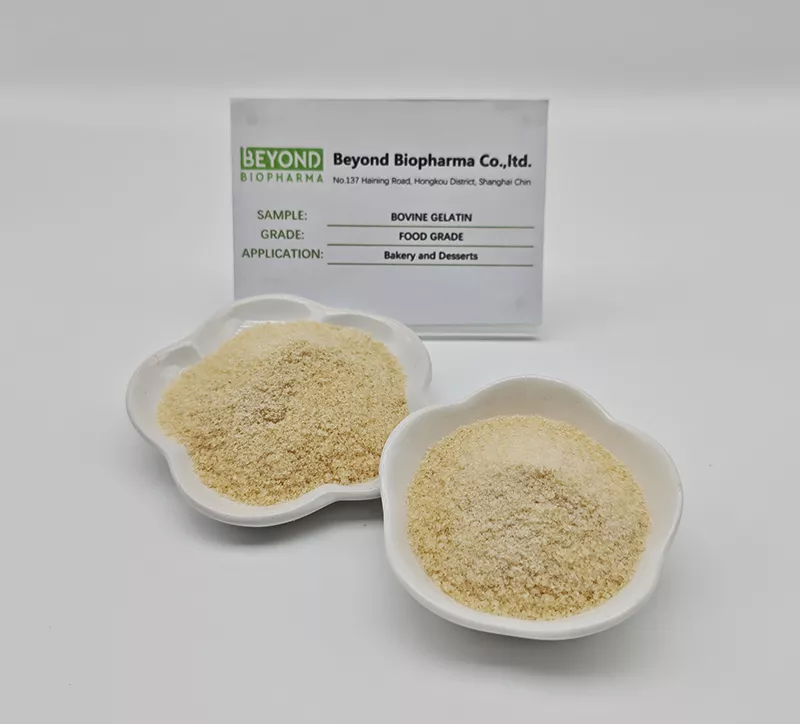
When sourcing gelatin, you will encounter a range of specifications. The table below summarizes common parameters for edible and pharmaceutical grades. Note that these are typical industry ranges; final values should always be confirmed per Certificate of Analysis (COA) or sample.
| Parameter | Edible Gelatin (Typical Range) | Pharmaceutical Gelatin (Typical Range) |
|---|---|---|
| Bloom (g) | 50–300 (gummies: 150–260) | 150–260 (hard capsules) |
| Viscosity (mPa·s) | 2.0–5.5 | 2.5–5.0 (softgels: higher) |
| Mesh Size | 8–60 | 8–40 |
| Moisture (%) | ≤14 | ≤12 |
| Protein (%) | ≥85 | ≥90 |
For collagen peptides, molecular weight typically ranges from 2,000 to 5,000 Da, with fish-derived peptides often on the lower end for faster absorption. Protein content is generally ≥90%, and high solubility with low odor are key quality markers. Plant protein peptides (e.g., pea, rice, soy) offer protein levels of 80–90% and molecular weights below 5,000 Da, with allergen profiles varying by source.
Gelatin serves multiple roles across industries. Here is a breakdown of common applications and recommended product types:
Beyond Biopharma, based in Shanghai, China, is a manufacturer with over 10 years of experience in the food-ingredient industry. Our products are exported to more than 50 countries, serving buyers who demand consistency and compliance. Our facility has an annual production capacity of approximately 3,000 MT for collagen and 5,000 MT for gelatin, supported by a fully automatic production line, GMP clean workshop, and stainless-steel sealed piping with automated temperature and pH control.
We hold ISO 9001 certification, are US FDA registered, and maintain a GMP clean workshop. Select products carry Halal or Kosher certification (e.g., fish gelatin). Our bovine bone gelatin is BSE-free. An in-house lab conducts heavy-metal and microbiological testing, and a dedicated QA/QC team ensures every batch meets specifications. We offer three grades — food, pharmaceutical, and cosmetic — and provide free samples along with formulation and selection support.
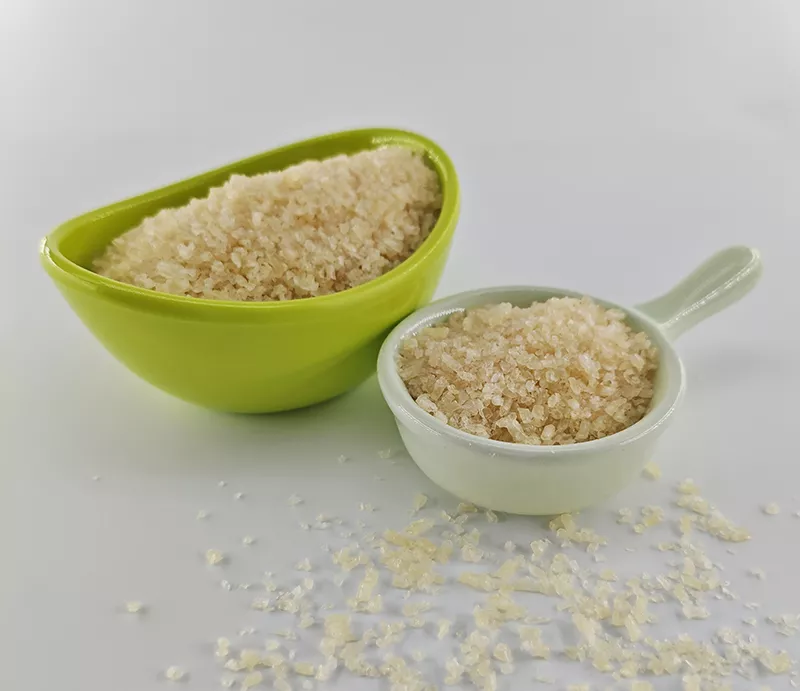
Gelatin is partially hydrolyzed collagen that forms a gel when cooled. Collagen peptides are more fully hydrolyzed, resulting in smaller molecular weight (2,000–5,000 Da) and cold-water solubility. Gelatin is used for texture and gelling; collagen peptides are used for rapid absorption in supplements.
Traditional gelatin is animal-derived. For vegan formulations, plant protein peptides (pea, rice, soy) are alternatives. These provide protein and functionality but do not form the same thermo-reversible gel. Beyond Biopharma supplies plant protein peptides for allergen-free and vegan applications.
Key certifications include ISO 9001, FDA registration, GMP compliance, and Halal or Kosher if required. For bovine gelatin, BSE-free certification is critical. Always request a Certificate of Analysis (COA) to verify bloom, viscosity, moisture, and microbial limits.
Bovine gelatin is common for hard capsules and gummies; porcine gelatin is often used in confectionery; fish gelatin is preferred for Kosher/Halal markets and has a lower melting point. Selection depends on your target market, dietary restrictions, and application requirements.
Edible gelatin typically has a shelf life of 2–3 years when stored in a cool, dry place below 25°C, away from moisture and direct sunlight. Always check the COA for specific storage recommendations and expiration dates.
We welcome inquiries from overseas buyers. To receive free samples and a customized quote, please provide your application, required grade (food/pharma/cosmetic), quantity/MOQ, target specs (bloom, mesh, molecular weight, certifications), and destination country. Our team will respond promptly with product recommendations and pricing.
Understanding what is gelatin used for in food is the first step. The next is securing a reliable supply that meets your exact specifications. Whether you need edible gelatin for gummies, pharmaceutical gelatin for capsules, or collagen peptides for sports nutrition, Beyond Biopharma can support your project with consistent quality and certified products.
To get started, please send us your application details, required grade, target quantity or MOQ, desired specifications (bloom, mesh, molecular weight, certifications), and destination country. We will provide free samples and a competitive quotation tailored to your needs.

We provide you with comprehensive foreign trade solutions to help enterprises achieve global development
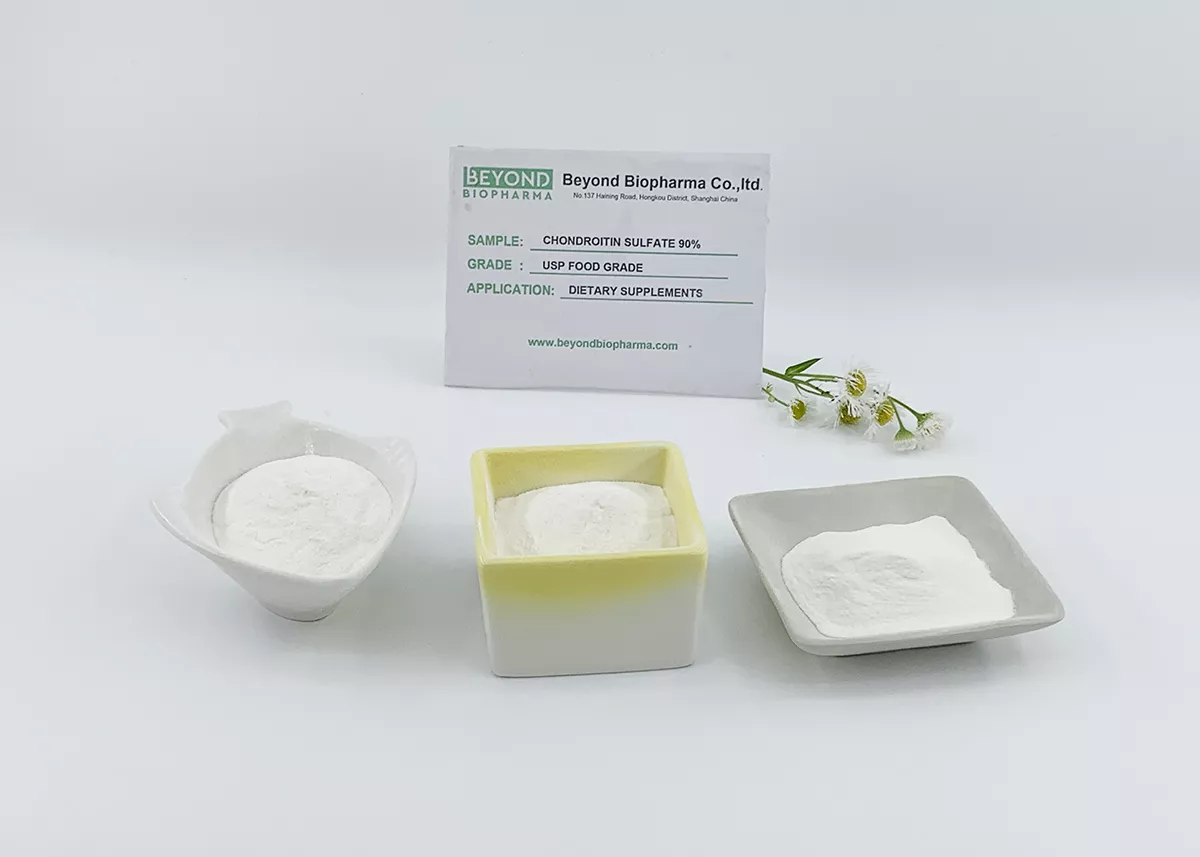
High Purity and Efficacy for Joint Health Formulations
20 years experiences, 5000 ton/year capacity, Sustained supply with stable quality
Stability, Swallowing Enhancement, and Controlled Release
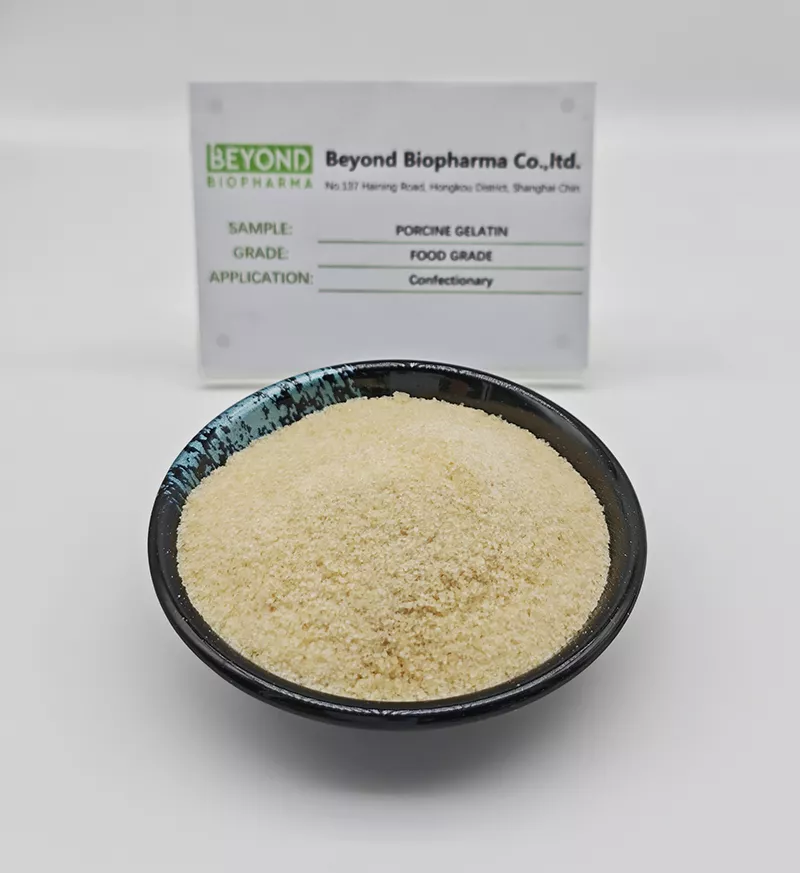
Food-grade porcine gelatin is a highly versatile and cost-effective natural protein derived from the collagen found in pig skin and bones. It is a premier gelling agent known for its exceptional clarity, neutral taste, and thermal reversibility.
Select the most popular foreign trade service products to meet your diverse needs
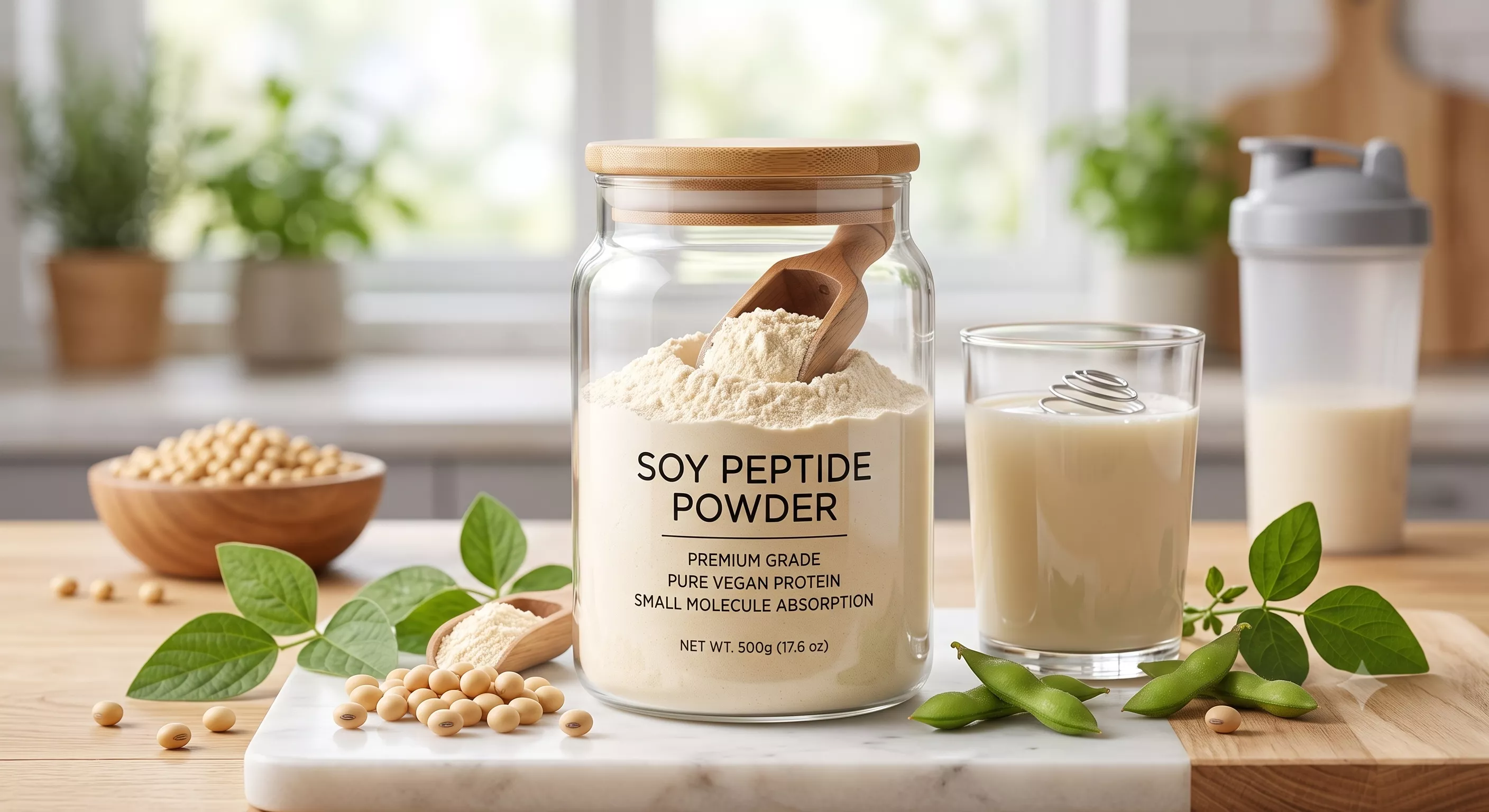
Source ultra-pure, non-GMO hydrolyzed soybean oligopeptide powder in bulk. Complete water solubility, over 80% peptides under 1000 Da. Ideal for sports nutrition and immune recovery formulas.
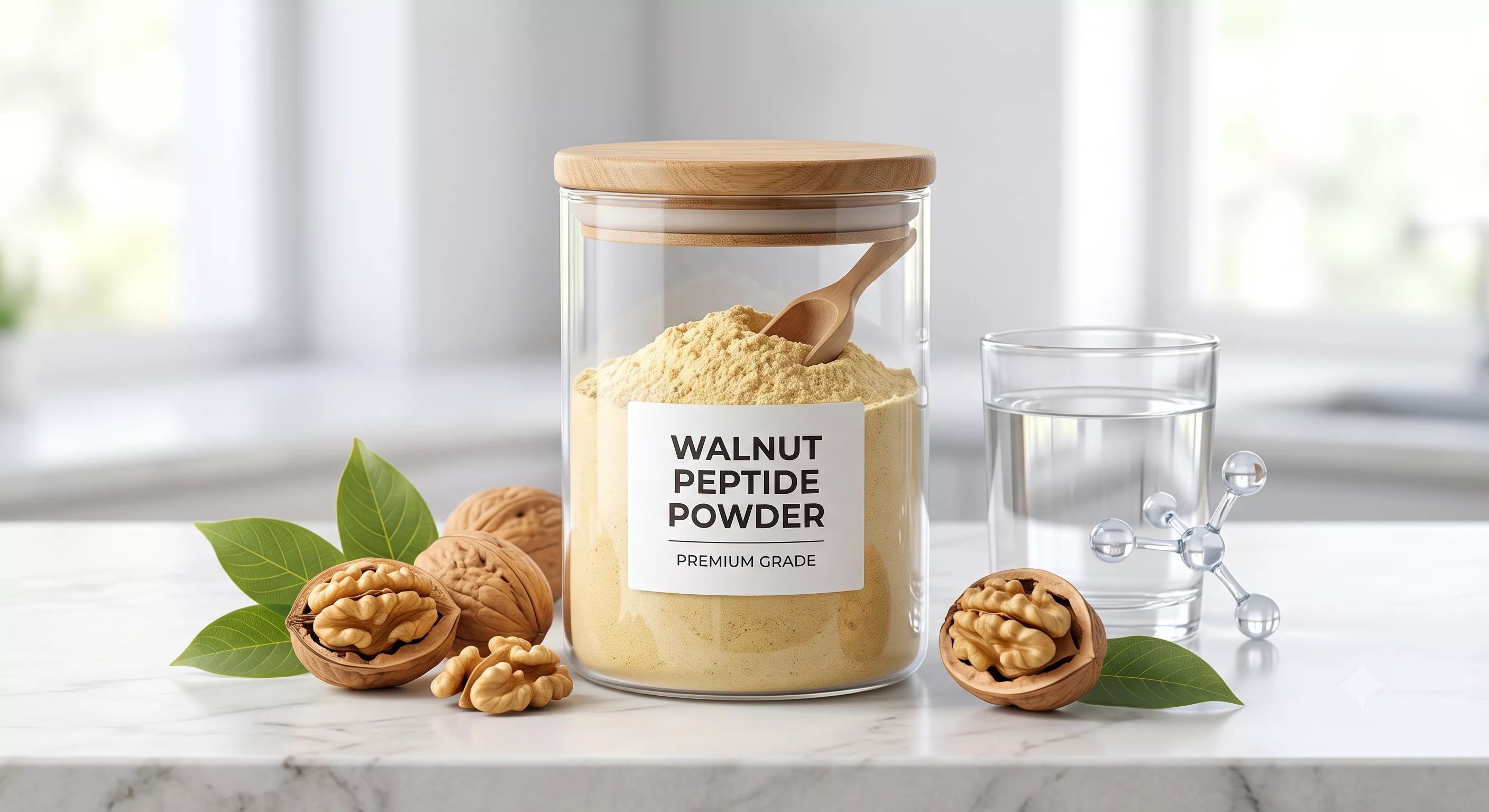
Source wholesale hydrolyzed walnut protein peptide powder in bulk. Over 85% low-molecular-weight oligopeptides rich in Glutamic Acid. Perfect for cognitive formulas and sleep aid supplements.
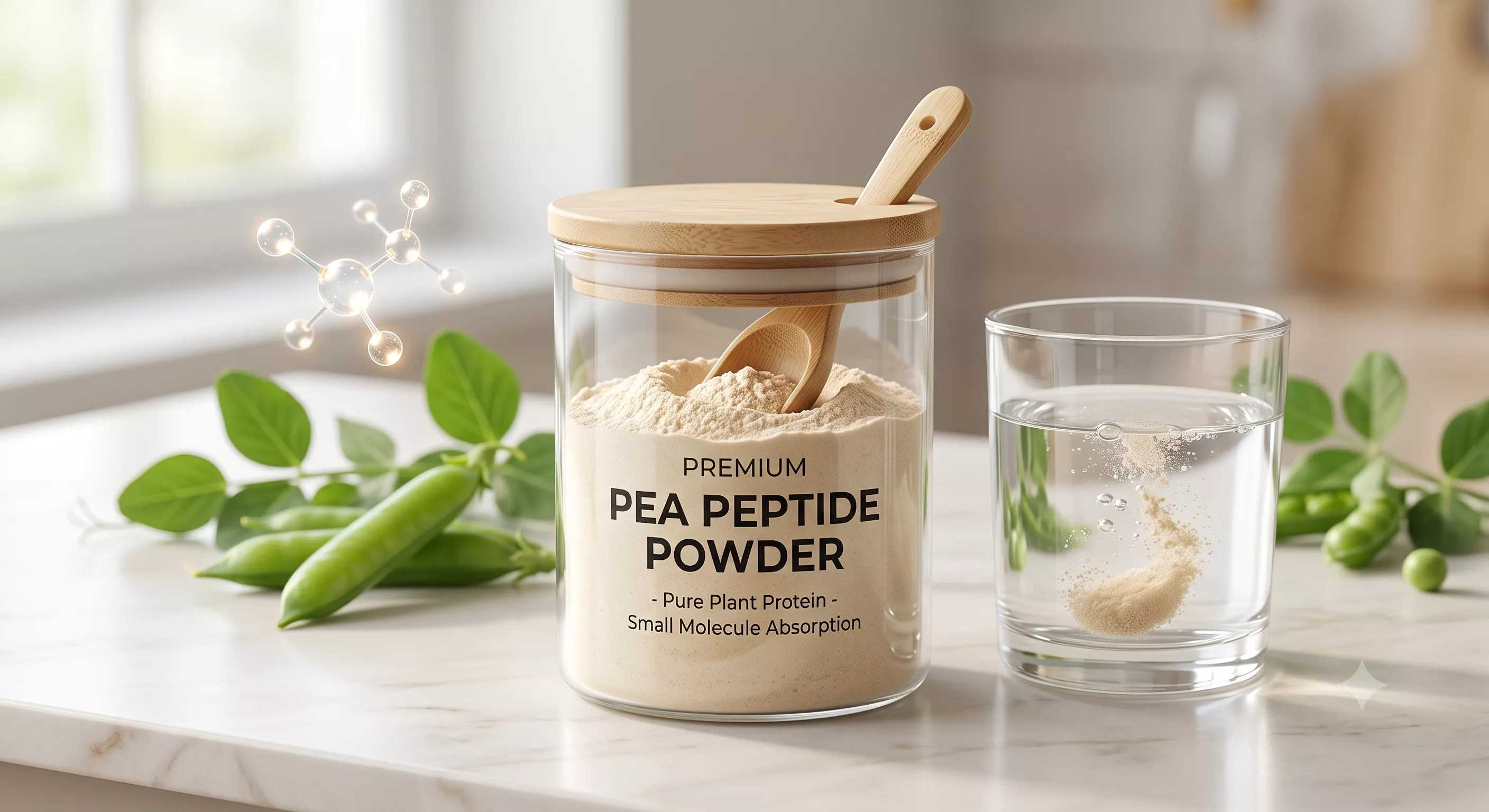
Source high-purity, hypoallergenic hydrolyzed pea peptide powder in bulk. Complete water solubility, rich in BCAAs, ideal for vegan recovery formulas.
Tel:+86 21 65010906
Cell/Whatsapp/Wechat:
+86 13482884055
+86 18657345785
Email: sales@beyondbiopharma.com





User Comments
Service Experience Sharing from Real Customers
Megan
Pastry ChefAs a pastry chef, I've tried countless gelling agents, but gelatin is my absolute go-to for mousses and mirror glazes. It gives such a clean, professional finish without any weird aftertaste. The way it sets a perfect panna cotta is just magic. Couldn't run my dessert section without it!
Leo
Home BakerHonestly, I was kinda intimidated by gelatin at first—sounded so scientific. But after using it to stabilize my fruit fillings for pies, I'm hooked! No more soggy bottoms. It's way easier to work with than I thought. Lost one star because blooming it takes a bit of planning ahead.
Chloe
Food Product DeveloperIn my R&D role, we use gelatin for everything from gummy vitamins to yogurt texture modification. Its versatility is unmatched—it provides melt-in-the-mouth texture that synthetic alternatives just can't replicate. A total workhorse ingredient in functional foods.
Ryan
Camp CookYou wouldn't believe how handy gelatin is out in the field! We use it to make portable fruit jellies and thicken stews without refrigeration. It's lightweight, shelf-stable, and the kids love the gummy snacks we make. Only downside is it's tricky to dissolve in cold camp conditions sometimes.