 English EN


Porcine gelatin always protects vaccines from harm
Porcine gelatin stabilizes vaccines, ensuring safety and effectiveness. Most people tolerate it well, with rare allergic reactions and strict quality controls.
More
Gelatin is a key ingredient in many Indian sweets, desserts, and confectionery items, prized for its gelling, thickening, and stabilizing properties. However, for overseas buyers sourcing gelatin for the Indian food market, challenges like batch consistency, odor control, and meeting vegetarian or halal requirements are common pain points. This guide covers what gelatin is used for in Indian cuisine, how it works, and the best vegetarian alternatives available for plant-based formulations.
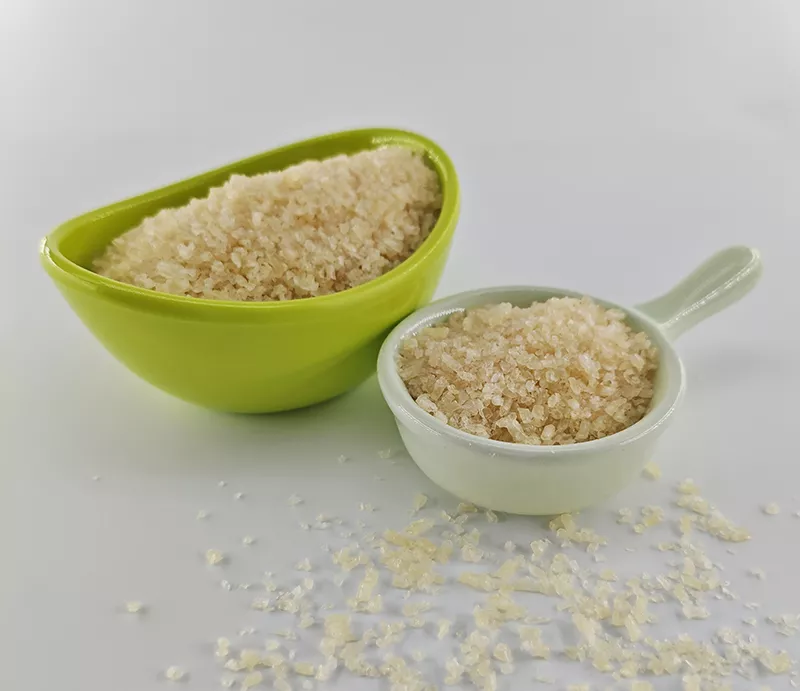
Gelatin is a natural protein derived from collagen, typically sourced from bovine hides, bones, or porcine skin. In Indian food, it is commonly used to make traditional sweets like halwa, barfi, jelly-based desserts, and gummy candies. It also acts as a clarifying agent in beverages and as a stabilizer in dairy products like yogurt and ice cream. The key functional property of gelatin is its ability to form a thermoreversible gel — it melts when heated and sets upon cooling, which is ideal for creating smooth, chewy textures.
For food-ingredient purchasing managers, the sourcing pain point often revolves around bloom strength (gel firmness), mesh size, and solubility. A consistent supply of high-quality Edible Gelatin is critical to maintain product texture and shelf life. Beyond Biopharma, a Shanghai-based manufacturer with over 10 years of experience, supplies bovine, porcine, and fish gelatin to over 50 countries, ensuring batch-to-batch uniformity.
Gelatin is produced through a process called enzymatic hydrolysis or acid/alkaline extraction. Collagen-rich raw materials are cleaned, treated, and then slowly extracted at controlled temperatures. The resulting gelatin is dried, milled, and sieved into specific mesh sizes. The two most important quality parameters are bloom strength (measured in grams) and viscosity. Higher bloom values (e.g., 200–260 g) produce firmer gels, ideal for gummies and soft capsules. Lower bloom (50–150 g) is used for softer desserts and sauces.
Molecular weight also matters: for collagen peptides used in nutraceuticals, a lower molecular weight (2,000–5,000 Da) ensures faster absorption and better solubility in cold water. For food-grade gelatin, the typical mesh range is 8–60, and moisture content is kept below 14% to prevent microbial growth. These are generic industry ranges; final values should always be verified per Certificate of Analysis (COA).
The table below summarizes common parameter ranges for gelatin used in Indian food applications. Note that these are typical industry ranges; final specifications depend on the specific grade and supplier.
| Parameter | Typical Range | Common Application |
|---|---|---|
| Bloom Strength | 50–300 g (150–260 g for pharma/gummies) | Gummies, jellies, desserts |
| Viscosity | 2.0–5.5 mPa·s | Soft capsules, stabilizers |
| Mesh Size | 8–60 mesh | Powdered mixes, beverages |
| Moisture | ≤14% | All applications |
| Protein Content (Collagen Peptides) | ≥90% | Nutraceuticals, sports nutrition |
Note: These are typical industry ranges; final values per COA/sample.
Gelatin is versatile across multiple industries. Here is a breakdown of applications and recommended solutions:
Beyond Biopharma is a Shanghai-based manufacturer with over 10 years of experience in the food-ingredient industry. Our products are exported to more than 50 countries. We operate a fully automatic production line with GMP clean workshops, stainless-steel sealed piping, and automated temperature/pH control. Our annual capacity is approximately 3,000 MT for collagen and 5,000 MT for gelatin.
We hold ISO 9001 certification, are US FDA registered, and maintain GMP clean workshops. Select products carry Halal and Kosher certifications (e.g., fish gelatin). Our bovine bone gelatin is BSE-free. An in-house lab conducts heavy-metal and microbiological testing, supported by a dedicated QA/QC team. We offer three grades — food, pharmaceutical, and cosmetic — and provide free samples along with formulation and selection support.
Q: Is gelatin used in Indian food halal?
A: Yes, but only if sourced from halal-certified suppliers. Beyond Biopharma offers halal-certified fish gelatin and bovine gelatin from halal-slaughtered animals. Always verify the certification with your supplier.
Q: What is a vegetarian alternative to gelatin for Indian sweets?
A: Agar-agar (derived from seaweed) is the most common vegetarian alternative. It sets at room temperature and works well for desserts like halwa and jellies. Plant protein peptides from pea or rice are also used for vegan formulations.
Q: How do I choose the right bloom strength for my product?
A: For soft, tender desserts, use low bloom (50–100 g). For chewy gummies or hard capsules, use high bloom (200–260 g). Your supplier can provide samples to test the texture before bulk ordering.
Q: Can gelatin be used in cold beverages?
A: Standard gelatin requires warm water to dissolve. For cold beverages, use collagen peptides (hydrolyzed gelatin) which dissolve in cold water without forming a gel. Fish collagen peptides are particularly suitable.
Q: What certifications should I look for when sourcing gelatin for Indian food?
A: For Indian food, look for Halal certification, ISO 9001, and FDA registration. If exporting, also check for Kosher and BSE-free certifications. Beyond Biopharma provides all these for select products.
Q: How do I ensure batch consistency for gelatin?
A: Work with a supplier that has automated production lines and in-house QA/QC labs. Request a COA for each batch and test samples before full production. Beyond Biopharma offers free samples and supports custom specifications.
To find the right gelatin or vegetarian alternative for your Indian food product, please provide the following information to Beyond Biopharma:
Beyond Biopharma will send free samples and a competitive quote tailored to your needs. Contact us today to ensure your gelatin supply meets the highest standards of quality and consistency for the Indian food market.

We provide you with comprehensive foreign trade solutions to help enterprises achieve global development
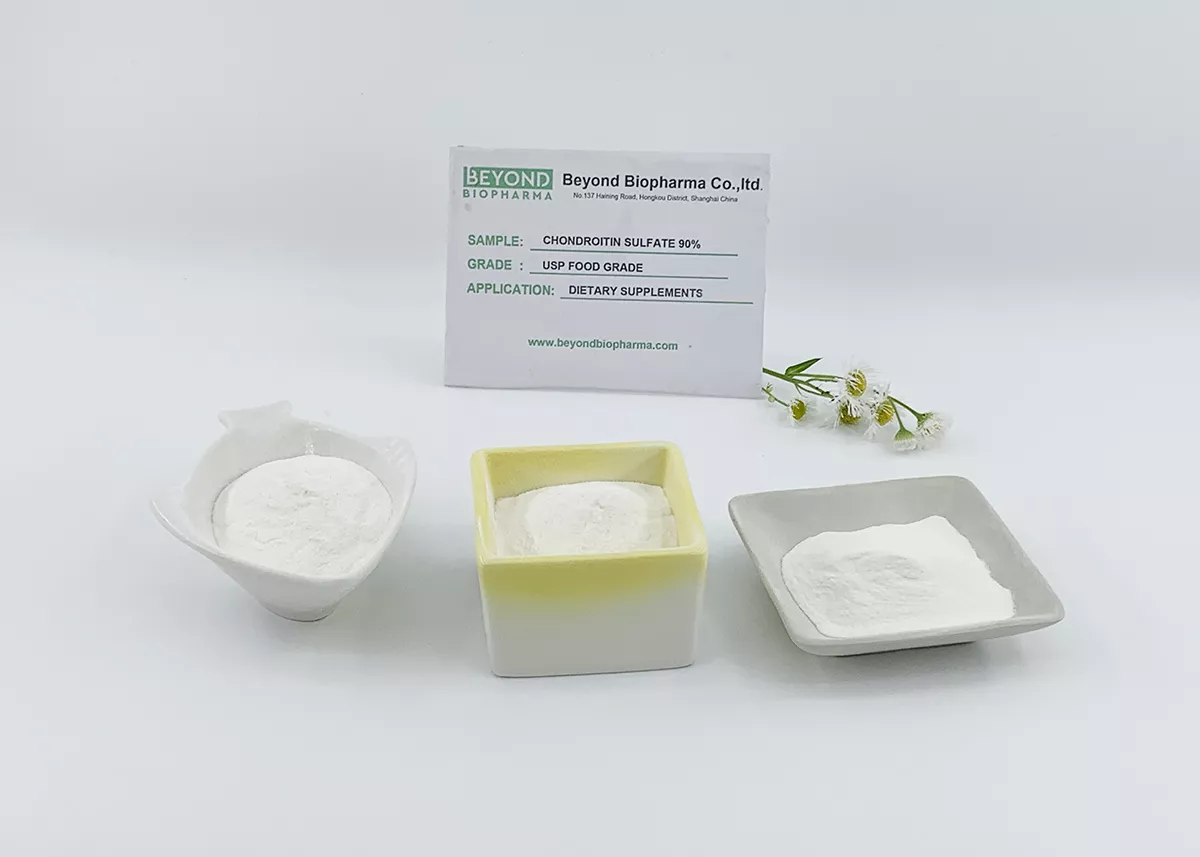
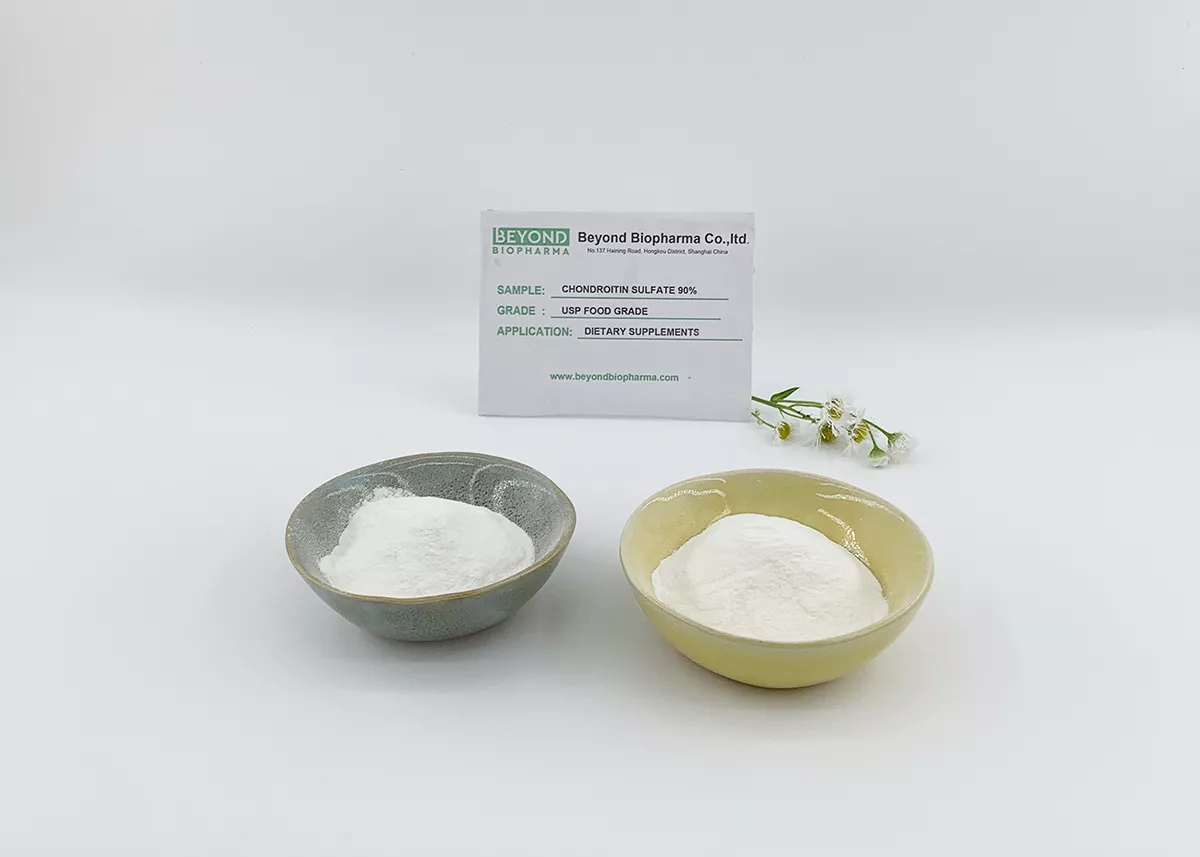
High Purity and Efficacy for Joint Health Formulations
20 years experiences, 5000 ton/year capacity, Sustained supply with stable quality
Stability, Swallowing Enhancement, and Controlled Release
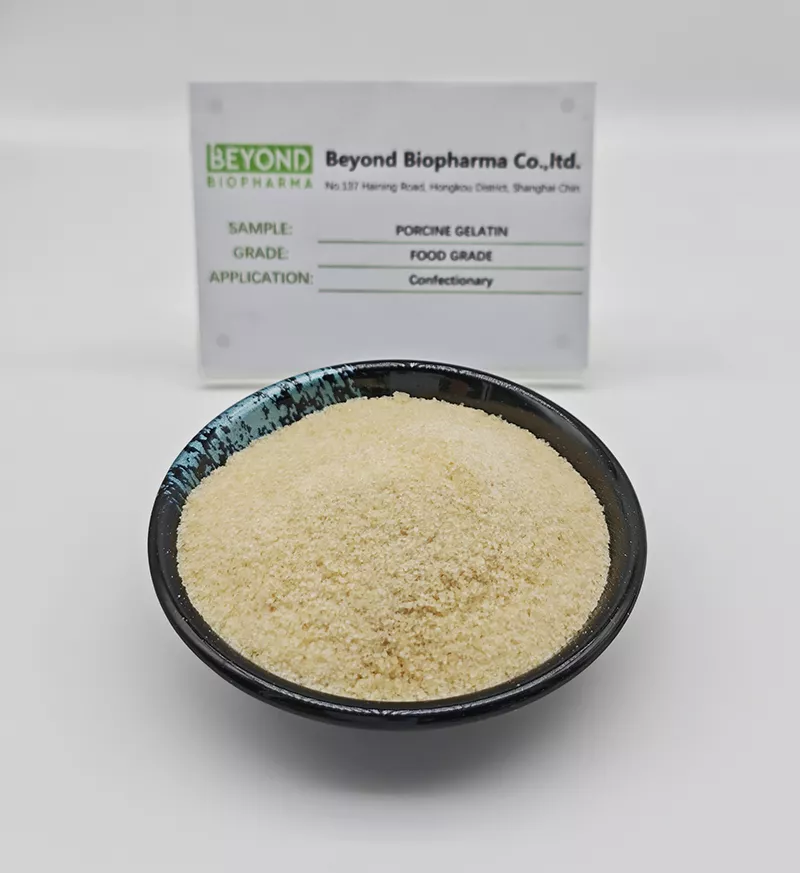
Food-grade porcine gelatin is a highly versatile and cost-effective natural protein derived from the collagen found in pig skin and bones. It is a premier gelling agent known for its exceptional clarity, neutral taste, and thermal reversibility.
Select the most popular foreign trade service products to meet your diverse needs
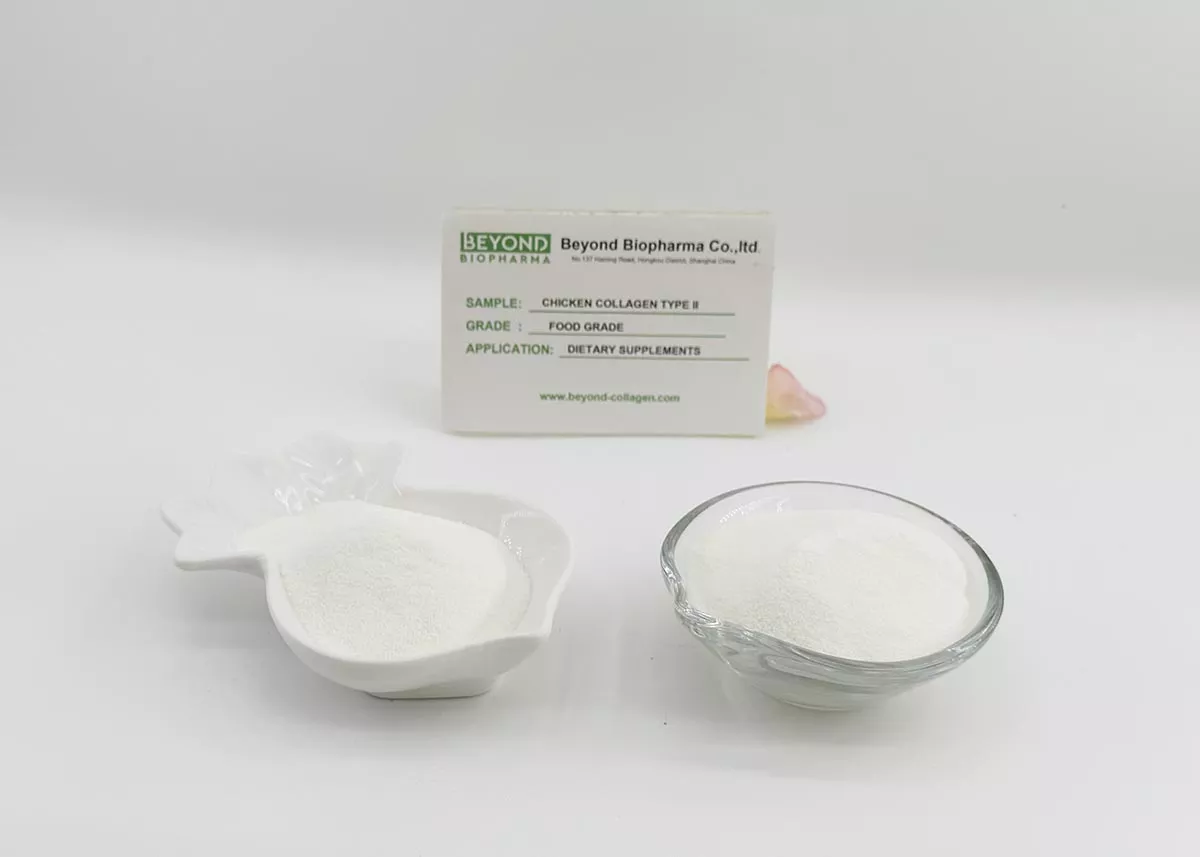
BEYOND BIOPHARMA is a specialized manufacturer of highly purified Hydrolyzed Collagen Type II. Through advanced enzymatic hydrolysis, we create low-molecular-weight collagen peptides that are highly bioavailable, offering foundational nutritional support for cartilage repair, joint function, and skin health. Our product is designed for rapid absorption and maximum efficacy in oral supplements.
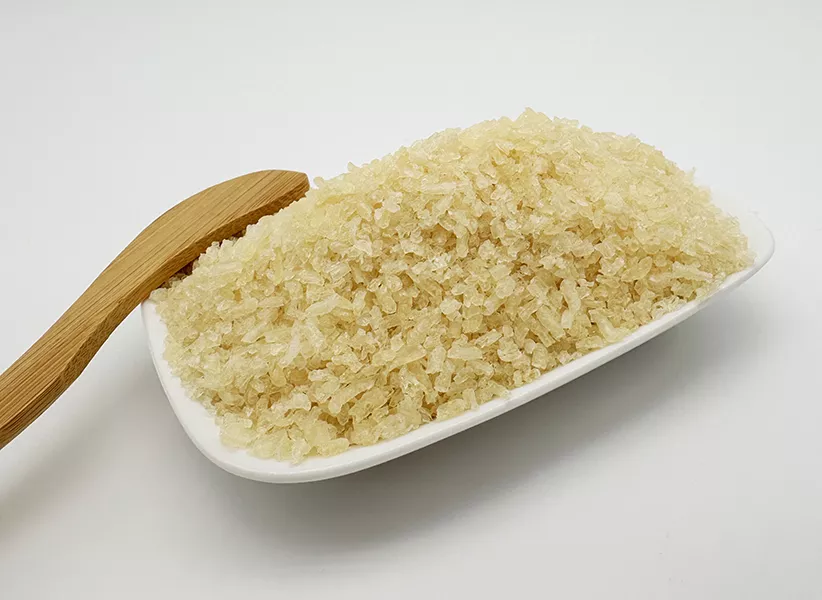
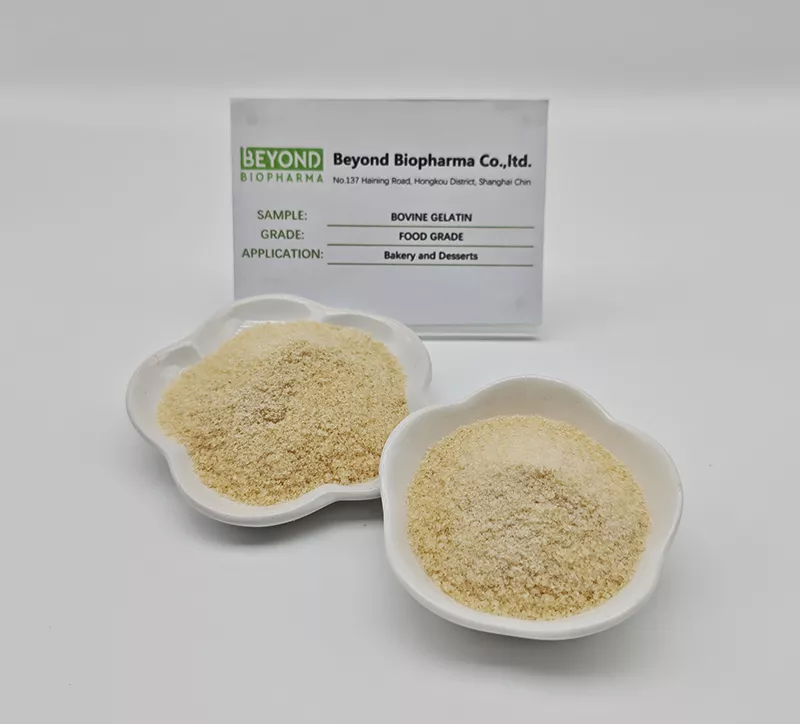
Our Bovine Hides Gelatin is engineered for versatility and compliance, ensuring performance across various applications.
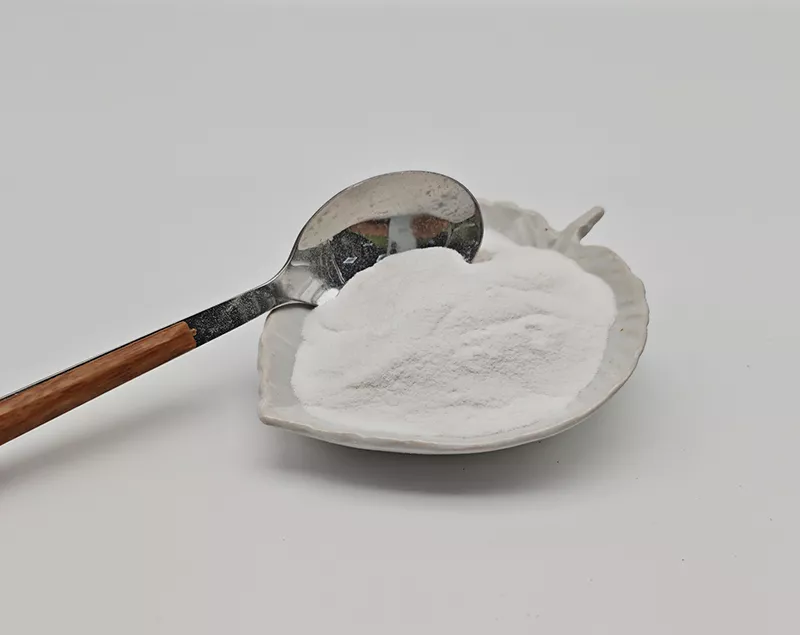
Fish Gelatin for foods is increasingly recognized as the premium alternative to traditional mammalian sources, meeting the growing global demand for clean-label ingredients that align with diverse dietary and religious requirements. Derived from the skin and scales of fish like cod and tilapia, fish gelatin offers unique functional benefits that make it an exceptional gelling, stabilizing, and texturizing agent.
Tel:+86 21 65010906
Cell/Whatsapp/Wechat:
+86 13482884055
+86 18657345785
Email: sales@beyondbiopharma.com





User Comments
Service Experience Sharing from Real Customers
Maya
Graphic DesignerAs a vegetarian, I was always nervous about ordering curries from restaurants. Discovering this brand's gelatin-free paneer tikka masala sauce was a game-changer! The texture is perfect, and I finally get that rich, authentic taste without the worry. My whole family loves it.
Leo
Mechanical EngineerHonestly, I never checked labels until my wife pointed out the gelatin issue in some ready-to-eat desserts. Tried their rasmalai specifically because it's plant-based. Taste is fantastic – creamy and not overly sweet. One point off because I wish the packaging was a bit bigger!
Chloe
Nursing StudentBetween classes and shifts, I rely on quick meals. Their frozen vegetable samosas being explicitly gelatin-free is a huge relief. They crisp up beautifully in the oven and have a really flavorful filling. It's nice to find a brand that respects dietary restrictions without compromising on taste.
Raj
Project ManagerMy team is diverse, with several colleagues avoiding gelatin for religious reasons. Ordered a variety of their lentil snacks and chutneys for a team lunch, and everything was a hit. The mango chutney has the perfect tang. It's great to have a trustworthy option for office gatherings.