 English EN


Top 5 Fish Collagen Powder Products to Try in 2026
Compare the top 5 fish collagen powder products for 2026 based on quality, certifications, sourcing, and effectiveness for skin and joint health.
More
For overseas buyers—whether you are a food-ingredient purchasing manager, a supplement brand R&D specialist, or a pharmaceutical excipient QA professional—sourcing bovine gelatine often comes with real pain points: batch-to-batch consistency, unpleasant odor or fishy smell, solubility challenges, certification barriers (Halal, Kosher, BSE-free), and the growing demand for allergen-free or vegan alternatives. Understanding what bovine gelatine is, how it works, and how to select the right grade can save time and reduce formulation risks.
Bovine gelatine is obtained through the partial hydrolysis of collagen, which is the main structural protein found in cattle hides and bones. The process typically involves acid or alkaline pretreatment, followed by hot water extraction, filtration, concentration, and drying. The result is a pure, protein-rich powder or sheet that forms a thermoreversible gel when dissolved in water.
The key performance parameters—bloom (gel strength), viscosity, and mesh size—are controlled during extraction. For example, high-bloom gelatine (200–260 g) is preferred for gummies and softgel capsules, while lower-bloom grades (50–150 g) suit dairy and confectionery applications. Enzymatic hydrolysis can further break down gelatine into collagen peptides, which have lower molecular weight (2,000–5,000 Da) and are cold-water soluble, making them ideal for sports nutrition and beauty supplements.
When evaluating bovine gelatine, buyers should review the Certificate of Analysis (COA) for the following common parameters. Note that these are typical industry ranges; final values per COA or sample may vary.
| Parameter | Typical Range (Industry Standard) | Common Application |
|---|---|---|
| Bloom (g) | 50–300 (pharma/gummies often 150–260) | Gummies, softgels, hard capsules |
| Viscosity (mPa·s) | 2.0–5.5 | Softgel shell, coating |
| Mesh Size | 8–60 | Direct compression, blending |
| Moisture (%) | ≤14 | All grades |
| Protein Content (%) | ≥90 (collagen peptides) | Sports nutrition, beauty |
| Molecular Weight (Da) | 2,000–5,000 (collagen peptides) | Absorption, solubility |
For plant protein peptides (e.g., pea, rice, soy), typical protein content is 80–90%, with molecular weight commonly below 5,000 Da and good solubility. The allergen profile depends on the source material.
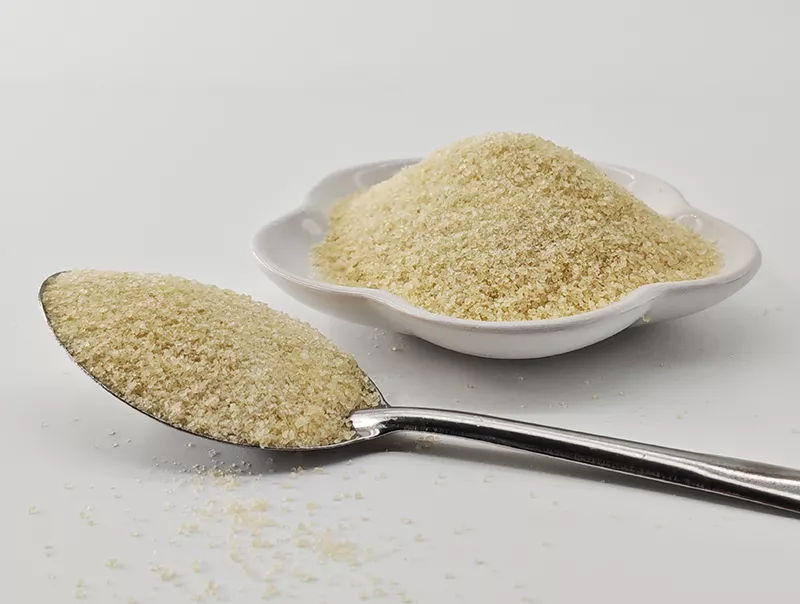
Bovine gelatine is compatible with a wide range of industries. Here is a breakdown of how different grades suit specific applications:
Beyond Biopharma is a Shanghai, China–based manufacturer specializing in collagen peptides, gelatin, and plant protein peptides. With over 10 years of experience in the food-ingredient industry, we export to more than 50 countries. Our facility has an annual capacity of approximately 3,000 MT for collagen and 5,000 MT for gelatin, supported by a fully automatic production line, GMP clean workshop, stainless-steel sealed piping, and automated temperature/pH control.
We hold ISO 9001 certification, are US FDA registered, and operate a GMP clean workshop. Select products carry Halal and Kosher certifications (e.g., fish gelatin). Our bovine bone gelatin is BSE-free. An in-house lab conducts heavy-metal and microbiological testing, and we have a dedicated QA/QC team. We offer three grades—food, pharmaceutical, and cosmetic—and provide free samples along with formulation and selection support.
Halal certification is critical for buyers in Muslim-majority markets or those catering to Halal-conscious consumers. Bovine gelatine can be Halal-certified if the cattle are slaughtered according to Islamic law and the processing equipment is free from non-Halal contamination. Beyond Biopharma offers select products with Halal certification, ensuring compliance with dietary requirements. Always request the current Halal certificate and audit report from your supplier to verify chain of custody.
Q1: Is bovine gelatine the same as collagen?
No. Bovine gelatine is partially hydrolyzed collagen, which retains gelling properties. Collagen peptides are more extensively hydrolyzed, resulting in lower molecular weight and cold-water solubility. Both are derived from the same raw material but serve different functional roles.
Q2: What is the difference between bovine and porcine gelatine?
The main difference is the source animal. Bovine gelatine comes from cattle, while porcine gelatine comes from pigs. Both have similar functional properties, but bovine gelatine is often preferred for Halal and Kosher applications, provided it is certified. Porcine gelatine may have a slightly different amino acid profile and gel strength.
Q3: Can bovine gelatine be used in vegan products?
No. Bovine gelatine is an animal-derived ingredient and is not suitable for vegan formulations. For plant-based alternatives, consider plant protein peptides (e.g., pea, rice, soy) or hydrocolloids like agar-agar and pectin.
Q4: How do I choose the right bloom for my application?
For gummies and softgels, a bloom of 200–260 g is typical. For dairy and confectionery, 100–180 g works well. Lower bloom (50–100 g) is used for stabilizing emulsions or as a binder. Always test a sample under your specific processing conditions.
Q5: Is bovine gelatine safe for people with beef allergies?
Bovine gelatine is highly purified and typically contains very low levels of allergenic proteins. However, individuals with a known beef allergy should consult their healthcare provider. For allergen-free options, consider fish gelatine or plant-based alternatives.
Q6: What certifications should I look for when sourcing bovine gelatine?
Key certifications include Halal, Kosher, BSE-free, ISO 9001, and GMP. For pharmaceutical applications, ensure compliance with USP/EP standards. Always request the latest COA and certification documents from your supplier.
If you are evaluating bovine gelatine for your next project, we invite you to contact Beyond Biopharma. Please provide your intended application, required grade (food, pharmaceutical, or cosmetic), estimated quantity or MOQ, target specifications (bloom, mesh, molecular weight, certifications), and destination country. Our team will send free samples and a competitive quote tailored to your needs.
Bovine gelatine remains a trusted ingredient across food, pharma, and nutraceutical sectors. With the right supplier, you can ensure consistent quality, reliable certifications, and cost-effective sourcing.

We provide you with comprehensive foreign trade solutions to help enterprises achieve global development
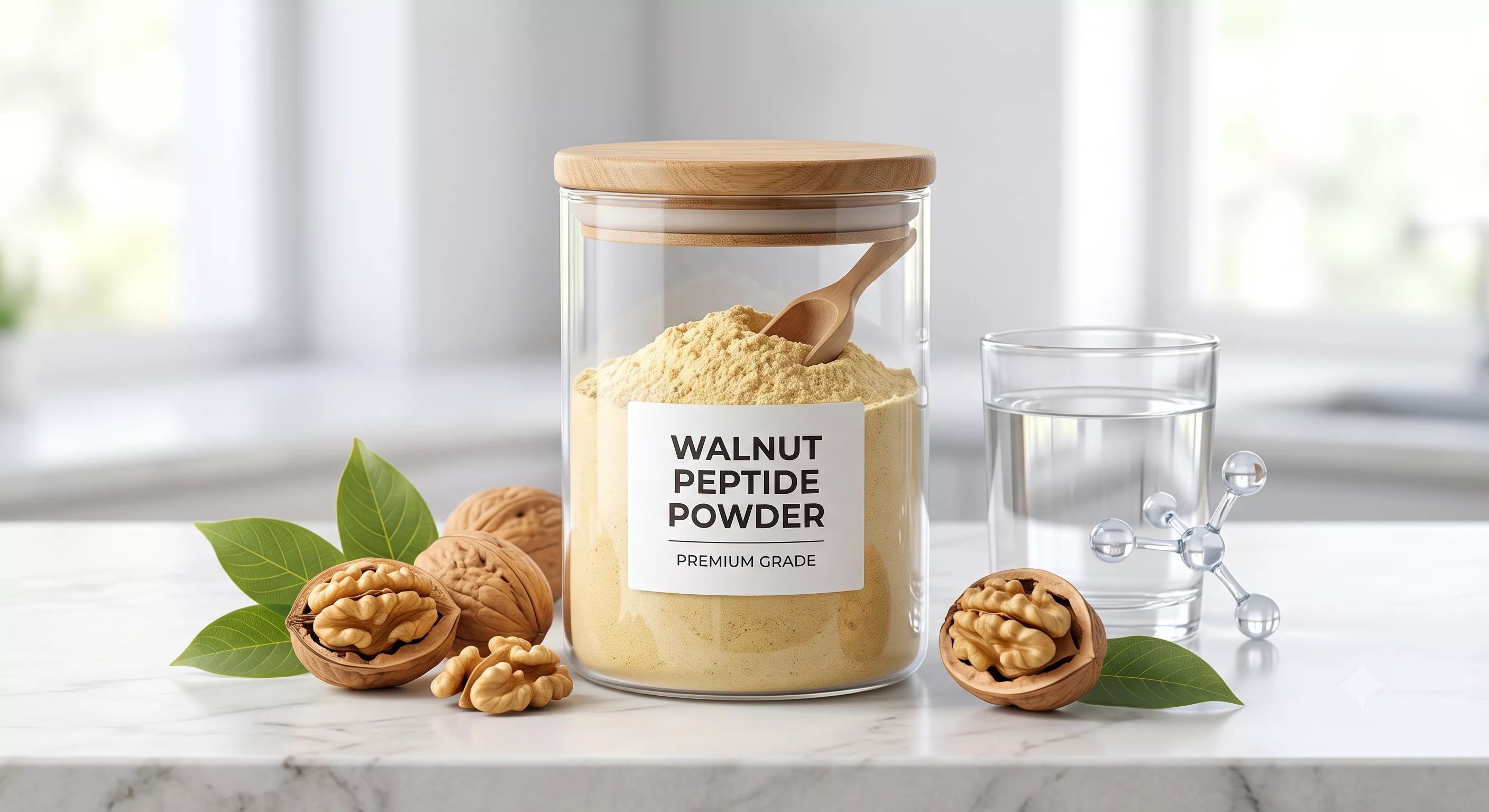
Source wholesale hydrolyzed walnut protein peptide powder in bulk. Over 85% low-molecular-weight oligopeptides rich in Glutamic Acid. Perfect for cognitive formulas and sleep aid supplements.
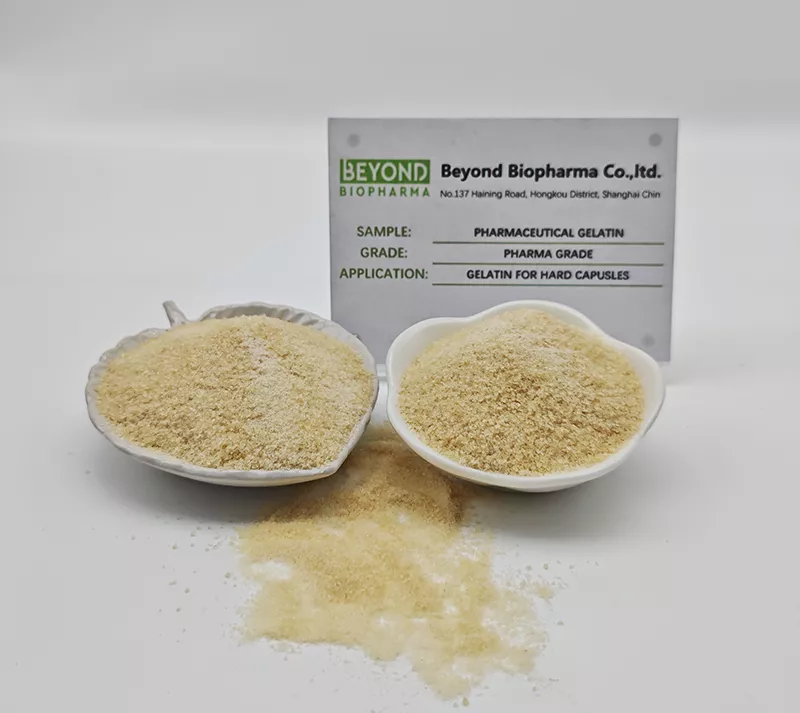
The high-strength and rapid-setting characteristics of Bovine Bone Gelatin ensure it forms a stable, uniform, and durable shell that preserves the integrity of the active pharmaceutical ingredient (API).
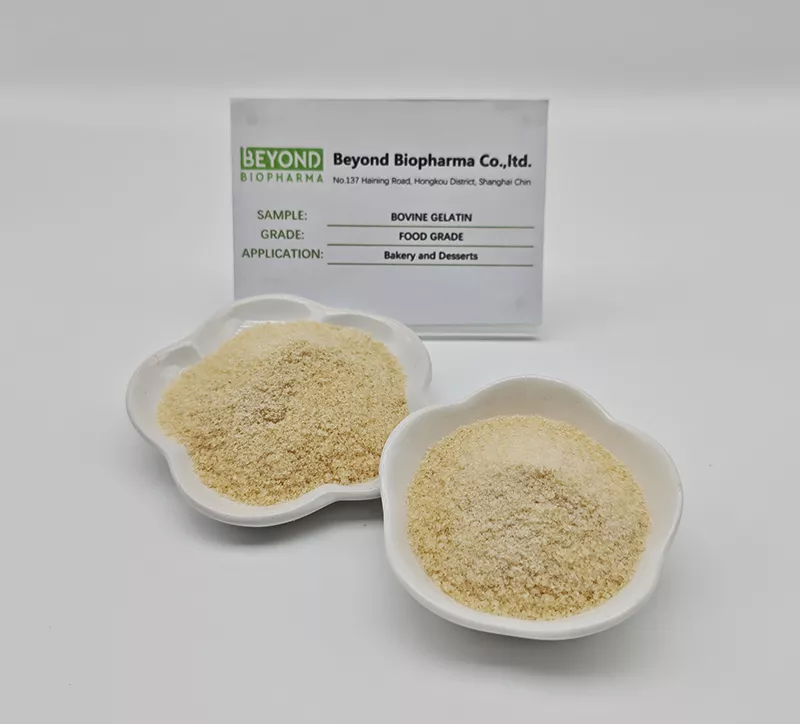
20 years experiences, 5000 ton/year capacity, Sustained supply with stable quality
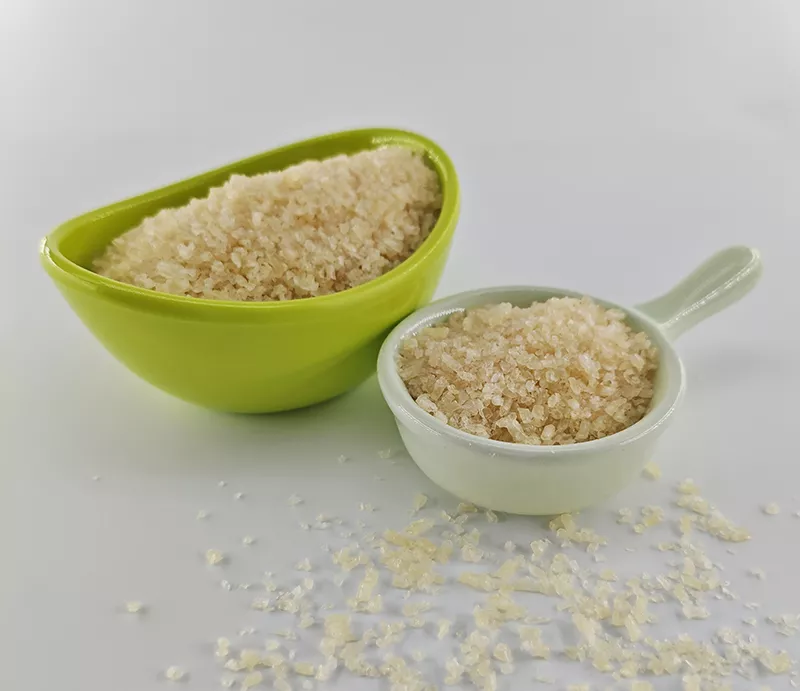
Stability, Swallowing Enhancement, and Controlled Release
Select the most popular foreign trade service products to meet your diverse needs
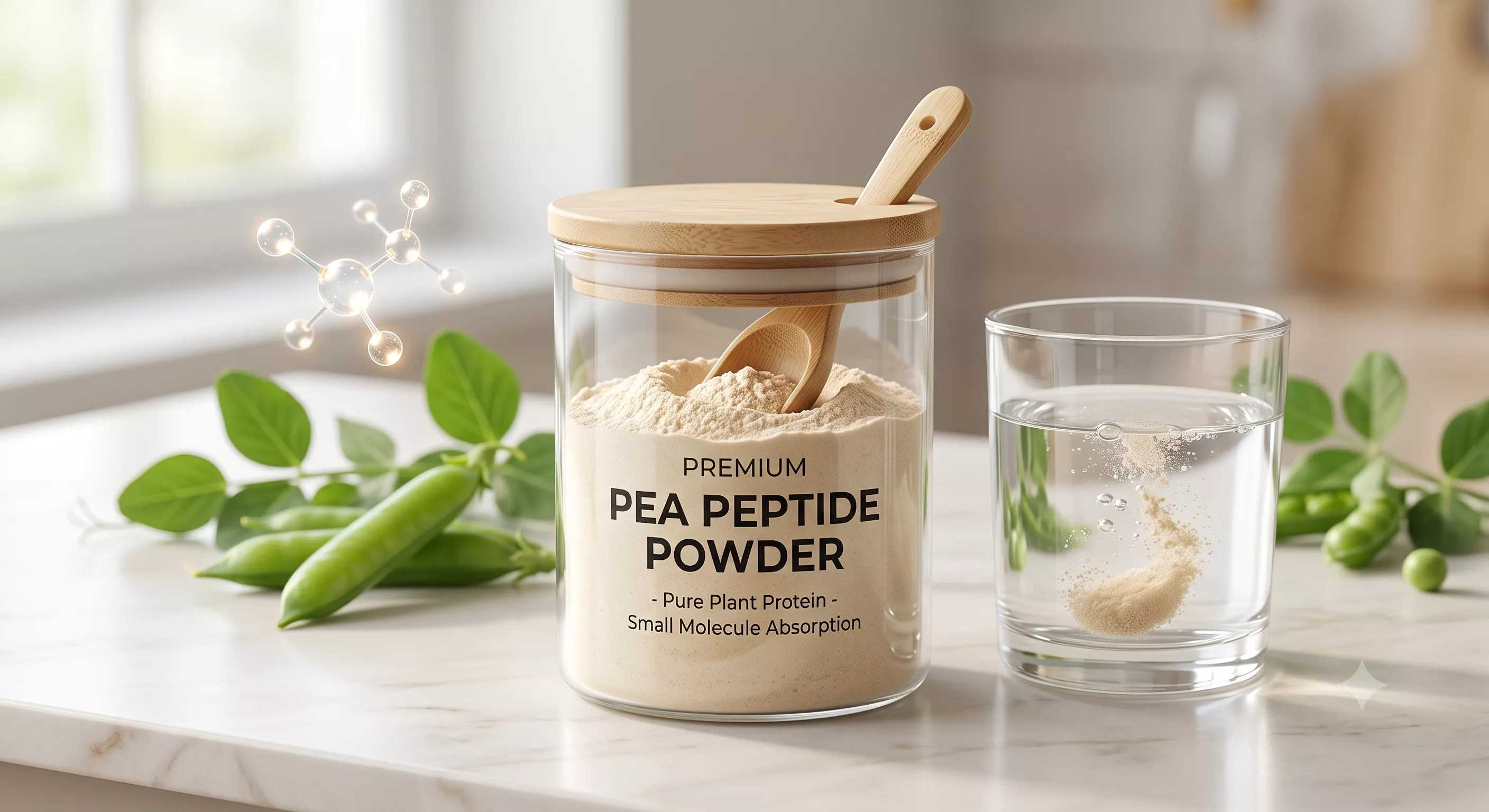
Source high-purity, hypoallergenic hydrolyzed pea peptide powder in bulk. Complete water solubility, rich in BCAAs, ideal for vegan recovery formulas.
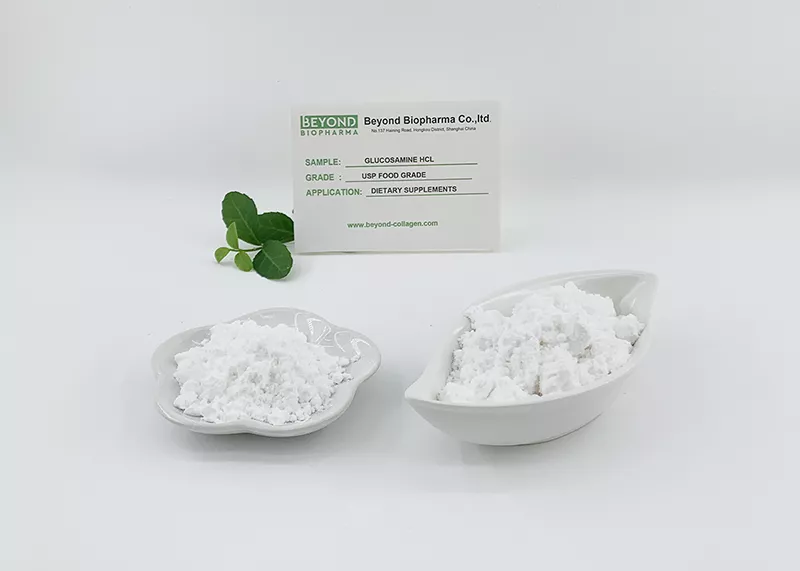
The Purest Plant-Based Joint Support Solution
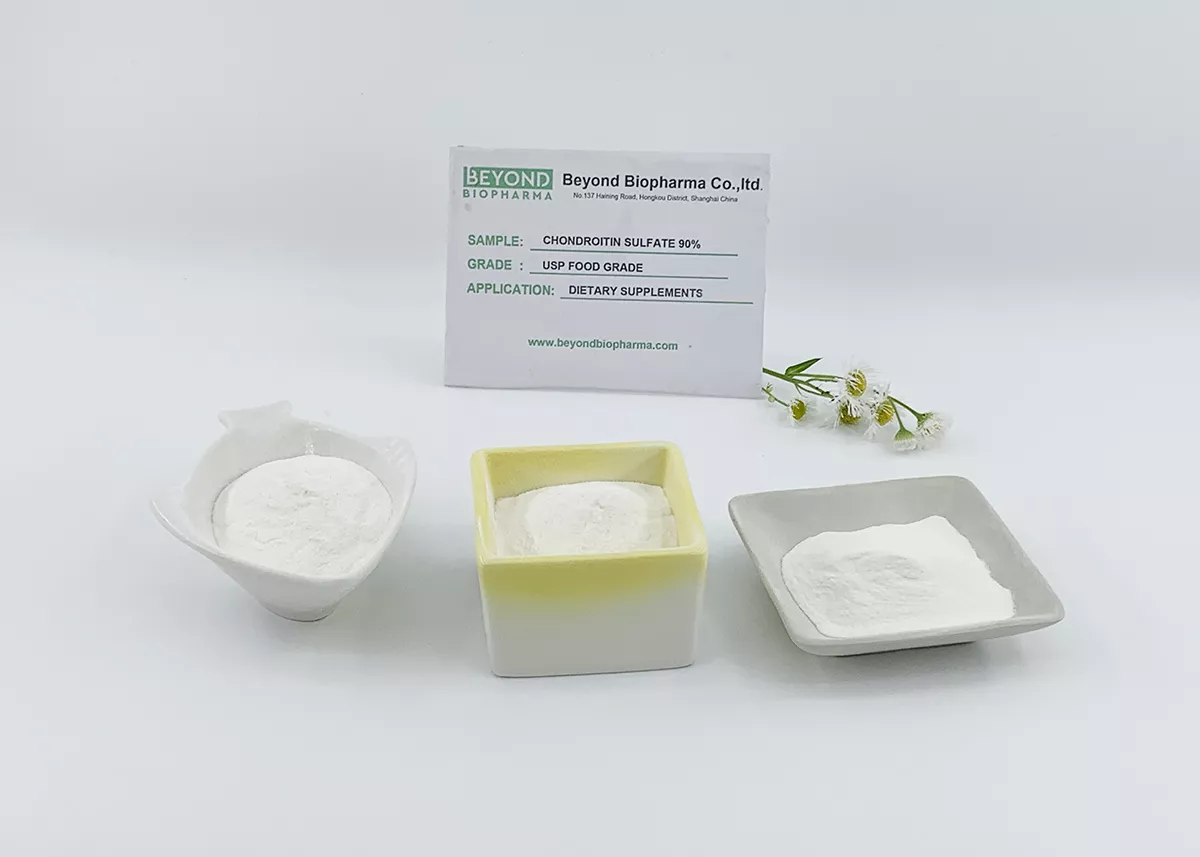
High Purity and Efficacy for Joint Health Formulations
Tel:+86 21 65010906
Cell/Whatsapp/Wechat:
+86 13482884055
+86 18657345785
Email: sales@beyondbiopharma.com





User Comments
Service Experience Sharing from Real Customers
Jack
Pastry ChefAs a pastry chef for over 15 years, I've tried countless gelatines. This bovine gelatine is a game-changer for my panna cottas and marshmallows. The bloom strength is consistently perfect, and it sets with a crystal-clear finish my customers love. No weird aftertaste like some cheaper brands. It's become my kitchen staple.
Jax
Fitness InstructorHonestly, I was skeptical about using gelatine for joint support, but my nutritionist recommended this. Been adding it to my morning smoothie for 3 months now. Not gonna lie, the recovery time after my intense workouts has improved noticeably. It dissolves pretty well if you blend it right. One star off because the packaging could be more resealable.
Jacqueline
Research ScientistWe use this bovine gelatine in our lab for capsule formulation studies. The purity and batch-to-batch consistency are exceptional, which is critical for reproducible results. The supplier's documentation is thorough, making regulatory compliance much smoother. It's a reliable, high-quality material that hasn't let us down.
Jackson
Home BakerStarted my small online cake biz during the pandemic. This gelatine holds up my intricate mirror glazes even in warmer weather—a lifesaver when shipping! My only gripe is I wish they sold smaller trial packs for folks like me just starting out. But the product itself? Absolutely top-notch and professional results.