 English EN


Bovine gelatin pros and cons everyone should know
Bovine gelatin offers strong gelling and health benefits but has dietary, ethical, and allergen concerns. Compare bovine gelatin to other gelatin options here.
More
If you are sourcing bovine gelatin for gummies, hard capsules, or softgel production, you have likely faced challenges like batch inconsistency, unpleasant odor, or difficulty meeting certification requirements. Bovine gelatin is a purified protein derived from bovine bones, hides, and connective tissues. It serves as a gelling, thickening, and stabilizing agent across food, pharmaceutical, and cosmetic industries. Understanding its source, processing, and performance characteristics helps buyers select the right grade for their specific application.
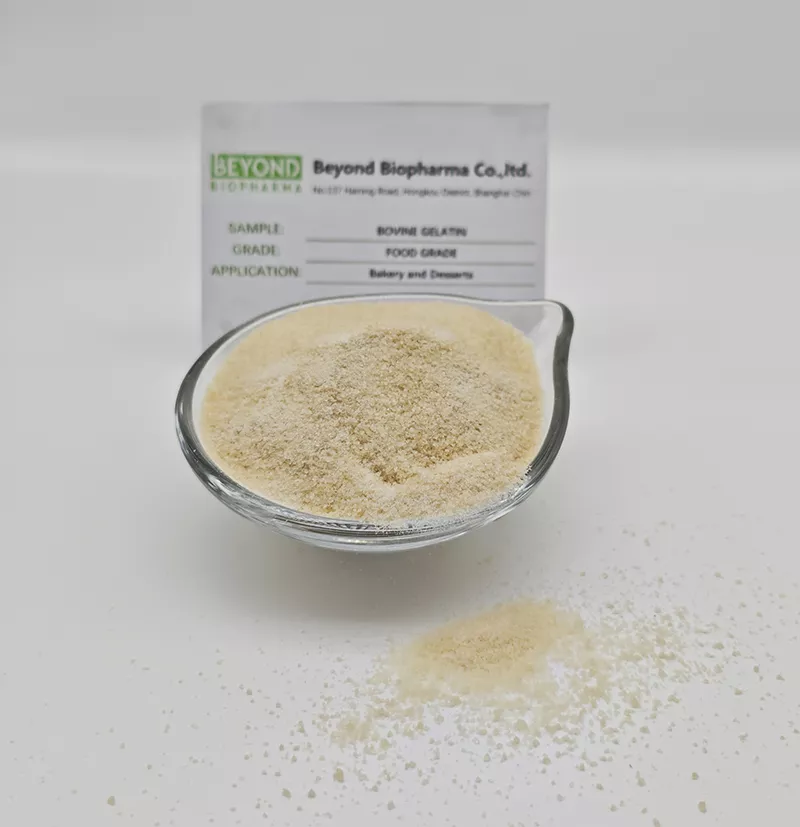
Bovine gelatin is extracted through a multi-step process that begins with raw bovine materials—typically bones or hides. These materials are cleaned, degreased, and treated with acid or alkali to break down collagen into gelatin. The extraction is carried out under controlled temperature and pH conditions, followed by filtration, concentration, sterilization, and drying. The result is a light-colored, odorless powder or sheet with defined gel strength (Bloom) and viscosity. Enzymatic hydrolysis can further break down gelatin into collagen peptides for improved solubility and absorption.
Buyers evaluate bovine gelatin based on several parameters. Below is a table of typical industry ranges. Note: final values should be confirmed per Certificate of Analysis (COA) or sample.
| Parameter | Typical Range (Industry Standard) | Common Application |
|---|---|---|
| Bloom (gel strength) | 50–300 g | Pharma/gummies: 150–260 Bloom |
| Viscosity | 2.0–5.5 mPa·s | Softgels: higher viscosity preferred |
| Mesh size | 8–60 mesh | Food grade: 20–40 mesh common |
| Moisture content | ≤14% | All grades |
| Protein content | ≥90% | Collagen peptides |
Typical industry range; final values per COA / sample.
Bovine gelatin is versatile and used across multiple industries. Here is a breakdown by sector:
Beyond Biopharma is a Shanghai-based manufacturer with over 10 years of experience in the food-ingredient industry. Our products are exported to more than 50 countries. We operate a fully automatic production line with GMP clean workshops, stainless-steel sealed piping, and automated temperature/pH control. Our annual capacity is approximately 3,000 MT for collagen and 5,000 MT for gelatin. We hold ISO 9001, US FDA registration, and select products carry Halal or Kosher certification. Our bovine bone gelatin is BSE-free. An in-house lab conducts heavy-metal and microbiological testing, supported by a dedicated QA/QC team. We offer free samples and formulation support across food, pharmaceutical, and cosmetic grades.
1. Is bovine gelatin the same as collagen? No. Bovine gelatin is partially hydrolyzed collagen. Collagen peptides are more fully hydrolyzed, resulting in lower molecular weight and cold-water solubility. Gelatin retains gelling properties, while collagen peptides dissolve easily and are absorbed faster.
2. What Bloom value do I need for gummy production? For standard gummies, a Bloom of 200–260 is typical. Higher Bloom gives firmer texture. For softgels, viscosity is more critical than Bloom. Always test with your specific formulation.
3. Is bovine gelatin halal or kosher certified? Yes. Beyond Biopharma offers select bovine gelatin products with Halal and Kosher certification. Please specify your certification requirements when requesting a quote.
4. Can bovine gelatin be used in vegan products? No, bovine gelatin is animal-derived. For vegan formulations, consider plant protein peptides such as pea or rice protein hydrolysates, which Beyond Biopharma supplies.
5. What is the typical molecular weight of bovine collagen peptides? Industry range is 2,000–5,000 Da. Fish collagen peptides tend to be lower (around 2,000 Da) for faster absorption. Bovine collagen peptides are typically in the 3,000–5,000 Da range.
6. How do I ensure batch consistency? Request a COA for each batch. Look for consistent Bloom, viscosity, and microbiological specs. Beyond Biopharma uses automated production and in-house testing to maintain tight tolerances.
To receive free samples and a tailored quotation, please provide the following details: your intended application (food, pharmaceutical, or cosmetic), required grade, target specifications (Bloom, mesh, molecular weight, certifications), estimated quantity or MOQ, and destination country. Contact Beyond Biopharma to discuss your bovine gelatin sourcing needs. Our team is ready to support your formulation and supply chain requirements.

We provide you with comprehensive foreign trade solutions to help enterprises achieve global development
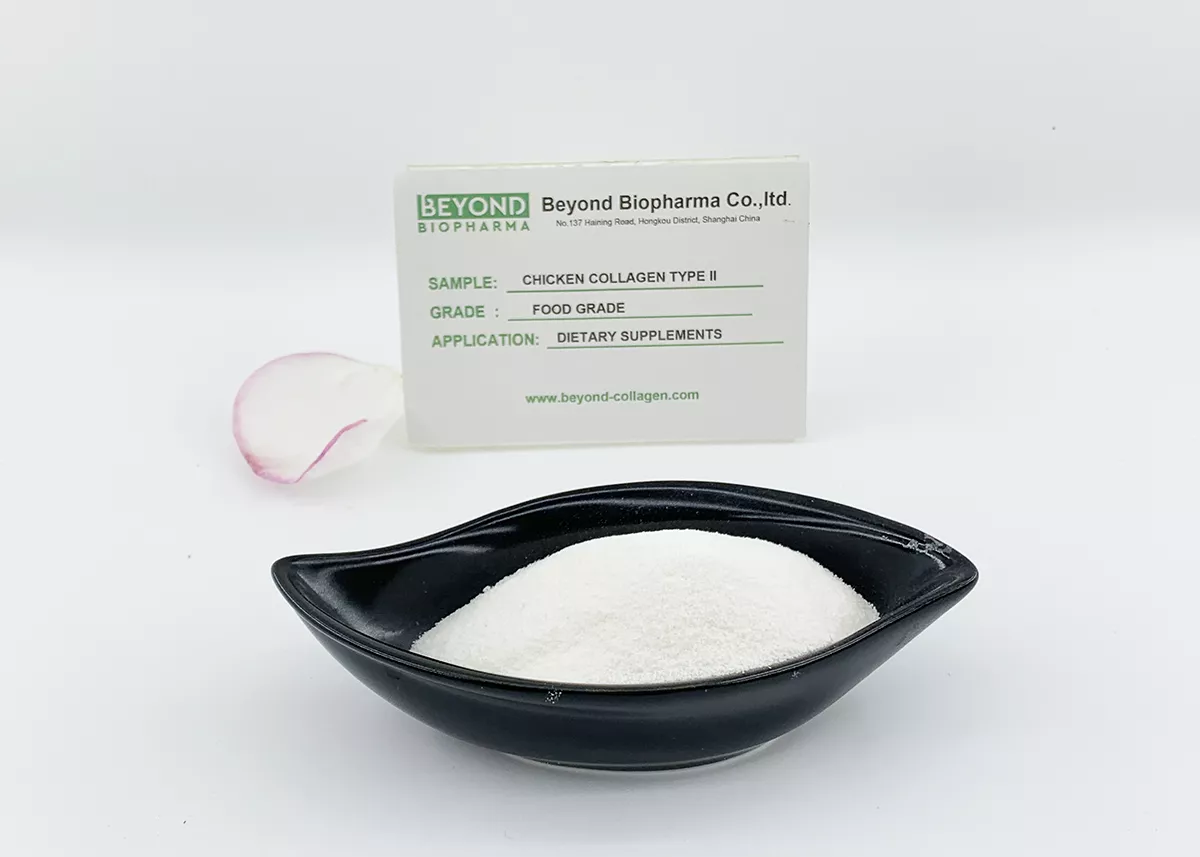
BEYOND BIOPHARMA is a specialized manufacturer of high-quality Undenatured Collagen Type II. Utilizing low-temperature, non-enzymatic extraction methods, our Undenatured Collagen Type II retains its native, triple-helix structure, essential for modulating the immune system's response to joint health and providing superior support for mobility, flexibility, and overall joint comfort.
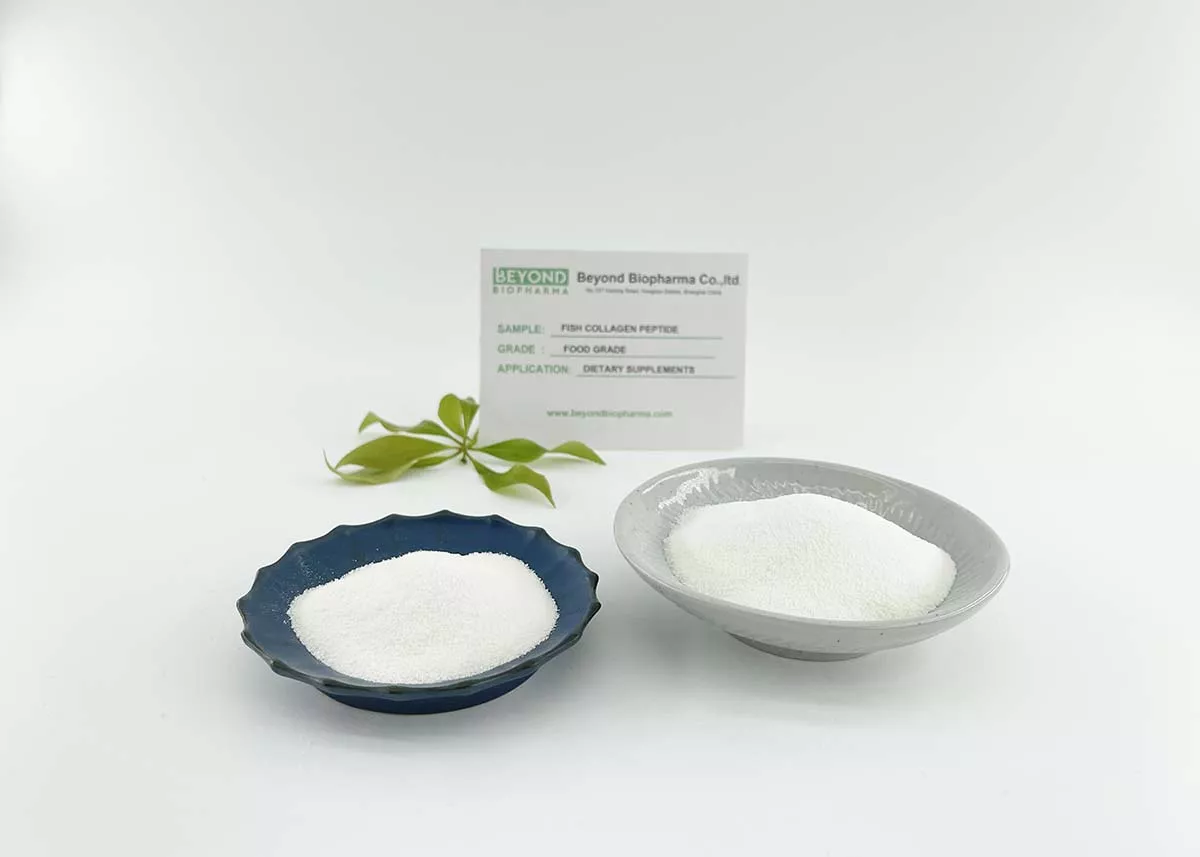
Premium marine-sourced collagen peptides with >90% protein content and low molecular weight (1000-3000 Da) for superior bioavailability. Sustainably sourced, neutral taste, and fully soluble—ideal for nutricosmetics and functional foods.
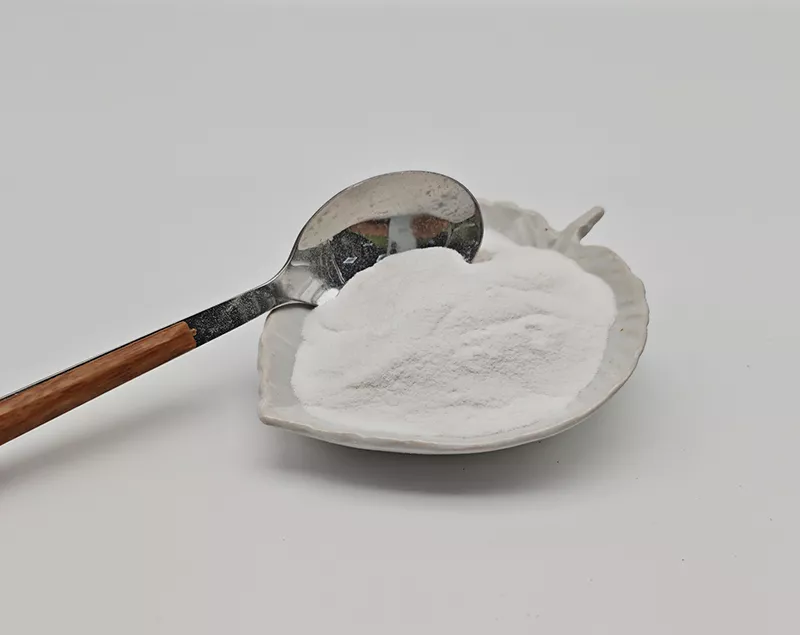
Fish Gelatin for foods is increasingly recognized as the premium alternative to traditional mammalian sources, meeting the growing global demand for clean-label ingredients that align with diverse dietary and religious requirements. Derived from the skin and scales of fish like cod and tilapia, fish gelatin offers unique functional benefits that make it an exceptional gelling, stabilizing, and texturizing agent.
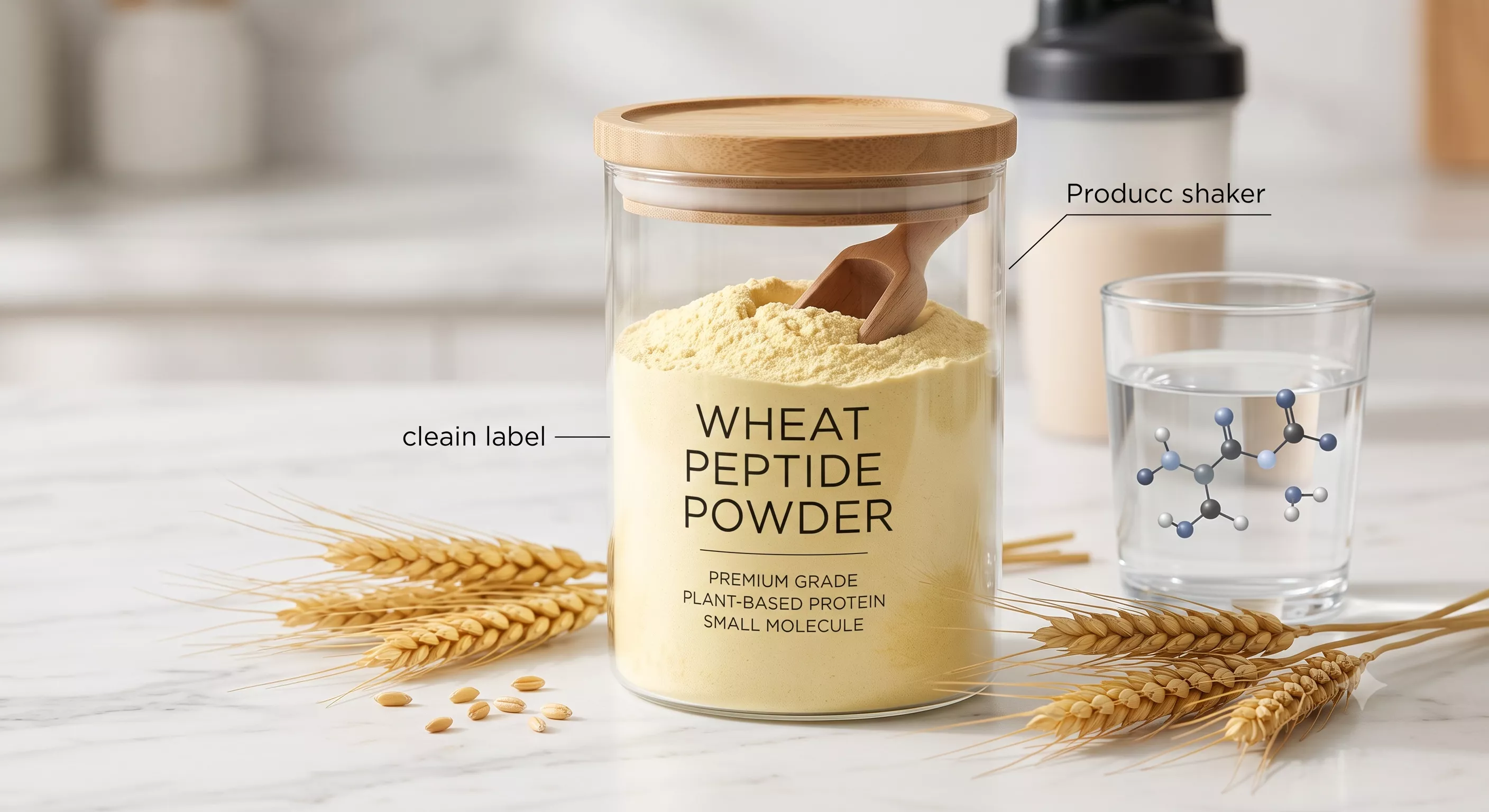
Source ultra-pure, high-solubility wholesale hydrolyzed wheat gluten peptide in bulk. Rich in plant-bound Glutamine ($\ge 25\%$) for muscle recovery and gut barrier health.
Select the most popular foreign trade service products to meet your diverse needs
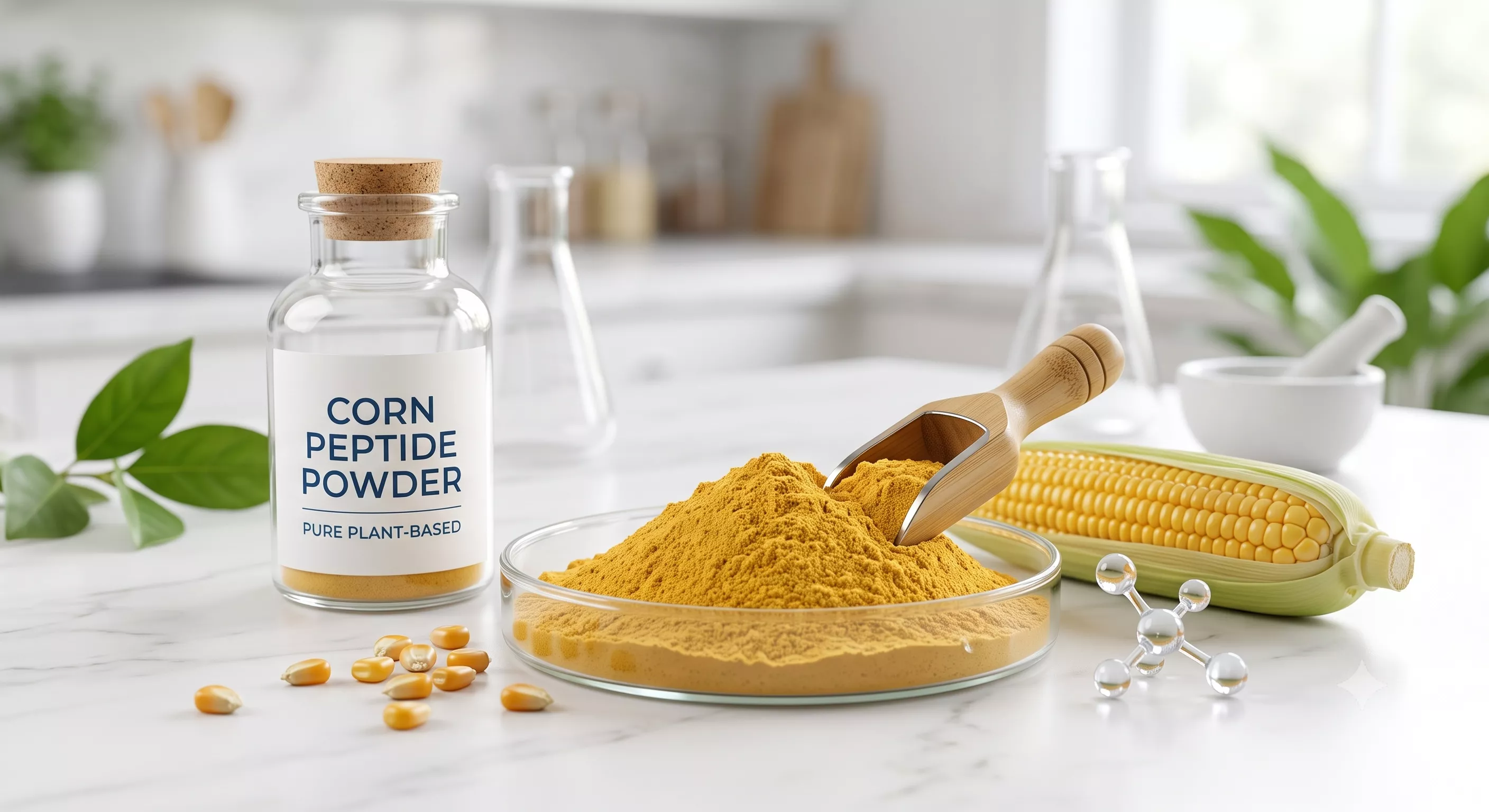
Source high-purity wholesale hydrolyzed corn protein peptide powder in bulk. Over 85% oligopeptides under 1000 Da. Rich in Alanine and Leucine for liver support and sobriety formulas.
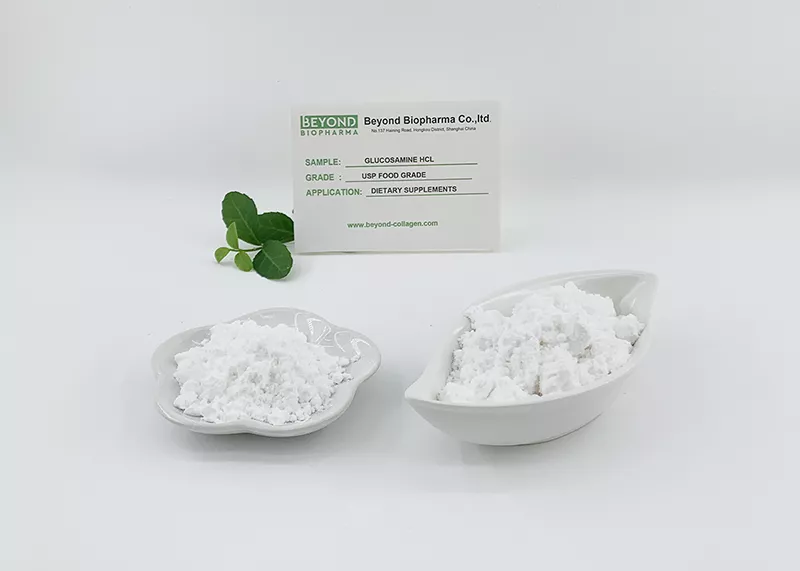
The Purest Plant-Based Joint Support Solution
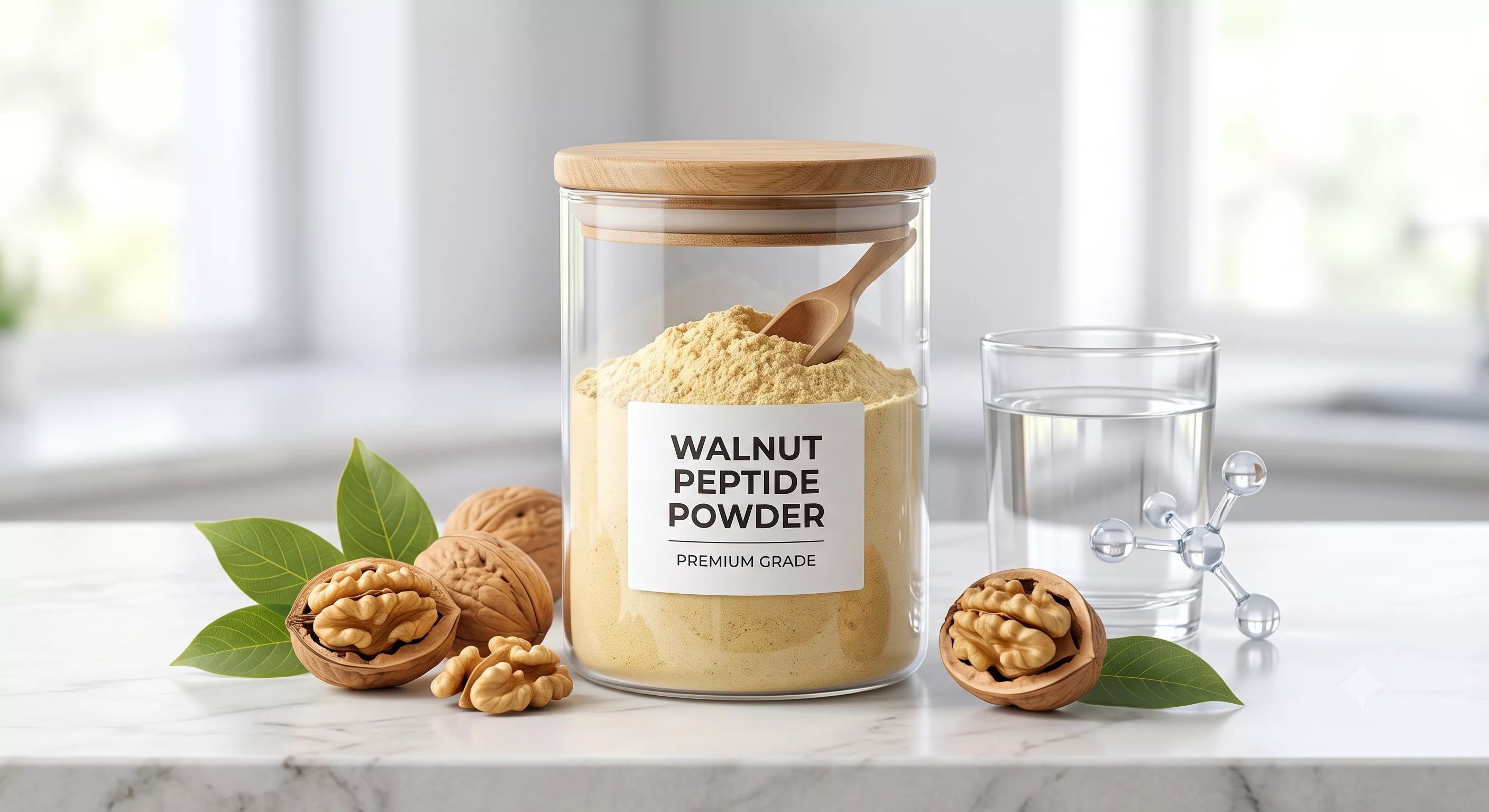
Source wholesale hydrolyzed walnut protein peptide powder in bulk. Over 85% low-molecular-weight oligopeptides rich in Glutamic Acid. Perfect for cognitive formulas and sleep aid supplements.
Tel:+86 21 65010906
Cell/Whatsapp/Wechat:
+86 13482884055
+86 18657345785
Email: sales@beyondbiopharma.com





User Comments
Service Experience Sharing from Real Customers
Megan
Pastry ChefAs someone who's worked in kitchens for 15 years, I'm picky about ingredients. This bovine gelatin sets perfectly every time—no weird aftertaste. My panna cottas have never been smoother. The consistency batch-to-batch is what keeps me ordering.
Leo
Biomedical Research AssistantUsed this for coating cell culture plates in our lab. The clarity and low endotoxin levels are crucial for our assays. It's reliable where cheaper gelatins failed us. Honestly a game-changer for reproducibility in our stem cell work.
Chloe
Home Baker & BloggerI was skeptical at first because I usually use plant-based, but wow—this makes my marshmallows so pillowy! The texture is just different (in a good way). My kids noticed the gummy bears were less 'rubbery' too. Will keep using for special treats.
Raj
Pharmaceutical Quality ControlWe source this for capsule production. The certification documents are thorough, and the particle size distribution is consistently within spec. Takes one headache off my plate—vendors who don't cut corners are rare. Two thumbs up from our QA team.