 English EN


Bovine gelatin pros and cons everyone should know
Bovine gelatin offers strong gelling and health benefits but has dietary, ethical, and allergen concerns. Compare bovine gelatin to other gelatin options here.
More
Sourcing bovine gelatin with consistent bloom, low odor, and proper halal certification can be a challenge for overseas buyers. This guide explains what bovine gelatin is, how it is produced, its typical specifications, and how to verify its halal status. Whether you are a food-ingredient purchasing manager, supplement R&D professional, or pharmaceutical excipient buyer, you will find practical selection advice and a clear path to requesting samples from Beyond Biopharma, a Shanghai-based manufacturer with over 10 years of export experience.
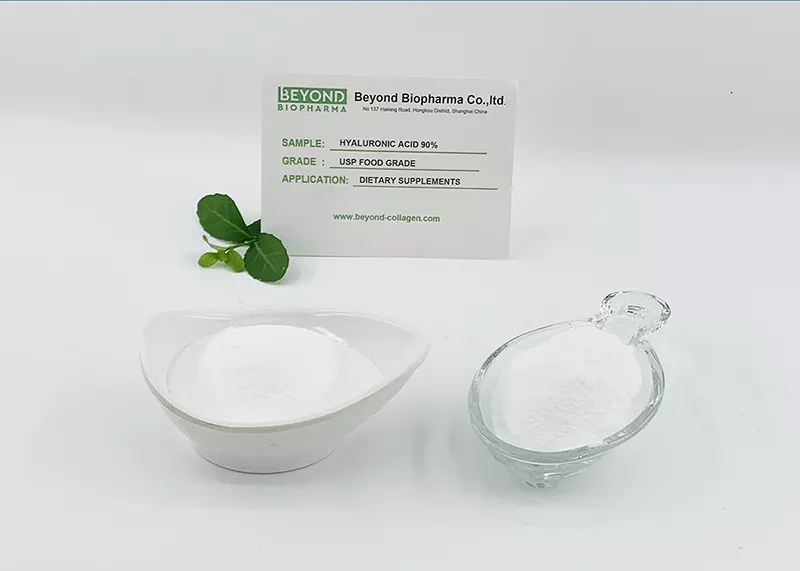
Bovine gelatin is a natural protein derived from the collagen found in cow hides, bones, and connective tissues. It is produced through a controlled hydrolysis process that breaks down collagen into a water-soluble, gelling or non-gelling ingredient. Bovine gelatin is widely used in food, pharmaceutical, and nutraceutical applications because of its high gel strength, clarity, and neutral flavor profile. For buyers concerned with batch consistency and certification barriers, bovine gelatin offers a reliable alternative to porcine or fish sources, especially when halal or kosher verification is required.
The production of bovine gelatin involves several key steps. First, raw bovine materials are cleaned, degreased, and treated with acid or alkali to swell the collagen. This is followed by a hot-water extraction process that solubilizes the collagen into gelatin. The liquid is then filtered, concentrated, sterilized, and dried into powder or granules. Enzymatic hydrolysis can be used to produce lower-molecular-weight collagen peptides for faster absorption. At Beyond Biopharma, the entire process runs on a fully automatic production line with GMP clean workshops, stainless-steel sealed piping, and automated temperature and pH control, ensuring consistent quality and traceability.
Yes, bovine gelatin can be halal if it is sourced from animals slaughtered according to Islamic law and processed in a facility that maintains halal segregation. Many suppliers, including Beyond Biopharma, offer halal-certified bovine gelatin. The certification ensures that the raw materials are from halal-slaughtered cattle and that no cross-contamination occurs during processing. Always request a current halal certificate from your supplier and verify that the gelatin is BSE-free. Beyond Biopharma's bovine bone gelatin is BSE-free and carries halal certification for select products, making it suitable for Muslim-majority markets.
The table below lists common parameter ranges for edible and pharmaceutical bovine gelatin. These are typical industry ranges; final values should be confirmed per Certificate of Analysis (COA) or sample.
| Parameter | Typical Range (Industry Standard) |
|---|---|
| Bloom (gel strength) | 50–300 g (pharma/gummies often 150–260 Bloom) |
| Viscosity | 2.0–5.5 mPa·s |
| Mesh size | 8–60 mesh |
| Moisture | ≤14% |
| Protein content (collagen peptides) | ≥90% |
| Molecular weight (collagen peptides) | 2,000–5,000 Da (fish typically lower) |
Note: These are generic industry ranges. Always refer to the supplier's COA for exact values.
Bovine gelatin is versatile and used across multiple industries. Below is a selection guide by application.
For gummy candies, jellies, and desserts, choose an edible gelatin with a bloom of 200–260 g. This provides the desired chewy texture and clarity. Beyond Biopharma offers bovine, porcine, and fish options, including high-bloom bovine hide gelatin.
Hard capsules require a pharmaceutical gelatin with consistent viscosity and low impurities. For softgels, an ultra-high-viscosity gelatin is recommended. Beyond Biopharma's bovine bone gelatin is specifically designed for hard capsules and softgel shells.
Hydrolyzed bovine collagen peptides are popular in protein powders and joint supplements. For joint health formulations, consider undenatured collagen type II or combine with joint health ingredients like chondroitin, glucosamine, and hyaluronic acid.
Bovine collagen peptides with a molecular weight around 2,000–3,000 Da are often used in beauty supplements for skin elasticity and hydration. Fish collagen peptides are an alternative for faster absorption.
For allergen-free or vegan products, plant protein peptides from pea, rice, or soy are available. These offer good solubility and a clean label.
Beyond Biopharma is a Shanghai-based manufacturer with over 10 years of experience in the food-ingredient industry. Our products are exported to more than 50 countries. We operate a fully automatic production line with GMP clean workshops, stainless-steel sealed piping, and automated temperature and pH control. Our annual capacity is approximately 3,000 MT for collagen and 5,000 MT for gelatin. We hold ISO 9001 certification, are US FDA registered, and select products carry Halal and Kosher verification. Our bovine bone gelatin is BSE-free. An in-house lab conducts heavy-metal and microbiological testing, supported by a dedicated QA/QC team. We offer three grades: food, pharmaceutical, and cosmetic, and provide free samples along with formulation and selection support.
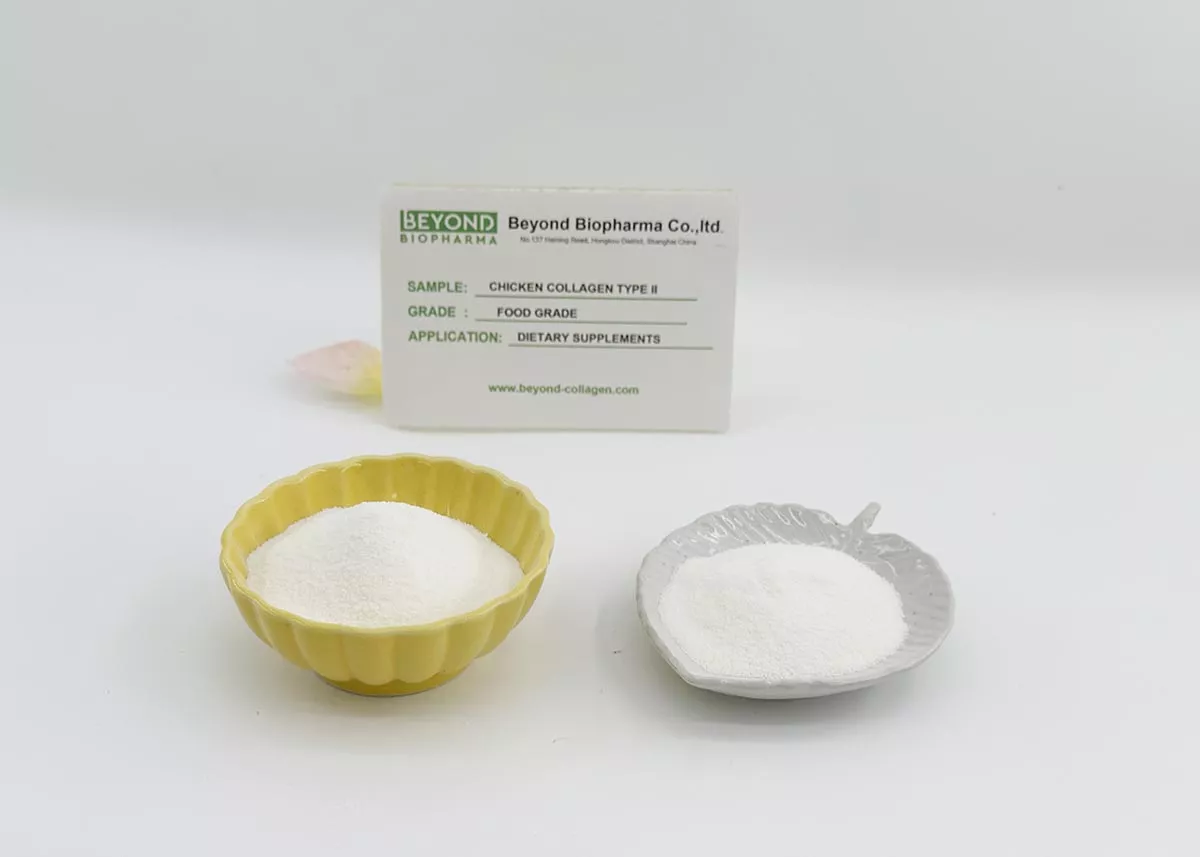
Yes, bovine gelatin and beef gelatin refer to the same product. Both are derived from cattle. The term "bovine" is more common in technical and pharmaceutical contexts.
Yes, if the gelatin is sourced from kosher-slaughtered cattle and processed in a kosher-certified facility. Beyond Biopharma offers kosher-verified options for select gelatin products.
Bovine gelatin comes from cows, while porcine gelatin comes from pigs. Bovine gelatin is often preferred in halal and kosher markets. Both can achieve similar bloom and viscosity, but bovine gelatin may have a slightly different melting point.
High-quality bovine gelatin has a neutral odor and taste. Low-quality gelatin may have a slight animal smell. Beyond Biopharma's gelatin undergoes strict processing to minimize odor, making it suitable for sensitive applications.
Look for ISO 9001, FDA registration, Halal, Kosher, and BSE-free certifications. These ensure quality, safety, and compliance with religious dietary laws. Always request current certificates from your supplier.
Store bovine gelatin in a cool, dry place away from direct sunlight and moisture. Keep the container sealed to prevent absorption of odors and humidity. Proper storage ensures a shelf life of up to 2 years.
If you are sourcing bovine gelatin for your food, pharmaceutical, or nutraceutical products, we invite you to contact Beyond Biopharma. Please provide your application, required grade (food, pharmaceutical, or cosmetic), estimated quantity or MOQ, target specifications (bloom, mesh, molecular weight, certifications), and destination country. We will send free samples and a competitive quote tailored to your needs. Our team is ready to support your formulation and selection process.
Bovine gelatin remains a trusted ingredient for gummies, capsules, sports nutrition, and beauty supplements. With the right supplier, you can ensure consistent quality, halal compliance, and reliable supply. Beyond Biopharma is committed to delivering high-quality bovine gelatin and related ingredients to buyers worldwide.

We provide you with comprehensive foreign trade solutions to help enterprises achieve global development
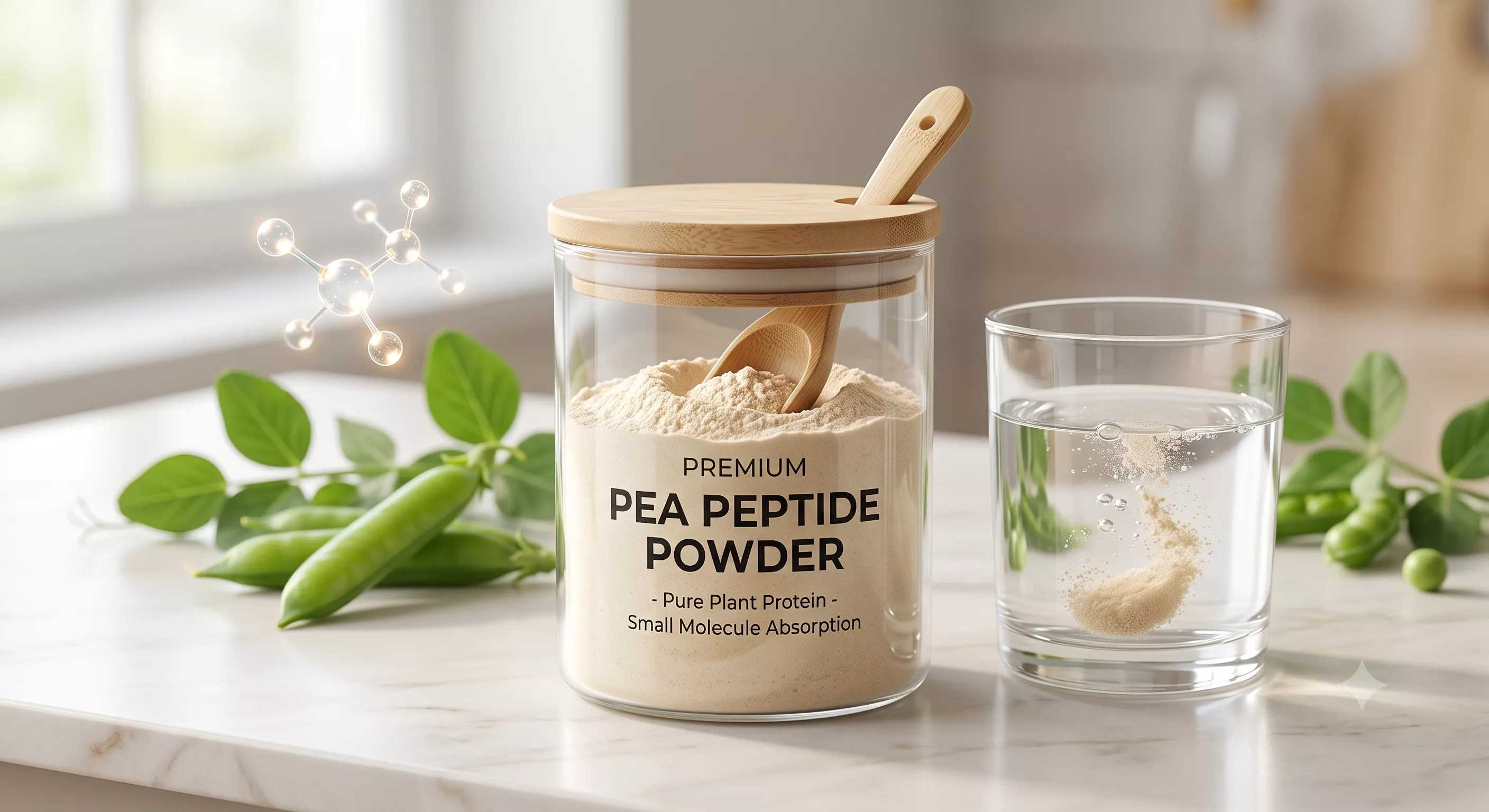
Source high-purity, hypoallergenic hydrolyzed pea peptide powder in bulk. Complete water solubility, rich in BCAAs, ideal for vegan recovery formulas.
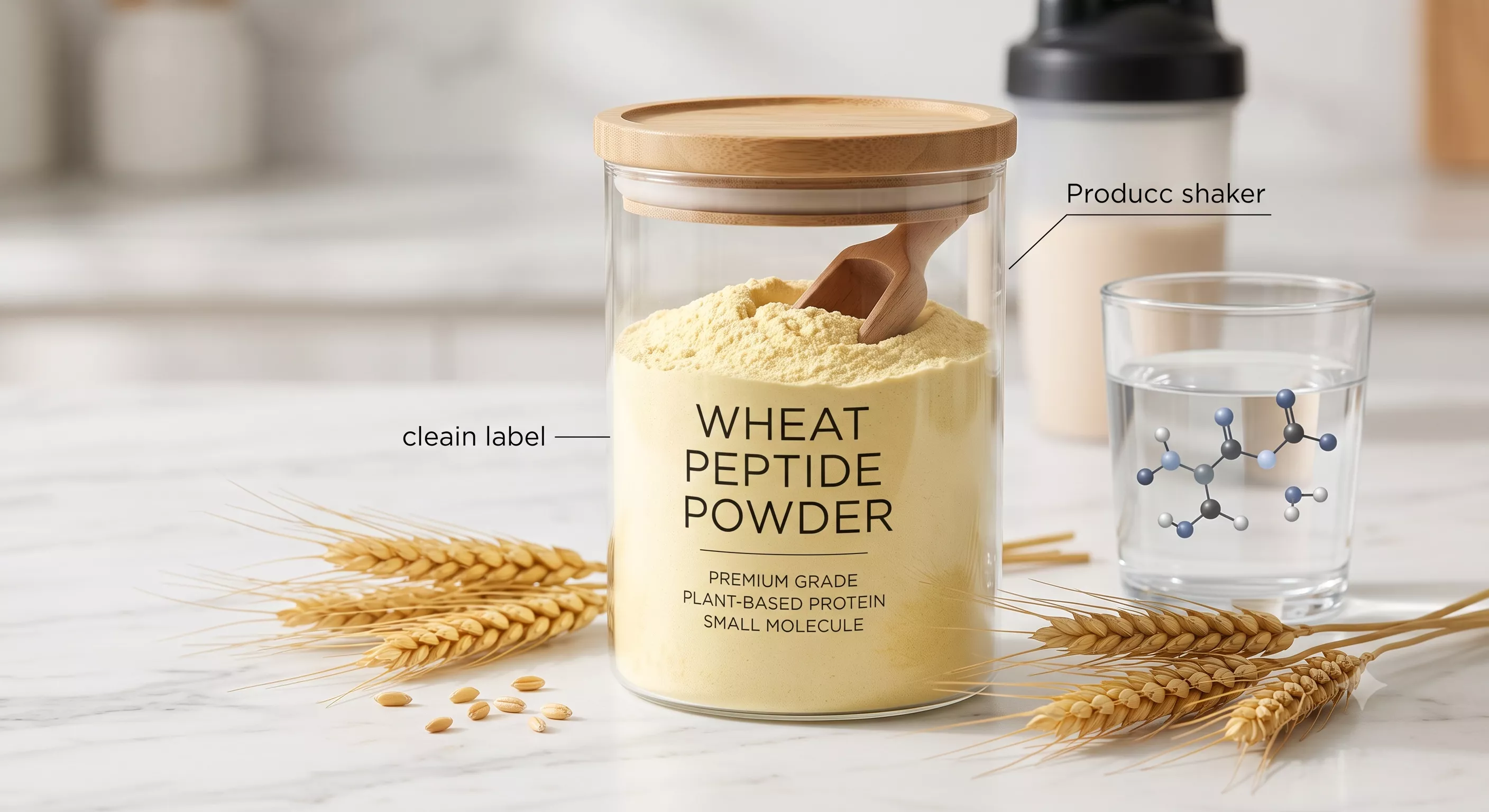
Source ultra-pure, high-solubility wholesale hydrolyzed wheat gluten peptide in bulk. Rich in plant-bound Glutamine ($\ge 25\%$) for muscle recovery and gut barrier health.
High Molecular Weight for Superior Joint, Skin, and Eye Health.
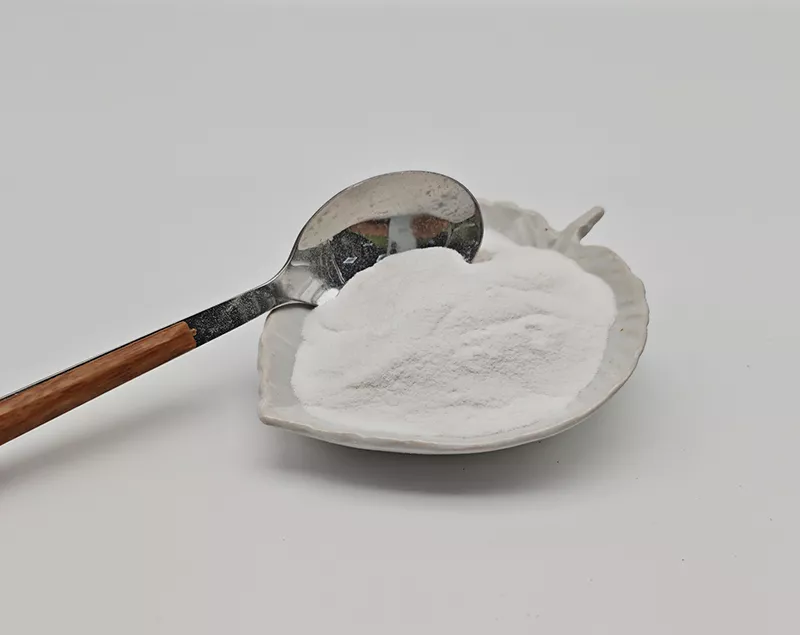
Fish Gelatin for foods is increasingly recognized as the premium alternative to traditional mammalian sources, meeting the growing global demand for clean-label ingredients that align with diverse dietary and religious requirements. Derived from the skin and scales of fish like cod and tilapia, fish gelatin offers unique functional benefits that make it an exceptional gelling, stabilizing, and texturizing agent.
Select the most popular foreign trade service products to meet your diverse needs
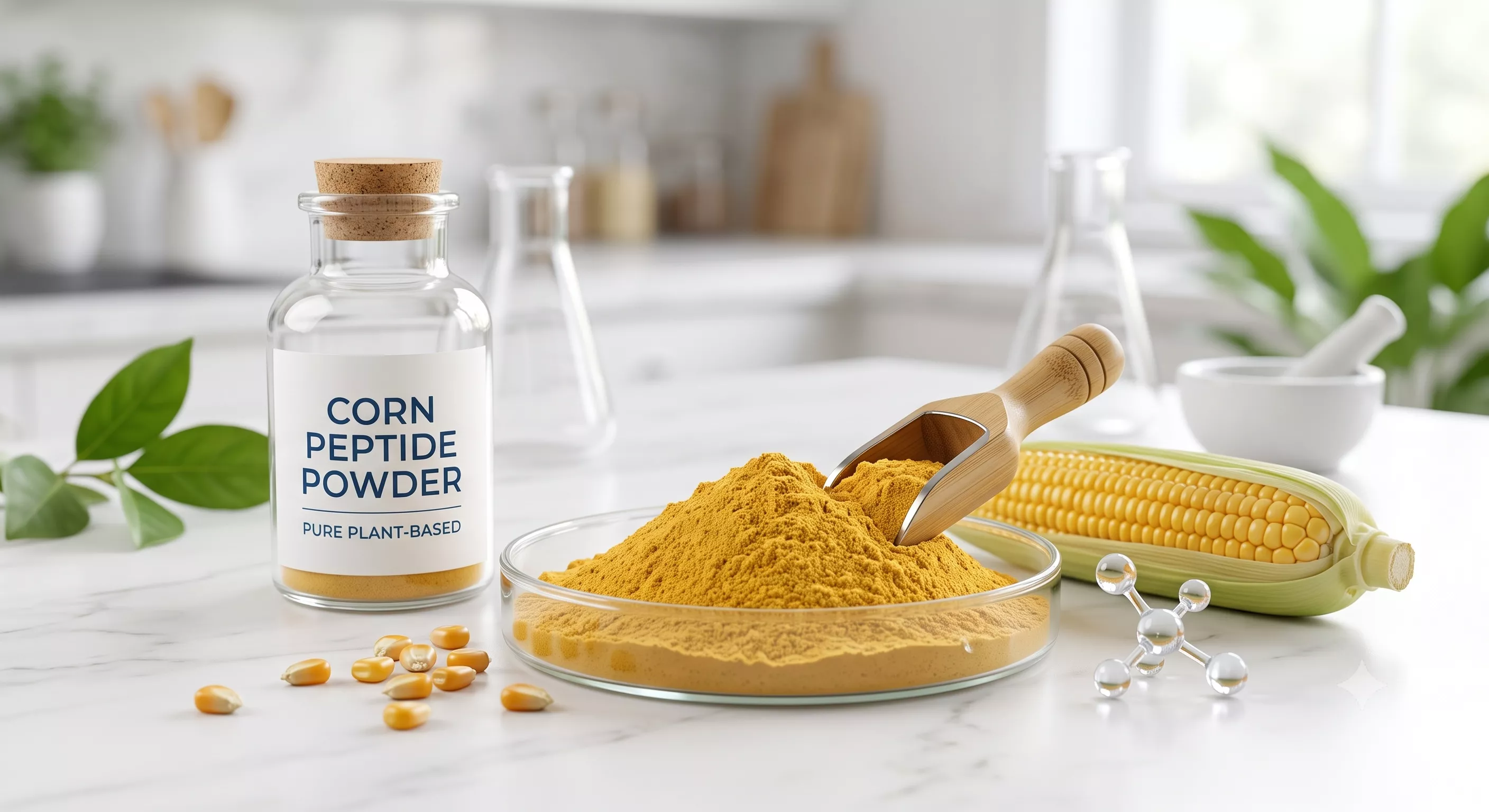
Source high-purity wholesale hydrolyzed corn protein peptide powder in bulk. Over 85% oligopeptides under 1000 Da. Rich in Alanine and Leucine for liver support and sobriety formulas.
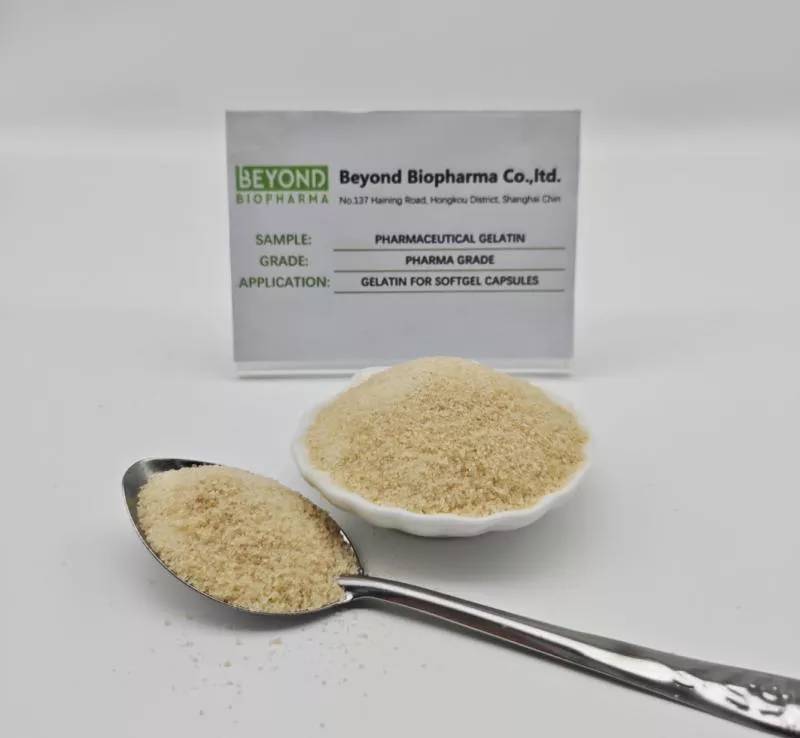
Softgel encapsulation demands a gelatin with unique physical attributes to perform optimally during the high-speed manufacturing process
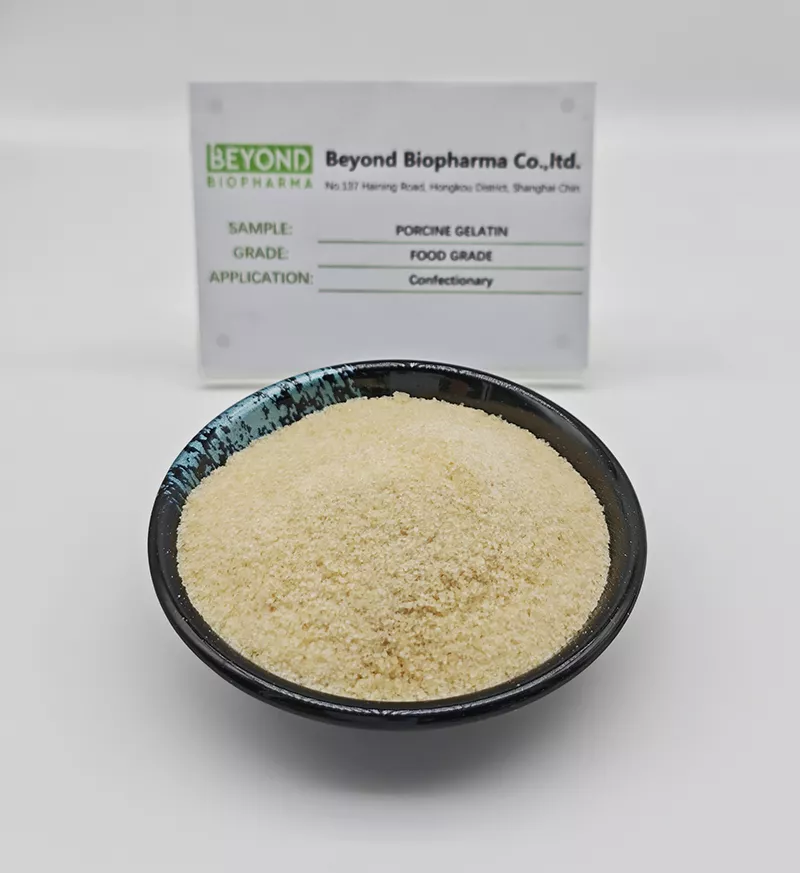
Food-grade porcine gelatin is a highly versatile and cost-effective natural protein derived from the collagen found in pig skin and bones. It is a premier gelling agent known for its exceptional clarity, neutral taste, and thermal reversibility.
Tel:+86 21 65010906
Cell/Whatsapp/Wechat:
+86 13482884055
+86 18657345785
Email: sales@beyondbiopharma.com





User Comments
Service Experience Sharing from Real Customers
Marcus
Food Safety AuditorAs someone who audits halal compliance for a living, I'm extremely picky about sourcing. This bovine gelatin is consistently traceable, with clear certification documentation. It's made our product development for the Middle Eastern market so much smoother. No questionable additives, just pure, reliable quality.
Sophie
Home Baker & BloggerFinally found a halal gelatin that actually sets my panna cotta properly! The texture is fantastic, and it dissolves without that weird smell some brands have. I did wish the packaging was a bit more resealable, but the product itself is a game-changer for my dessert recipes. My followers keep asking for the source!
Rashid
Pharmaceutical Lab TechnicianWe switched to this for our capsule production after a lengthy vetting process. The consistency batch-to-batch is impressive, which is critical for our QC. The halal certification is rock-solid and up-to-date. It's not just about compliance—it performs technically as well as any premium gelatin we've used.
Liam
Head ChefLook, I was skeptical at first because halal gelatin can sometimes be gritty. But this one? Perfectly clear consommés and stable mousses. Our Muslim diners appreciate the transparency, and honestly, it performs just as well as our previous non-halal supplier. Slightly pricier, but worth it for the inclusivity and quality.