What is Bovine Gelatine? Properties, Uses, and Benefits Explained
Article Summary: Bovine gelatine is a versatile protein derived from cattle bones and hides, widely used in food, pharmaceutical, and nutraceutical applications. This article explores its sourcing, key properties like bloom and viscosity, typical specifications, and selection guidance for buyers. We also address common sourcing challenges such as batch consistency and certification barriers, and explain how Beyond Biopharma, a Shanghai-based manufacturer with over 10 years of experience, provides reliable bovine gelatine solutions for global buyers.
Bovine gelatine is a natural, high-purity protein derived from the collagen found in cattle bones and hides. For overseas buyers in the food, supplement, and pharmaceutical industries, sourcing this ingredient often comes with real pain points: inconsistent batch quality, unpleasant odor, low solubility, and complex certification requirements like Halal, Kosher, or BSE-free status. Understanding what bovine gelatine is and how to evaluate its quality is the first step toward a reliable supply chain.
How Is Bovine Gelatine Produced and What Are Its Working Principles?
Bovine gelatine is produced through a controlled hydrolysis process. Raw cattle bones or hides are cleaned, demineralized (for bone-derived gelatine), and then subjected to hot water extraction. This process breaks down collagen into a soluble protein, which is then filtered, concentrated, dried, and milled into a fine powder or sheet form. The key functional properties—bloom (gel strength), viscosity, and mesh size—are determined by the extraction temperature, pH, and processing time.
In applications, bovine gelatine acts as a gelling agent, thickener, stabilizer, and film-former. For example, in gummy candies, a higher bloom (e.g., 200–260 Bloom) provides a firm, chewy texture. In pharmaceutical hard capsules, lower bloom (around 150–180 Bloom) combined with specific viscosity ensures consistent shell formation and dissolution. The molecular weight of bovine gelatine typically ranges from 20,000 to 250,000 Da, which influences its melting point and gelation behavior.
What Are the Key Features and Typical Specifications of Bovine Gelatine?
When evaluating bovine gelatine, buyers focus on several technical parameters. The table below summarizes common industry ranges for edible and pharmaceutical grades. Note: these are typical industry ranges; final values should be confirmed per Certificate of Analysis (COA) or sample testing.
| Parameter |
Typical Industry Range |
Common Application |
| Bloom (gel strength) |
50–300 g (pharma/gummies often 150–260 Bloom) |
Gummies, capsules, desserts |
| Viscosity |
2.0–5.5 mPa·s (6.67% solution at 60°C) |
Softgels, hard capsules |
| Mesh size |
8–60 mesh |
Powder blends, instant mixes |
| Moisture content |
≤14% |
All grades |
| pH |
4.5–6.5 (typical for type B gelatine) |
Food and pharma |
Note: These are typical industry ranges; final values per COA / sample.
Applications and Recommended Solutions for Bovine Gelatine
Bovine gelatine is used across multiple industries. Here is a breakdown of common applications and selection guidance:
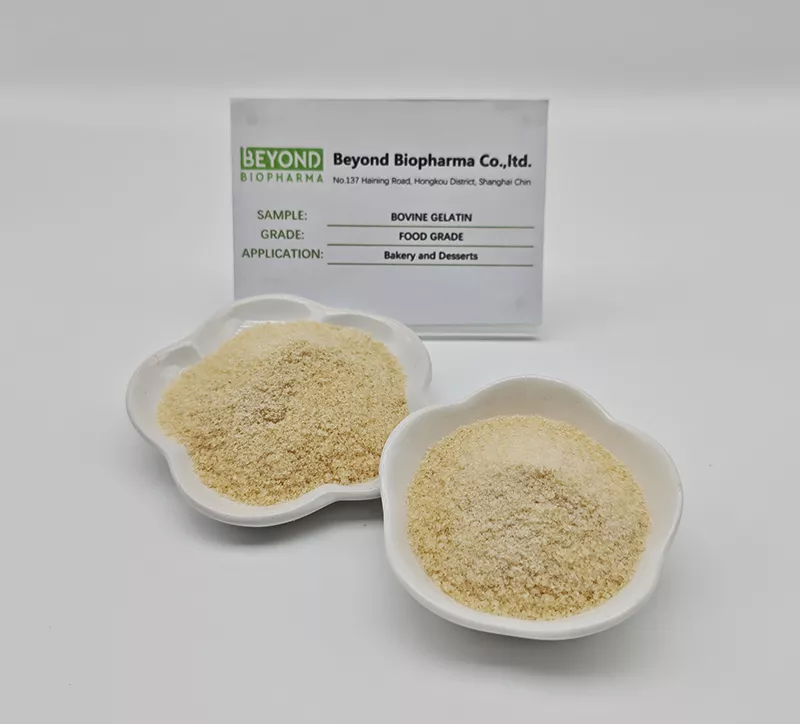
- Food & Gummies: For chewy candies and jellies, choose high-bloom bovine gelatine (200–260 Bloom). It provides a clean melt-in-mouth texture and good clarity. Our Edible Gelatin line includes bovine and porcine options tailored for confectionery.
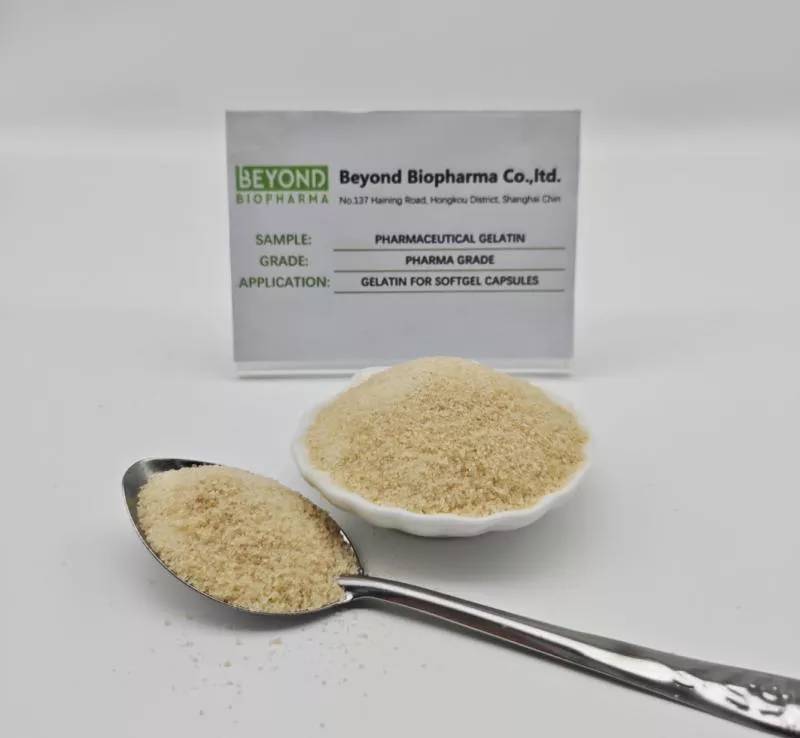
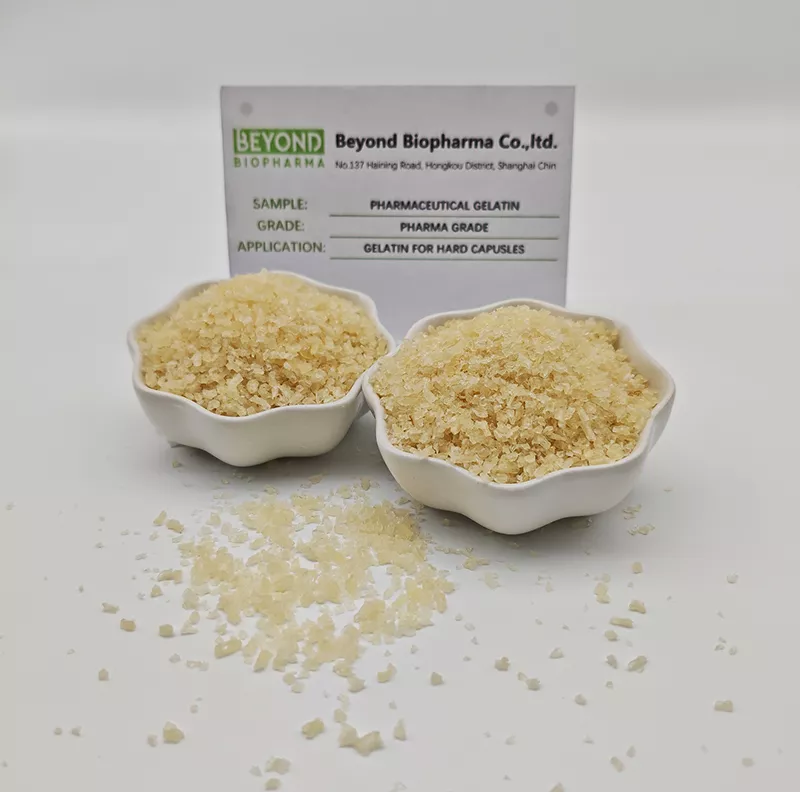
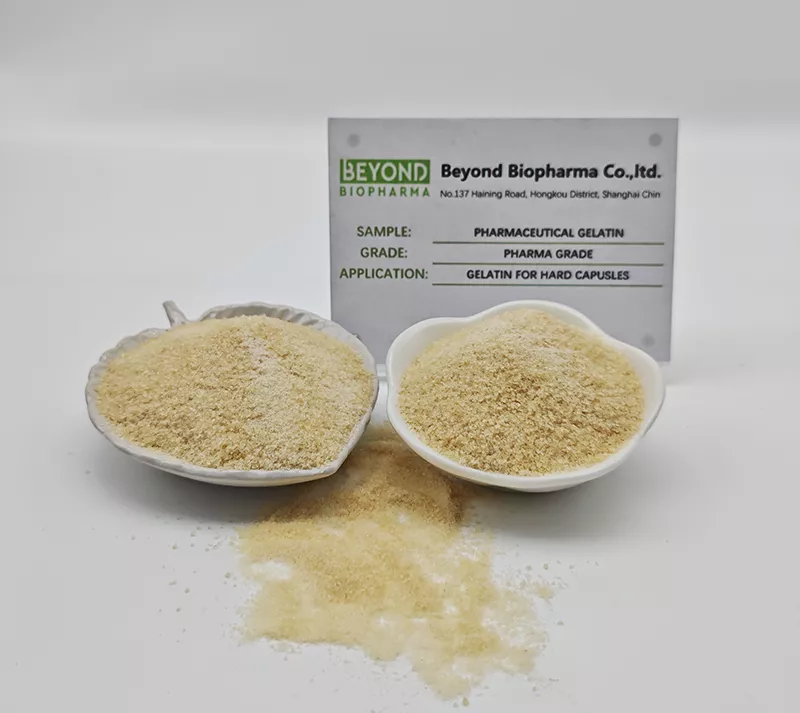
- Hard & Soft Capsules: Pharmaceutical-grade bovine gelatine requires precise viscosity and bloom. For hard capsules, use 150–180 Bloom with moderate viscosity. For softgels, ultra-high-viscosity gelatine is recommended. Explore our Pharmaceutical Gelatin range for capsule production.
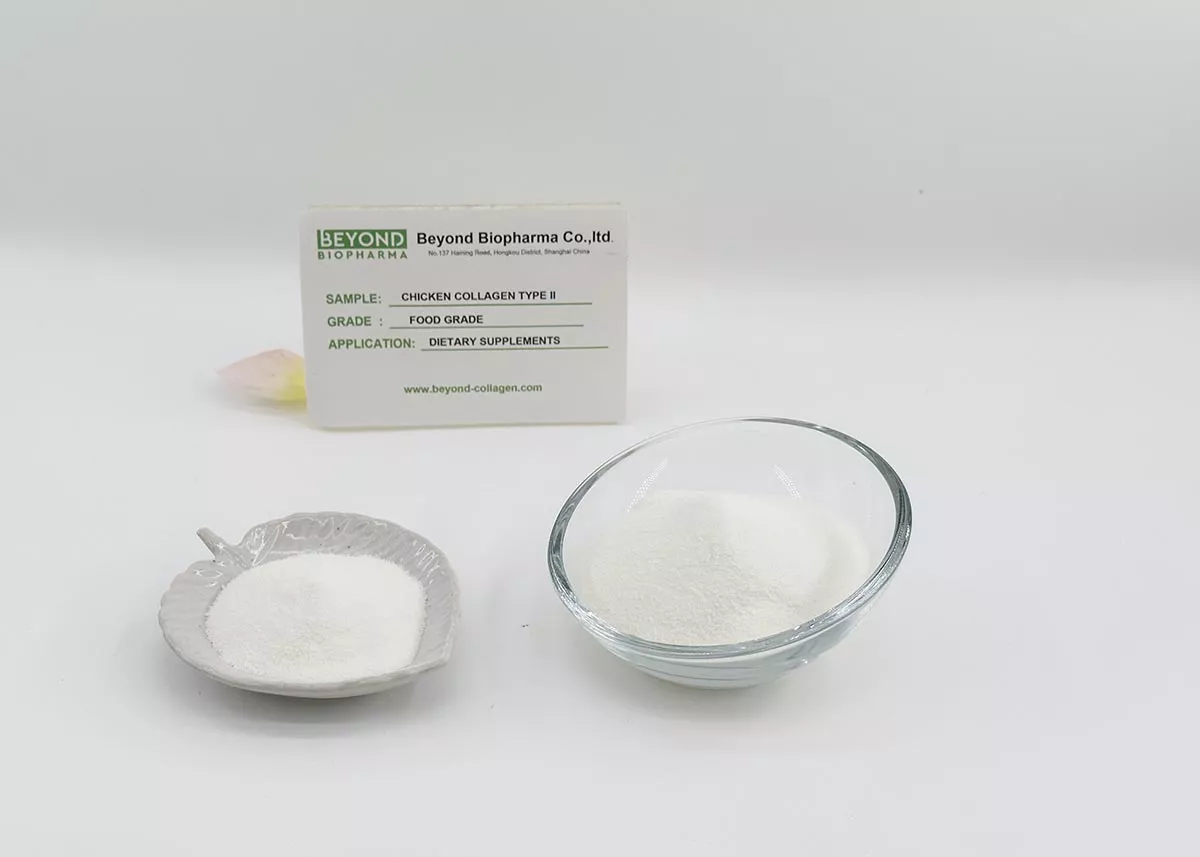
- Sports Nutrition & Joint Health: Bovine gelatine can be hydrolyzed into collagen peptides for faster absorption. For joint support, consider Undenatured Collagen Type II or combine with Bovine Chondroitin Sulfate Sodium for comprehensive formulas.
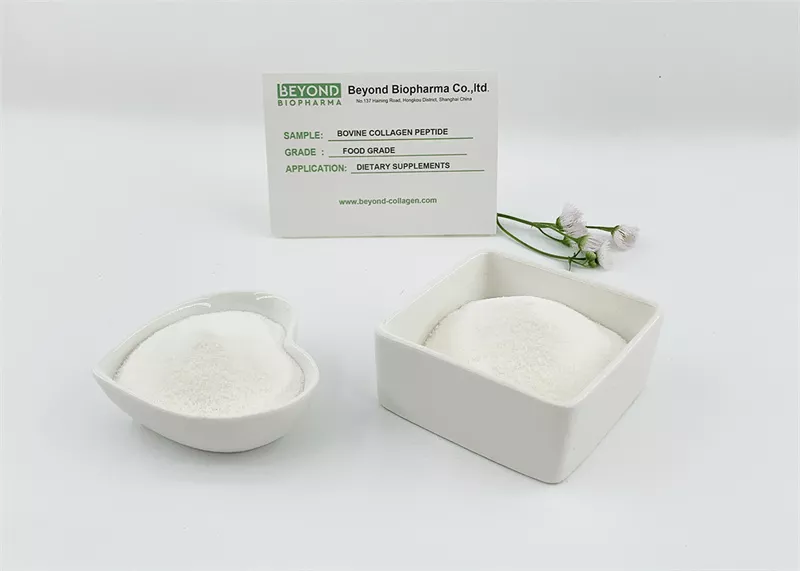
- Beauty-from-Within: Bovine collagen peptides with molecular weight below 5,000 Da are popular for skin and hair health. They offer high solubility and low odor. Our Bovine Collagen Peptide is suitable for powders and functional foods.
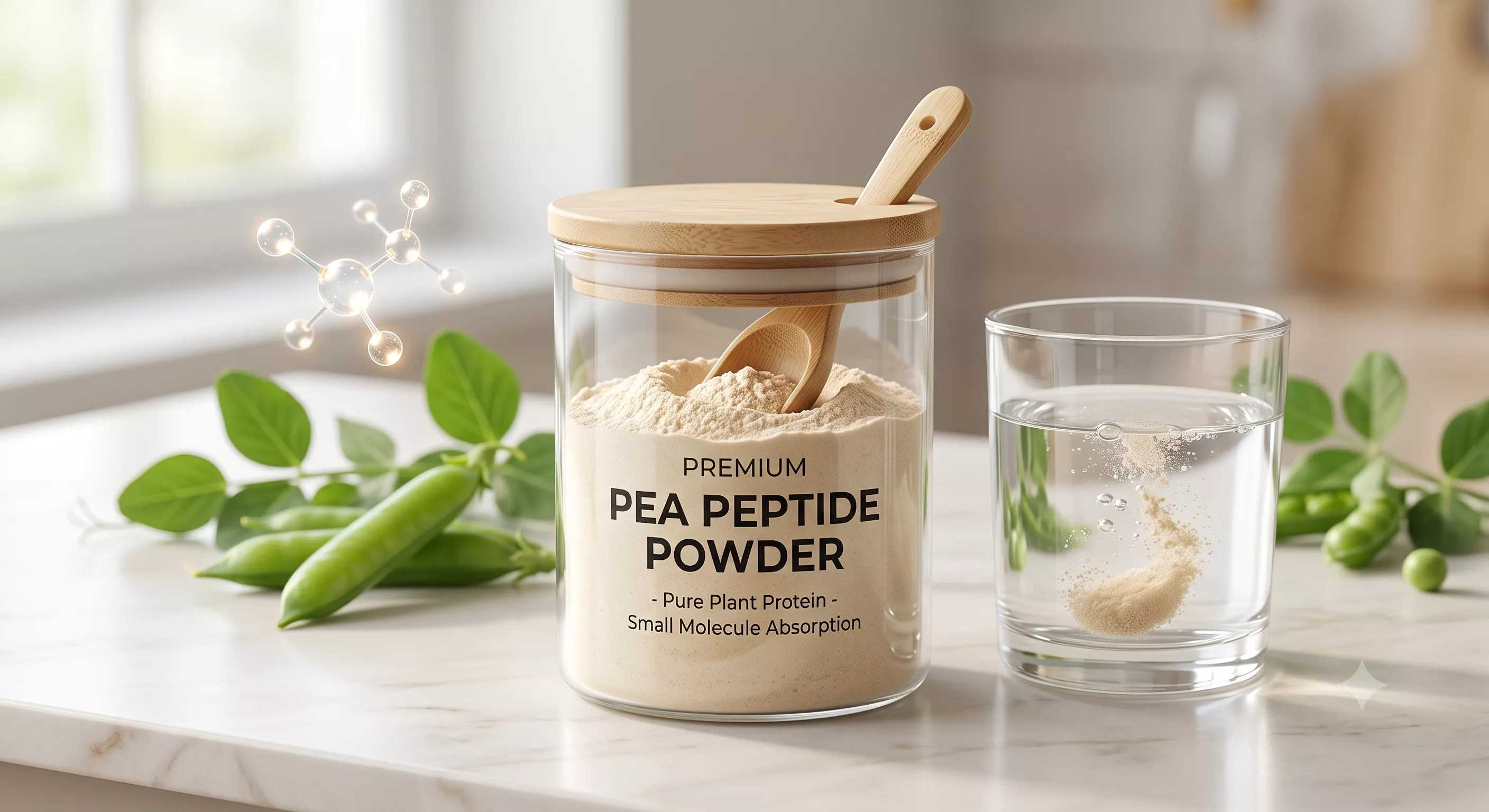
- Plant-Based & Vegan Alternatives: For allergen-free or vegan formulations, plant protein peptides (e.g., pea, rice, soy) are alternatives to bovine gelatine. Our Plant Protein Peptide line supports clean-label products.
Why Choose Beyond Biopharma for Bovine Gelatine?
Beyond Biopharma, based in Shanghai, China, has been a trusted manufacturer of collagen peptides, gelatin, and plant protein peptides for over 10 years. Our products are exported to more than 50 countries. We operate a fully automatic production line with GMP clean workshops, stainless-steel sealed piping, and automated temperature/pH control. Our annual capacity is approximately 3,000 MT for collagen and 5,000 MT for gelatin. We hold ISO 9001 certification, are US FDA registered, and select products carry Halal or Kosher certification. Our bovine bone gelatin is BSE-free. We have an in-house lab for heavy-metal and microbiological testing, supported by a dedicated QA/QC team. We offer three grades—food, pharmaceutical, and cosmetic—and provide free samples along with formulation and selection support.
Frequently Asked Questions About Bovine Gelatine
Q: Is bovine gelatine suitable for halal-certified products?
A: Yes, bovine gelatine can be halal-certified if sourced from animals slaughtered according to Islamic rites. Beyond Biopharma offers select bovine gelatine with Halal certification. Always request the current certificate for your target market.
Q: What is the difference between bovine gelatine and porcine gelatine?
A: The main difference is the animal source. Bovine gelatine comes from cattle, while porcine gelatine comes from pigs. Functionally, they are similar, but bovine gelatine is often preferred for kosher or halal applications and has a slightly different amino acid profile.
Q: How do I choose the right bloom strength for my gummy product?
A: For soft, tender gummies, use 150–180 Bloom. For firm, chewy gummies, use 200–260 Bloom. Higher bloom also provides a higher melting point, which is important for warm climates. Test samples to match your desired texture.
Q: Can bovine gelatine be used in vegan formulations?
A: No, bovine gelatine is an animal-derived product. For vegan or plant-based formulations, consider plant protein peptides such as pea, rice, or soy protein hydrolysates, which offer similar gelling or binding properties.
Q: What certifications should I look for when sourcing bovine gelatine?
A: Key certifications include ISO 9001, FDA registration, Halal, Kosher, and BSE-free status. For pharmaceutical use, GMP compliance is essential. Always request a Certificate of Analysis (COA) for each batch.
Q: How long does it take to receive a sample of bovine gelatine?
A: Sample processing typically takes 3–5 business days after your request. Shipping time depends on your location. Beyond Biopharma provides free samples for qualified buyers; just provide your application details and target specs.
Request a Quote and Free Samples for Bovine Gelatine
If you are looking for a reliable supplier of bovine gelatine, we invite you to share your requirements. Please provide the following details so we can send you free samples and a tailored quote: your specific application (food, pharmaceutical, or cosmetic), required grade, target quantity or MOQ, desired specifications (bloom, viscosity, mesh size, molecular weight, and any certifications needed), and your destination country. Our team will respond promptly with product recommendations and pricing. Contact us today to start your sourcing journey with a manufacturer that prioritizes quality and consistency.
In conclusion, bovine gelatine remains a cornerstone ingredient for countless products, from everyday gummies to advanced pharmaceutical capsules. By understanding its properties, specifications, and applications, you can make informed sourcing decisions that benefit your formulations and your bottom line.

 English EN








User Comments
Service Experience Sharing from Real Customers
Megan
Pastry ChefAs someone who's tried multiple gelatine brands, this bovine gelatine is a game-changer for my panna cottas. The bloom strength is consistently perfect, and it sets with a crystal-clear finish that my customers always compliment. No weird aftertaste either!
Leo
Home BakerI was skeptical at first because I usually use plant-based alternatives, but this bovine gelatine gave my homemade marshmallows that perfect chewy texture I've been missing. The powder dissolves so smoothly. Knocking off one star because the packaging could be more resealable.
Raj
Supplement FormulatorFrom a professional standpoint, the purity and consistent particle size of this bovine gelatine make it ideal for our capsule production. It meets all our quality control checks every single batch. Honestly, it's made our manufacturing process way more efficient.
Chloe
Art ConservatorWe use this in our workshop for preparing traditional sizing solutions for canvas priming. It's remarkably stable and hasn't caused any acidity issues that could damage older artworks. It feels good to work with a product that's both effective and traceable in its sourcing.