
EN
The plant-based sports nutrition market continues to experience rapid growth from 2025 to 2030. Rising consumer interest in clean-label, minimally processed products fuels this expansion. Health-conscious athletes seek sports nutrition solutions with natural flavors and no artificial additives. The market grows at a CAGR of 10.1%, reflecting strong consumer demand. Increased sports and fitness participation plays a crucial role, with Europe set to reach 100 million gym members by 2030. Digital engagement also rises, with global health and fitness app downloads surpassing 2 billion in 2023. Brands like Beyond Biopharma lead innovation in plant peptide sports nutrition, meeting evolving market needs.
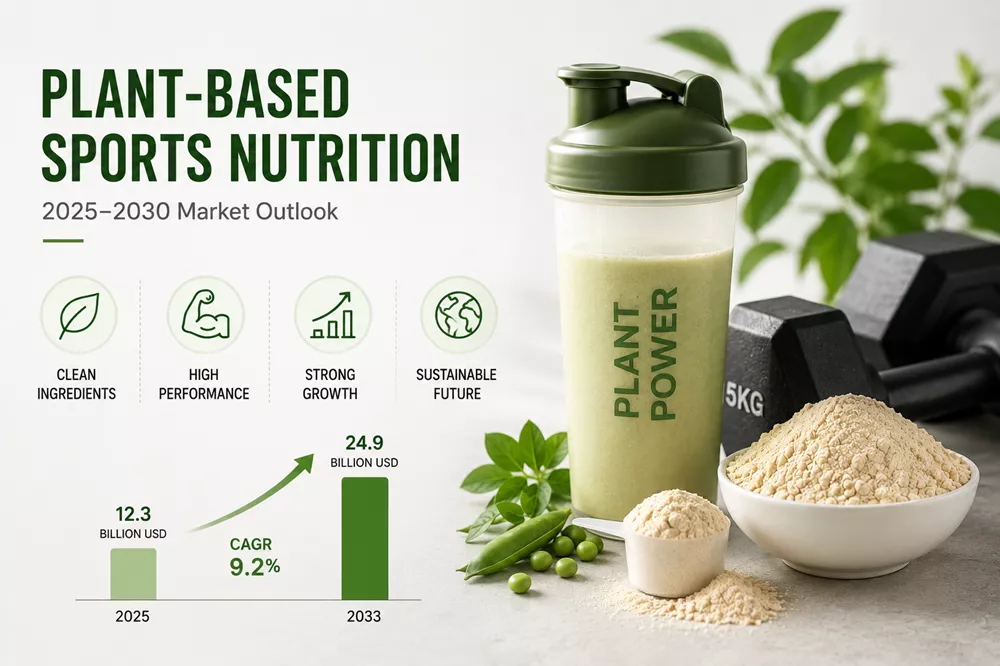
The plant-based sports nutrition market shows remarkable expansion. Many consumers now choose plant-based supplements for their sports routines. The market size continues to increase as more people seek clean-label options. The global plant-based sports nutrition market is expected to grow from USD 12.3 billion in 2025 to over USD 24.9 billion by 2033. This growth represents a compound annual growth rate of 9.2%. The sports nutrition market benefits from rising fitness participation and demand for plant-based supplements. Companies invest in new plant protein technologies to meet consumer needs. The market size reflects the shift toward plant-based supplements and sustainable sports nutrition solutions.
The plant-based sports nutrition market is projected to double its market size by 2033.
Sports nutrition market trends show steady growth in plant-based supplements.
Fitness enthusiasts drive demand for plant-based supplements in the sports nutrition market.
The market size increases as plant-based supplements become more popular in sports nutrition routines.
Plant-based sports nutrition market growth attracts new brands and investors.
Different regions show unique trends in the plant-based sports nutrition market. Asia-Pacific stands out with a projected CAGR of 10.3% through 2035. Urbanization and increased fitness participation in countries like China, India, and Southeast Asia fuel this growth. North America and Europe remain strong markets for plant-based supplements. Fitness trends and sports nutrition market expansion continue in these regions. Latin America also sees rising interest in plant-based supplements for sports nutrition.
Note: Asia-Pacific leads the plant-based sports nutrition market in growth rate, while North America and Europe focus on performance and sustainability.
The sports nutrition market adapts to regional preferences for plant protein sources. Fitness habits and dietary traditions influence the plant-based supplements market in each region.
Brands play a crucial role in the plant-based sports nutrition market. Leading companies develop innovative plant-based supplements for sports nutrition. Beyond Biopharma stands out with its Plant Protein Peptide. This product uses controlled enzymatic hydrolysis to create low-molecular-weight peptides. The plant-based supplements market values high bioavailability and rapid absorption. Beyond Biopharma offers plant-based supplements from pea, soy, rice, wheat, corn, and walnut. The sports nutrition market recognizes the importance of neutral taste and high solubility in plant-based supplements.
Region | Key Consumer Focus | |
|---|---|---|
North America | Whey, Milk | Performance, Convenience |
Europe | Whey, Pea | Sustainability, Clean Labels |
Latin America | Wheat, Soy | Performance, Dietary Traditions |
Asia Pacific | Rice, Collagen | Health Trends, Dietary Preferences |
Beyond Biopharma leads the plant-based supplements market with clean-label solutions. The sports nutrition market benefits from advanced plant protein technology. Fitness brands compete to offer the best plant-based supplements for sports nutrition. The plant-based sports nutrition market continues to evolve as brands innovate and expand their product lines.
The plant-based sports nutrition market is experiencing strong growth as consumer demand for clean-label products rises. Many people now look for sports nutrition options that use natural and minimally processed ingredients. They want products without artificial sweeteners, GMOs, or heavily processed additives. This shift has led manufacturers to launch more plant-based offerings, such as protein bars and powders, that focus on transparency and authenticity.
The market now features a wide range of plant-based supplements that appeal to health-conscious buyers.
Consumers read labels carefully and prefer products with recognizable ingredients.
The desire for clean-label sports nutrition reflects a broader trend toward health and wellness.
The plant-based sports nutrition market benefits from the rise of vegan, flexitarian, and active lifestyles. Many consumers are shifting toward plant-based diets, with a significant portion choosing vegan or vegetarian options. In the United States, 70% of households purchased plant-based foods in 2022, showing readiness for plant-based sports nutrition.
Flexitarian consumers drive innovation in protein products, seeking to reduce animal product intake while supporting their health goals.
Nearly 25% of consumers identify as flexitarians, making plant-based protein a staple in hybrid diets.
Millennials and Gen Z show high engagement in fitness, choosing plant-based supplements for gym and home workouts.
Advances in technology improve the taste and performance of plant protein powders, making them more appealing to a broad audience.
The market now offers personalized plant-based sports nutrition tailored to individual fitness needs.
Sustainability plays a key role in the plant-based sports nutrition market. Plant-based diets link to lower greenhouse gas emissions and require much less land and water than animal-based diets. The production of animal proteins uses more resources and contributes to environmental issues.
Many consumers choose plant-based sports nutrition for both health and environmental reasons.
Brands that show real commitment to sustainability build trust and loyalty among consumers.
Packaging now often highlights sustainable farming practices and ingredient sourcing.
A significant portion of global consumers have boycotted brands over ethical concerns, showing the importance of genuine sustainability.
The market continues to grow as more people seek plant-based sports nutrition that aligns with their values for health and sustainability.
Formulating plant-based sports nutrition products presents unique challenges. Many plant proteins have strong flavors or gritty textures that can discourage consumer interest. Manufacturers work to improve taste and mouthfeel by using plant protein hydrolysates. These hydrolysates increase solubility and digestibility, making products smoother and easier to drink. Companies also substitute animal proteins with plant proteins that have similar properties. New technologies, such as fermentation, help recreate the experience of traditional dairy or whey. For example, a plant-based high-protein drink made from legumes can offer a chocolate hazelnut flavor and smooth texture, appealing to fitness enthusiasts. These innovations help the market deliver better-tasting options for sports nutrition.
The plant-based sports nutrition market faces strict regulations in many regions. Companies must follow evolving labeling standards and ingredient restrictions. Health claims on packaging require careful review and approval. The table below highlights key regulatory aspects:
Regulatory Aspect | Description |
|---|---|
Labeling Requirements | Companies must comply with evolving labeling standards for sports nutrition products. |
Ingredient Restrictions | There are specific restrictions on ingredients that can be used in these products. |
Health Claims Regulations | Strict regulations govern the health claims that can be made on product labels. |
These rules ensure consumer safety but can slow down product launches and create confusion in the market.
Supply chain and cost issues affect the availability and pricing of plant-based sports nutrition products. Variations in agricultural yields, climate, and commodity prices can cause cost instability for raw materials like pea, soy, and rice. Higher ingredient costs and complex processing often lead to higher retail prices compared to conventional supplements. Inflation and global logistics disruptions can limit product availability, especially for smaller brands. Many manufacturers respond by offering value-oriented product lines and increasing production scale. These efforts help make plant-based sports nutrition more accessible to the growing fitness market and meet consumer demand for affordable options.
The market for plant-based sports nutrition offers a wide range of product types. Plant protein powders lead the market, supporting muscle building and strength for athletes and fitness fans. Many consumers use powders for pre-workout and post-workout routines. Ready-to-drink beverages and sports bars also show strong growth. These options provide convenient muscle support and hydration for busy lifestyles. The table below shows the estimated market size for each product type:
Product Type | Estimated Market Size (2026) | Projected Market Size (2033) | CAGR (%) |
|---|---|---|---|
Plant Protein Powders | USD 5.8 billion | USD 10 billion | 8.2 |
Ready-to-Drink (RTD) Beverages | USD 3 billion | USD 6 billion | 10.6 |
Plant-Based Sports Bars | USD 2.1 billion | USD 3.9 billion | 9.3 |
Plant protein powders and bars help consumers reach muscle and strength goals. RTD beverages offer quick muscle recovery and hydration after a workout.
Plant-based proteins come from many sources. Pea, soy, rice, wheat, corn, and walnut provide different protein profiles. Soy protein is a complete protein, supporting muscle health and recovery. Pea and rice protein blends create a full amino acid profile for muscle building and strength. The table below highlights key benefits:
Protein Source | Type of Protein | Key Benefits |
|---|---|---|
Soy Protein | Complete | Provides all essential amino acids; effective for muscle health and recovery. |
Pea and Rice Protein | Blended | Combines amino acids to create a complete profile; supports muscle repair. |
These plant protein powders support muscle growth, strength, and workout performance.
Consumers use plant protein powders and bars for many applications. Pre-workout products boost muscle strength and energy. Post-workout options help muscle recovery and hydration. Recovery blends support muscle repair after intense exercise. Meal replacement powders and bars offer balanced nutrition for muscle building and strength. These products fit into daily fitness routines and support muscle health at every stage.
The market uses several distribution channels. Online sales make it easy for consumers to find plant protein powders, bars, and RTD beverages. Specialty stores offer expert advice on muscle building and strength products. Retail stores provide quick access to plant-based proteins for workout and hydration needs. Each channel helps brands reach fitness-focused consumers.
Regional trends shape market opportunities for plant-based sports nutrition. North America leads with a mature market, strong fitness culture, and high disposable income. Europe shows rising demand for vegan protein, especially in Scandinavia and Austria. E-commerce growth in Germany and the UK supports market expansion. Asia-Pacific stands out for rapid urbanization, government fitness programs, and a young, social media-driven consumer base. The table below summarizes key factors:
Region | Key Factors Affecting Market Opportunities |
|---|---|
North America | Mature market with a 37.3% revenue share, strong fitness culture, high disposable income, and advanced healthcare infrastructure. |
Europe | Rising demand for vegan protein in Scandinavia and Austria, e-commerce growth in Germany and the UK, and supportive regulations. |
Asia-Pacific | Rapid urbanization, government fitness initiatives, and a young consumer base influenced by social media and fitness trends. |
Brands that understand these regional differences can better serve the muscle building and strength needs of each market.
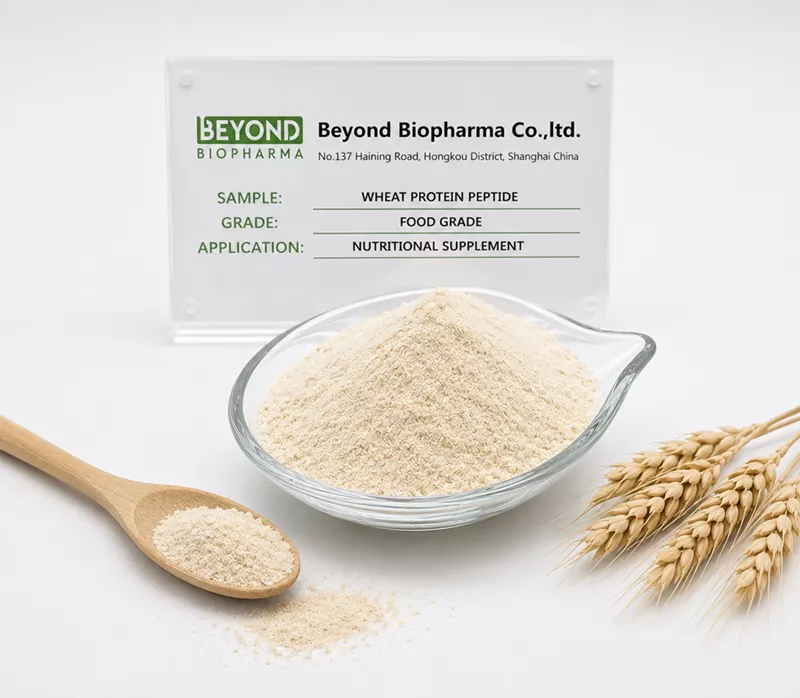
Beyond Biopharma leads the plant peptide sports nutrition market with advanced technology. The company uses controlled enzymatic hydrolysis to transform plant proteins into low-molecular-weight peptides. This process creates peptides that range from 1,000 to 3,000 Da. These peptides come from a variety of plant sources, including pea, soy, rice, wheat, corn, and walnut. The market values these features because they support clean-label and allergen-conscious products. The neutral taste and high solubility of these peptides make them easy to use in many sports nutrition applications. Athletes and active individuals can enjoy clear beverages, protein blends, and meal replacements without strong flavors or gritty textures.
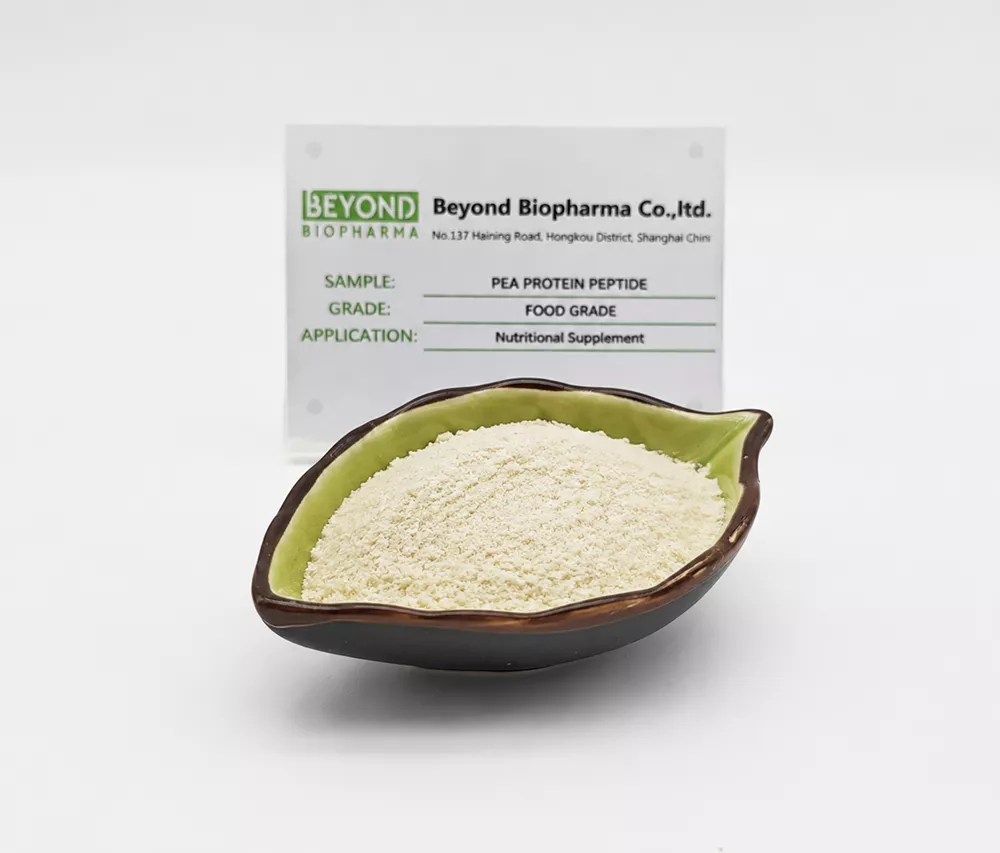
Plant peptide sports nutrition products offer several advantages for the market. Pea peptides are hypoallergenic and lactose-free, which helps people with milk allergies or lactose intolerance. These peptides support a wider range of consumers in their sports recovery and nutrition needs.
Evidence | Description |
|---|---|
Bioavailability | Pea peptides have a small molecular weight that enhances their bioavailability, making them ideal for rapid muscle recovery and energy support in sports nutrition formulations. |
Digestibility | Compared to dairy-derived proteins, pea peptides offer superior digestibility and faster absorption, which are crucial for effective recovery post-exercise. |
Plant peptides provide a more pleasant flavor profile than traditional protein sources. Many athletes prefer these products because they taste better and mix well in water.
The plant peptide sports nutrition market continues to innovate with new functional beverages and clean-label options. Companies use plant-based isolates and hydrolyzed proteins to improve performance and purity. Functional blends combine different plant ingredients for better results in sports nutrition. Microencapsulation technology increases the bioavailability of active compounds in beverages.
Innovation Type | Description |
|---|---|
Plant-Based Isolates | Use of high-quality protein solutions that emphasize purity and performance optimization. |
Hydrolyzed Proteins | Innovations in protein formulations that enhance digestibility and absorption. |
Functional Blends | Combination of various plant-based ingredients to create synergistic effects for performance. |
Microencapsulation | Advances that improve the bioavailability of bioactive compounds in beverages. |
Clean-Label Demand | Increasing consumer preference for natural, non-GMO, and organic formulations. |
Everyday Snacking Integration | Mainstreaming of sports nutrition into convenient, on-the-go snack formats. |
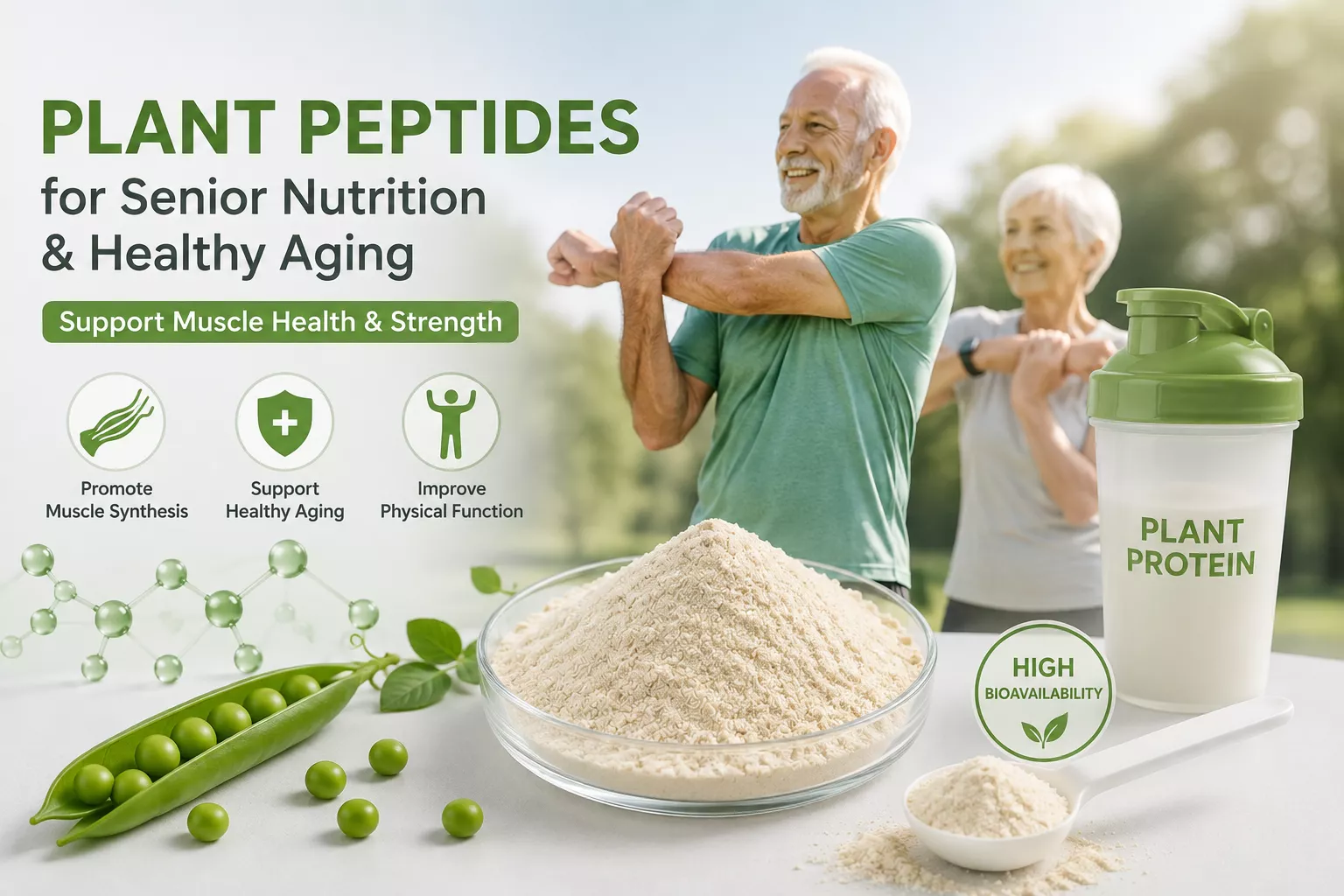
Plant peptide sports nutrition supports not only athletes but also clinical and senior nutrition. These products deliver highly digestible protein for muscle recovery, healthy aging, and everyday wellness. The market will see continued growth as more people choose plant-based options for their sports and health needs.
The plant-based and clean-label innovation movement continues to reshape the sports nutrition market. Scientists and brands explore new plant protein sources to meet consumer needs. Fava beans, flaxseed, and lentils now appear in many sports nutrition products. Rubisco, a protein found in green leaves, gains attention because of advanced extraction technologies. Fermentation technology helps improve the taste and nutritional value of plant proteins. AI and precision processing allow companies to create high-quality plant ingredients with better purity and performance.
Fava beans, flaxseed, and lentils offer unique amino acid profiles for sports nutrition.
Rubisco extraction provides a sustainable plant protein option.
Fermentation technology enhances digestibility and flavor.
AI-driven processing increases efficiency in plant protein production.
Personalized nutrition is a major trend in the sports nutrition market. Brands use genetic testing and biomarker analysis to create products that fit individual needs. Consumers want plant-based and clean-label innovation that supports their health goals. Pea and hemp proteins are popular for their allergen-friendly properties. The market now offers supplements with transparent labels and functional ingredients. Sports gummies and other new dosage formats make plant nutrition more accessible. Subscription-based services and e-commerce and direct-to-consumer expansion help people find products tailored to their fitness routines.
Note: Personalized nutrition helps athletes and active individuals choose plant proteins that match their unique requirements.
Digital platforms drive growth in the sports nutrition market. E-commerce and direct-to-consumer expansion allow brands to reach more customers. Online stores and apps make it easy to compare plant-based and clean-label innovation products. Consumers can order plant protein powders, bars, and functional beverages from their phones. Brands use digital tools to educate buyers about plant nutrition and sports performance. Subscription models provide regular access to plant supplements, supporting consistent fitness and health routines.
Model Type | Benefit for Consumers |
|---|---|
E-commerce | Easy access to plant sports nutrition |
Subscription Service | Regular delivery of plant supplements |
Digital Education | Information about plant protein choices |
The market will continue to evolve as plant-based and clean-label innovation shapes new products and delivery methods.
The plant-based supplements market includes several leading companies. DSM holds about 6% of the market share. IFF leads with around 9%. Botanic Healthcare, SMP Nutra, and MB-Holding GmbH also play important roles. Danone (Nutricia) and Herbalife adapt to changing consumer needs and focus on sustainability. Each company brings unique products and strategies to the plant supplements market. These brands help shape the direction of plant-based sports nutrition and drive innovation.
Many companies in the plant-based sports supplements market form partnerships to expand their reach. They work with ingredient suppliers, research labs, and sports organizations. These partnerships help brands create new plant protein blends and sports nutrition products. Companies often launch new plant-based powders, bars, and beverages to meet the needs of athletes and active consumers. Recent product launches focus on clean-label ingredients and improved taste. Brands also use digital marketing to connect with sports enthusiasts and promote plant-based options.
Note: Strategic alliances and frequent product launches keep the plant-based sports nutrition market dynamic and competitive.
Beyond Biopharma stands out in the plant-based sports nutrition market. The company uses advanced enzymatic hydrolysis to produce high-quality plant protein peptides. These peptides offer high solubility, neutral taste, and excellent bioavailability. Beyond Biopharma sources plant proteins from pea, soy, rice, wheat, corn, and walnut. The company’s products support a wide range of sports nutrition applications, from recovery drinks to meal replacements. Beyond Biopharma’s focus on clean-label, allergen-conscious, and sustainable solutions gives it a strong position in the plant-based supplements market. The brand’s commitment to innovation and quality helps it meet the evolving needs of sports nutrition consumers.
The plant-based sports nutrition market will see strong growth through 2030. Analysts expect the market to expand from USD 27.52 billion in 2025 to USD 42.27 billion by 2030. This growth shows a compound annual growth rate of 9.0%. Several trends drive this expansion. Consumers want wellness, sustainability, and clean-label products. Companies respond by creating new plant protein options for sports nutrition.
The market focuses on clean labels and transparency.
Technological innovation improves plant protein quality.
E-commerce becomes a main way to buy plant-based sports nutrition products.
More people choose plant-based sports nutrition for health and environmental reasons.
Brands invest in research to develop better plant protein blends.
The plant-based sports nutrition market will continue to change as new products and technologies appear. Companies that adapt to these trends will lead the market.
Investors see many opportunities in the plant-based sports nutrition market. The rising demand for plant protein creates space for new brands and products. Companies can expand by offering plant-based sports nutrition in new regions. E-commerce platforms help brands reach global customers.
Investors can support startups that focus on plant protein innovation.
Brands can form partnerships to create unique plant-based sports nutrition products.
Companies can expand into Asia-Pacific, where fitness trends and urbanization drive growth.
Research and development in plant protein technology can lead to new sports nutrition solutions.
Retailers can add more plant-based sports nutrition products to meet consumer demand.
The market rewards companies that invest in quality, sustainability, and clean-label plant protein. Growth in the plant-based sports nutrition market will attract more investment and competition.
The plant-based sports nutrition market will transform by 2030. Innovation drives new plant protein solutions for sports enthusiasts. Clean-label and sustainable plant products shape the future of the market. Beyond Biopharma leads with advanced plant peptide technology. The market rewards brands that focus on plant ingredients and sports performance. Investors and consumers can benefit from the plant market. The plant trend in sports nutrition creates new opportunities for growth. Companies that embrace plant innovation will succeed in the market.
Consumer demand for clean-label, sustainable products drives the market. People want plant-based options for health and environmental reasons. Brands respond with innovative protein solutions. The market grows as more athletes and fitness fans choose these products.
Plant protein peptide uses advanced hydrolysis technology. This process creates smaller peptides for better absorption. The market values these peptides for their neutral taste, high solubility, and clean-label profile. They support muscle recovery and fit many dietary needs.
Asia-Pacific leads the market in growth rate. Urbanization and fitness trends boost demand in countries like China and India. North America and Europe also show strong market performance due to established fitness cultures and interest in sustainability.
Athletes choose plant-based products for their digestibility and allergen-friendly features. The market offers options with complete amino acid profiles. These products support muscle recovery and fit vegan, vegetarian, and flexitarian diets.
The market faces challenges with taste, texture, and cost. Brands work to improve flavor and solubility. Supply chain issues and ingredient prices can affect product availability. Companies focus on innovation to overcome these challenges.
Tel:+86 21 65010906
Cell/Whatsapp/Wechat:
+86 13482884055
+86 18657345785
Email: sales@beyondbiopharma.com





 English EN


