
EN
💡 Short-chain oligopeptides stimulate muscle protein synthesis directly to overcome anabolic resistance and preserve muscle mass.
Senior dietary formulators select bioactive plant-based protein hydrolysates over intact protein molecules to improve muscle health. These specialized bioactives advance healthy aging strategies and promote overall health through clinical nutrition targeting older adults with sarcopenia.
Aging causes progressive physical changes in the body. Primary physiological changes reduce overall muscle mass and functional muscle strength over time. Older adults frequently experience sarcopenia due to altered metabolic signaling, elevated cellular degradation, and diminished digestive performance.
At the cellular level, specific pathways accelerate muscle atrophy during aging. Chronic low-grade inflammation and oxidative stress disrupt normal muscle cell maintenance. These internal factors drive the progression of sarcopenia in aging populations.
The table below outlines key cellular pathways that mediate skeletal muscle wasting:
Cellular Pathway / System | Molecular Mechanism | Effect on Muscle Atrophy / Sarcopenia |
|---|---|---|
PI3K/Akt Pathway | Impaired activation via decreased anabolic signaling (e.g., IGF-1 and insulin). | Blunts muscle protein synthesis and fails to prevent protein degradation, driving impaired anabolism during aging. |
NF-κB Pathway | Binds directly to the MuRF1 promoter; stimulates iNOS expression leading to elevated nitric oxide (NO) and protein nitration. | Triggers ubiquitin-proteasome-dependent protein degradation, escalates oxidative stress, and promotes age-induced muscle cell apoptosis. |
Oxidative Stress & Caspase-2 Signaling | Mediates intrinsic apoptotic signaling cascades triggered by reactive oxygen species (ROS). | Increases cell death/apoptosis rate in aging skeletal muscle tissue. |
nNOS / FoxO Pathway | Dislocation of nNOS signaling regulating downstream FoxO transcription factors. | Contributes to muscle wasting and unloading-induced muscle atrophy. |

Aging weakens the human digestive system. Older adults experience severe gastrointestinal decline, which directly limits nutritional processing. Reduced digestive activity limits the absorption of crucial amino acids from traditional diet sources.
💡 Gastrointestinal decline among adults over 65 hinders dietary protein breakdown through four main mechanisms:
Reduced Pepsin Production: Pepsin output drops by 40% in individuals older than 65. Higher stomach pH impairs initial gastric breakdown and delays gastric emptying.
Incomplete Gastric Digestion: Decreased pepsin and lower stomach acidity send less-digested protein chyme into the small intestine.
Decreased Pancreatic Trypsin: Lower pancreatic secretion of trypsin limits further enzymatic breakdown in the small intestine.
Impaired Amino Acid Absorption: Incomplete breakdown limits free amino acid availability despite adequate daily protein intake.
In older adults, higher splanchnic extraction of amino acids further causes malabsorption. Splanchnic tissues retain higher amounts of absorbed amino acids during first-pass hepatic metabolism. This retention limits systemic amino acid availability after every meal. Consequently, standard protein intake fails to rebuild lean muscle mass efficiently.
Older people with sarcopenia suffer from anabolic resistance. Their skeletal muscle tissue exhibits reduced sensitivity to normal circulating amino acid concentrations. Older adults require higher targeted nutrient doses to trigger muscle protein synthesis effectively.
Target Population | Required Leucine Dose | Underlying Mechanism |
|---|---|---|
Older Adults | ~3.0 grams per meal | Overcomes age-related anabolic resistance to trigger mTORC1 |
Younger Adults | ~2.0 grams per meal | Normal mTORC1 sensitivity requires lower leucine input |
Older individuals require roughly 3.0 to 4.0 grams of leucine per meal to trigger muscle protein synthesis. Standard dietary protein intake often fails to meet this threshold due to poor gut digestion. Therefore, targeted nutritional intervention using easily digestible nutrients remains essential for health.
Targeted interventions reverse progressive muscle mass loss. Strategic health interventions support physical health and long-term nutrition. Dietary interventions centered on specialized plant-based protein hydrolysates help rebuild lean muscle mass. Effective nutritional interventions preserve critical muscle mass and increase muscle strength in older people with sarcopenia. Clinical interventions help older people with sarcopenia maintain functional mobility throughout aging.
Older adults experience structural muscle changes during aging. Primary biological shifts degrade functional muscle health every decade. Specific dietary interventions stop this continuous breakdown. Formulators now select bioactive plant-based solutions to combat sarcopenia effectively.
💡 Core Insight: Specialized plant-based protein hydrolysates supply bioavailable amino acid chains. These targeted chains enter systemic circulation quickly to support muscle health in senior care.
Traditional dietary protein intake requires heavy digestive work. Intact proteins demand strong stomach acid and complex digestive enzymes. Aging weakens these native digestive pathways in older adults. Consequently, whole protein molecules pass through the gastrointestinal tract without full breakdown.
Short-chain plant peptides solve this biological digestive barrier. Enzymatic hydrolysis breaks large plant-based protein structures into short peptide fragments. These smaller fragments weigh between 1,000 and 3,000 Daltons.
Nutritional Parameter | Whole Intact Protein | Low-Molecular-Weight Plant Peptides |
|---|---|---|
Digestion Requirement | High gastric pepsin and pancreatic cleavage | Minimal cleavage required |
Absorption Speed | Slow digestion process | Rapid intestinal uptake |
Nutritional Quality | Variable bioaccessibility in aging | High functional bioavailability |
Primary Transporter | Free amino acid transporters (SATs) | PepT1 intestinal transporters |
High-quality plant protein sources provide excellent amino acid profiles. However, native plant protein structures present lower native solubility and slower kinetic absorption. Advanced hydrolysates optimize total nutritional quality by releasing active bioactives. Specialized plant protein interventions deliver intact dipeptides and tripeptides directly to uptake sites. Therefore, plant protein interventions offer superior functional benefits compared to unhydrolyzed plant protein options. Targeted plant protein interventions maximize nutritional absorption without stressing impaired digestive systems.
The human intestinal brush border uses specialized transport systems for peptide absorption. Free amino acids rely on specific sodium-dependent transporters. Conversely, small oligopeptides utilize the PepT1 transporter system. PepT1 moves dipeptides and tripeptides directly into enterocytes via proton gradients.
PepT1 transporters operate faster than free amino acid transporters. Short peptide chains enter enterocytes without competing for single amino acid binding sites. This unique biological mechanism accelerates total kinetic absorption speed significantly.
Fast plasma kinetics help older adults overcome biological absorption limits. Rapid delivery raises blood amino acid levels quickly after consumption. Elevated plasma amino acids reach target skeletal muscle tissue rapidly. This fast delivery restores peak amino acid concentrations in blood plasma. Older people with sarcopenia absorb these hydrolyzed compounds far better than intact dietary alternatives. Effective plant protein interventions promote healthy nutrient uptake across changing gut membranes.
Skeletal muscle tissue relies on precise chemical signals to rebuild structural fibers. The mechanistic target of rapamycin complex 1 (mTORC1) regulates muscle protein synthesis inside cells. Cellular activation of mTORC1 requires high concentration peaks of essential amino acids like leucine.
Older adults suffer from blunted anabolic signaling. Normal dietary protein intake fails to trigger cell growth signals in aging tissue. Elevated amino acid peaks are necessary to activate mTORC1 pathways successfully.
Bioactive plant-based hydrolysates trigger muscle protein synthesis effectively. Rapid kinetic uptake creates the necessary systemic amino acid spike. Activated mTORC1 signals phosphorylate downstream protein kinases quickly.
High plasma amino acid concentrations flood local skeletal muscle cells.
Intracellular leucine binds Sestrin2 sensor proteins inside muscle fibers.
Activated Rag GTPase complexes translocate mTORC1 to lysosomal membranes.
Phosphorylated mTORC1 stimulates muscle protein synthesis processes.
Regular targeted plant-based dietary interventions restore anabolic sensitivity in older people with sarcopenia. Consistent nutritional interventions support sustainable lean muscle mass generation over time. Strategic plant protein interventions rebuild critical lean muscle mass to increase physical mobility. Rebuilding lean muscle mass improves daily physical movement for senior care. Increasing lean muscle mass restores functional physical capacity during biological aging.
Proper dietary protein intake supports total functional physical recovery. Higher functional muscle strength lowers physical fall risks in aging populations. Sustained functional muscle strength enables overall independent daily living activities. Increasing functional muscle strength restores essential physical stability during daily tasks. Rebuilding overall muscle strength improves long-term physical independence among older people with sarcopenia.
Targeted plant-based interventions counteract biological muscle wasting mechanisms. Consistent plant-based dietary interventions preserve lean muscle mass across elderly care settings. Clinical plant protein interventions ensure optimal clinical outcomes for senior care programs. Strategic plant-based nutritional interventions provide essential daily health benefits for aging populations.
Clinical trials provide strong validation for plant-based dietary interventions in geriatric care. Researchers measure physical changes in older adults to confirm structural improvements in skeletal tissues. Low-molecular-weight oligopeptides deliver fast amino acid spikes into systemic circulation. This efficient nutrient delivery supports physical mobility across vulnerable populations.
💡 Clinical Summary: Combining fast-absorbing oligopeptides with active movement helps older people with sarcopenia overcome physical decline and maintain functional mobility.
Aging causes progressive loss of skeletal muscle mass and functional capacity. Older adults experience noticeable reductions in gait speed and handgrip capacity every decade. Clinical trials demonstrate that specialized plant protein interventions improve daily physical performance.
🏋️‍♂️ Key Finding: Clinical studies show that plant protein interventions increase handgrip force and walking speed in older people with sarcopenia.
Targeted plant protein interventions provide bioactive oligopeptides to counteract biological aging. These small peptide molecules enter enterocytes through PepT1 channels without requiring heavy enzymatic breakdown in the stomach. Consequently, older adults experience superior plasma amino acid availability after every meal. Elevated systemic amino acids stimulate muscle protein synthesis directly inside aging skeletal fibers.
The table below summarizes clinical trial results evaluating physical metrics after continuous plant-based dietary supplementation:
Clinical Metric | Baseline Parameter | Outcome After Plant-Based Hydrolysate Care | Clinical Significance |
|---|---|---|---|
Gait Speed | Slow walking pace (<0.8 m/s) | Measured gait speed increases significantly | Restores safe mobility during outdoor walking |
Handgrip Measurement | Low grip strength | Handgrip force improves steadily | Enhances daily task performance and independence |
Chair Rise Time | Sluggish movement (>15 seconds) | Rise time decreases substantially | Strengthens lower limbs for standing actions |
Continuous nutritional intervention preserves critical lean muscle mass in aging individuals. Increased amino acid delivery supports cellular repair in skeletal tissue. Clinical data show that consistent plant protein interventions restore essential muscle strength in frail subjects. Higher baseline muscle strength directly reduces fall risks among vulnerable senior populations. Targeted plant protein interventions ensure sustainable muscle health and improve sarcopenia-related outcomes across diverse clinical settings.
Nutritional support alone provides partial benefits for frail individuals. Combining physical resistance training with precise plant protein interventions yields optimal results. Resistance training creates mechanical tension inside skeletal fibers. Mechanical tension sensitizes intracellular signaling pathways to circulating nutrients.
When clinicians pair an exercise intervention with high-quality protein intake, older adults experience synergistic anabolic responses. An effective exercise intervention stimulates local cell receptors. Concurrently, targeted plant-based oligopeptide intake supplies key essential amino acids. This combination expands lean muscle mass more effectively than physical training without dietary support.
An appropriate exercise intervention increases mechanical load on target skeletal structures.
An active exercise intervention triggers local intracellular signaling networks inside muscle cells.
Consuming short-chain plant-based peptides immediately after an exercise intervention delivers bioavailable building blocks.
An exercise intervention drives plasma amino acids into recovering skeletal tissue.
The ongoing exercise intervention accelerates total lean muscle mass accumulation.
Clinical protocols emphasize structured physical routines alongside controlled daily diet management. An exercise intervention enhances local blood circulation to active limbs. This elevated blood circulation carries dietary plant-based amino acids directly to recovering fibers. Consequently, an exercise intervention amplifies total muscle mass retention in older adults.
A well-designed exercise intervention increases functional muscle strength far faster than passive care. An active exercise intervention strengthens neuromuscular connections across target limb groups. Regular physical exercise intervention routines prevent age-related sarcopenia progression. A daily exercise intervention paired with a balanced plant-based diet optimizes physical mobility. Adding an exercise intervention into senior care programs secures optimal long-term individual health.
Sarcopenia rarely occurs as an isolated condition in aging populations. Older people with sarcopenia frequently suffer from concurrent joint degradation and bone density loss. Musculoskeletal tissues share continuous mechanical and biochemical signals. Weakened skeletal structures accelerate cartilage wear and increase joint discomfort.
Strategic plant protein interventions support structural joint matrix maintenance alongside lean muscle mass generation. Specialized bioactive peptides stimulate chondrocytes to secrete type II collagen and extracellular matrix components. Adequate daily protein intake maintains circulating amino acid pools required for connective tissue repair. Combined nutritional care protects articular cartilage against age-induced wear.
Stronger surrounding skeletal tissues stabilize primary leg and hip joints. Improved muscle strength protects articular cartilage from uneven mechanical stress during walking. Strategic plant-based nutrition improves overall physical balance and skeletal alignment in older adults. Clinical plant protein interventions strengthen structural connective tissues to support long-term physical health.
Comprehensive sarcopenia intervention protocols prioritize total musculoskeletal care. Combining adequate plant protein intake with targeted physical activity preserves total body health. Clinical researchers confirm that proper plant protein interventions increase lean muscle mass and stabilize bone structures simultaneously. Early plant-based nutritional intervention stops systemic functional decline in older people with sarcopenia. Multi-component plant-based interventions provide sustainable management of sarcopenia in geriatric medicine. Targeted plant protein interventions empower older people with sarcopenia to maintain long-term physical independence and vitality.
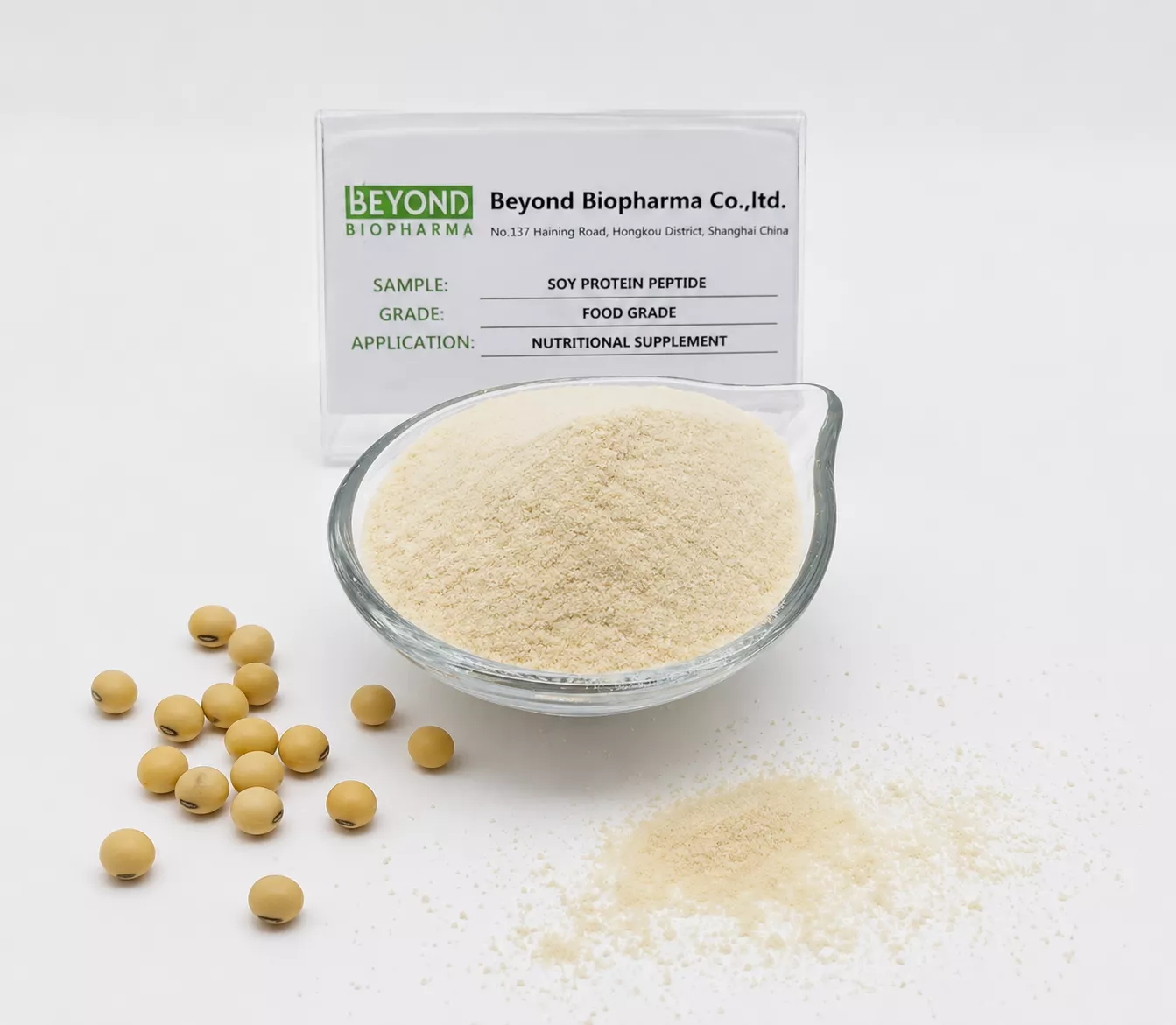
Modern biotechnology transforms how manufacturers support healthy aging in senior care. Beyond Biopharma leads this field as a premier manufacturer of high-performance plant peptides. Advanced processing converts native plant protein sources into low-molecular-weight hydrolysates to enhance healthy aging. Native plant-based protein raw materials present large complex structures. The digestive systems of older adults struggle to cleave these intact protein chains. Consequently, poor protein intake leads to progressive sarcopenia during biological aging.
Beyond Biopharma processes plant-based protein from pea, soy, rice, corn, and walnut into functional oligopeptides. Advanced enzymes break complex protein chains into small sizes between 1,000 and 3,000 Daltons. These small plant-based fragments bypass heavy gastric digestion. Older adults experience fast uptake that delivers active amino acids into systemic circulation. This process boosts total nutritional quality to support muscle tissue repair. Targeted plant protein interventions trigger cellular muscle growth signals quickly.
💡 Controlled enzymatic hydrolysis optimizes plant-based protein molecules. Small Dalton sizes maximize bioavailability to protect muscle mass during biological aging.
The table below outlines key parameters of plant protein interventions:
Processing Parameter | Native Plant Protein | Beyond Biopharma Hydrolysate | Functional Benefit |
|---|---|---|---|
Molecular Weight | Over 50,000 Daltons | 1,000 to 3,000 Daltons | Rapid uptake for muscle synthesis |
Solubility Profile | Low, prone to settling | High cold-water solubility | Ideal for clinical medical nutrition |
Taste Profile | Earthy, bitter off-notes | Neutral taste via debittering | Eliminates heavy flavor masking |
Strategic plant-based protein hydrolysates provide vital nutritional support for frail muscle fibers. Fast kinetic absorption helps older adults manage sarcopenia effectively. Regular plant-based protein consumption supports skeletal muscle preservation over time. Clinical plant protein interventions optimize metabolic health across elderly populations. Strategic dietary interventions rebuild lost muscle strength systematically.
Formulating clinical senior nutrition products requires exceptional product quality to maintain human health. Beyond Biopharma applies advanced debittering techniques to plant-based protein hydrolysates. Native plant-based extracts often carry bitter notes. Specialized purification creates a neutral taste profile without artificial masking.
These 100% plant-based ingredients offer clean-label, non-GMO, and allergen-conscious benefits. Superior solubility ensures that plant-based protein peptides remain fully dissolved without clumping. High stability maintains liquid functional beverages across varied storage conditions.
Targeted plant protein interventions enhance daily senior care programs. Easy formulation enables R&D teams to create delicious drinks for older adults. Sustained plant-based protein supplementation protects overall muscle health during biological aging. Implementing structured dietary interventions improves physical health in clinical settings. Strategic physical interventions preserve systemic muscle health. Finally, targeted metabolic interventions enhance physical health and promote functional muscle recovery during biological aging.
Low-molecular-weight plant peptides directly bypass age-related digestive barriers. These plant-based bioactives stimulate muscle protein synthesis rapidly to overcome anabolic resistance in older adults. Targeted nutritional intervention strategies deliver short protein chains directly into systemic circulation. Consequently, plant-based protein hydrolysates effectively preserve muscle mass and optimize systemic muscle health during biological aging.
💡 Plant-based oligopeptide interventions offer comprehensive musculoskeletal health support. Advanced dietary interventions rebuild lean muscle mass, protect joint integrity, and extend overall physical independence.
Consuming high-quality plant-based protein restores functional muscle strength in older people with sarcopenia. Increased muscle strength improves gait speed and daily mobility. Preserving essential muscle mass reduces physical fall risks among older adults. Maintaining adequate lean muscle mass protects joint stability across aging populations. Multi-component dietary interventions combat progressive muscle wasting in senior care. Strategic health interventions support long-term healthy aging goals. Active physical interventions ensure optimal muscle recovery. Effective clinical interventions sustain functional muscle performance. Continuous protein interventions protect skeletal health in older people with sarcopenia. Daily nutrition interventions improve physical longevity for older adults.
Clinical formulators and healthcare manufacturers require superior raw materials for sarcopenia treatments. Beyond Biopharma manufactures premium plant-based protein peptide ingredients with rapid solubility and neutral taste. Partner with Beyond Biopharma to create innovative protein formulations for senior health today.
💡 Short-chain plant peptides enter systemic circulation faster than whole proteins to stimulate protein synthesis.
Plant-based oligopeptides absorb rapidly in the gastrointestinal tract. These small molecules deliver essential amino acids to aging tissue quickly. Consequently, plant protein interventions trigger muscle protein synthesis effectively. Targeted interventions build muscle mass and support muscle strength in older adults without causing digestive distress.
Age-related changes impair normal protein digestion in older adults. Low-molecular-weight plant-based protein hydrolysates bypass stomach degradation effortlessly. These plant protein interventions deliver optimal daily health support to preserve muscle mass. Consistent plant-based interventions protect overall health and support healthy aging across senior care settings.
A structured exercise intervention drives systemic circulating nutrients into recovering muscle mass. Combining a tailored exercise intervention with adequate protein intake accelerates tissue growth. An active exercise intervention restores functional mobility. Combining an exercise intervention with a plant-based diet maximizes physical health.
Targeted interventions supply high leucine spikes directly into blood plasma. These rapid nutrient spikes activate intracellular signaling pathways inside aging muscle tissue. Strategic plant-based interventions counteract biological wasting mechanisms. Consistent interventions restore anabolic sensitivity, optimize total muscle mass, and improve daily physical recovery.
Clinicians pair a daily exercise intervention with specialized plant protein interventions. An effective exercise intervention increases localized muscle vascularity. Meanwhile, a proper nutritional intervention supplies intact oligopeptides. Combining an exercise intervention with plant-based nutrient intake and protein intake expands muscle mass and enhances muscle strength in older people with sarcopenia.



Tel:+86 21 65010906
Cell/Whatsapp/Wechat:
+86 13482884055
+86 18657345785
Email: sales@beyondbiopharma.com





 English EN


