
EN
Functional plant peptides enhance athletic endurance and accelerate recovery by delivering highly bioavailable short-chain amino acids directly to target tissues. Controlled enzymatic hydrolysis breaks native plant proteins down into low molecular weight peptides (1,000–3,000 Da). These short peptide chains absorb far faster than standard protein powders.
Each botanical source offers distinct functional benefits:
Corn Peptides: Deliver leucine-rich BCAAs to drive muscle protein synthesis and restore depleted glycogen.
Wheat Peptides: Reduce physical fatigue and protect gut barrier integrity during exertion.
Walnut Peptides: Promote cognitive resilience by clearing reactive oxygen species (ROS) in neural tissue.
Plant peptides absorb fast into your bloodstream to give you quick energy.
Corn peptides contain rich amino acids that rebuild muscles and restore fuel fast.
Wheat peptides protect your stomach lining and keep your immune system strong.
Walnut peptides reach your brain to lower mental fatigue and boost focus.
Mix plant peptides into drinks or food for total body recovery after workouts.
Enzymatic processes break intact proteins down into low-molecular-weight short chains (1,000–3,000 Da). Specialized intestinal transporters absorb these small fragments directly into the bloodstream without lengthy digestive delays. This rapid absorption delivers amino acids instantly to active metabolic tissues. Clinical studies confirm functional plant peptides increase lean muscle mass, improve mitochondrial function, and shield body systems from overtraining strain.
Key Takeaway: Low-molecular-weight peptides (1,000–3,000 Da) enter the bloodstream faster than intact proteins, delivering immediate biochemical support to working muscles.

High-intensity exercise drives metabolic pathways to accumulate hydrogen ions and lactate inside muscle cells. This acidity reduces muscle contraction power and induces acute physical fatigue.
Enhanced Transport: Short-chain peptides increase blood flow and optimize hepatic lactate conversion.
pH Restoration: Rapid amino acid delivery accelerates hydrogen ion removal and stabilizes muscular pH balance.
Extended Stamina: Efficient clearance delays physical exhaustion during repeated athletic sprints.
Heavy physical exertion generates excess reactive oxygen species (ROS). These unstable molecules damage cellular membranes and weaken mitochondrial energy production. Bioactive plant sequences neutralize active free radicals directly. They activate cellular antioxidant enzymes, preserve mitochondrial structural integrity, and maintain high cellular ATP output during grueling workouts.
Oxidative Stress Phase | Peptidic Action | Athletic Result |
|---|---|---|
ROS Generation | Scavenges free radicals | Protects cell membranes |
Mitochondrial Strain | Preserves organelle structure | Sustains cellular energy |
Strenuous physical workouts create micro-tears in skeletal muscle fibers. This tissue damage triggers intense inflammatory responses and causes post-exercise soreness. Functional plant peptides modulate critical cytokine signaling pathways in skeletal muscles. They reduce pro-inflammatory signals, lower muscle damage markers, and suppress delayed onset muscle soreness (DOMS) to support rapid physical recovery.
Athletic training demands powerful nutritional support to fuel continuous performance and accelerate recovery. Corn protein yields exceptional bioactive fragments through targeted enzymatic processing. Enzymatically hydrolyzed corn peptides provide a superior amino acid sequence that targets skeletal muscle repair, glycogen replenishment, and cardiovascular endurance.
Muscle tissue requires specific amino acids to initiate repair mechanisms after high-intensity training. Corn peptides supply a unique profile of branched-chain amino acids (BCAAs) that rapidly enter systemic circulation. Enzymatic hydrolysis optimizes this amino acid pattern for maximum anabolic signaling.
Key Scientific Insight: The BCAA profile of corn hydrolyzates demonstrates an exceptional leucine-heavy distribution. This high concentration triggers the mTOR pathway faster than standard plant proteins.
The specific branched-chain amino acid profile of corn peptides includes:
Valine: Represents 1.25 parts of the relative BCAA ratio to support cellular energy production.
Isoleucine: Represents 1.00 part of the relative BCAA ratio to promote glucose uptake in muscle cells.
Leucine: Dominates the ratio at 4.04 parts, delivering the primary signal for muscle protein synthesis.
This dramatic leucine dominance sets corn hydrolyzates apart from other botanical sources. Leucine acts as a molecular key that unlocks cellular protein building. Working muscles absorb these short peptide chains without heavy digestive processing, accelerating muscle fiber rebuilding after intense exertion.
Strenuous exercise depletes muscle glycogen stores. Athletes must restore these carbohydrate reserves quickly to maintain daily performance standards. Corn peptides accelerate glycogen synthesis through distinct metabolic mechanisms.
Recovery Phase | Metabolic Mechanism | Performance Benefit |
|---|---|---|
Immediate Post-Workout | Stimulates insulin secretion naturally | Accelerates glucose transport into cells |
Early Recovery Phase | Enhances glycogen synthase enzyme activity | Recharges muscle energy reserves faster |
Sustained Rest Period | Maintains steady blood glucose levels | Prevents post-exercise energy crashes |
Bioactive corn sequences stimulate cellular glucose transporters directly. These functional plant peptides enhance insulin sensitivity, allowing muscle cells to capture circulating blood sugar efficiently. Athletes who ingest corn hydrolyzates alongside carbohydrates experience faster glycogen replenishment than those consuming carbohydrates alone.
Endurance activities put immense stress on the cardiovascular system. Long training sessions elevate cardiac workload, increase blood pressure, and generate oxidative stress inside heart tissue. Corn peptides offer powerful cardioprotective benefits that safeguard myocardial cells during prolonged physical strain.
Intense Physical Strain ➔ High Blood Pressure & Oxidative Stress
                                ↓
                 Corn Peptides Hydrolysates
                                ↓
Inhibits ACE Activity + Neutralizes Myocardial Free Radicals
                                ↓
        Sustained Cardiac Function & Lower Vascular Stress
Bioactive sequences within corn hydrolyzates inhibit angiotensin-I converting enzyme (ACE). This natural inhibitory action reduces vascular resistance, supporting healthy blood pressure levels during peak exertion. Furthermore, corn peptides preserve cardiac mitochondrial function. They neutralize localized reactive oxygen species within heart tissue, protecting myocardial cells from exercise-induced fatigue and structural damage.
Prolonged endurance training tests human physiology beyond simple muscle exhaustion. Strenuous physical exertion strains the gastrointestinal tract and suppresses natural immune defenses. Enzymatically hydrolyzed wheat protein offers targeted functional plant peptides that protect gut integrity and preserve immune strength during intense athletic training.
Wheat peptides contain a unique concentration of essential amino acids, boasting an extraordinarily high glutamine content alongside vital branched-chain amino acids (BCAAs).
Key Nutrient | Primary Biological Function | Athletic Benefit |
|---|---|---|
Glutamine | Feeds intestinal mucosal cells | Preserves gut health under stress |
BCAAs | Serves as fuel for skeletal muscle | Prevents muscle tissue breakdown |
Glutamine fuels rapidly dividing cells, particularly intestinal epithelial cells and white blood cells. Exhaustive exercise depletes blood glutamine levels quickly. Hydrolyzed wheat peptides rapidly restore these plasma glutamine pools, supporting energy production and protecting muscle tissue during long endurance events.
Heavy physical exertion diverts blood flow away from the digestive tract toward working skeletal muscles. This temporary lack of blood flow causes intestinal hypoxia, damaging the delicate gut lining and causing intestinal permeability, often called "leaky gut."
💡 Gut Health Insight: Low-molecular-weight wheat peptides nourish enterocytes directly. They reinforce tight junction proteins, keeping intestinal membranes intact and preventing harmful endotoxins from entering the bloodstream during intense workouts.
Hard training creates an "open window" of temporary immunosuppression lasting several hours post-workout. Athletes face higher risks of upper respiratory tract infections during this vulnerable recovery phase.
Wheat peptides stimulate key immune responses. These short-chain molecules increase circulating lymphocyte activity and promote immunoglobulin production. Athletes who consume wheat peptides maintain stronger immune defenses, experience fewer sick days, and maintain uninterrupted training schedules throughout intense competition seasons.
Long endurance workouts test mental strength alongside physical power. Central fatigue occurs when the central nervous system struggles to fire signals efficiently to working muscles. Enzymatically hydrolyzed walnut peptides deliver unique neuroprotective bioactives. These small chains support mental sharpness, combat brain exhaustion, and protect neural structures during intense training.
Endurance exercise elevates systemic fatigue signals and disrupts neurotransmitter balances inside the brain. Most full-sized dietary proteins cannot cross the protective blood-brain barrier. Low-molecular-weight walnut peptides bypass standard digestive hurdles due to their tiny molecular size.
🧠 Neuro-Nutrition Insight: Enzymatic processing yields ultra-small walnut peptide sequences. These short amino acid chains cross the blood-brain barrier rapidly, delivering target nutrients directly to central nervous system tissues.
Once inside brain tissue, bioactive walnut fragments influence central fatigue pathways through several biochemical mechanisms:
Neurotransmitter Balance: They help regulate serotonin and dopamine turnover rates in brain regions during prolonged exertion.
Central Drive Retention: They sustain motor cortex signaling efficiency, preventing the drop in brain-to-muscle firing speed.
Hypoxia Tolerance: They enhance neural resistance against temporary low-oxygen conditions during peak athletic output.
High metabolic rates in the brain generate significant amounts of reactive oxygen species (ROS) during hard exertion. Neural cell membranes contain rich lipid layers that suffer fast damage under heavy oxidative stress. Walnut peptides contain specific hydrophobic amino acids that neutralize free radicals directly inside brain tissue.
Oxidative Threat | Walnut Peptide Action | Cognitive Benefit |
|---|---|---|
Neural ROS Accumulation | Direct free-radical scavenging | Preserves brain cell membrane integrity |
Neuro-Inflammation | Down-regulation of inflammatory markers | Maintains mental processing speed |
Lipid Peroxidation | Protection of brain fatty acids | Sustains clear focus during exhaustion |
These short peptide chains donate electrons to stabilize volatile ROS molecules. This direct antioxidant defense preserves delicate neural circuits, reduces mental fog, and keeps athletes focused during long competitions.
Brain cells depend heavily on continuous energy production from cellular mitochondria. Damaged mitochondria produce excess cellular waste, requiring active lysosomes to clear degraded components. Walnut oligopeptides actively protect these critical organelle systems.
Research using Senescence-Accelerated Mouse Prone 8 (SAMP8) animal models demonstrates key neuroprotective properties of walnut oligopeptides (WOPs):
Mitochondrial Performance: WOPs enhance hippocampal mitochondrial function through the AMPK/SIRT1/PGC-1α signaling pathway.
Oxidative and Inflammatory Reduction: Treatment with these oligopeptides decreases oxidative damage and suppresses key inflammatory markers in neural tissue.
Cognitive Deficit Improvement: WOP administration ameliorates age-related cognitive deficits, memory dysfunction, and physical fatigue.
Anti-Hypoxia Properties: Experimental observations show that WOPs boost resistance against physical strain and low-oxygen conditions.
Clinical Trial Status: Preclinical rodent models prove these biochemical benefits, but researchers still require human clinical trials to establish precise effective human dosages.
Walnut oligopeptides support lysosomal clearing mechanisms simultaneously. By stimulating cellular cleanup processes, functional plant peptides ensure efficient removal of damaged neural proteins. This dual maintenance of mitochondria and lysosomes safeguards long-term brain health and builds mental stamina for demanding physical endeavors.
Athletes consume specialized peptides before and after workouts to maximize physical performance. A daily intake of 3 to 10 grams yields significant recovery benefits. Proper timing ensures steady blood amino acid concentrations during peak physical effort. Pre-workout consumption delivers fast amino acids directly to active muscle tissues. Post-workout intake triggers rapid protein synthesis and accelerates muscle glycogen restoration.
Formulators combine distinct botanical sources to create comprehensive sports nutrition products. Each peptide source delivers target functional benefits:
Botanical Peptide | Primary Function | Target Benefit |
|---|---|---|
Corn Peptides | Supplies leucine-rich BCAAs | Rebuilds muscle and restores glycogen |
Wheat Peptides | Delivers glutamine chains | Protects gut barrier and immune health |
Walnut Peptides | Crosses blood-brain barrier | Reduces central brain fatigue |
Combining these functional plant peptides provides total body support. The blend repairs skeletal muscle fibers while protecting cognitive stamina during exhausting events.
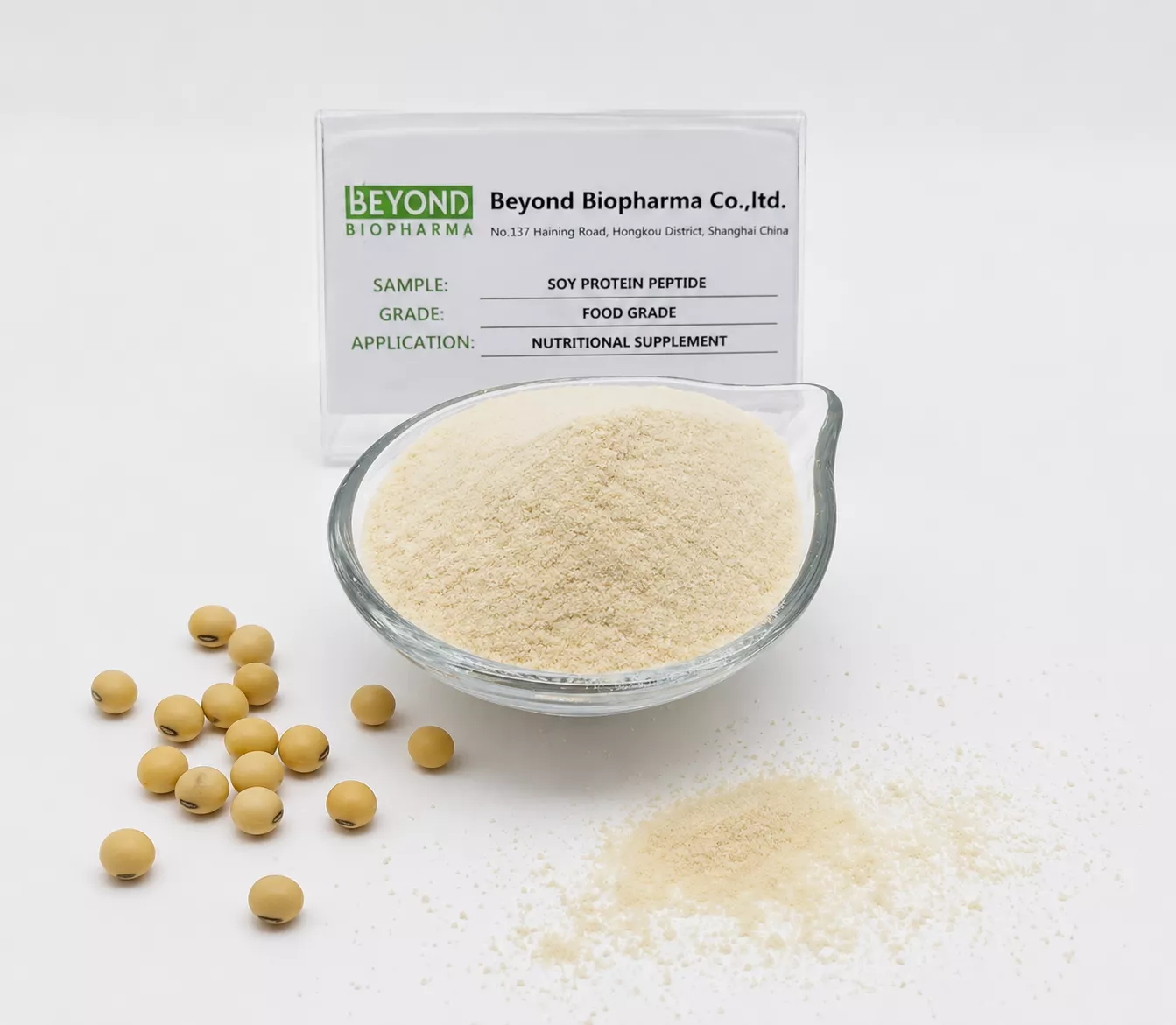
Beyond Biopharma manufactures high-quality, non-GMO Plant Protein Peptides. Their extensive lineup includes hydrolyzed corn, wheat, walnut, pea, soy, and rice peptides.
💡 Formulation Advantage: Beyond Biopharma peptides deliver 100% water solubility, a debittered neutral taste profile, and high stability across broad pH ranges.
These physical traits give food scientists exceptional flexibility. Food brands easily fortify bakery items, snack foods, and plant-based nutrition products. Manufacturers create clear protein RTD beverages, functional protein waters, instant drink powders, and energy bars. The short peptide chains dissolve completely without forming clumps, grit, or heavy sedimentation.
The combination of corn, wheat, and walnut peptides creates a complete recovery ecosystem. Corn peptides rebuild damaged muscle fibers and restore glycogen reserves. Wheat peptides protect gut barrier integrity and strengthen immune defenses. Walnut peptides cross the blood-brain barrier to reduce central fatigue.
Key Takeaway: Enzymatically hydrolyzed short-chain peptides (1,000–3,000 Da) bypass lengthy digestion. These tiny chains offer rapid systemic absorption and maximum bioavailability for working tissues.
Clean-label, allergen-conscious functional plant peptides provide essential tools for modern sports nutrition. Food scientists continue to formulate innovative products that push athletic endurance and recovery forward.
Functional plant peptides are short amino acid chains derived from plants through controlled enzymatic hydrolysis. These low-molecular-weight molecules (1,000–3,000 Da) enter the bloodstream rapidly. They provide higher bioavailability than standard intact protein powders, accelerating tissue repair.
Each botanical source targets specific athletic recovery needs:
🌽 Corn Peptides: Deliver leucine-rich BCAAs for muscle protein synthesis and glycogen restoration.
🌾 Wheat Peptides: Supply glutamine to protect gut barrier integrity.
🧠 Walnut Peptides: Cross the blood-brain barrier to reduce central fatigue.
Enzymatic processing breaks full-sized proteins into short 1,000–3,000 Da chains. Specialized intestinal transporters absorb these small fragments directly into systemic circulation. This rapid mechanism bypasses lengthy digestion, delivering essential amino acids to working tissues immediately.
💡 Formulation Note: Beyond Biopharma Plant Protein Peptides deliver 100% water solubility and a debittered, neutral taste profile.
These non-GMO peptides maintain stability across broad pH ranges. Formulators blend them into clear RTD beverages, functional waters, and energy bars without clumping or sedimentation.




Tel:+86 21 65010906
Cell/Whatsapp/Wechat:
+86 13482884055
+86 18657345785
Email: sales@beyondbiopharma.com





 English EN


