 English EN


Bovine gelatin pros and cons everyone should know
Bovine gelatin offers strong gelling and health benefits but has dietary, ethical, and allergen concerns. Compare bovine gelatin to other gelatin options here.
More
You often see confusion about bovine gelatin meaning. This ingredient comes from cows and never fits vegetarian or vegan diets. Many religious rules also forbid it, such as:
Islamic dietary laws ban gelatin from non-halal sources.
Jewish dietary laws prohibit gelatin from non-kosher cows.
Bovine gelatin comes from cows and is not suitable for vegetarians or vegans. Always check labels to avoid hidden animal products.
Many religious diets, including kosher and halal, often prohibit bovine gelatin due to its animal origin. Look for certified alternatives if you follow these dietary laws.
Plant-based substitutes like agar-agar and pectin provide excellent alternatives to bovine gelatin. These options allow you to enjoy your favorite foods without animal products.
When you look at bovine gelatin meaning, you find that it refers to a protein-based product made from cows. Food scientists define it as a substance created by breaking down collagen from bovine skin, bones, and connective tissues using heat and water. This process produces a material rich in amino acids like glycine, proline, and hydroxyproline. You often see bovine gelatin used in foods because it helps thicken, stabilize, and gel products.
To understand bovine gelatin meaning, you need to know how manufacturers produce it. The process involves several steps:
Raw Material Selection: Workers choose collagen-rich parts from cows, such as hides.
Pre-Treatment: They remove impurities and soften the tissues with alkali or acid.
Gelatin Extraction: Hot water helps extract the collagen.
Purification and Filtration: The mixture goes through filters and centrifuges to remove unwanted materials.
Concentration and Drying: The gelatin solution becomes more concentrated and then dries into sheets or flakes.
Milling and Blending: The dried gelatin is ground into powder and blended for consistency.
You might wonder which animal parts contribute most to gelatin. The table below shows the main sources:
| Animal Part | Contribution to Gelatin Production |
|---|---|
| Pig Skin | 46% |
| Bovine Hides | 29.4% |
| Cattle Bones | 23.1% |
Bovine gelatin meaning always points to animal origins. Animal-based gelatin makes up about 72% of the gelatin market worldwide. If you avoid animal products, knowing the source of gelatin helps you make informed choices.
You might wonder what makes bovine gelatin different from other food ingredients. The answer lies in its source. Bovine gelatin comes from the parts of cows that contain collagen. When you look at the label, you see that it is not just a simple additive. It is a mixture of peptides and proteins that come directly from animal tissues. Here are the main animal-derived ingredients found in bovine gelatin:
Collagen from the skin of cattle
Collagen from the bones of cattle
Proteins and peptides formed during processing
When you see the term bovine gelatin meaning, you should remember that it always refers to a product made from animal parts. This fact makes it impossible for vegetarians and vegans to include it in their diets.
If you follow a vegetarian or vegan diet, you avoid all animal products. Bovine gelatin meaning never fits these rules. The reason is simple. Gelatin comes from animal skin, bones, and connective tissues. You cannot find a plant-based version of true gelatin. Many people feel surprised when they learn that foods like jello, marshmallows, and gummy candies often contain gelatin. For someone who chooses a vegan lifestyle, even a small amount of animal-derived gelatin is unacceptable.
Note: Always check ingredient lists carefully. Many foods that look plant-based may still contain hidden animal products like gelatin.
Choosing a vegetarian or vegan lifestyle often goes beyond food. You may care about animal welfare, environmental impact, or personal health. Bovine gelatin meaning does not align with these values. When you use products made from animal parts, you support industries that rely on animal farming and processing. Many people avoid gelatin because they want to reduce harm to animals or lower their carbon footprint. You can make choices that match your beliefs by learning about the sources of ingredients.
If you want to follow a plant-based or ethical diet, understanding bovine gelatin meaning helps you avoid unwanted animal products. You can look for alternatives that fit your values and dietary needs.
If you follow kosher rules, you must pay close attention to the source and processing of gelatin. Kosher gelatin comes only from animals slaughtered according to Jewish law, called shechita. The animal must be kosher, and the equipment used must meet strict kosher standards. Bovine gelatin often fails to meet these requirements. Manufacturers may use non-kosher animals or process gelatin with non-kosher equipment. This makes most bovine gelatin unsuitable for kosher diets. Kosher gelatin can also come from kosher fish, but regular bovine gelatin does not fit these guidelines.
Halal rules require careful handling of animal products. You need to check if the animal was slaughtered by a Muslim, with God's name recited, and if the blood was fully drained. The production must use dedicated lines to keep halal materials separate. The table below shows key halal requirements:
| Requirement Type | Details |
|---|---|
| Pre-slaughter | Animal must be alive at time of slaughter. |
| Slaughter Requirements | Muslim must perform slaughter, reciting God's name, using a sharp knife. |
| Bleeding | Blood must be fully drained. |
| Production Requirements | Halal materials must stay separate from non-halal ones. |
Most bovine gelatin does not meet these halal standards, so you should avoid it unless it is certified halal.
In Hinduism, especially among Vaishnavas, you find strict rules against using animal-derived ingredients. Cows are sacred, and killing them is considered sinful. You should avoid bovine gelatin because it comes from cows. Some exceptions exist during emergencies, but most Hindus choose plant-based alternatives.
Many Buddhists and Seventh-day Adventists follow vegetarian diets. You will see that they avoid animal products, including gelatin. These groups prefer plant-based foods and reject ingredients from animals. If you belong to these communities, you should look for alternatives to bovine gelatin.

You have many plant-based options if you want to avoid animal gelatin. These substitutes come from plants and work well in many recipes. Here are some of the most widely used choices:
Agar-Agar: Made from seaweed, it creates a strong gel and works in desserts and dairy-free products.
Carrageenan: Also from seaweed, it helps thicken and stabilize foods like plant-based milks and puddings.
Pectin: Found in fruits, it is perfect for jams and jellies.
Konjac: Sourced from the konjac plant, it is popular in Asian foods and low-calorie treats.
Guar Gum: Made from guar beans, it thickens sauces and baked goods.
These options let you enjoy your favorite foods without animal products.
Agar-agar stands out as a top choice for vegan and vegetarian diets. You can see how it compares to animal gelatin in the table below:
| Feature | Agar-agar | Gelatin |
|---|---|---|
| Source | Plant-based (red algae) | Animal-derived (collagen from skin/bones) |
| Gelling Strength | Forms a firm, heat-stable gel | Soft, elastic texture that melts in the mouth |
| Dietary Suitability | Suitable for vegans and vegetarians | Not suitable for vegans, targets non-vegans |
| Culinary Uses | Used in vegan desserts, jellies, and puddings | Used in creamy desserts, gummies, marshmallows |
| Applications | Common in food processing, microbiology | Used in food, pharmaceuticals, supplements |
You may notice that plant-based gelling agents sometimes need special handling. For example, agar-agar requires boiling to dissolve and sets at room temperature.
When you pick a gelatin substitute, you should think about your needs and values. Consider these points:
Your ethical values and dietary restrictions
Environmental impact—plant-based proteins usually have a lower footprint than animal gelatin
Cost and your budget
The texture and stability you want in your recipe
How the substitute works with other ingredients
Tip: Some plant-based gels may feel firmer or more brittle than animal gelatin. You might need to adjust recipes or try different substitutes to get the best results.
Choosing the right alternative helps you enjoy tasty foods while supporting your health, values, and the planet.
You always find bovine gelatin made from animal parts like hides and bones. This makes it unsuitable for vegetarians, vegans, and many religious diets. Knowing the source helps you choose wisely.
Agar agar, carrageenan, and pectin offer popular plant-based alternatives.
Clear labeling supports your confidence in food choices.
You get bovine gelatin from cow skin, bones, and connective tissues. Manufacturers extract collagen from these parts to make the gelatin you see in many foods.
You can find plant-based alternatives like agar-agar, pectin, or carrageenan. These options do not use animal products and work well in many recipes.
You may hear that gelatin supports joints and skin. Scientific evidence remains limited. You should talk to your doctor before using it for health reasons.
Understanding The Composition And Production Of Bovine Gelatin
Comparing Bovine Gelatin Powder With Fish And Pork Varieties
The Health Benefits Of Bovine Gelatin Powder Explained
Creative Methods To Incorporate Bovine Gelatin Powder In Cooking

We provide you with comprehensive foreign trade solutions to help enterprises achieve global development
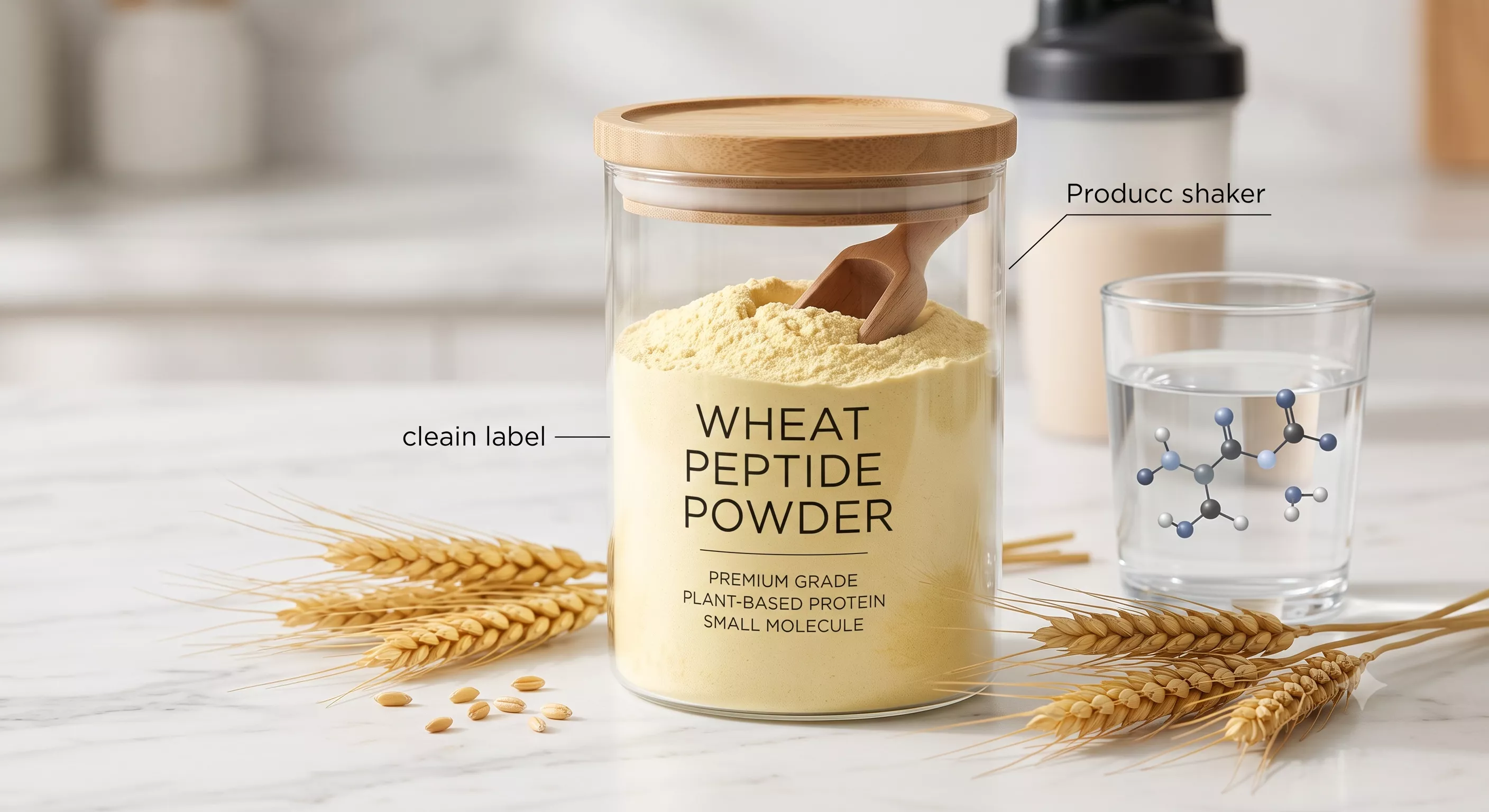
Source ultra-pure, high-solubility wholesale hydrolyzed wheat gluten peptide in bulk. Rich in plant-bound Glutamine ($\ge 25\%$) for muscle recovery and gut barrier health.
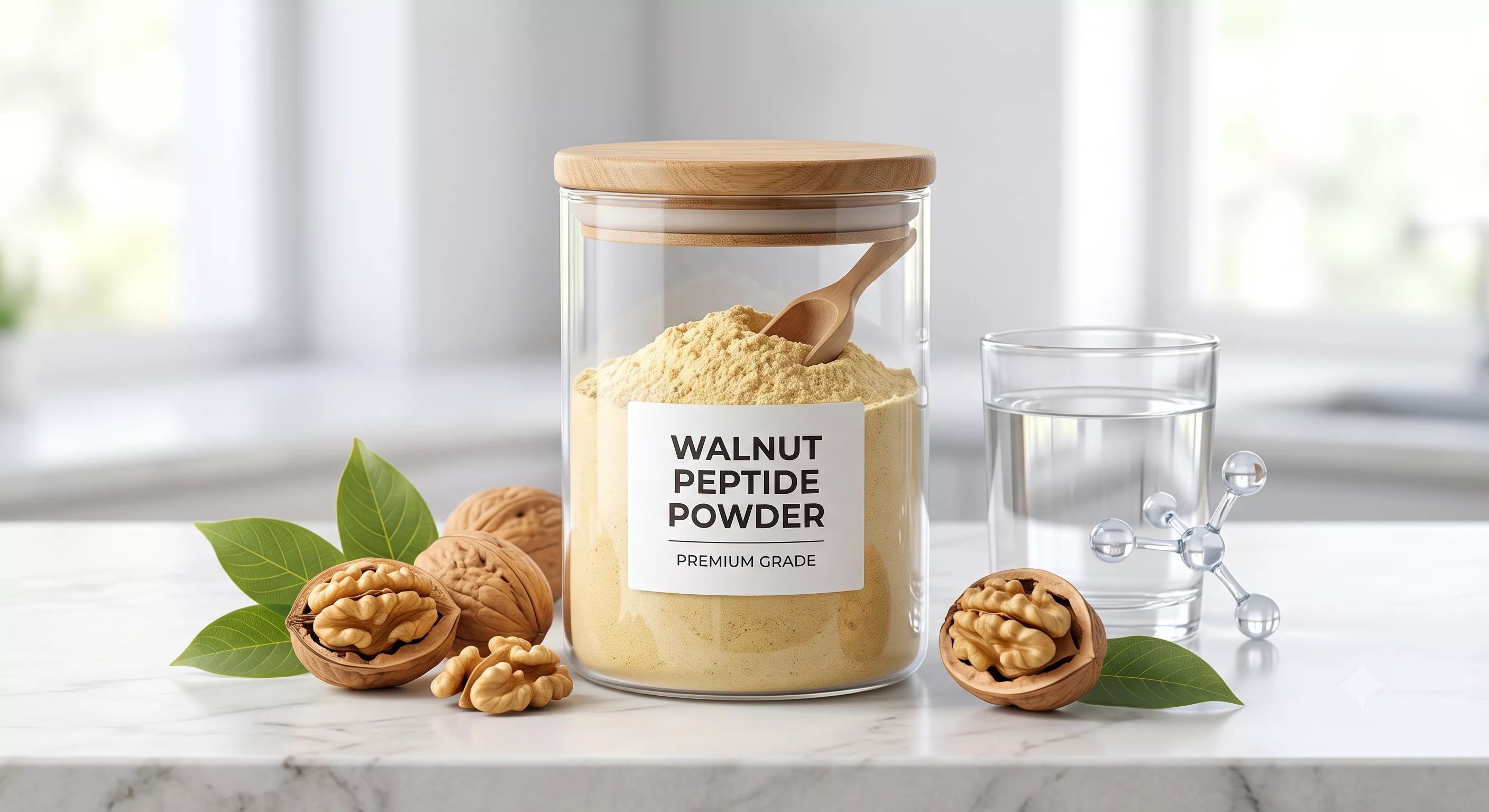
Source wholesale hydrolyzed walnut protein peptide powder in bulk. Over 85% low-molecular-weight oligopeptides rich in Glutamic Acid. Perfect for cognitive formulas and sleep aid supplements.
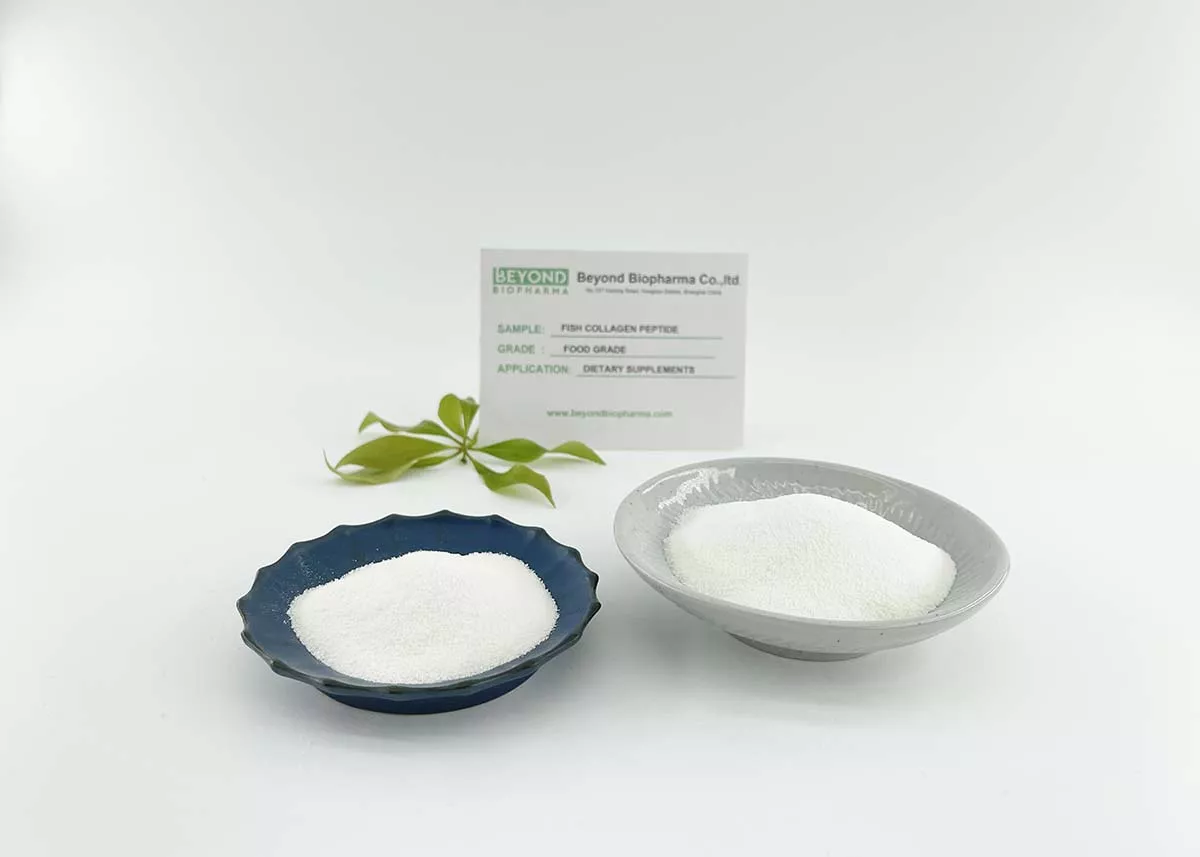
Premium marine-sourced collagen peptides with >90% protein content and low molecular weight (1000-3000 Da) for superior bioavailability. Sustainably sourced, neutral taste, and fully soluble—ideal for nutricosmetics and functional foods.
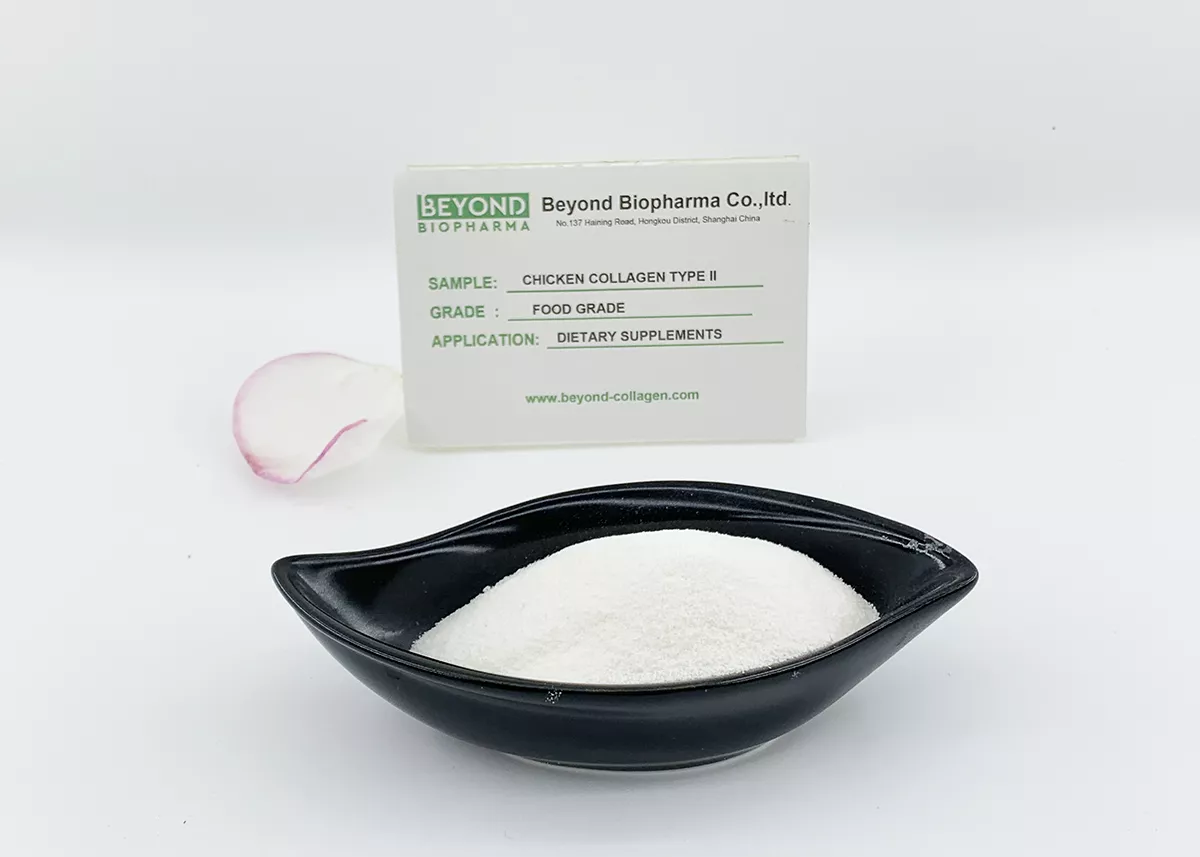
BEYOND BIOPHARMA is a specialized manufacturer of high-quality Undenatured Collagen Type II. Utilizing low-temperature, non-enzymatic extraction methods, our Undenatured Collagen Type II retains its native, triple-helix structure, essential for modulating the immune system's response to joint health and providing superior support for mobility, flexibility, and overall joint comfort.
Select the most popular foreign trade service products to meet your diverse needs
BEYOND BIOPHARMA is a specialized manufacturer of high-quality Undenatured Collagen Type II. Utilizing low-temperature, non-enzymatic extraction methods, our Undenatured Collagen Type II retains its native, triple-helix structure, essential for modulating the immune system's response to joint health and providing superior support for mobility, flexibility, and overall joint comfort.
Source ultra-pure, 100% water-soluble wholesale hydrolyzed rice protein peptide in bulk. Over 85% molecules under 1000 Da. Ideal for infant nutrition, clean-label sports formulas, and sensitive skincare.
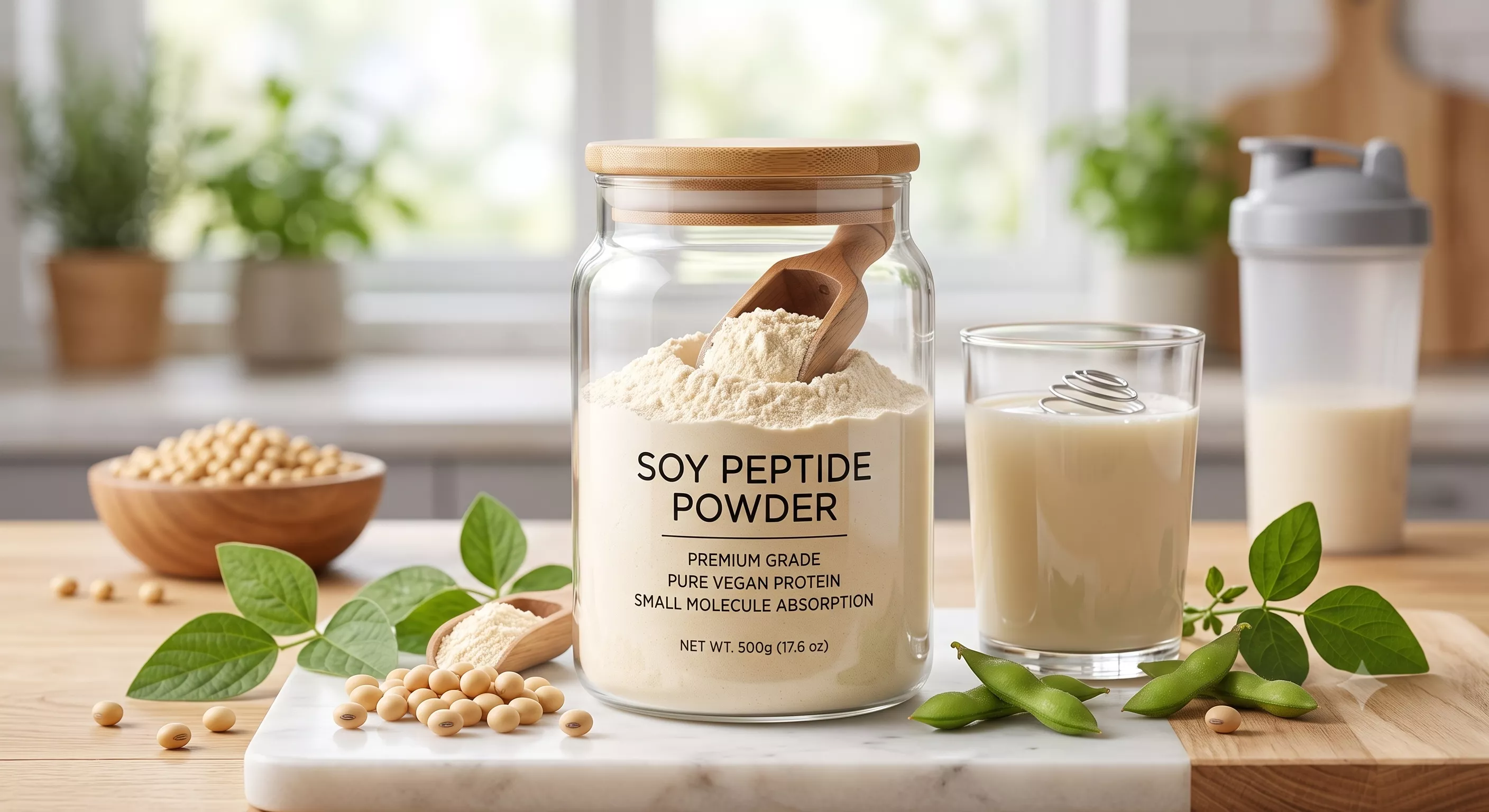
Source ultra-pure, non-GMO hydrolyzed soybean oligopeptide powder in bulk. Complete water solubility, over 80% peptides under 1000 Da. Ideal for sports nutrition and immune recovery formulas.
Tel:+86 21 65010906
Cell/Whatsapp/Wechat:
+86 13482884055
+86 18657345785
Email: sales@beyondbiopharma.com





User Comments
Service Experience Sharing from Real Customers
Jackie
Pastry ChefAs someone who's worked with all kinds of gelatin, finding bovine gelatin that's consistently high-quality was a game-changer. This one sets perfectly every time, no weird aftertaste. My gluten-free tarts have never been better!
Jackson
Fitness InstructorI was skeptical about gelatin supplements at first, but knowing this comes from bovine sources and is processed cleanly made me try it. Been adding it to my post-workout shakes for 3 months now - joints feel better and it mixes way easier than I expected. One star off because the packaging could be more resealable.
Jacqueline
Research AssistantWe use this bovine gelatin in our lab for cell culture substrates. The lot-to-lot consistency is remarkable compared to other brands we've tried. It dissolves clearly without particulate contamination - saves us so much filtration time. Pricey but worth it for reliable results.
Jax
HomesteaderI make my own capsules with herbal blends and needed gelatin that holds up in humid weather. This bovine gelatin does the trick - capsules don't get sticky. Wish I'd known about the meaning of 'bovine gelatin' earlier; it's definitely different from porcine ones I used before. Shipping took a while to reach my rural area though.