 English EN


Bovine gelatin pros and cons everyone should know
Bovine gelatin offers strong gelling and health benefits but has dietary, ethical, and allergen concerns. Compare bovine gelatin to other gelatin options here.
More
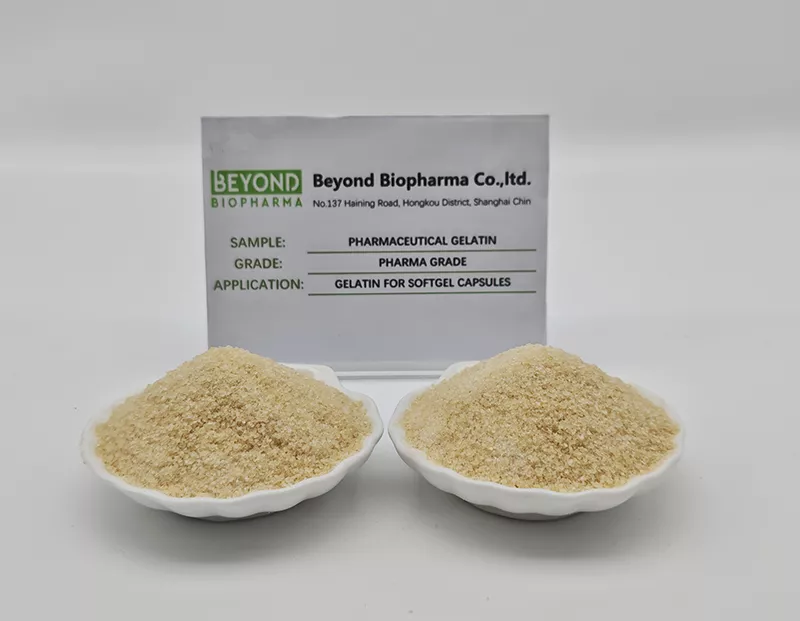
Bovine gelatin is a natural protein obtained by partial hydrolysis of collagen from cattle skin, hide, and bones. It is a staple ingredient in gummy candies, softgel capsules, hard capsules, and various food and pharmaceutical formulations. For overseas buyers, the key pain points are ensuring consistent bloom strength, low odor, reliable certifications (Halal, Kosher, BSE-free), and a supplier who can meet volume demands without compromising quality.
This article explains the production process, typical parameters, application-specific recommendations, and how a Shanghai-based manufacturer like Beyond Biopharma can support your sourcing needs with free samples and technical guidance.
Bovine gelatin is produced through a multi-step process that begins with cleaning and degreasing raw cattle hides or bones. The material undergoes acid or alkaline pretreatment to break down collagen crosslinks, followed by hot water extraction. The resulting liquid is filtered, concentrated, sterilized, dried, and milled into powder or granules.
The key functional property is gel strength, measured in Bloom grams. Higher Bloom values (e.g., 200–300 g) produce firmer, more elastic gels, ideal for gummies and softgels. Lower Bloom (50–150 g) is used for dairy products or marshmallows. Viscosity, mesh size, and moisture content are also critical parameters that affect processing and final product quality.
For collagen peptides, enzymatic hydrolysis further breaks down gelatin into smaller peptides (molecular weight 2,000–5,000 Da), improving solubility and absorption. Fish collagen peptides typically have lower molecular weight and faster absorption, while bovine collagen peptides offer a balanced amino acid profile suitable for joint and skin health applications.
The table below lists common industry parameters for bovine gelatin. Note: these are typical ranges; final values should be confirmed per Certificate of Analysis (COA) or sample testing.
| Parameter | Typical Range | Common Application |
|---|---|---|
| Bloom (gel strength) | 50–300 g | Gummies (200–260 Bloom); softgels (150–200 Bloom); dairy (100–150 Bloom) |
| Viscosity | 2.0–5.5 mPa·s | Higher viscosity for capsule shells; lower for confectionery |
| Mesh size | 8–60 mesh | Fine powder for instant dissolution; granules for slow release |
| Moisture | ≤14% | Standard for all grades; lower moisture improves shelf life |
| Protein content (collagen peptides) | ≥90% | Sports nutrition, beauty supplements |
| Molecular weight (collagen peptides) | 2,000–5,000 Da | Fish peptides lower (1,000–3,000 Da); bovine higher |
Typical industry range; final values per COA / sample.
Bovine gelatin is used across multiple industries. Here is a breakdown by sector with selection guidance:
Beyond Biopharma is a Shanghai-based manufacturer with over 10 years of experience in the food-ingredient industry. Our products are exported to more than 50 countries. We operate a fully automatic production line with GMP clean workshop, stainless-steel sealed piping, and automated temperature/pH control.
Our facility produces approximately 3,000 MT/year of collagen and 5,000 MT/year of gelatin. We hold ISO 9001, US FDA registration, and GMP certification. Select products carry Halal or Kosher certification (e.g., fish gelatin). Our bovine bone gelatin is BSE-free. We have an in-house lab for heavy-metal and microbiological testing, supported by a dedicated QA/QC team.
We offer three grades: food, pharmaceutical, and cosmetic. Free samples and formulation support are available. Our product lines include edible gelatin (bovine, porcine, fish; high-bloom bovine hide gelatin), pharmaceutical gelatin (bovine bone for hard capsules; ultra-high-viscosity for softgels), collagen peptide (fish and bovine; fish collagen tripeptide), undenatured collagen type II, plant protein peptide (pea, rice, soy), and joint health ingredients (bovine chondroitin sulfate sodium, glucosamine HCl, food-grade hyaluronic acid powder).
Q: Is bovine gelatin the same as collagen?
A: No. Bovine gelatin is partially hydrolyzed collagen, forming a gel when cooled. Collagen peptides are more extensively hydrolyzed, remain soluble in cold water, and have lower molecular weight for better absorption.
Q: What Bloom strength do I need for gummy production?
A: For standard gummies, 200–260 Bloom is typical. Higher Bloom produces firmer, more elastic gummies. Lower Bloom (150–200) works for softer chews. Always test with your specific formulation.
Q: Does bovine gelatin have a strong smell or taste?
A: Quality bovine gelatin is neutral in flavor and has minimal odor. Low-odor grades are available for sensitive applications like clear gummies or capsules. Always request a sample to evaluate.
Q: Can bovine gelatin be used in kosher or halal products?
A: Yes, but certification depends on the source and processing. Beyond Biopharma offers Halal and Kosher options for select gelatin products, including fish gelatin. Bovine gelatin can be certified if sourced from halal-slaughtered cattle.
Q: What is the difference between bovine bone gelatin and bovine hide gelatin?
A: Bone gelatin typically has higher Bloom and is preferred for hard capsules. Hide gelatin offers a different viscosity profile and is often used in softgels and confectionery. Both are BSE-free when sourced from healthy animals.
Q: How do I request a sample of bovine gelatin?
A: Contact Beyond Biopharma with your application, required grade (food/pharma/cosmetic), quantity/MOQ, target specs (Bloom, mesh, molecular weight, certifications), and destination country. We provide free samples and a quote.
If you are sourcing bovine gelatin for your next product, we invite you to share your requirements. Please provide the following details so we can send the right sample and competitive quote:
Beyond Biopharma is committed to providing consistent, high-quality bovine gelatin and collagen peptides to support your product development. Our team is ready to assist with formulation advice and technical support. Contact us today to start the conversation.

We provide you with comprehensive foreign trade solutions to help enterprises achieve global development
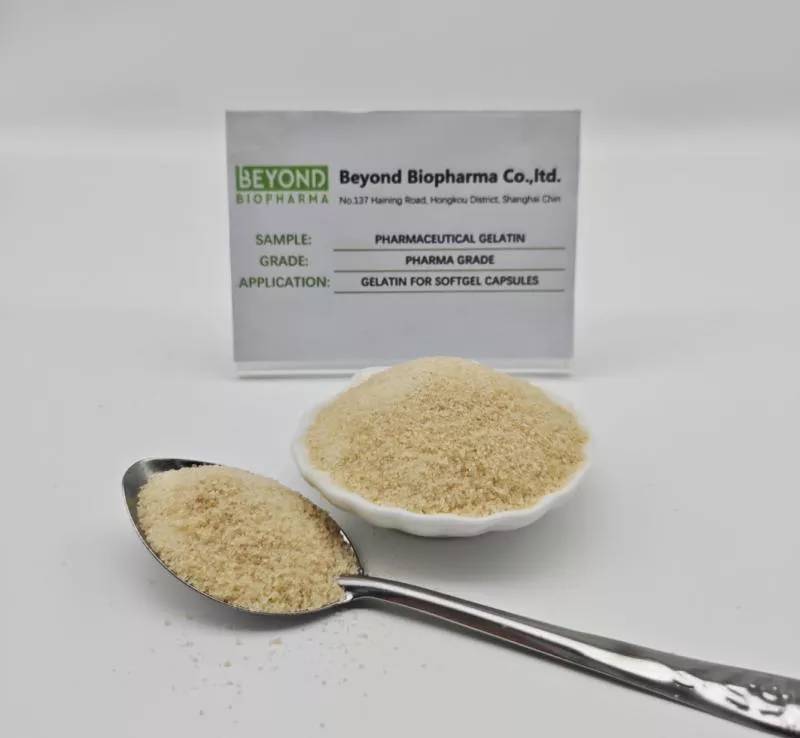
Softgel encapsulation demands a gelatin with unique physical attributes to perform optimally during the high-speed manufacturing process
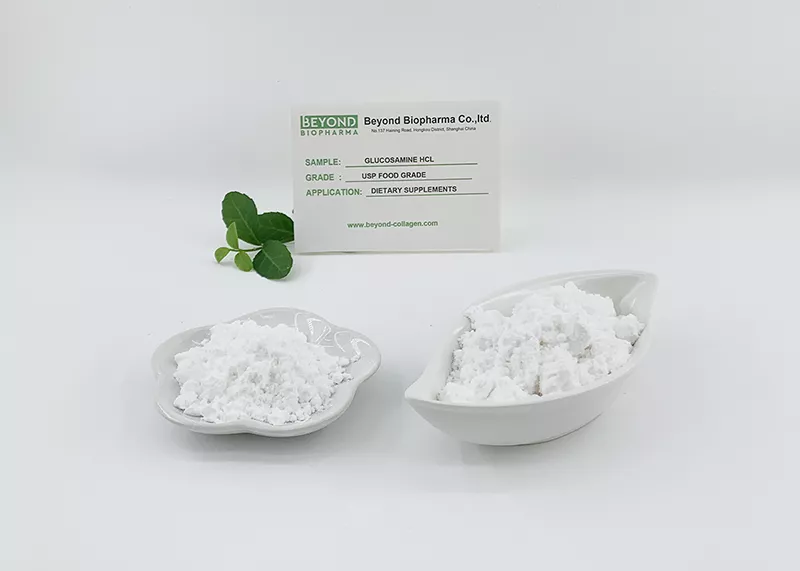
The Purest Plant-Based Joint Support Solution
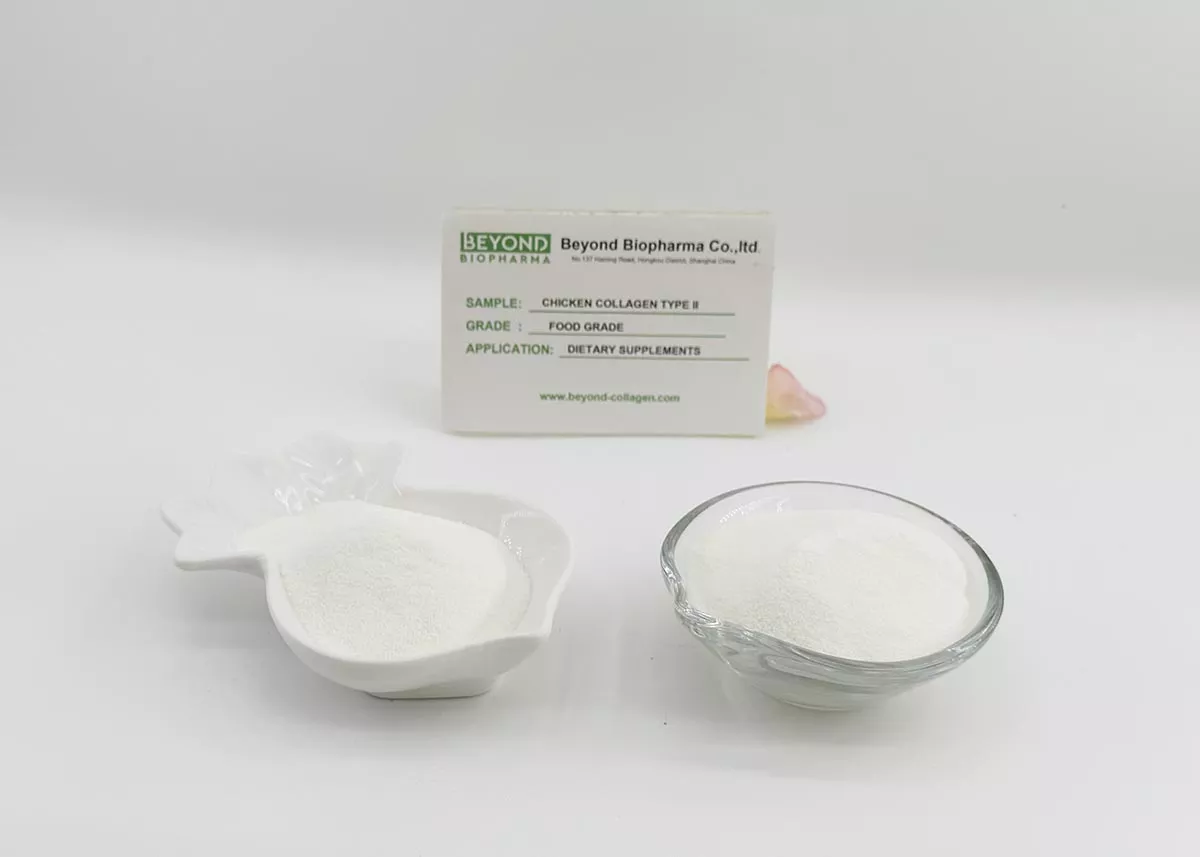
BEYOND BIOPHARMA is a specialized manufacturer of highly purified Hydrolyzed Collagen Type II. Through advanced enzymatic hydrolysis, we create low-molecular-weight collagen peptides that are highly bioavailable, offering foundational nutritional support for cartilage repair, joint function, and skin health. Our product is designed for rapid absorption and maximum efficacy in oral supplements.
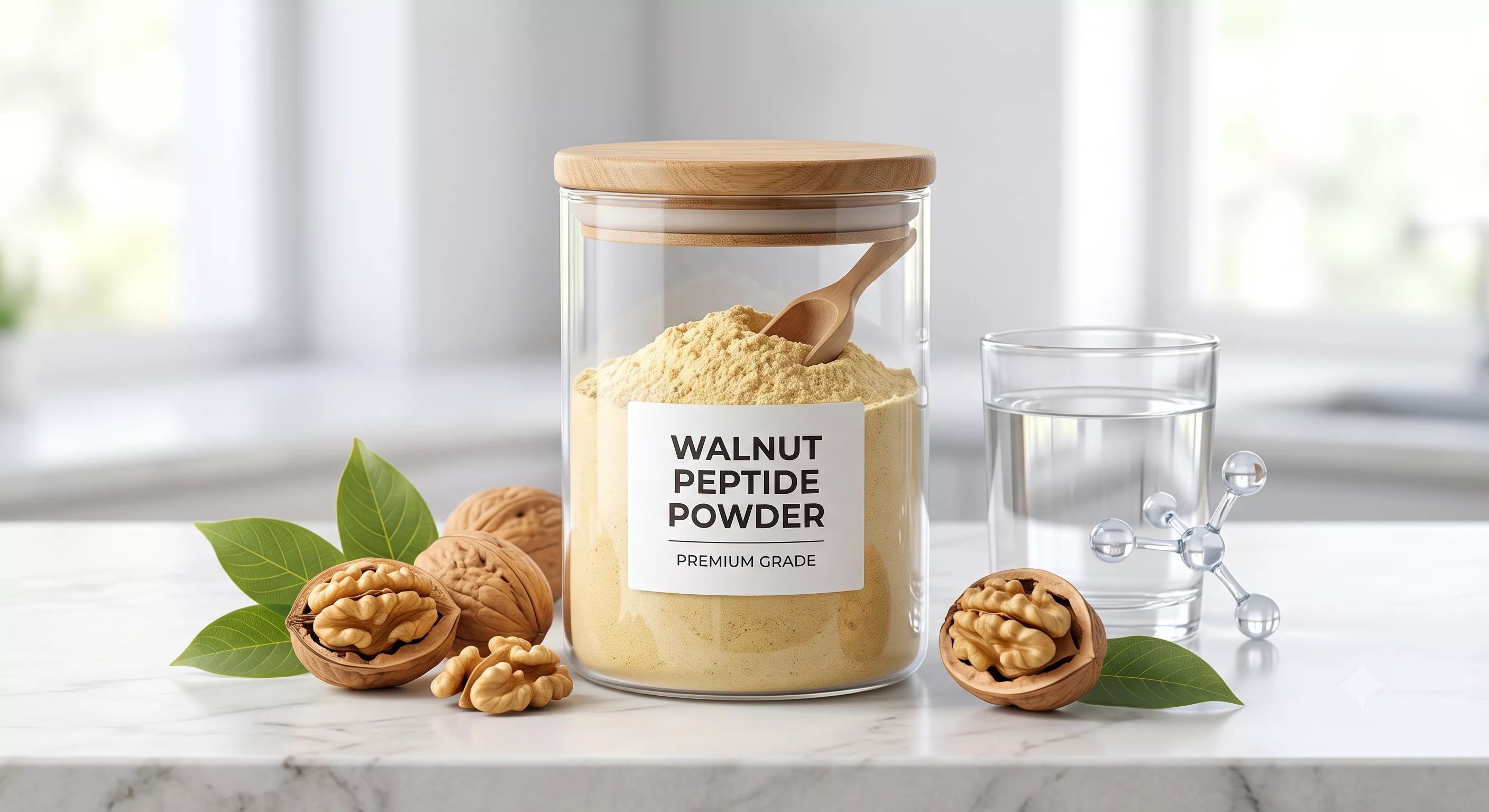
Source wholesale hydrolyzed walnut protein peptide powder in bulk. Over 85% low-molecular-weight oligopeptides rich in Glutamic Acid. Perfect for cognitive formulas and sleep aid supplements.
Select the most popular foreign trade service products to meet your diverse needs
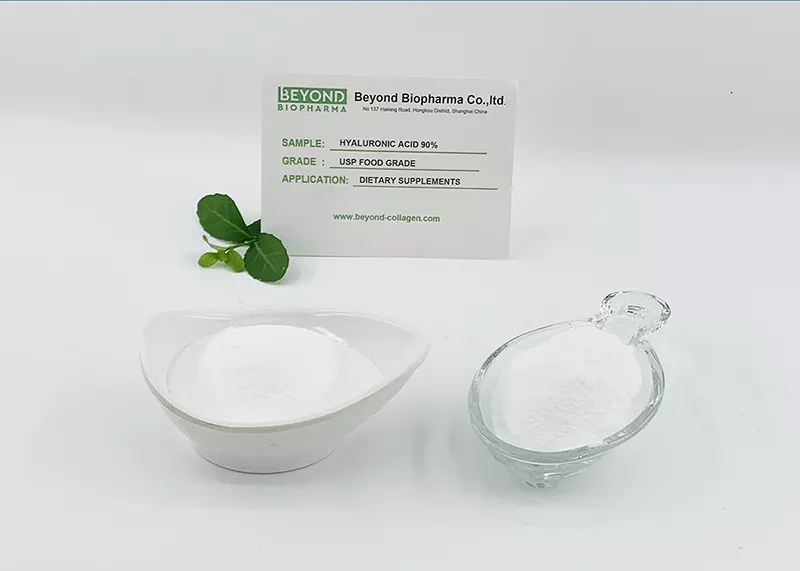
High Molecular Weight for Superior Joint, Skin, and Eye Health.
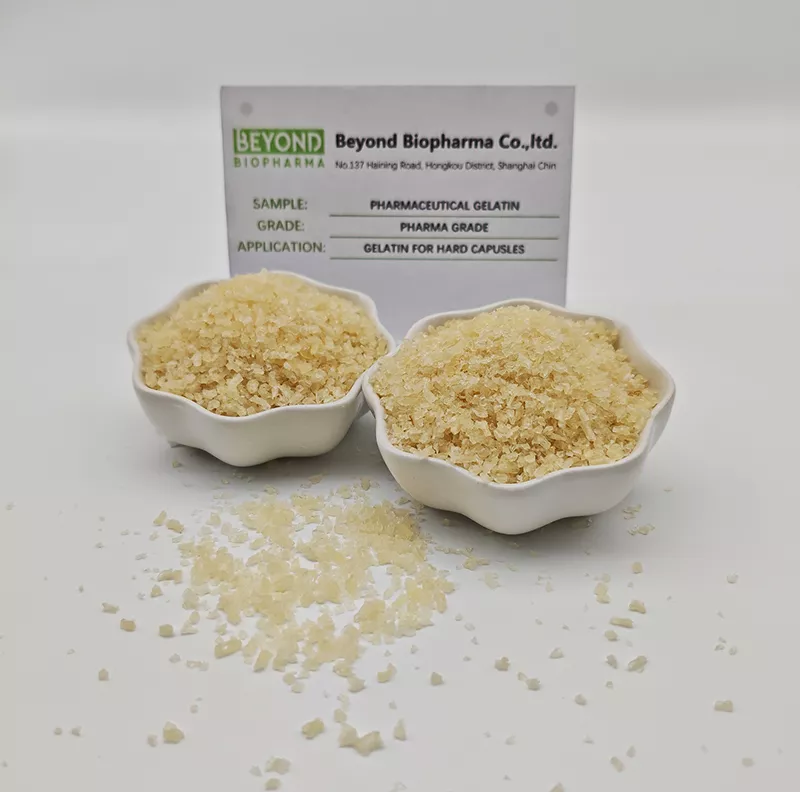
Precision, Purity, and Optimal Machinability
Softgel encapsulation demands a gelatin with unique physical attributes to perform optimally during the high-speed manufacturing process
Tel:+86 21 65010906
Cell/Whatsapp/Wechat:
+86 13482884055
+86 18657345785
Email: sales@beyondbiopharma.com





User Comments
Service Experience Sharing from Real Customers
Jackie
Pastry ChefAs someone who's worked in kitchens for 15 years, I was skeptical about bovine gelatin's quality compared to pork-based ones. But after using it in my panna cotta and marshmallows, I'm converted! It sets perfectly, has a neutral taste, and knowing it's from cattle raised for meat (a byproduct) aligns with my no-waste philosophy. My customers can't tell the difference, but I sleep better.
Jackson
Fitness CoachLooked up 'meaning of bovine gelatin' when my protein bars listed it. Was worried it was some weird synthetic stuff. Turns out it's just collagen from cows—helps with joint recovery which is huge for my athletes. The bars hold together great without that weird aftertaste. Minus one star because sourcing transparency could be better, but overall solid.
Jacqueline
Pharmacy TechnicianNever really thought about what capsules were made of until my vegan friend asked. Did my research—bovine gelatin means it's derived from cattle collagen, and it's brilliant for medication delivery. Dissolves predictably, is stable, and most importantly, it's affordable for patients. As someone who sees prescription costs daily, this matters more than people realize.
Jax
Art ConservatorWe use bovine gelatin in traditional bookbinding and restoration. Its meaning—being a pure animal protein—is key; it creates a reversible, archival-quality adhesive that synthetic glues can't match. It's forgiving to work with and ages beautifully with the paper. Only reason it's not a 5 is the smell while heating it up... but hey, that's history for you!