 English EN


Bovine gelatin pros and cons everyone should know
Bovine gelatin offers strong gelling and health benefits but has dietary, ethical, and allergen concerns. Compare bovine gelatin to other gelatin options here.
More
For purchasing managers and product developers, sourcing reliable gelatin powder often involves navigating issues like variable bloom strength, off-odors, or incomplete dissolution. Understanding what gelatin powder is and how it performs in your specific application is the first step toward consistent product quality.
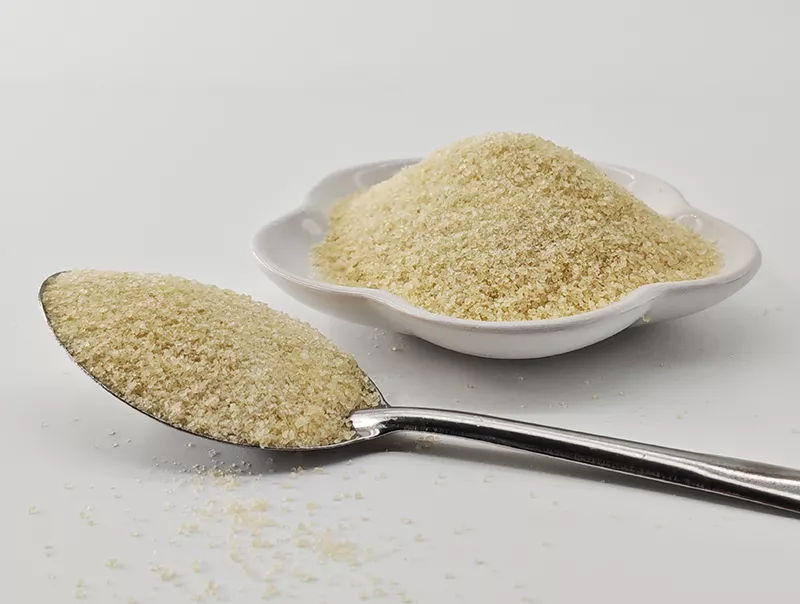
Gelatin powder is a purified protein obtained by partial hydrolysis of collagen from animal skins, bones, or connective tissues. The process typically involves acid or alkaline pretreatment followed by hot water extraction, filtration, concentration, and spray drying. This yields a fine, free-flowing powder that dissolves in warm water and forms a thermoreversible gel upon cooling. The source material—bovine hide, porcine skin, or fish skin—directly influences the gel strength (bloom), viscosity, and clarity of the final product.
When evaluating gelatin powder, buyers typically look at bloom value, viscosity, mesh size, and moisture content. Below is a reference table of common industry ranges (final values per COA/sample).
| Parameter | Typical Industry Range | Common Application |
|---|---|---|
| Bloom (g) | 50–300 (pharma/gummies often 150–260) | Softgels, gummies, desserts |
| Viscosity (mPa·s) | 2.0–5.5 | Capsule shells, coatings |
| Mesh (particle size) | 8–60 | Direct compression, blending |
| Moisture | ≤14% | Shelf stability |
Note: These are generic ranges. Always request a Certificate of Analysis (COA) for your target grade.
Gelatin powder functions primarily as a gelling agent, thickener, stabilizer, and film-former. In gummy candies and softgel capsules, its bloom value determines the chewiness and shell hardness. In pharmaceutical tablet coatings, it provides a smooth, glossy finish. For nutraceutical applications, hydrolyzed collagen peptides (a related product) offer improved cold-water solubility and rapid absorption. The molecular weight of standard gelatin is typically above 50,000 Da, while collagen peptides range from 2,000–5,000 Da, making them more bioavailable for joint and skin health.
Selecting the right gelatin powder grade depends on your industry and end product. Here is a breakdown:
Beyond Biopharma, based in Shanghai, China, has over 10 years of experience manufacturing collagen peptides, gelatin, and plant protein peptides. Our products are exported to more than 50 countries. We operate fully automatic production lines with GMP clean workshops, stainless-steel sealed piping, and automated temperature/pH control. Our annual capacity is approximately 3,000 MT for collagen and 5,000 MT for gelatin. We hold ISO 9001 certification, are US FDA registered, and select products carry Halal and Kosher certifications (e.g., fish gelatin). Our bovine bone gelatin is BSE-free. An in-house QA/QC team conducts heavy-metal and microbiological testing on every batch. We offer three grades—food, pharmaceutical, and cosmetic—and provide free samples along with formulation and selection support.
Q1: What is the difference between gelatin powder and collagen peptides?
Gelatin powder has a higher molecular weight (typically >50,000 Da) and forms a gel when cooled. Collagen peptides are enzymatically hydrolyzed to smaller fragments (2,000–5,000 Da), dissolve in cold water, and are absorbed faster. Use gelatin for gelling and structure; use collagen peptides for bioavailability in supplements.
Q2: How do I choose between bovine, porcine, and fish gelatin?
Bovine gelatin offers high bloom and is preferred for hard capsules and gummies. Porcine gelatin has similar properties and is widely used in food. Fish gelatin has a lower melting point and is suitable for halal/kosher and clean-label products. Your choice depends on target market, allergen profile, and religious dietary requirements.
Q3: What certifications should I look for when sourcing gelatin powder?
Key certifications include ISO 9001, FDA registration, Halal, Kosher, and BSE-free documentation. For pharmaceutical use, GMP compliance is essential. Always request a COA to verify bloom, viscosity, and microbial limits.
Q4: Can gelatin powder be used in vegan products?
No, gelatin is derived from animal sources. For vegan formulations, consider plant protein peptides (e.g., pea, rice, soy) or hydrocolloids like agar-agar and pectin. Beyond Biopharma offers plant protein peptide options for allergen-free and vegan applications.
Q5: How should I store gelatin powder to maintain its quality?
Store in a cool, dry place away from direct sunlight and moisture. Keep containers sealed to prevent absorption of humidity. Proper storage ensures consistent bloom and viscosity over the shelf life.
Q6: What is the typical lead time for bulk gelatin powder orders?
Lead time varies by quantity and grade but generally ranges from 2 to 4 weeks for standard products. Custom formulations or certifications may require additional time. Contact Beyond Biopharma for a specific timeline based on your requirements.
To ensure you receive the optimal gelatin powder for your application, please provide the following details when contacting Beyond Biopharma: your intended application (food, pharmaceutical, or cosmetic), required grade, target quantity/MOQ, desired specifications (bloom, mesh, molecular weight, certifications), and destination country. We will send free samples and a competitive quote tailored to your needs. Our team is ready to support your sourcing with professional guidance and consistent quality.
From gummy manufacturing to pharmaceutical capsule production, selecting the right gelatin powder is critical for product performance and regulatory compliance. Beyond Biopharma combines technical expertise, certified quality, and flexible supply to meet the demands of overseas buyers.

We provide you with comprehensive foreign trade solutions to help enterprises achieve global development
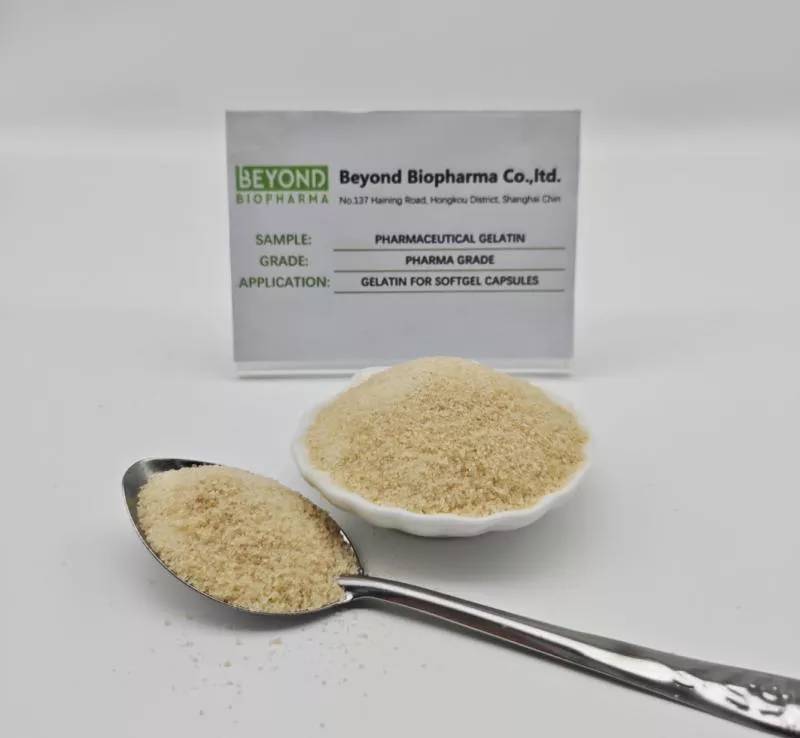
Softgel encapsulation demands a gelatin with unique physical attributes to perform optimally during the high-speed manufacturing process
The High-Performance Barrier for Core Material Protection and Controlled Release.
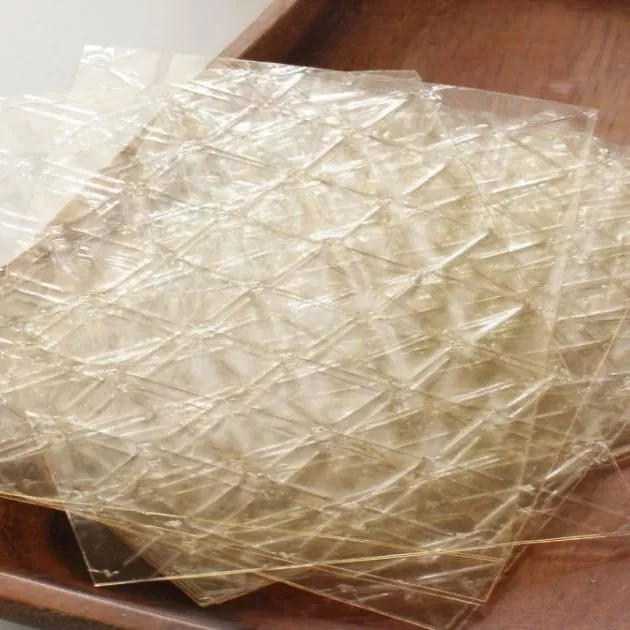
Our Gelatin Sheets are produced to precise standards, ensuring consistency and reliability across different Bloom grades (Silver being the most common professional choice).
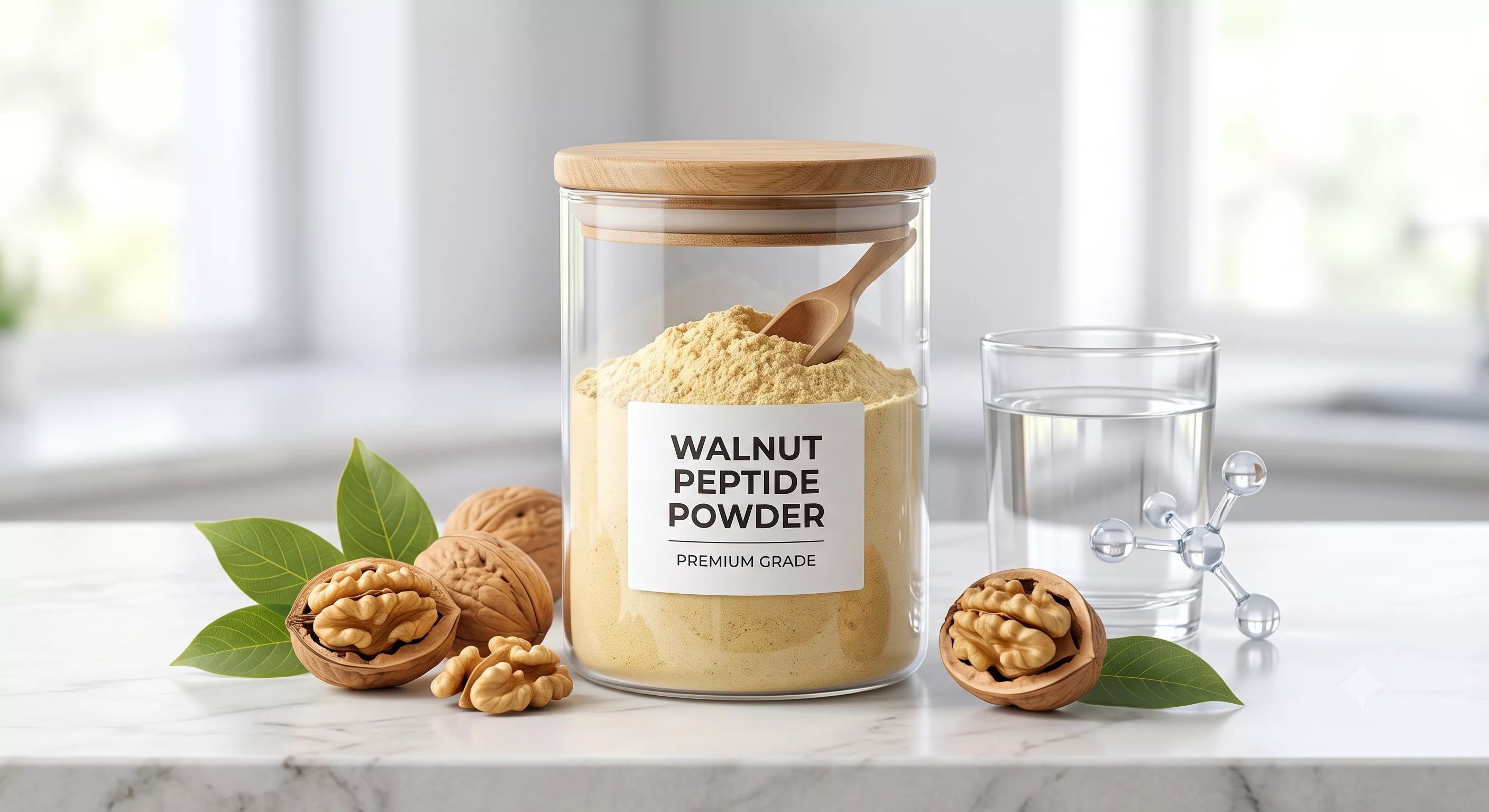
Source wholesale hydrolyzed walnut protein peptide powder in bulk. Over 85% low-molecular-weight oligopeptides rich in Glutamic Acid. Perfect for cognitive formulas and sleep aid supplements.
Select the most popular foreign trade service products to meet your diverse needs
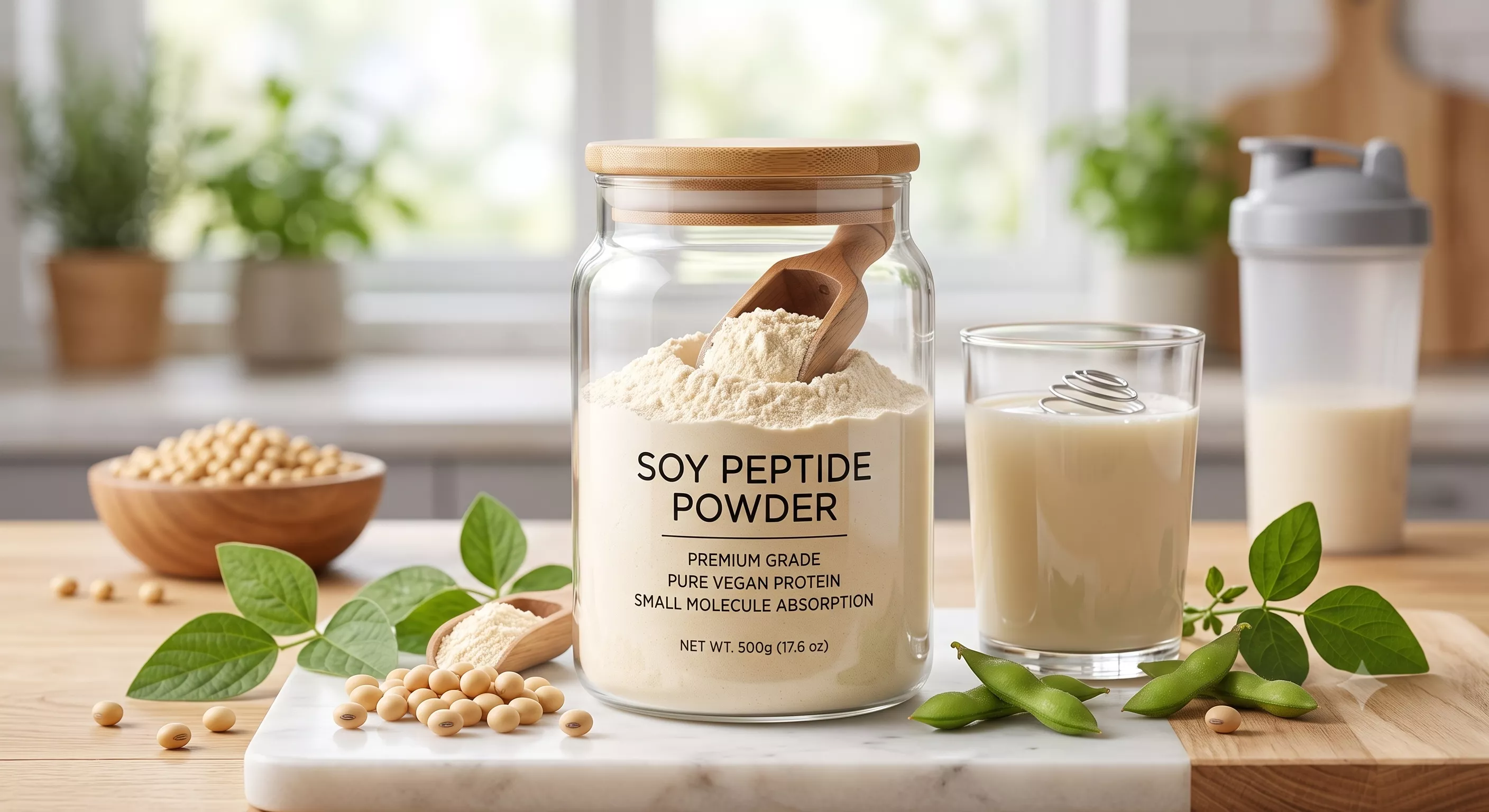
Source ultra-pure, non-GMO hydrolyzed soybean oligopeptide powder in bulk. Complete water solubility, over 80% peptides under 1000 Da. Ideal for sports nutrition and immune recovery formulas.
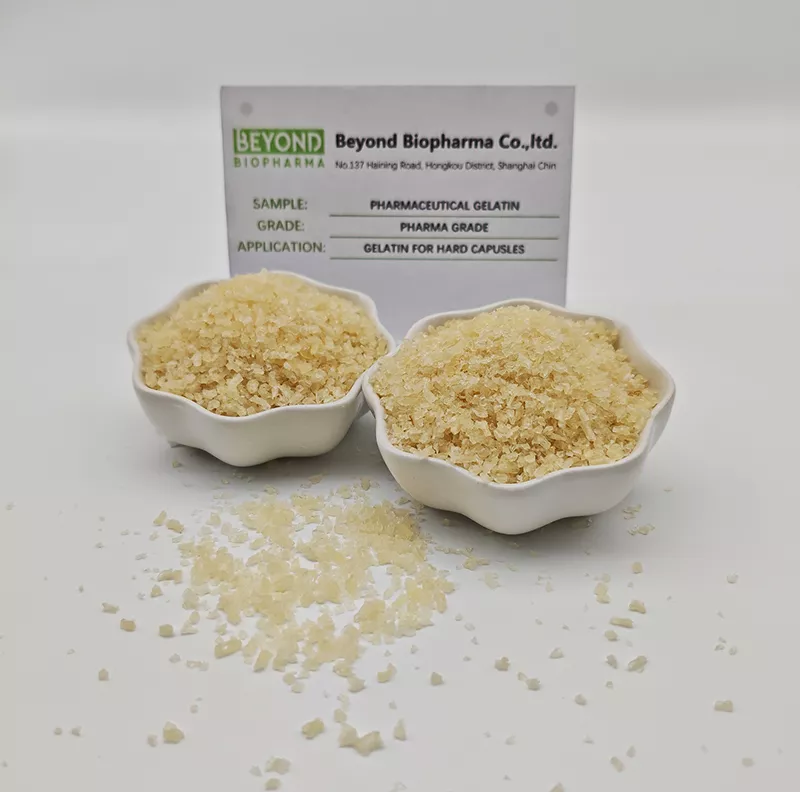
Precision, Purity, and Optimal Machinability
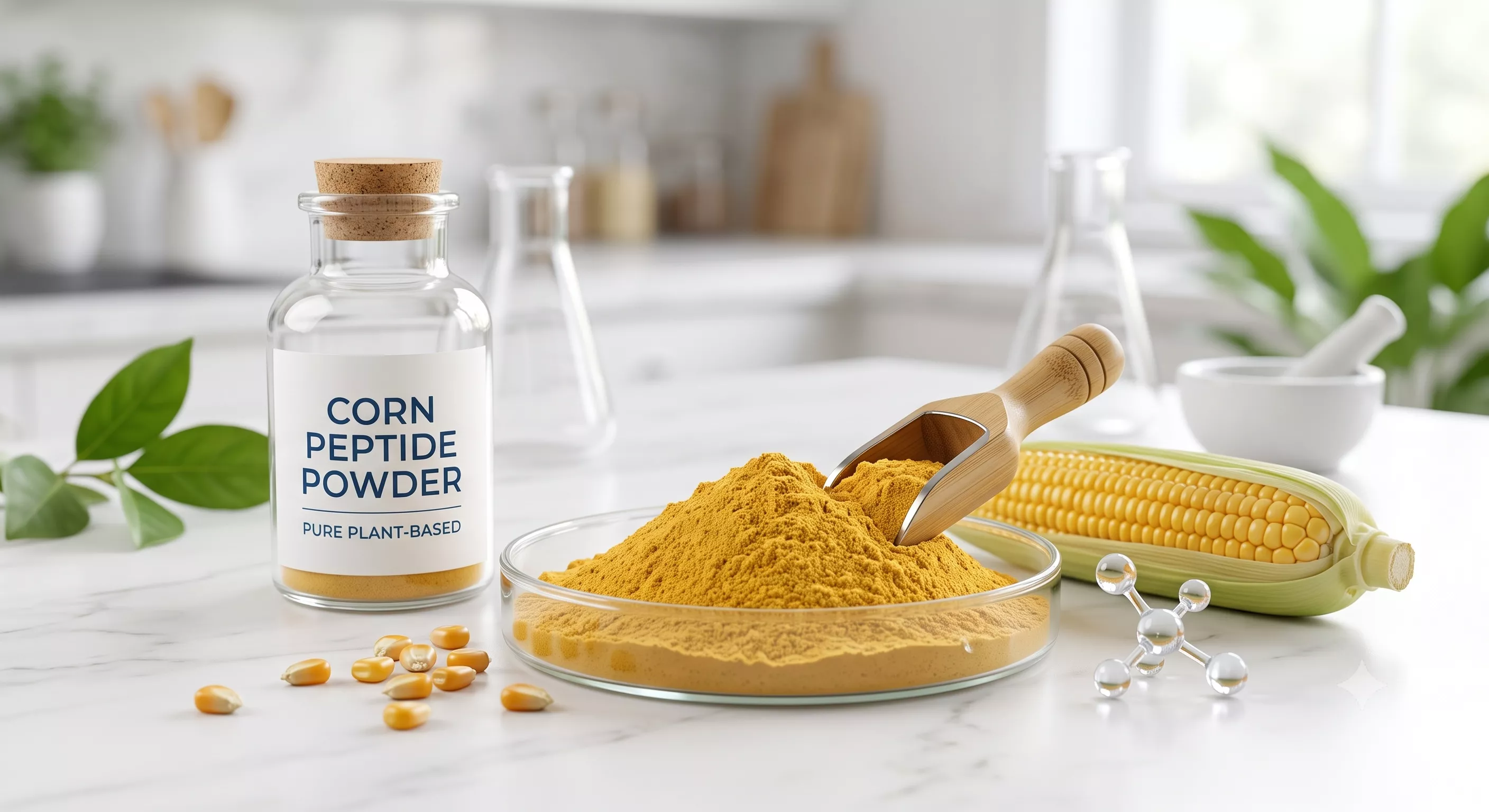
Source high-purity wholesale hydrolyzed corn protein peptide powder in bulk. Over 85% oligopeptides under 1000 Da. Rich in Alanine and Leucine for liver support and sobriety formulas.
Tel:+86 21 65010906
Cell/Whatsapp/Wechat:
+86 13482884055
+86 18657345785
Email: sales@beyondbiopharma.com





User Comments
Service Experience Sharing from Real Customers
Jack
Home BakerAs someone who bakes gluten-free desserts for my family, I was confused about what gelatin powder actually was—turns out it's just purified collagen from animal bones/skin, which sets liquids without altering flavor. This brand dissolves perfectly without clumping. My panna cotta finally has that restaurant-quality wobble!
Jacqueline
Cosmetics FormulatorBeen in the beauty industry for 8 years and use gelatin powder as a base for biodegradable capsule coatings. The meaning? It's a versatile protein derived from collagen. This product's fine texture mixes well, though I wish the packaging was resealable. Still, consistent quality for lab prototypes.
Jackson
College StudentHad to look up 'gelatin powder meaning' for a food science project—it's basically a gelling agent from animal parts. Tried this for homemade gummy bears and wow, the clarity and setting time are fantastic. No weird aftertaste like some store-bought jellos. Roommates keep stealing my batches!
Jackie
Pet Treat EntrepreneurRunning a small biz making natural dog treats, I needed gelatin powder that's pure and odorless. After researching its meaning (hydrolyzed collagen protein), I chose this. It binds ingredients perfectly for my jerky strips. One star off because the bulk bag arrived with a tiny tear, but product itself is top-notch.