 English EN


Bovine gelatin pros and cons everyone should know
Bovine gelatin offers strong gelling and health benefits but has dietary, ethical, and allergen concerns. Compare bovine gelatin to other gelatin options here.
More
Culinary experts recommend careful handling when working with gelatin powder to achieve flawless texture. Essential steps include measuring, blooming in cold water, dissolving in warm liquid, and mixing thoroughly. Common mistakes often involve improper measurement, incorrect blooming, or adding gelatin to acidic juices, which can prevent proper setting.
Gelatin powder is a colorless, odorless, water-soluble protein derived from animal collagen through hydrolysis. Manufacturers extract collagen from animal by-products, then purify, concentrate, and dry it to create the final powder. The main components include large polypeptide chains made up of amino acids such as glycine, proline, and hydroxyproline. The chemical composition consists primarily of carbon, hydrogen, nitrogen, and oxygen.
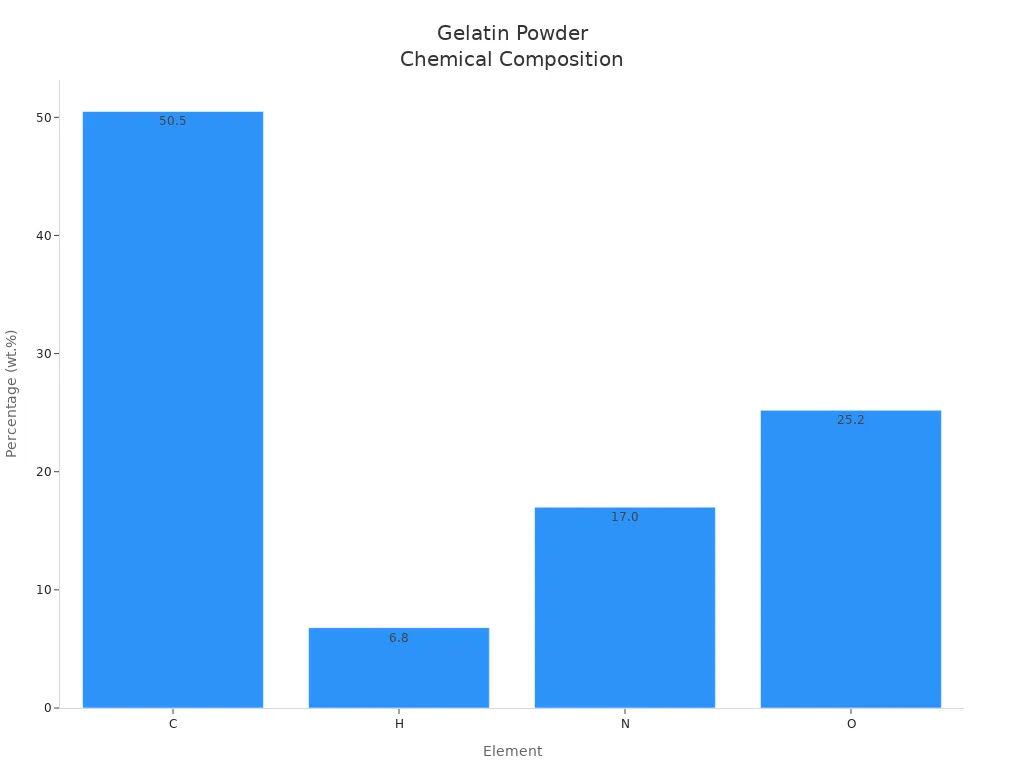
This protein structure gives gelatin powder its unique gelling properties, making it a staple in both home and professional kitchens.
Blooming refers to the process of hydrating and softening gelatin powder by soaking it in cold water. This step allows water molecules to penetrate the gelatin strands, activating them for proper dissolution. Without blooming, the powder may clump and fail to dissolve evenly, resulting in a lumpy or uneven texture in the finished dish. Hydration ensures that the gelatin molecules distribute uniformly, which is essential for smooth, consistent results.
Tip: Always sprinkle gelatin powder over cold water and let it sit for 5 to 10 minutes to achieve optimal hydration.
Proper dissolving of gelatin powder directly affects the texture and clarity of desserts and other recipes. When fully hydrated and dissolved, gelatin forms a stable network that traps liquid, creating a smooth and firm set. If the powder is not bloomed or dissolved correctly, the final product may not set or could develop an undesirable grainy texture. Consistent technique ensures reliable results, whether preparing panna cotta, mousse, or aspic.
Accurate measurement forms the foundation of successful recipes. Professional chefs rely on precise tools, such as digital scales or standardized measuring spoons, to ensure consistency. Each envelope of Knox gelatin contains 2 ½ teaspoons, which sets 2 cups of liquid. Recipes often specify the amount needed for a particular texture. The ratio of gelatin powder to liquid varies depending on the desired firmness. The following table illustrates recommended ratios for different applications:
| Type of Gel/Foam | Ratio of Gelatin to Liquid |
|---|---|
| Soft Gels | 0.5% to 1.0% |
| Firm Gels | 1% to 3% |
| Very Firm Gels | Upwards of 6% |
| Light Foams | 0.4% to 1.0% |
| Dense Foams | 1.0% to 1.7% |
Chefs select the ratio based on the recipe type, whether preparing a delicate mousse or a robust aspic. Measuring gelatin powder correctly prevents over- or under-setting, which can compromise both texture and appearance.
Blooming activates the gelling properties of gelatin powder. This process involves sprinkling the powder evenly over cold water, allowing each granule to absorb moisture. The ideal method includes the following steps:
Fill a bowl with cold water.
Sprinkle gelatin powder over the surface.
Allow the gelatin to bloom for 5 to 10 minutes until it thickens.
Blooming gelatin is regarded to be one of the most important processes since it is accomplished by sprinkling the gelatin over cold water. This process is considered to be one of the most fundamental operations.
Skipping this step can lead to clumping and uneven texture. The powder must become soft and translucent before proceeding. Hydration ensures uniform distribution and optimal gelling strength.
After blooming, the next step involves dissolving the gelatin powder in warm or hot liquid. Gentle heating melts the hydrated gelatin, creating a smooth solution. Chefs often use a double boiler or microwave in short bursts to avoid overheating. Excessive heat can weaken the gelling properties and render the gelatin ineffective.
Overheating gelatin can weaken its gelling properties and make it ineffective when added to mixtures.
The liquid should never reach boiling point. Stirring gently helps dissolve the gelatin completely. Proper dissolution guarantees clarity and prevents graininess in the finished product.
Incorporating dissolved gelatin powder into recipes requires careful timing and technique. Chefs add the melted gelatin to the main mixture after blooming and dissolving. They avoid sprinkling dry powder directly into the recipe, which can cause lumps and uneven setting. The following steps help achieve smooth results:
Hydrate or 'bloom' gelatin in cold water.
Dissolve gently in warm liquid.
Add to the recipe mixture, stirring thoroughly to distribute evenly.
When gelatin powder disperses throughout a dessert, protein molecules interlink as the mixture cools. This network traps water, resulting in a firm and stable texture. Timing and gentle mixing maintain the creamy consistency of mousses, jellies, and aspics.
Several variables can affect the setting of gelatin powder. Chefs monitor temperature, acidity, hydration, and ingredient interactions to ensure reliable results. The table below summarizes common kitchen variables and their effects:
| Variable | Effect on Gelatin Setting |
|---|---|
| Temperature | Excessive heat (>212°F/100°C) can denature gelatin's peptide bonds, preventing proper setting. |
| Acidity | Low pH (<3.5) from high-acid fruits (e.g., pineapple, kiwi) can cleave protein chains, hindering gel formation. |
| Hydration | Insufficient hydration or vigorous stirring can lead to uneven blooming, resulting in clumps and weak spots. |
| Other Ingredients | Ingredients like unstrained fruit purées with pectin can cause cloudiness and interfere with gelatin's solubility. |
Chefs follow these troubleshooting steps for grainy or unset desserts:
Watch the weather; high humidity can affect how jelly sets.
Let the jelly rest before judging; some jellies may take several days to set.
If the jelly did not set, recooking with pectin often resolves the issue.
Tip: Always bloom gelatin powder in cold water and heat gently to avoid lumps. This process helps maintain smooth, creamy results.
Gelatin powder adapts to both sweet and savory recipes. In sweet dishes, it provides texture and stability for mousse, marshmallows, and panna cotta. In savory applications, it adds body and texture to terrines, aspics, and pâtés without altering flavor. Chefs select the appropriate ratio and technique based on the recipe type, ensuring optimal results every time.
Gelatin powder delivers consistent results when chefs follow essential steps:
Measure with a dry spoon.
Bloom in cold water for 5–10 minutes.
Dissolve gently in warm liquid.
Mix thoroughly into recipes.
Beginners should prepare molds in advance and set desserts in the fridge. Practice refines technique and ensures flawless texture.
The chef can gently reheat the mixture, add more bloomed gelatin, and chill again. This process often restores proper texture and firmness.
Sheet gelatin can replace powder. The chef must convert measurements accurately. One sheet equals about one teaspoon of powder.
Gelatin powder stays fresh in an airtight container. The chef stores it in a cool, dry place away from moisture and heat.

We provide you with comprehensive foreign trade solutions to help enterprises achieve global development
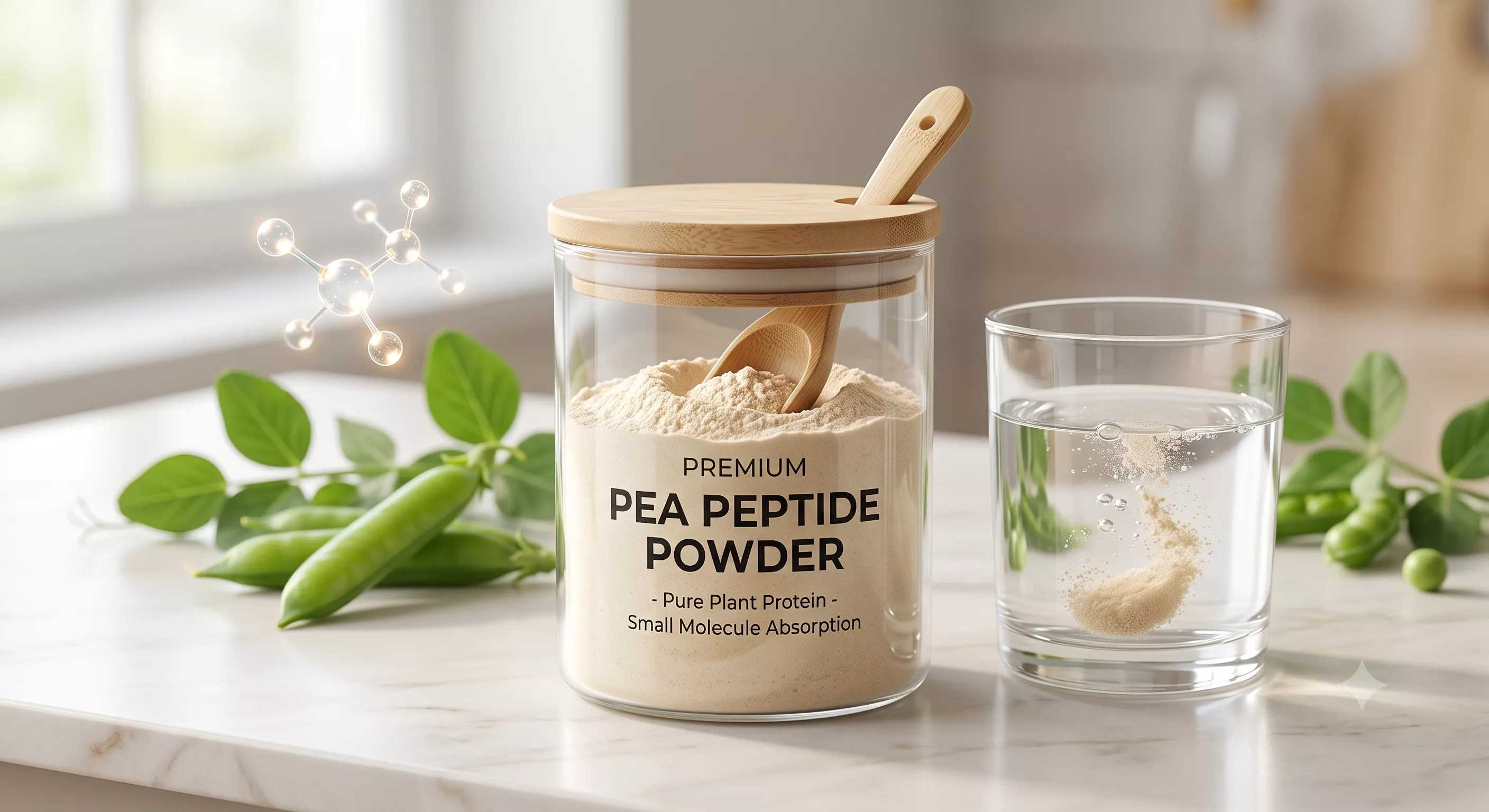
Source high-purity, hypoallergenic hydrolyzed pea peptide powder in bulk. Complete water solubility, rich in BCAAs, ideal for vegan recovery formulas.
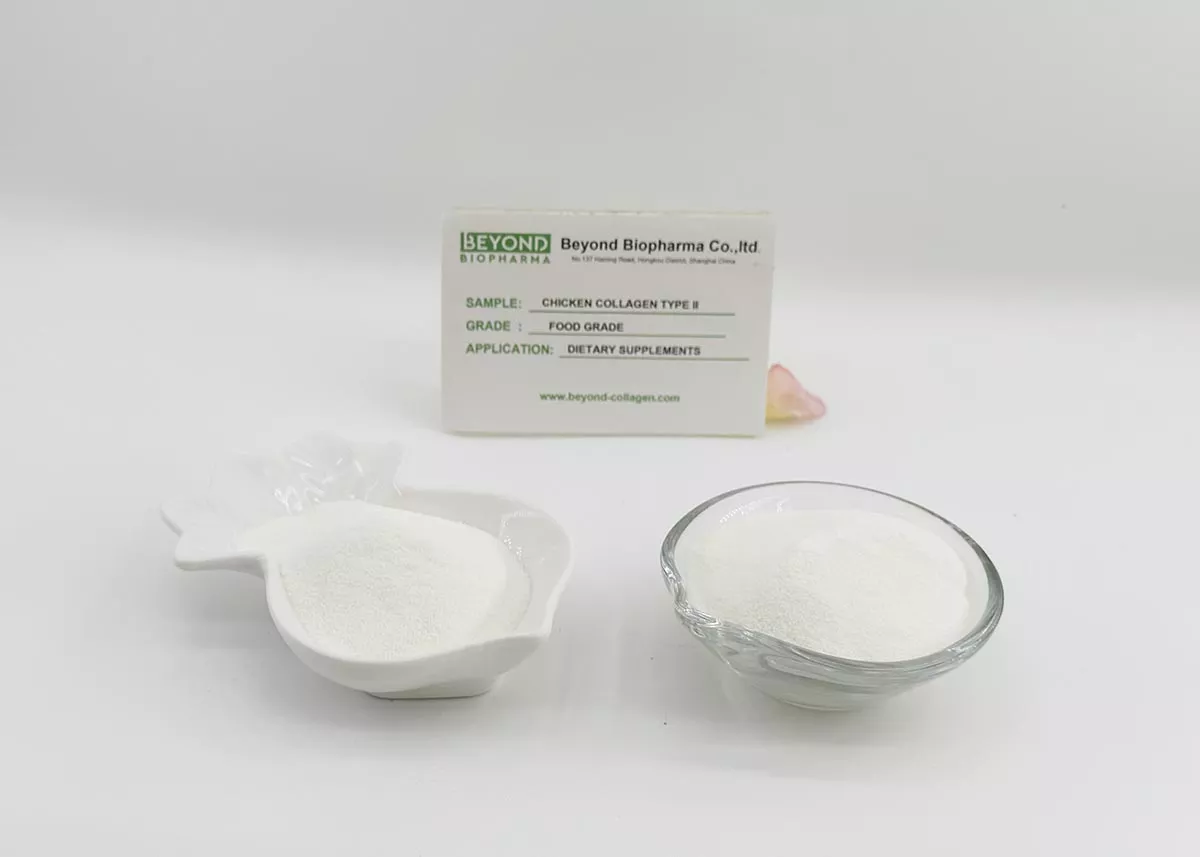
BEYOND BIOPHARMA is a specialized manufacturer of highly purified Hydrolyzed Collagen Type II. Through advanced enzymatic hydrolysis, we create low-molecular-weight collagen peptides that are highly bioavailable, offering foundational nutritional support for cartilage repair, joint function, and skin health. Our product is designed for rapid absorption and maximum efficacy in oral supplements.
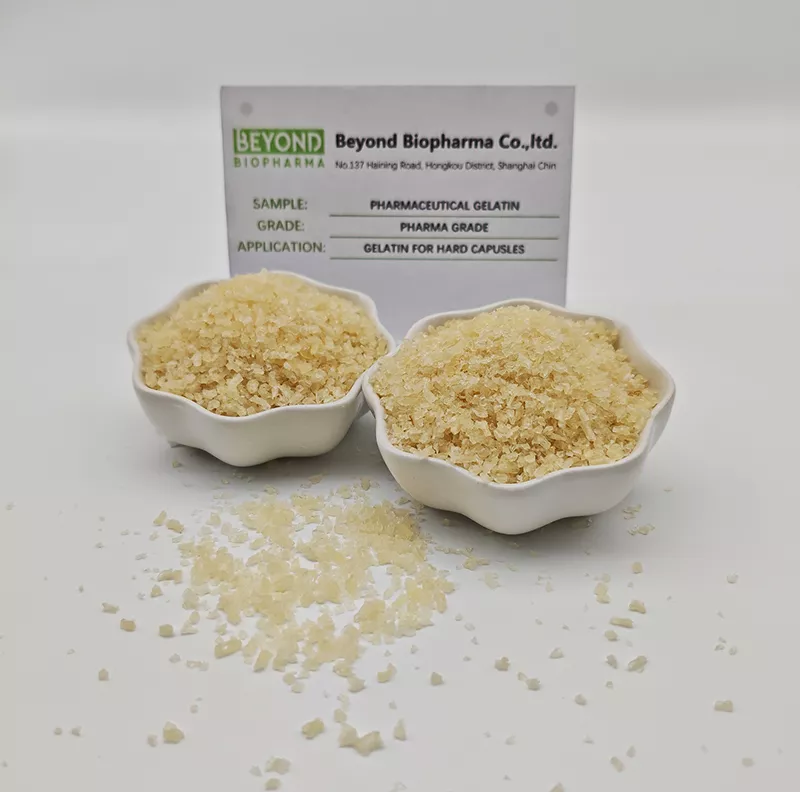
Precision, Purity, and Optimal Machinability
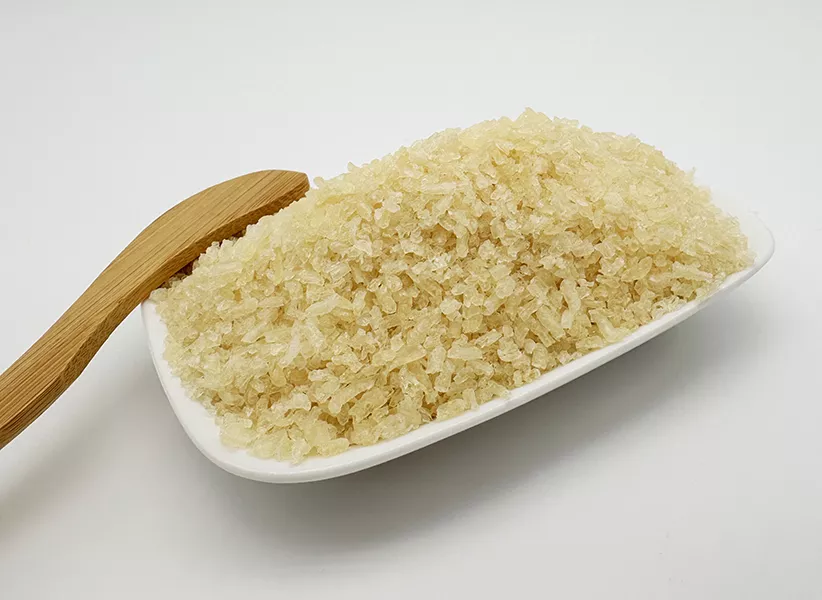
Our Bovine Hides Gelatin is engineered for versatility and compliance, ensuring performance across various applications.
Select the most popular foreign trade service products to meet your diverse needs
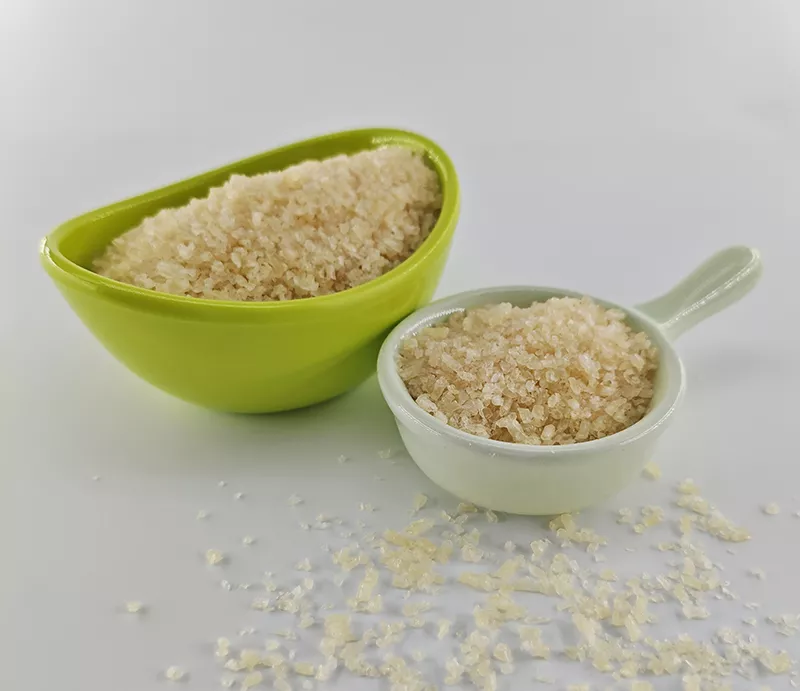
Stability, Swallowing Enhancement, and Controlled Release
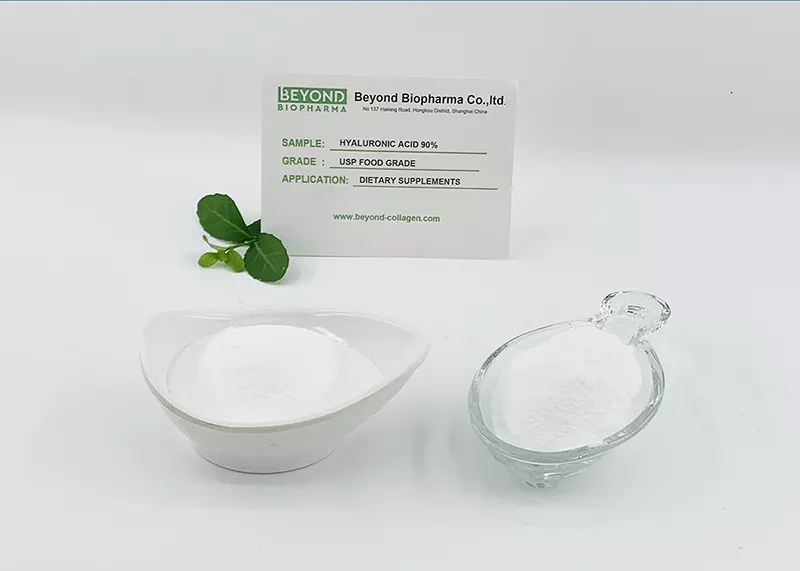
High Molecular Weight for Superior Joint, Skin, and Eye Health.
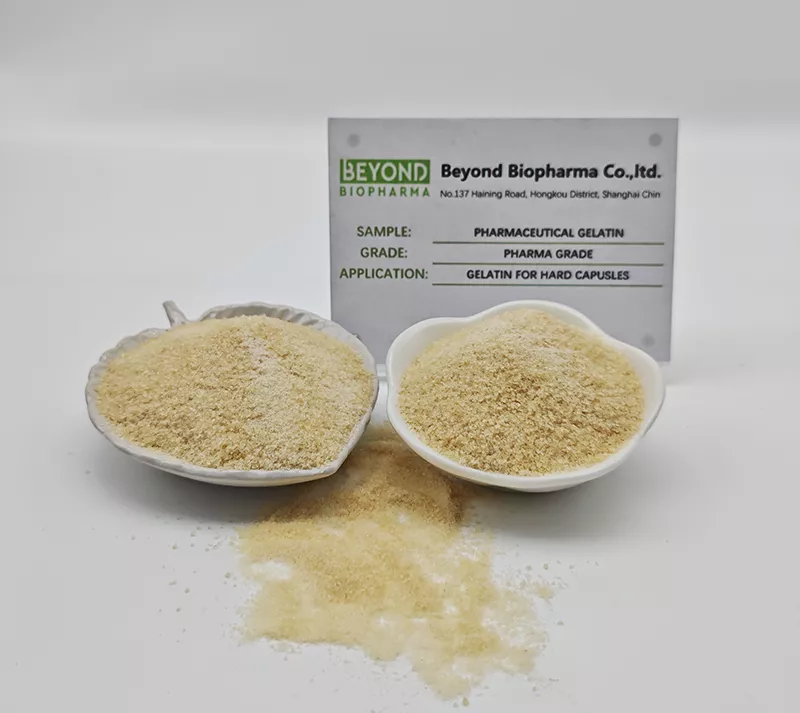
The high-strength and rapid-setting characteristics of Bovine Bone Gelatin ensure it forms a stable, uniform, and durable shell that preserves the integrity of the active pharmaceutical ingredient (API).
Tel:+86 21 65010906
Cell/Whatsapp/Wechat:
+86 13482884055
+86 18657345785
Email: sales@beyondbiopharma.com





User Comments
Service Experience Sharing from Real Customers
Emma
Pastry ChefThis gelatin powder is a game-changer for my dessert creations. It sets perfectly every time, is odorless, and dissolves seamlessly. My panna cottas have never looked more professional!
Liam
Research TechnicianUsed this gelatin powder for capsule formulation in our lab. It provides excellent gel strength and consistent viscosity. Reliable quality for our pharmaceutical prototyping work.
Sophia
Craft BloggerAbsolutely perfect for my homemade DIY cosmetics and edible glitter projects! The fine texture mixes well, and it's so versatile. My readers love the recipes I make with this.
Noah
Nutrition CoachI recommend this high-quality gelatin powder to clients for protein supplementation and joint health. It's pure, dissolves easily in smoothies, and has no artificial additives. Great product!