 English EN


Bovine gelatin pros and cons everyone should know
Bovine gelatin offers strong gelling and health benefits but has dietary, ethical, and allergen concerns. Compare bovine gelatin to other gelatin options here.
More
Sourcing bovine gelatin that meets strict batch consistency, solubility, and certification requirements is a common pain point for overseas buyers. This article defines bovine gelatin, explains its production process and key specifications, and provides practical selection guidance for food, pharmaceutical, and nutraceutical applications. Whether you need edible gelatin for gummies or pharmaceutical gelatin for hard capsules, understanding the source and quality parameters helps you make informed procurement decisions.
Bovine gelatin is a natural protein derived from the collagen found in cow hides, bones, and connective tissues. Through a controlled hydrolysis process, the collagen is broken down into a water-soluble, gelling protein. The production involves cleaning and treating raw materials with acid or alkali, followed by extraction at precise temperatures, filtration, concentration, drying, and milling. The result is a fine powder or granules that form a gel when dissolved in warm water and cooled. This ingredient is widely used across industries because of its unique gelling, thickening, and stabilizing properties.
For overseas buyers, the key quality markers include bloom strength (gel firmness), viscosity, mesh size, and microbiological purity. Bovine gelatin is available in food grade, pharmaceutical grade, and cosmetic grade, each tailored to specific end-use requirements.
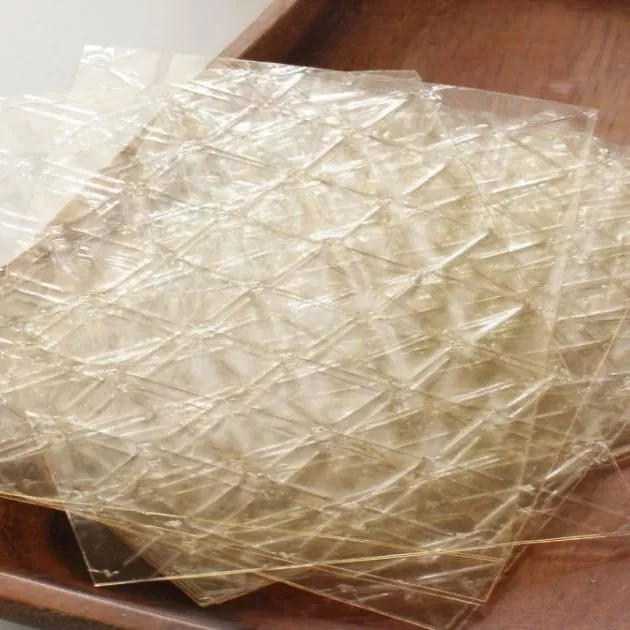
Bovine gelatin is characterized by several physical and chemical parameters that determine its performance in different applications. Below is a table of common industry ranges. Note: These are typical industry ranges; final values per COA or sample should be confirmed with your supplier.
| Parameter | Typical Range | Notes |
|---|---|---|
| Bloom Strength | 50–300 g | Pharma/gummies often use 150–260 Bloom |
| Viscosity | 2.0–5.5 mPa·s | Higher viscosity for softgels |
| Mesh Size | 8–60 mesh | Finer mesh for faster dissolution |
| Moisture | ≤14% | Standard for shelf stability |
| Protein Content | ≥85% | High purity indicator |
Bovine gelatin is also valued for its BSE-free status when sourced from healthy animals. Many suppliers, including Beyond Biopharma, offer bovine bone gelatin that is certified BSE-free, meeting global safety standards.
Bovine gelatin is a versatile ingredient with applications across multiple industries. Here are the most common uses:
For selection guidance, food-grade bovine gelatin is ideal for gummies and confections, while pharmaceutical-grade gelatin is required for capsule manufacturing. If you need a plant-based alternative, consider our Edible Gelatin or Pharmaceutical Gelatin for specific applications.
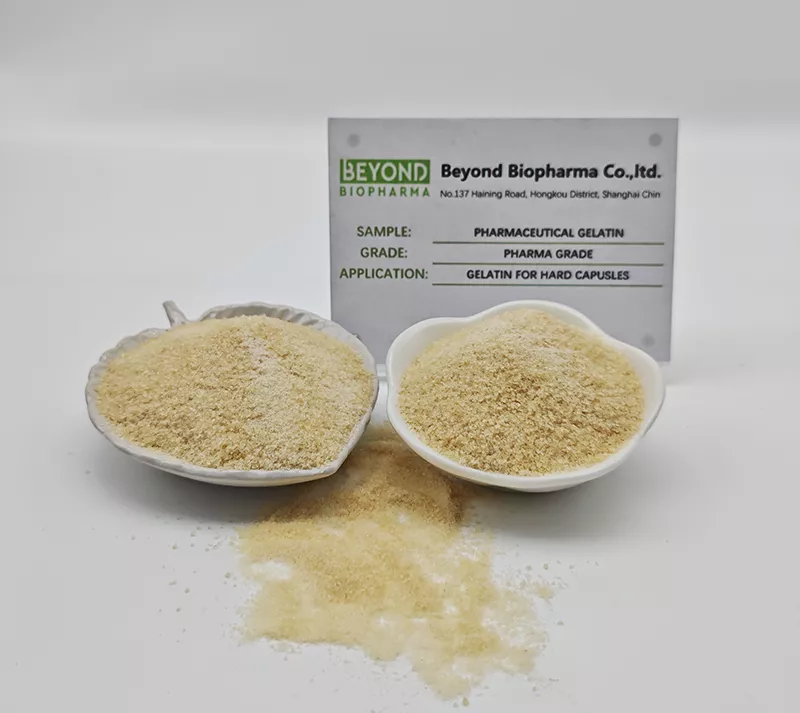
Beyond Biopharma is a Shanghai, China-based manufacturer specializing in collagen peptides, gelatin, and plant protein peptides. With over 10 years of experience in the food-ingredient industry, we export to more than 50 countries. Our facility has an annual capacity of approximately 3,000 MT for collagen and 5,000 MT for gelatin. We operate a fully automatic production line with GMP clean workshops, stainless-steel sealed piping, and automated temperature and pH control to ensure consistent quality.
Our certifications include ISO 9001, US FDA registration, and GMP clean workshop compliance. Select products carry Halal and Kosher certifications, such as our fish gelatin. Our bovine bone gelatin is BSE-free. We maintain an in-house lab for heavy-metal and microbiological testing, supported by a dedicated QA/QC team. We offer three grades: food, pharmaceutical, and cosmetic. Free samples and formulation support are available upon request.
Our product lines include Edible Gelatin, Pharmaceutical Gelatin, Bovine Chondroitin Sulfate Sodium, and High-Bloom Gelatin. We also offer fish collagen peptide and plant protein peptides for vegan formulations.
Q: Is bovine gelatin the same as beef gelatin?
A: Yes, bovine gelatin and beef gelatin are the same product. Both are derived from cow hides and bones. The term bovine is more common in technical and regulatory contexts.
Q: What is the difference between bovine gelatin and porcine gelatin?
A: Bovine gelatin comes from cows, while porcine gelatin comes from pigs. Bovine gelatin is often preferred for halal and kosher applications, while porcine gelatin is more common in some food products. Both have similar gelling properties.
Q: Can bovine gelatin be used in vegan products?
A: No, bovine gelatin is an animal-derived ingredient. For vegan formulations, plant-based alternatives like agar-agar or plant protein peptides are recommended. Beyond Biopharma offers Plant Protein Peptide options for allergen-free and vegan needs.
Q: How do I choose the right bloom strength for my application?
A: For soft gummies and desserts, use 150–200 Bloom. For firm gummies and hard capsules, 200–260 Bloom is ideal. Higher bloom values indicate firmer gels. Always request a sample to test compatibility with your formulation.
Q: Is bovine gelatin safe for human consumption?
A: Yes, when sourced from reputable suppliers and manufactured under GMP conditions, bovine gelatin is safe. It is GRAS (Generally Recognized as Safe) by the FDA. Beyond Biopharma tests for heavy metals and microbiological contaminants in our in-house lab.
Q: What certifications should I look for when buying bovine gelatin?
A: Key certifications include ISO 9001, FDA registration, Halal, Kosher, and BSE-free status. For pharmaceutical use, GMP compliance is essential. Beyond Biopharma holds these certifications and provides COAs with every shipment.
If you are ready to source bovine gelatin for your next project, we invite you to contact Beyond Biopharma. Please provide the following details so we can send you free samples and a competitive quote:
Our team will respond with product recommendations, a detailed quote, and free samples for evaluation. We look forward to supporting your sourcing needs with reliable bovine gelatin and expert formulation guidance.

We provide you with comprehensive foreign trade solutions to help enterprises achieve global development
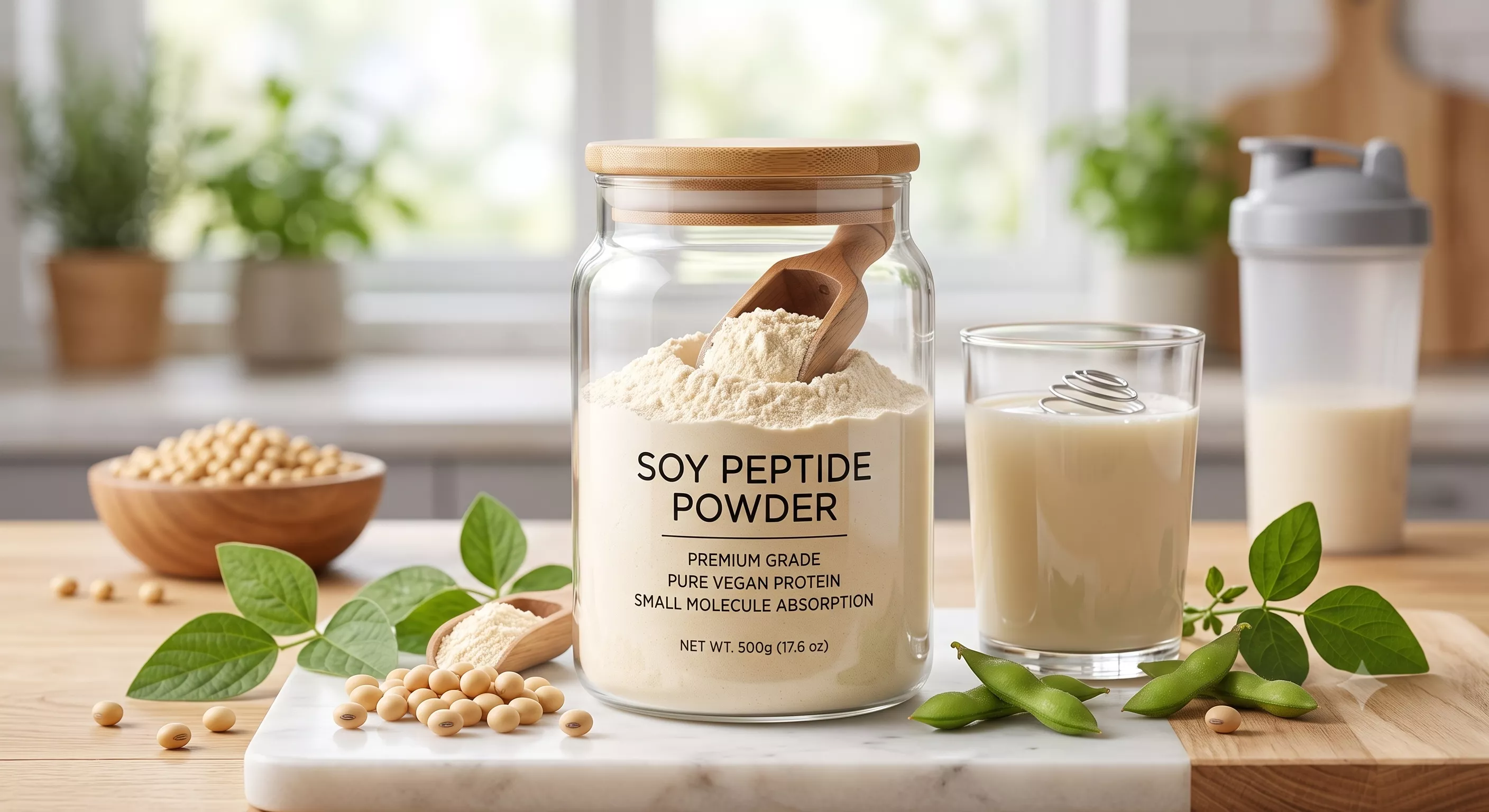
Source ultra-pure, non-GMO hydrolyzed soybean oligopeptide powder in bulk. Complete water solubility, over 80% peptides under 1000 Da. Ideal for sports nutrition and immune recovery formulas.
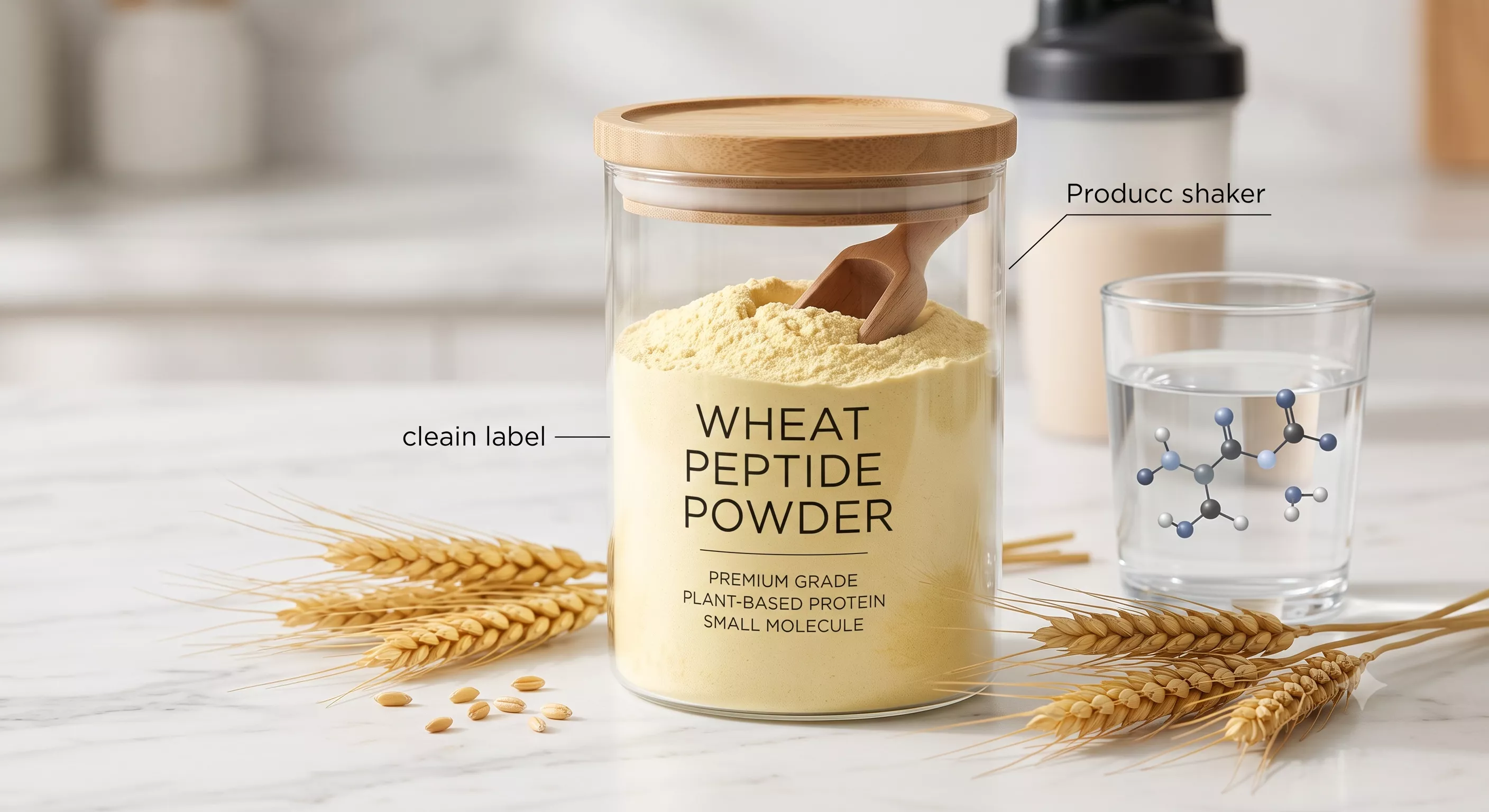
Source ultra-pure, high-solubility wholesale hydrolyzed wheat gluten peptide in bulk. Rich in plant-bound Glutamine ($\ge 25\%$) for muscle recovery and gut barrier health.
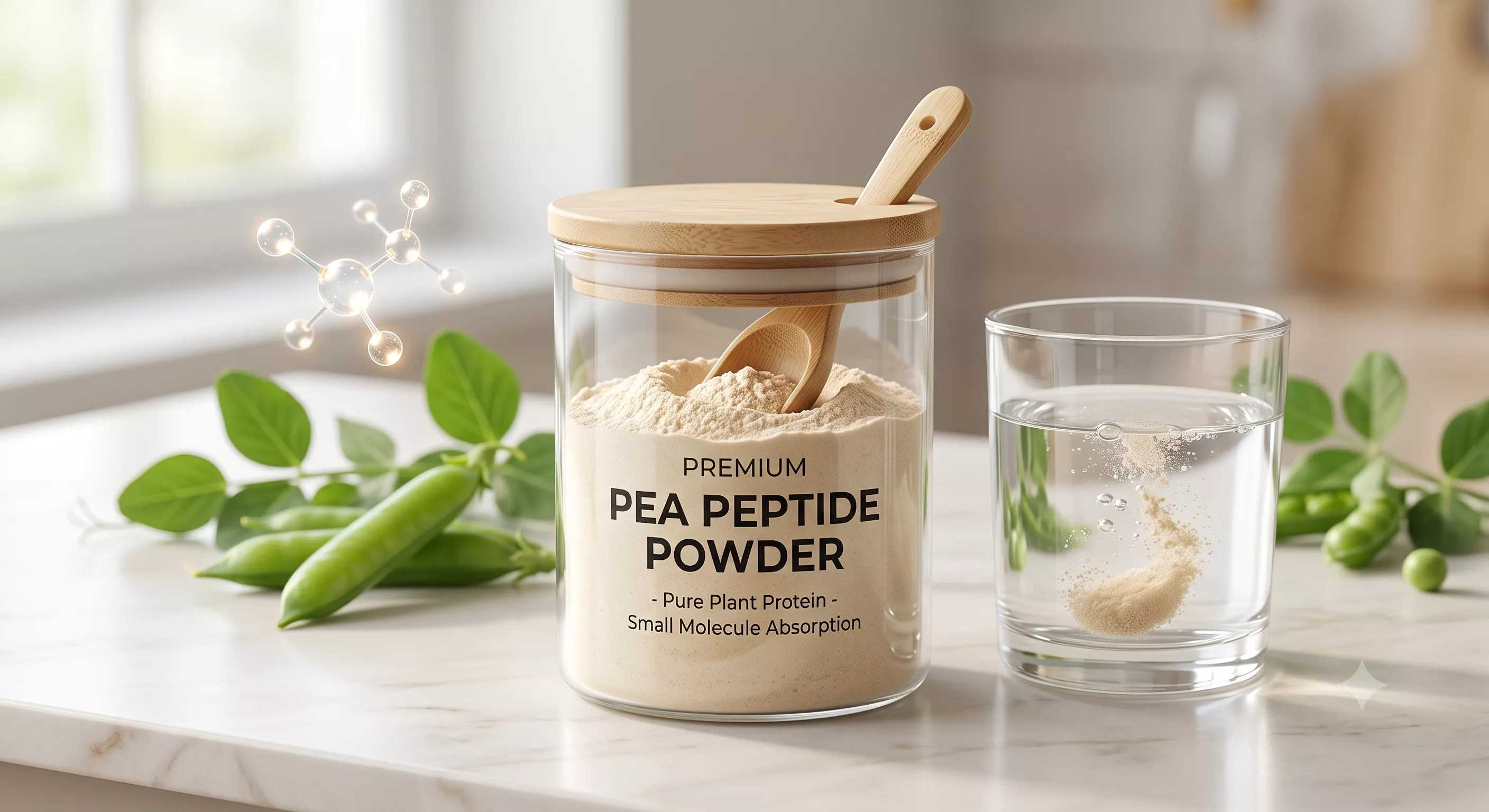
Source high-purity, hypoallergenic hydrolyzed pea peptide powder in bulk. Complete water solubility, rich in BCAAs, ideal for vegan recovery formulas.
The high-strength and rapid-setting characteristics of Bovine Bone Gelatin ensure it forms a stable, uniform, and durable shell that preserves the integrity of the active pharmaceutical ingredient (API).
Select the most popular foreign trade service products to meet your diverse needs
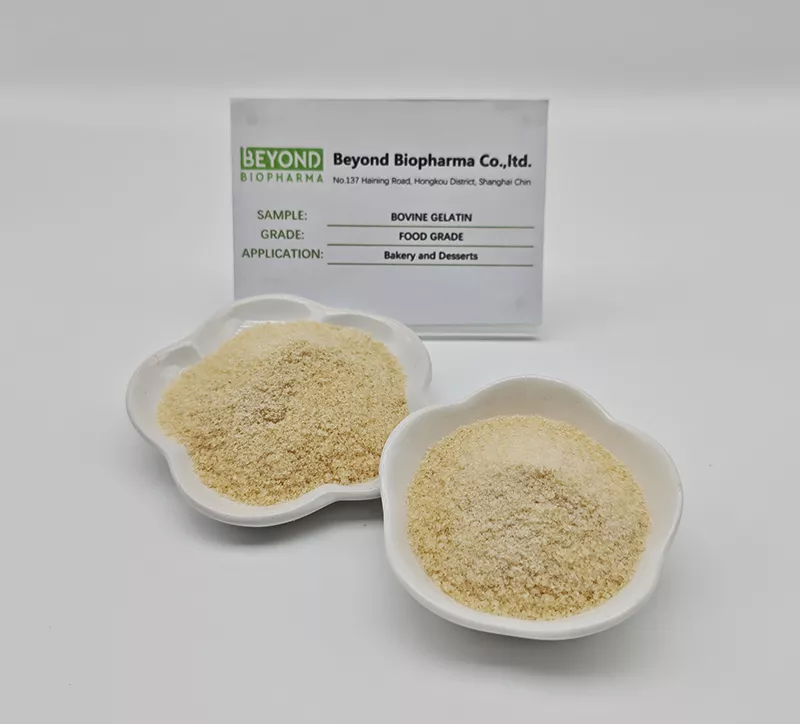
20 years experiences, 5000 ton/year capacity, Sustained supply with stable quality
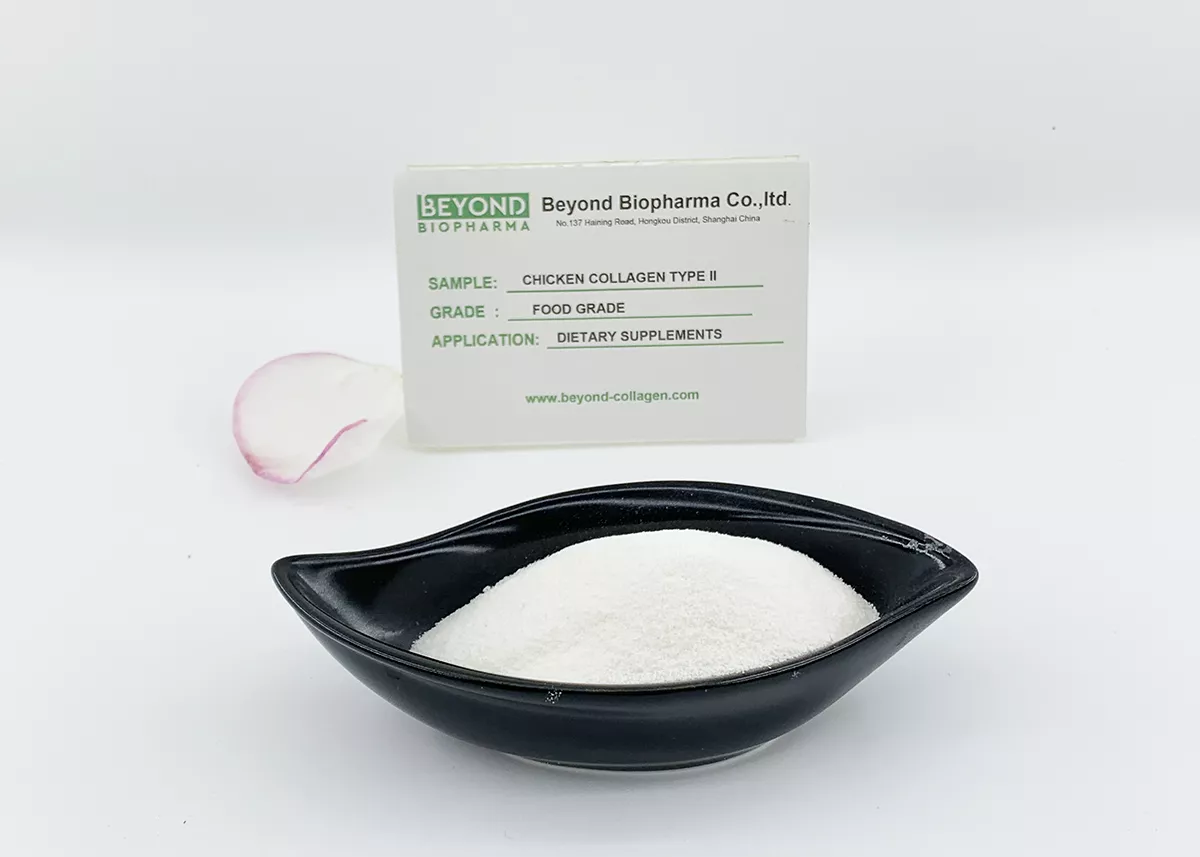
BEYOND BIOPHARMA is a specialized manufacturer of high-quality Undenatured Collagen Type II. Utilizing low-temperature, non-enzymatic extraction methods, our Undenatured Collagen Type II retains its native, triple-helix structure, essential for modulating the immune system's response to joint health and providing superior support for mobility, flexibility, and overall joint comfort.
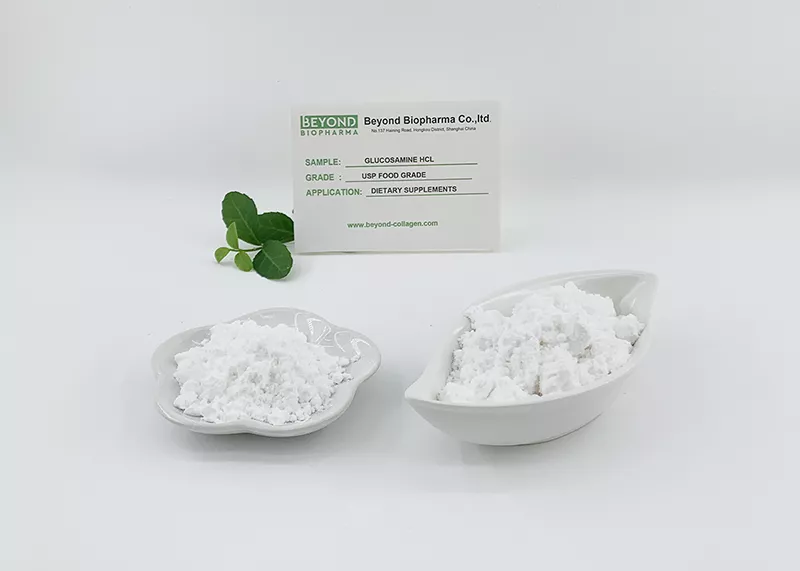
The Purest Plant-Based Joint Support Solution
Tel:+86 21 65010906
Cell/Whatsapp/Wechat:
+86 13482884055
+86 18657345785
Email: sales@beyondbiopharma.com





User Comments
Service Experience Sharing from Real Customers
Jack
Senior Food TechnologistAs someone who's worked with various gelling agents for over a decade, I was genuinely impressed with this bovine gelatin. The bloom strength is consistently perfect for our confectionery line, and it dissolves without that weird odor some cheaper options have. Our panna cotta never looked better!
Jacqueline
Home Baker & BloggerOkay, I'll admit I was skeptical after a bad experience with another brand that left my marshmallows rubbery. This one? Game changer. It sets beautifully for my homemade gummies, and my kids actually eat them now. Half a star off only because the packaging could be a bit more beginner-friendly with measuring tips.
Jackson
Head ChefWe use this exclusively for our consommé and terrines at the bistro. The clarity it gives is outstanding – no cloudiness whatsoever. It's become a non-negotiable in our kitchen. Pricey, but you really do get what you pay for in terms of purity and performance.
Jake
Supplement FormulatorSwitched to this bovine gelatin for our capsule production about six months ago. The dissolution rate in stability testing has been excellent, and it meets our strict sourcing specs. It's reliable stuff. Only minor gripe is the lead time on orders can be long when demand spikes.