 English EN


Bovine gelatin pros and cons everyone should know
Bovine gelatin offers strong gelling and health benefits but has dietary, ethical, and allergen concerns. Compare bovine gelatin to other gelatin options here.
More
Gelatin plant food is a nitrogen-rich supplement derived from animal collagen, often used by indoor gardeners to boost leaf growth and soil microbial activity. This article explains how gelatin-based fertilizers work, their key benefits for houseplants, and practical tips for application. Whether you are a hobbyist or a commercial grower, understanding gelatin plant food can help you make informed decisions about natural plant nutrition.
If you source ingredients for nutraceuticals, supplements, or food products, you already know that batch consistency and solubility are non-negotiable. Gelatin plant food is a niche but growing category in the organic fertilizer market, often made from low-bloom edible gelatin or collagen hydrolysates. It provides a slow-release nitrogen source that feeds both plants and beneficial soil bacteria. For indoor plant enthusiasts, it offers a simple way to green up leaves without synthetic chemicals. For B2B buyers, the same raw material—food-grade gelatin—can be repurposed or co-formulated into specialty plant care products. This article covers how gelatin plant food works, its typical specifications, and how Beyond Biopharma supports bulk supply for this application.
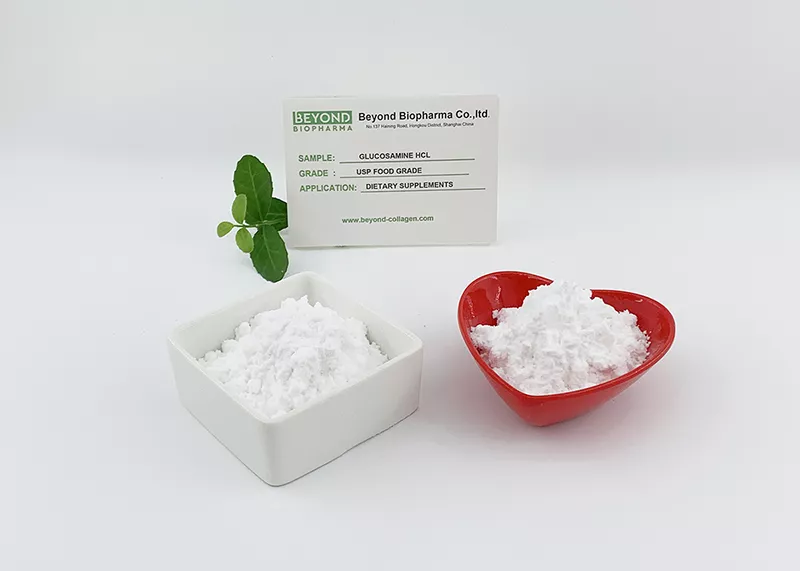
Gelatin is a protein derived from collagen, typically from bovine, porcine, or fish sources. When mixed with water and applied to soil, the gelatin breaks down into amino acids and peptides. Soil microbes then mineralize these compounds, releasing nitrogen in a form that plant roots can absorb. Unlike synthetic fertilizers that provide an immediate nitrogen spike, gelatin plant food releases nutrients gradually over several weeks. This reduces the risk of root burn and supports steady, healthy growth.
The process works best in warm, moist soil—typical indoor conditions. For best results, dissolve 1 tablespoon of unflavored gelatin powder in 1 cup of hot water, then dilute with 3 cups of cold water before watering. Apply every 4 to 6 weeks during the growing season. This method is compatible with most common houseplants, including pothos, spider plants, and ferns.
The gelatin used in plant food applications is typically low-bloom edible gelatin. Below are common industry parameters. Note: These are typical ranges; final values should be confirmed per Certificate of Analysis (COA) or sample.
| Parameter | Typical Range | Notes |
|---|---|---|
| Bloom strength | 50–150 g | Lower bloom dissolves faster; ideal for liquid fertilizers. |
| Viscosity | 2.0–4.0 mPa·s | Affects mixing ease; lower viscosity preferred. |
| Mesh size | 8–30 mesh | Coarser granules dissolve slower; fine powder dissolves quickly. |
| Moisture | ≤14% | Standard for shelf stability. |
| Protein content | ≥85% | Higher protein means more nitrogen release. |
For plant food, we recommend low-bloom edible gelatin from bovine or fish sources. Fish gelatin is often preferred for its lower melting point and faster solubility. Beyond Biopharma supplies Edible Gelatin and Halal and Kosher Verified Fish Gelatin suitable for this application.
Using gelatin as plant food is straightforward. Follow these steps for best results:
This method works best for foliage plants. For flowering plants or succulents, reduce the concentration by half to avoid excessive nitrogen that can inhibit blooms.
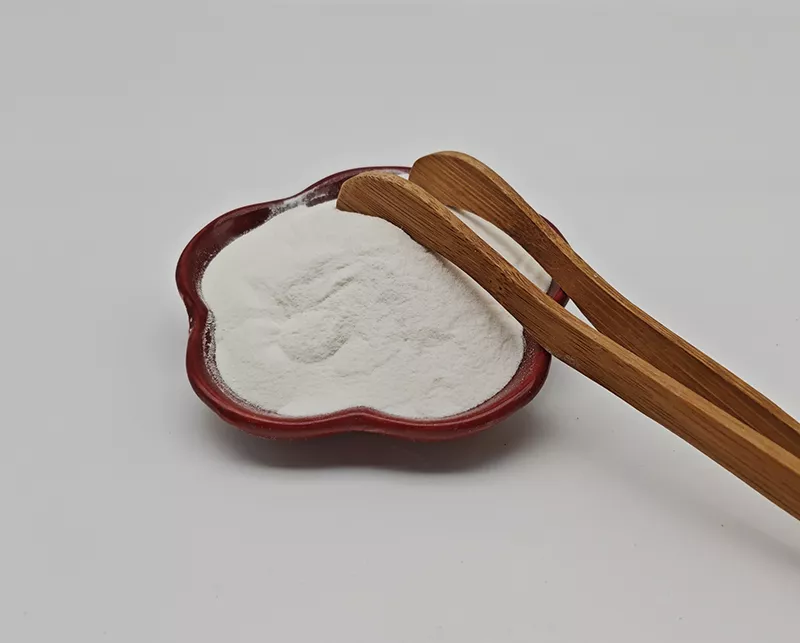
Gelatin plant food is most effective for:
For commercial growers or formulators, gelatin plant food can be blended with other natural ingredients like seaweed extract or fish emulsion to create a balanced fertilizer. Beyond Biopharma offers Food Grade Porcine Gelatin and Pharmaceutical Grade Bovine Bone Gelatin that can serve as raw materials for specialty plant care products.
Beyond Biopharma is a Shanghai, China–based manufacturer with over 10 years of experience in the food-ingredient industry. Our products are exported to more than 50 countries. We operate a fully automatic production line in a GMP clean workshop, with stainless-steel sealed piping and automated temperature/pH control. Our annual capacity is approximately 3,000 MT for collagen and 5,000 MT for gelatin.
We hold ISO 9001 certification, are US FDA registered, and maintain a GMP clean workshop. Select products carry Halal and Kosher certification (e.g., fish gelatin). Our bovine bone gelatin is BSE-free. We have an in-house lab for heavy-metal and microbiological testing, supported by a dedicated QA/QC team.
Our product lines include High Bloom Gelatin for Hard Capsules, Food Grade Hyaluronic Acid Powder, and Premium Vegan Glucosamine Hydrochloride. We offer free samples and formulation support across food, pharmaceutical, and cosmetic grades.
Yes, but unflavored, unsweetened gelatin is best. Flavored or sweetened varieties may contain additives that harm plants or attract pests. Food-grade gelatin from bovine, porcine, or fish sources works well. Avoid gelatin desserts or mixes with artificial colors.
Apply every 4 to 6 weeks during the growing season (spring and summer). In fall and winter, reduce to once every 8 weeks. Over-application can lead to mold growth or nitrogen imbalance. Always monitor your plants for signs of stress.
Most foliage plants tolerate it well. Succulents and cacti prefer lower nitrogen, so use half-strength. Flowering plants may produce more leaves than blooms if over-fertilized. Test on a small plant first if you are unsure.
Properly diluted gelatin does not attract pests. However, if left on the soil surface, it can mold. Always water the solution into the soil and avoid splashing on leaves. Store unused solution in the refrigerator and use within 2 days.
Gelatin is not recommended for hydroponics because it can clog pumps and promote bacterial growth in recirculating systems. For soil-based indoor plants, it works well. For hydroponics, use specially formulated hydroponic nutrients.
Dry gelatin powder has a shelf life of 2 to 3 years when stored in a cool, dry place. Once mixed with water, use the solution within 2 days. Do not store mixed solution at room temperature for extended periods.
If you are sourcing gelatin for plant food formulations or other applications, we invite you to contact Beyond Biopharma. Please provide the following details so we can send you free samples and a tailored quote:
We offer free samples and formulation support. Our team can help you select the right gelatin or collagen peptide for your specific needs. Gelatin plant food is just one of many applications we support. Let us help you find the right ingredient for your product line.

We provide you with comprehensive foreign trade solutions to help enterprises achieve global development
The High-Performance Barrier for Core Material Protection and Controlled Release.
BEYOND BIOPHARMA is a specialized manufacturer of highly purified Hydrolyzed Collagen Type II. Through advanced enzymatic hydrolysis, we create low-molecular-weight collagen peptides that are highly bioavailable, offering foundational nutritional support for cartilage repair, joint function, and skin health. Our product is designed for rapid absorption and maximum efficacy in oral supplements.
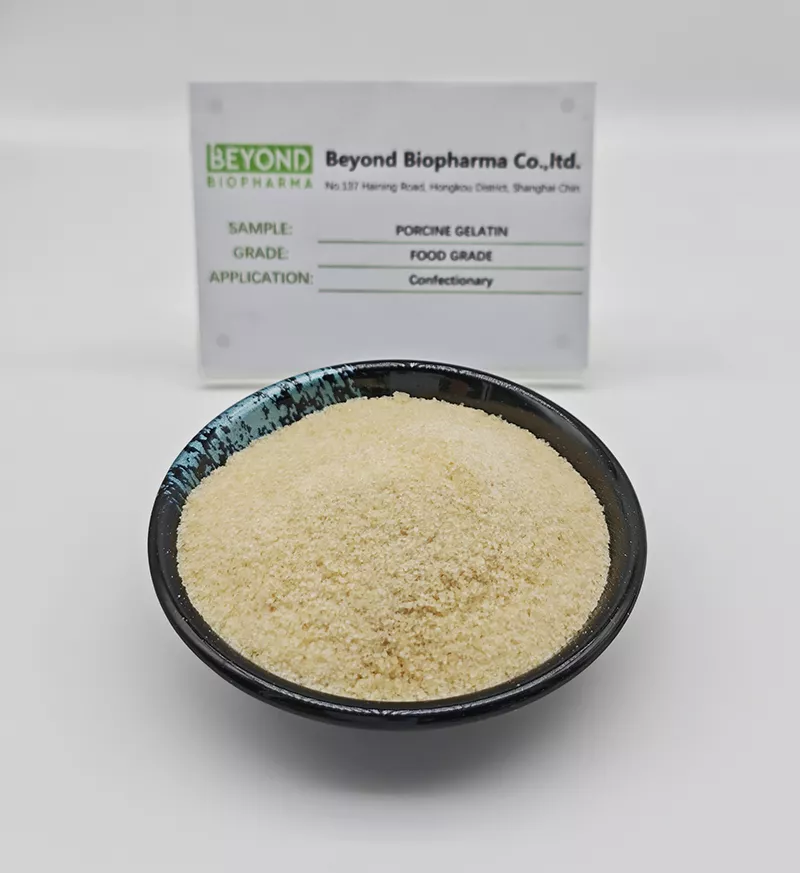
Food-grade porcine gelatin is a highly versatile and cost-effective natural protein derived from the collagen found in pig skin and bones. It is a premier gelling agent known for its exceptional clarity, neutral taste, and thermal reversibility.
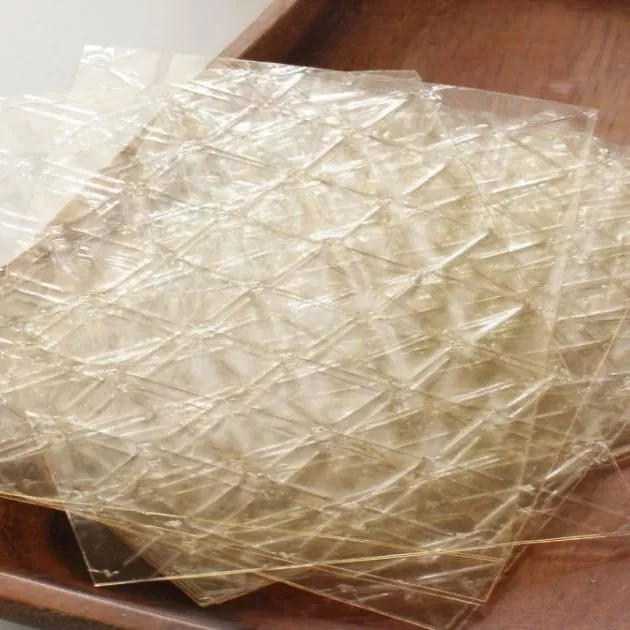
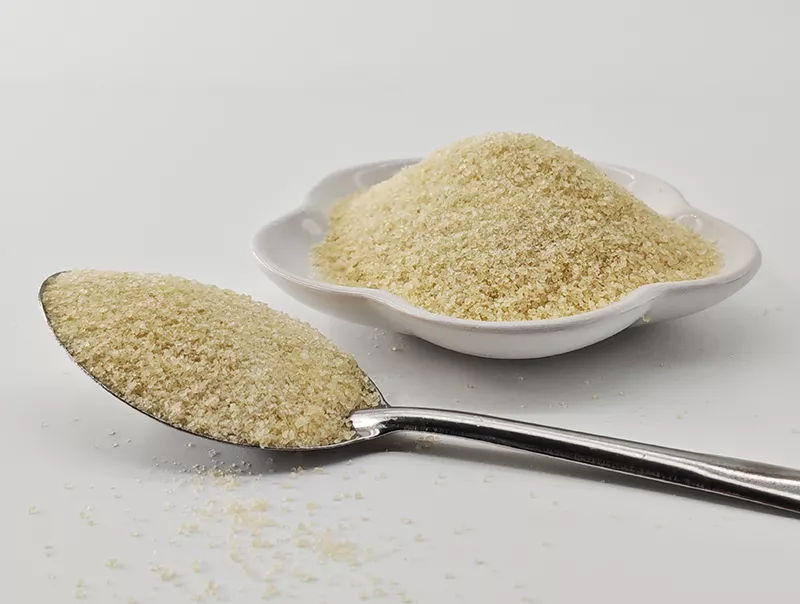
Our Gelatin Sheets are produced to precise standards, ensuring consistency and reliability across different Bloom grades (Silver being the most common professional choice).
Select the most popular foreign trade service products to meet your diverse needs
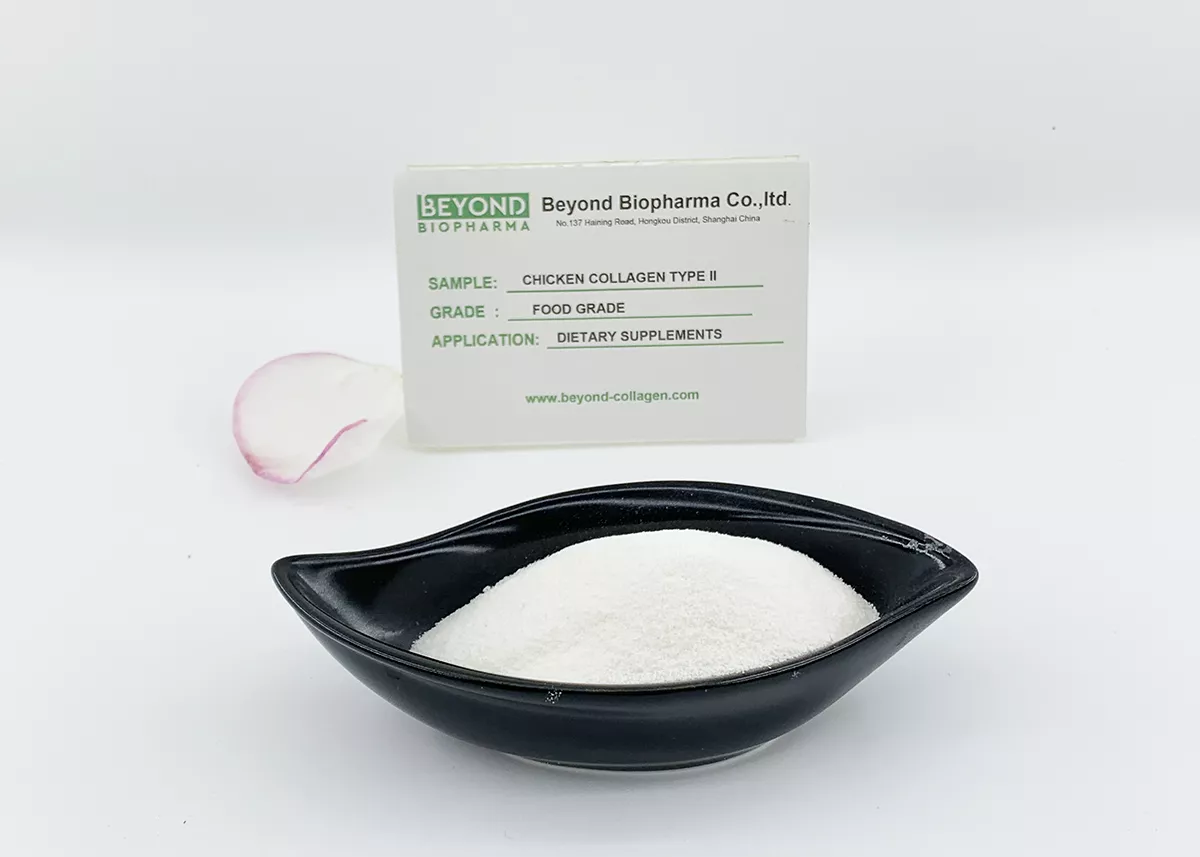
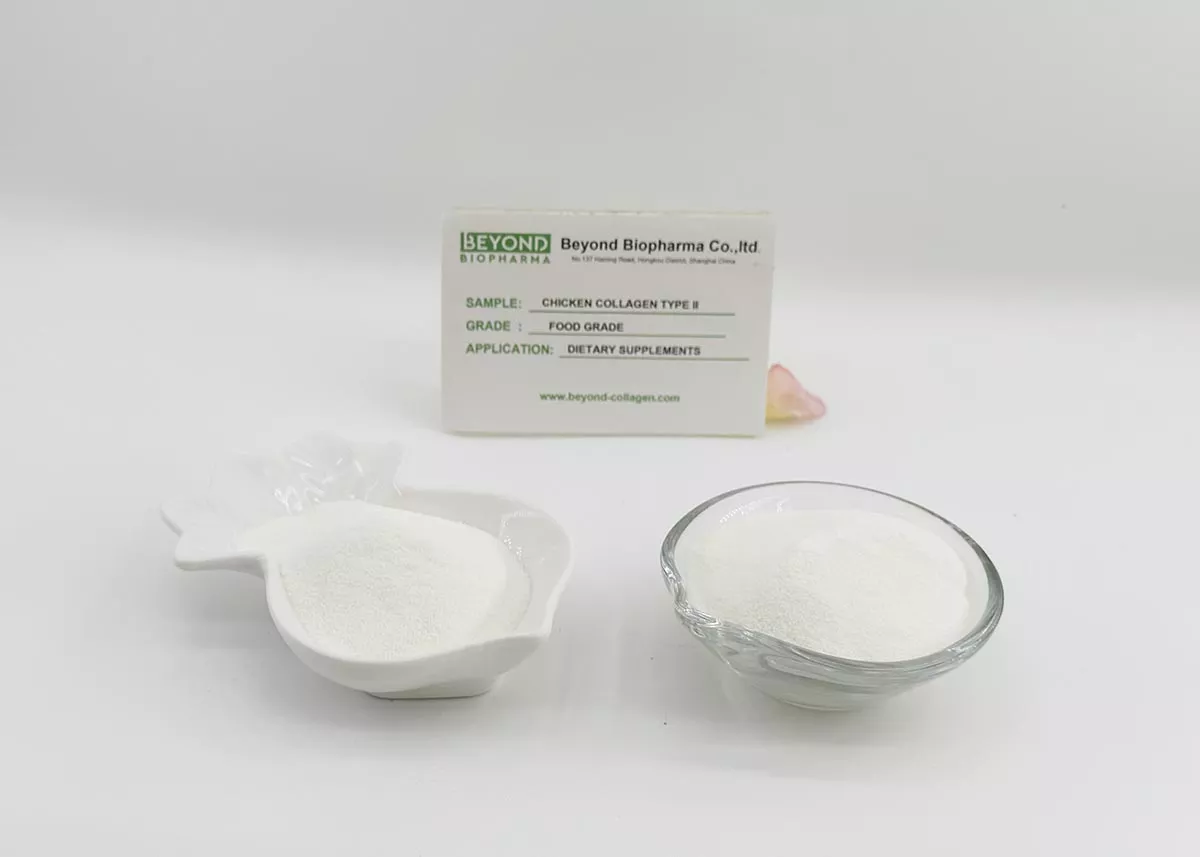
BEYOND BIOPHARMA is a specialized manufacturer of high-quality Undenatured Collagen Type II. Utilizing low-temperature, non-enzymatic extraction methods, our Undenatured Collagen Type II retains its native, triple-helix structure, essential for modulating the immune system's response to joint health and providing superior support for mobility, flexibility, and overall joint comfort.
BEYOND BIOPHARMA is a specialized manufacturer of highly purified Hydrolyzed Collagen Type II. Through advanced enzymatic hydrolysis, we create low-molecular-weight collagen peptides that are highly bioavailable, offering foundational nutritional support for cartilage repair, joint function, and skin health. Our product is designed for rapid absorption and maximum efficacy in oral supplements.
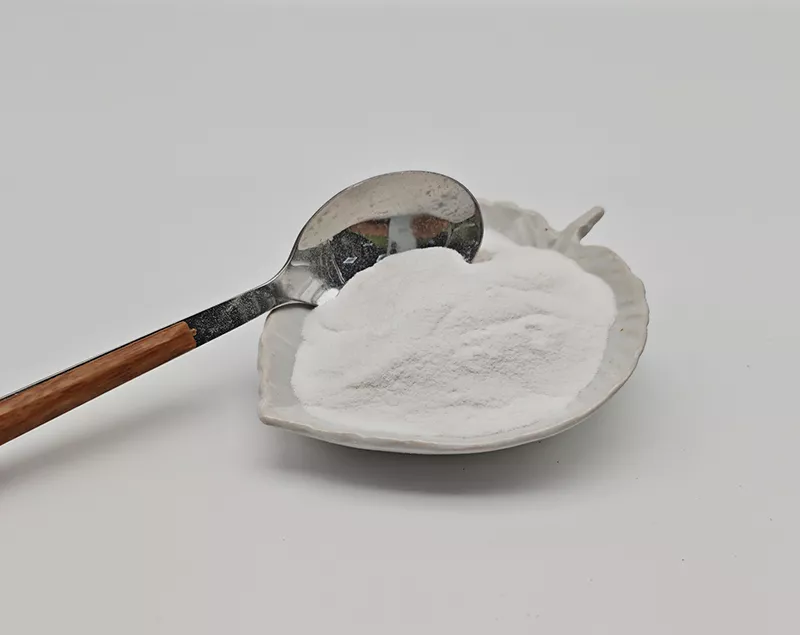
Fish Gelatin for foods is increasingly recognized as the premium alternative to traditional mammalian sources, meeting the growing global demand for clean-label ingredients that align with diverse dietary and religious requirements. Derived from the skin and scales of fish like cod and tilapia, fish gelatin offers unique functional benefits that make it an exceptional gelling, stabilizing, and texturizing agent.
Tel:+86 21 65010906
Cell/Whatsapp/Wechat:
+86 13482884055
+86 18657345785
Email: sales@beyondbiopharma.com





User Comments
Service Experience Sharing from Real Customers
Megan
Landscape DesignerOkay, I was skeptical about a plant food made from gelatin, but my fiddle leaf fig had other ideas. After a month of using it, the new leaves are huge and so glossy! It's like plant protein shake – easy to mix, no weird smell. My client actually asked what my secret was.
Leo
IT Support SpecialistAs a total newbie with houseplants (I kill cacti...), this stuff is a lifesaver. The instructions are clear, and my peace lily actually flowered again! Took off one star because the powder can get clumpy if you don't stir fast enough. But yeah, my apartment jungle is thriving.
Chloe
High School Biology TeacherI use this in our classroom hydroponics project. The kids love seeing the results – the pea shoots grew noticeably faster with the gelatin formula compared to our control group. It's a fantastic, tangible way to talk about nitrogen and sustainable nutrients. Highly recommend for educational settings!
Raj
Retired Civil EngineerAfter 40 years of building structures, now I'm building a tomato empire on my balcony. This food gives a steady, robust growth – no sudden bursts that weaken the stems. The tomatoes are flavorful and dense. Might be a bit pricey for the quantity, but you get what you pay for. Works.