 English EN


Bovine gelatin pros and cons everyone should know
Bovine gelatin offers strong gelling and health benefits but has dietary, ethical, and allergen concerns. Compare bovine gelatin to other gelatin options here.
More
Sourcing a reliable plant gelatin powder is becoming a priority for food and supplement brands responding to the global shift toward vegan and allergen-free formulations. Unlike traditional animal-derived gelatin, plant-based alternatives offer comparable gelling and thickening properties without animal by-products. This guide covers what plant gelatin powder is, how it works, its key specifications, and how to select the right grade for your application.
For overseas buyers—whether you are a purchasing manager, R&D formulator, or QA specialist—understanding the functional differences between plant gelatin powder and conventional gelatin is critical. Batch consistency, solubility, odor control, and certification barriers (vegan, Halal, Kosher) are common sourcing pain points. This article addresses those challenges head-on, using real industry parameters and application guidance.
Plant gelatin powder is typically produced through enzymatic hydrolysis of plant proteins—most commonly from pea, rice, or soy. The process breaks down protein chains into smaller peptides, resulting in a water-soluble powder that can form gels, stabilize emulsions, or improve texture in finished products. The molecular weight of plant protein peptides commonly falls below 5,000 Da, which supports rapid dispersion and absorption in liquid systems.
Unlike animal gelatin, which relies on collagen-derived bloom strength (measured in grams), plant gelatin alternatives achieve gelation through different mechanisms—often requiring specific pH, temperature, or ionic conditions. This means formulators need to adjust processing parameters when substituting animal gelatin with plant-based options. The amino acid profile also differs: plant proteins lack hydroxyproline, which is abundant in collagen, so gel strength and melting points may vary.
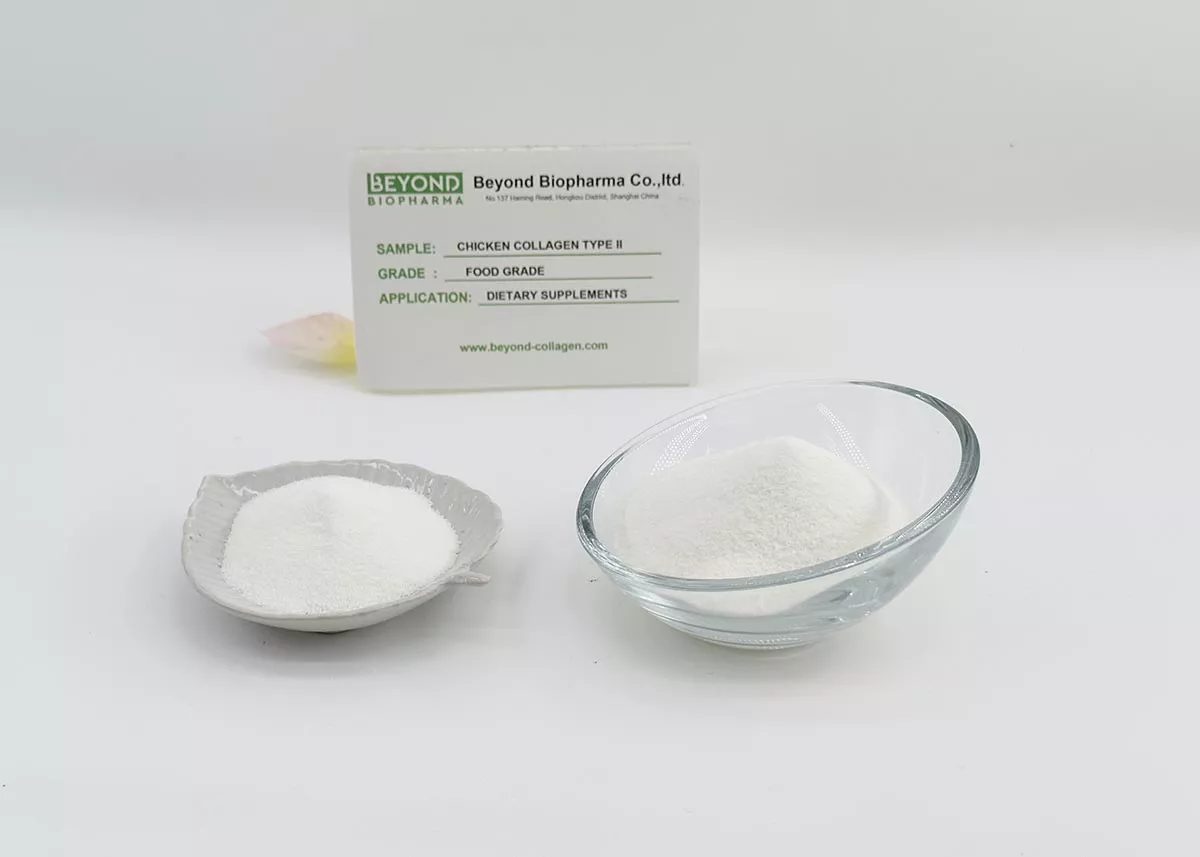
When evaluating plant gelatin powder, buyers should review the following typical industry parameters. Note that these are generic ranges; final values should be confirmed per Certificate of Analysis (COA) and sample testing.
| Parameter | Typical Industry Range | Notes |
|---|---|---|
| Protein Content | 80–90% | Higher protein indicates fewer fillers. |
| Molecular Weight | Typically | Lower MW supports faster solubility and absorption. |
| Solubility | ≥95% (in water at 20°C) | High solubility is a key quality marker. |
| Moisture | ≤8% | Low moisture extends shelf life. |
| Allergen Profile | Varies by source (pea, rice, soy) | Select based on target market allergen requirements. |
*Typical industry range; final values per COA / sample.
Plant gelatin powder is used across multiple industries as a direct alternative to animal-derived gelatin. Here is a breakdown by application and selection guidance:
Beyond Biopharma, based in Shanghai, China, is a manufacturer with over 10 years of experience in the food-ingredient industry. Our products are exported to more than 50 countries. We operate fully automatic production lines in GMP clean workshops, with stainless-steel sealed piping and automated temperature/pH control. Our annual capacity is approximately 3,000 MT for collagen and 5,000 MT for gelatin.
We hold ISO 9001 certification, are US FDA registered, and maintain a GMP clean workshop. Select products carry Halal and Kosher certifications (e.g., fish gelatin). Our bovine bone gelatin is BSE-free. An in-house lab conducts heavy-metal and microbiological testing, supported by a dedicated QA/QC team.
Our product lines include Edible Gelatin (bovine, porcine, fish; high-bloom bovine hide gelatin), Pharmaceutical Gelatin (bovine bone gelatin for hard capsules; ultra-high-viscosity for softgels), Collagen Peptides (fish and bovine; fish collagen tripeptide), Undenatured Collagen Type II, Plant Protein Peptides (pea, rice, soy), and Joint Health Ingredients (bovine chondroitin sulfate sodium, glucosamine HCl, food-grade hyaluronic acid powder). We offer free samples and formulation support across three grades: food, pharmaceutical, and cosmetic.
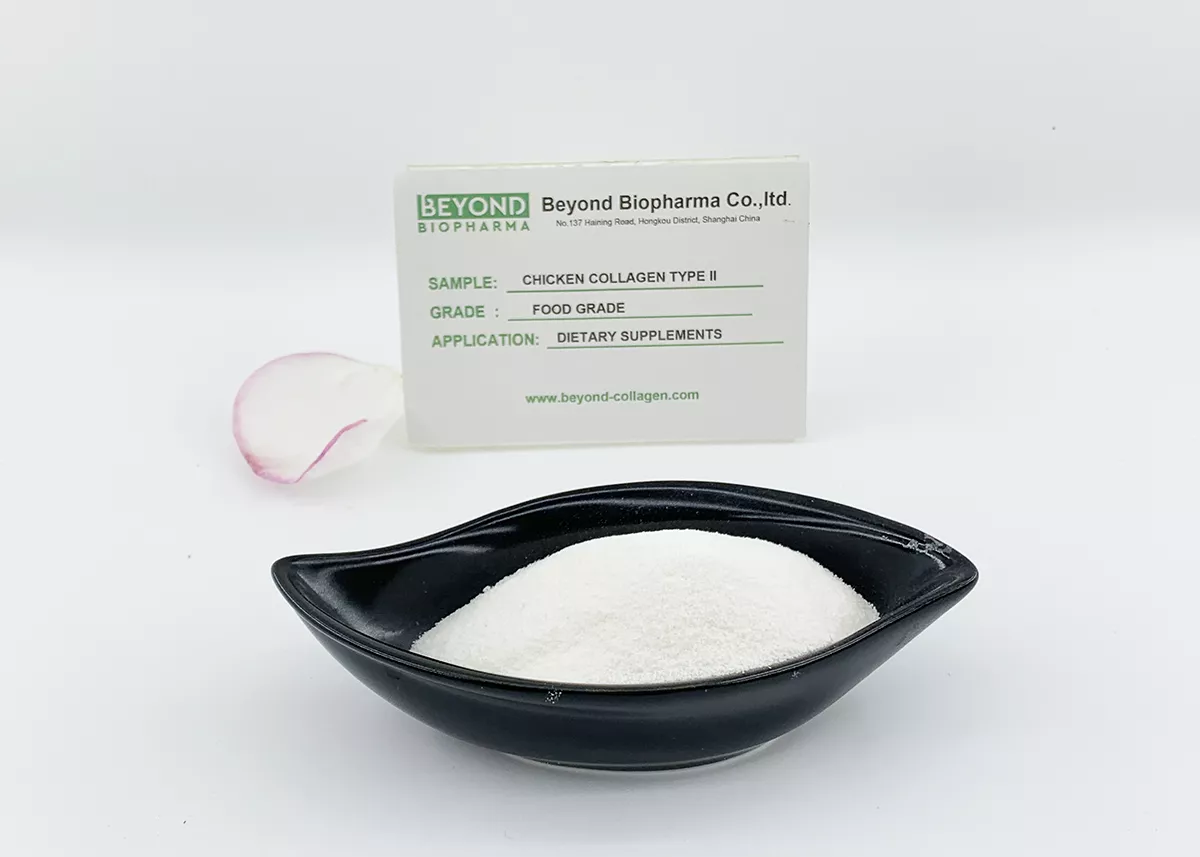
Not always. Plant gelatin alternatives have different gelation mechanisms. While they can replace animal gelatin in many applications (gummies, capsules, thickeners), you may need to adjust pH, temperature, or use a blend of hydrocolloids to match the exact texture and melting point of animal-derived gelatin.
For vegan and allergen-free claims, look for third-party vegan certification, non-GMO verification, and allergen-free labeling (e.g., gluten-free, soy-free if applicable). Halal and Kosher certifications are also important for certain markets. Always request a Certificate of Analysis for each batch.
High-quality plant gelatin powder typically offers ≥95% solubility in cold water, which is comparable to hydrolyzed collagen peptides. However, some plant proteins may require slightly higher temperatures or longer mixing times. Always test solubility under your specific processing conditions.
Yes, plant-based capsule shells are widely available. They are typically made from hydroxypropyl methylcellulose (HPMC) or pullulan, not directly from plant gelatin powder. However, plant protein peptides can be used as a functional ingredient inside capsules for nutraceutical formulations.
When stored in a cool, dry place away from direct sunlight, plant gelatin powder typically has a shelf life of 18–24 months. Always check the manufacturer's recommended storage conditions and the expiration date on the COA.
Contact the supplier directly with your application details, required grade, and target specifications. Most reputable manufacturers, including Beyond Biopharma, offer free samples for evaluation. Be prepared to provide your shipping address and intended use.
If you are evaluating plant gelatin powder for your next formulation, we invite you to reach out. To help us prepare the most suitable sample and quote, please provide the following information:
Beyond Biopharma offers free samples and formulation support. Our team can help you select the right plant gelatin powder or alternative ingredient—whether you need gelatin for micro-encapsulation, plant protein peptides, or food-grade hyaluronic acid powder for your formulations. We look forward to supporting your next project with reliable, high-quality ingredients.

We provide you with comprehensive foreign trade solutions to help enterprises achieve global development
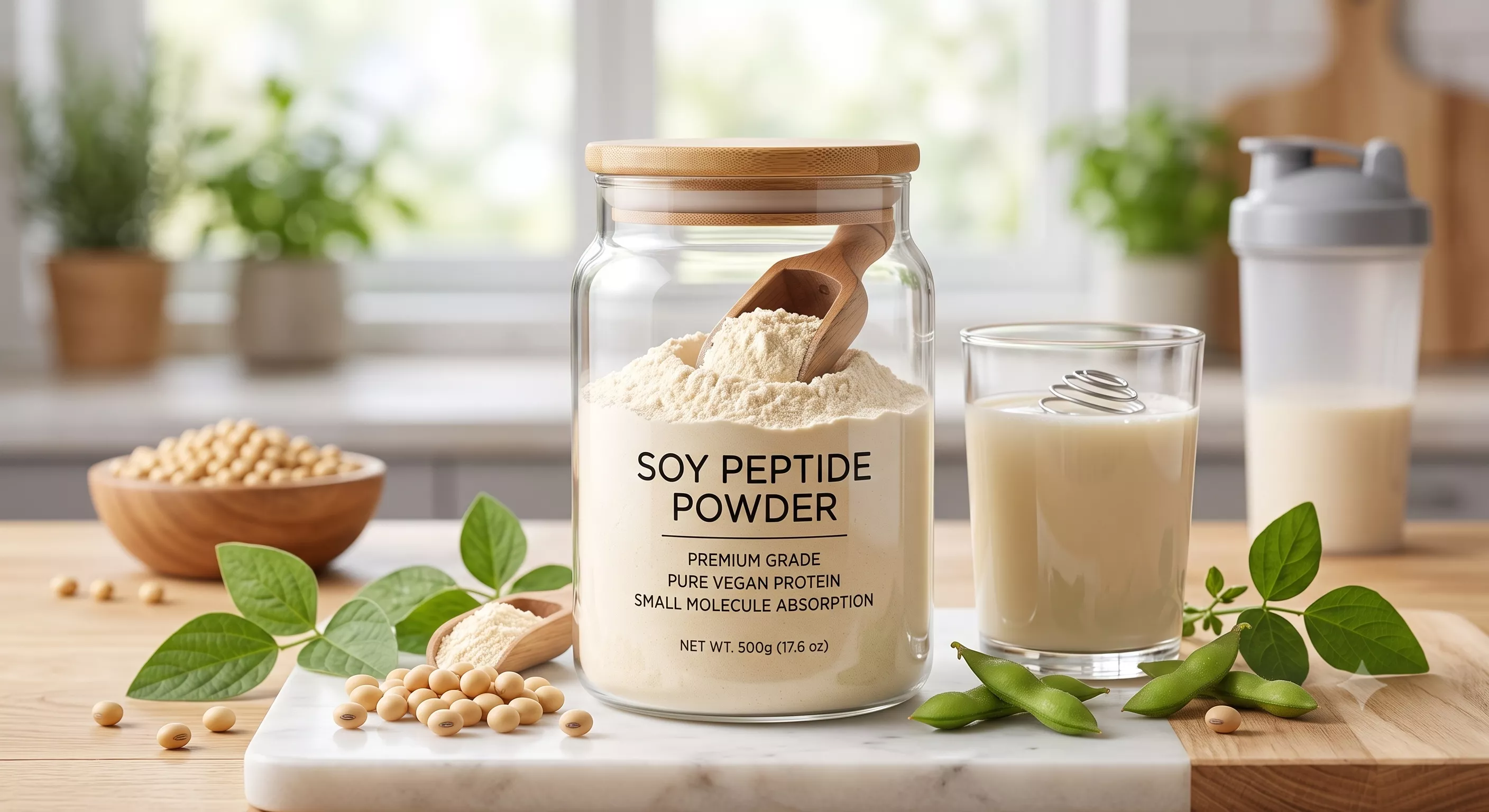
Source ultra-pure, non-GMO hydrolyzed soybean oligopeptide powder in bulk. Complete water solubility, over 80% peptides under 1000 Da. Ideal for sports nutrition and immune recovery formulas.
Stability, Swallowing Enhancement, and Controlled Release
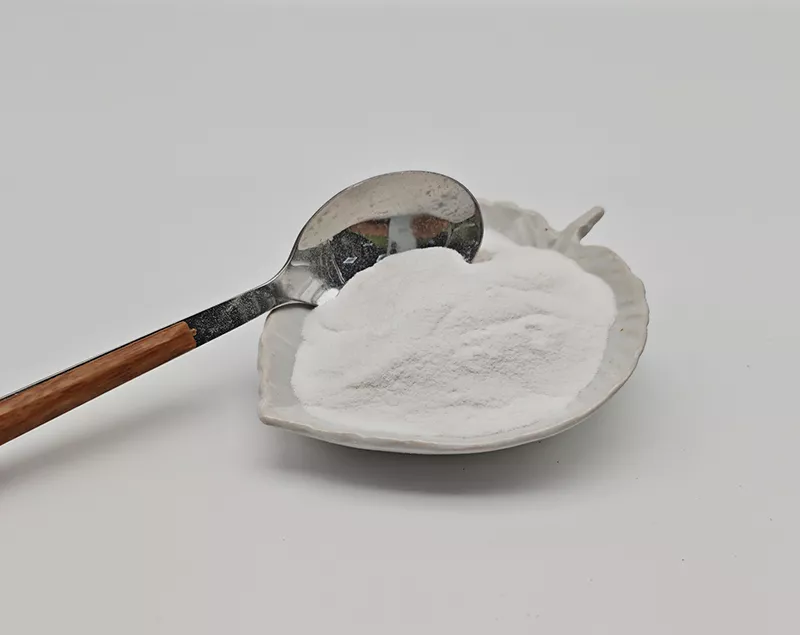
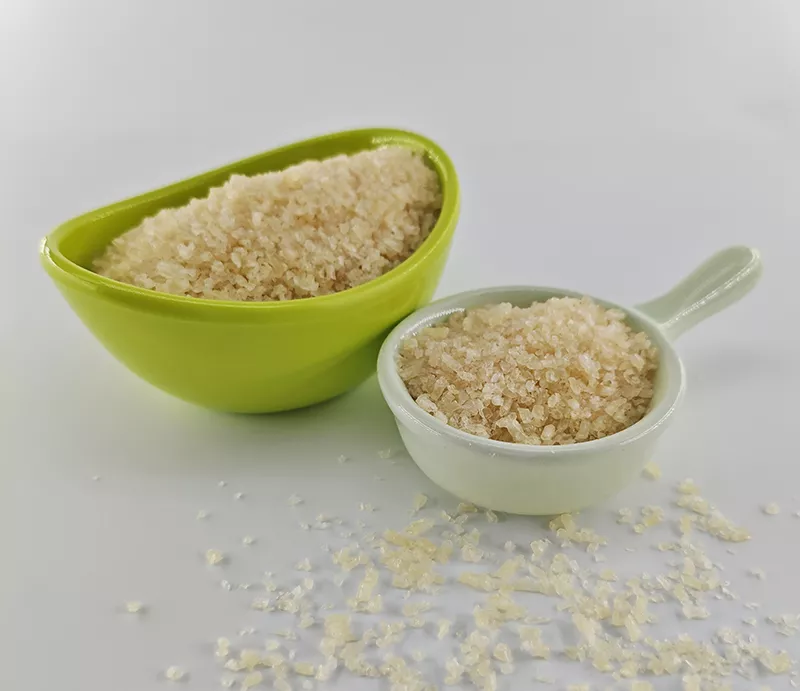
Fish Gelatin for foods is increasingly recognized as the premium alternative to traditional mammalian sources, meeting the growing global demand for clean-label ingredients that align with diverse dietary and religious requirements. Derived from the skin and scales of fish like cod and tilapia, fish gelatin offers unique functional benefits that make it an exceptional gelling, stabilizing, and texturizing agent.
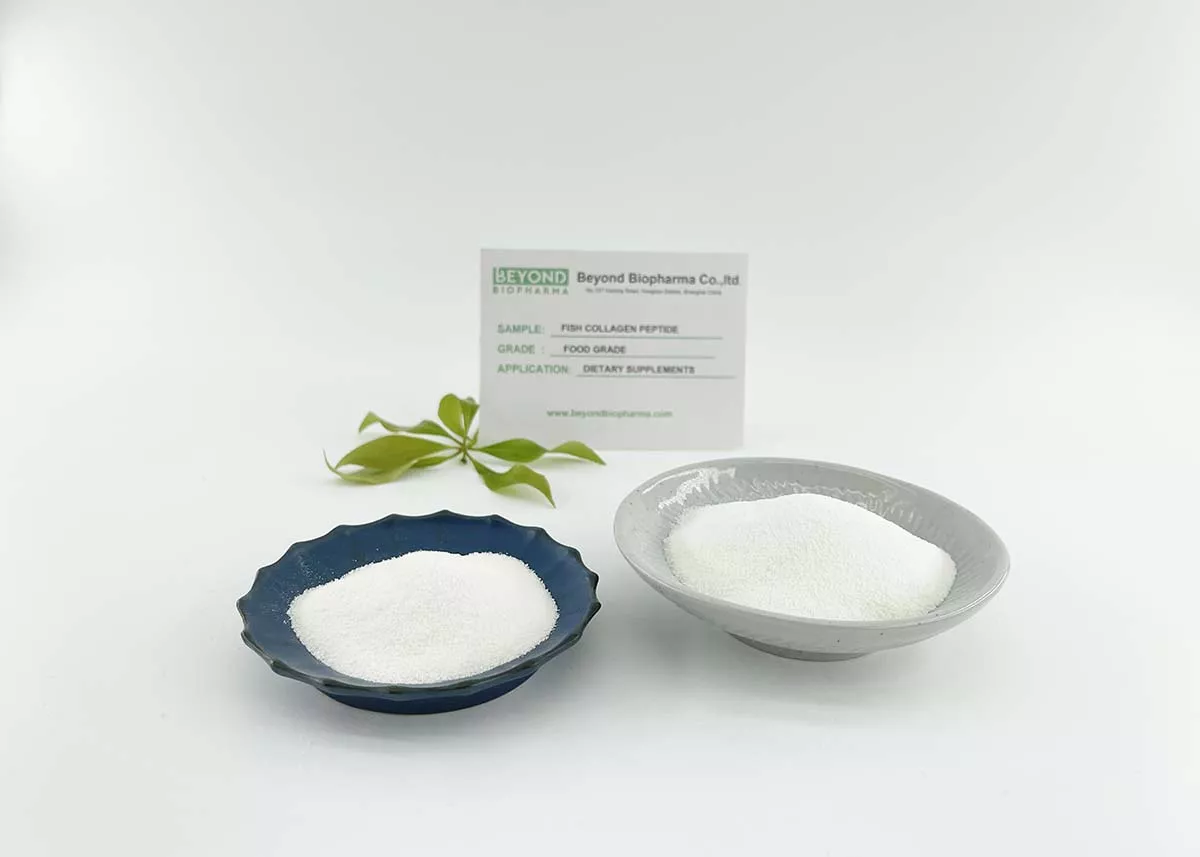
Premium marine-sourced collagen peptides with >90% protein content and low molecular weight (1000-3000 Da) for superior bioavailability. Sustainably sourced, neutral taste, and fully soluble—ideal for nutricosmetics and functional foods.
Select the most popular foreign trade service products to meet your diverse needs
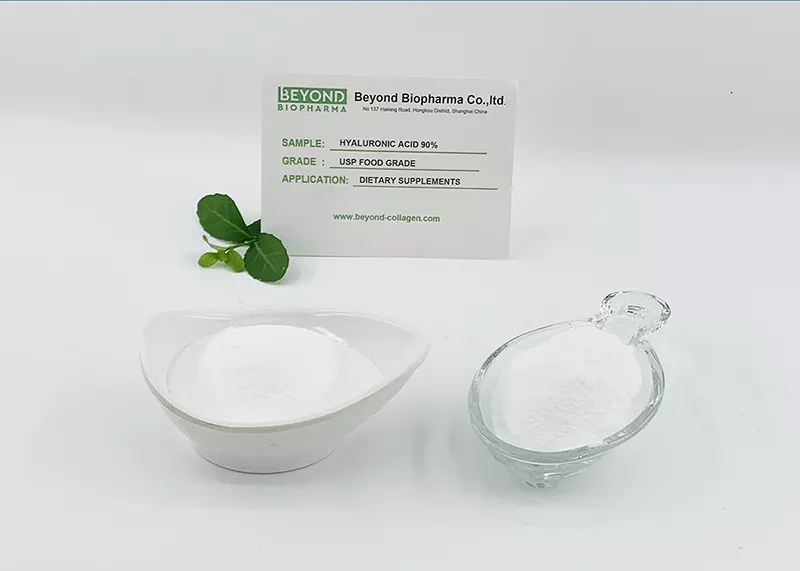
High Molecular Weight for Superior Joint, Skin, and Eye Health.
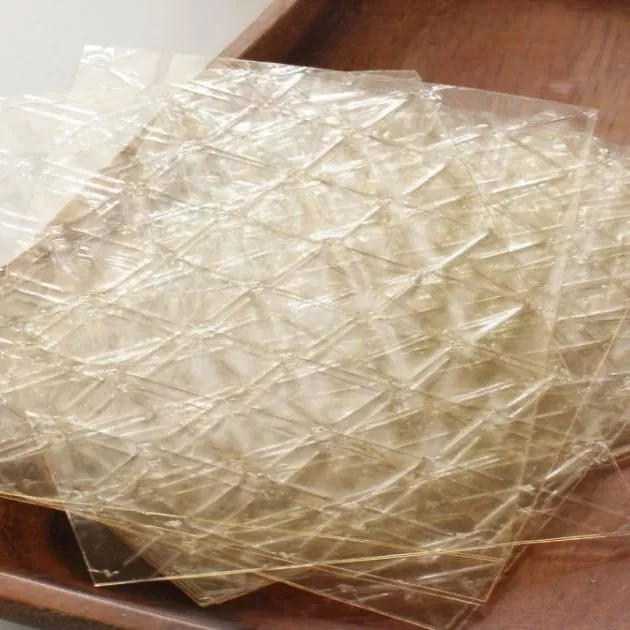
Our Gelatin Sheets are produced to precise standards, ensuring consistency and reliability across different Bloom grades (Silver being the most common professional choice).
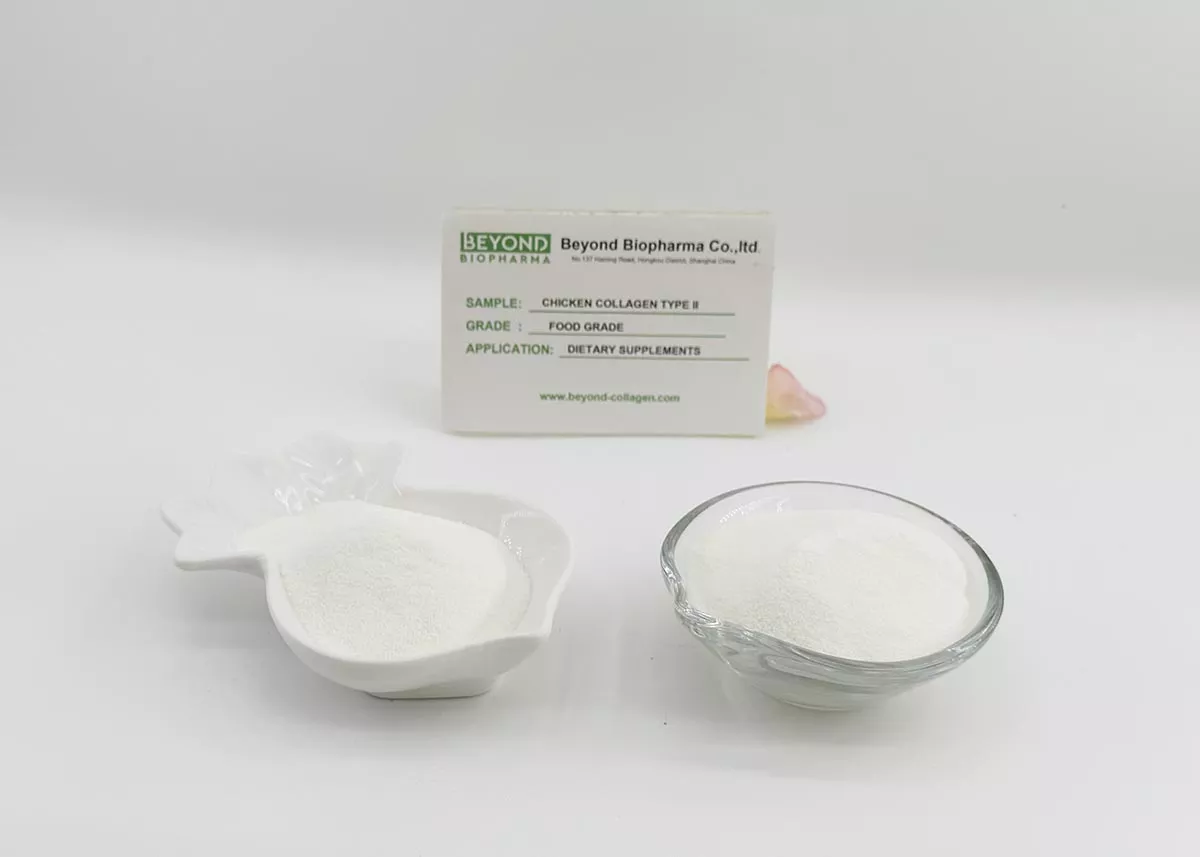
BEYOND BIOPHARMA is a specialized manufacturer of highly purified Hydrolyzed Collagen Type II. Through advanced enzymatic hydrolysis, we create low-molecular-weight collagen peptides that are highly bioavailable, offering foundational nutritional support for cartilage repair, joint function, and skin health. Our product is designed for rapid absorption and maximum efficacy in oral supplements.
Tel:+86 21 65010906
Cell/Whatsapp/Wechat:
+86 13482884055
+86 18657345785
Email: sales@beyondbiopharma.com





User Comments
Service Experience Sharing from Real Customers
Megan
Pastry ChefAs someone who's been trying to move away from animal-based products in my bakery, this plant gelatin powder is a game-changer! It sets perfectly for my vegan panna cottas and fruit jellies—no weird aftertaste. My customers can't tell the difference, and that's the highest compliment. Been using it for three months now.
Leo
Home CookI'm not a pro, just a dad trying to make fun, allergy-friendly treats for my kids. This powder worked great for making gummy bears—my daughter (who's egg and dairy intolerant) loved them. Took me a couple tries to get the ratio right, but the instructions were clear. Knocking one star off because it clumps a bit if you don't whisk fast enough!
Raj
Food ScientistFrom a formulation perspective, this is one of the most consistent plant-based gelling agents I've tested in the lab. It has a reliable bloom strength and works well in both acidic and high-sugar systems. We're considering it for a new line of vegan confectionery. Impressive stability over a wide pH range.
Chloe
Wellness BloggerOkay, I've tried like four different brands, and this one actually dissolves without turning into weird globs. Made some herbal tea jellies for my gut-health series, and the texture was spot-on—firm but still melts nicely. Plus, the packaging is actually resealable (why don't all brands do this?!). Definitely sticking with this.