 English EN


Porcine gelatin always protects vaccines from harm
Porcine gelatin stabilizes vaccines, ensuring safety and effectiveness. Most people tolerate it well, with rare allergic reactions and strict quality controls.
More
Gelatin in dog food is a natural protein derived from collagen, commonly sourced from bovine, porcine, or fish skin and bones. It acts as a gelling agent, texture enhancer, and provides joint-supporting amino acids like glycine and proline. For overseas buyers—purchasing managers, R&D teams, and QA professionals—selecting the right gelatin grade ensures batch consistency, solubility, and safety. This guide covers benefits, safety, and sourcing criteria for gelatin in pet food applications.
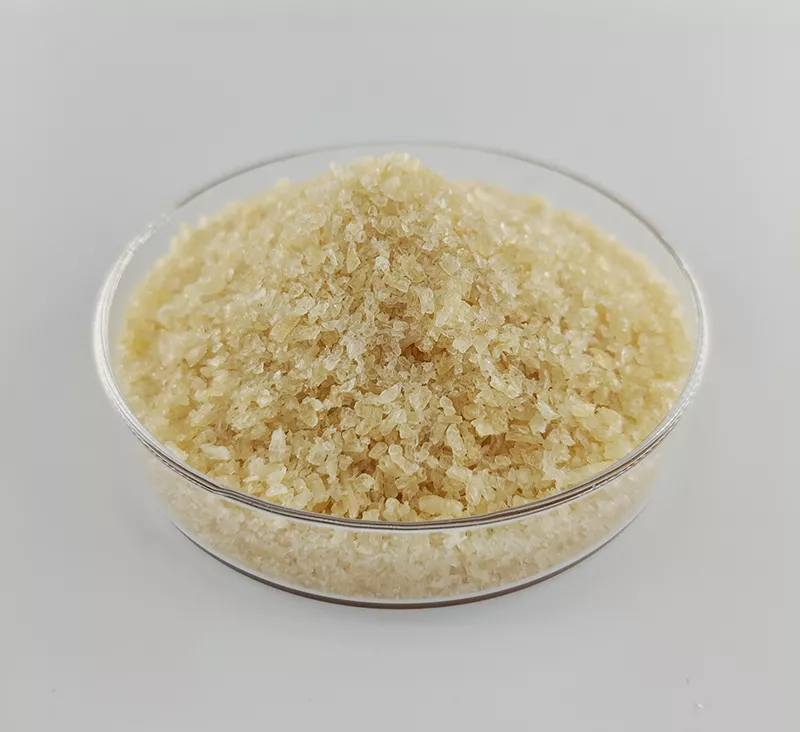
Gelatin is a hydrolyzed form of collagen, produced by breaking down animal connective tissues through controlled heating and enzymatic processes. In dog food, it serves multiple roles: it improves the texture of wet food and treats, provides a natural source of protein, and supports joint health due to its high glycine and proline content. For pet food manufacturers, gelatin offers a clean-label solution that enhances palatability and nutritional value without synthetic additives.
A common sourcing pain point is batch consistency. Variations in bloom strength, viscosity, or odor can affect final product quality. Buyers often face challenges with fishy smells in fish-based gelatin or allergen concerns with porcine sources. Understanding gelatin’s working principle helps mitigate these issues.
Gelatin is made through a process called enzymatic hydrolysis. Raw materials—bovine hide, bones, or fish skin—are cleaned, soaked in acid or alkali, and then heated to extract collagen. The resulting liquid is filtered, concentrated, dried, and ground into powder. The key parameters that define gelatin quality include bloom strength (gel firmness), viscosity, mesh size, and moisture content.
For dog food applications, bloom strength typically ranges from 150 to 260 g for gummies and soft chews. Lower bloom values (50–150 g) are used for softer gels, while higher bloom (200–300 g) provides firmer textures. Viscosity, measured in mPa·s, affects how the gelatin flows during processing. Mesh size (8–60) determines particle fineness, impacting dissolution speed.
Below is a table of common gelatin parameters relevant to pet food and treat manufacturing. These are typical industry ranges; final values should be confirmed via Certificate of Analysis (COA) from your supplier.
| Parameter | Typical Range (Industry Standard) | Relevance to Dog Food |
|---|---|---|
| Bloom Strength | 50–300 g (common for pet treats: 150–260 g) | Determines gel firmness; higher bloom for chewy treats |
| Viscosity | 2.0–5.5 mPa·s | Affects processing flow and coating consistency |
| Mesh Size | 8–60 mesh | Finer mesh dissolves faster; coarser for dry blends |
| Moisture | ≤14% | Low moisture prevents microbial growth |
| Protein Content | ≥90% (collagen peptides) | High protein supports nutritional claims |
Note: These are generic industry parameters. Always request a COA for your specific batch.
Gelatin offers several functional and nutritional benefits for dog food:
Yes, gelatin is generally recognized as safe (GRAS) for dogs when sourced from reputable suppliers. Safety depends on raw material quality and processing standards. Key considerations for buyers:
Selecting the correct gelatin grade depends on your product type and target market. Here is a guide by application:
Beyond Biopharma, based in Shanghai, China, is a B2B manufacturer specializing in collagen peptides, gelatin, and plant protein peptides. With over 10 years of experience, we export to 50+ countries. Our facility produces approximately 3,000 MT/year of collagen and 5,000 MT/year of gelatin, using fully automatic production lines, GMP clean workshops, and stainless-steel sealed piping with automated temperature and pH control.
We hold ISO 9001 and US FDA registration. Select products are Halal and Kosher certified. Our bovine bone gelatin is BSE-free. We have an in-house lab for heavy-metal and microbiological testing, plus a dedicated QA/QC team. We offer three grades—food, pharmaceutical, and cosmetic—and provide free samples and formulation support.
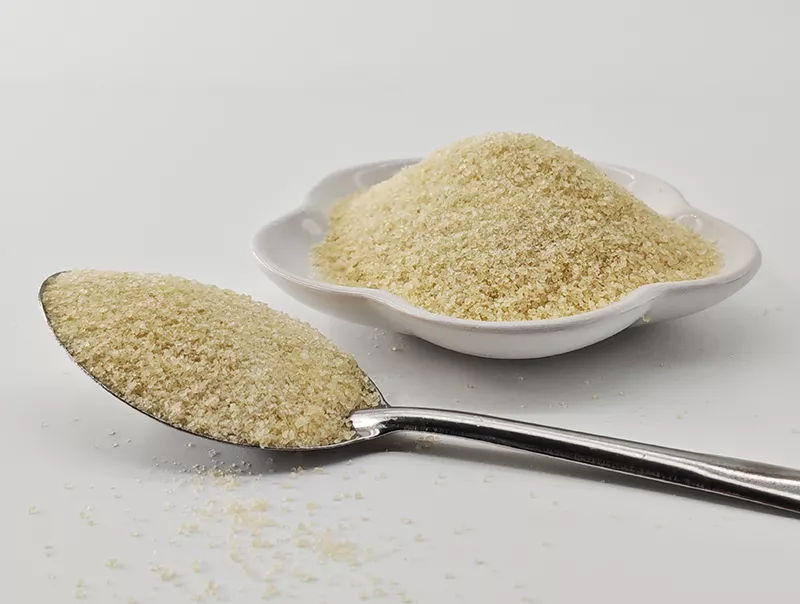
Yes, gelatin is versatile. It works in wet food, dry kibble coatings, treats, and supplements. The grade and bloom strength should match the application—higher bloom for chewy treats, lower bloom for softer gels.
Both are safe. Fish gelatin is ideal for dogs with bovine or porcine allergies. It also has a lower molecular weight, which may offer faster absorption. Bovine gelatin is more common and cost-effective for most applications.
Key certifications include ISO 9001, FDA registration, Halal, and Kosher. For pet food, also check BSE-free status for bovine gelatin. Beyond Biopharma offers these certifications on select products.
Request a COA for each batch. Key parameters to verify are bloom strength, viscosity, moisture, and mesh size. Work with a supplier that has automated production controls, like Beyond Biopharma’s fully automatic line.
Yes, gelatin is a natural binder. It provides structure and chewiness without synthetic additives. It also adds nutritional value, making it a clean-label alternative.
Typically 2–3 years when stored in a cool, dry place. Moisture content should be ≤14% to prevent spoilage. Always check the manufacturer’s expiration date.
Gelatin in dog food is a reliable, safe, and functional ingredient that supports joint health, texture, and nutrition. Whether you need edible gelatin for treats, pharmaceutical gelatin for capsules, or collagen peptides for supplements, Beyond Biopharma can supply custom bulk solutions.
To request free samples and a quote, please provide the following details:
Contact Beyond Biopharma today for formulation support and reliable supply. We are ready to help you select the right gelatin for your dog food products.

We provide you with comprehensive foreign trade solutions to help enterprises achieve global development
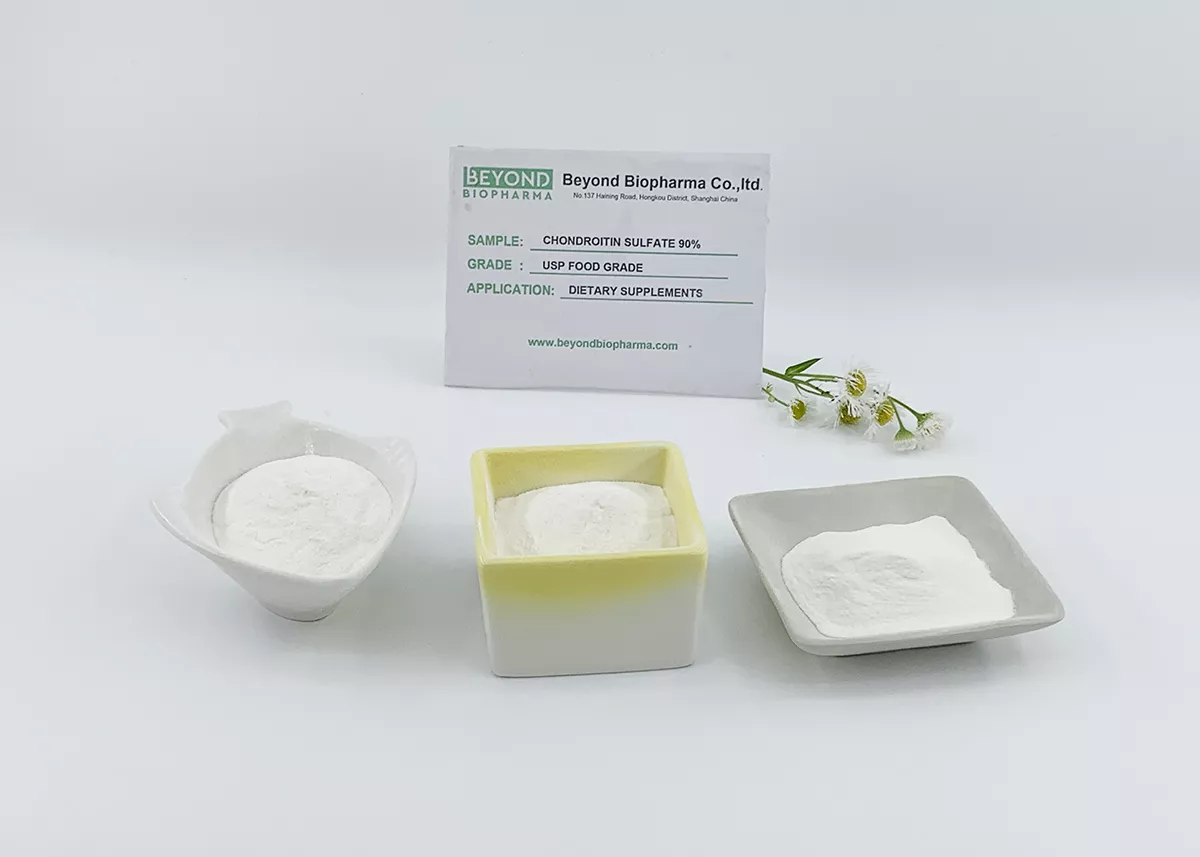
High Purity and Efficacy for Joint Health Formulations
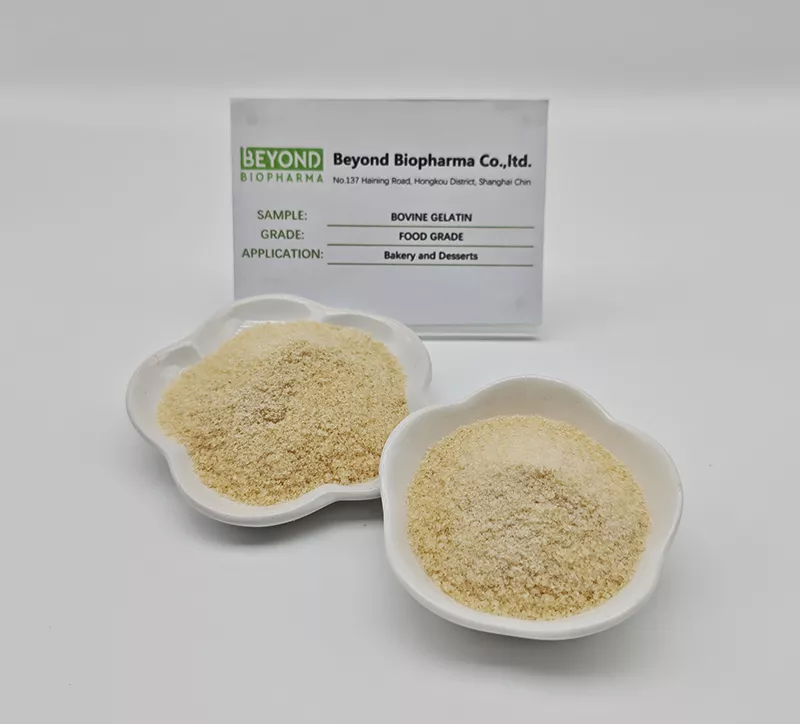
20 years experiences, 5000 ton/year capacity, Sustained supply with stable quality
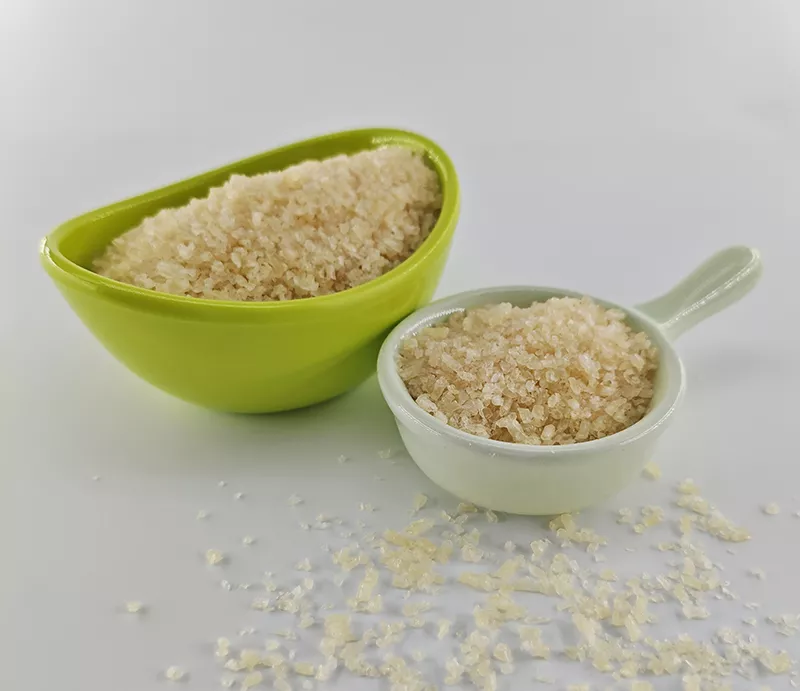
Stability, Swallowing Enhancement, and Controlled Release
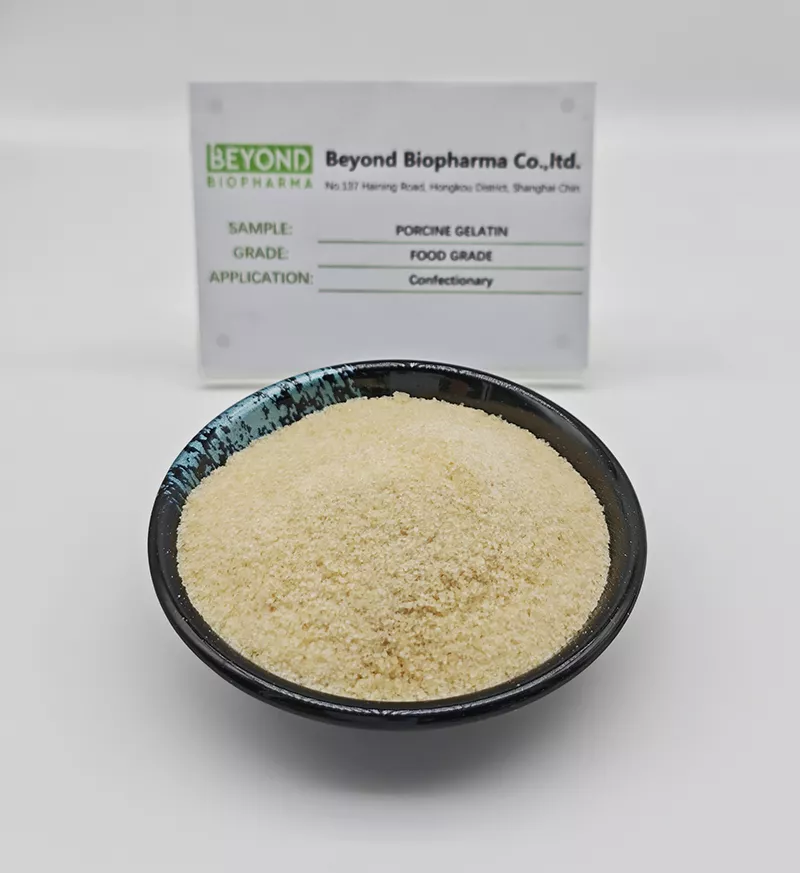
Food-grade porcine gelatin is a highly versatile and cost-effective natural protein derived from the collagen found in pig skin and bones. It is a premier gelling agent known for its exceptional clarity, neutral taste, and thermal reversibility.
Select the most popular foreign trade service products to meet your diverse needs
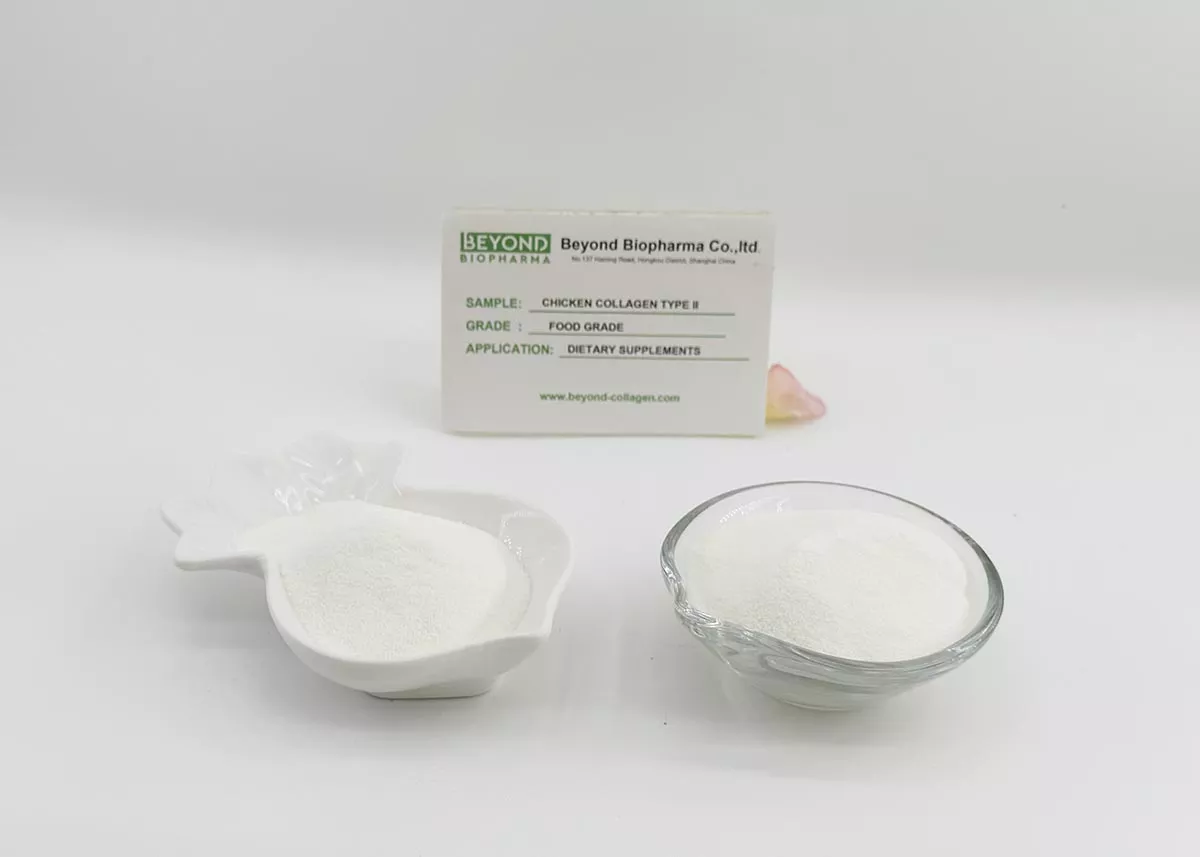
BEYOND BIOPHARMA is a specialized manufacturer of highly purified Hydrolyzed Collagen Type II. Through advanced enzymatic hydrolysis, we create low-molecular-weight collagen peptides that are highly bioavailable, offering foundational nutritional support for cartilage repair, joint function, and skin health. Our product is designed for rapid absorption and maximum efficacy in oral supplements.
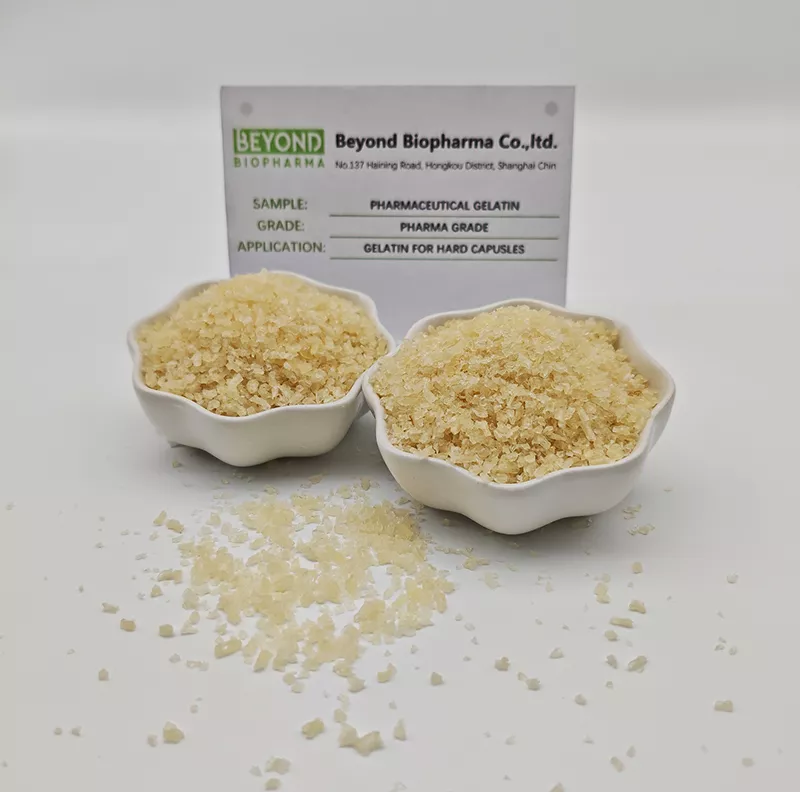
Precision, Purity, and Optimal Machinability
Stability, Swallowing Enhancement, and Controlled Release
Tel:+86 21 65010906
Cell/Whatsapp/Wechat:
+86 13482884055
+86 18657345785
Email: sales@beyondbiopharma.com





User Comments
Service Experience Sharing from Real Customers
Megan
Graphic DesignerI was skeptical about gelatin in dog food at first, but after seeing how much my picky terrier loves this kibble and how his coat has improved, I'm sold. It's like his joints move easier too. Who knew?
Leo
Construction SupervisorMy old lab, Buddy, has had hip issues for years. Since switching to this food with gelatin listed clearly, he's definitely more willing to go on short walks. Minus one star because the bag is a pain to reseal.
Chloe
Veterinary TechnicianFrom a professional standpoint, seeing gelatin as a source of natural collagen is a big plus for canine joint health. I recommend this to clients looking for a mid-range supportive diet. My own dog gobbles it up.
Ryan
High School TeacherHonestly, I picked this brand because the price was right. The gelatin thing was just a bonus I noticed later. My energetic border collie seems to recover faster after our weekend hikes. Her energy is great, and she licks the bowl clean every time.