 English EN


Bovine gelatin pros and cons everyone should know
Bovine gelatin offers strong gelling and health benefits but has dietary, ethical, and allergen concerns. Compare bovine gelatin to other gelatin options here.
More
Porcine gelatin forms strong, stable gels because of its unique molecular structure and amino acid sequence. Manufacturers choose porcine gelatin for various foods and pharmaceuticals due to its reliable performance. Its high Bloom strength stands out, as shown below:
| Type of Gelatin | Bloom Strength (g) |
|---|---|
| Fish Gelatin (FG) | 270 ± 10 |
| Porcine Skin Gelatin | 290 ± 10 |
| Bovine Skin Gelatin | 320 ± 10 |
Porcine gelatin stands out due to its unique amino acid profile. The high content of glycine, proline, and hydroxyproline plays a critical role in its gelling ability. These amino acids contribute to the formation of strong, stable gel networks. The table below compares the amino acid composition of porcine gelatin with bovine and fish gelatin:
| Amino Acid | Bovine Gelatin (%) | Pork Gelatin (%) | Fish Gelatin (%) |
|---|---|---|---|
| Glycine | 27 - 30 | 27 - 30 | 21 - 26 |
| Proline + Hydroxyproline | ~25 | ~25 | 17 - 21 |
| Lysine | Low | Low | Slightly higher |
| Histidine | Lower | Lower | Slightly higher |
Note: The high levels of glycine and proline in porcine gelatin enhance its gelling properties compared to fish gelatin. The amino acid and imino acid composition, along with the degree of prohydroxylation, define the viscoelastic properties of gelatin. Porcine gelatin also demonstrates a higher bloom strength than bovine gelatin across a wide pH range.
Key features of the amino acid sequence in porcine gelatin:
Higher levels of glycine, proline, and arginine compared to bovine gelatin.
Enhanced gelling properties due to this composition.
Critical role of amino acid sequence in determining gel strength and elasticity.
The molecular weight of gelatin molecules influences gel strength and stability. Porcine skin gelatin typically has an average molecular weight of 282 kDa. This high molecular weight supports the formation of robust gel networks.
| Property | Porcine Gelatin | Bovine Gelatin |
|---|---|---|
| Glycine Content | Higher | Lower |
| Proline Content | Higher | Lower |
| Arginine Content | Higher | Lower |
| Bloom Strength (pH 9) | Higher | Lower |
| Lowest Bloom Strength (pH 3) | pH 5 | pH 3 |
The amino acid composition and molecular weight distribution significantly affect the gelling and rheological properties of gelatin.
Higher molecular weights correlate with stronger gels, as indicated by higher Bloom values.
The presence of proline and hydroxyproline stabilizes the triple helical structures through steric hindrance and hydrogen bonding.
Appropriate molecular weights facilitate the formation of triple helices, while lower molecular weight proteins can disrupt this process.
The triple-helix structure is essential for the gelation process in porcine gelatin. During gelation, gelatin chains transition from a disordered state to an ordered state, partially regenerating the collagen triple-helix structure. This process forms thermoreversible networks, where the association of helices in junction zones is stabilized by hydrogen bonds.
The triple-helix structure acts as a junction zone in the gelatin network.
Stabilization occurs through hydrogen bonds, hydrophobic effects, and electrostatic interactions.
The triple-helix is sensitive to temperature, pH, ionic strength, and cross-linking agents.
X-ray diffraction (XRD) spectra show specific peaks that correspond to the triple helix diameter, with the intensity of these peaks indicating the triple helix content.
Tip: The gel network structure of porcine gelatin can be influenced by salt concentration. Higher salt levels lead to a softer gel, as the storage modulus decreases with increasing salt concentration. This property distinguishes porcine gelatin from other gelling agents and allows for precise control of gel texture in various applications.
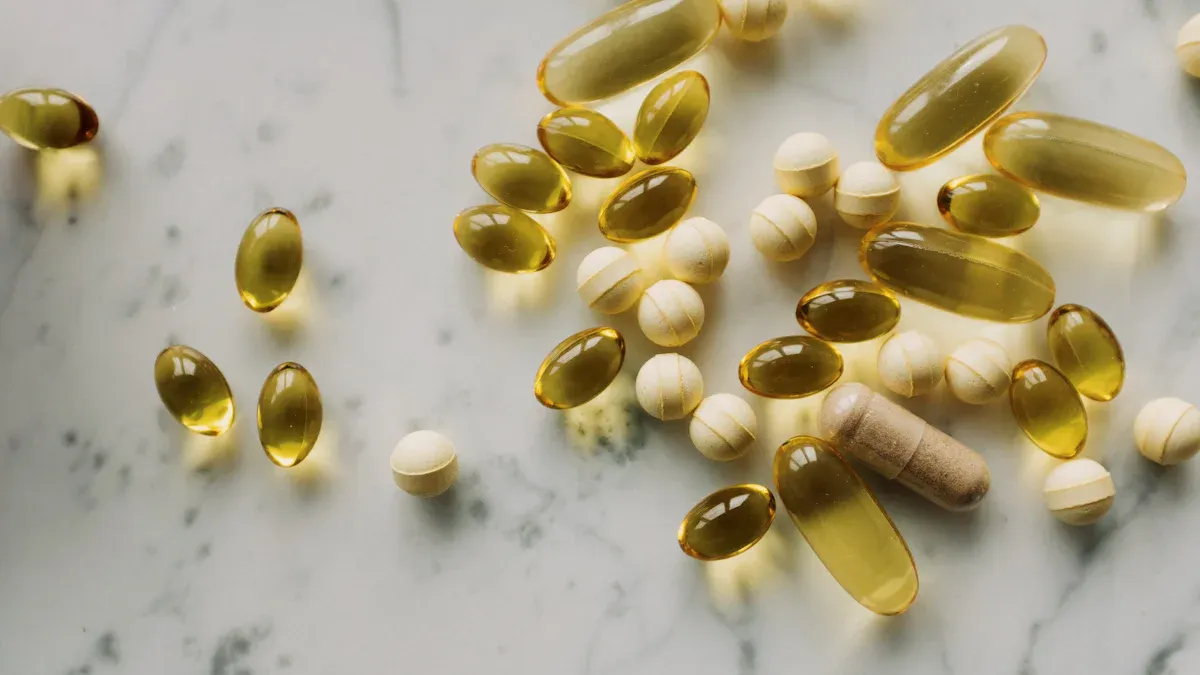
Bloom strength serves as a primary indicator of gelatin quality. Manufacturers use the Bloom scale to measure the force required to deform a gel, which reflects its firmness and elasticity. Commercial porcine gelatin products display a wide range of Bloom strengths, each suited for specific applications.
The Bloom strength for commercial porcine gelatin typically ranges from 50 g to 300 g.
Most products fall within a narrower range of 125 to 250 Bloom.
The Bloom Tester measures the firmness of gelatin by determining the force needed to depress a plunger into a gelatin sample.
Higher Bloom values correlate with firmer and more elastic gels, while lower values indicate softer gels.
High Bloom (220–260g): Produces firm, elastic textures suitable for jellies and gummies.
Medium Bloom (150–200g): Ideal for desserts, yogurts, and softgel capsules.
Low Bloom (80–120g): Best for protein beverages and emulsions.
Bloom strength is a key factor in assessing the quality and performance of gelatin.
A higher Bloom value results in a firmer, more rigid gel, while a lower value leads to a softer, more delicate texture. This property allows food technologists to select the right porcine gelatin for each application, ensuring consistent results.
Purity, pH, and moisture content play critical roles in the gelling performance of porcine gelatin. High-quality gelatin must meet strict specifications to deliver optimal results.
Ideal pH level for high-quality gelatin is between 4.5 and 6.0.
Moisture content of gelatin is typically between 8% and 13%.
The moisture content of goatskin gelatin in one study was found to be 9.23% ± 0.08.
Research shows that moisture content directly affects the gelling performance of porcine gelatin. Higher moisture levels enhance the mobility of protein chains and influence the crystalline structure of gelatin. Water acts as a plasticizer, affecting the texture and performance of gelatin in applications such as 3D food printing. Maintaining the correct pH and moisture content ensures that the gel forms properly and remains stable during storage and use.
Tip: Consistent purity and controlled moisture levels help prevent unwanted changes in gel texture and appearance.
Solubility and viscosity determine how well porcine gelatin disperses and forms gels in different environments. These properties depend on the molecular structure and processing conditions.
| Gelatin Type | Viscosity Behavior | Key Factors |
|---|---|---|
| Pork | High | β- and γ-chains |
| Beef | Moderate | Amino Acid Composition |
| Fish | Low | Looser Structure |
| Viscosity Measurement | Gelling Ability | Amino Acid Composition |
|---|---|---|
| Higher Viscosity | Stronger Gel | Proline, Hydroxyproline |
| Viscosity Increases | Gelation Temp. | Varies by Gelatin Type |
| Gelatin Type | Initial Viscosity | Structural Integrity |
|---|---|---|
| Pork | Highest | High |
| Beef | Moderate | Moderate |
| Fish | Lowest | Low |
Porcine gelatin exhibits high viscosity due to its unique chain structure. This characteristic supports the formation of strong, stable gels. Higher viscosity often signals a stronger gel network, which is essential for applications that require precise texture and stability.
Note: Technologists monitor viscosity to ensure that porcine gelatin meets the requirements for specific products, from confectionery to pharmaceuticals.
Porcine gelatin demonstrates superior gelling properties due to its unique amino acid composition and well-defined specifications. Comparative studies show its gel strength and texture outperform alternatives:
| Gelling Agent | Hardness | Cohesiveness | Gumminess | Chewiness | Springiness |
|---|---|---|---|---|---|
| Porcine Gelatin | Decreased | Decreased | Decreased | Decreased | No Change |
| Fish Skin Gelatin | Lower | Lower | Lower | Lower | No Change |
| Duck Skin Gelatin | Lowest | Lowest | Lowest | Lowest | No Change |
Porcine gelatin contains 19 amino acids, with glycine, proline, and hydroxyproline contributing to its functional properties.
Its cold-setting and thermoreversible nature provides versatility for food and pharmaceutical applications.
Gel strength depends on amino acid composition, Bloom value, pH, and moisture content. Manufacturers monitor these specifications to ensure consistent gel quality.
Tip: Higher Bloom values produce firmer gels.
Pharmaceutical companies use porcine gelatin for capsules, tablets, and wound dressings. Its purity and stability make it suitable for medical-grade products.
Capsules
Tablets
Wound dressings

We provide you with comprehensive foreign trade solutions to help enterprises achieve global development
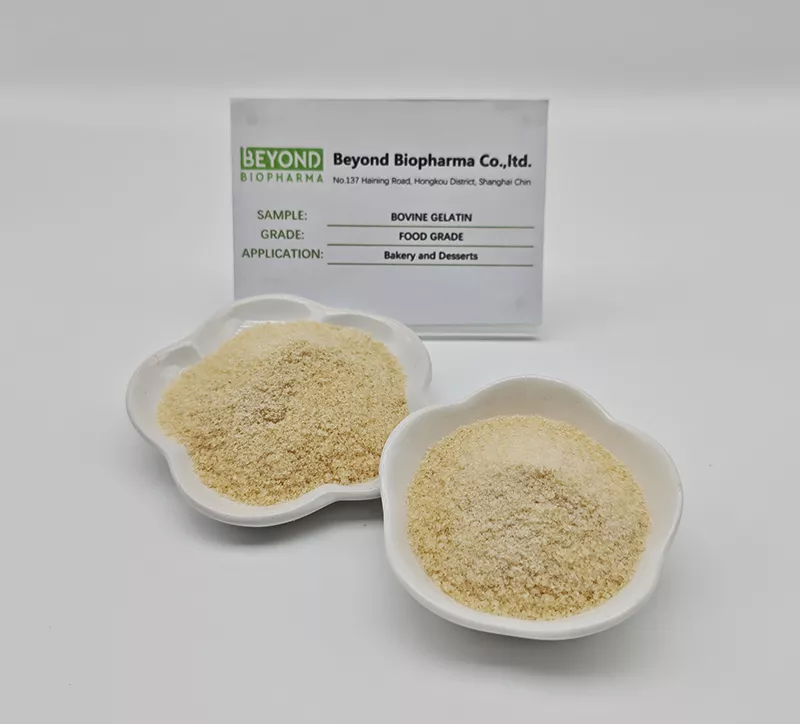
20 years experiences, 5000 ton/year capacity, Sustained supply with stable quality
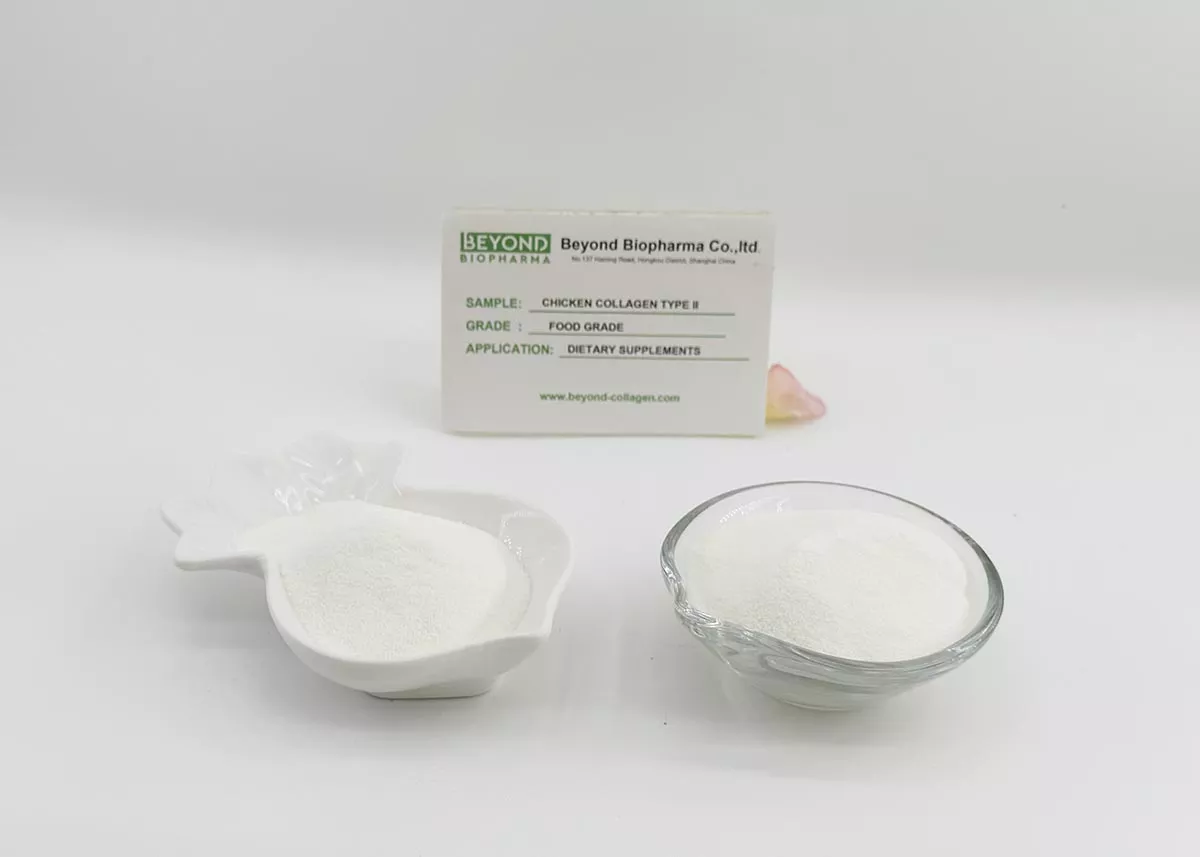
BEYOND BIOPHARMA is a specialized manufacturer of highly purified Hydrolyzed Collagen Type II. Through advanced enzymatic hydrolysis, we create low-molecular-weight collagen peptides that are highly bioavailable, offering foundational nutritional support for cartilage repair, joint function, and skin health. Our product is designed for rapid absorption and maximum efficacy in oral supplements.
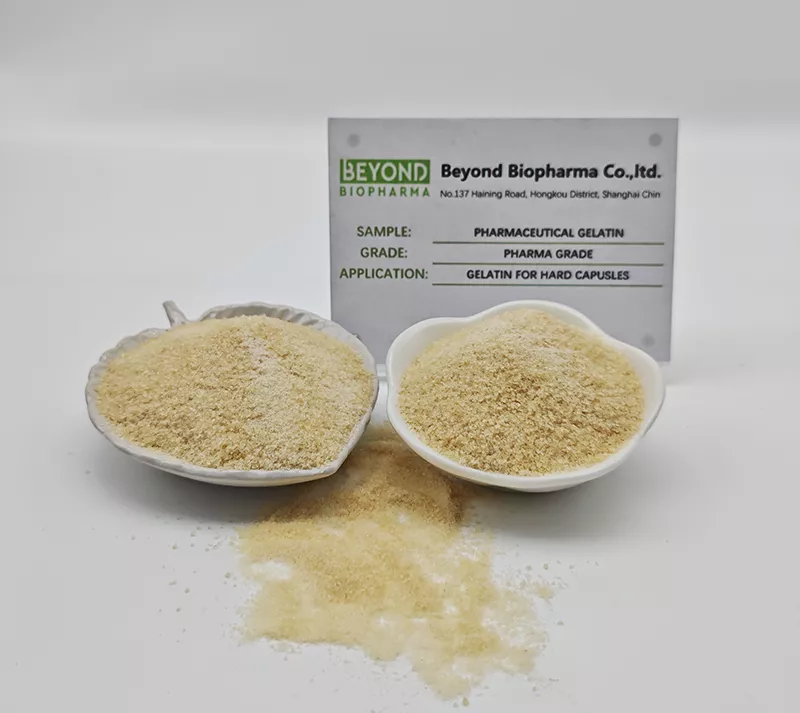
The high-strength and rapid-setting characteristics of Bovine Bone Gelatin ensure it forms a stable, uniform, and durable shell that preserves the integrity of the active pharmaceutical ingredient (API).
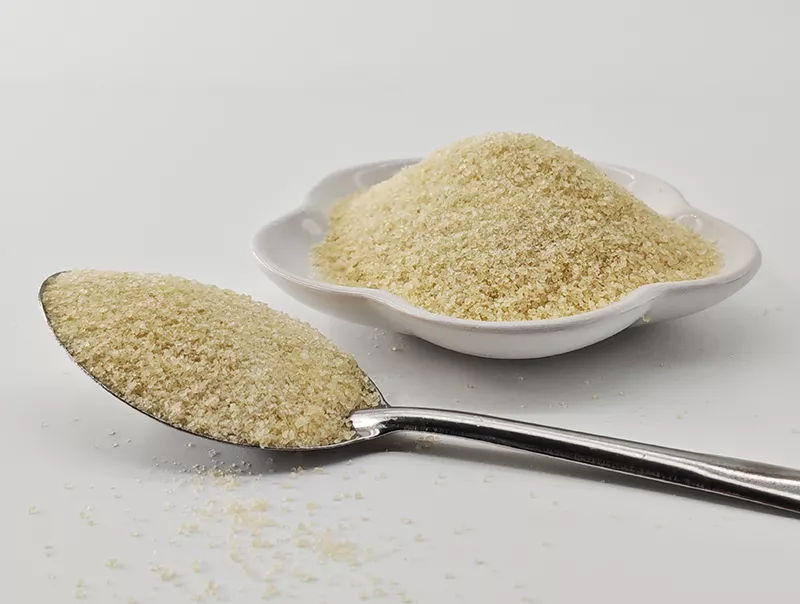
The High-Performance Barrier for Core Material Protection and Controlled Release.
Select the most popular foreign trade service products to meet your diverse needs
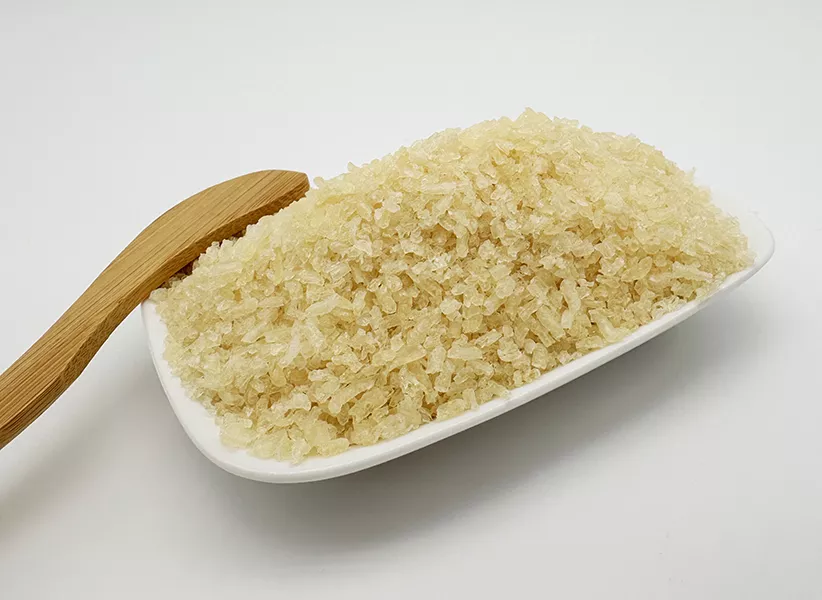
Our Bovine Hides Gelatin is engineered for versatility and compliance, ensuring performance across various applications.
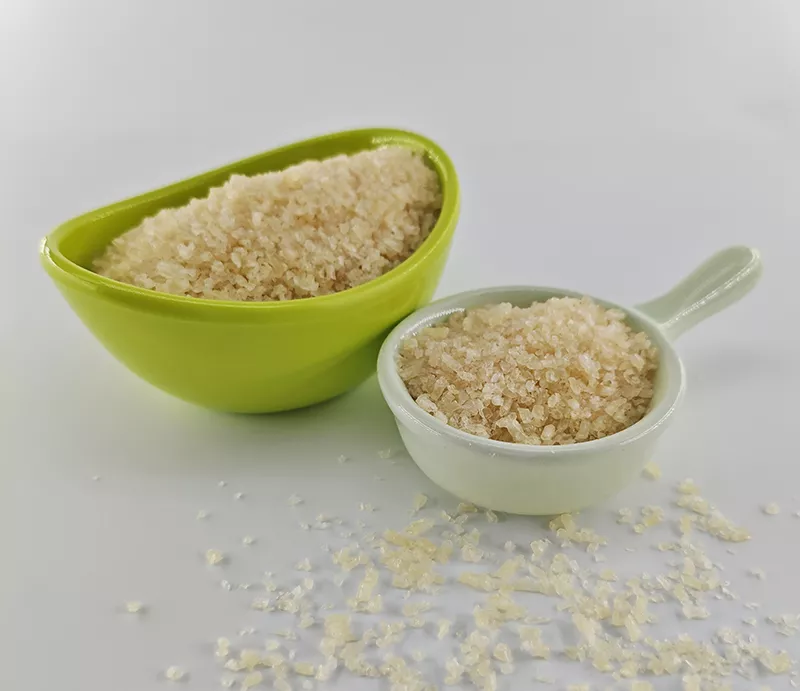
Stability, Swallowing Enhancement, and Controlled Release
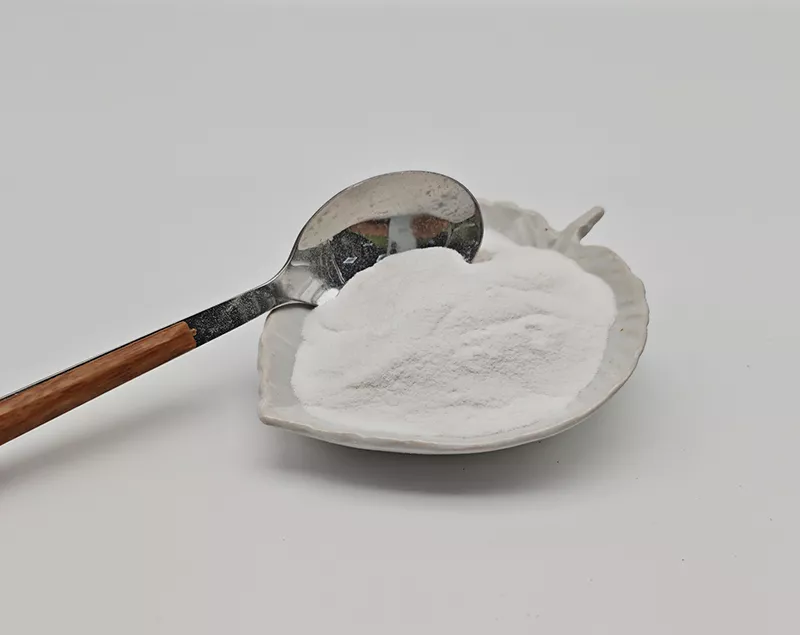
Fish Gelatin for foods is increasingly recognized as the premium alternative to traditional mammalian sources, meeting the growing global demand for clean-label ingredients that align with diverse dietary and religious requirements. Derived from the skin and scales of fish like cod and tilapia, fish gelatin offers unique functional benefits that make it an exceptional gelling, stabilizing, and texturizing agent.
Tel:+86 21 65010906
Cell/Whatsapp/Wechat:
+86 13482884055
+86 18657345785
Email: sales@beyondbiopharma.com





User Comments
Service Experience Sharing from Real Customers
Megan
Quality Control AnalystAs a professional in food production, I'm highly impressed with the purity and consistent gel strength of this porcine gelatin. It performs flawlessly in our confectionery line, ensuring perfect texture every time. A reliable and high-quality ingredient.
Ryan
Research ScientistWe use this porcine gelatin extensively in our pharmaceutical capsule development. Its excellent solubility and film-forming properties are crucial. Slight batch variation, but overall a superior product that meets stringent industry standards.
Chloe
Pastry ChefThis gelatin is a game-changer for my dessert creations! The clarity and setting ability are exceptional, making it ideal for delicate panna cottas and glazes. It's become a staple in my professional kitchen. Highly recommend!
Kyle
Lab TechnicianPerfect for our microbiology culture media preparation. The porcine gelatin is consistently sterile, low in endotoxins, and provides an ideal growth matrix. Reliable sourcing and technical data provided are excellent for our compliance needs.