 English EN


Gelatin sheet vs powder what science says in 2026
Gelatin sheet offers chefs better clarity, smooth texture, and consistent results than powdered gelatin, making it the top choice for desserts in 2026.
More
When you are sourcing gelatin powder and gelatin sheets for your next product batch, understanding their distinct behaviors can save you time and ensure consistent results. While both are derived from collagen—typically bovine, porcine, or fish skin—their physical form influences hydration time, dispersion uniformity, and final gel texture. Purchasing managers often face the challenge of batch consistency and solubility; knowing these differences helps avoid production hiccups.
Both forms start with the same raw material—collagen-rich animal hides, bones, or fish skin. Through controlled hydrolysis, the collagen is broken down into gelatin. The key difference lies in the final drying and milling process. Gelatin powder is spray-dried or ground into fine granules, while gelatin sheets are cast into thin, uniform films and dried slowly. This processing difference affects how each form hydrates: powder disperses quickly in cold water but can clump if not stirred properly; sheets require soaking in cold water to soften before use but offer a more controlled, even hydration.
The bloom strength—a measure of gel firmness—remains the same regardless of form. A 200-bloom gelatin powder will produce the same gel strength as a 200-bloom sheet. However, the dissolution rate and clarity can vary slightly due to particle size and surface area. For applications where rapid dispersion is critical, powder is often preferred; for layered desserts or delicate confections where clarity and texture matter, sheets are the traditional choice.
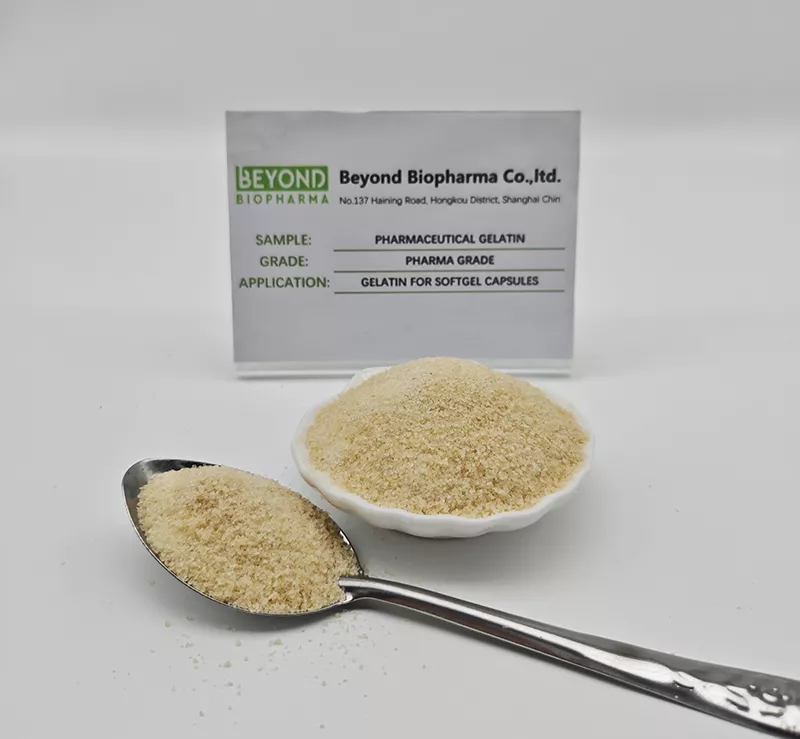
When evaluating suppliers, you will encounter standard parameters that apply to both forms. The table below summarizes common industry ranges. Note: These are typical industry ranges; final values should be confirmed per Certificate of Analysis (COA) and sample testing.
| Parameter | Gelatin Powder | Gelatin Sheets |
|---|---|---|
| Bloom (g) | 50–300 (typical industry range) | 50–300 (typical industry range) |
| Viscosity (mPa·s) | 2.0–5.5 (typical industry range) | 2.0–5.5 (typical industry range) |
| Mesh size | 8–60 mesh (typical industry range) | N/A (sheet thickness varies) |
| Moisture | ≤14% (typical industry range) | ≤14% (typical industry range) |
| Hydration time | Quick (stir into cold water) | 10–15 min soak in cold water |
| Typical applications | Gummies, capsules, protein bars, beverages | Desserts, confectionery, mousses |
For pharmaceutical-grade applications, such as hard capsules or softgels, bloom strength and viscosity are critical. A high-bloom bovine hide gelatin (e.g., 250–260 bloom) is often preferred for its firm gel and clean melt-in-mouth profile. In contrast, fish gelatin sheets with lower bloom (150–200) are sometimes chosen for kosher or halal formulations.
Gelatin powder is the workhorse for industrial-scale production. It is ideal for:
For more details on edible gelatin options, explore our Edible Gelatin range, which includes bovine, porcine, and fish sources.
Gelatin sheets are preferred in applications where clarity, texture, and precise gel strength are paramount. Common uses include:
For pharmaceutical applications, our Pharmaceutical Gelatin line offers consistent quality for hard capsules and tablet coatings.
Collagen peptides are hydrolyzed further than gelatin, resulting in lower molecular weight (typically 2,000–5,000 Da for peptides vs. higher for gelatin) and cold-water solubility. This makes them ideal for beverages and beauty-from-within products. Gelatin, on the other hand, requires heating to dissolve and forms a gel upon cooling. For joint health, Bovine Collagen Peptide is a popular choice, while fish collagen tripeptide offers faster absorption for skin applications.
For plant-based or vegan formulations, our Plant Protein Peptide line (pea, rice, soy) provides allergen-free alternatives, though they do not form gels like gelatin.
Beyond Biopharma, based in Shanghai, China, has over 10 years of experience in the food-ingredient industry, exporting to more than 50 countries. Our facility produces approximately 3,000 MT/year of collagen and 5,000 MT/year of gelatin, using fully automatic production lines, GMP clean workshops, and stainless-steel sealed piping with automated temperature and pH control. We hold ISO 9001 certification, are US FDA registered, and select products carry Halal or Kosher certification (e.g., fish gelatin). Our bovine bone gelatin is BSE-free, and our in-house lab conducts heavy-metal and microbiological testing with a dedicated QA/QC team.
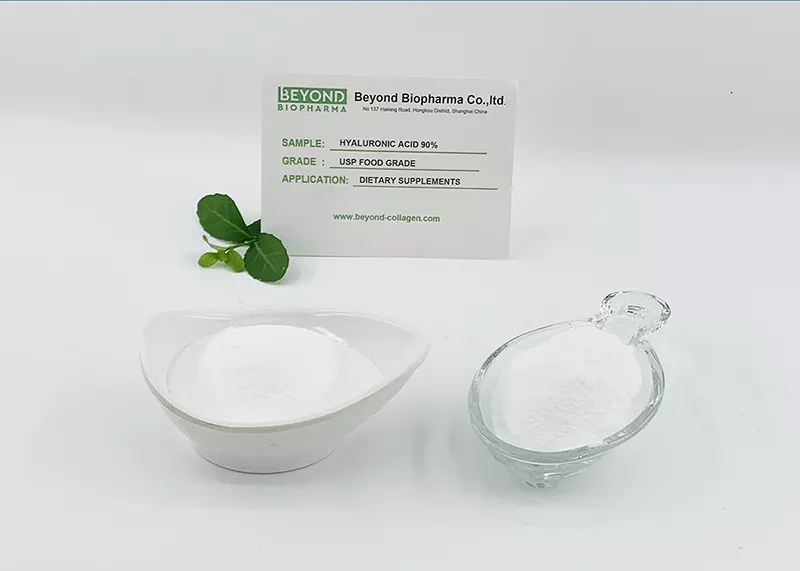
We offer three grades—food, pharmaceutical, and cosmetic—and support custom bulk supply and formulation/OEM. Free samples and formulation support are available upon request. Our product lines include Food Grade Hyaluronic Acid Powder and joint health ingredients like chondroitin sulfate sodium and glucosamine HCl.
Q: Can I substitute gelatin powder for sheets in a recipe?
Yes, but you need to match bloom strength. For example, 1 sheet (typically 2 g) of 200-bloom gelatin equals about 2 g of 200-bloom powder. Adjust hydration method accordingly.
Q: Which form has better clarity in finished products?
Gelatin sheets generally produce a clearer gel because they dissolve more evenly without air bubbles. Powder can introduce slight cloudiness if not fully dissolved.
Q: Are there differences in shelf life between powder and sheets?
Both have similar shelf life (typically 2–3 years) when stored in a cool, dry place. Sheets may be more susceptible to moisture absorption due to larger surface area.
Q: What certifications should I look for when sourcing gelatin?
For international buyers, ISO 9001, FDA registration, and Halal/Kosher certifications are common. BSE-free documentation is critical for bovine gelatin.
Q: Can gelatin be used in vegan formulations?
No, traditional gelatin is animal-derived. For vegan alternatives, consider plant protein peptides like pea or rice protein hydrolysates, which offer solubility but not gel formation.
Q: How do I test bloom strength in-house?
Use a Bloom gelometer according to standard methods (e.g., AOAC). Alternatively, request a COA from your supplier that includes bloom, viscosity, and moisture data.
Choosing between gelatin powder and gelatin sheets depends on your application, processing equipment, and target product characteristics. To ensure you get the right grade and specification, provide the following details when contacting Beyond Biopharma:
We will send free samples and a competitive quote tailored to your needs. Our team supports formulation and selection to help you achieve consistent, high-quality results with gelatin powder and gelatin sheets.

We provide you with comprehensive foreign trade solutions to help enterprises achieve global development
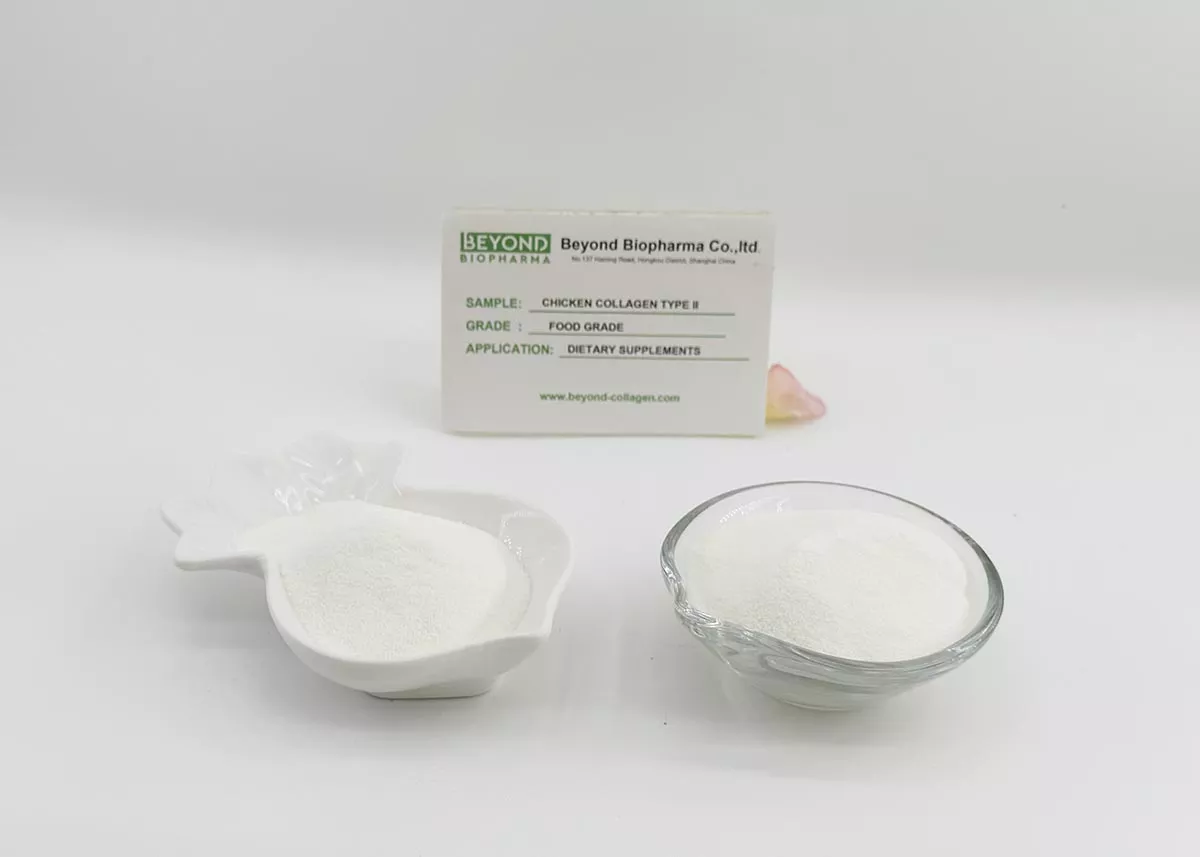
BEYOND BIOPHARMA is a specialized manufacturer of highly purified Hydrolyzed Collagen Type II. Through advanced enzymatic hydrolysis, we create low-molecular-weight collagen peptides that are highly bioavailable, offering foundational nutritional support for cartilage repair, joint function, and skin health. Our product is designed for rapid absorption and maximum efficacy in oral supplements.
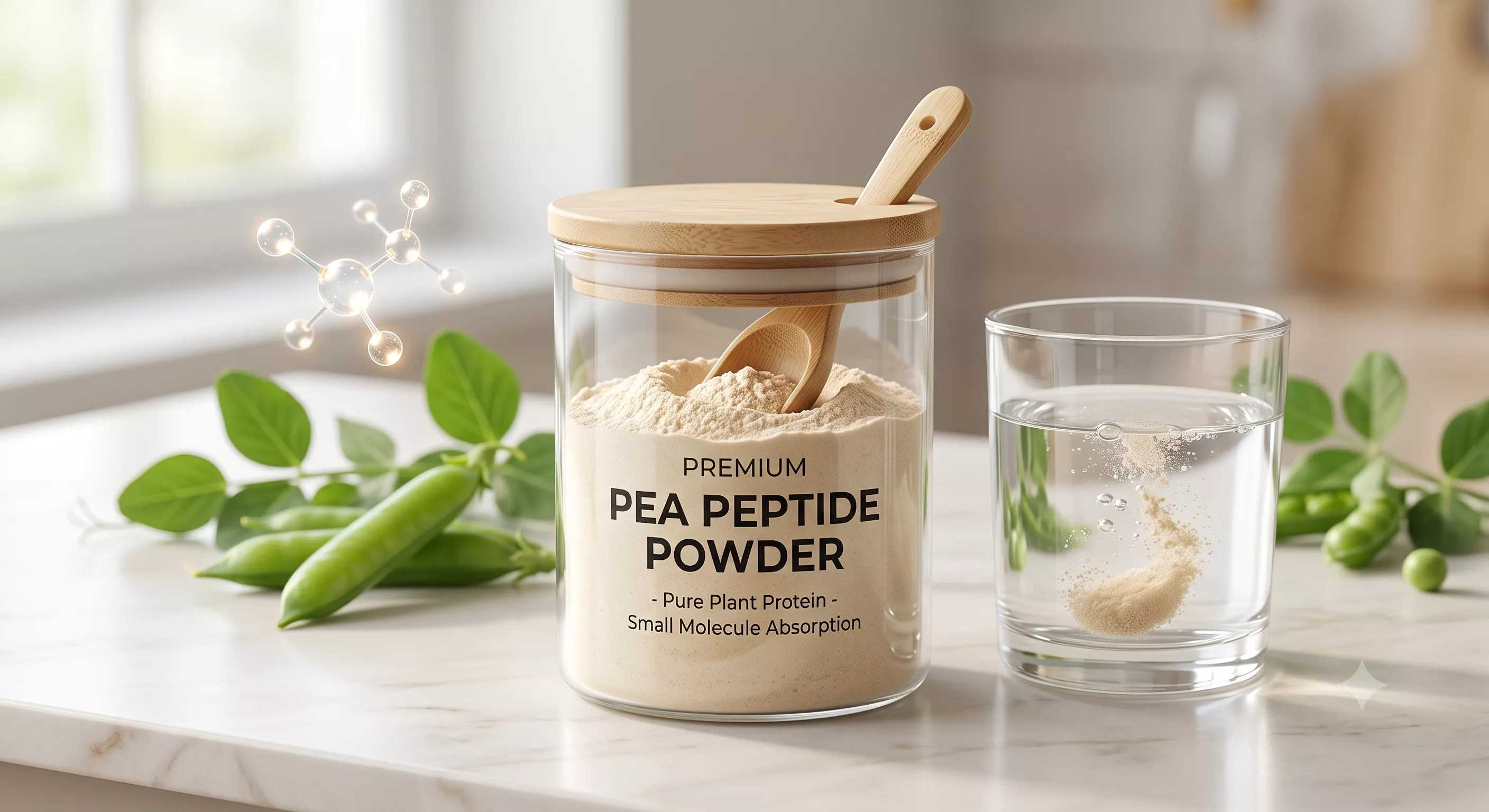
Source high-purity, hypoallergenic hydrolyzed pea peptide powder in bulk. Complete water solubility, rich in BCAAs, ideal for vegan recovery formulas.
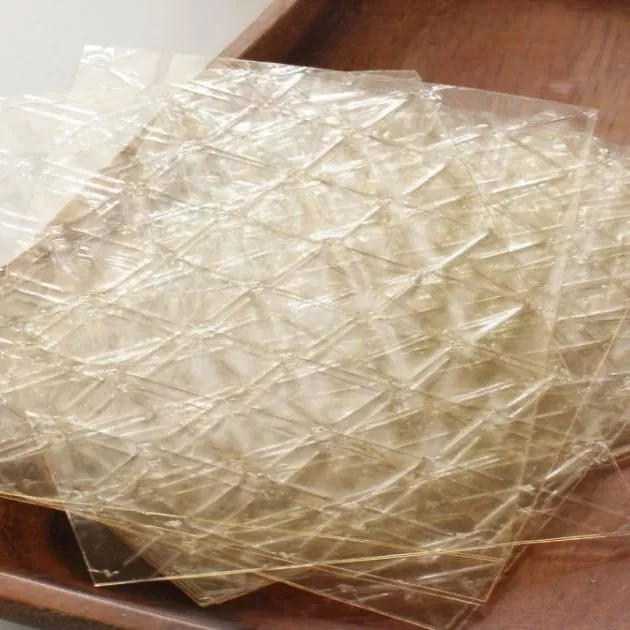
Our Gelatin Sheets are produced to precise standards, ensuring consistency and reliability across different Bloom grades (Silver being the most common professional choice).
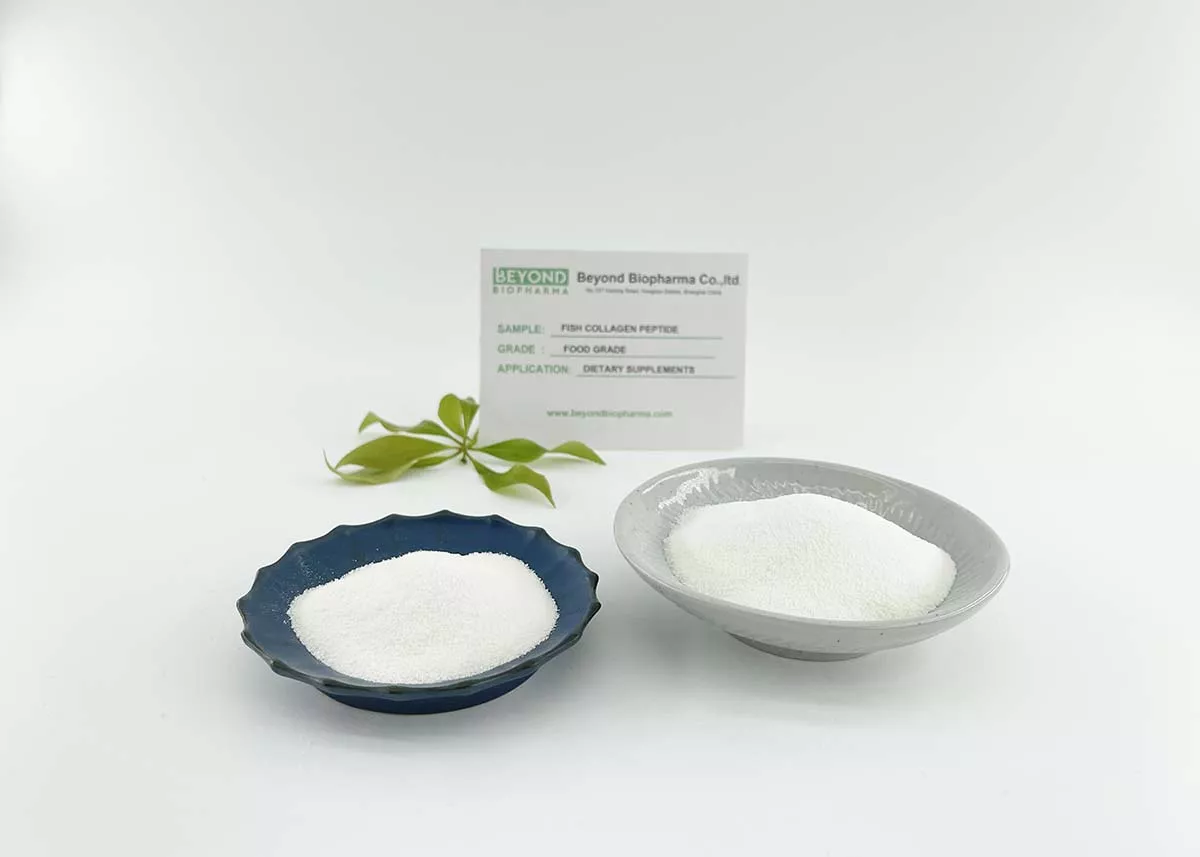
Premium marine-sourced collagen peptides with >90% protein content and low molecular weight (1000-3000 Da) for superior bioavailability. Sustainably sourced, neutral taste, and fully soluble—ideal for nutricosmetics and functional foods.
Select the most popular foreign trade service products to meet your diverse needs
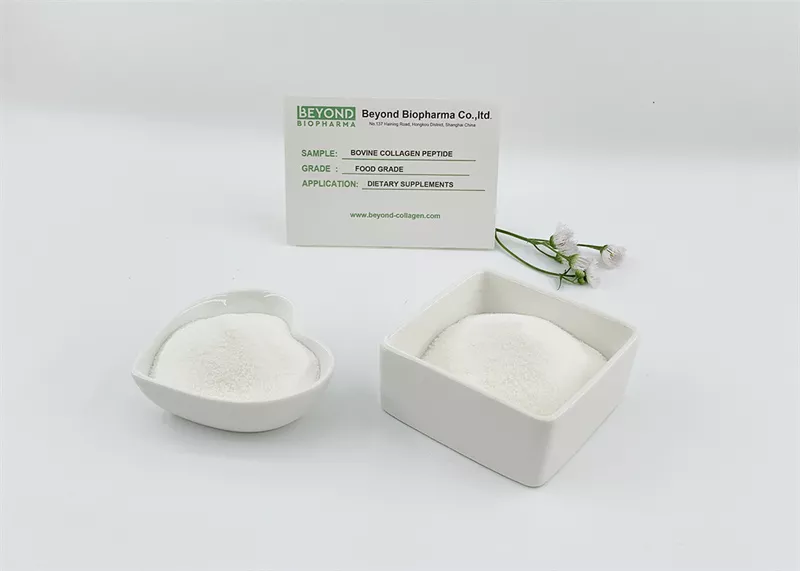
Manufacturer of bovine collagen peptide, shipping in containers all around the world
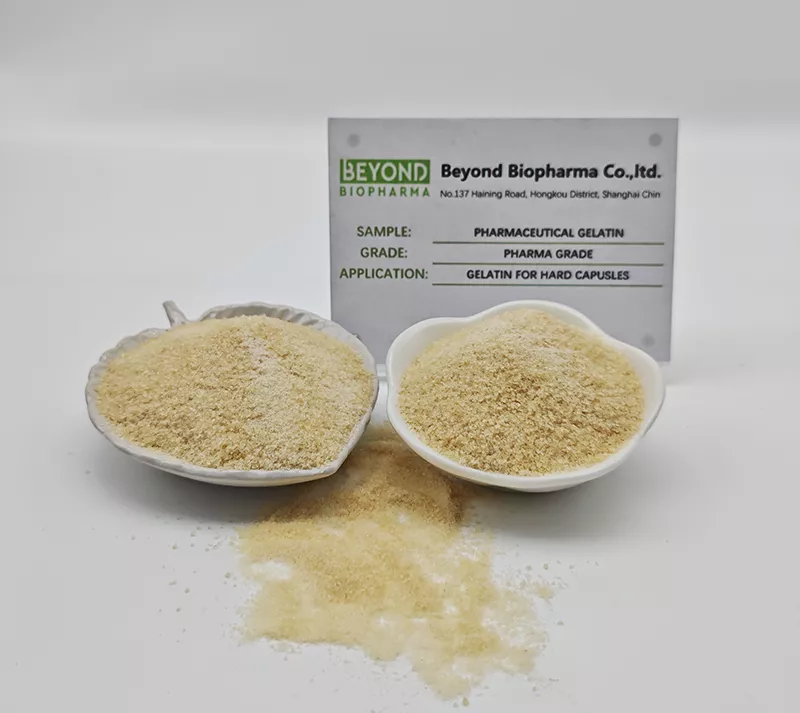
The high-strength and rapid-setting characteristics of Bovine Bone Gelatin ensure it forms a stable, uniform, and durable shell that preserves the integrity of the active pharmaceutical ingredient (API).
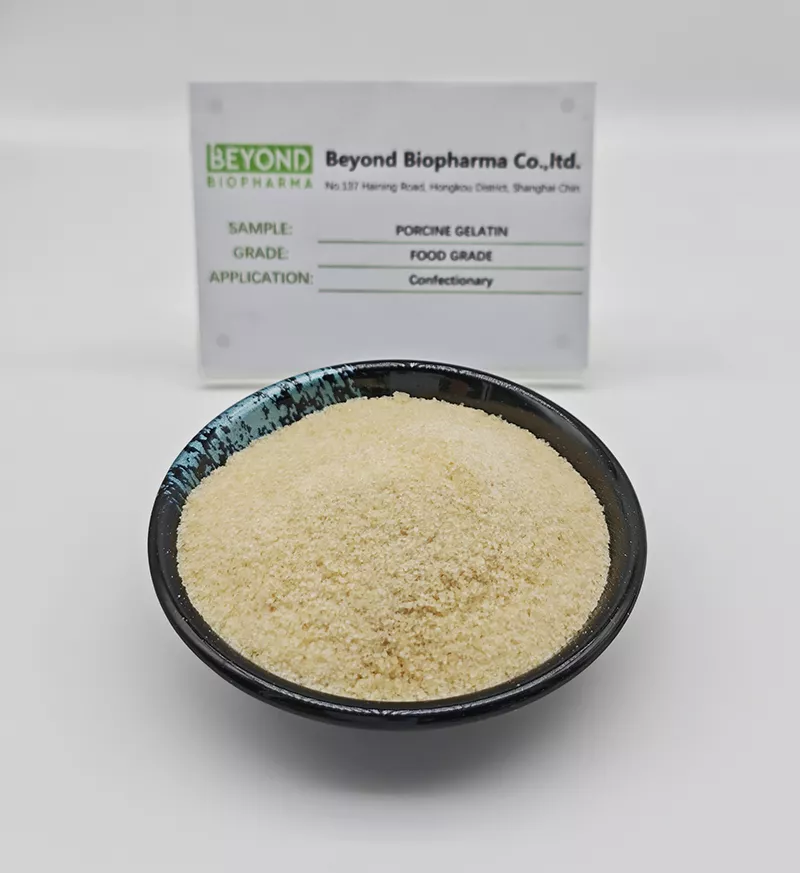
Food-grade porcine gelatin is a highly versatile and cost-effective natural protein derived from the collagen found in pig skin and bones. It is a premier gelling agent known for its exceptional clarity, neutral taste, and thermal reversibility.
Tel:+86 21 65010906
Cell/Whatsapp/Wechat:
+86 13482884055
+86 18657345785
Email: sales@beyondbiopharma.com





User Comments
Service Experience Sharing from Real Customers
Megan
Pastry ChefAs a professional, I've used both forms for years. The powder is convenient for large batches, but for delicate panna cottas and glazes where clarity is key, sheets are unbeatable. This comparison finally helped me explain the 'why' to my apprentices!
Leo
Home BakerTotal game-changer for my hobby. I always messed up conversions and my desserts were either too firm or soupy. Now I know sheets give me more consistent results for my small-batch macarons. Powder's still fine for marshmallows though!
Chloe
Research ScientistNever thought my lab experience would apply to baking! The article's breakdown of bloom strength and purity mirrored what we consider in formulations. Sheets are pricier but offer precise control—perfect for my molecular gastronomy experiments at home.
Raj
Catering ManagerHonestly, I used to think they were interchangeable until I read this. The cost analysis saved our operation money—we switched to powder for bulk sauces but kept sheets for plated desserts. The texture difference is real, and clients notice.