 English EN


Gelatin sheet vs powder what science says in 2026
Gelatin sheet offers chefs better clarity, smooth texture, and consistent results than powdered gelatin, making it the top choice for desserts in 2026.
More
If you have ever followed a European recipe calling for gelatin sheets but only have powdered gelatin on hand, you know the frustration of guessing the right amount. The conversion is not a simple one-to-one swap. Sheet gelatin and powdered gelatin differ in bloom strength, particle size, and hydration behavior. This article provides a precise, data-backed method to convert 2 gelatin sheets to powder, along with practical tips for bakers, supplement manufacturers, and pharmaceutical buyers.
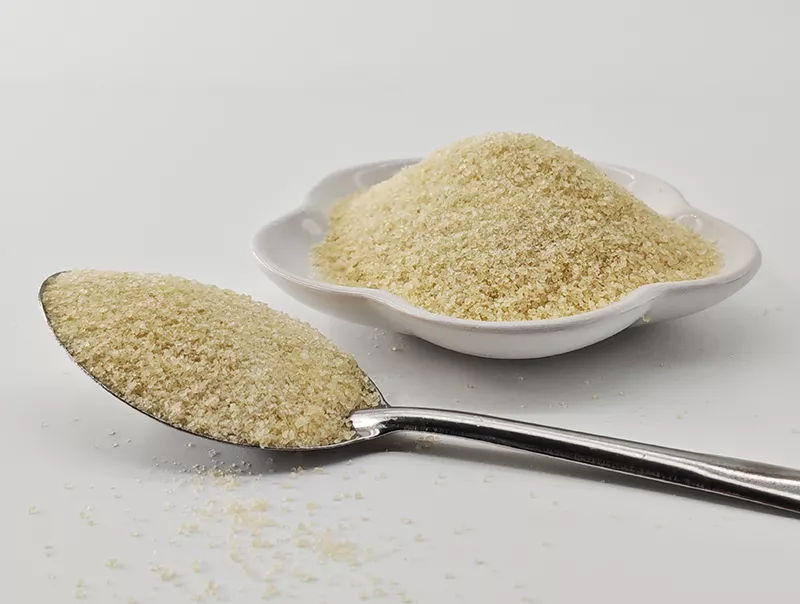
The standard conversion depends on the bloom strength of the sheets. Most commercial sheet gelatin is 200-bloom (silver grade) or 160-bloom (bronze grade). One typical 200-bloom sheet weighs about 2 grams. For 2 sheets, that equals 4 grams of sheet gelatin. To replace 4 grams of 200-bloom sheet gelatin with powder, you need 4 grams of 200-bloom powdered gelatin. If your powdered gelatin has a different bloom value, adjust using this formula: powder weight = (sheet bloom ÷ powder bloom) × sheet weight. For example, substituting 200-bloom sheets with 250-bloom powder: (200 ÷ 250) × 4 g = 3.2 g. Always check the bloom specification on your ingredient certificate of analysis (COA).
Bloom is the standard measure of gel strength, expressed in grams. Higher bloom means a firmer gel at the same concentration. Sheet gelatin is typically standardized to a specific bloom (e.g., 200 bloom), while powdered gelatin can range from 50 to 300 bloom. Using the wrong bloom without adjusting weight will result in a gel that is too soft or too stiff. For bakers making panna cotta, mousses, or fruit jellies, consistency is critical. For pharmaceutical and nutraceutical applications, such as hard capsules or softgels, bloom directly affects shell hardness and dissolution time. Always match bloom values or recalculate.
Hydration method differs between forms. Sheet gelatin is soaked in cold water for 5–10 minutes until softened, then squeezed and dissolved into warm liquid. Powdered gelatin is sprinkled over cold water (typically 4–5 times its weight) and allowed to bloom for 5–10 minutes before gentle heating. For 2 sheets (4 g), use about 20 g cold water for blooming. For powder, use 20–25 g water per 4 g powder. Never boil gelatin, as high heat degrades its gelling ability. For industrial-scale production, automated temperature-controlled systems ensure consistent hydration.
| Parameter | Sheet Gelatin (Typical) | Powdered Gelatin (Typical) |
|---|---|---|
| Bloom range | 160–250 g (common: 200) | 50–300 g |
| Weight per sheet | ~2 g (varies by brand) | N/A |
| Mesh size | N/A | 8–60 mesh |
| Moisture | ≤14% | ≤14% |
| Viscosity (6.67%, 60°C) | ~2.0–5.5 mPa·s | ~2.0–5.5 mPa·s |
Note: These are typical industry ranges. Final values depend on the specific product and should be verified per COA or sample.
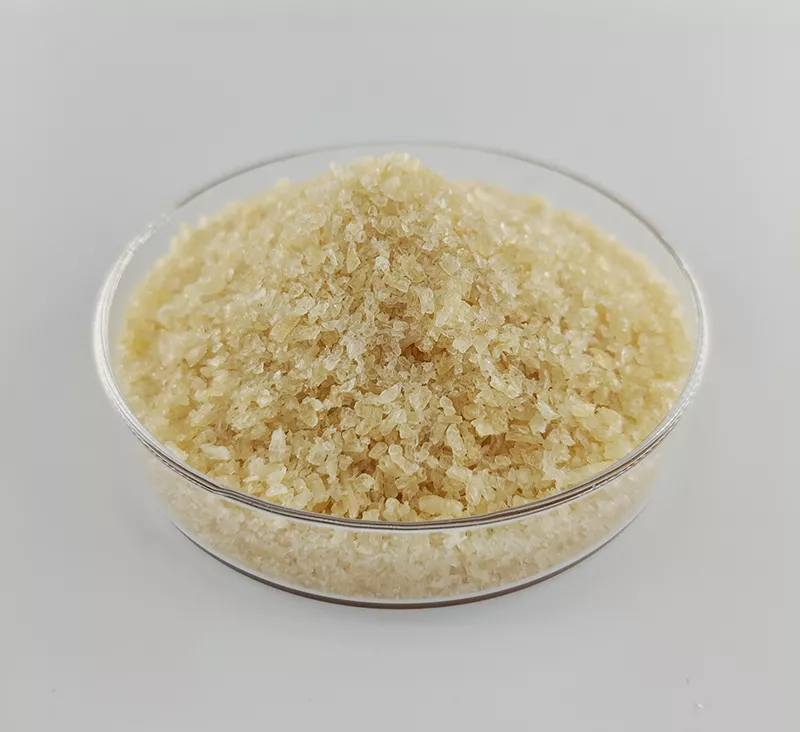
Choosing between sheet and powdered gelatin depends on your application and production scale.
Beyond Biopharma is a Shanghai-based manufacturer with over 10 years of experience in collagen peptides, gelatin, and plant protein peptides. We export to more than 50 countries. Our facility produces approximately 3,000 MT of collagen and 5,000 MT of gelatin annually, using fully automatic production lines with GMP clean workshops, stainless-steel sealed piping, and automated temperature/pH control. We hold ISO 9001 certification, US FDA registration, and select products are Halal and Kosher certified. Our bovine bone gelatin is BSE-free. Each batch undergoes in-house heavy-metal and microbiological testing by our dedicated QA/QC team. We offer three grades — food, pharmaceutical, and cosmetic — and provide free samples and formulation support.
Q: Can I substitute 2 gelatin sheets with the same weight of powder?
Yes, if the bloom strength is identical. If not, adjust the powder weight using the bloom ratio formula. Always check the COA for bloom values.
Q: What bloom is standard for sheet gelatin?
Most sheet gelatin is 200 bloom (silver) or 160 bloom (bronze). Platinum grade (250 bloom) is also available but less common. Check the packaging.
Q: How do I store gelatin sheets and powder?
Store both in a cool, dry place away from direct sunlight. Keep containers sealed to prevent moisture absorption. Shelf life is typically 2–3 years.
Q: Is fish gelatin a good alternative for kosher or halal diets?
Yes, fish gelatin is suitable for kosher and halal diets. Beyond Biopharma offers fish gelatin with Halal certification. It has a lower melting point and is ideal for softgels.
Q: Can I use gelatin powder for mirror glazes?
Yes, but sheet gelatin is preferred for mirror glazes because it dissolves more evenly and produces a clearer finish. If using powder, ensure it is fully hydrated and strained.
Q: What is the difference between gelatin and collagen peptides?
Gelatin is partially hydrolyzed collagen that forms a gel. Collagen peptides are more extensively hydrolyzed, are cold-water soluble, and do not gel. Both are derived from the same raw materials.
Ready to source consistent, high-quality gelatin for your bakery, supplement, or pharmaceutical line? Contact Beyond Biopharma with the following details so we can send you free samples and a competitive quote: your application (food, pharma, or cosmetic), required grade, target bloom and mesh, quantity or MOQ, and destination country. Our team will help you select the right product — whether it is edible gelatin, pharmaceutical gelatin, or collagen peptides — and provide formulation support. We look forward to partnering with you.

We provide you with comprehensive foreign trade solutions to help enterprises achieve global development
The High-Performance Barrier for Core Material Protection and Controlled Release.
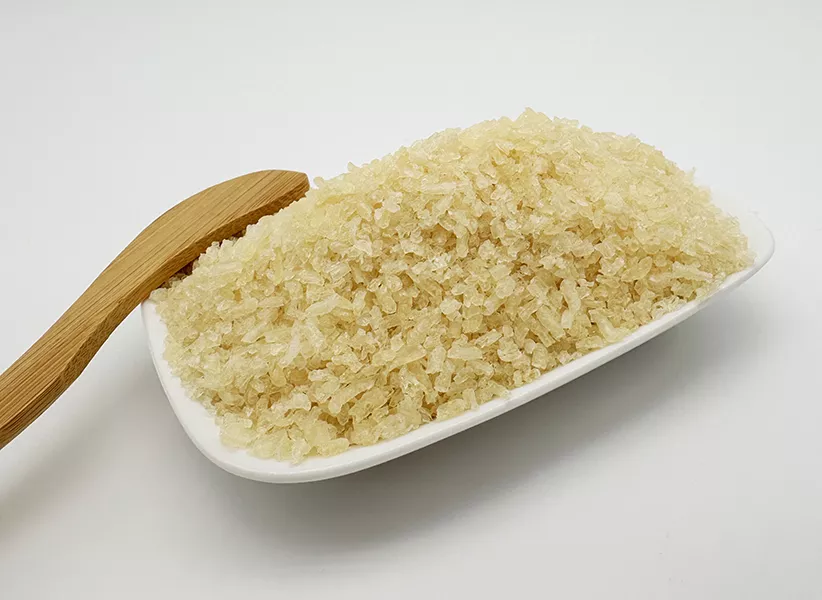
Our Bovine Hides Gelatin is engineered for versatility and compliance, ensuring performance across various applications.
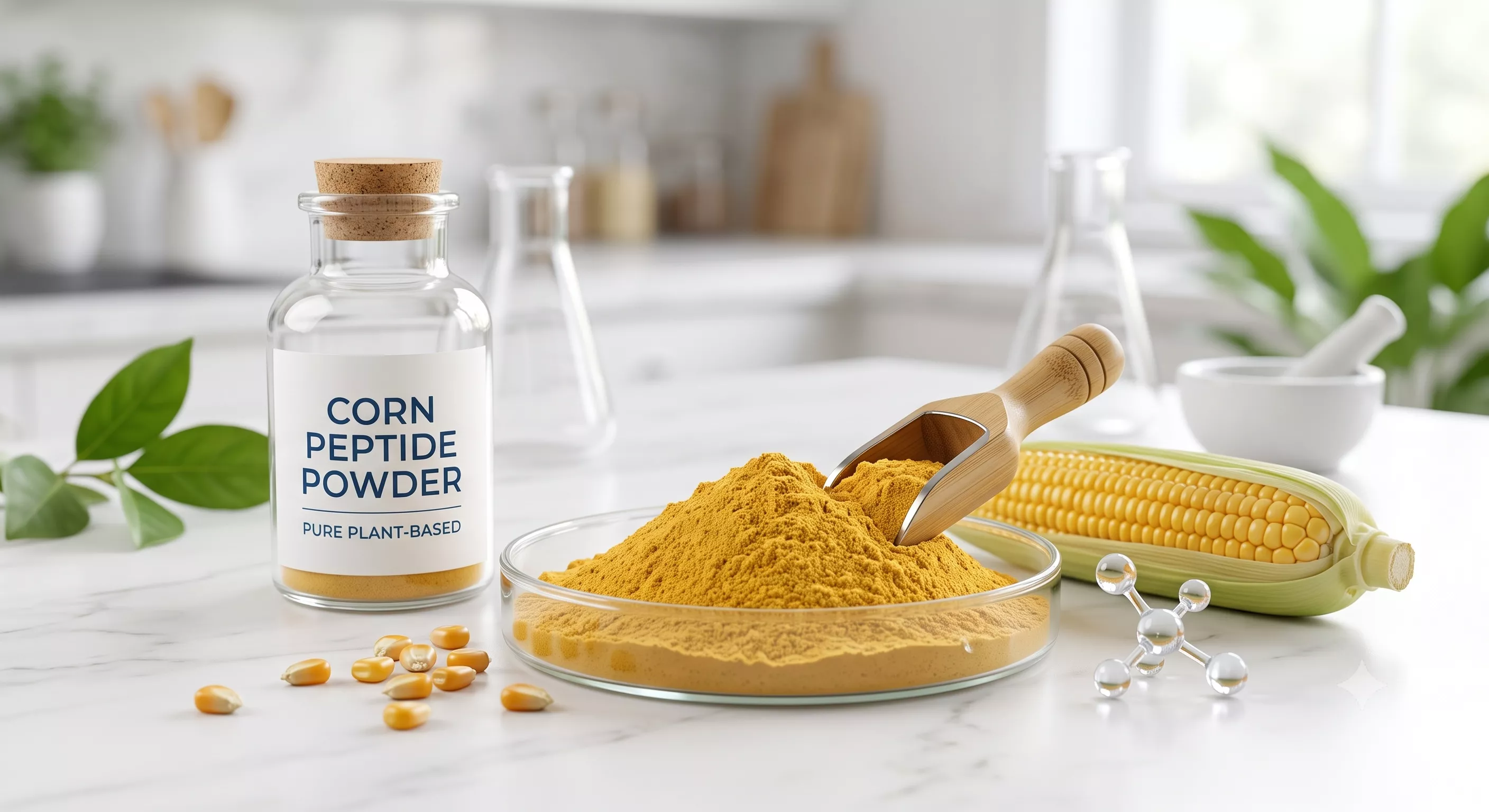
Source high-purity wholesale hydrolyzed corn protein peptide powder in bulk. Over 85% oligopeptides under 1000 Da. Rich in Alanine and Leucine for liver support and sobriety formulas.
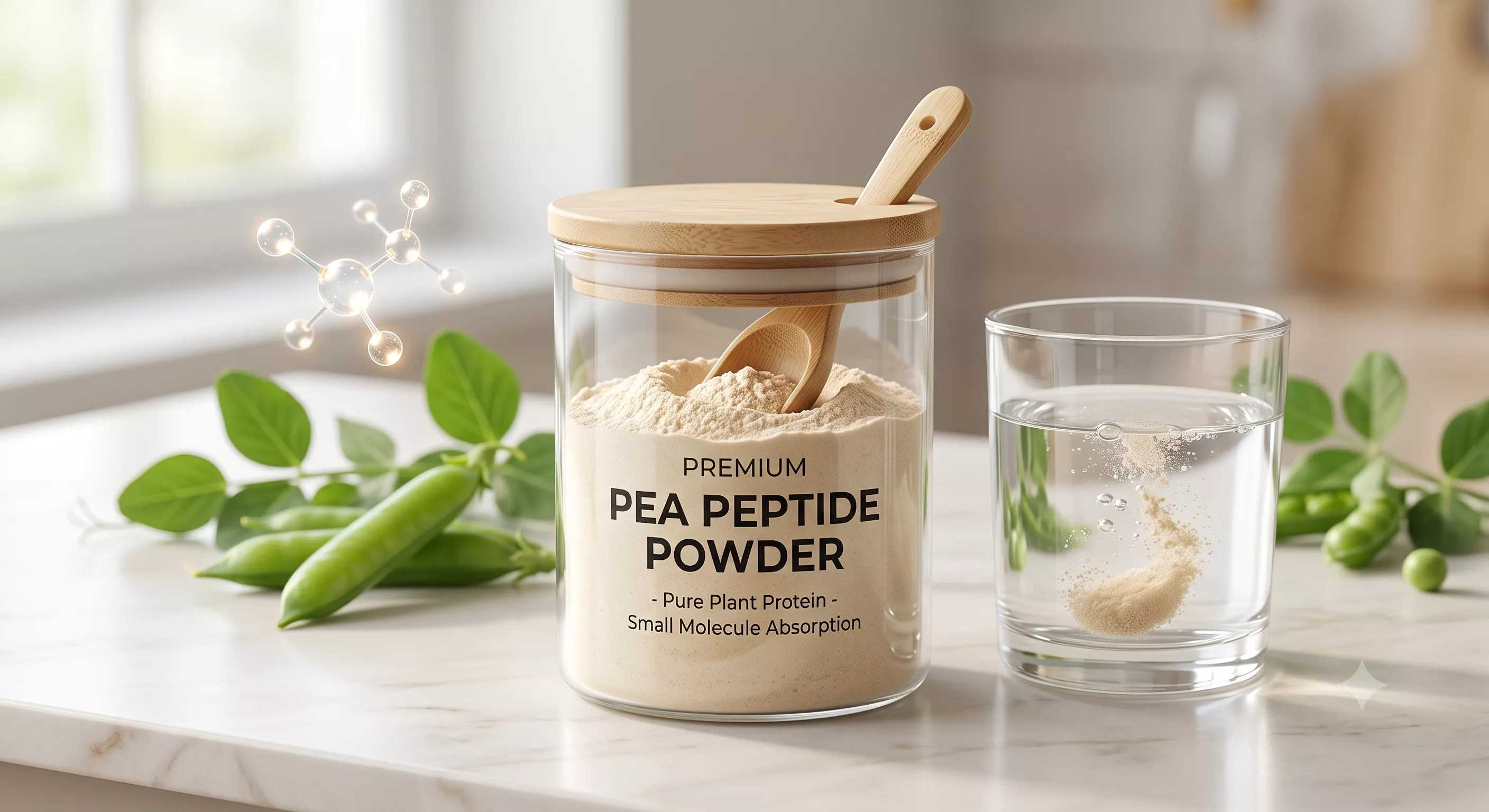
Source high-purity, hypoallergenic hydrolyzed pea peptide powder in bulk. Complete water solubility, rich in BCAAs, ideal for vegan recovery formulas.
Select the most popular foreign trade service products to meet your diverse needs
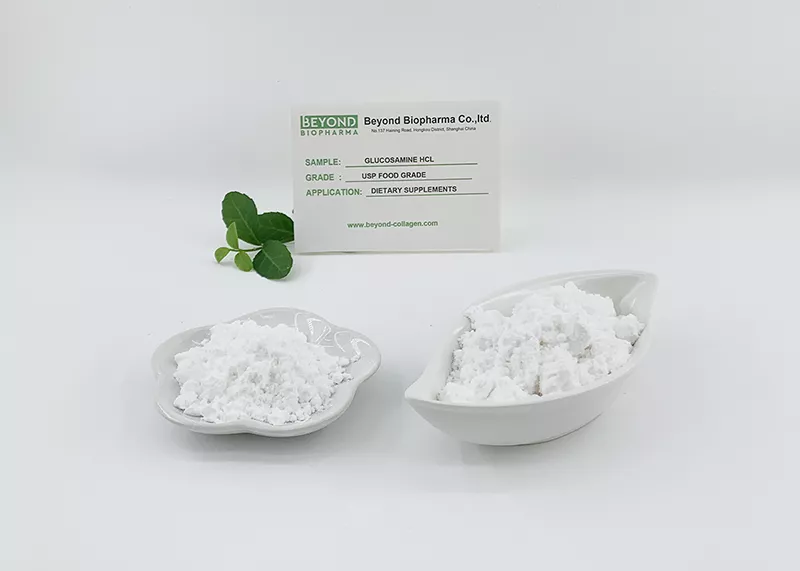
The Purest Plant-Based Joint Support Solution
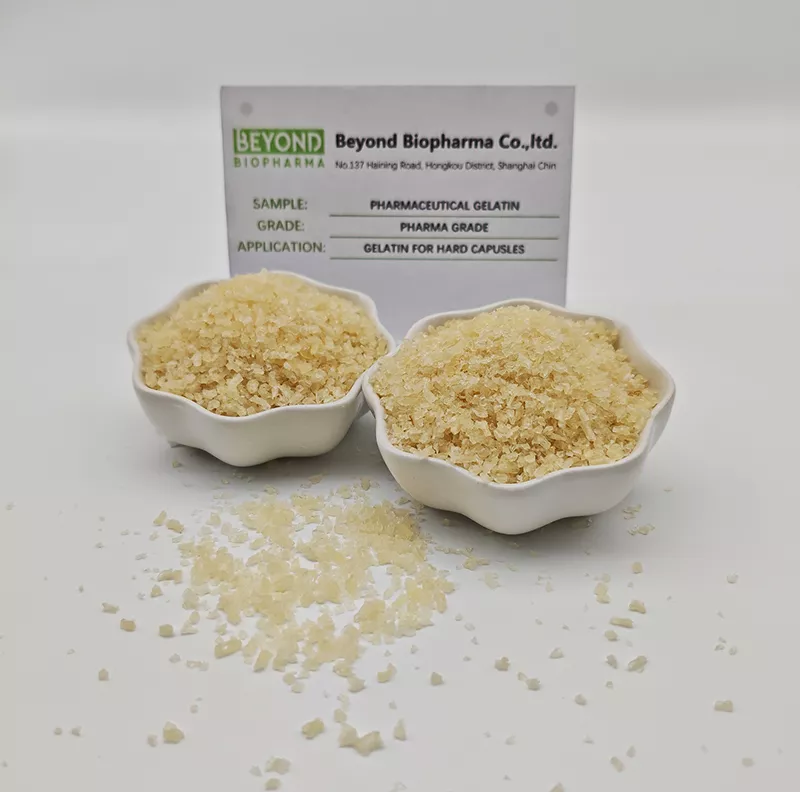
Precision, Purity, and Optimal Machinability
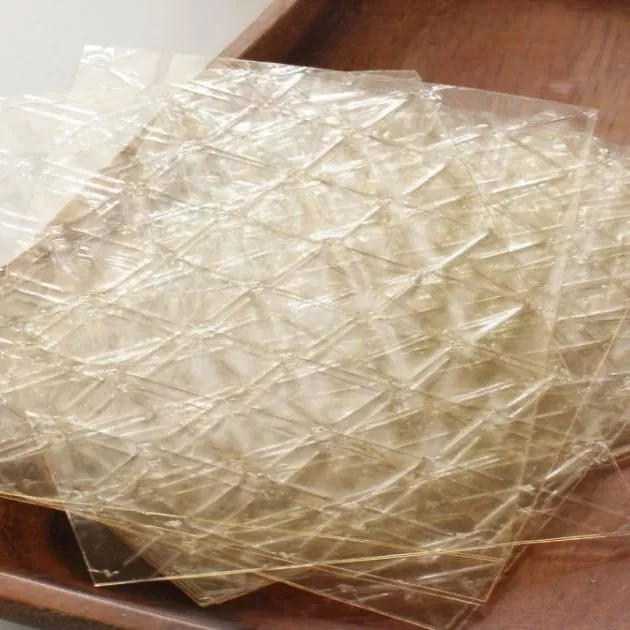
Our Gelatin Sheets are produced to precise standards, ensuring consistency and reliability across different Bloom grades (Silver being the most common professional choice).
Tel:+86 21 65010906
Cell/Whatsapp/Wechat:
+86 13482884055
+86 18657345785
Email: sales@beyondbiopharma.com





User Comments
Service Experience Sharing from Real Customers
Megan
Pastry ChefAs someone who's always used gelatin sheets in my bakery, I was skeptical about switching to powder. This conversion guide was a lifesaver! The measurements were spot-on for my panna cotta recipe. No more guessing games – my desserts set perfectly every time now. So glad I bookmarked this page!
Leo
Home CookHonestly, I had a failed cheesecake last month because I messed up the gelatin conversion. Found this while desperately googling at 10 PM. The explanation about bloom strength actually made sense to a non-pro like me. Tried it with my mousse yesterday and it worked! One star off because I wish there were more examples for different brands.
Chloe
Food Science StudentUsing this for my culinary school project on hydrocolloids. The 2-sheet to powder ratio matched what we learned in lab, but seeing it explained with real kitchen applications helped bridge the theory-practice gap. My professor even asked for the source when I presented my gummy bear experiment results. Clear, concise, and scientifically accurate!
Raj
Catering ManagerWe had to suddenly switch suppliers and got stuck with powdered gelatin for our signature terrines. This quick reference saved our weekend wedding order! The tip about dissolving temperature was clutch – our batch didn't clump at all. Shared it with all my kitchen staff. Simple solutions are always the best.