 English EN


Bovine gelatin pros and cons everyone should know
Bovine gelatin offers strong gelling and health benefits but has dietary, ethical, and allergen concerns. Compare bovine gelatin to other gelatin options here.
More
Converting sheet gelatin to powder is a common task for food manufacturers and supplement formulators. This guide explains the exact conversion for 6 sheets of gelatin to powder, covering bloom strength, batch consistency, and sourcing tips. Whether you work with edible gelatin or pharmaceutical gelatin, understanding this ratio ensures reliable results in gummies, capsules, and other applications. We provide practical data and industry-standard parameters to help you avoid common pitfalls like poor solubility or texture issues.
One standard sheet of gelatin (typically 200 Bloom) weighs about 2 grams. Therefore, 6 sheets of gelatin equal approximately 12 grams of powdered gelatin. This conversion assumes both forms have the same bloom strength. If your sheets have a different bloom value, adjust accordingly. For example, a 160 Bloom sheet may weigh slightly more to achieve the same gelling power. Always check the manufacturer's specification sheet for precise data.
In commercial production, consistency is critical. Using powdered gelatin allows for easier scaling and more uniform hydration. Many buyers prefer powder for automated systems, while sheets offer convenience for small batches. The key is matching bloom strength and mesh size to your application. For food-grade gelatin, typical bloom ranges from 50 to 300 g, with 150 to 260 Bloom common for gummies and softgels.
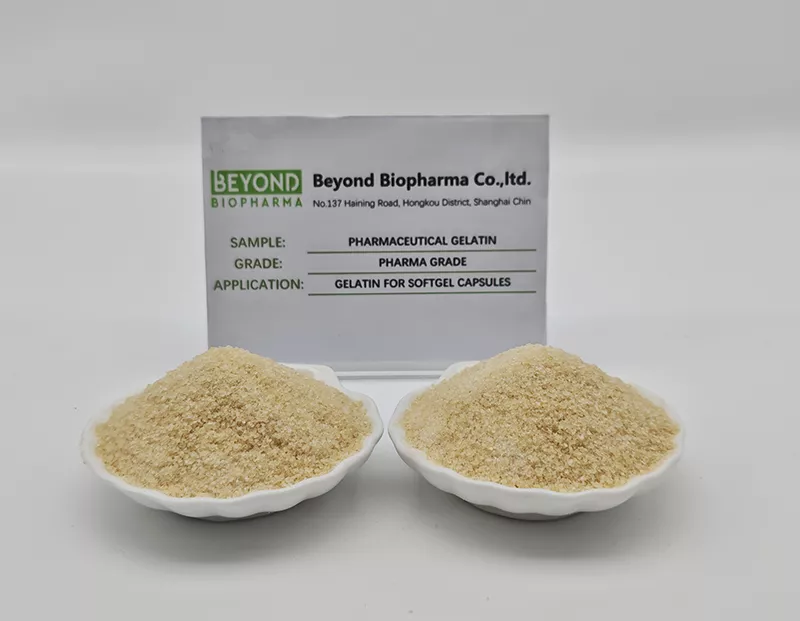
Bloom strength measures the firmness of a gelatin gel. A higher bloom means stronger gelation. When converting sheets to powder, you must match bloom values to maintain texture. For instance, 6 sheets of 250 Bloom gelatin require a powder with the same bloom to achieve identical gel strength. If you use a lower bloom powder, you need more weight. Conversely, higher bloom powder requires less.
Industry standard practice is to use a bloom meter for verification. Most suppliers provide a Certificate of Analysis (COA) with each batch. For pharmaceutical gelatin used in hard capsules, bloom typically ranges from 150 to 250 g. For softgels, ultra-high-viscosity gelatin is preferred. Always request a sample and test under your specific conditions. Beyond Biopharma offers free samples for formulation support, ensuring you get the right match.
| Product Type | Parameter | Typical Range |
|---|---|---|
| Edible Gelatin | Bloom | 50–300 g (common: 150–260 Bloom) |
| Edible Gelatin | Viscosity | 2.0–5.5 mPa·s |
| Edible Gelatin | Mesh | 8–60 |
| Edible Gelatin | Moisture | ≤14% |
| Collagen Peptide | Molecular Weight | 2,000–5,000 Da (fish: lower, faster absorption) |
| Collagen Peptide | Protein Content | ≥90% |
| Plant Protein Peptide | Protein Content | 80–90% |
| Plant Protein Peptide | Molecular Weight | Commonly |
Note: These are typical industry ranges. Final values per COA or sample.
Choosing the right gelatin or collagen depends on your end product. For food applications like gummies and marshmallows, edible gelatin with bloom 150–260 works well. For hard capsules, pharmaceutical gelatin with consistent viscosity is essential. Softgel production benefits from ultra-high-viscosity gelatin, which provides stability and reduces leakage.
In sports nutrition and beauty supplements, fish collagen peptide offers low molecular weight for rapid absorption. For joint health, bovine collagen peptide combined with chondroitin and glucosamine supports cartilage repair. Plant-based formulators can use gelatin for micro-encapsulation or plant protein peptides from pea, rice, or soy for allergen-free options.
Always consider solubility and odor. High-quality collagen peptides dissolve clear and have minimal fishy or beefy smell. Test samples before full production. Beyond Biopharma provides free samples and formulation support to help you select the right grade.
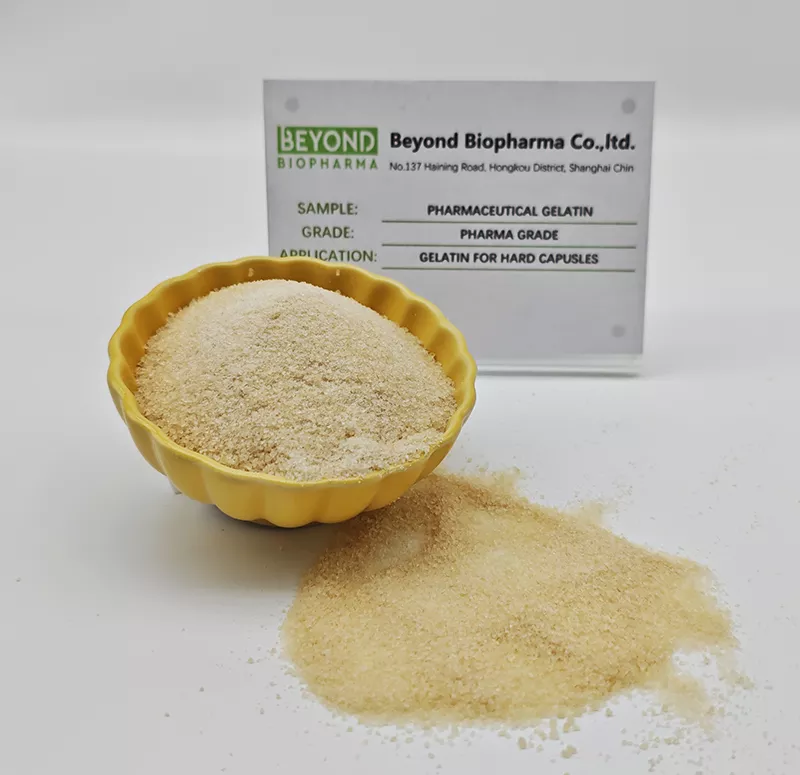
Beyond Biopharma is a Shanghai-based manufacturer with over 10 years of experience in the food-ingredient industry. We export to 50+ countries and produce approximately 3,000 MT of collagen and 5,000 MT of gelatin annually. Our facility features fully automatic production lines, GMP clean workshops, stainless-steel sealed piping, and automated temperature and pH control.
We hold ISO 9001 certification, US FDA registration, and select products carry Halal or Kosher certification. Our bovine bone gelatin is BSE-free. We have an in-house lab for heavy-metal and microbiological testing, with a dedicated QA/QC team. Our product lines include edible gelatin (bovine, porcine, fish), pharmaceutical gelatin, collagen peptides, ultra-high-viscosity gelatin for softgels, and plant protein peptides. We also offer joint health ingredients like chondroitin sulfate, glucosamine HCl, and hyaluronic acid.
We provide free samples and formulation support across three grades: food, pharmaceutical, and cosmetic. Our team helps you match the right product to your application, whether you need high-bloom gelatin for gummies or low-molecular-weight collagen for rapid absorption.
Q: Can I use any powdered gelatin as a substitute for sheets?
A: Yes, but you must match the bloom strength. If your sheets are 200 Bloom, use a powder with the same bloom. Otherwise, adjust the weight to achieve the same gel firmness. Always test a small batch first.
Q: How do I hydrate powdered gelatin correctly?
A: Sprinkle the powder over cold water (about 5 times the weight of gelatin) and let it bloom for 5–10 minutes. Then gently heat to dissolve. Avoid boiling, as it can reduce gel strength.
Q: What is the shelf life of gelatin powder?
A: Typically 2–3 years when stored in a cool, dry place away from moisture and heat. Always check the COA for exact expiration dates. Proper storage prevents clumping and loss of bloom.
Q: Does fish gelatin convert the same as bovine gelatin?
A: The weight conversion is similar, but fish gelatin typically has a lower bloom (150–250 g) and melts at a lower temperature. Adjust your recipe accordingly for applications like gummies or capsules.
Q: Can I use gelatin sheets for industrial production?
A: Sheets are more common in small-scale or artisanal production. For industrial scale, powder is preferred due to easier handling, accurate dosing, and faster hydration. Many suppliers offer bulk powder options.
Q: How do I verify the quality of gelatin powder?
A: Request a COA that includes bloom, viscosity, mesh, moisture, and microbiological data. Perform a small-scale test to check solubility, clarity, and gel strength. Reputable suppliers like Beyond Biopharma provide free samples for evaluation.
Ready to source high-quality gelatin or collagen for your next project? Contact Beyond Biopharma with the following details: your application (food, pharmaceutical, or cosmetic), required grade, target specifications (bloom, mesh, molecular weight, certifications), estimated quantity or MOQ, and destination country. We will send you free samples and a competitive quote. Our team ensures you get the right product for consistent results every time.
Whether you need edible gelatin for gummies, pharmaceutical gelatin for capsules, or collagen peptides for nutraceuticals, we support your formulation with expertise and reliable supply. Trust Beyond Biopharma for your ingredient needs.

We provide you with comprehensive foreign trade solutions to help enterprises achieve global development
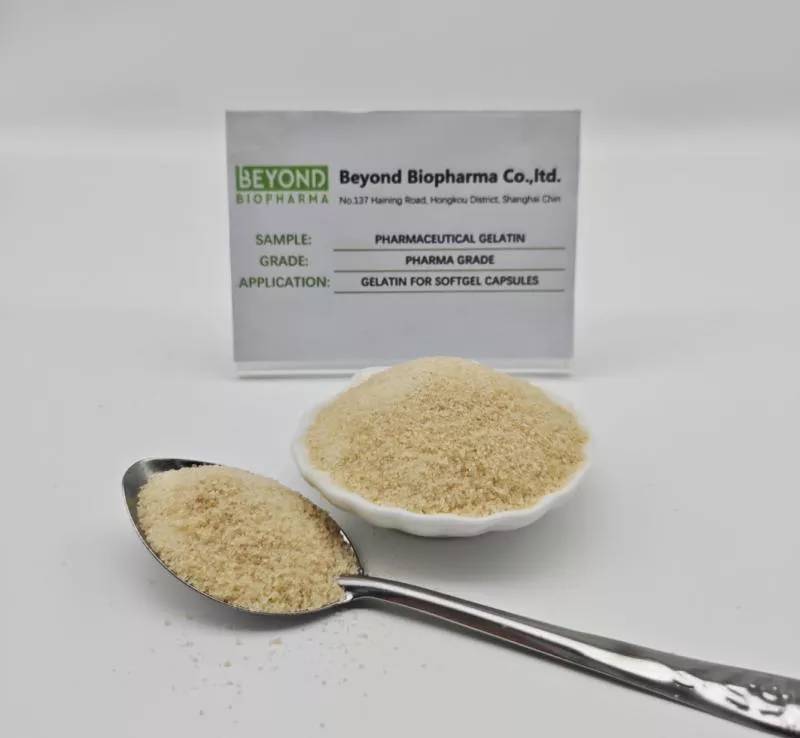
Softgel encapsulation demands a gelatin with unique physical attributes to perform optimally during the high-speed manufacturing process
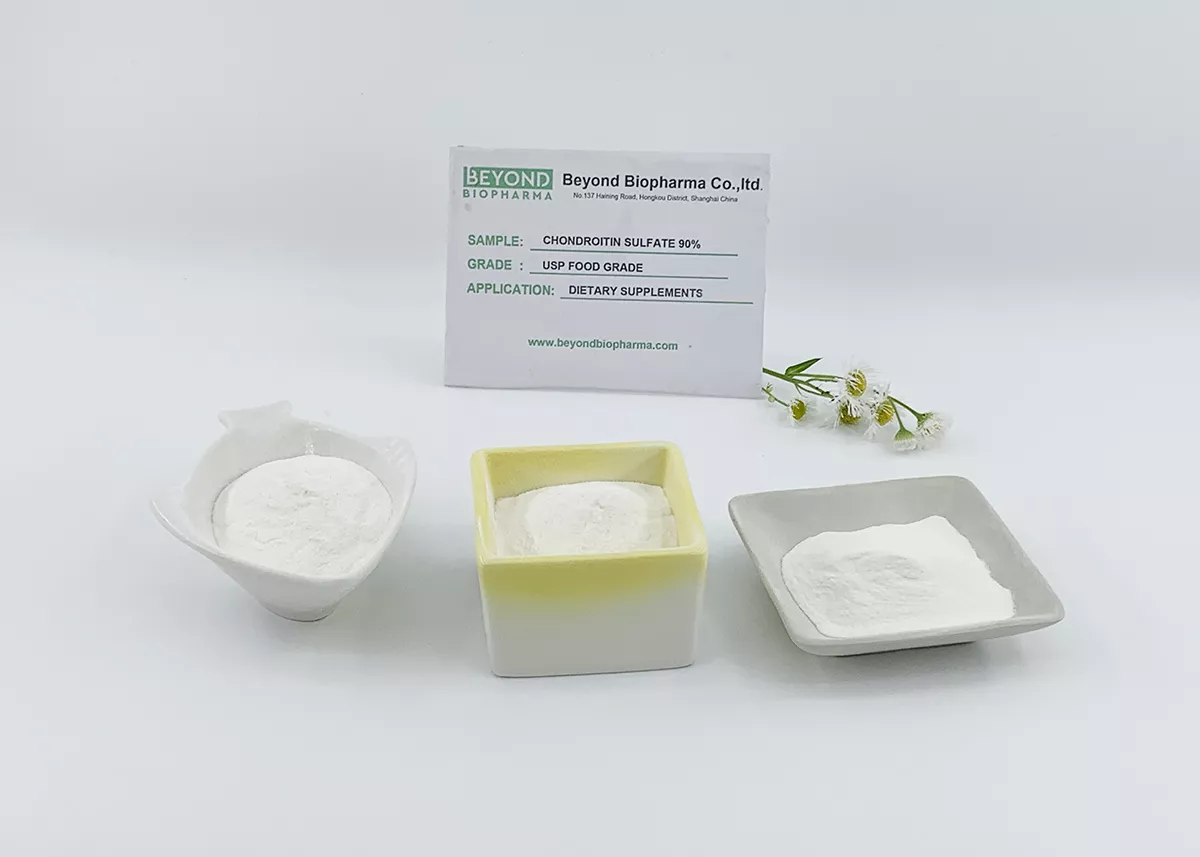
High Purity and Efficacy for Joint Health Formulations
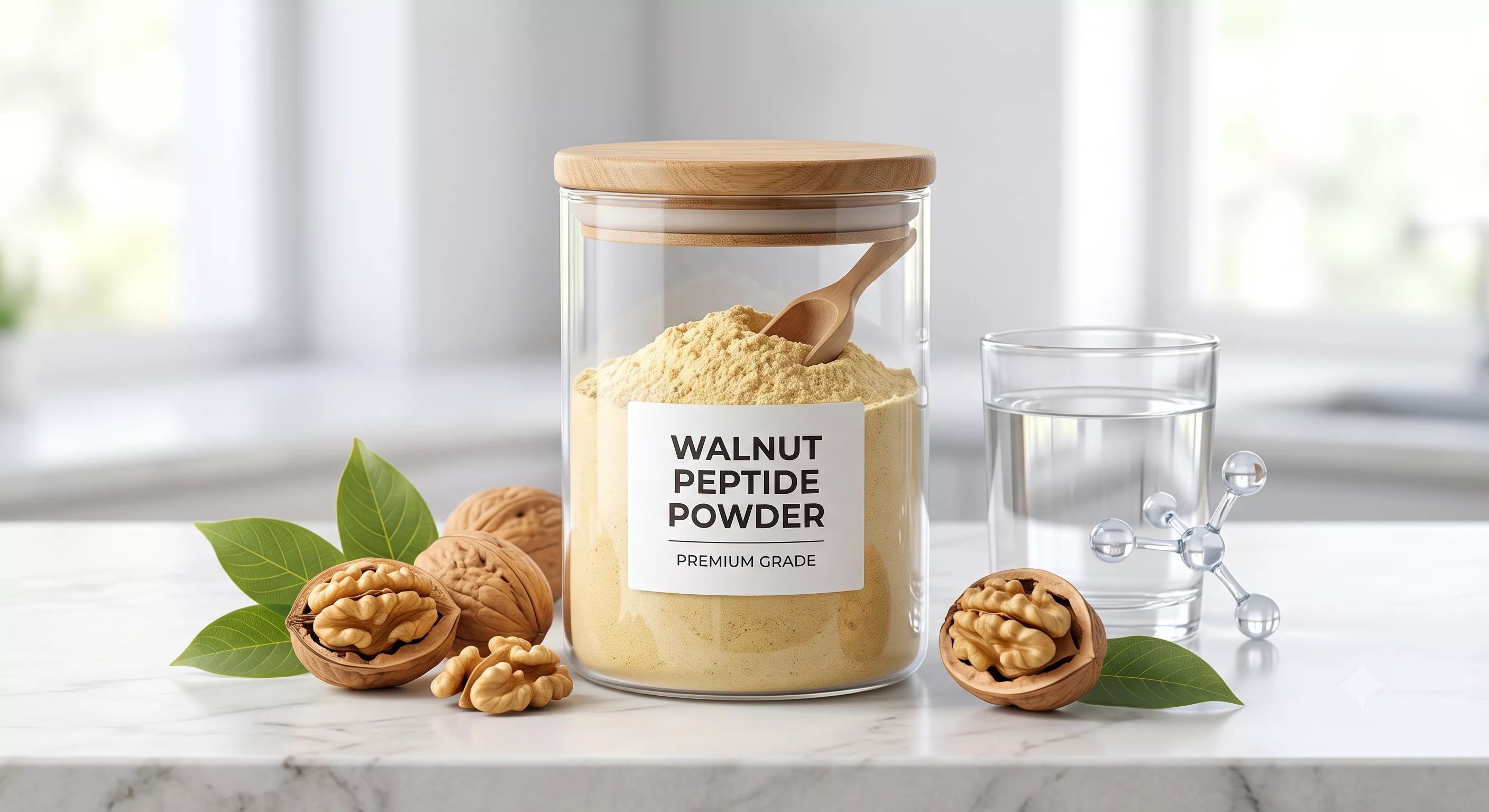
Source wholesale hydrolyzed walnut protein peptide powder in bulk. Over 85% low-molecular-weight oligopeptides rich in Glutamic Acid. Perfect for cognitive formulas and sleep aid supplements.
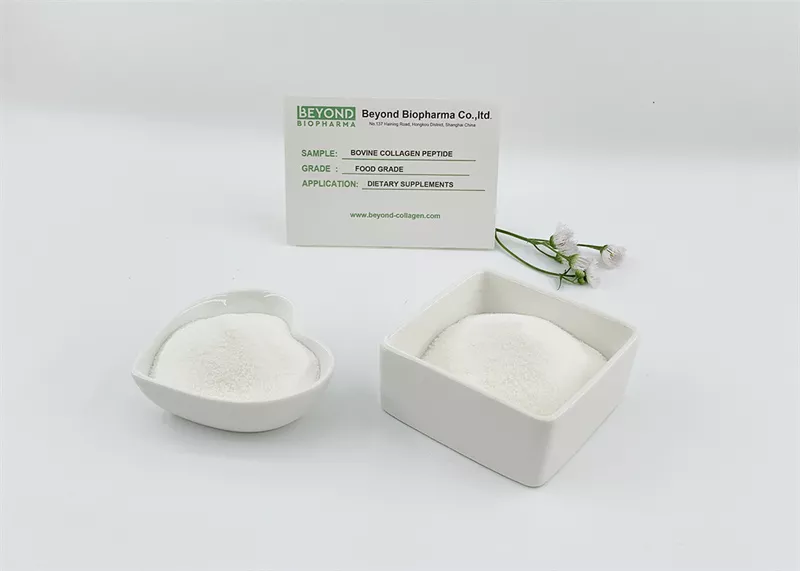
Manufacturer of bovine collagen peptide, shipping in containers all around the world
Select the most popular foreign trade service products to meet your diverse needs
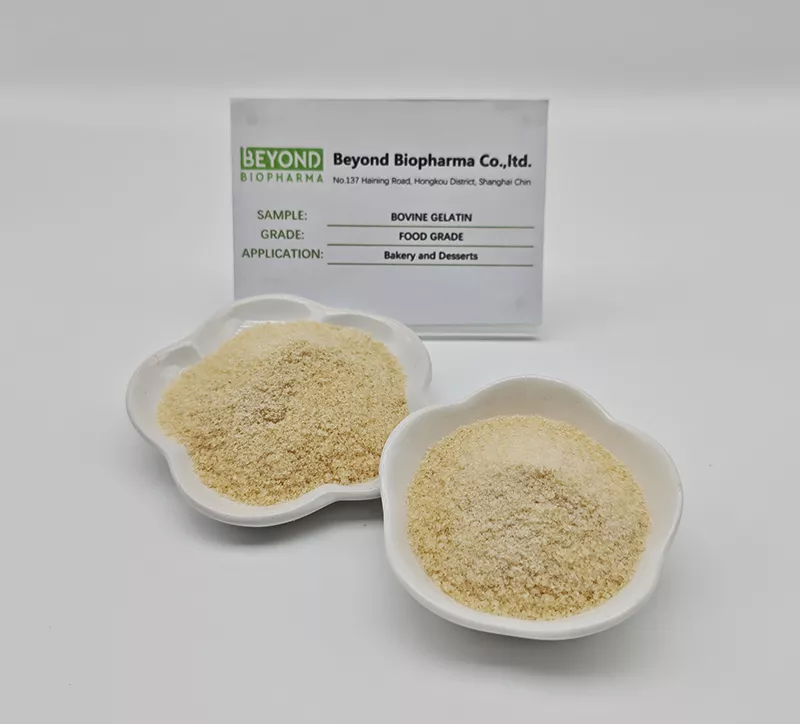
20 years experiences, 5000 ton/year capacity, Sustained supply with stable quality
Source wholesale hydrolyzed walnut protein peptide powder in bulk. Over 85% low-molecular-weight oligopeptides rich in Glutamic Acid. Perfect for cognitive formulas and sleep aid supplements.
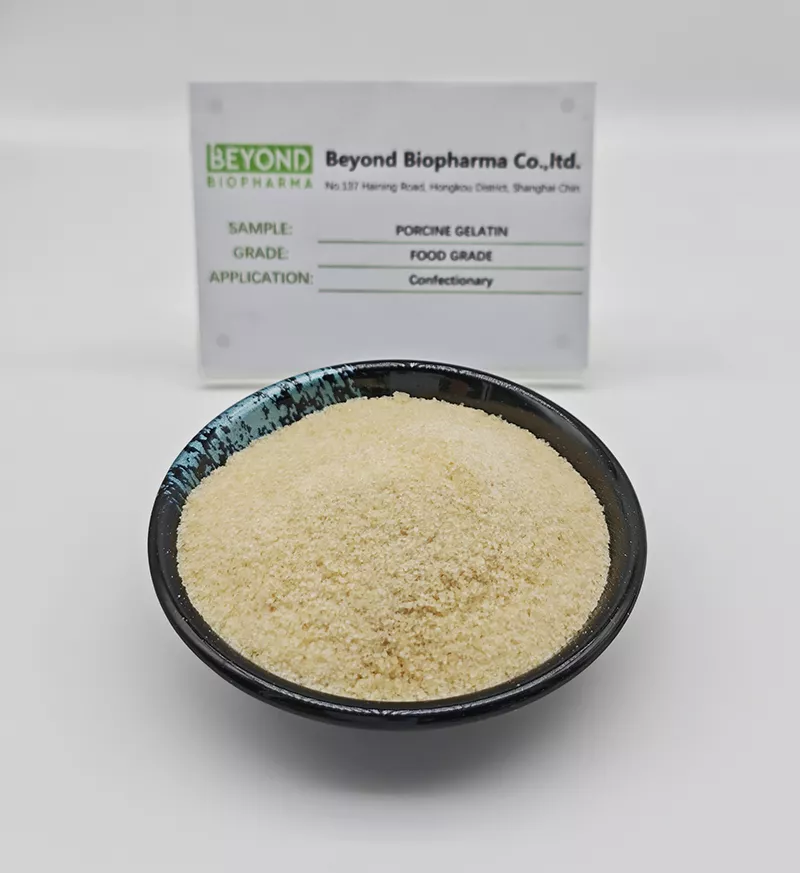
Food-grade porcine gelatin is a highly versatile and cost-effective natural protein derived from the collagen found in pig skin and bones. It is a premier gelling agent known for its exceptional clarity, neutral taste, and thermal reversibility.
Tel:+86 21 65010906
Cell/Whatsapp/Wechat:
+86 13482884055
+86 18657345785
Email: sales@beyondbiopharma.com





User Comments
Service Experience Sharing from Real Customers
Megan
Pastry ChefAs someone who's been using sheet gelatin for years, I was skeptical about switching to powder. But this conversion ratio is spot on! Used it for a panna cotta last night and the texture was flawless—no rubbery bits, just perfect wobble. So much easier to measure than fussing with sheets.
Leo
Home BakerFinally found a clear answer on the sheet-to-powder conversion! The instructions saved my cheesecake recipe when I ran out of sheets mid-prep. Knocking off one star because I wish the packaging had more tips for blooming, but overall a game-changer for my weekend projects.
Chloe
Food Science StudentUsed this for a lab experiment comparing gelling agents. The 6:1 ratio was accurate and consistent across three trials. It's rare to find such reliable info online—most sources contradict each other. This made my report writing way less stressful. Thanks!
Raj
Catering ManagerIn a commercial kitchen, time is money. Pre-measuring powder beats hydrating sheets any day. We scaled up a mousse recipe for 200 servings using this ratio, and not a single batch failed. The consistency had our clients asking what 'secret ingredient' we used. Lifesaver!