 English EN


Bovine gelatin pros and cons everyone should know
Bovine gelatin offers strong gelling and health benefits but has dietary, ethical, and allergen concerns. Compare bovine gelatin to other gelatin options here.
More
For buyers sourcing gelatin for gummies, softgels, or pharmaceutical capsules, the choice between sheet and powder forms often comes down to handling convenience and batch consistency. This guide explains how to convert sheets of gelatin to powder accurately, covering bloom equivalence, hydration ratios, and practical substitution tips. Whether you are a purchasing manager evaluating suppliers or an R&D developer fine-tuning a formulation, understanding this conversion helps avoid costly trial-and-error and ensures your final product meets target gel strength and texture every time.
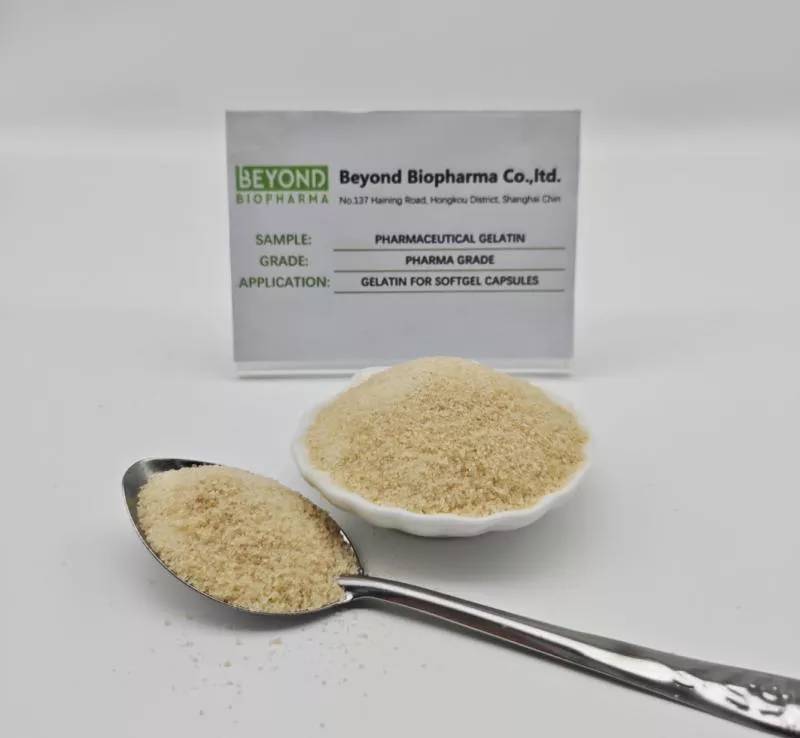
The most common question from buyers is: how much powdered gelatin equals one sheet? A standard gelatin sheet (often called leaf gelatin) weighs about 2 to 3 grams, depending on the brand and bloom strength. As a rule of thumb, one sheet of gelatin (2.5 g) is equivalent to approximately 1 teaspoon of powdered gelatin (about 2.5 to 3 g). However, bloom value — the measure of gel strength — must match for a direct substitution. For example, a 200-bloom sheet should be replaced with a 200-bloom powder to maintain identical firmness. Always check the bloom specification on your certificate of analysis (COA) before converting.
Bloom strength directly affects the texture, melting point, and mouthfeel of your final product. If you substitute a 250-bloom sheet with a 150-bloom powder, the gel will be softer and may not set properly in gummies or capsules. Conversely, using a higher-bloom powder than the sheet calls for can result in a rubbery, overly firm gel. For pharmaceutical gelatin used in hard capsules, bloom typically ranges from 150 to 260 g. For softgels, ultra-high-viscosity gelatin is preferred. Always confirm the bloom value on the supplier's COA and request a sample if switching forms. Beyond Biopharma offers high-bloom gelatin for hard capsules with consistent bloom values suitable for precise conversion.
Hydration methods differ between forms. Sheet gelatin must be soaked in cold water for 5–10 minutes until softened, then gently squeezed to remove excess water before dissolving into warm liquid. Powdered gelatin is typically sprinkled over cold water (about 5 times its weight) and allowed to bloom for 5–10 minutes, then gently heated to dissolve. When converting sheets to powder, maintain the same total water-to-gelatin ratio. For example, if a recipe calls for 10 g of sheet gelatin bloomed in 50 g of water, use 10 g of powder gelatin bloomed in 50 g of water. This ensures consistent gel strength and avoids syneresis (water separation).
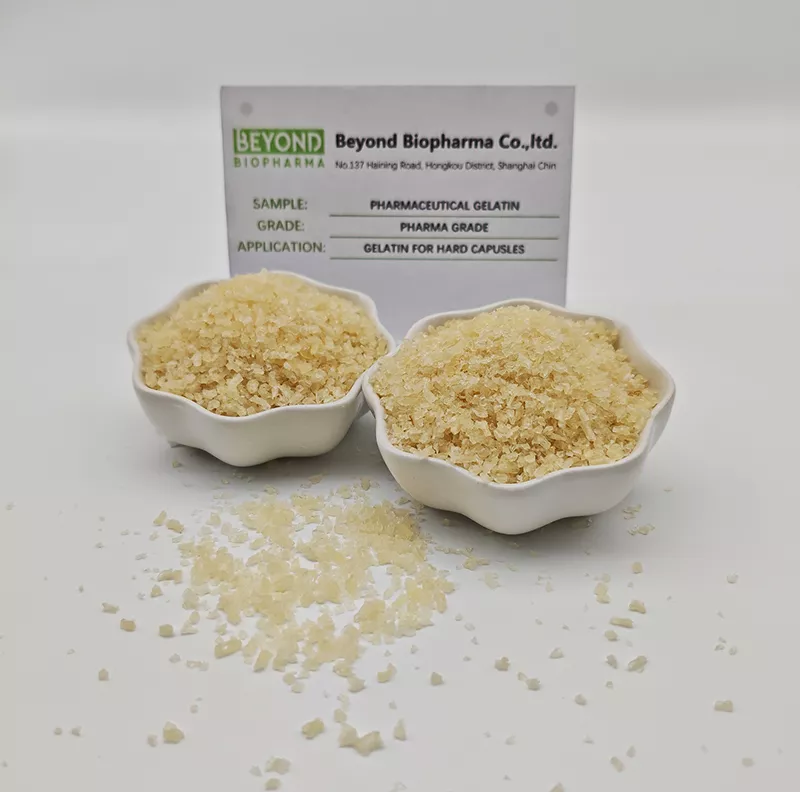
Below is a comparison of typical parameters for sheet and powder gelatin. These are generic industry ranges; final values should be verified per COA or sample.
| Parameter | Sheet Gelatin (Typical Range) | Powder Gelatin (Typical Range) |
|---|---|---|
| Bloom (g) | 150–260 (common: 200–250) | 50–300 (pharma/gummies: 150–260) |
| Viscosity (mPa·s) | 2.0–5.5 | 2.0–5.5 |
| Mesh size | N/A (sheet form) | 8–60 |
| Moisture (%) | ≤14 | ≤14 |
| Weight per sheet | 2–3 g (varies by brand) | N/A |
Note: Typical industry range; final values per COA / sample.
Sheet gelatin is preferred in fine confectionery and bakery applications where clarity and a clean dissolve are critical. Powdered gelatin is more common in industrial food, pharmaceutical, and nutraceutical production due to easier scaling, faster hydration, and lower cost per unit. For gummies and softgels, ultra-high-viscosity gelatin for softgel capsules ensures consistent fill and shell integrity. In hard capsules, high-bloom powder gelatin provides reliable shell hardness. For plant-based or vegan formulations, consider plant protein peptides as an alternative. Beyond Biopharma also supplies food-grade porcine gelatin used for gummies and jellies, compatible with both sheet and powder forms depending on your production line.
Beyond Biopharma is a Shanghai-based manufacturer with over 10 years of experience in the food-ingredient industry. Our products are exported to more than 50 countries. We operate fully automatic production lines in GMP clean workshops, with stainless-steel sealed piping and automated temperature/pH control. Our annual capacity is approximately 3,000 MT for collagen and 5,000 MT for gelatin. We hold ISO 9001 certification, are US FDA registered, and select products carry Halal or Kosher certification (e.g., fish gelatin). Our bovine bone gelatin is BSE-free. An in-house lab performs heavy-metal and microbiological testing, supported by a dedicated QA/QC team. We offer three grades — food, pharmaceutical, and cosmetic — and provide free samples along with formulation and selection support. For buyers converting sheets to powder, we can supply consistent bloom and viscosity values to match your existing spec.
Yes, you can substitute powdered gelatin for sheet gelatin as long as the bloom strength matches and you adjust the hydration method. Use the same weight of powder as sheets, and bloom the powder in cold water (5:1 water-to-gelatin ratio) before dissolving. Test a small batch first to confirm texture.
The bloom value is typically printed on the packaging or provided in the supplier's COA. Most commercial sheet gelatin is 200–250 bloom. If unknown, assume a mid-range bloom (around 200) and test a small batch. Beyond Biopharma provides COA with every shipment for full traceability.
Both forms have similar shelf life — typically 2–3 years when stored in a cool, dry place below 25°C and away from moisture. Powder gelatin may clump if exposed to humidity, while sheets are more prone to breakage. Always reseal packaging tightly after use.
Generally, sheet gelatin costs more per gram due to additional processing and packaging. Powder gelatin is more economical for bulk industrial use. For large-scale production, powder is the standard choice. Beyond Biopharma offers competitive pricing on both forms, with bulk discounts for powder orders.
Yes, but note that fish gelatin has a lower melting point (around 25–30°C) compared to bovine or porcine gelatin (35–40°C). This affects products that need to withstand higher temperatures. Fish gelatin is ideal for cold-set applications and clean-label products. Beyond Biopharma supplies Halal and Kosher verified fish gelatin for clean-label foods.
For vegan formulations, consider plant protein peptides such as pea, rice, or soy hydrolysates. These provide gelling or texturizing properties without animal-derived ingredients. Beyond Biopharma offers plant protein peptides suitable for allergen-free and vegan products. Request a sample to test compatibility with your recipe.
If you are sourcing gelatin and need to convert sheets to powder — or require consistent bloom, viscosity, and certification — contact Beyond Biopharma. Provide your application (food, pharma, or cosmetic), required grade, target quantity/MOQ, desired specs (bloom, mesh, molecular weight, certifications), and destination country. We will send free samples and a competitive quote. Our team supports custom bulk supply and formulation/OEM to meet your exact needs. Whether you need edible gelatin, pharmaceutical gelatin, or collagen peptides, we are ready to help you scale with confidence.

We provide you with comprehensive foreign trade solutions to help enterprises achieve global development
Softgel encapsulation demands a gelatin with unique physical attributes to perform optimally during the high-speed manufacturing process
The Purest Plant-Based Joint Support Solution
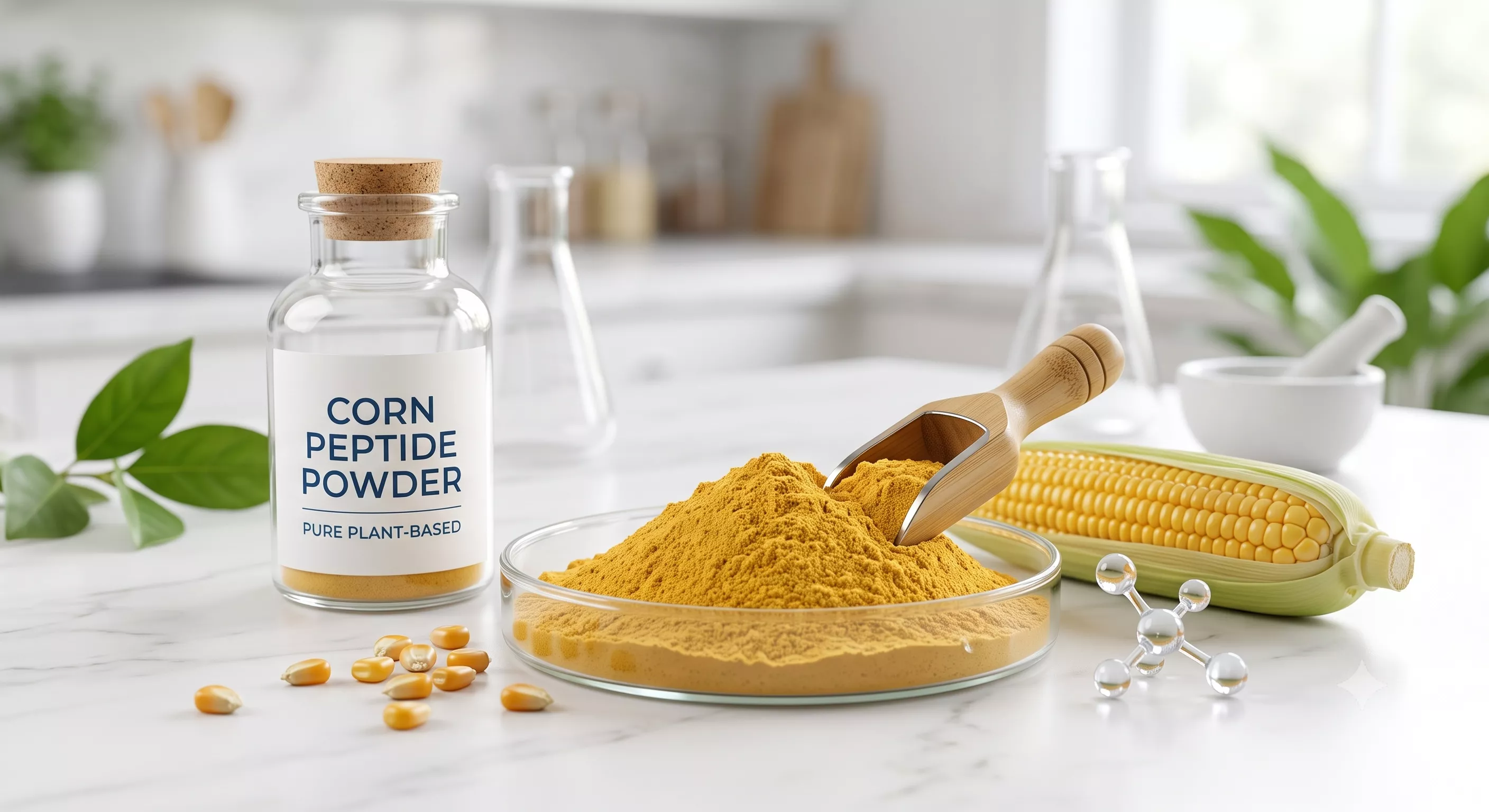
Source high-purity wholesale hydrolyzed corn protein peptide powder in bulk. Over 85% oligopeptides under 1000 Da. Rich in Alanine and Leucine for liver support and sobriety formulas.
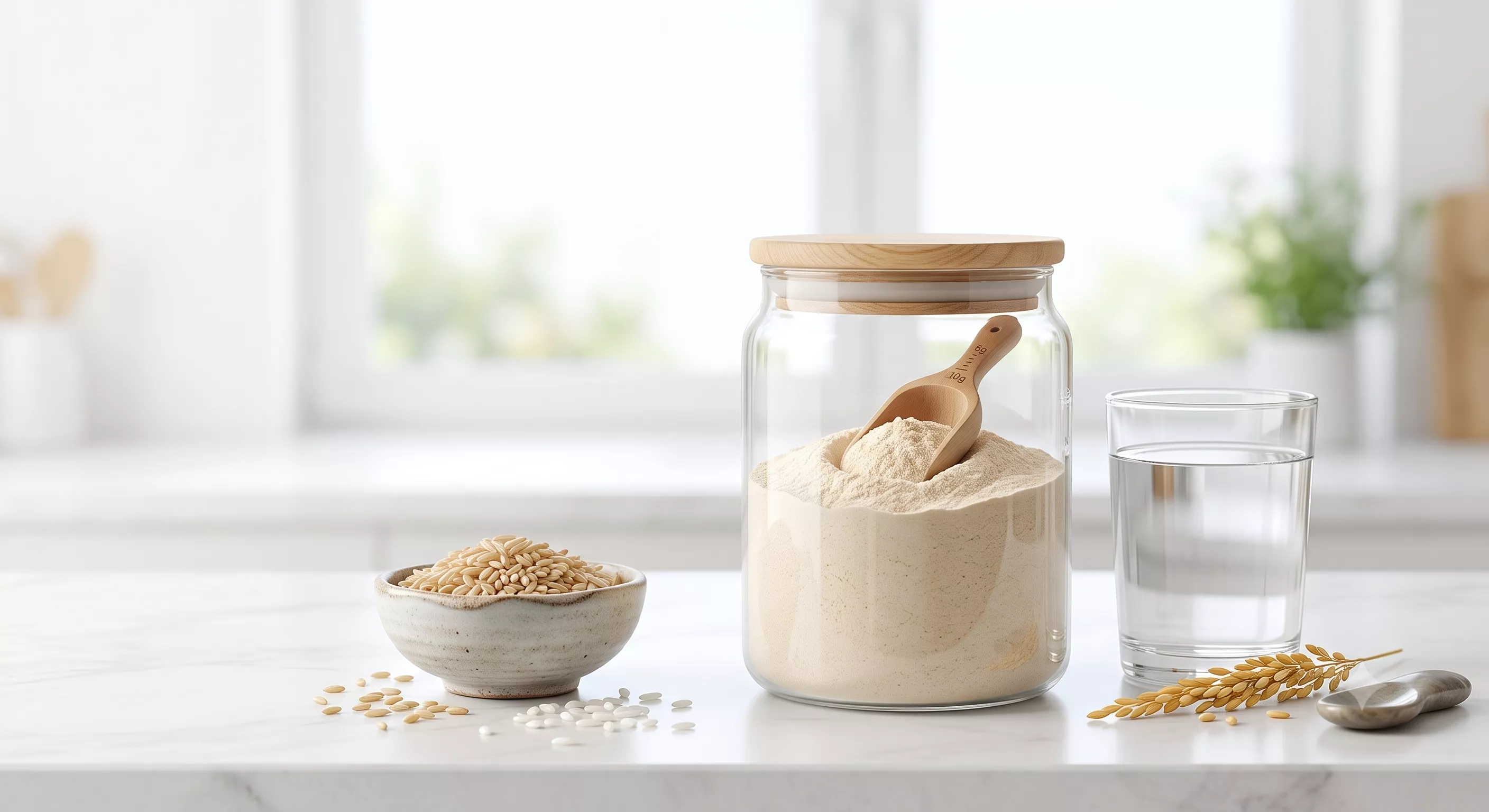
Source ultra-pure, 100% water-soluble wholesale hydrolyzed rice protein peptide in bulk. Over 85% molecules under 1000 Da. Ideal for infant nutrition, clean-label sports formulas, and sensitive skincare.
Select the most popular foreign trade service products to meet your diverse needs
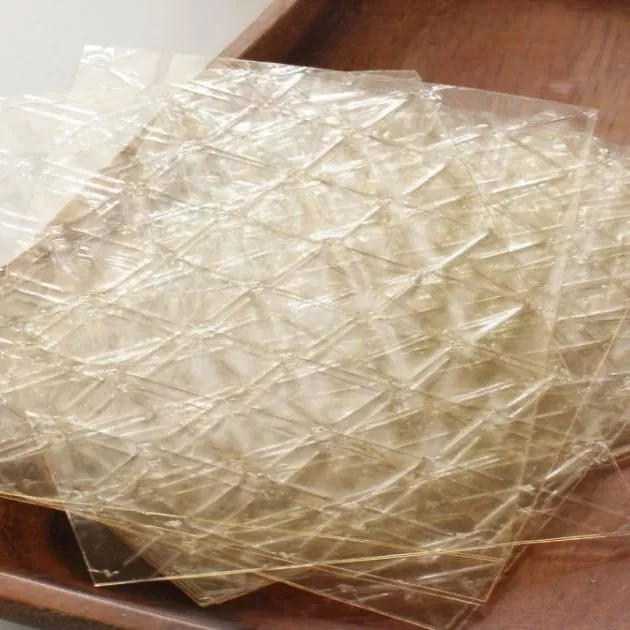
Our Gelatin Sheets are produced to precise standards, ensuring consistency and reliability across different Bloom grades (Silver being the most common professional choice).
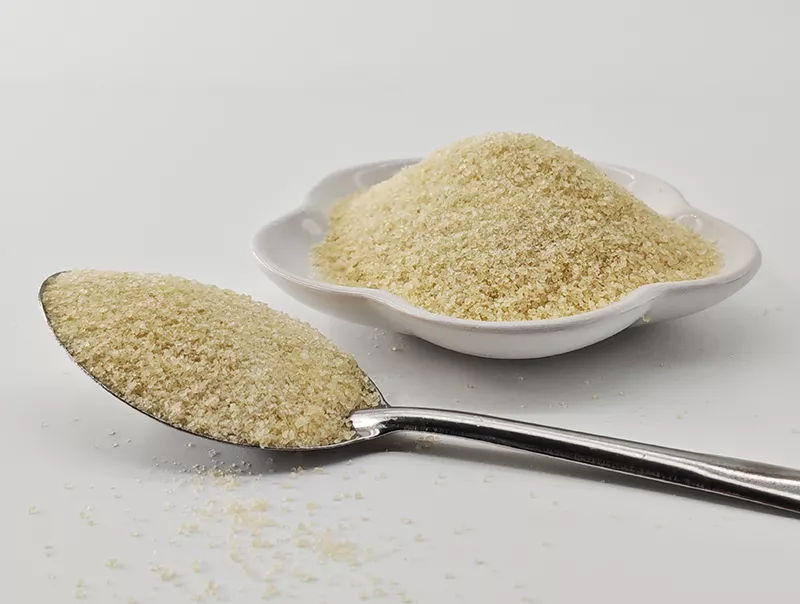
The High-Performance Barrier for Core Material Protection and Controlled Release.
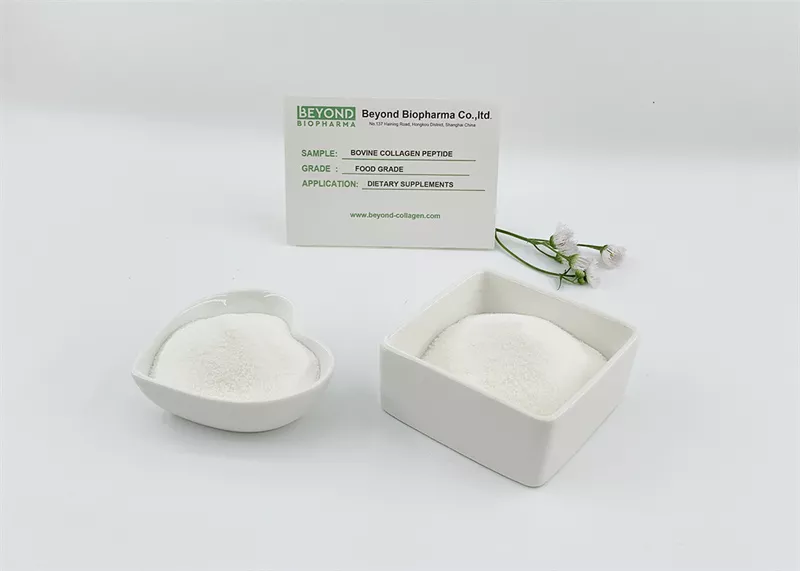
Manufacturer of bovine collagen peptide, shipping in containers all around the world
Tel:+86 21 65010906
Cell/Whatsapp/Wechat:
+86 13482884055
+86 18657345785
Email: sales@beyondbiopharma.com





User Comments
Service Experience Sharing from Real Customers
Megan
Pastry ChefAs someone who's been making marshmallows from scratch for years, switching from sheets to this powder was a game-changer. No more soaking and waiting! The consistency is perfect every time, and it dissolves so much faster. My production time has literally been cut in half. It feels like cheating, but in the best way possible.
Leo
Science TeacherUsed this for a polymer science demo with my high school class. The powder form is infinitely easier to handle and measure precisely than those messy, slippery sheets. The kids could actually see the hydration process clearly. Lost one star because the container it came in wasn't resealable very well, so I had to transfer it.
Chloe
Home BakerOkay, I was skeptical. I thought the sheets were the 'professional' way. Boy, was I wrong! This powder is a lifesaver for small batches. No waste, no guessing if I've melted it all. My panna cottas now have this flawless, silky texture that I could never quite get right before. Total game-changer for my hobby.
Raj
Product Development ManagerFrom an R&D standpoint, the switch to powder has streamlined our prototyping process significantly. The batch-to-batch uniformity is excellent, which is crucial for us. It's just so much more scalable. We're still dialing in the exact equivalence for one of our legacy recipes (hence 4 stars), but for new formulations, it's our go-to now.