 English EN


Bovine gelatin pros and cons everyone should know
Bovine gelatin offers strong gelling and health benefits but has dietary, ethical, and allergen concerns. Compare bovine gelatin to other gelatin options here.
More
If you have ever opened a recipe that calls for gelatin sheets but only have powder on hand, you know the frustration. The two forms are not interchangeable by weight alone. The key lies in bloom strength — a measure of gel firmness. For overseas buyers, especially those in food manufacturing, supplement R&D, and pharmaceutical excipient sourcing, mastering this conversion is essential for product consistency. This article provides a practical, data-backed approach to converting gelatin sheets to powder, with insights into sourcing from a reliable manufacturer like Beyond Biopharma.
Gelatin sheets (also called leaf gelatin) and powdered gelatin are both derived from collagen, typically from bovine, porcine, or fish sources. The main difference is physical form and how they are hydrated. Sheets are thin, transparent, and dissolve slowly in cold water. Powder is granular and requires a different hydration ratio. Both are measured by bloom strength, which typically ranges from 50 to 300 grams for edible gelatin. For gummies and softgels, a bloom of 150–260 is common. Always check the COA for exact values.
The standard conversion is based on bloom strength. One gelatin sheet (typically 2–3 grams) with a bloom of 200 is equivalent to about 2–3 grams of powdered gelatin with the same bloom. However, if your powder has a different bloom, you must adjust. For example, a 200-bloom sheet equals roughly 2.5 grams of 200-bloom powder. If using a 160-bloom powder, you may need slightly more to achieve the same gel firmness. The formula is: (sheet bloom ÷ powder bloom) × sheet weight = powder weight. This ensures your mousse or gummy sets correctly.
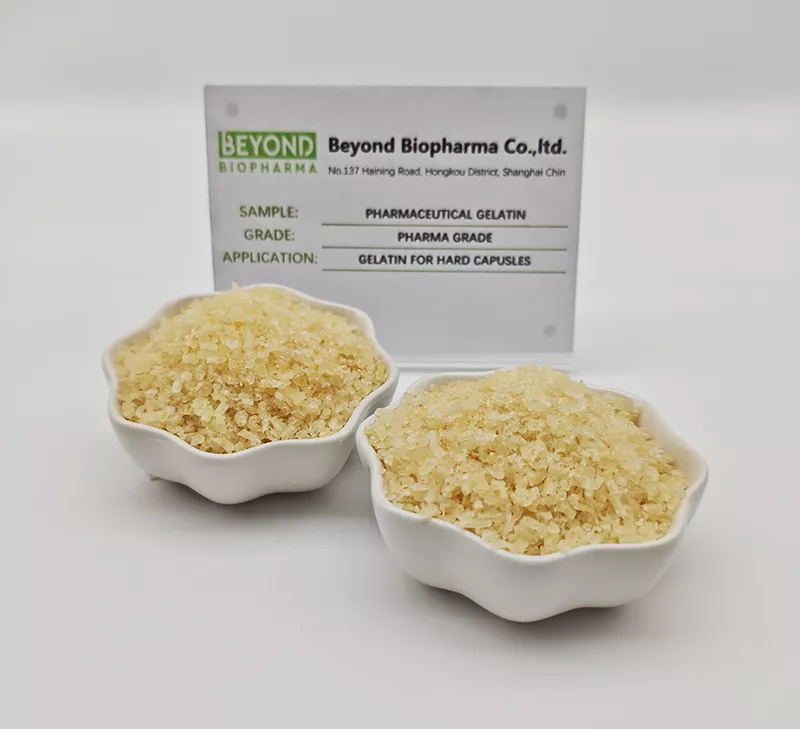
Below is a reference table of common specifications for edible gelatin. These are typical industry ranges; final values should be confirmed per COA or sample.
| Parameter | Typical Range | Notes |
|---|---|---|
| Bloom Strength | 50–300 g | Pharma/gummies often 150–260 Bloom |
| Viscosity | 2.0–5.5 mPa·s | Affects mouthfeel and setting time |
| Mesh Size | 8–60 mesh | Coarser for sheets, finer for powder |
| Moisture | ≤14% | Lower moisture improves shelf life |
*Typical industry range; final values per COA / sample.
Choosing the right gelatin form depends on your application. For food applications like gummies, jellies, and marshmallows, both sheets and powder work, but powder offers easier scaling. For pharmaceutical applications, such as hard capsules and softgels, pharmaceutical gelatin with precise viscosity and bloom is critical. Beyond Biopharma supplies edible bovine gelatin and pharmaceutical gelatin tailored to these needs. For nutraceutical applications, such as beauty-from-within drinks, fish collagen peptide is a popular alternative due to its low molecular weight and rapid absorption.
Beyond Biopharma is a Shanghai-based manufacturer with over 10 years of experience in the food-ingredient industry. Our products are exported to more than 50 countries. We operate a fully automatic production line with GMP clean workshops, stainless-steel sealed piping, and automated temperature and pH control. Our annual capacity is approximately 3,000 MT for collagen and 5,000 MT for gelatin. We are ISO 9001 certified, US FDA registered, and select products carry Halal and Kosher certifications. Our bovine bone gelatin is BSE-free. We offer three grades: food, pharmaceutical, and cosmetic. For buyers who need consistent bloom and viscosity, our high-bloom gelatin for hard capsules and ultra-high-viscosity gelatin for softgels are trusted by manufacturers worldwide.
Q: Can I substitute gelatin sheets with powder in any recipe?
A: Yes, but you must adjust for bloom strength. Use the formula: (sheet bloom ÷ powder bloom) × sheet weight. Always hydrate powder in cold water first (typically 1 part powder to 3 parts water).
Q: What bloom strength is best for gummies?
A: For gummies, a bloom of 200–260 is typical. Higher bloom gives a firmer, chewier texture. Beyond Biopharma offers edible gelatin in this range, compatible with major brands like Rousselot and Gelita.
Q: How do I know if my gelatin powder is high quality?
A: Look for high solubility, low odor, and consistent bloom. Reputable suppliers provide a COA with each batch. Beyond Biopharma performs in-house heavy-metal and microbiological testing for every lot.
Q: Is fish gelatin a good alternative for vegan products?
A: Fish gelatin is not vegan, but it is suitable for pescatarian diets and kosher requirements. For vegan formulations, consider plant protein peptides like pea or rice protein hydrolysates.
Q: What is the shelf life of gelatin powder?
A: Typically 2–3 years when stored in a cool, dry place. Moisture content should be ≤14% to prevent spoilage. Always check the manufacturer’s expiration date.
Q: Can I use pharmaceutical gelatin for food products?
A: Yes, pharmaceutical gelatin meets higher purity standards and is safe for food use. It is often preferred for premium gummies and confectionery due to its low heavy-metal content.
Ready to source consistent, high-quality gelatin for your production? Contact Beyond Biopharma with your application, required grade (food, pharmaceutical, or cosmetic), quantity or MOQ, target specs (bloom, mesh, molecular weight, certifications), and destination country. We will send free samples and a competitive quote. Our team supports custom bulk supply and formulation/OEM. Let us help you achieve perfect gel strength every time.

We provide you with comprehensive foreign trade solutions to help enterprises achieve global development
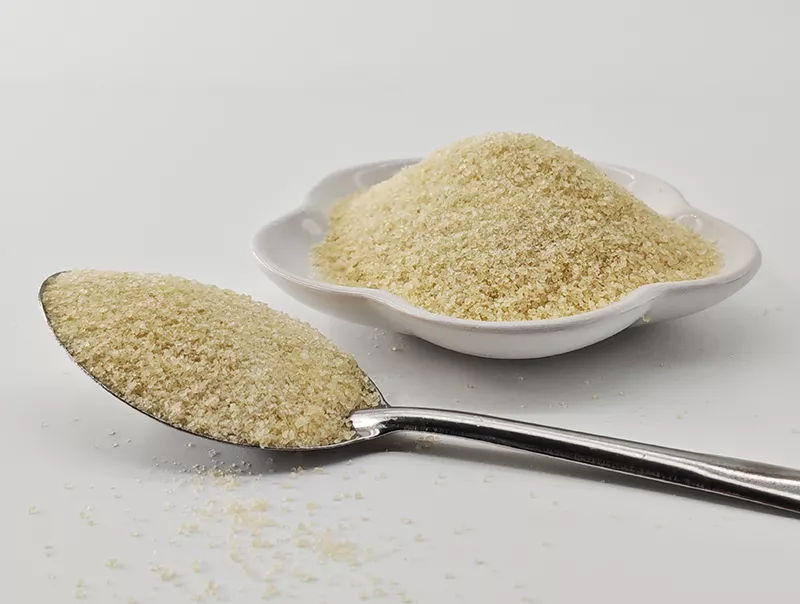
The High-Performance Barrier for Core Material Protection and Controlled Release.
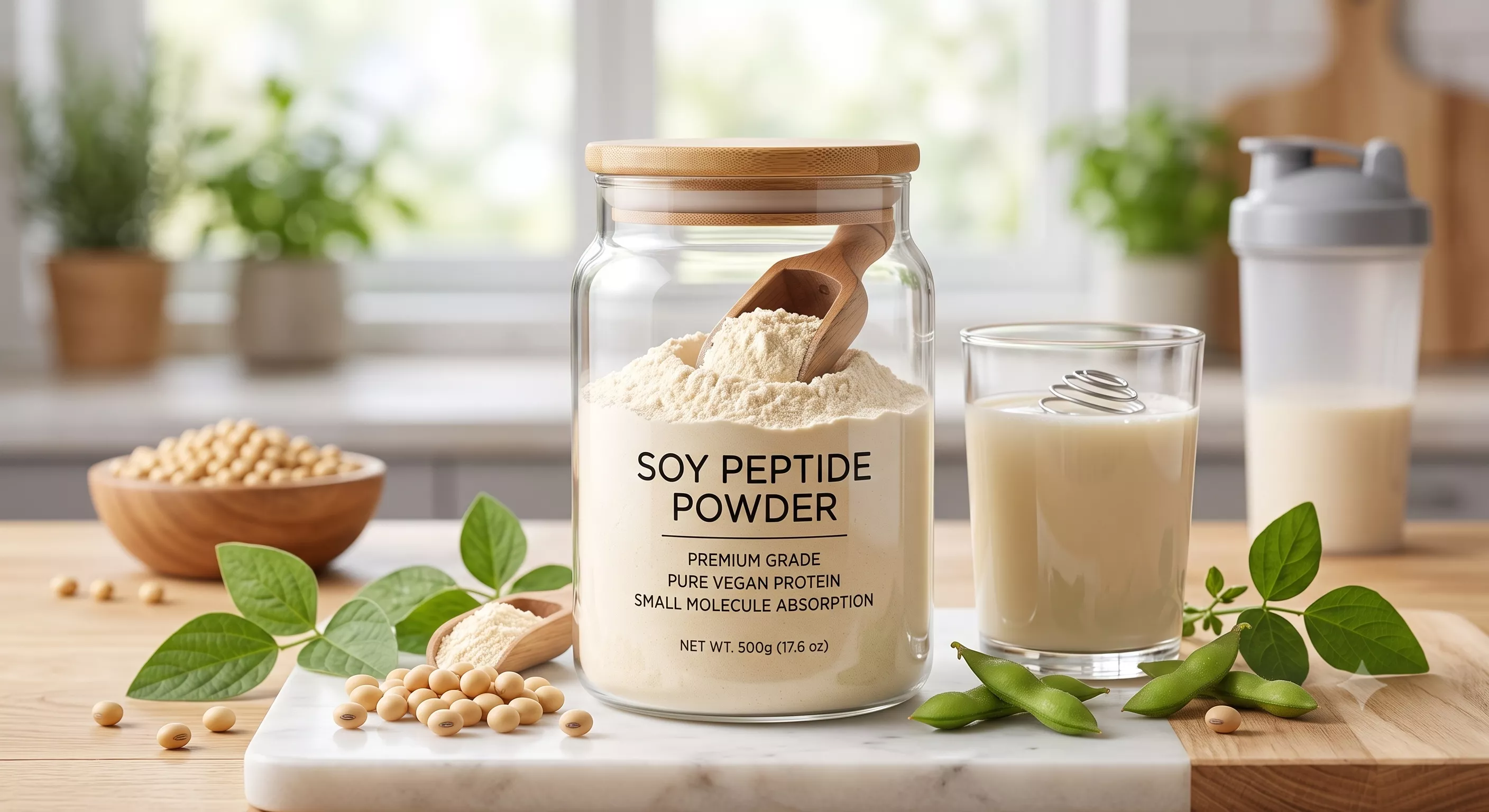
Source ultra-pure, non-GMO hydrolyzed soybean oligopeptide powder in bulk. Complete water solubility, over 80% peptides under 1000 Da. Ideal for sports nutrition and immune recovery formulas.
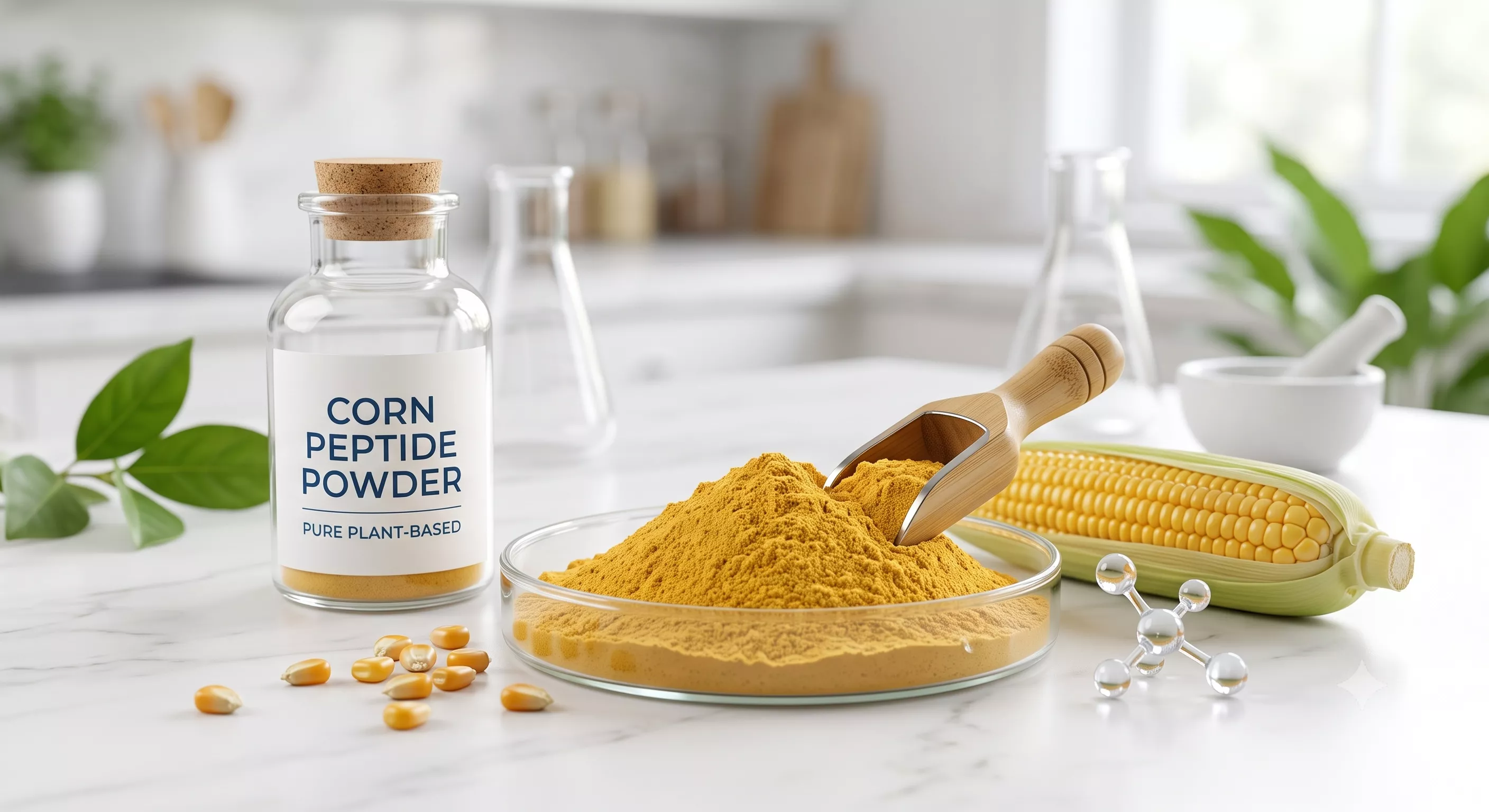
Source high-purity wholesale hydrolyzed corn protein peptide powder in bulk. Over 85% oligopeptides under 1000 Da. Rich in Alanine and Leucine for liver support and sobriety formulas.
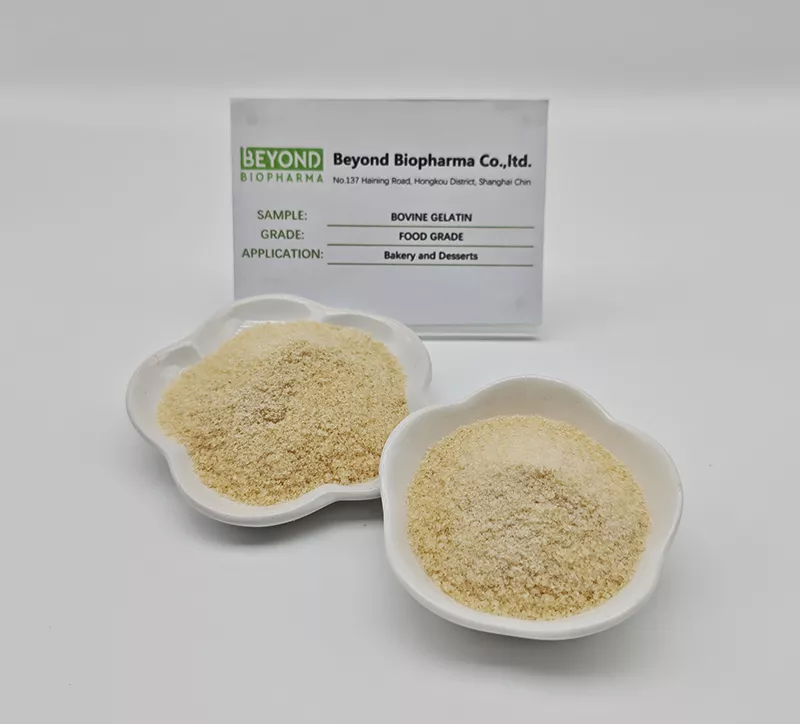
20 years experiences, 5000 ton/year capacity, Sustained supply with stable quality
Select the most popular foreign trade service products to meet your diverse needs
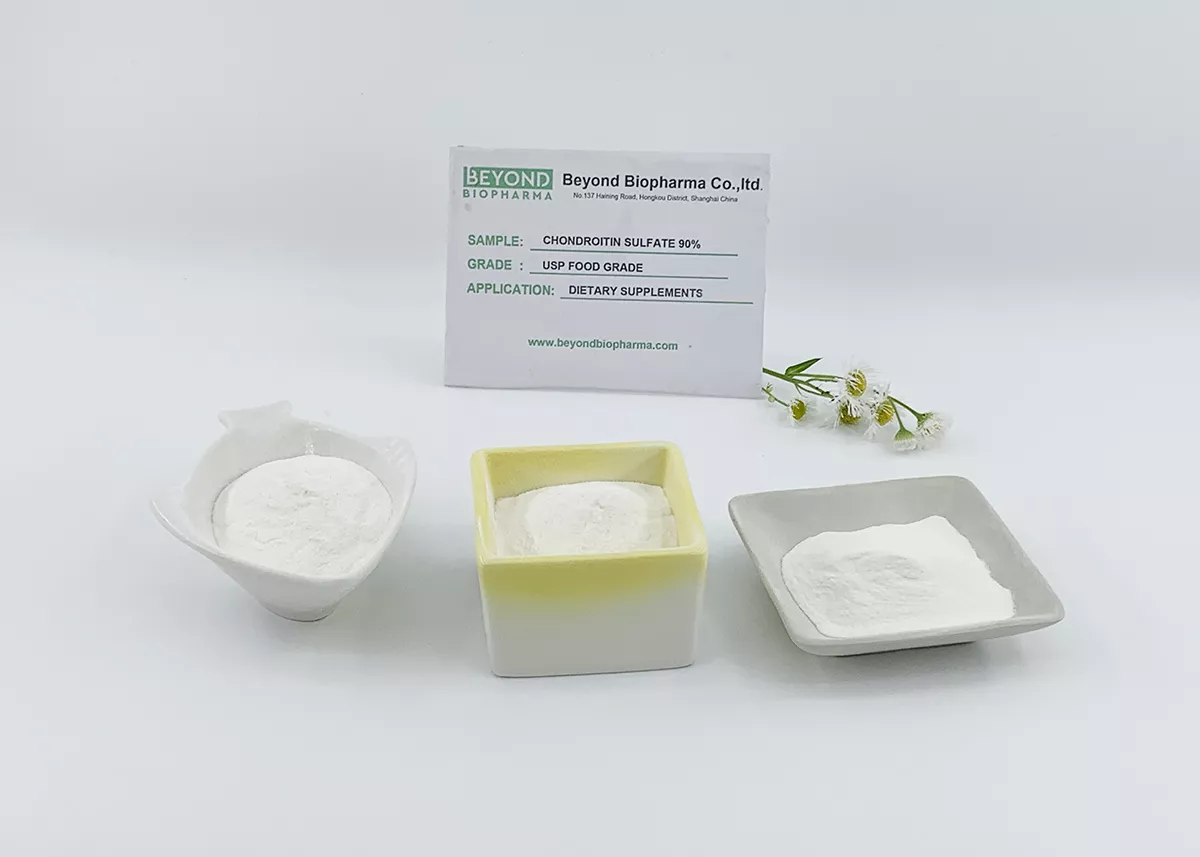
High Purity and Efficacy for Joint Health Formulations
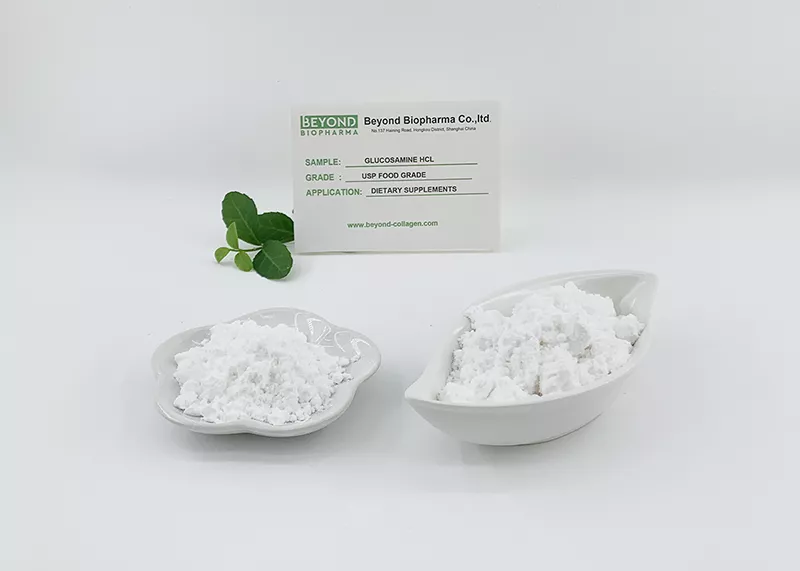
The Purest Plant-Based Joint Support Solution
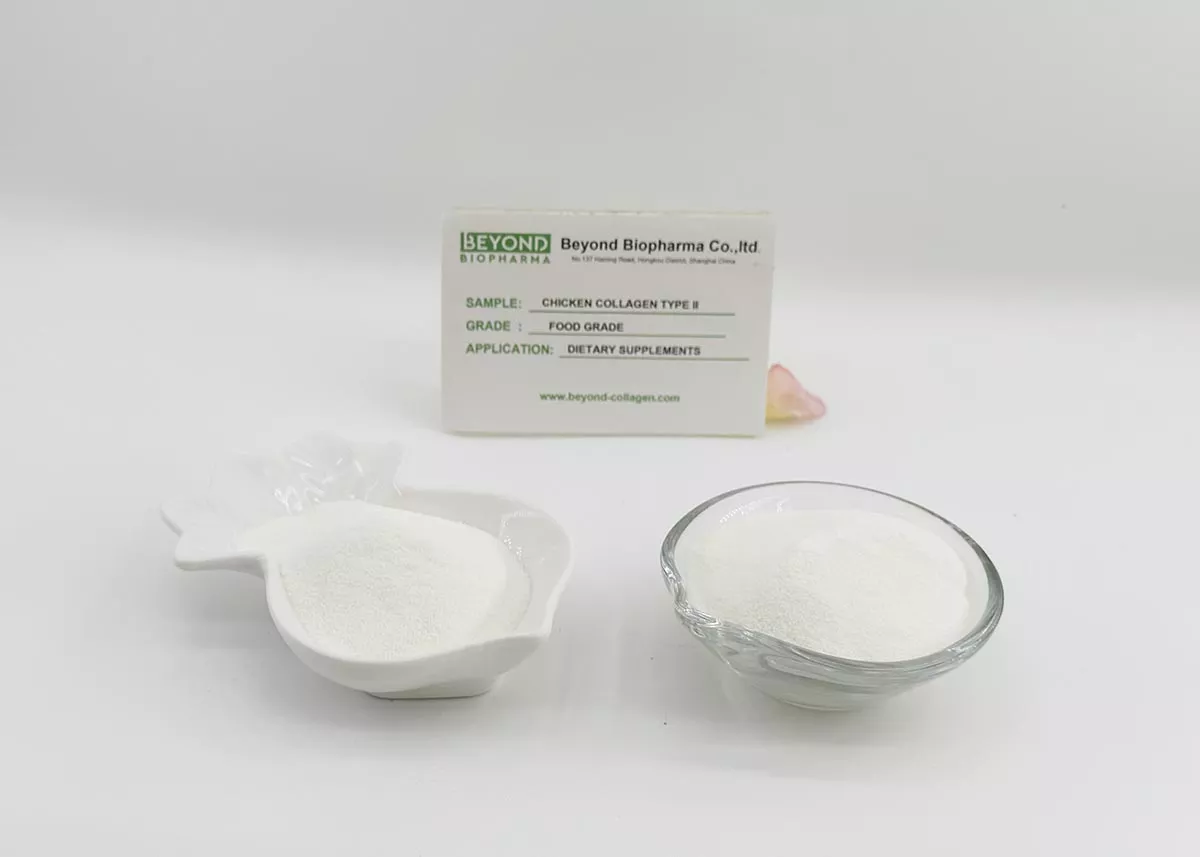
BEYOND BIOPHARMA is a specialized manufacturer of highly purified Hydrolyzed Collagen Type II. Through advanced enzymatic hydrolysis, we create low-molecular-weight collagen peptides that are highly bioavailable, offering foundational nutritional support for cartilage repair, joint function, and skin health. Our product is designed for rapid absorption and maximum efficacy in oral supplements.
Tel:+86 21 65010906
Cell/Whatsapp/Wechat:
+86 13482884055
+86 18657345785
Email: sales@beyondbiopharma.com





User Comments
Service Experience Sharing from Real Customers
Marcus
Pastry ChefAs a pastry chef, I've used both sheet and powder gelatin for years. I was skeptical about switching to powder from my usual sheets, but this product converted me. The conversion chart on the package was spot-on—my panna cotta set perfectly with no rubbery texture. It dissolves so smoothly, no clumps! A total game-changer for busy service.
Chloe
Home BakerHonestly, I was intimidated by gelatin sheets. This powder version made my first attempt at mirror glaze cakes so much less stressful. The measuring spoon included is super handy. Lost one star because the instructions could be a tad clearer on bloom time, but after a quick experiment, I got flawless results. My dessert blog followers noticed the difference!
Rafael
Culinary InstructorI recommend this to all my culinary students now. The consistency from batch to batch is reliable, unlike some sheets that can vary. It's a fantastic teaching tool because students grasp the math of powder-to-liquid ratios faster than dealing with sheet weights. Plus, the shelf life is great for our school's budget. No more wasted, brittle sheets!
Casey
Craft Cocktail BartenderWho knew a gelatin powder could elevate cocktail hour? I use this for clarifying cocktails and making vegan-friendly 'pearls.' It's miles easier than messing with hydrating sheets during a rush. The fine texture mixes in cold prep perfectly. My bar's clarified milk punch has never been clearer. This little tub lives permanently in my kit now.