 English EN


Bovine gelatin pros and cons everyone should know
Bovine gelatin offers strong gelling and health benefits but has dietary, ethical, and allergen concerns. Compare bovine gelatin to other gelatin options here.
More
Converting powder gelatin to sheets is a common challenge for food manufacturers and nutraceutical formulators who need consistent gel strength, clarity, and solubility. This professional guide covers the conversion process, key parameters like bloom and viscosity, and how to select the right gelatin grade for your application. Whether you source edible gelatin for gummies or pharmaceutical gelatin for capsules, understanding the conversion ensures batch-to-batch reliability.
The conversion from powder gelatin to sheets is not a simple one-to-one swap because sheet gelatin is standardized by bloom strength and weight per sheet, while powder gelatin varies by mesh and bloom. Typically, one sheet of gelatin (around 2.5 g) with a 200 bloom is equivalent to about 2.5 g of powder gelatin at the same bloom. However, the key difference is hydration: sheets require cold water soaking for 5–10 minutes, while powder can be sprinkled directly into cold water. For industrial buyers, specifying bloom and mesh ensures consistent results. Beyond Biopharma offers standardized gelatin sheets that match powder equivalents, simplifying scale-up.
Gelatin is produced through partial hydrolysis of collagen from bovine, porcine, or fish sources. The process involves acid or alkaline treatment, extraction, filtration, and drying. For sheets, the gelatin solution is cast into thin films and dried, while powder is milled to a specific mesh. The bloom strength—a measure of gel firmness—is determined by the collagen source and processing conditions. For example, high-bloom bovine hide gelatin (200–260 bloom) is common for gummies, while lower-bloom fish gelatin (150–200 bloom) suits soft capsules. When converting, always match bloom and viscosity. Beyond Biopharma’s fully automatic production line and GMP clean workshop ensure tight control over these parameters, so powder and sheet forms are interchangeable within the same lot.
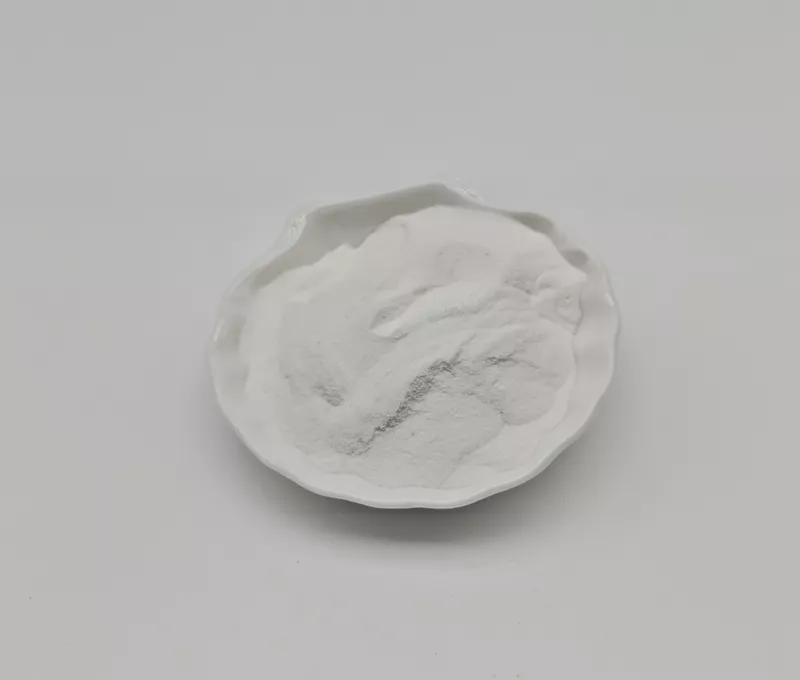
When converting powder gelatin to sheets, focus on these specs. The table below lists typical industry ranges—final values per COA or sample may vary.
| Parameter | Typical Industry Range | Notes |
|---|---|---|
| Bloom (g) | 50–300 (common: 150–260 for pharma/gummies) | Higher bloom = firmer gel; match powder and sheet bloom for equivalent performance. |
| Viscosity (mPa·s) | 2.0–5.5 | Affects coating and film formation; critical for softgels. |
| Mesh size | 8–60 (powder) | Sheets are standardized by weight; powder mesh impacts dissolution speed. |
| Moisture (%) | ≤14 | Low moisture prevents microbial growth and ensures shelf stability. |
For collagen peptides used in nutraceuticals, molecular weight typically ranges from 2,000–5,000 Da (fish collagen peptides are often lower for faster absorption), with protein ≥90%. Plant protein peptides (pea, rice, soy) have protein ~80–90% and molecular weight
Choosing between powder and sheet gelatin depends on your application. Here’s a breakdown by industry:
Based in Shanghai, China, Beyond Biopharma is a manufacturer with over 10 years of experience in the food-ingredient industry. We produce collagen peptides, gelatin, and plant protein peptides for B2B buyers, supporting custom bulk supply and formulation/OEM. Our facility has a capacity of approximately 3,000 MT/year for collagen and 5,000 MT/year for gelatin, with a fully automatic production line, GMP clean workshop, stainless-steel sealed piping, and automated temperature/pH control. We hold ISO 9001, US FDA registration, and select products carry Halal/Kosher certification (e.g., fish gelatin). Our bovine bone gelatin is BSE-free, and our in-house lab conducts heavy-metal and microbiological testing with a dedicated QA/QC team. We offer free samples and formulation support across three grades: food, pharmaceutical, and cosmetic.
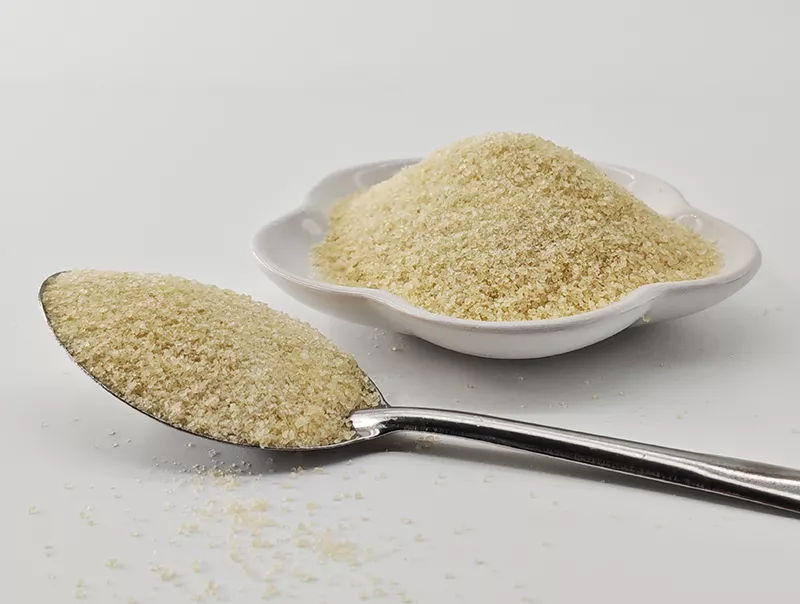
Q: Can I use powder gelatin directly in recipes that call for sheets?
Yes, but you must hydrate it properly. For every sheet (approx. 2.5 g), use 2.5 g of powder gelatin with the same bloom. Sprinkle powder into cold water (6x weight) and let bloom for 5–10 minutes before heating.
Q: How do I adjust bloom strength when converting?
Match bloom values exactly. If your recipe uses 200-bloom sheets, use 200-bloom powder. Different bloom strengths will change gel firmness and setting time.
Q: What is the shelf life difference between powder and sheet gelatin?
Both have similar shelf life (2–3 years) when stored in cool, dry conditions. Sheets may absorb moisture faster, so keep them sealed. Powder is more stable due to lower surface area.
Q: Are there vegan alternatives to gelatin sheets?
Yes, plant protein peptides (pea, rice, soy) can mimic gelatin’s gelling properties, though they require different hydration and setting conditions. Beyond Biopharma offers plant-based options for vegan formulations.
Q: How do I test if my powder gelatin matches sheet performance?
Conduct a bloom test using a texture analyzer. For a simple check, prepare a 6.67% gel solution (6.67 g gelatin per 100 mL water), chill at 10°C for 16–18 hours, and measure gel firmness. Compare with your sheet standard.
Q: Can I get free samples to test conversion?
Yes, Beyond Biopharma offers free samples for all grades. Contact us with your application and target specs to receive a sample kit.
To ensure the best conversion from powder gelatin to sheets for your specific application, provide the following details: your intended use (food, pharmaceutical, or cosmetic), required grade, target bloom and mesh, molecular weight (for peptides), certifications needed (Halal, Kosher, BSE-free), quantity/MOQ, and destination country. Beyond Biopharma will send free samples and a tailored quote. Our team supports formulation and selection to match your production goals.

We provide you with comprehensive foreign trade solutions to help enterprises achieve global development
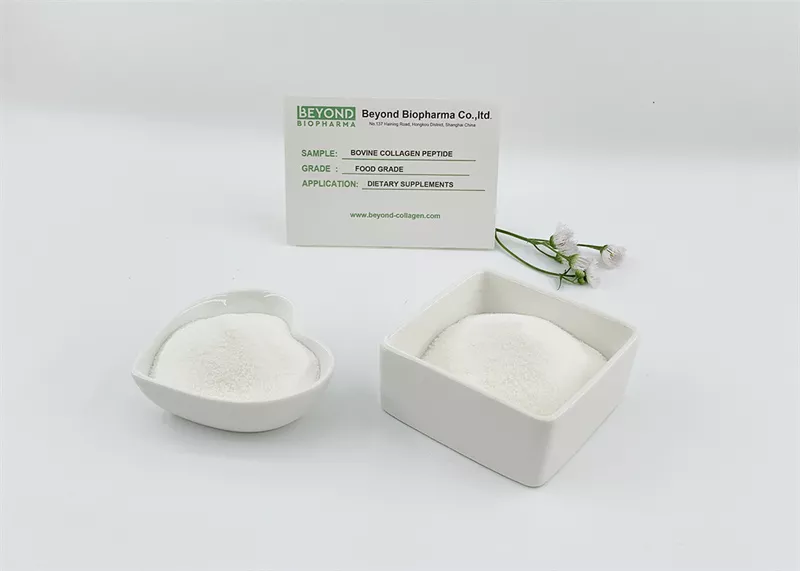
Manufacturer of bovine collagen peptide, shipping in containers all around the world
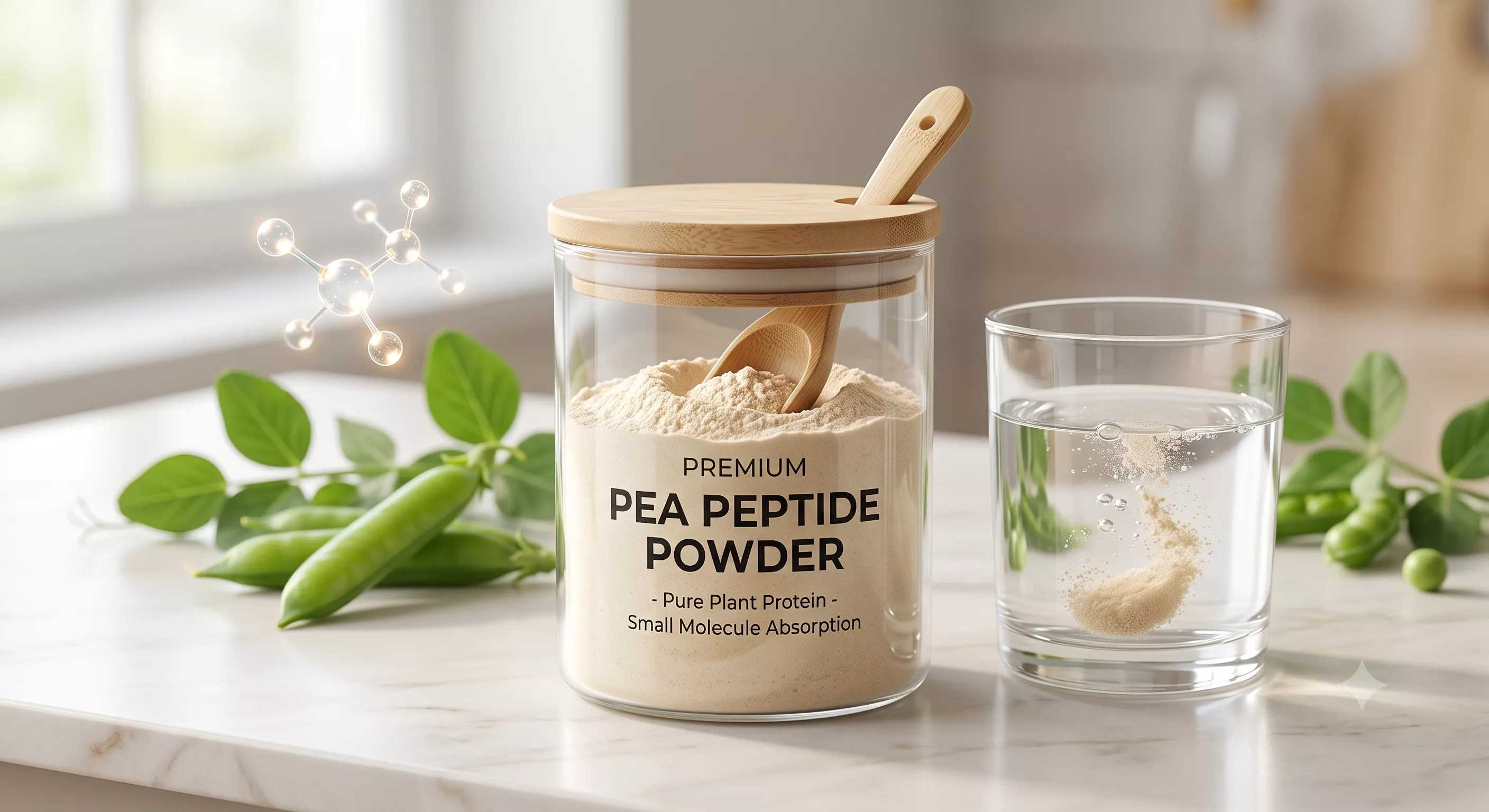
Source high-purity, hypoallergenic hydrolyzed pea peptide powder in bulk. Complete water solubility, rich in BCAAs, ideal for vegan recovery formulas.
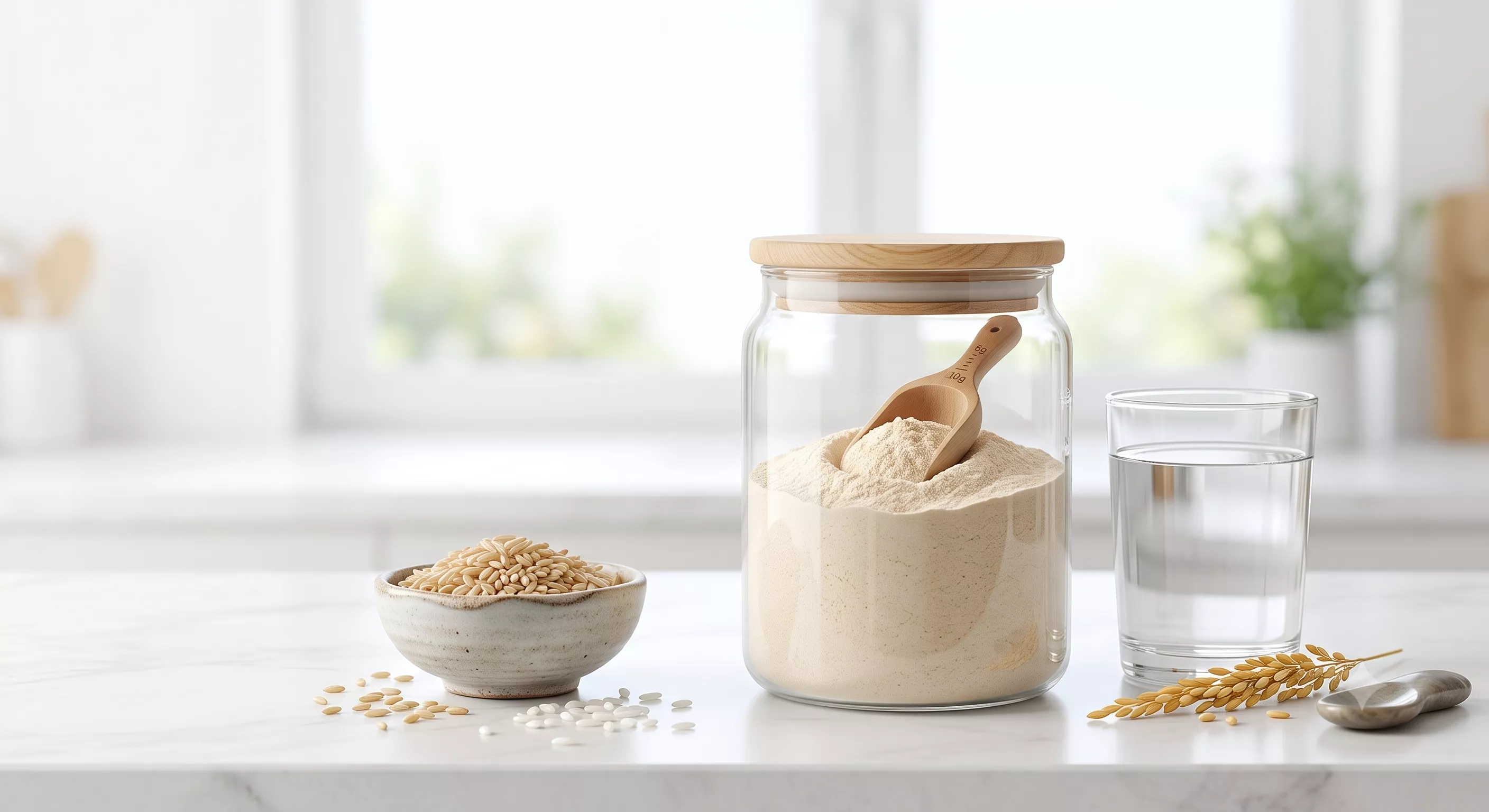
Source ultra-pure, 100% water-soluble wholesale hydrolyzed rice protein peptide in bulk. Over 85% molecules under 1000 Da. Ideal for infant nutrition, clean-label sports formulas, and sensitive skincare.
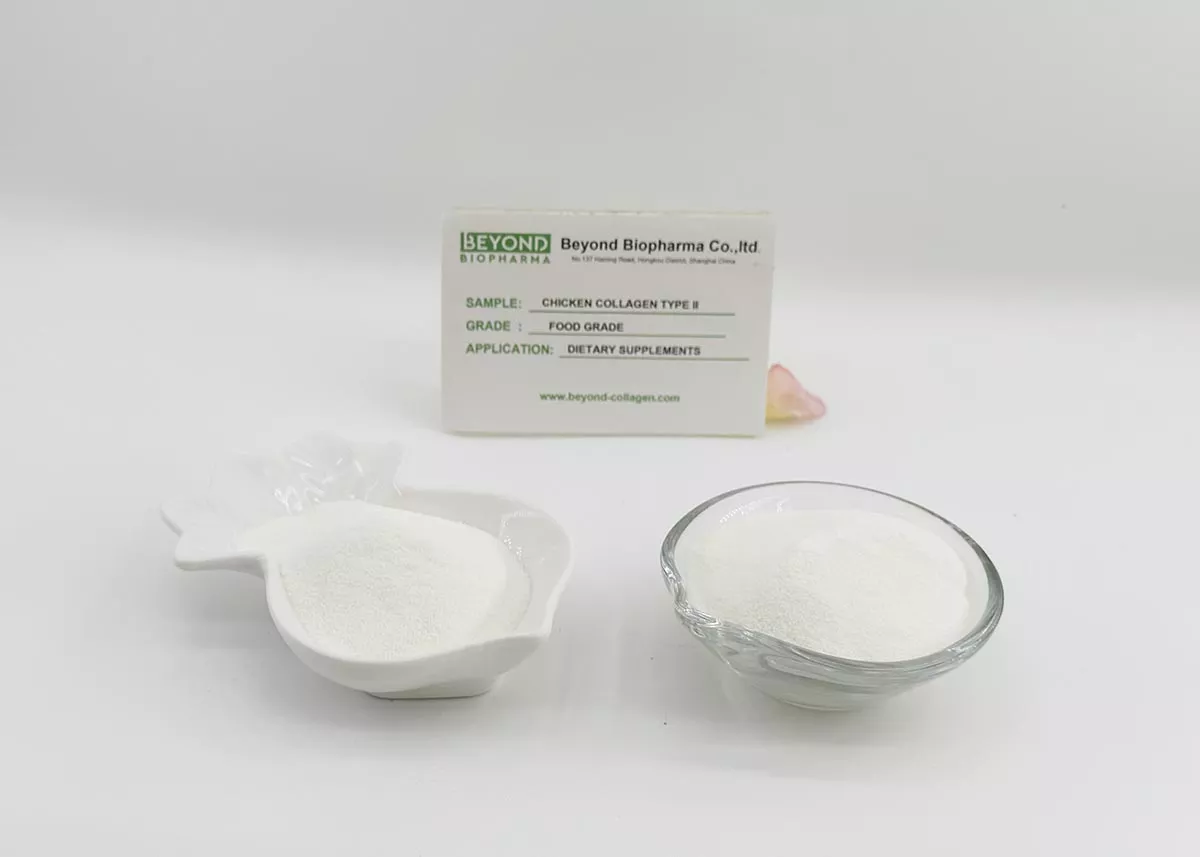
BEYOND BIOPHARMA is a specialized manufacturer of highly purified Hydrolyzed Collagen Type II. Through advanced enzymatic hydrolysis, we create low-molecular-weight collagen peptides that are highly bioavailable, offering foundational nutritional support for cartilage repair, joint function, and skin health. Our product is designed for rapid absorption and maximum efficacy in oral supplements.
Select the most popular foreign trade service products to meet your diverse needs
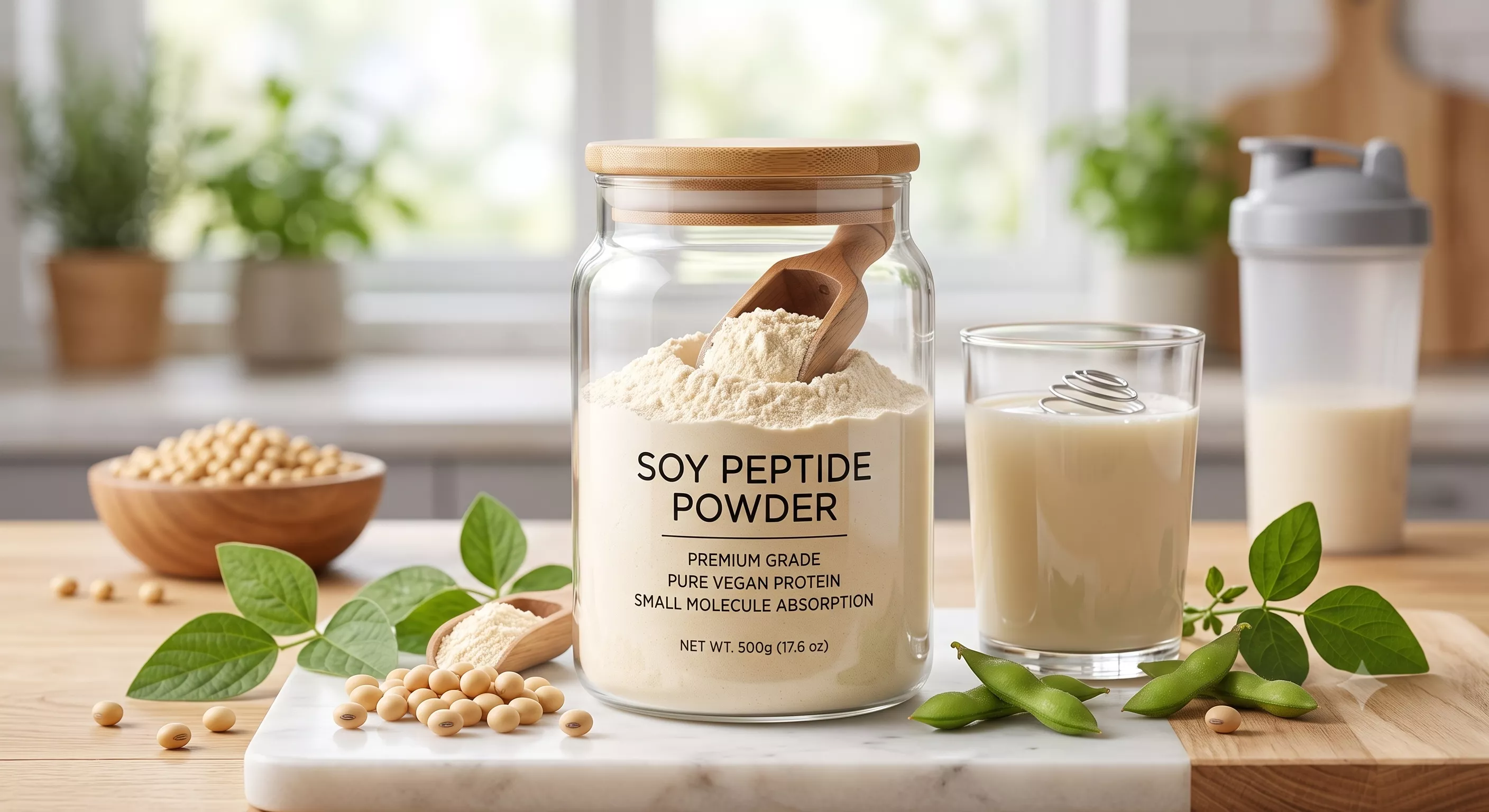
Source ultra-pure, non-GMO hydrolyzed soybean oligopeptide powder in bulk. Complete water solubility, over 80% peptides under 1000 Da. Ideal for sports nutrition and immune recovery formulas.
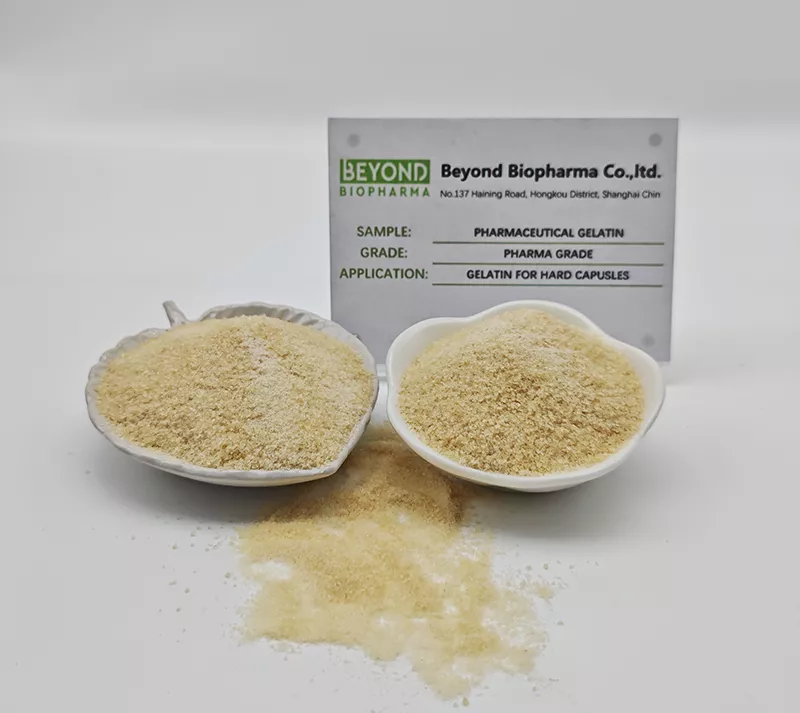
The high-strength and rapid-setting characteristics of Bovine Bone Gelatin ensure it forms a stable, uniform, and durable shell that preserves the integrity of the active pharmaceutical ingredient (API).
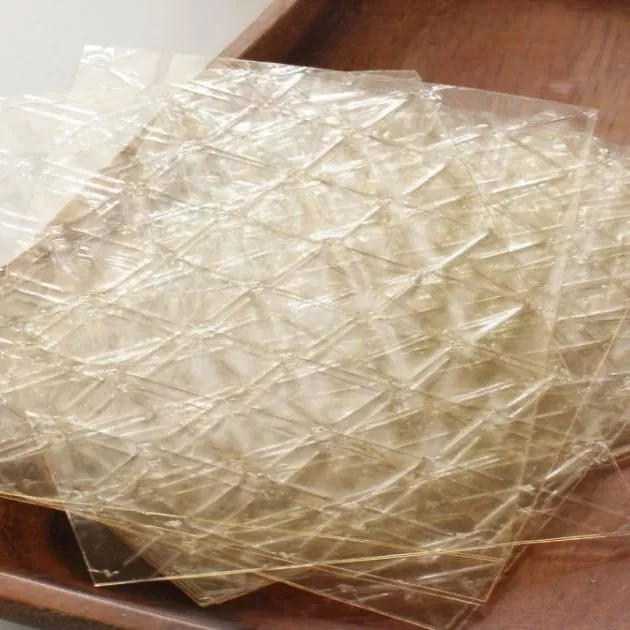
Our Gelatin Sheets are produced to precise standards, ensuring consistency and reliability across different Bloom grades (Silver being the most common professional choice).
Tel:+86 21 65010906
Cell/Whatsapp/Wechat:
+86 13482884055
+86 18657345785
Email: sales@beyondbiopharma.com





User Comments
Service Experience Sharing from Real Customers