 English EN


Bovine gelatin pros and cons everyone should know
Bovine gelatin offers strong gelling and health benefits but has dietary, ethical, and allergen concerns. Compare bovine gelatin to other gelatin options here.
More
Converting gelatin powder to sheets is a common challenge for chefs and bakers who need precise gel strength and consistent results. This guide explains the conversion ratios, bloom equivalence, and practical steps to substitute one form for the other without compromising texture. Whether you source Edible Gelatin powder or sheets, understanding the math behind bloom values and hydration ensures your gummies, mousses, and jellies turn out perfect every time.
Gelatin is available in two primary forms for commercial kitchens and production facilities: powder and sheets (also called leaf gelatin). Each form has its own hydration requirements and bloom strength, which directly affects the final gel texture. For overseas buyers — including food-ingredient purchasing managers, supplement R&D teams, and pharmaceutical excipient buyers — knowing how to convert between these forms is essential for batch consistency, cost control, and formulation flexibility.
Gelatin powder is a granular, free-flowing ingredient that must be hydrated in cold water before use. Gelatin sheets are thin, translucent leaves that soften in cold water and dissolve easily in warm liquids. Both forms are derived from collagen — typically bovine, porcine, or fish skin — and are measured by bloom strength, which indicates gel firmness.
The key difference lies in bloom value and weight. Standard gelatin sheets are often labeled as bronze, silver, gold, or platinum, with bloom values ranging from 125 to 250. Gelatin powder typically has a bloom of 150 to 300. To convert accurately, you must match the bloom strength of the sheet to the powder, or adjust the quantity accordingly.
The general rule for converting gelatin powder to sheets is based on bloom equivalence. One standard gelatin sheet (typically 2 g, 200 bloom) equals approximately 2 g of gelatin powder at the same bloom. However, because sheets have a fixed bloom rating, you may need to adjust the weight if your powder has a different bloom value.
For example, if your recipe calls for 10 g of 200-bloom powder, you can substitute 5 sheets of silver-grade gelatin (each 2 g, 160 bloom) but you will need to increase the sheet weight to compensate for the lower bloom. Use this formula: weight of sheets = (bloom of powder × weight of powder) ÷ bloom of sheets.
For bulk production, sourcing Pharmaceutical Gelatin from a reliable manufacturer ensures consistent bloom values batch to batch, reducing the need for frequent recalculations.
The table below provides common conversion ratios based on standard bloom values. These are typical industry ranges; final values should be verified per COA or sample.
| Gelatin Type | Bloom Range | Weight per Sheet | Powder Equivalent (per sheet) |
|---|---|---|---|
| Bronze sheet | 125–135 | 2 g | 1.3–1.4 g (200 bloom powder) |
| Silver sheet | 160–170 | 2 g | 1.6–1.7 g (200 bloom powder) |
| Gold sheet | 190–200 | 2 g | 1.9–2.0 g (200 bloom powder) |
| Platinum sheet | 230–250 | 2 g | 2.3–2.5 g (200 bloom powder) |
Note: Typical industry range; final values per COA / sample.
Food and confectionery: For gummies, marshmallows, and jellies, use gelatin with bloom 150–260. Powder is easier to scale in production, while sheets offer precise dosing for small batches. Edible Gelatin from bovine or fish sources works well for these applications.
Pharmaceutical capsules: Hard capsules require high-bloom bovine bone gelatin (200–260 bloom) for shell strength. Softgels need ultra-high-viscosity gelatin. Sheets are rarely used in capsule production; powder is standard.
Nutraceutical and sports nutrition: Collagen peptides (2,000–5,000 Da) are preferred for rapid absorption. Bovine Collagen Peptide and fish collagen tripeptide are common choices. These are not interchangeable with gelatin due to lower bloom.
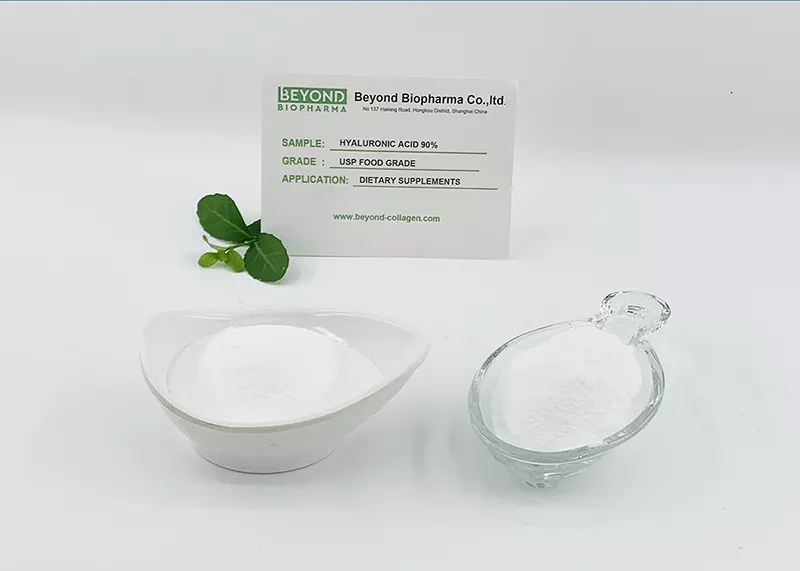
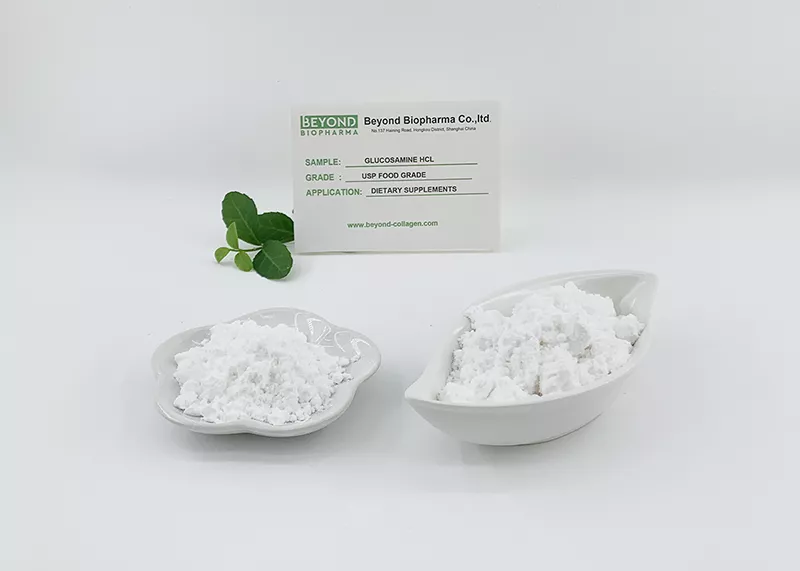
Joint health formulations: Undenatured Collagen Type II, chondroitin sulfate, glucosamine HCl, and hyaluronic acid are often combined with gelatin for chewable tablets or capsules. Food Grade Hyaluronic Acid powder is a popular addition.
Plant-based and vegan alternatives: For vegan formulations, use plant protein peptides from pea, rice, or soy. These are not gelatin but can replace gelatin in some applications where gelation is not required.
Beyond Biopharma is a Shanghai-based manufacturer with over 10 years of experience in the food-ingredient industry. We produce approximately 3,000 MT of collagen and 5,000 MT of gelatin annually, exported to more than 50 countries. Our facility features fully automatic production lines, GMP clean workshops, stainless-steel sealed piping, and automated temperature/pH control.
We hold ISO 9001 certification, US FDA registration, and select products carry Halal or Kosher certification (e.g., fish gelatin). Our bovine bone gelatin is BSE-free. An in-house lab conducts heavy-metal and microbiological testing, supported by a dedicated QA/QC team.
Our product lines include Edible Gelatin (bovine, porcine, fish), Pharmaceutical Gelatin (for hard capsules and softgels), Collagen Peptide (fish and bovine), Undenatured Collagen Type II, Plant Protein Peptide (pea, rice, soy), and Joint Health Ingredients (chondroitin sulfate, glucosamine HCl, hyaluronic acid). We offer free samples and formulation support across three grades: food, pharmaceutical, and cosmetic.
Q: Can I substitute gelatin sheets for powder in any recipe?
Yes, but you must adjust for bloom strength. Sheets have fixed bloom values, while powder varies. Use the conversion formula to maintain gel firmness.
Q: How many gelatin sheets equal 1 teaspoon of powder?
One teaspoon of gelatin powder weighs about 3 g. At 200 bloom, this equals approximately 1.5 sheets of gold-grade gelatin (2 g each, 200 bloom).
Q: Do sheets and powder have the same hydration time?
No. Sheets soften in cold water in 5–10 minutes. Powder needs to bloom in cold water for 10–15 minutes. Both must be fully hydrated before heating.
Q: What bloom should I use for gummy candies?
Gummy candies typically require 200–260 bloom gelatin. Higher bloom gives a firmer, snappier texture. Lower bloom results in a softer gel.
Q: Is fish gelatin compatible with gelatin sheets?
Fish gelatin has a lower bloom (typically 150–250) and different setting characteristics. It can be used in sheets if the bloom matches, but it sets at lower temperatures.
Q: How do I store gelatin sheets and powder?
Both should be stored in a cool, dry place away from moisture and heat. Sheets are more sensitive to humidity. Use airtight containers for powder.
If you are sourcing gelatin powder or sheets for your production, we invite you to contact Beyond Biopharma. Please provide your application, required grade (food, pharmaceutical, or cosmetic), quantity or MOQ, target specifications (bloom, mesh, molecular weight, certifications), and destination country. Our team will send free samples and a competitive quote tailored to your needs.
Converting gelatin powder to sheets does not have to be a guessing game. With the right bloom data and a reliable supplier like Beyond Biopharma, you can achieve consistent gel strength across all your formulations — from gummies and softgels to pharmaceutical capsules and nutraceutical blends.

We provide you with comprehensive foreign trade solutions to help enterprises achieve global development
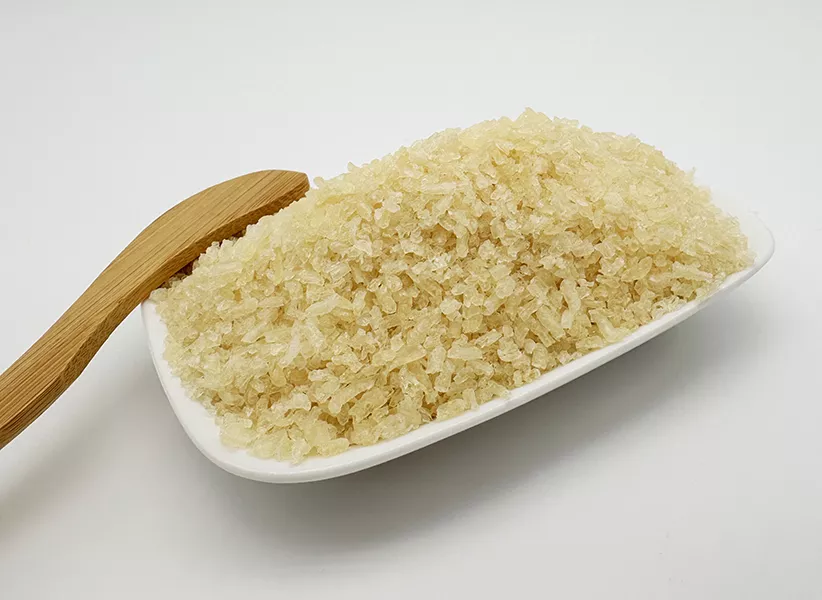
Our Bovine Hides Gelatin is engineered for versatility and compliance, ensuring performance across various applications.
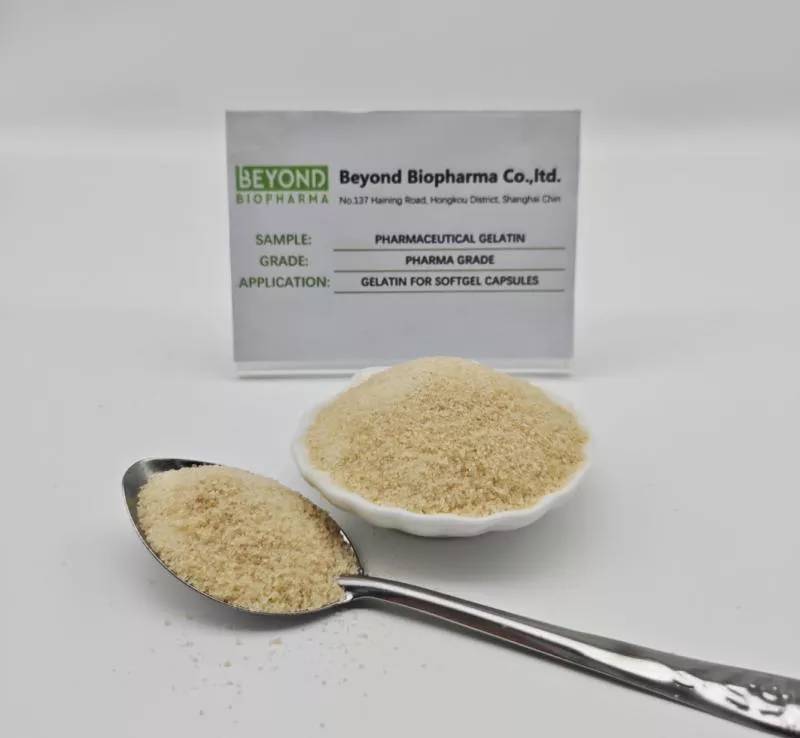
Softgel encapsulation demands a gelatin with unique physical attributes to perform optimally during the high-speed manufacturing process
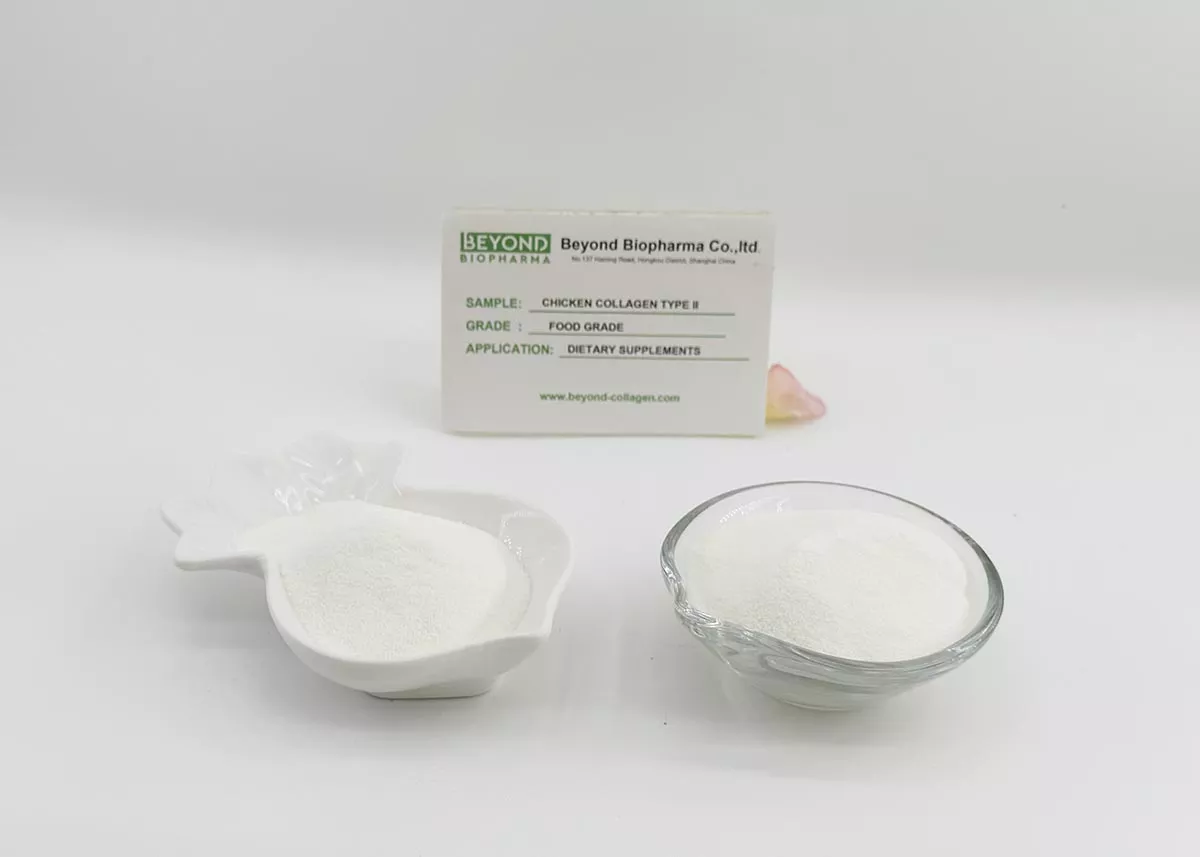
BEYOND BIOPHARMA is a specialized manufacturer of highly purified Hydrolyzed Collagen Type II. Through advanced enzymatic hydrolysis, we create low-molecular-weight collagen peptides that are highly bioavailable, offering foundational nutritional support for cartilage repair, joint function, and skin health. Our product is designed for rapid absorption and maximum efficacy in oral supplements.
Source ultra-pure, 100% water-soluble wholesale hydrolyzed rice protein peptide in bulk. Over 85% molecules under 1000 Da. Ideal for infant nutrition, clean-label sports formulas, and sensitive skincare.
Select the most popular foreign trade service products to meet your diverse needs
The Purest Plant-Based Joint Support Solution
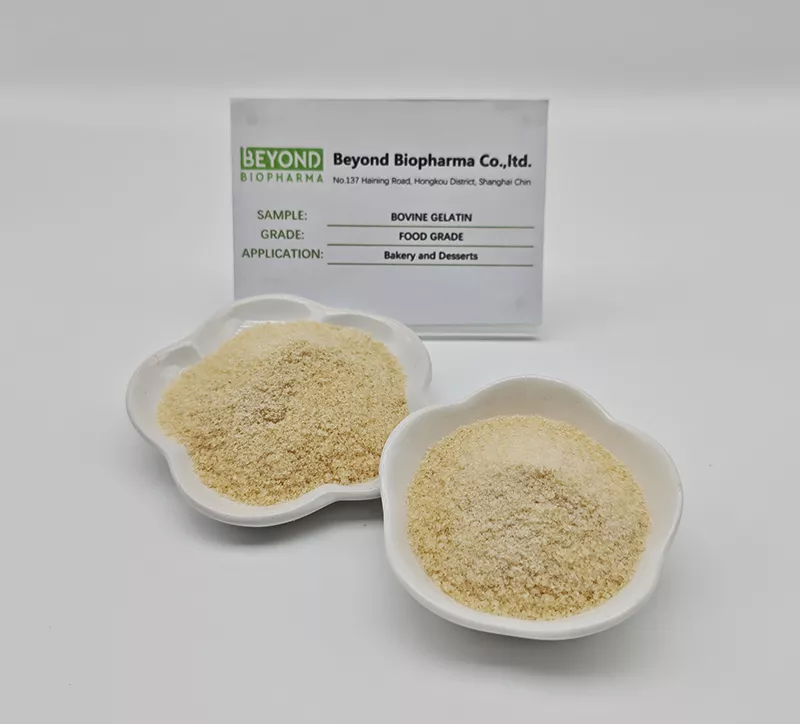
20 years experiences, 5000 ton/year capacity, Sustained supply with stable quality
BEYOND BIOPHARMA is a specialized manufacturer of highly purified Hydrolyzed Collagen Type II. Through advanced enzymatic hydrolysis, we create low-molecular-weight collagen peptides that are highly bioavailable, offering foundational nutritional support for cartilage repair, joint function, and skin health. Our product is designed for rapid absorption and maximum efficacy in oral supplements.
Tel:+86 21 65010906
Cell/Whatsapp/Wechat:
+86 13482884055
+86 18657345785
Email: sales@beyondbiopharma.com





User Comments
Service Experience Sharing from Real Customers
Megan
Pastry ChefI've been using powdered gelatin for years but decided to try sheets after reading about them in a French patisserie book. The conversion was easier than I thought – 4 sheets to a tablespoon of powder roughly – and the clarity in my panna cotta is unreal. No more worrying about lumps! It feels more professional, somehow.
Leo
Home BrewerSwitched to sheets for fining my homemade wines. They dissolve so cleanly compared to powder, which sometimes left a haze. Took a bit of trial and error to get the equivalent strength right for my batch sizes, but the results are consistently smooth. One star off because the packaging could be more airtight.
Chloe
Art ConservatorIn our field, precision is everything. Using gelatin sheets allows for exact, repeatable concentrations when preparing sizing solutions for paper restoration. Powder can vary in bloom strength between brands, but sheets are uniform. This switch has made my documentation and process so much more reliable. A game-changer for delicate work.
Raj
Culinary StudentMy instructor kept mentioning sheet gelatin, so I finally bought some. The learning curve was steep – remembering to bloom in cold water first – but wow, the texture in my marshmallows is way better. It feels less 'scientific' and more like actual cooking. Minus one star because they're pricier and I'm on a budget, but totally worth it for special projects.