 English EN


Bovine gelatin pros and cons everyone should know
Bovine gelatin offers strong gelling and health benefits but has dietary, ethical, and allergen concerns. Compare bovine gelatin to other gelatin options here.
More
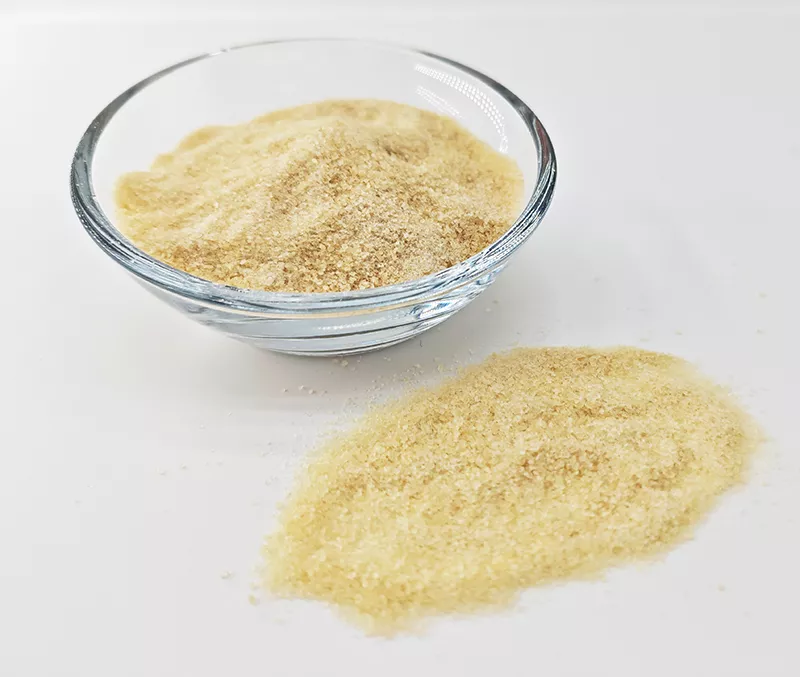
One of the most common questions we hear from bakers and food product developers is: how do I convert 6 gelatin sheets to powder? The short answer is that 6 standard gelatin sheets (typically 200 Bloom) are equivalent to about 1 tablespoon (approximately 10 grams) of powdered gelatin. However, this conversion depends on the bloom strength of your sheets and the specific application. In this guide, we break down the math, the science, and the practical tips to get it right.
Gelatin bloom measures the gel strength of a gelatin sample. It is the force required to press a standard plunger into a 6.67% gelatin gel that has been set at 10°C. Bloom values typically range from 50 to 300 grams. Higher bloom numbers mean firmer gels. Most sheet gelatins are sold in 200 Bloom (silver) or 160 Bloom (bronze) grades. Powdered gelatin often comes in 200 Bloom or 250 Bloom for food applications.
When converting sheets to powder, you must match the bloom strength. Using a higher bloom powder than your sheets will result in a firmer, potentially rubbery texture. Using a lower bloom powder will yield a softer, less stable gel. For consistent results, always check the bloom value on your ingredient specification sheet.
A standard gelatin sheet weighs about 1.7 grams. Therefore, 6 sheets equal approximately 10.2 grams of gelatin. In powdered form, 1 tablespoon of powdered gelatin weighs about 10 grams. So, 6 sheets = roughly 1 tablespoon of powder. This is a reliable rule of thumb for most home and commercial baking recipes.
However, sheet weights can vary by manufacturer. Some premium sheets weigh 2 grams each. In that case, 6 sheets would be 12 grams, requiring about 1.2 tablespoons of powder. Always weigh your ingredients for precision, especially when scaling up for production.
Understanding the typical spec ranges helps you select the right gelatin for your application. Below is a table of common parameters for edible gelatin. These are industry-standard ranges; final values should be confirmed with a Certificate of Analysis (COA) or sample test.
| Parameter | Typical Range | Notes |
|---|---|---|
| Bloom (g) | 50 – 300 | Pharma/gummies often use 150–260 Bloom |
| Viscosity (mPa·s) | 2.0 – 5.5 | Measured at 60°C, 6.67% solution |
| Mesh size | 8 – 60 | Affects dissolution speed |
| Moisture (%) | ≤ 14 | Lower moisture extends shelf life |
Note: These are typical industry ranges. Final values per COA or sample.
The conversion method depends on your end use. Here are three common scenarios:
Beyond Biopharma is a Shanghai, China–based manufacturer specializing in collagen peptides, gelatin, and plant protein peptides. With over 10 years of experience, we export to more than 50 countries. Our facility produces approximately 3,000 MT of collagen and 5,000 MT of gelatin annually, using fully automatic production lines in GMP clean workshops. We offer three grades: food, pharmaceutical, and cosmetic.
Our edible bovine gelatin is BSE-free, and select products carry Halal and Kosher certifications. We also provide food-grade porcine gelatin and ultra-high-viscosity gelatin for softgel capsules. Our in-house lab performs heavy-metal and microbiological testing, supported by a dedicated QA/QC team. We offer free samples and formulation support to help you find the right ingredient.
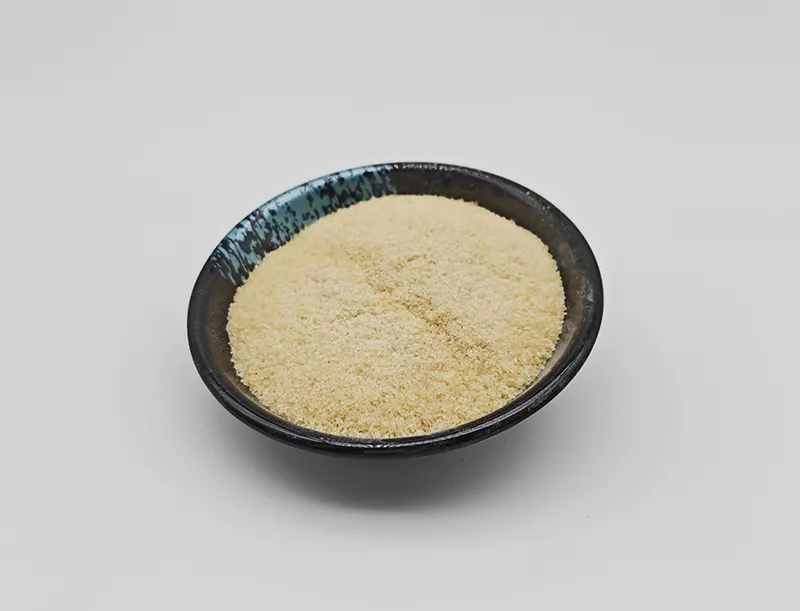
Yes, but you must account for bloom strength and hydration. Sheets are pre-hydrated uniformly; powder requires blooming in cold water. Use the weight-based conversion (6 sheets ≈ 10 g powder) and adjust liquid content if needed.
Check the bloom value on the package. For example, 6 sheets of 160 Bloom gelatin have less gelling power than 6 sheets of 200 Bloom. To match, use a conversion factor: multiply the sheet weight by (sheet bloom / powder bloom). A supplier like Beyond Biopharma can provide exact equivalency data.
Yes. Fish gelatin typically has a lower bloom (150–250) and sets at lower temperatures. The weight conversion remains similar, but the gel texture and melting point differ. For applications requiring a clean melt, fish gelatin is often preferred. Beyond Biopharma offers both bovine and fish gelatin options.
Store both in a cool, dry place away from direct sunlight. Sheets are more sensitive to humidity. Keep them in an airtight container. Powdered gelatin has a longer shelf life if moisture is kept below 14%. Always check the expiration date and COA.
Yes. For vegan or allergen-free formulations, consider plant protein peptides such as pea or rice protein hydrolysates. These do not gel like gelatin but can provide texture and binding. Beyond Biopharma supplies plant protein peptides for nutraceutical and food applications.
If you are sourcing gelatin for your bakery, supplement, or pharmaceutical products, we invite you to contact Beyond Biopharma. Please provide the following details so we can send you free samples and a tailored quote:
Our team will match your requirements with the right product, whether it is edible gelatin, pharmaceutical gelatin, or collagen peptides. We support custom bulk supply and formulation/OEM services. With 10+ years of experience and exports to 50+ countries, Beyond Biopharma is your reliable partner for consistent, high-quality gelatin ingredients.
Remember, converting 6 gelatin sheets to powder is straightforward when you know the bloom and weight. For precise results, always test with your specific ingredients. Contact Beyond Biopharma today to get started.

We provide you with comprehensive foreign trade solutions to help enterprises achieve global development
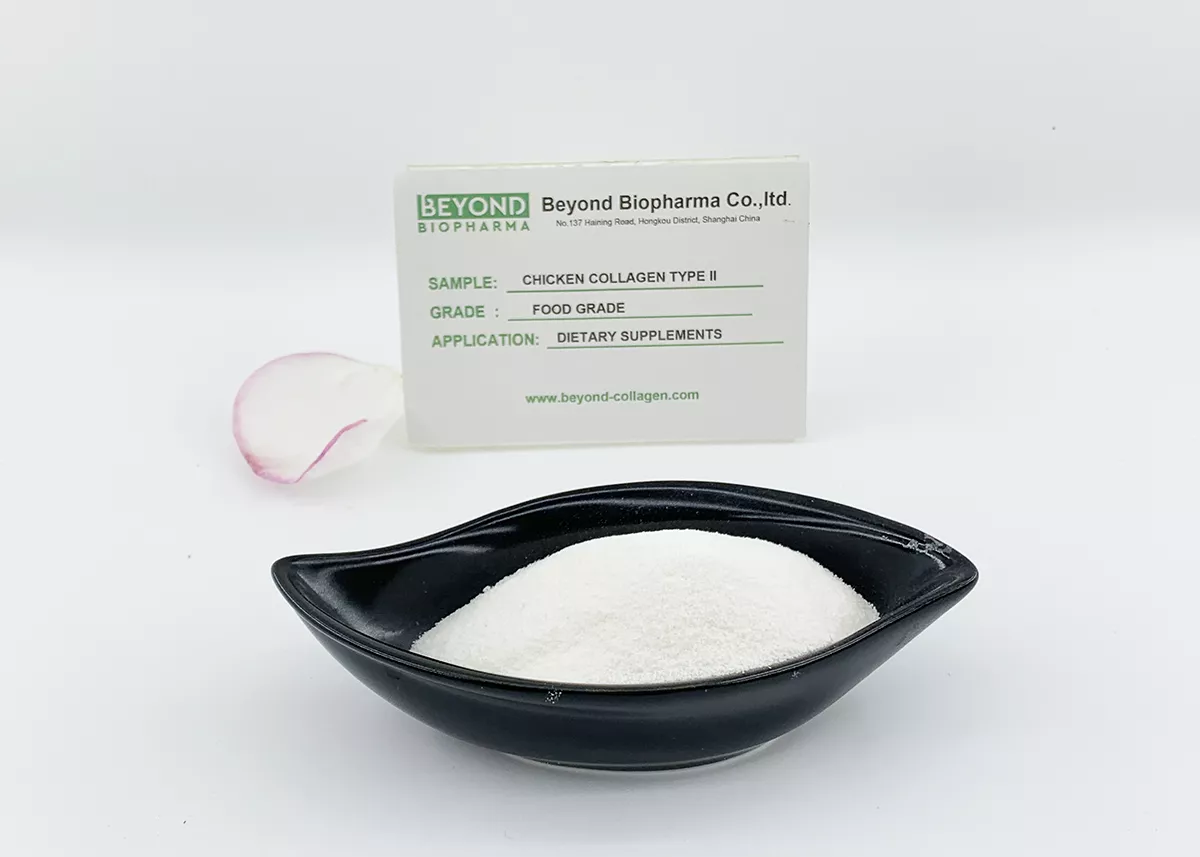
BEYOND BIOPHARMA is a specialized manufacturer of high-quality Undenatured Collagen Type II. Utilizing low-temperature, non-enzymatic extraction methods, our Undenatured Collagen Type II retains its native, triple-helix structure, essential for modulating the immune system's response to joint health and providing superior support for mobility, flexibility, and overall joint comfort.
Stability, Swallowing Enhancement, and Controlled Release
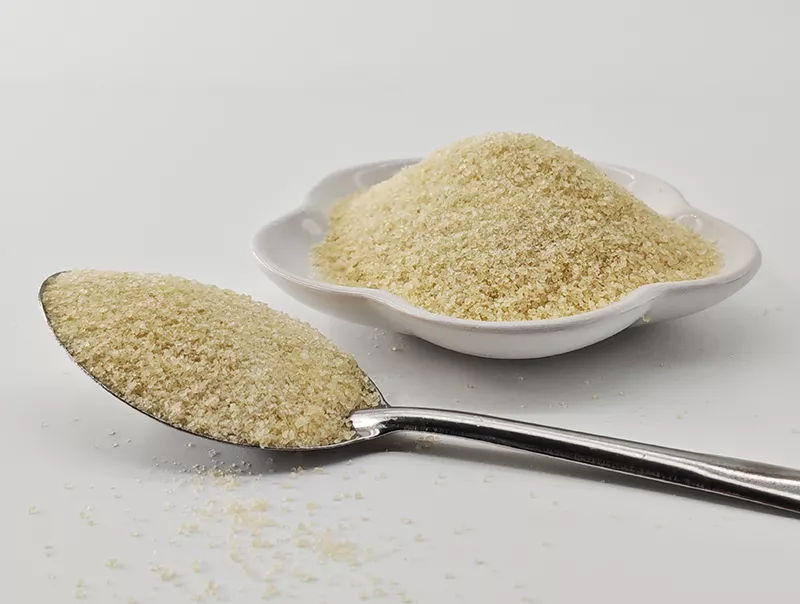
The High-Performance Barrier for Core Material Protection and Controlled Release.
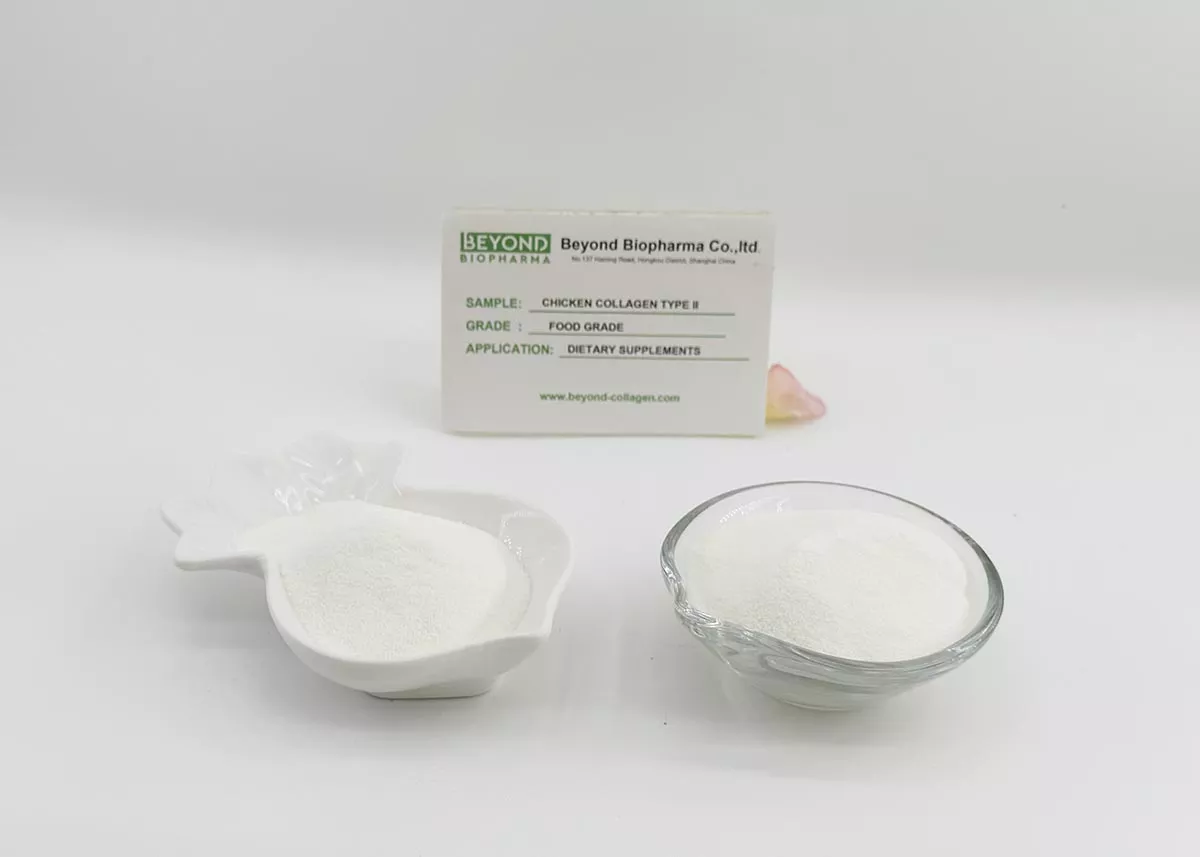
BEYOND BIOPHARMA is a specialized manufacturer of highly purified Hydrolyzed Collagen Type II. Through advanced enzymatic hydrolysis, we create low-molecular-weight collagen peptides that are highly bioavailable, offering foundational nutritional support for cartilage repair, joint function, and skin health. Our product is designed for rapid absorption and maximum efficacy in oral supplements.
Select the most popular foreign trade service products to meet your diverse needs
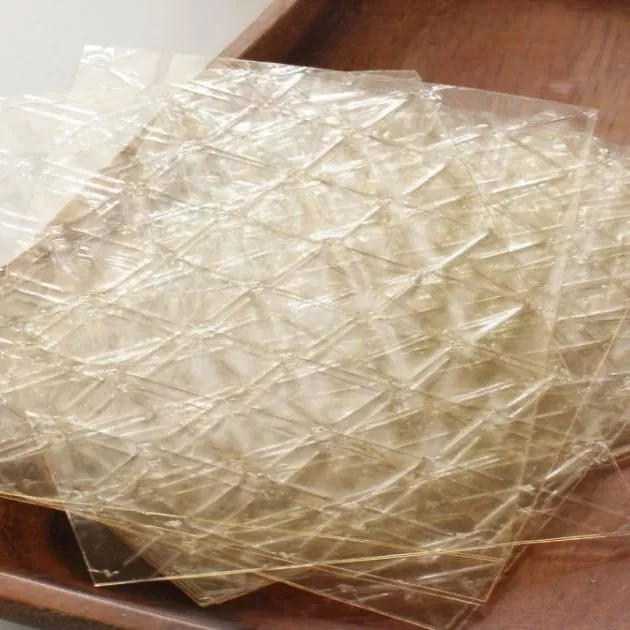
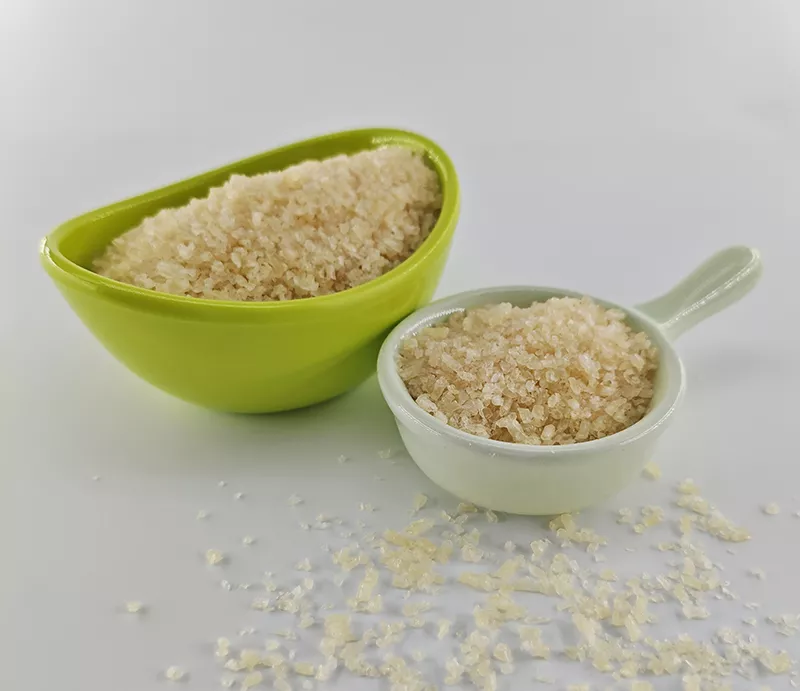
Our Gelatin Sheets are produced to precise standards, ensuring consistency and reliability across different Bloom grades (Silver being the most common professional choice).
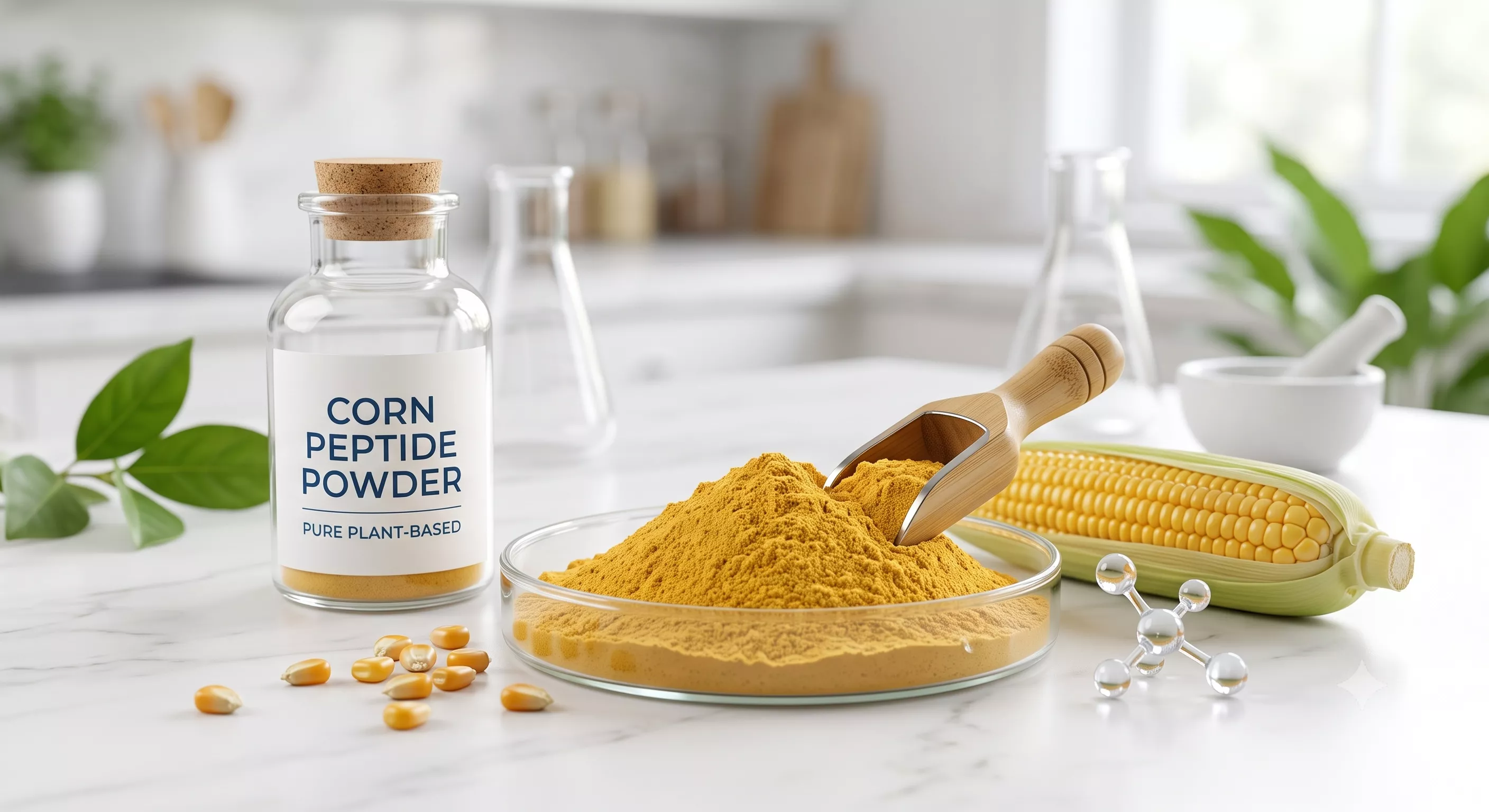
Source high-purity wholesale hydrolyzed corn protein peptide powder in bulk. Over 85% oligopeptides under 1000 Da. Rich in Alanine and Leucine for liver support and sobriety formulas.
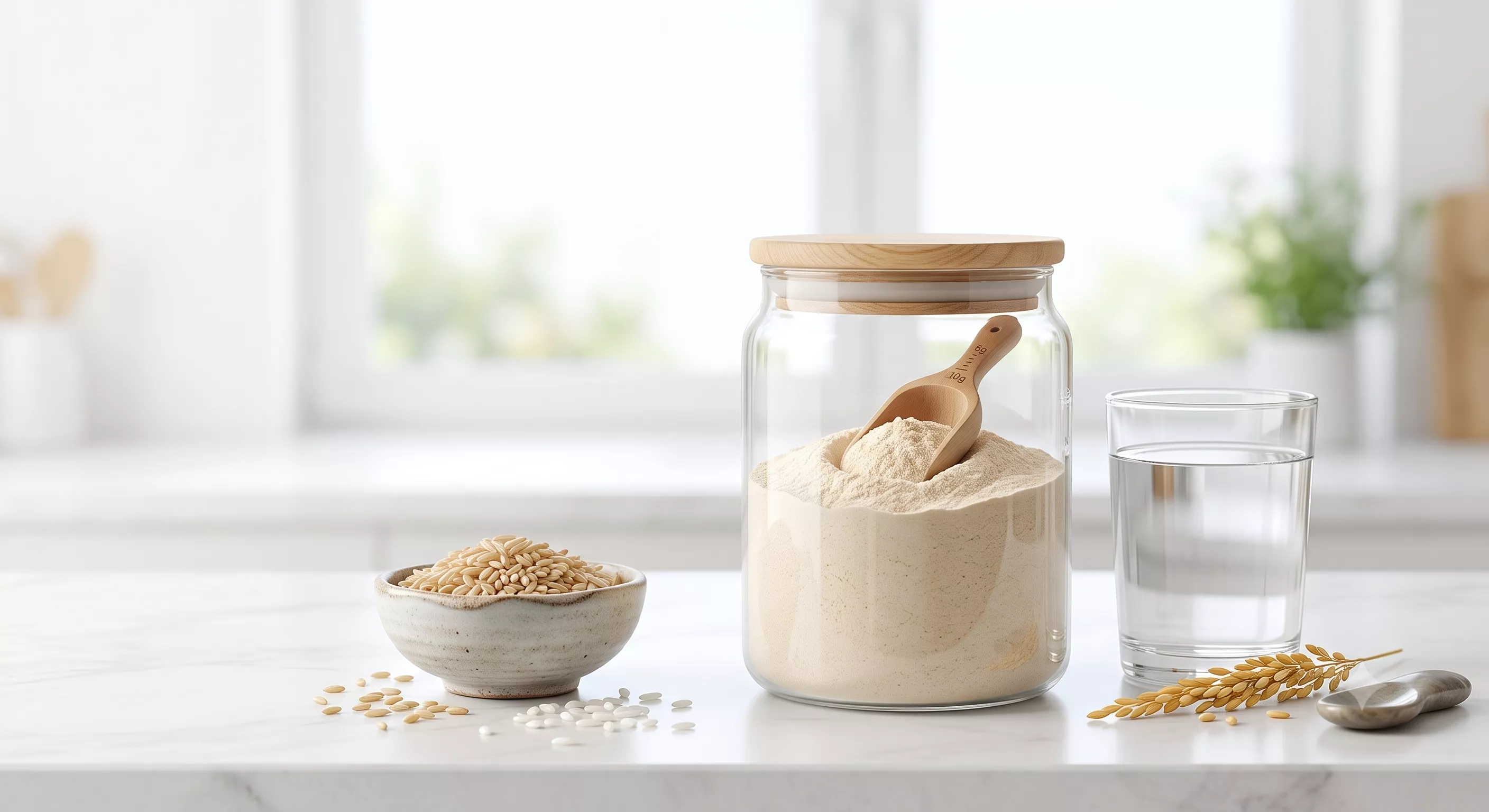
Source ultra-pure, 100% water-soluble wholesale hydrolyzed rice protein peptide in bulk. Over 85% molecules under 1000 Da. Ideal for infant nutrition, clean-label sports formulas, and sensitive skincare.
Tel:+86 21 65010906
Cell/Whatsapp/Wechat:
+86 13482884055
+86 18657345785
Email: sales@beyondbiopharma.com





User Comments
Service Experience Sharing from Real Customers
Megan
Pastry ChefAs someone who's been baking professionally for 8 years, I've always struggled with gelatin sheet conversions. This guide saved me so much time during a busy wedding season. The explanation was crystal clear—no pun intended! I actually keep it bookmarked on my kitchen tablet.
Leo
Home BrewerOkay, I'll admit I was totally winging it before finding this. Trying to clarify my homemade mead and was guessing with gelatin sheets from a European recipe. The powder equivalent worked perfectly and my batch is noticeably clearer. One star off because I wish there was a quick print button!
Chloe
Science TeacherUsed this for a food chemistry demo with my high school students! They loved seeing the practical math application. The conversion was spot-on when we tested both forms in gummy bear experiments. Real-world math that doesn't feel like homework—major win.
Raj
Food BloggerHonestly thought I'd mess this up—my last panna cotta was a disaster with sheets! Followed this to the letter for my mango dessert recipe post and the texture was restaurant-quality. Readers asked for the conversion tip in the comments. Lifesaver for us visual learners who need exact measurements!