 English EN


Bovine gelatin pros and cons everyone should know
Bovine gelatin offers strong gelling and health benefits but has dietary, ethical, and allergen concerns. Compare bovine gelatin to other gelatin options here.
More
Sourcing the right gelatin form can be a real headache for purchasing managers and product developers. Whether you are formulating gummies, hard capsules, or plant-based alternatives, understanding how to convert gelatine leaves to gelatin powder ensures batch consistency, proper bloom strength, and cost efficiency. This guide covers the conversion math, application-specific selection, and how Beyond Biopharma supports your bulk supply needs.
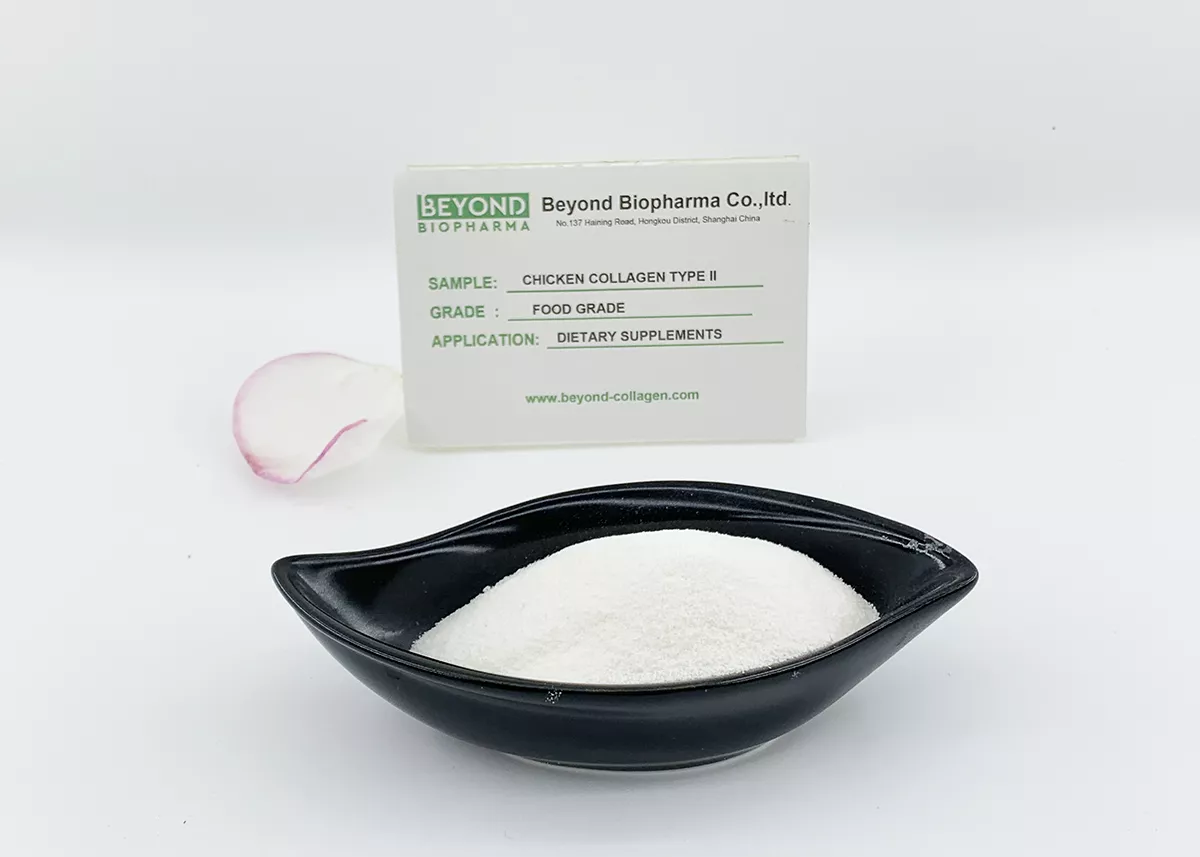
The standard conversion is simple: one sheet of gelatine leaf (typically 2 g per sheet, 200 Bloom) equals approximately 2 g of gelatin powder. However, bloom strength varies. A 200-Bloom leaf matches a 200-Bloom powder. If your powder has a different bloom value, adjust the weight accordingly. For example, if your recipe calls for 10 sheets (20 g) of 200-Bloom leaf, use 20 g of 200-Bloom gelatin powder. Always check the bloom specification on your Certificate of Analysis (COA).
Bloom strength measures gel firmness. A higher bloom (e.g., 250 g) produces a firmer gel than a lower bloom (e.g., 150 g). When converting, match bloom values. If you substitute a 200-Bloom leaf with a 250-Bloom powder, you need less powder to achieve the same firmness. A general rule: reduce powder weight by about 10–15% per 50-bloom increase. For precise results, request a sample and run a small test batch. Beyond Biopharma provides free samples with full COA data.
| Gelatine Leaves (sheets) | Weight per Sheet (g) | Total Weight (g) | Equivalent Gelatin Powder (g) |
|---|---|---|---|
| 1 | 2 | 2 | 2 |
| 5 | 2 | 10 | 10 |
| 10 | 2 | 20 | 20 |
| 20 | 2 | 40 | 40 |
Note: This assumes 200 Bloom for both forms. Typical industry range; final values per COA / sample.
When sourcing gelatin powder as a direct substitute for leaves, check these parameters:
| Parameter | Typical Range | Common Application |
|---|---|---|
| Bloom Strength | 50–300 g | Pharma/gummies: 150–260 Bloom |
| Viscosity | 2.0–5.5 mPa·s | Softgels: higher viscosity |
| Mesh Size | 8–60 mesh | Powder for direct dissolution |
| Moisture | ≤14% | All grades |
Typical industry range; final values per COA / sample.
Gelatin powder offers better scalability and cost savings for commercial production. Here is how it fits into key industries:
Based in Shanghai, China, Beyond Biopharma is a manufacturer of collagen peptides, gelatin, and plant protein peptides. With over 10 years of experience, we export to 50+ countries. Our facility produces approximately 3,000 MT/year of collagen and 5,000 MT/year of gelatin. We operate a fully automatic production line with GMP clean workshop, stainless-steel sealed piping, and automated temperature/pH control. Our certifications include ISO 9001, US FDA registration, and select products carry Halal/Kosher certification (e.g., fish gelatin). Bovine bone gelatin is BSE-free. We have an in-house lab for heavy-metal and microbiological testing, plus a dedicated QA/QC team.
Our product lines include pharmaceutical gelatin for tablet coating, gelatin for micro-encapsulation, and joint health ingredients like food-grade hyaluronic acid powder. We offer free samples and formulation support across three grades: food, pharmaceutical, and cosmetic.
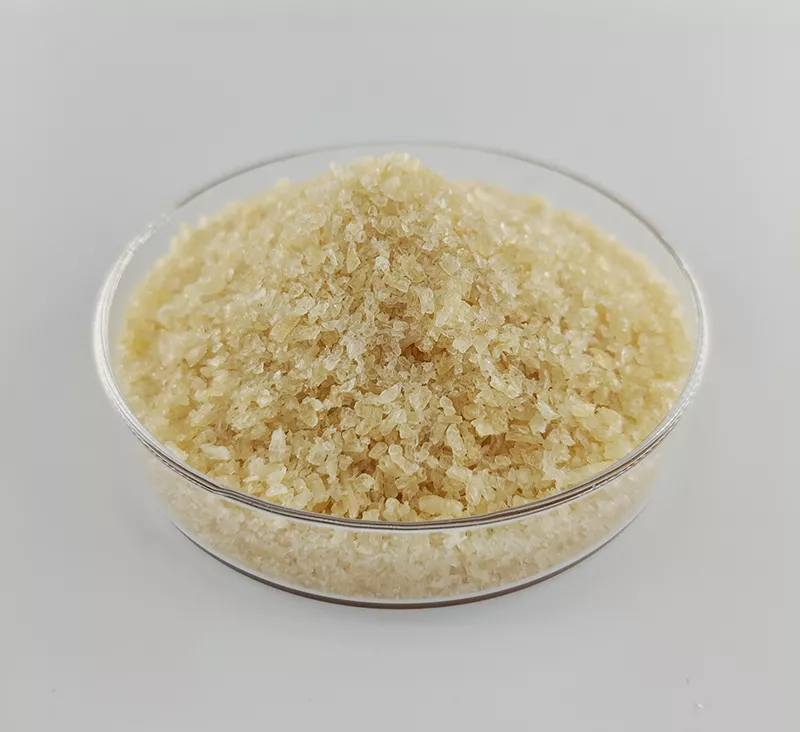
Q: Can I use gelatin powder directly in recipes that call for leaves?
Yes, but you must hydrate it in cold water first. Use a 1:5 ratio of powder to water. Let it bloom for 5–10 minutes, then dissolve gently.
Q: Does the conversion ratio change for different bloom strengths?
Yes. A higher-bloom powder requires less weight to achieve the same gel firmness. Always match bloom values or adjust using the 10–15% rule per 50-bloom difference.
Q: What is the shelf life of gelatin powder compared to leaves?
Both have similar shelf lives (2–3 years) when stored in a cool, dry place. Powder may clump if exposed to humidity, so use airtight packaging.
Q: Which gelatin source is best for vegan or allergen-free formulations?
Plant protein peptides (pea, rice, soy) are ideal. They are allergen-free and vegan. Beyond Biopharma offers plant protein peptides as a direct alternative.
Q: Do you provide free samples for testing conversion accuracy?
Yes. Beyond Biopharma offers free samples with full COA data. Contact us with your application, required grade, and target specs.
Q: Can I get a custom blend of gelatin powder for my product?
Absolutely. We support custom bulk supply and formulation/OEM. Provide your target bloom, mesh, and certifications, and we will tailor a solution.
Ready to convert gelatine leaves to gelatin powder for your production? Tell us your application, required grade (food, pharmaceutical, or cosmetic), quantity/MOQ, target specs (bloom, mesh, molecular weight, certifications), and destination country. Beyond Biopharma will send free samples and a competitive quote. Contact us today to streamline your sourcing.

We provide you with comprehensive foreign trade solutions to help enterprises achieve global development
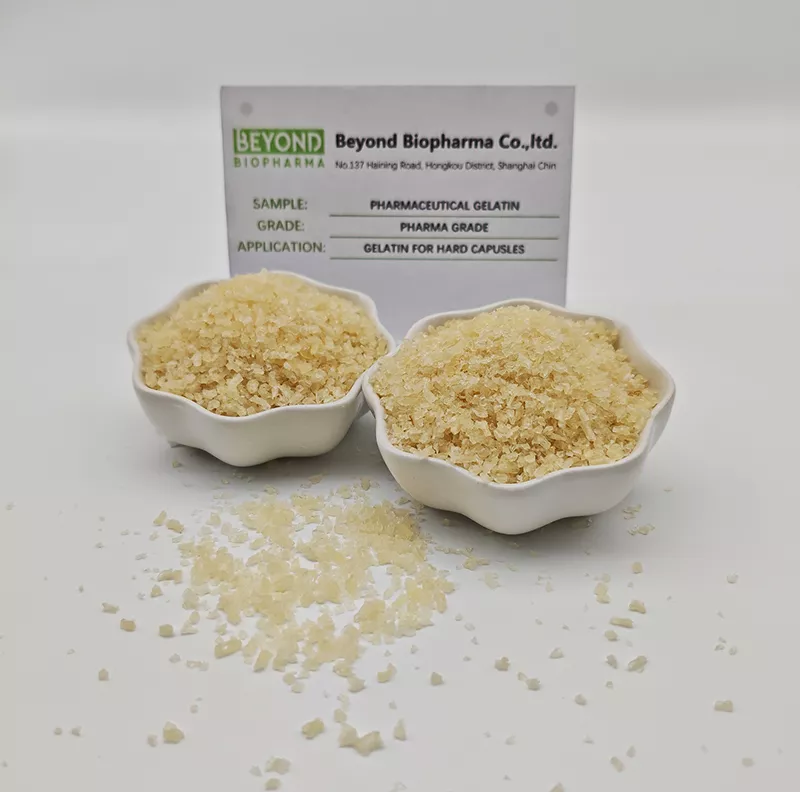
Precision, Purity, and Optimal Machinability
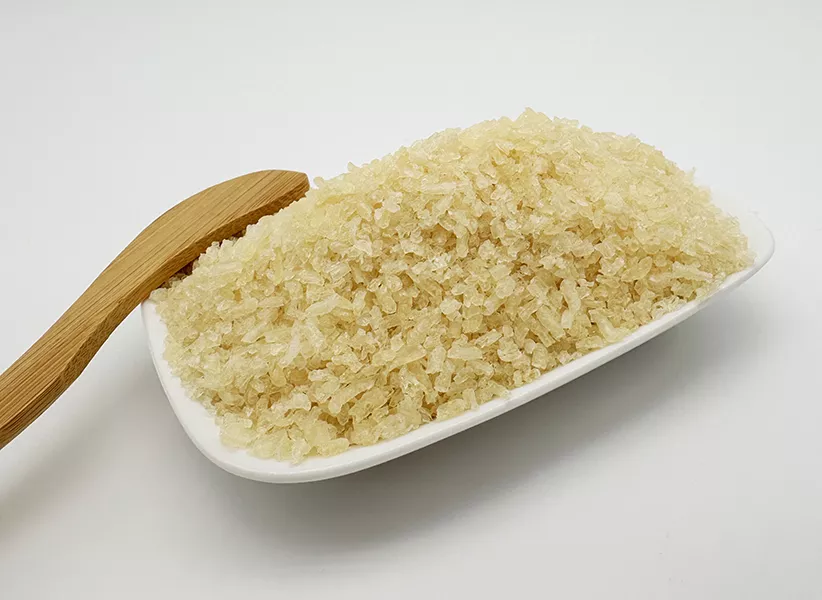
Source ultra-pure, 100% water-soluble wholesale hydrolyzed rice protein peptide in bulk. Over 85% molecules under 1000 Da. Ideal for infant nutrition, clean-label sports formulas, and sensitive skincare.
Our Bovine Hides Gelatin is engineered for versatility and compliance, ensuring performance across various applications.
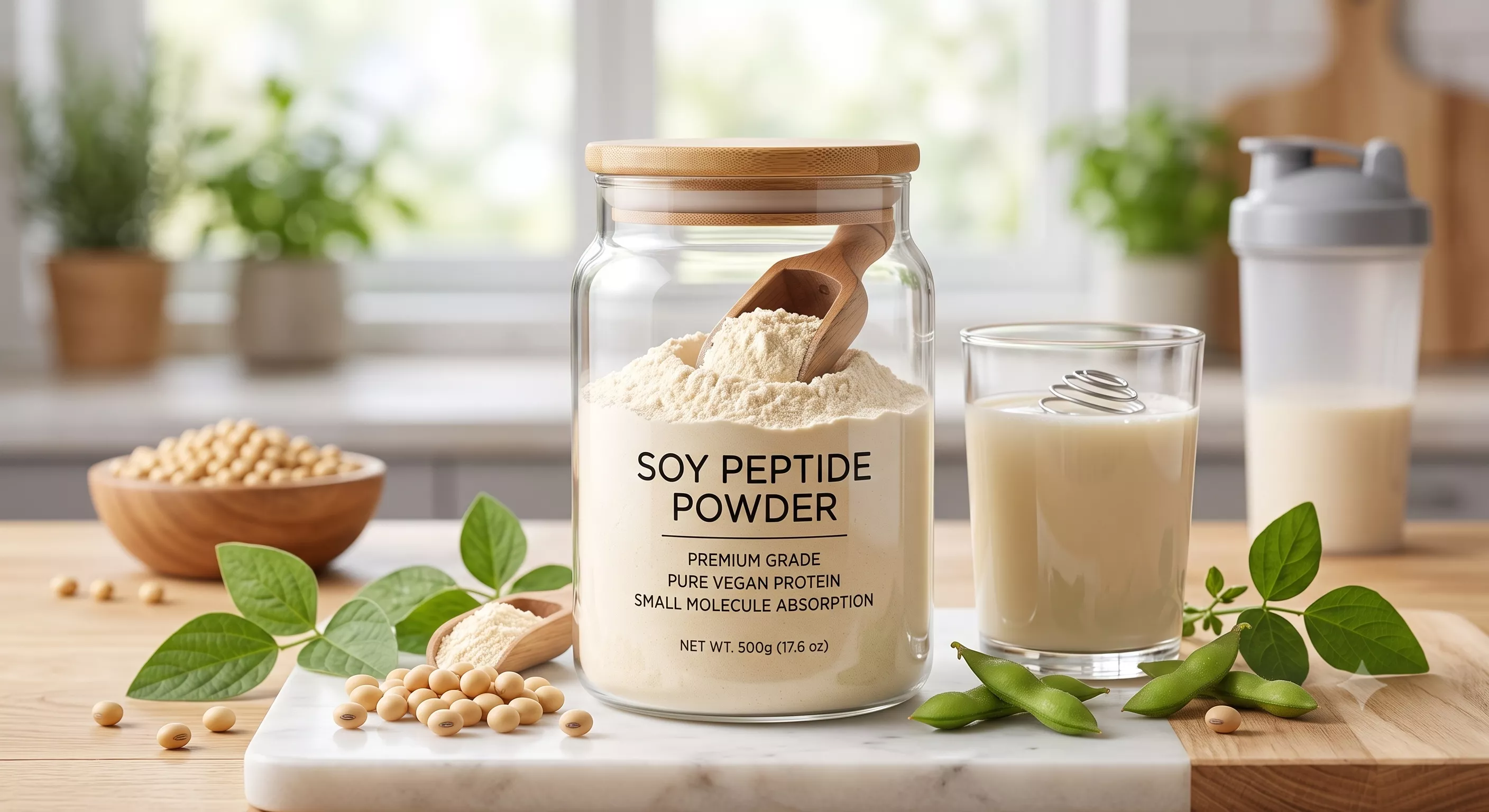
Source ultra-pure, non-GMO hydrolyzed soybean oligopeptide powder in bulk. Complete water solubility, over 80% peptides under 1000 Da. Ideal for sports nutrition and immune recovery formulas.
Select the most popular foreign trade service products to meet your diverse needs
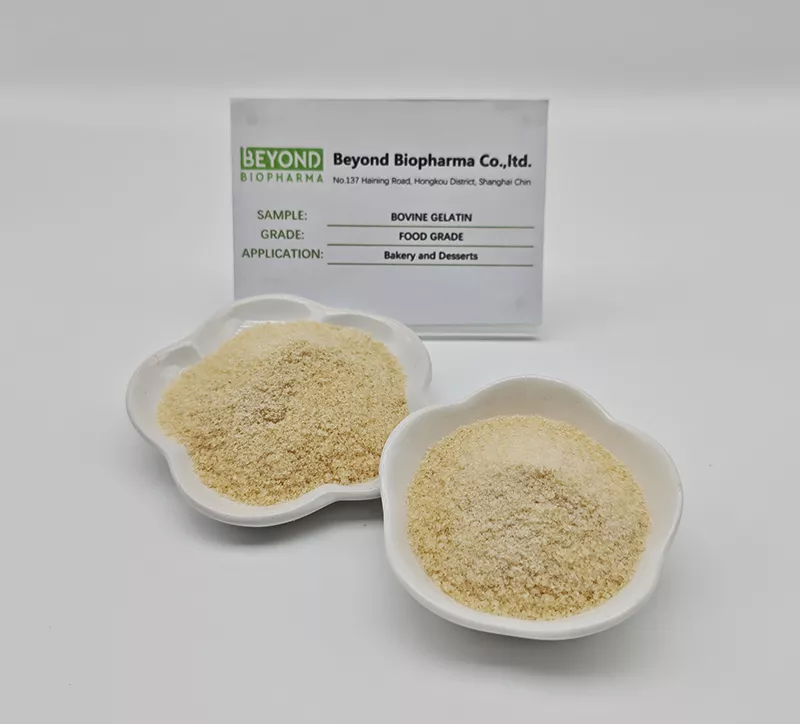
20 years experiences, 5000 ton/year capacity, Sustained supply with stable quality
Our Bovine Hides Gelatin is engineered for versatility and compliance, ensuring performance across various applications.
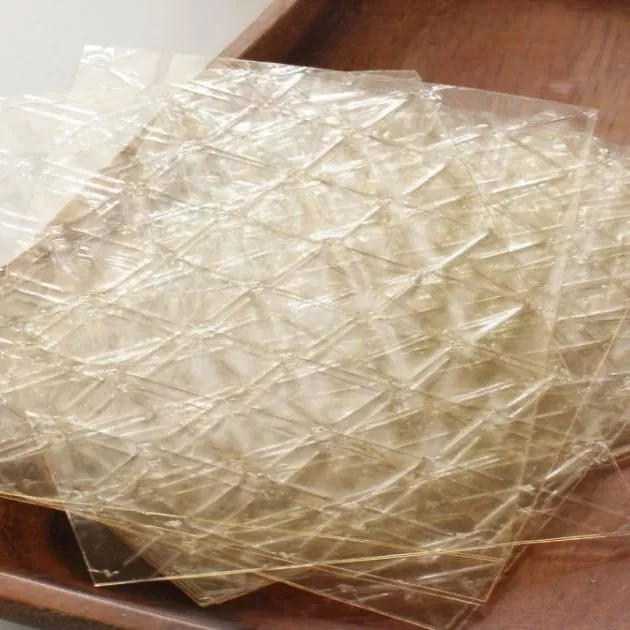
Our Gelatin Sheets are produced to precise standards, ensuring consistency and reliability across different Bloom grades (Silver being the most common professional choice).
Tel:+86 21 65010906
Cell/Whatsapp/Wechat:
+86 13482884055
+86 18657345785
Email: sales@beyondbiopharma.com





User Comments
Service Experience Sharing from Real Customers
Megan
Pastry ChefAs a professional baker, I've tried countless gelatin substitutes. Converting gelatine leaves to powder used to be a guessing game for me until I found this guide. The conversion chart is spot-on – my panna cotta now sets perfectly every single time. No more wobble disasters!
Leo
Home CookHonestly, I was skeptical. My grandma always used leaves and I messed up my first attempt with powder. This ratio guide saved my holiday cheesecake! It's not 100% foolproof (different brands vary a bit), but it got me 90% there. My family didn't notice the switch – huge win.
Chloe
Food Science StudentFor my thesis project on texture modifiers, this was a goldmine. The explanation of bloom strength differences between leaf and powder gelatin is clearer than my textbook's. I've bookmarked this and cited it in three reports already. Practical, accurate, and actually readable.
Raj
Catering ManagerWe switched to powder for cost reasons and the team was struggling. This guide gave us a reliable starting point. After some tweaks for our specific recipes, consistency improved dramatically. One star off because I wish it had more trouble-shooting tips for high-acid applications.