 English EN


Gelatin sheet vs powder what science says in 2026
Gelatin sheet offers chefs better clarity, smooth texture, and consistent results than powdered gelatin, making it the top choice for desserts in 2026.
More
Converting gelatin sheets to powder is a common task for bakers and food manufacturers who need consistent gel strength and solubility. This guide explains the conversion ratio, bloom value adjustments, and practical steps to ensure batch uniformity. Whether you are sourcing edible gelatin for gummies or pharmaceutical gelatin for capsules, understanding this conversion helps avoid texture failures and production delays.
Gelatin sheets and powder both serve the same purpose—they provide gelling, thickening, and stabilizing properties. But they are not interchangeable without a proper conversion. Sheets have a standardized bloom strength, while powder grades vary. For overseas buyers, especially purchasing managers and R&D teams, knowing how to convert gelatin sheets to powder ensures your final product meets specification every time.
The general rule is that one gelatin sheet (typically 2–3 grams, depending on brand) equals about 1 teaspoon of powdered gelatin. However, this is a rough estimate. The accurate conversion depends on the bloom value—the measure of gel strength. Most commercial gelatin sheets have a bloom of around 200–250 grams. Powdered gelatin commonly ranges from 100 to 300 bloom. To convert gelatin sheets to powder precisely, you must match the bloom strength.
For example, if a recipe calls for 10 grams of sheet gelatin at 200 bloom, you need 10 grams of powdered gelatin at the same bloom. If your powder has a different bloom, adjust the weight using this formula: (sheet bloom ÷ powder bloom) × sheet weight = powder weight. This ensures the gel sets with the same firmness.
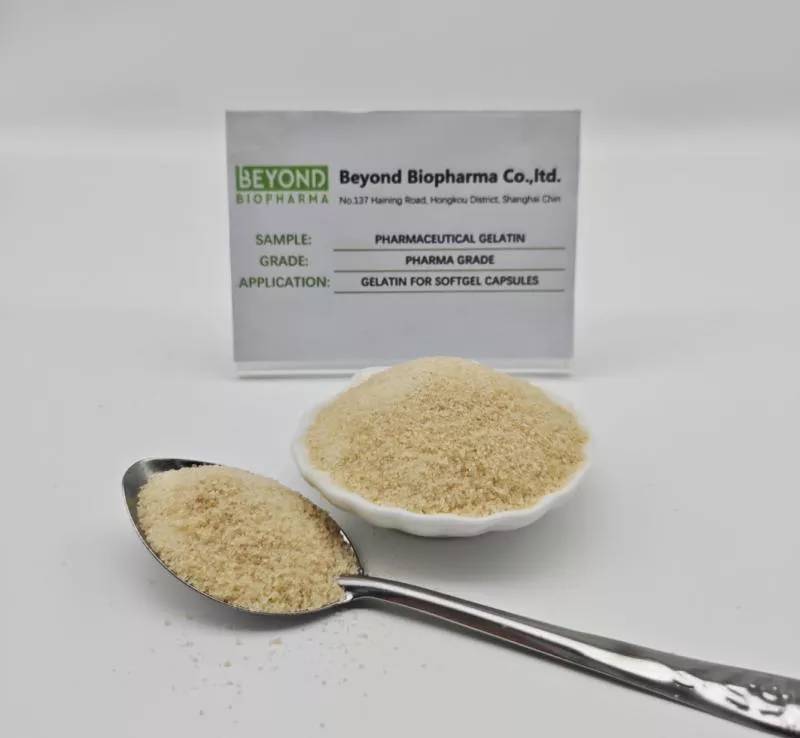
Bloom is the standard industry measure of gelatin's gel strength. Higher bloom means a firmer gel. When you convert gelatin sheets to powder, ignoring bloom leads to either a rubbery texture or a weak set. For food applications like gummies and jellies, a bloom of 150–260 is typical. For pharmaceutical hard capsules, higher bloom (200–300) is preferred. For softgels, ultra-high viscosity gelatin is used.
Always check the Certificate of Analysis (COA) from your supplier. At Beyond Biopharma, we provide detailed COAs for our edible gelatin and pharmaceutical gelatin lines, so you can match bloom exactly.
Follow these steps for a reliable conversion:
This method works for all grades, including bovine, porcine, and fish gelatin. For plant-based alternatives, note that plant protein peptides do not gel the same way, so conversion is not applicable.
| Parameter | Gelatin Sheets | Gelatin Powder |
|---|---|---|
| Bloom (g) | 200–250 (typical industry range) | 50–300 (typical industry range) |
| Viscosity (mPa·s) | 2.0–5.5 (typical industry range) | 2.0–5.5 (typical industry range) |
| Mesh size | N/A (sheet form) | 8–60 (typical industry range) |
| Moisture | ≤14% (typical industry range) | ≤14% (typical industry range) |
Note: These are typical industry ranges. Final values per COA or sample.
Choosing between sheets and powder depends on your application:
Beyond Biopharma is a Shanghai-based manufacturer with over 10 years of experience in the food-ingredient industry. We export to 50+ countries. Our facility produces approximately 3,000 MT/year of collagen peptides and 5,000 MT/year of gelatin. We operate a fully automatic production line with GMP clean workshops, stainless-steel sealed piping, and automated temperature/pH control.
We hold ISO 9001 certification, are US FDA registered, and maintain GMP clean workshops. Select products carry Halal and Kosher certification (e.g., fish gelatin). Our bovine bone gelatin is BSE-free. We have an in-house lab for heavy-metal and microbiological testing, with a dedicated QA/QC team.
Our product lines include edible gelatin (bovine, porcine, fish), pharmaceutical gelatin, collagen peptides, undenatured collagen type II, plant protein peptides, and joint health ingredients like bovine chondroitin sulfate, glucosamine HCl, and hyaluronic acid. We offer free samples and formulation support across food, pharmaceutical, and cosmetic grades.
Yes, but you must adjust for bloom strength. Sheets typically have a standardized bloom around 200–250. Powder can vary. Use the conversion formula to match gel strength. For most recipes, a 1:1 weight swap works if bloom values are similar.
Sprinkle the powder over cold water (about 5–6 times its weight). Let it sit for 5–10 minutes until it blooms. Then gently heat to dissolve. Do not boil, as high heat can degrade the gel strength.
Fish gelatin typically has a lower bloom (150–250) and sets at lower temperatures. The conversion formula still applies. Fish gelatin is also Halal and Kosher certified, making it suitable for clean-label foods.
This usually happens when bloom values are mismatched. Always check the COA from your supplier. If you need a specific texture, request a sample and test the bloom before full production.
No. Gelatin is animal-derived. For vegan formulations, use plant protein peptides or agar-agar. These do not convert directly because their gelling properties differ. Beyond Biopharma offers plant protein peptides for allergen-free applications.
Look for ISO 9001, FDA registration, GMP certification, and Halal/Kosher if required. For bovine gelatin, ensure it is BSE-free. Always request a COA for heavy-metal and microbiological data.
Ready to source high-quality gelatin or collagen peptides for your next project? Contact Beyond Biopharma with your application details, required grade (food, pharmaceutical, or cosmetic), quantity/MOQ, target specs (bloom, mesh, molecular weight, certifications), and destination country. We will send free samples and a competitive quote. Our team supports custom bulk supply and formulation/OEM to meet your exact needs.
Whether you need to convert gelatin sheets to powder for gummies, capsules, or sports nutrition, we have the expertise and capacity to deliver consistent results. Trust Beyond Biopharma for reliable ingredient sourcing.

We provide you with comprehensive foreign trade solutions to help enterprises achieve global development
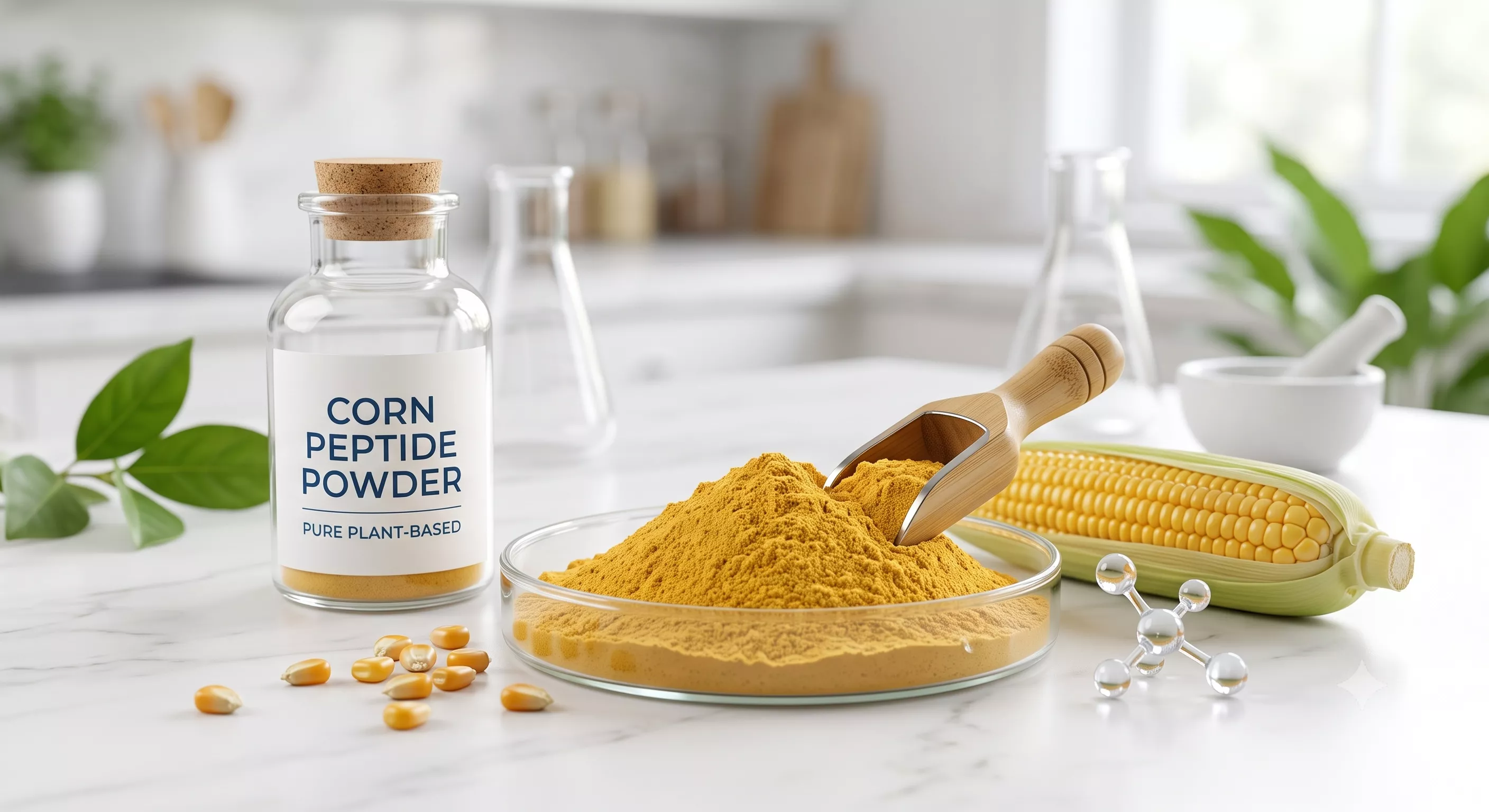
Source high-purity wholesale hydrolyzed corn protein peptide powder in bulk. Over 85% oligopeptides under 1000 Da. Rich in Alanine and Leucine for liver support and sobriety formulas.
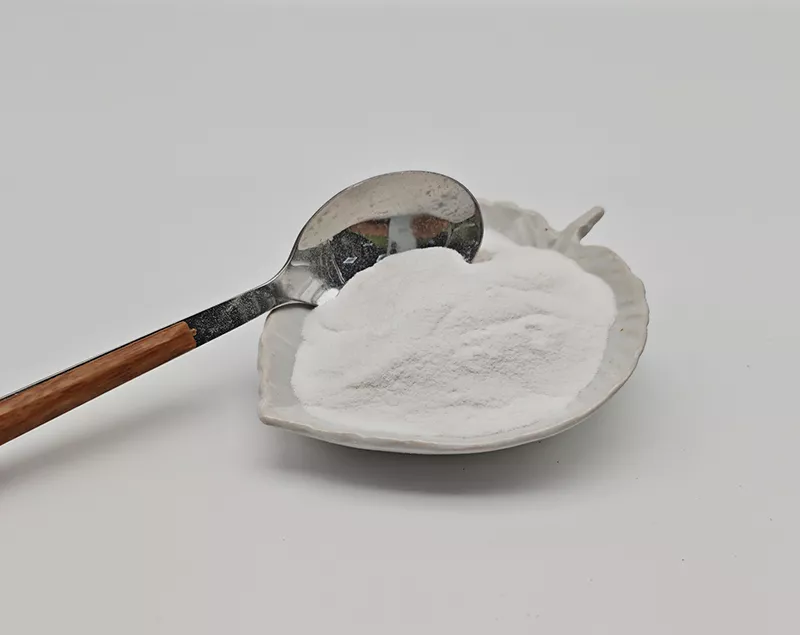
Fish Gelatin for foods is increasingly recognized as the premium alternative to traditional mammalian sources, meeting the growing global demand for clean-label ingredients that align with diverse dietary and religious requirements. Derived from the skin and scales of fish like cod and tilapia, fish gelatin offers unique functional benefits that make it an exceptional gelling, stabilizing, and texturizing agent.
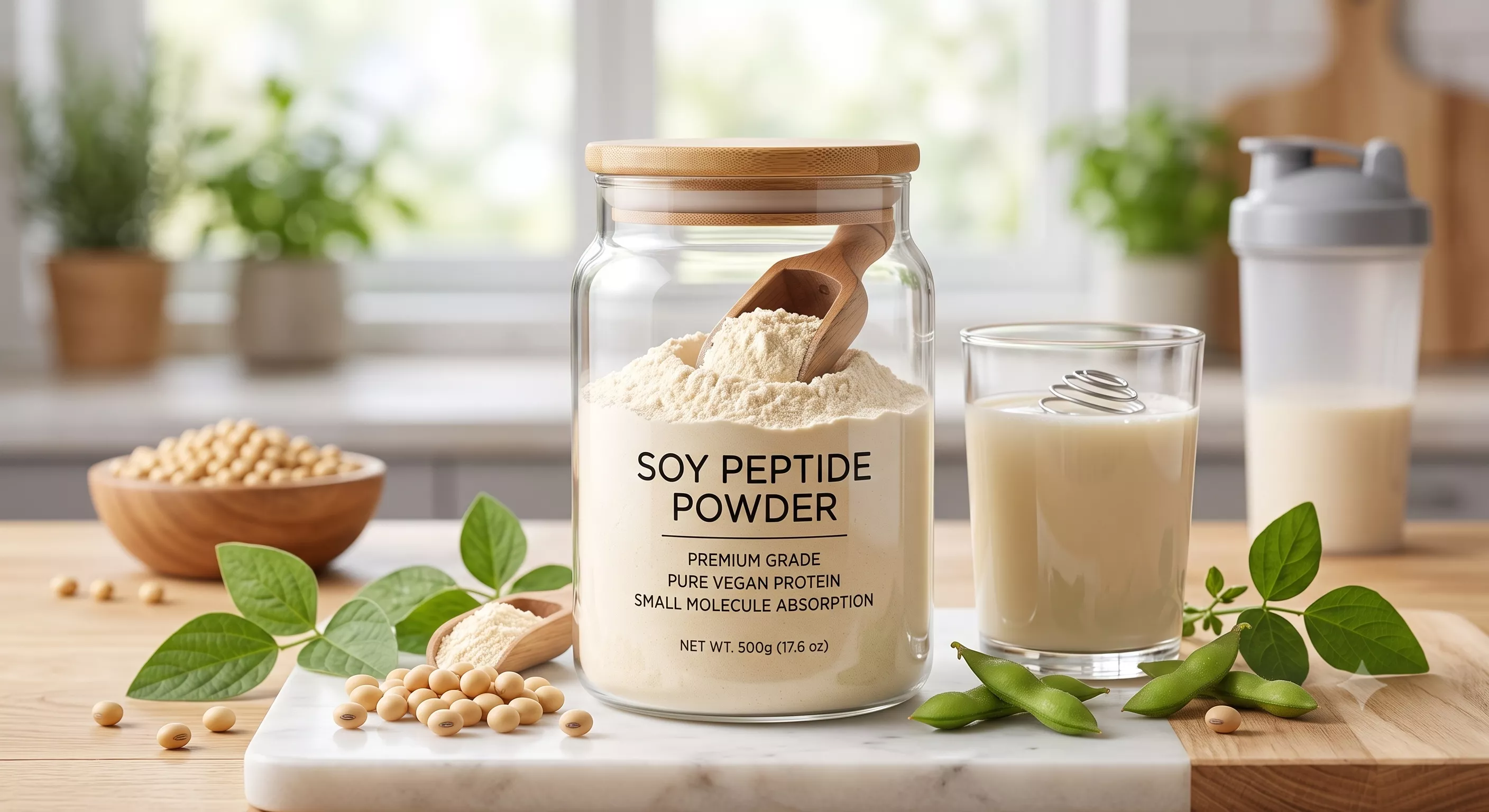
Source ultra-pure, non-GMO hydrolyzed soybean oligopeptide powder in bulk. Complete water solubility, over 80% peptides under 1000 Da. Ideal for sports nutrition and immune recovery formulas.
Source ultra-pure, 100% water-soluble wholesale hydrolyzed rice protein peptide in bulk. Over 85% molecules under 1000 Da. Ideal for infant nutrition, clean-label sports formulas, and sensitive skincare.
Select the most popular foreign trade service products to meet your diverse needs
High Purity and Efficacy for Joint Health Formulations
Softgel encapsulation demands a gelatin with unique physical attributes to perform optimally during the high-speed manufacturing process
The High-Performance Barrier for Core Material Protection and Controlled Release.
Tel:+86 21 65010906
Cell/Whatsapp/Wechat:
+86 13482884055
+86 18657345785
Email: sales@beyondbiopharma.com





User Comments
Service Experience Sharing from Real Customers
Mackenzie
Pastry ChefAs someone who's been using gelatin sheets for years in my patisserie, I was skeptical about switching to powder. This conversion guide was a lifesaver! The measurements were spot-on, and my panna cotta set perfectly. No more fussing with soaking sheets - this has streamlined my prep time significantly.
Jackie
Home BakerHonestly, I had a failed batch of marshmallows before finding this product info. The powder-to-sheet ratio explanation finally made sense! My only gripe is I wish they included more troubleshooting tips for high humidity days. Otherwise, game-changer for my hobby baking.
Jackson
Food Science StudentFor my thesis project on hydrocolloids, having clear conversion metrics between gelatin forms was crucial. This resource provided exactly what lab manuals often gloss over - the practical nuances. The bloom strength comparison chart alone deserves five stars. Super helpful for anyone in food tech!
Jacqueline
Catering ManagerWe switched to powder for cost efficiency during peak season, and wow - what a difference in consistency! The conversion was easier than expected. Lost one star because our first test batch needed slight adjustment for our altitude, but once dialed in, it's been flawless for large-volume production.