 English EN


Gelatin sheet vs powder what science says in 2026
Gelatin sheet offers chefs better clarity, smooth texture, and consistent results than powdered gelatin, making it the top choice for desserts in 2026.
More
Converting sheet gelatin to powder is a common kitchen challenge that affects gelling consistency in everything from panna cotta to pharmaceutical-grade softgels. This guide provides precise conversion ratios, bloom-strength matching, and application-specific tips for food manufacturers, supplement R&D teams, and bakery professionals sourcing edible gelatin or pharmaceutical gelatin in bulk.
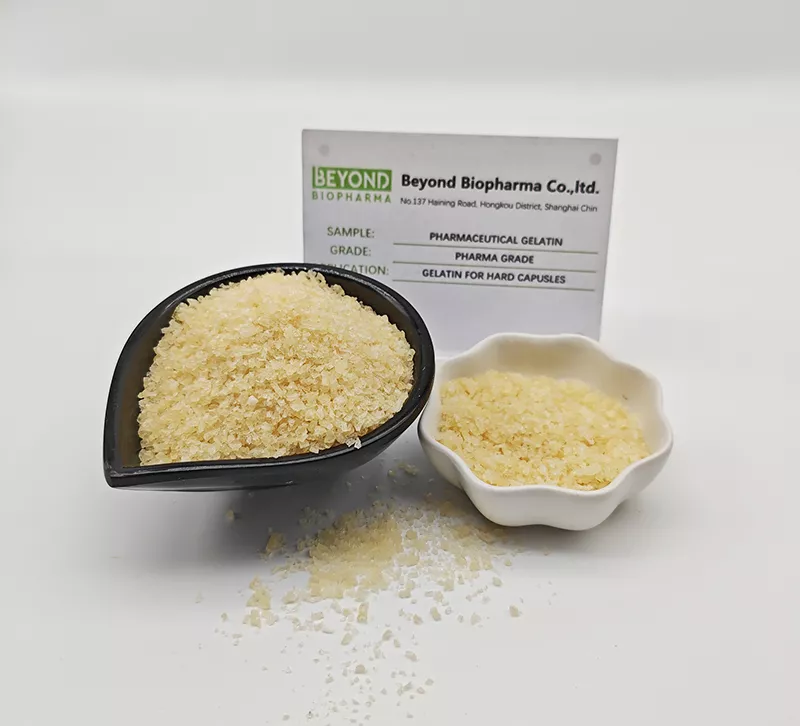
The standard rule: one sheet of gelatin (typically 2 g per sheet, 200 Bloom) equals approximately 1 teaspoon of powdered gelatin (about 2.8 g). However, this varies by sheet weight and bloom strength. Most commercial sheet gelatin is labeled as "gold" (200 Bloom, ~2 g each) or "platinum" (220–240 Bloom, ~1.7 g each). For accurate conversion, always check the bloom value on your sheet gelatin package and match it to the powdered gelatin bloom spec. A mismatch in bloom—the measure of gel strength—will alter set firmness and texture, especially critical in food applications like gummy confections or stabilized mousses.
Bloom strength (measured in grams) determines how firm a gel sets. Sheet gelatin typically ranges from 150 to 250 Bloom, while powdered gelatin spans 50 to 300 Bloom. For pharmaceutical-grade hard capsules, a bloom of 200–260 is standard; for softgels, higher viscosity is needed. If you convert a 200-Bloom sheet to a 150-Bloom powder without adjusting quantity, the final product will be softer. Always request a Certificate of Analysis (COA) from your supplier to confirm bloom, viscosity, and mesh size. Beyond Biopharma offers edible gelatin in bovine, porcine, and fish sources with full spec sheets for batch-to-batch consistency.
Follow these steps for reliable results:
For bulk production, consider using pharmaceutical gelatin powder directly to avoid conversion errors and reduce labor time.
| Parameter | Sheet Gelatin (Typical) | Powdered Gelatin (Typical) |
|---|---|---|
| Bloom strength | 150–250 g | 50–300 g |
| Weight per sheet / tsp | 1.7–3 g per sheet | ~2.8 g per tsp |
| Moisture content | ≤14% | ≤14% |
| Mesh size | N/A (sheet form) | 8–60 mesh |
| Viscosity (mPa·s) | 2.0–5.5 (typical industry range; final values per COA/sample) | 2.0–5.5 (typical industry range; final values per COA/sample) |
Note: These are generic industry ranges. Always verify with your supplier's COA.
The conversion method impacts texture, clarity, and setting time across industries:
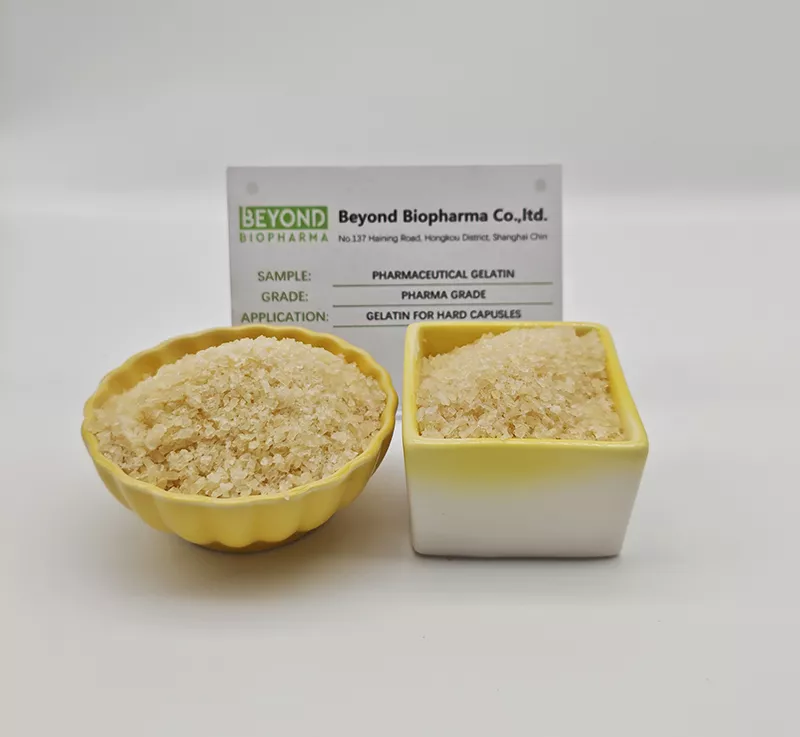
Beyond Biopharma, based in Shanghai, China, has over 10 years of experience manufacturing collagen peptides, gelatin, and plant protein peptides for global buyers. Our facility produces approximately 3,000 MT of collagen and 5,000 MT of gelatin annually, using fully automatic production lines, GMP clean workshops, and stainless-steel sealed piping with automated temperature and pH control. We are ISO 9001 certified, US FDA registered, and offer Halal and Kosher options (e.g., fish gelatin). Our bovine bone gelatin is BSE-free, and our in-house lab conducts heavy-metal and microbiological testing with a dedicated QA/QC team. We provide three grades—food, pharmaceutical, and cosmetic—and support custom bulk supply and formulation/OEM. For buyers needing high-bloom gelatin for hard capsules or food-grade porcine gelatin for gummies, we offer free samples and formulation support.
Approximately 4 standard gold sheets (2 g each) equal 1 tablespoon of powdered gelatin (about 11.2 g). Always weigh for accuracy, as sheet thickness varies by brand.
Yes, but you must adjust bloom strength and hydration method. Powder absorbs water faster and may create a slightly cloudier gel. For clear applications like mirror glazes, sheet gelatin is preferred; for bulk production, powder is more cost-effective.
Gummy candies typically require 200–260 Bloom gelatin for a firm, chewy texture. Lower bloom results in softer gels; higher bloom may cause brittleness. Beyond Biopharma's edible gelatin is available in this range with consistent viscosity.
Fish gelatin typically has a lower bloom (150–200) and melts at a lower temperature. The weight-to-powder ratio remains similar, but you may need 10–15% more fish gelatin to achieve the same firmness as bovine gelatin. Check the COA for exact bloom.
Store in an airtight container in a cool, dry place away from direct sunlight. Powdered gelatin has a shelf life of 2–3 years if moisture content stays below 14%. Avoid humid environments to prevent clumping.
Sheet gelatin is not recommended for capsule production due to inconsistent bloom and viscosity. Use pharmaceutical-grade powdered gelatin with a known bloom (200–240) and viscosity (2.5–5.0 mPa·s) for reliable capsule shell formation.
Whether you are converting sheet gelatin to powder for a new bakery line or sourcing pharmaceutical gelatin for softgel production, Beyond Biopharma can help. Share your application details—required grade (food, pharma, or cosmetic), quantity/MOQ, target specs (bloom, mesh, molecular weight, certifications), and destination country—and we will send free samples and a competitive quote. Our team provides formulation support and custom bulk supply to meet your exact requirements. Contact us today to ensure your next batch sets perfectly.

We provide you with comprehensive foreign trade solutions to help enterprises achieve global development
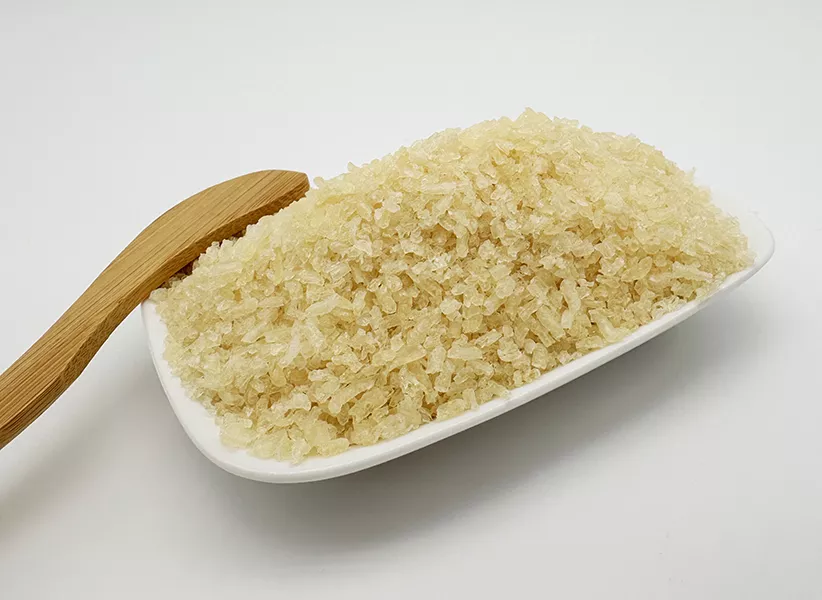
Our Bovine Hides Gelatin is engineered for versatility and compliance, ensuring performance across various applications.
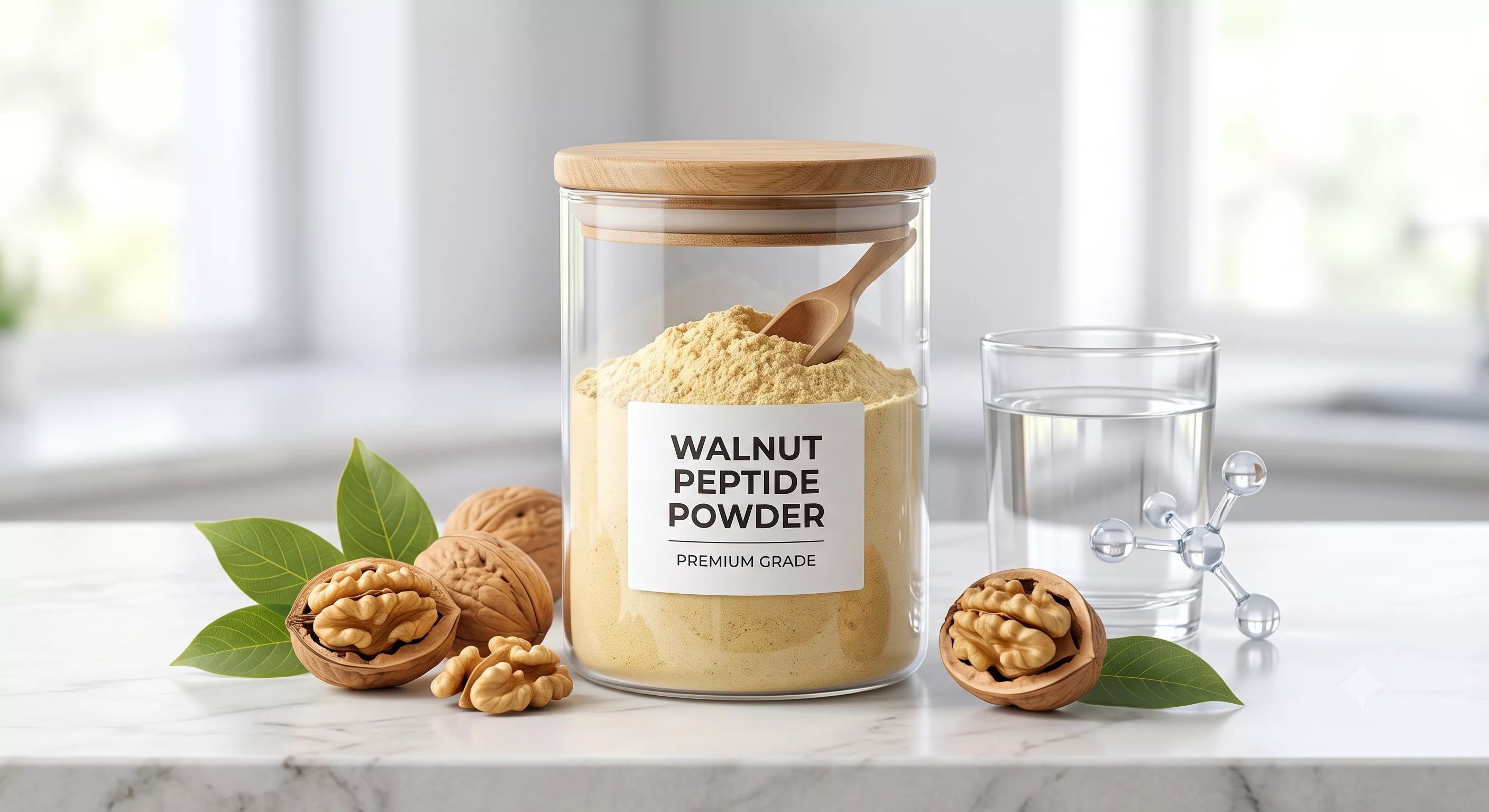
Source wholesale hydrolyzed walnut protein peptide powder in bulk. Over 85% low-molecular-weight oligopeptides rich in Glutamic Acid. Perfect for cognitive formulas and sleep aid supplements.
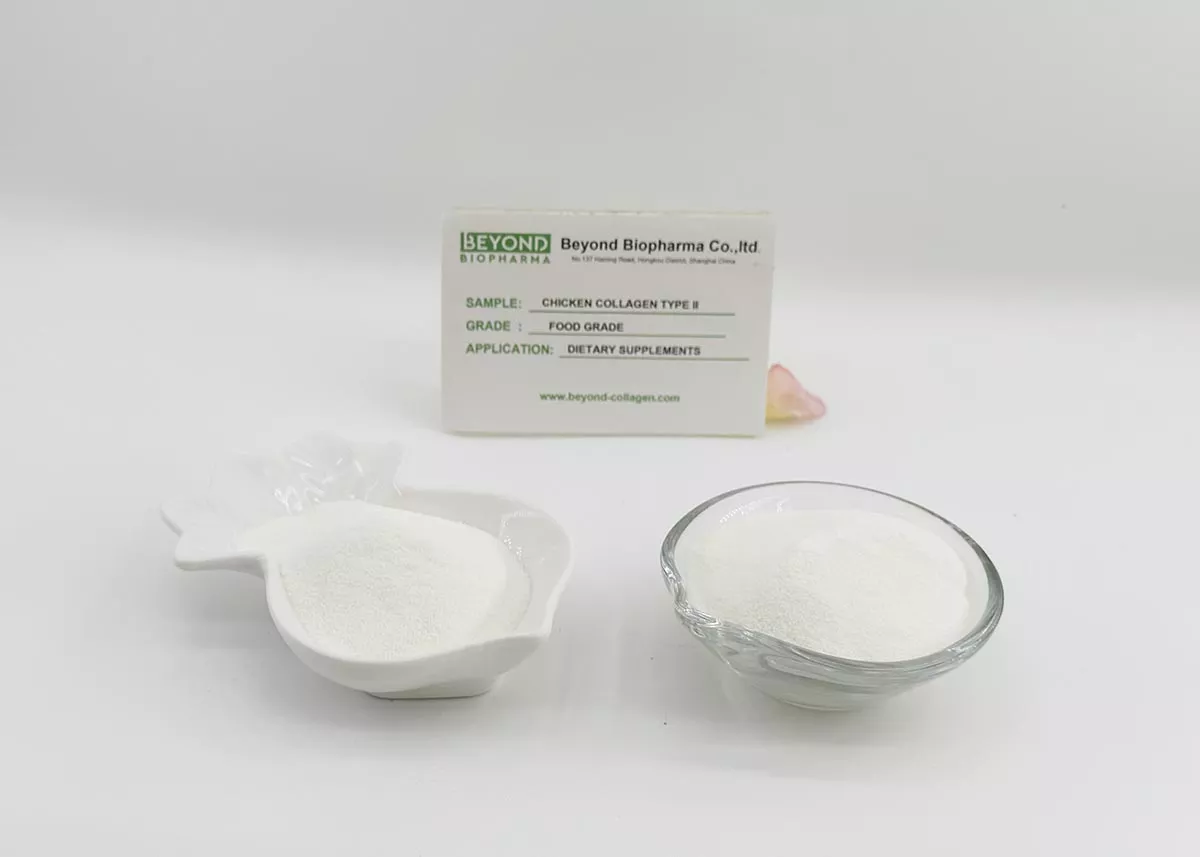
BEYOND BIOPHARMA is a specialized manufacturer of highly purified Hydrolyzed Collagen Type II. Through advanced enzymatic hydrolysis, we create low-molecular-weight collagen peptides that are highly bioavailable, offering foundational nutritional support for cartilage repair, joint function, and skin health. Our product is designed for rapid absorption and maximum efficacy in oral supplements.
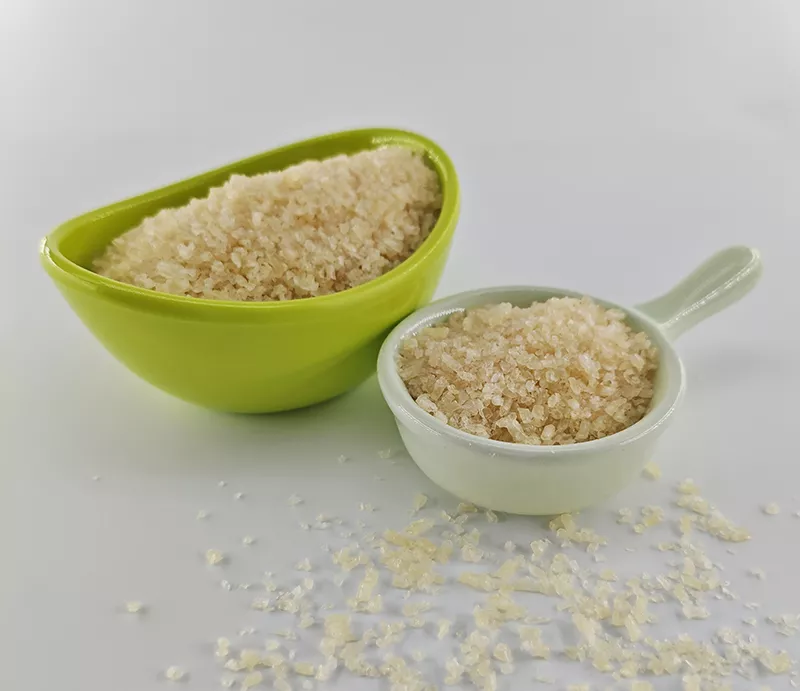
Stability, Swallowing Enhancement, and Controlled Release
Select the most popular foreign trade service products to meet your diverse needs
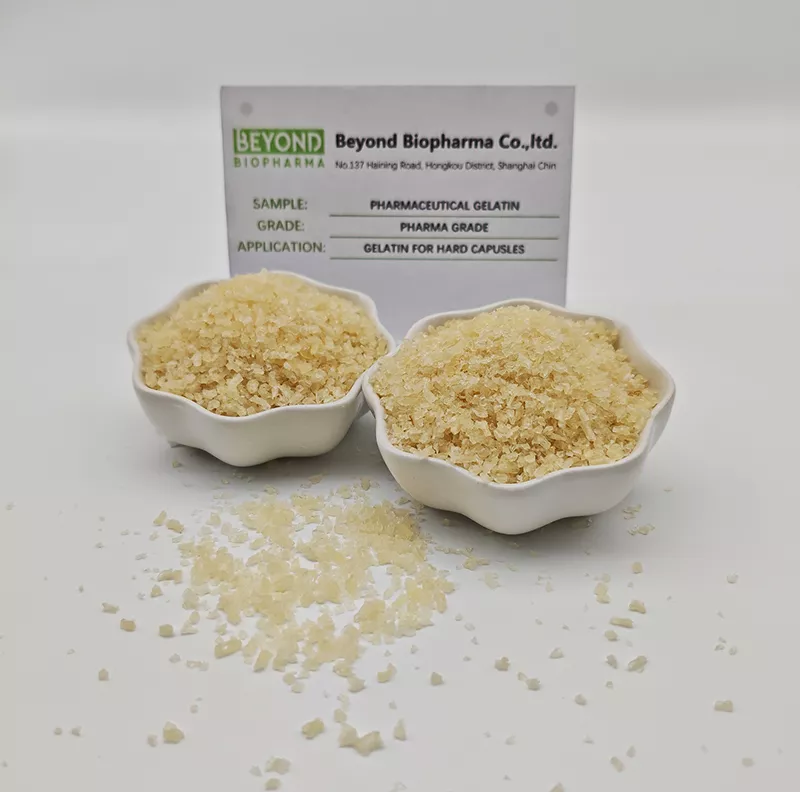
Precision, Purity, and Optimal Machinability
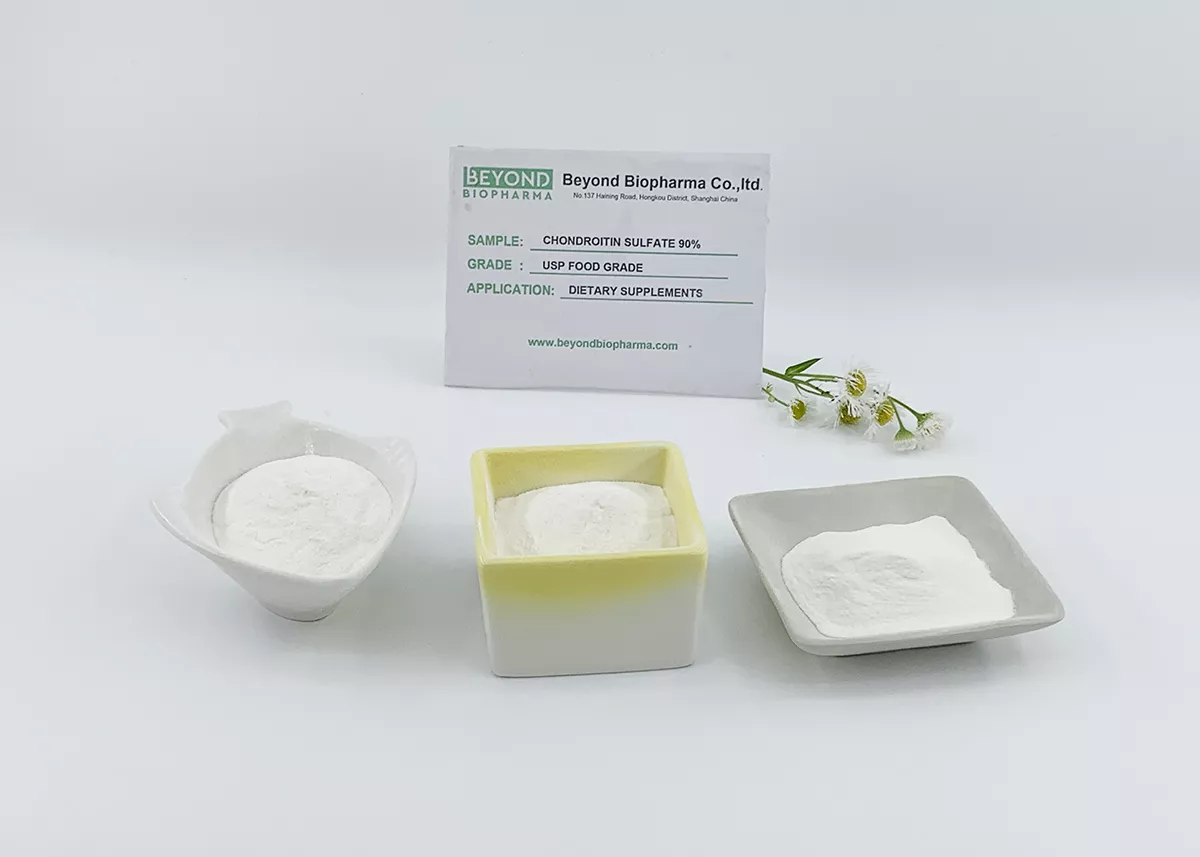
High Purity and Efficacy for Joint Health Formulations
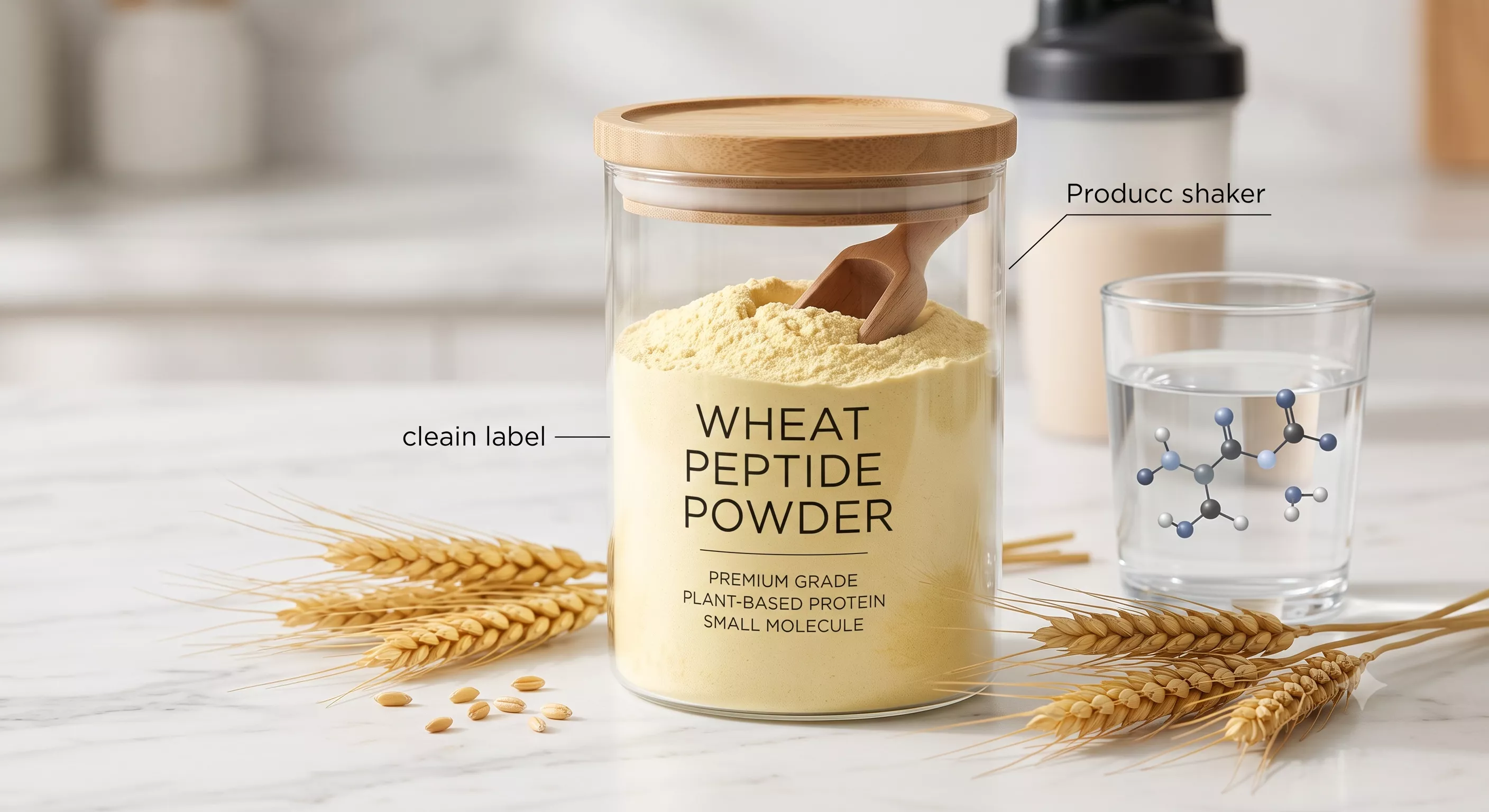
Source ultra-pure, high-solubility wholesale hydrolyzed wheat gluten peptide in bulk. Rich in plant-bound Glutamine ($\ge 25\%$) for muscle recovery and gut barrier health.
Tel:+86 21 65010906
Cell/Whatsapp/Wechat:
+86 13482884055
+86 18657345785
Email: sales@beyondbiopharma.com





User Comments
Service Experience Sharing from Real Customers
Megan
Pastry ChefAs a professional baker, I've used sheet gelatin for years but always found it a bit fiddly to measure and bloom. This powdered version is a total game-changer! The conversion chart on the package was spot-on, and it dissolved so smoothly in my fruit panna cotta last week. No more guessing with sheets!
Leo
Home BrewerI'm just a hobbyist trying to clarify my homemade mead. Saw this recommended on a forum and decided to give it a shot. Way easier to use than dealing with soggy sheets! Lost one star because the scoop included is tiny—I ended up using my own measuring spoon for bigger batches. Otherwise, perfect.
Chloe
Food Science StudentUsed this for my lab project on texture modification. The powder mixed seamlessly into cold solutions without clumping, which was a huge relief during timed experiments. My professor even asked where I got it! Definitely keeping this in my toolkit after graduation.
Raj
Catering ManagerWe go through gelatin like crazy for banquet desserts. Switching to powder saved us prep time and storage space. The consistency is reliable batch-to-batch, though I wish the bulk packaging had a re-sealable liner—had to transfer it to a tub. Staff finds it much simpler to use during rush events.