 English EN


Gelatin sheet vs powder what science says in 2026
Gelatin sheet offers chefs better clarity, smooth texture, and consistent results than powdered gelatin, making it the top choice for desserts in 2026.
More
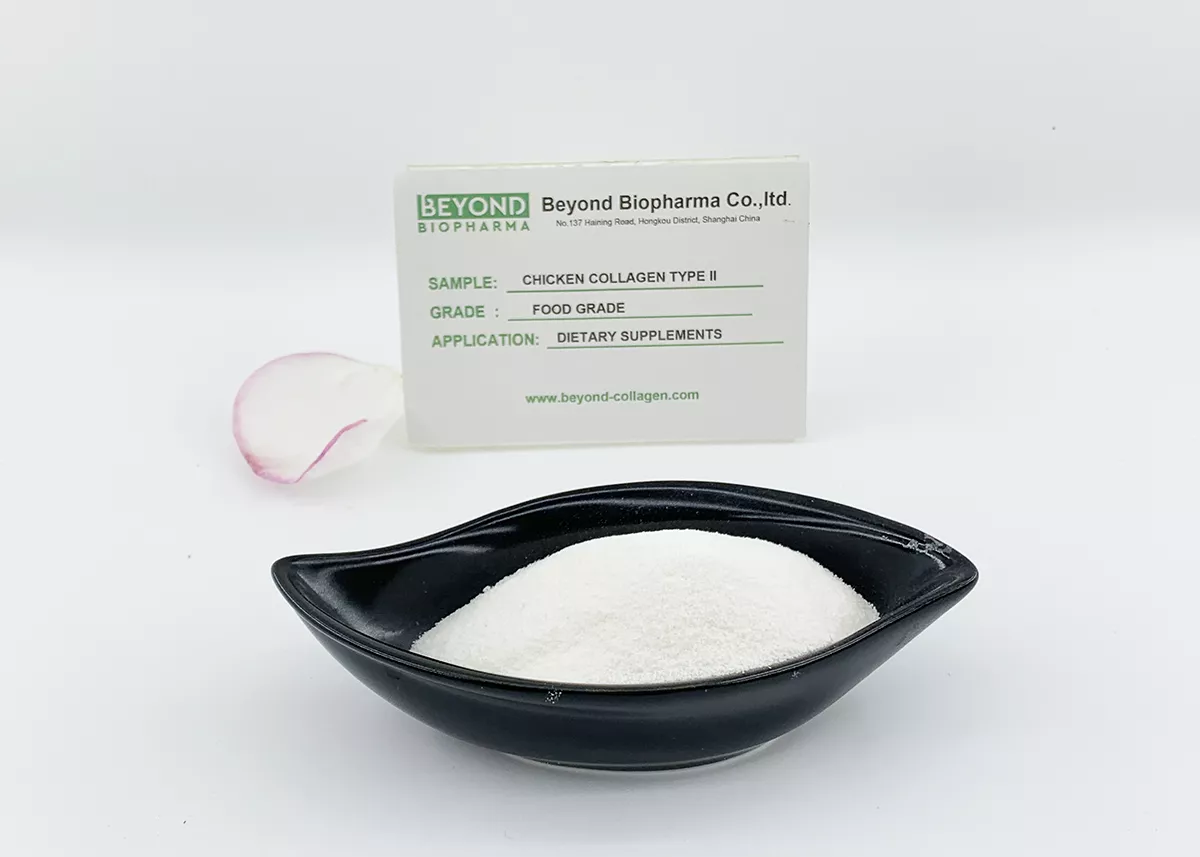
When sourcing gelatin for food, nutraceutical, or pharmaceutical applications, one of the first decisions you face is whether to use sheet gelatin or powder gelatin. The difference between sheet gelatin and powder gelatin goes beyond physical form—it affects hydration time, bloom strength accuracy, and processing efficiency. For overseas buyers managing batch consistency, solubility, or certification barriers, understanding these differences is critical.
Both forms start from the same raw materials—bovine hide, porcine skin, or fish skin—and undergo controlled hydrolysis. The key difference lies in the finishing process. Sheet gelatin is cast into thin, uniform films, dried, and cut into standardized leaves. Powder gelatin is milled into fine granules. At Beyond Biopharma, our fully automatic production line and GMP clean workshop ensure consistent quality for both forms, with automated temperature and pH control throughout.
Sheet gelatin requires soaking in cold water for 5–10 minutes to soften, then dissolves quickly in warm liquid. Powder gelatin is typically sprinkled onto cold water, allowed to bloom for 5–10 minutes, then gently heated. Sheet gelatin offers more predictable bloom strength per sheet—each leaf has a known weight and gel strength, reducing variability. Powder gelatin, while convenient for bulk handling, can clump if not added correctly. For applications like gummies or softgels, where gel strength consistency is critical, sheet gelatin is often preferred.
| Parameter | Sheet Gelatin | Powder Gelatin |
|---|---|---|
| Bloom Strength (typical range) | 150–260 g (common for pharma/gummies) | 50–300 g (broader range, depends on grade) |
| Hydration Method | Soak in cold water 5–10 min | Sprinkle on cold water, bloom 5–10 min |
| Mesh Size | N/A (sheet form) | 8–60 mesh (common) |
| Moisture Content | ≤14% (industry standard) | ≤14% (industry standard) |
| Viscosity (mPa·s) | 2.0–5.5 (typical) | 2.0–5.5 (typical) |
Note: Values above are typical industry ranges. Final specifications per COA or sample.
For gummies, jellies, and confectionery, both forms work, but sheet gelatin is often favored for its precise bloom weight and clarity. Powder gelatin is more common in large-scale production where automated dosing is used. Beyond Biopharma offers Edible Gelatin in both forms, sourced from bovine, porcine, and fish sources. Our food-grade porcine gelatin is a popular choice for gummy manufacturers seeking consistent gel strength.
In pharmaceutical applications, sheet gelatin is often used for hard capsule shells due to its uniform thickness and predictable dissolution. Powder gelatin is preferred for softgel encapsulation because it blends easily with plasticizers. Beyond Biopharma supplies Pharmaceutical Gelatin with ultra-high viscosity for softgels, and our standardized gelatin sheets are designed for consistent gels in nutraceutical applications.
Collagen peptides are hydrolyzed further than gelatin, resulting in lower molecular weight (typically 2,000–5,000 Da) and cold-water solubility. They do not form gels, making them ideal for beverages, sports nutrition, and beauty supplements. Beyond Biopharma offers Undenatured Collagen Type II for joint health, as well as fish and bovine collagen peptides. For plant-based formulations, our Plant Protein Peptide options (pea, rice, soy) cater to allergen-free and vegan requirements.
Based in Shanghai, China, Beyond Biopharma has over 10 years of experience in the food-ingredient industry, exporting to 50+ countries. Our facility produces approximately 3,000 MT/year of collagen and 5,000 MT/year of gelatin, supported by a fully automatic production line, GMP clean workshop, and stainless-steel sealed piping. We hold ISO 9001, US FDA registration, and select Halal/Kosher certifications (e.g., fish gelatin). Our bovine bone gelatin is BSE-free, and our in-house lab conducts heavy-metal and microbiological testing. We offer three grades—food, pharmaceutical, and cosmetic—with free samples and formulation support.
Yes, but you must account for bloom strength differences. One sheet of gelatin (typically 2–3 g) is equivalent to about 1 teaspoon of powder gelatin. Always check the bloom value on the COA to ensure proper gel strength.
Powder gelatin dissolves faster once hydrated, but sheet gelatin provides more uniform hydration. Both require proper blooming to avoid clumping or incomplete dissolution.
Generally, sheet gelatin costs more per unit weight due to additional processing and packaging. However, its precise dosing can reduce waste in small-batch production.
For international buyers, ISO 9001, US FDA registration, Halal, and Kosher certifications are common requirements. BSE-free status is critical for bovine gelatin. Always request a COA for each batch.
Traditional gelatin is animal-derived. For vegan formulations, consider plant protein peptides or hydrocolloids like agar-agar. Beyond Biopharma offers plant protein peptides as an alternative.
Both forms should be stored in a cool, dry place away from moisture and heat. Sheet gelatin is more sensitive to humidity and should be kept in sealed packaging. Powder gelatin has a longer shelf life if stored properly.
To select the right gelatin form for your application, contact Beyond Biopharma with your requirements: application (food, pharma, cosmetic), grade, quantity/MOQ, target specs (bloom, mesh, molecular weight, certifications), and destination country. We will send free samples and a tailored quote. Understanding the difference between sheet gelatin and powder gelatin is the first step toward optimizing your production—let us help you make the right choice.

We provide you with comprehensive foreign trade solutions to help enterprises achieve global development
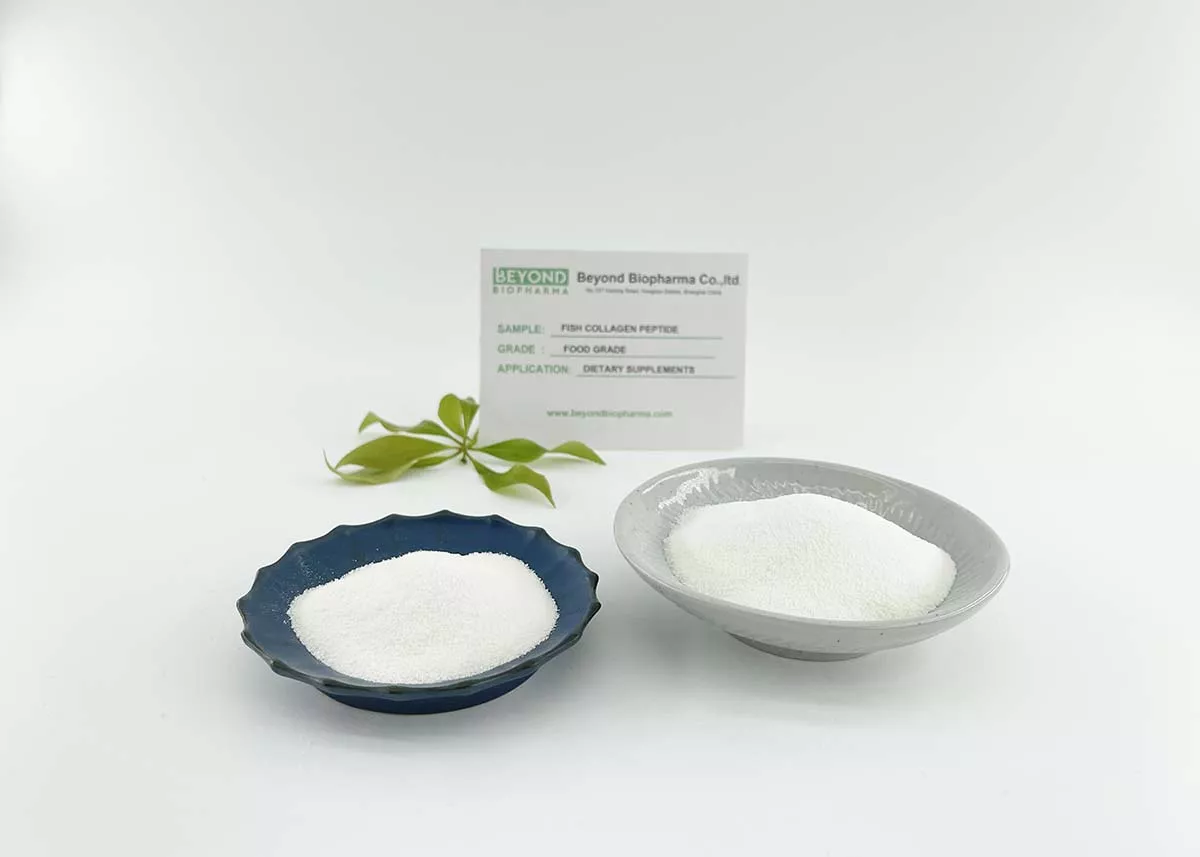
Premium marine-sourced collagen peptides with >90% protein content and low molecular weight (1000-3000 Da) for superior bioavailability. Sustainably sourced, neutral taste, and fully soluble—ideal for nutricosmetics and functional foods.
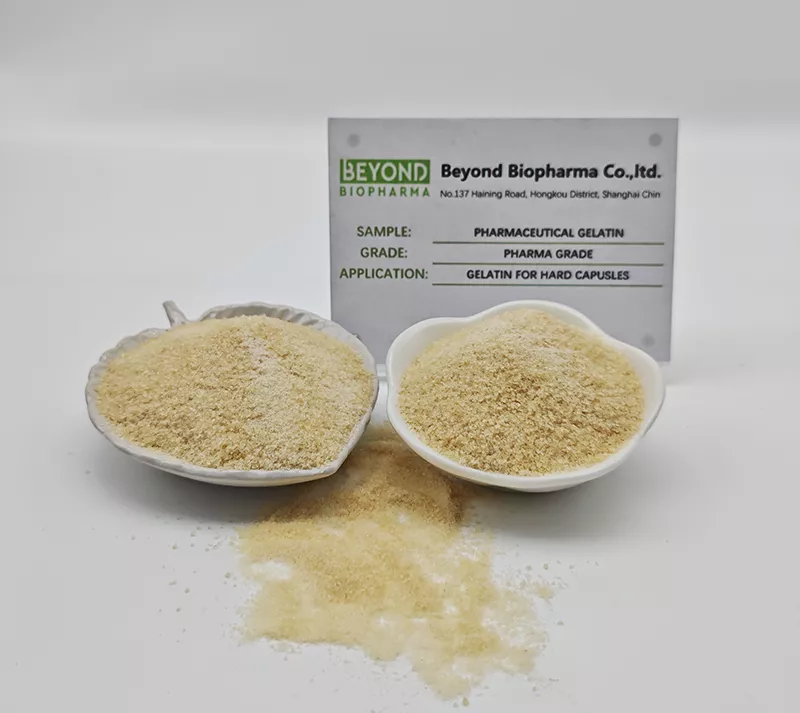
The high-strength and rapid-setting characteristics of Bovine Bone Gelatin ensure it forms a stable, uniform, and durable shell that preserves the integrity of the active pharmaceutical ingredient (API).
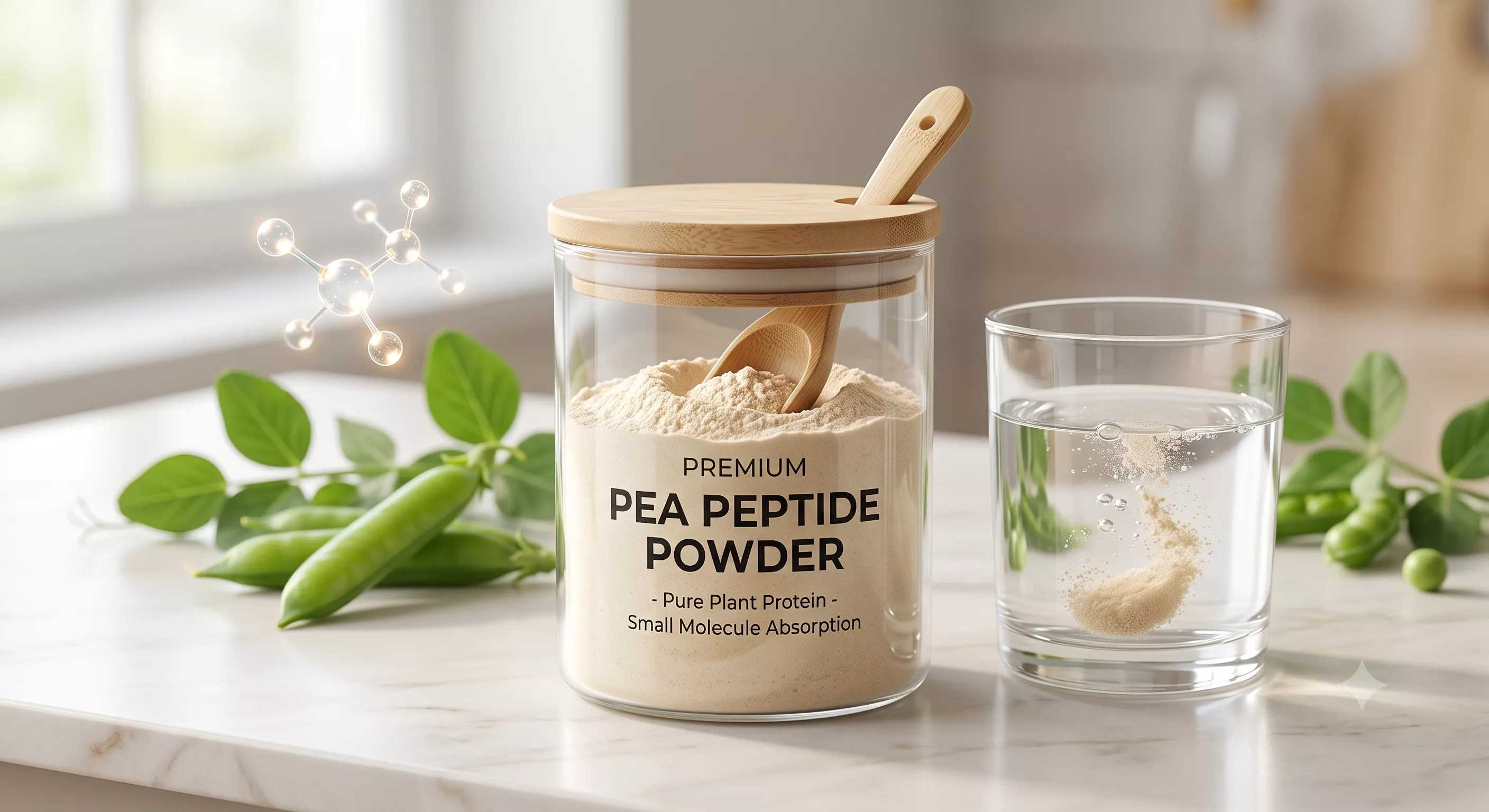
Source high-purity, hypoallergenic hydrolyzed pea peptide powder in bulk. Complete water solubility, rich in BCAAs, ideal for vegan recovery formulas.
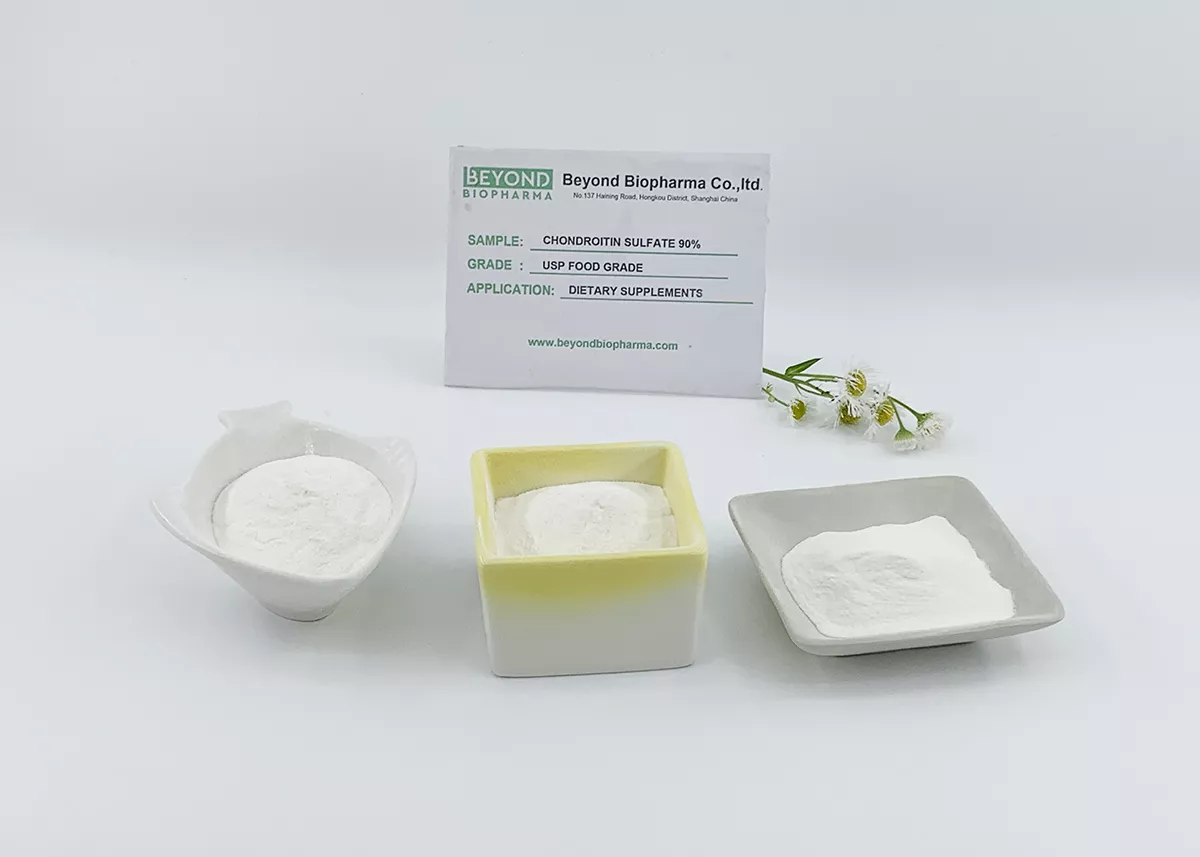
High Purity and Efficacy for Joint Health Formulations
Select the most popular foreign trade service products to meet your diverse needs
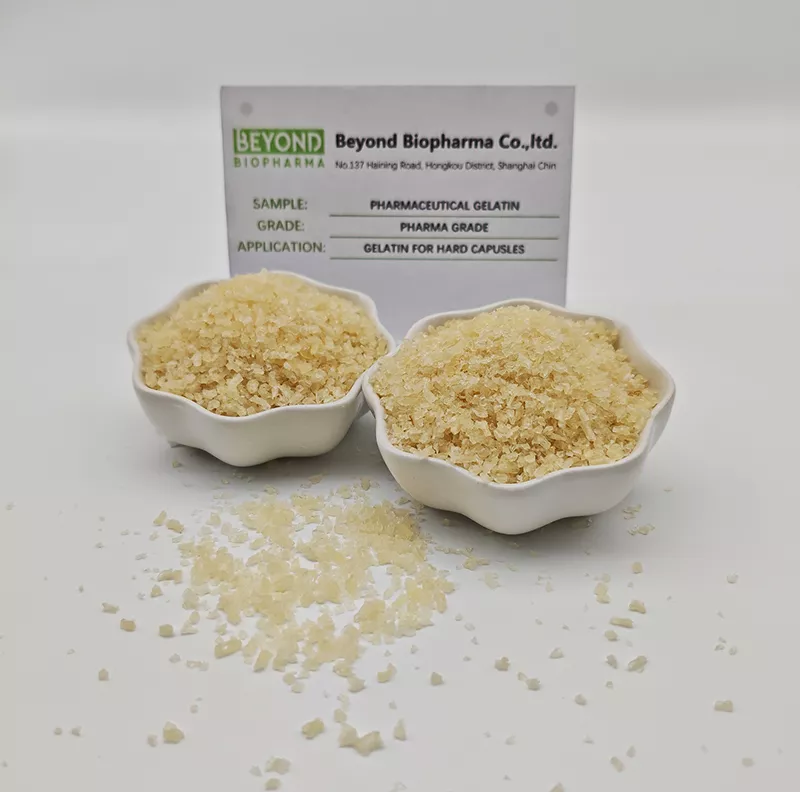
Precision, Purity, and Optimal Machinability
The high-strength and rapid-setting characteristics of Bovine Bone Gelatin ensure it forms a stable, uniform, and durable shell that preserves the integrity of the active pharmaceutical ingredient (API).
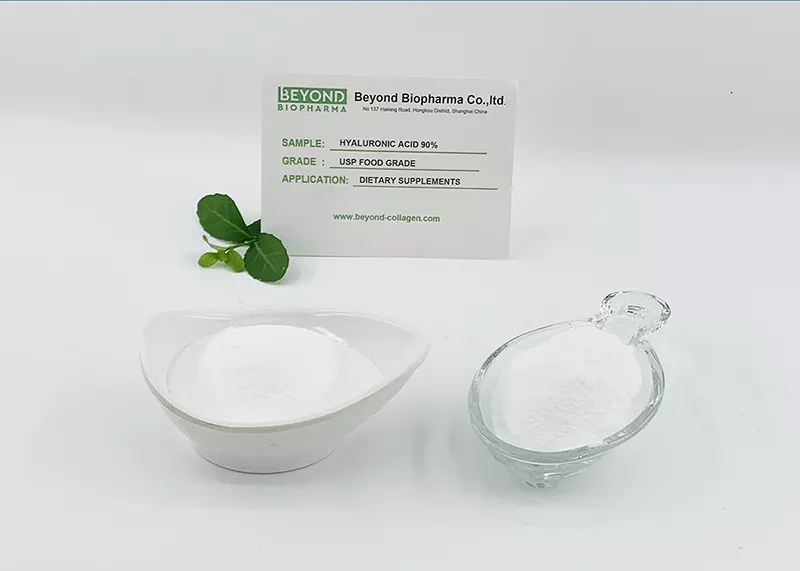
High Molecular Weight for Superior Joint, Skin, and Eye Health.
Tel:+86 21 65010906
Cell/Whatsapp/Wechat:
+86 13482884055
+86 18657345785
Email: sales@beyondbiopharma.com





User Comments
Service Experience Sharing from Real Customers
Megan
Pastry ChefAs someone who's been baking professionally for 8 years, I've used both forms extensively. Sheet gelatin is my go-to for delicate desserts like panna cotta – it dissolves so cleanly and gives me perfect control over texture. No more worrying about clumps! The switch from powder was a game-changer for consistency.
Leo
Home BrewerI started using sheet gelatin for clarifying my homemade beers and ciders after reading about it online. Honestly, it's less messy than powder and easier to measure – just soak and squeeze. I knocked off one star because it's trickier to find locally, but the results speak for themselves. My haziness issues are gone!
Chloe
Culinary StudentWow, the difference is real. In class we experimented side-by-side: sheets gave my fruit gels a crystal clear finish, while powder left a slight cloudiness. It just feels more professional? And no weighing needed – one sheet does what it says. My instructor said it's what most serious kitchens use, and I get why now.
Raj
Food Science InternFrom a technical standpoint, sheets offer better bloom consistency batch-to-batch compared to powders in our lab tests. They're also easier to handle in controlled environments. I gave 4 stars only because for large-scale production, powder might still win on cost. But for R&D or precision work? Sheets all the way.