 English EN


Gelatin sheet vs powder what science says in 2026
Gelatin sheet offers chefs better clarity, smooth texture, and consistent results than powdered gelatin, making it the top choice for desserts in 2026.
More
When sourcing gelatin for gummies, softgels, or culinary applications, one of the most frequent questions from overseas buyers is how to accurately convert 1 gelatin sheet to powder. The conversion is not always straightforward because sheet gelatin (leaf gelatin) and powder gelatin differ in bloom strength and hydration behavior. A standard sheet typically weighs 2–2.5 grams and has a bloom value around 160–250, while powder gelatin is sold by weight with a specified bloom. To replace 1 sheet with powder, you need to match the gelling power, not just the weight. This guide provides a reliable conversion formula, explains the science behind gel strength, and helps you select the right grade for your product.
The most practical method is to use the bloom equivalence. A typical gelatin sheet (200 bloom, 2.5 g) provides the same gelling power as approximately 2.5 g of powder gelatin with the same bloom value. However, if your powder has a different bloom (e.g., 250 bloom), you must adjust the weight. The formula is: Powder weight (g) = (Sheet bloom × Sheet weight) ÷ Powder bloom. For example, a 200 bloom sheet (2.5 g) replaced with 250 bloom powder: (200 × 2.5) ÷ 250 = 2.0 g. Always check the bloom value on your certificate of analysis (COA). For consistent results, we recommend using standardized gelatin sheets or powder from a reliable supplier like Beyond Biopharma, where every batch is tested in-house for bloom, viscosity, and microbiological purity.
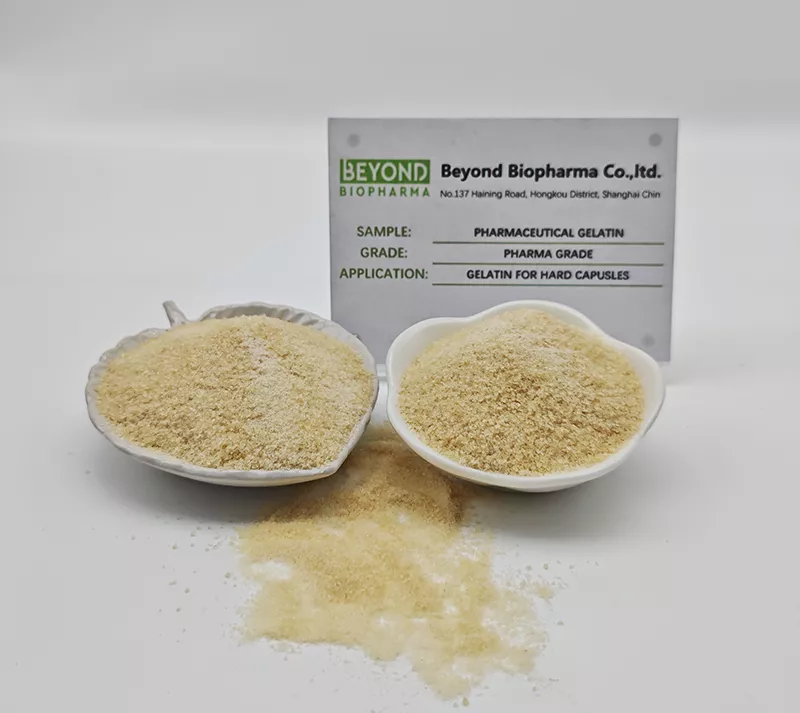
Gelatin is derived from collagen through controlled enzymatic hydrolysis. When dissolved in warm water and then cooled, the protein chains re-form a three-dimensional network that traps water, creating a gel. The strength of this gel is measured in bloom grams. Higher bloom values (e.g., 250–300) yield firmer, more brittle gels, while lower bloom (e.g., 100–150) gives softer, more elastic textures. For converting 1 gelatin sheet to powder, understanding bloom is critical because the sheet format is pre-hydrated and standardized by weight, whereas powder requires accurate scaling. In industrial settings, powder gelatin offers better batch-to-batch consistency and easier handling for large-scale production. Beyond Biopharma’s fully automatic production line ensures precise temperature and pH control during hydrolysis, resulting in uniform molecular weight distribution and reliable performance.
The table below lists common parameters for edible and pharmaceutical gelatin. These are typical industry ranges; final values should be confirmed per COA or sample.
| Parameter | Typical Range | Notes |
|---|---|---|
| Bloom (g) | 50–300 | Pharma/gummies often 150–260 Bloom |
| Viscosity (mPa·s) | 2.0–5.5 | Measured at 6.67% solution, 60°C |
| Mesh size | 8–60 | Coarser for slow dissolution, finer for quick |
| Moisture (%) | ≤14 | Lower moisture improves shelf life |
| Protein (%) | ≥85 | Higher protein indicates purity |
Note: Typical industry range; final values per COA / sample.
Choosing the right gelatin form depends on your application. For gummies and softgels, high-bloom gelatin (200–260 bloom) provides a firm, chewy texture. Edible Gelatin from bovine or porcine sources is a common choice. For hard capsules, pharmaceutical-grade bovine bone gelatin with consistent viscosity is essential. Pharmaceutical Gelatin from Beyond Biopharma is BSE-free and meets strict pharmacopoeia standards. In sports nutrition and joint health, collagen peptides (fish or bovine) with lower molecular weight (2,000–5,000 Da) are preferred for rapid absorption. For beauty-from-within formulations, fish collagen tripeptide offers high solubility and low odor. If you require plant-based or vegan alternatives, consider Plant Protein Peptide options like pea or rice hydrolysates, which are allergen-free and compatible with vegan certifications. When converting 1 gelatin sheet to powder for a specific recipe, always match the bloom and adjust weight using the formula above.
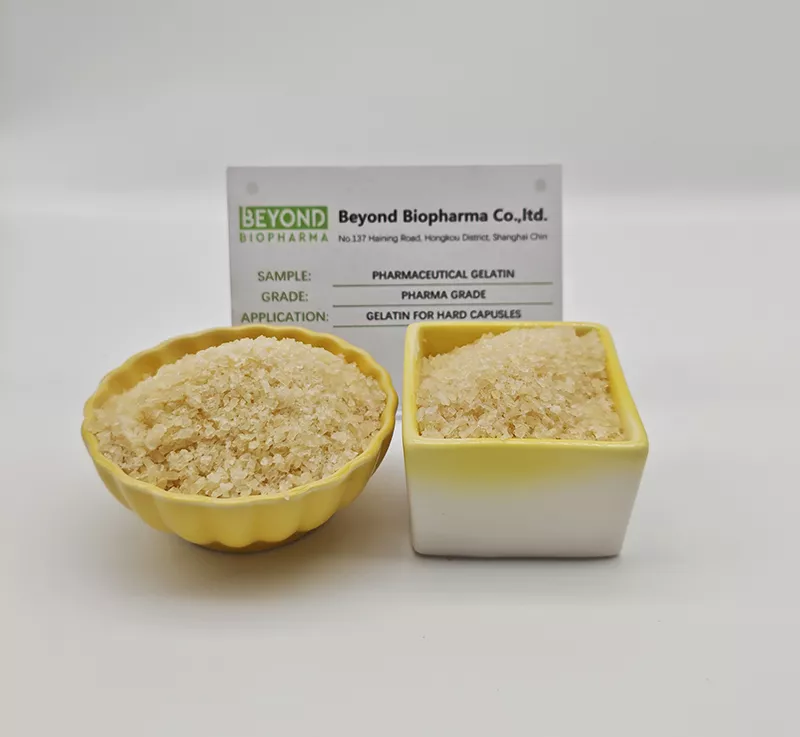
Beyond Biopharma is a Shanghai-based manufacturer with over 10 years of experience in the food-ingredient industry. We export to more than 50 countries and operate a fully automatic production line with GMP clean workshops, stainless-steel sealed piping, and automated temperature/pH control. Our annual capacity is approximately 3,000 MT for collagen and 5,000 MT for gelatin. We hold ISO 9001 certification, US FDA registration, and select products carry Halal or Kosher certifications (e.g., fish gelatin). Our bovine bone gelatin is BSE-free, and we maintain an in-house lab for heavy-metal and microbiological testing with a dedicated QA/QC team. Whether you need standardized gelatin sheets for consistent gels or powder for bulk production, we offer free samples and formulation support across food, pharmaceutical, and cosmetic grades.
Q1: Can I substitute gelatin sheet with powder in any recipe?
Yes, but you must adjust for bloom strength. Use the conversion formula: powder weight = (sheet bloom × sheet weight) ÷ powder bloom. For best results, use a powder with the same bloom as the sheet.
Q2: How do I know the bloom of my gelatin sheet?
Most commercial sheets list the bloom on the package (e.g., 200 bloom). If not, contact your supplier for the COA. Beyond Biopharma provides full specifications for every batch.
Q3: What if my powder gelatin has a different bloom than the sheet?
Use the bloom equivalence formula. For example, a 200 bloom sheet (2.5 g) replaced with 250 bloom powder requires only 2.0 g. Always test a small batch first.
Q4: Is sheet gelatin more expensive than powder?
Sheet gelatin is often more expensive per gram due to additional processing and packaging. For bulk production, powder gelatin is more cost-effective and offers better consistency.
Q5: Can I use collagen peptides instead of gelatin for gelling?
No, collagen peptides are hydrolyzed to a lower molecular weight and do not form a gel. They are used for nutritional benefits, not as gelling agents. Use gelatin for structure.
Q6: How do I ensure consistent results when scaling up from sheet to powder?
Standardize your powder source. Use a supplier that provides COA for every lot, like Beyond Biopharma. Perform a small-scale test before full production.
To ensure the correct conversion of 1 gelatin sheet to powder for your specific formulation, we invite you to contact Beyond Biopharma. Please provide your application (e.g., gummies, hard capsules, sports nutrition), required grade (food, pharmaceutical, or cosmetic), estimated quantity/MOQ, target specifications (bloom, mesh, molecular weight, certifications), and destination country. We will send free samples and a tailored quotation. Our team offers formulation and selection support to help you achieve consistent, high-quality results.

We provide you with comprehensive foreign trade solutions to help enterprises achieve global development
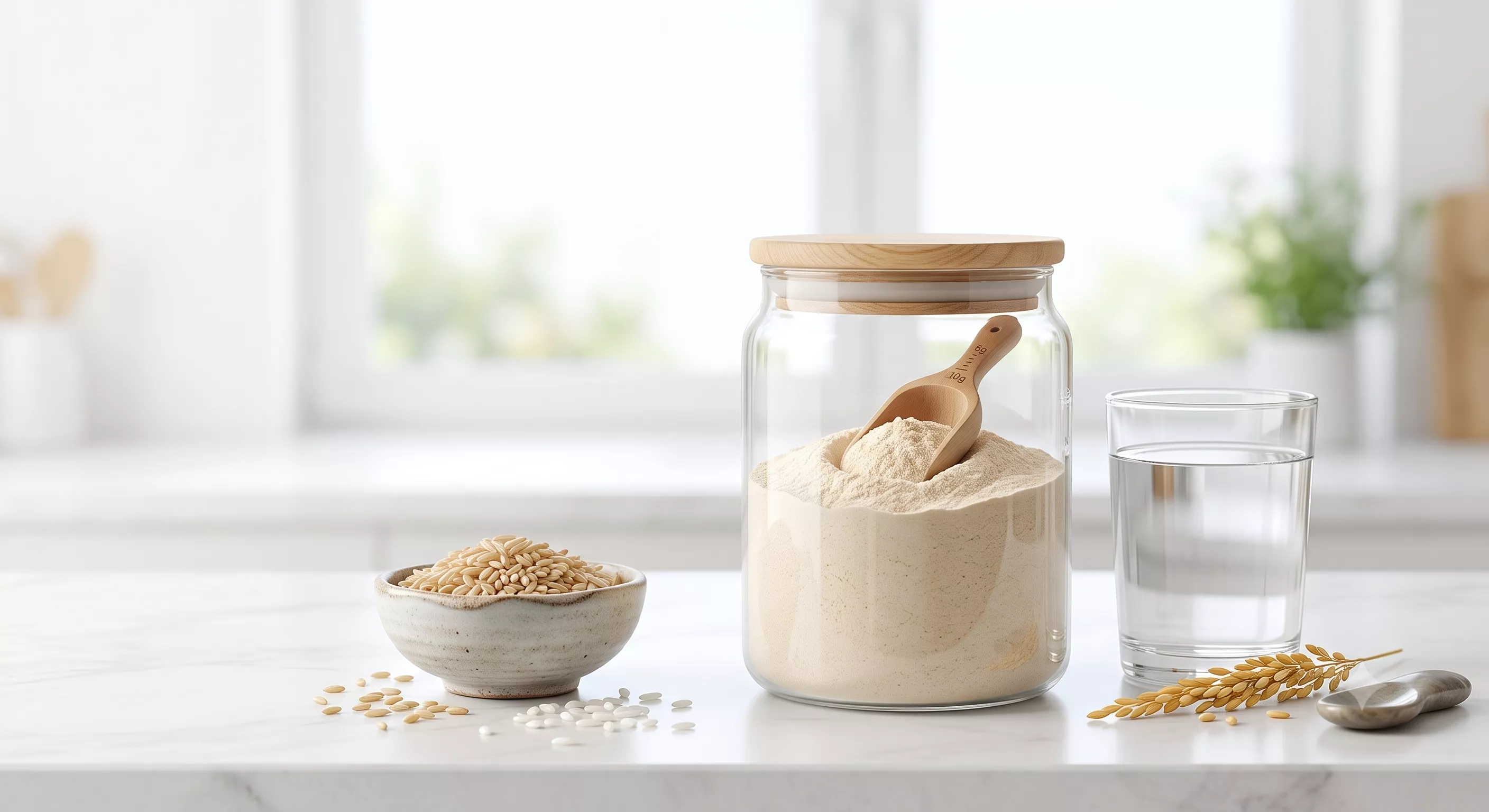
Source ultra-pure, 100% water-soluble wholesale hydrolyzed rice protein peptide in bulk. Over 85% molecules under 1000 Da. Ideal for infant nutrition, clean-label sports formulas, and sensitive skincare.
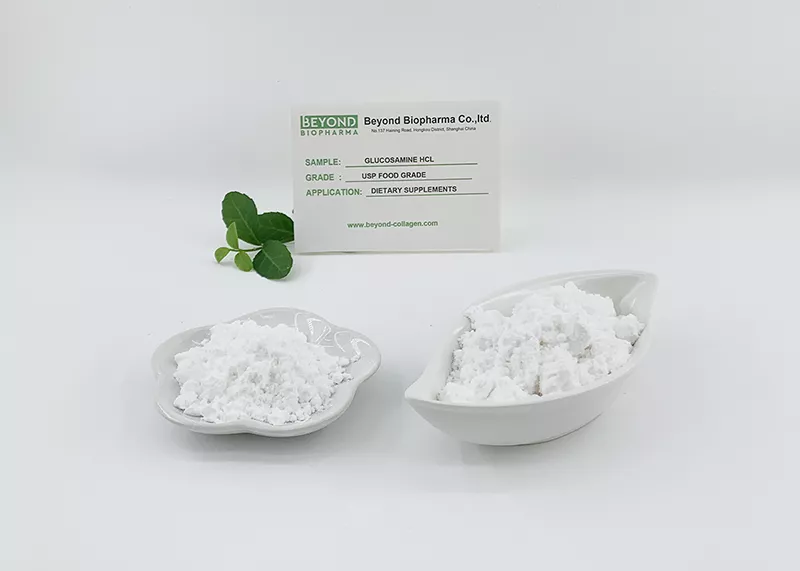
The Purest Plant-Based Joint Support Solution
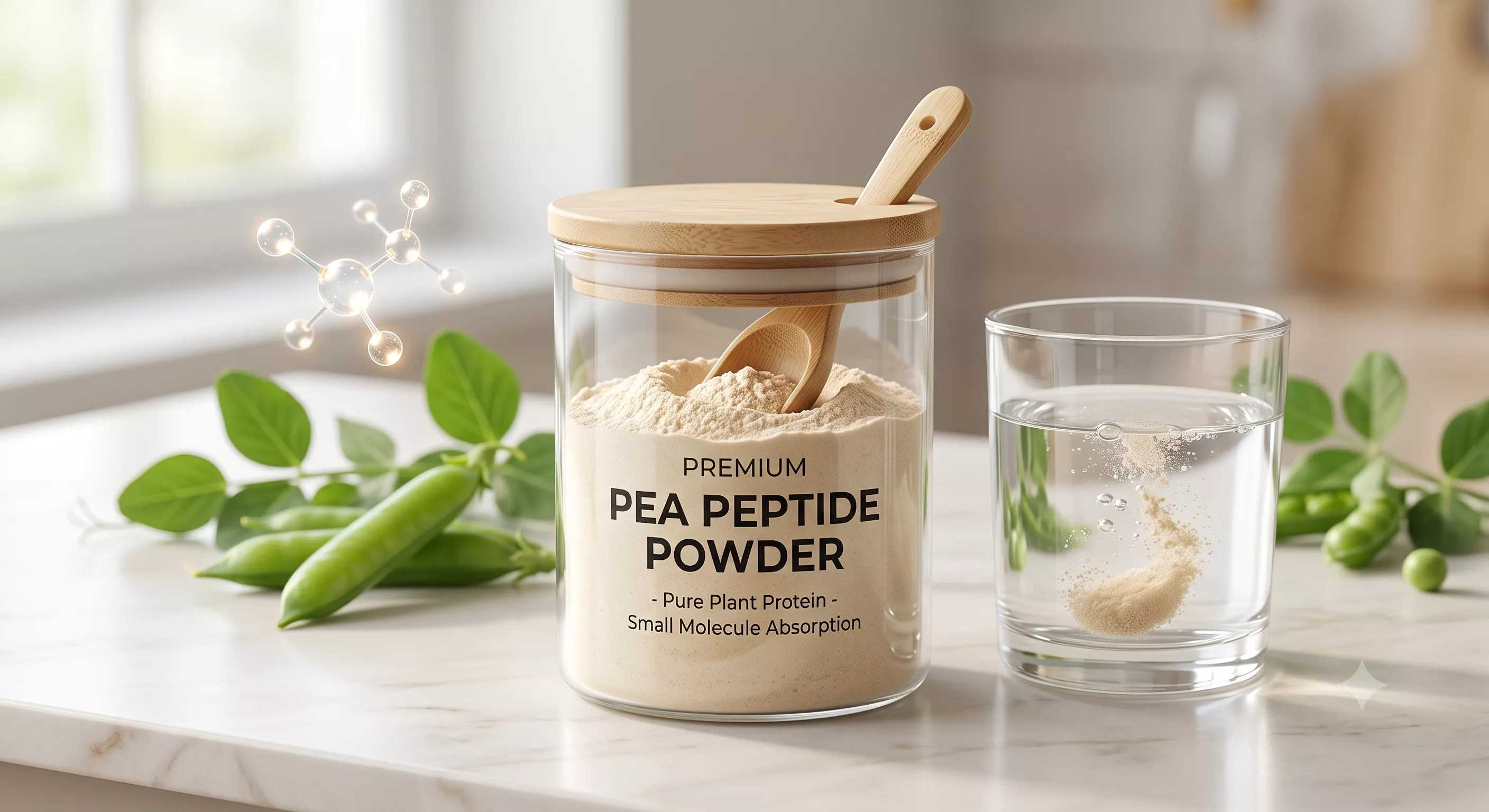
Source high-purity, hypoallergenic hydrolyzed pea peptide powder in bulk. Complete water solubility, rich in BCAAs, ideal for vegan recovery formulas.
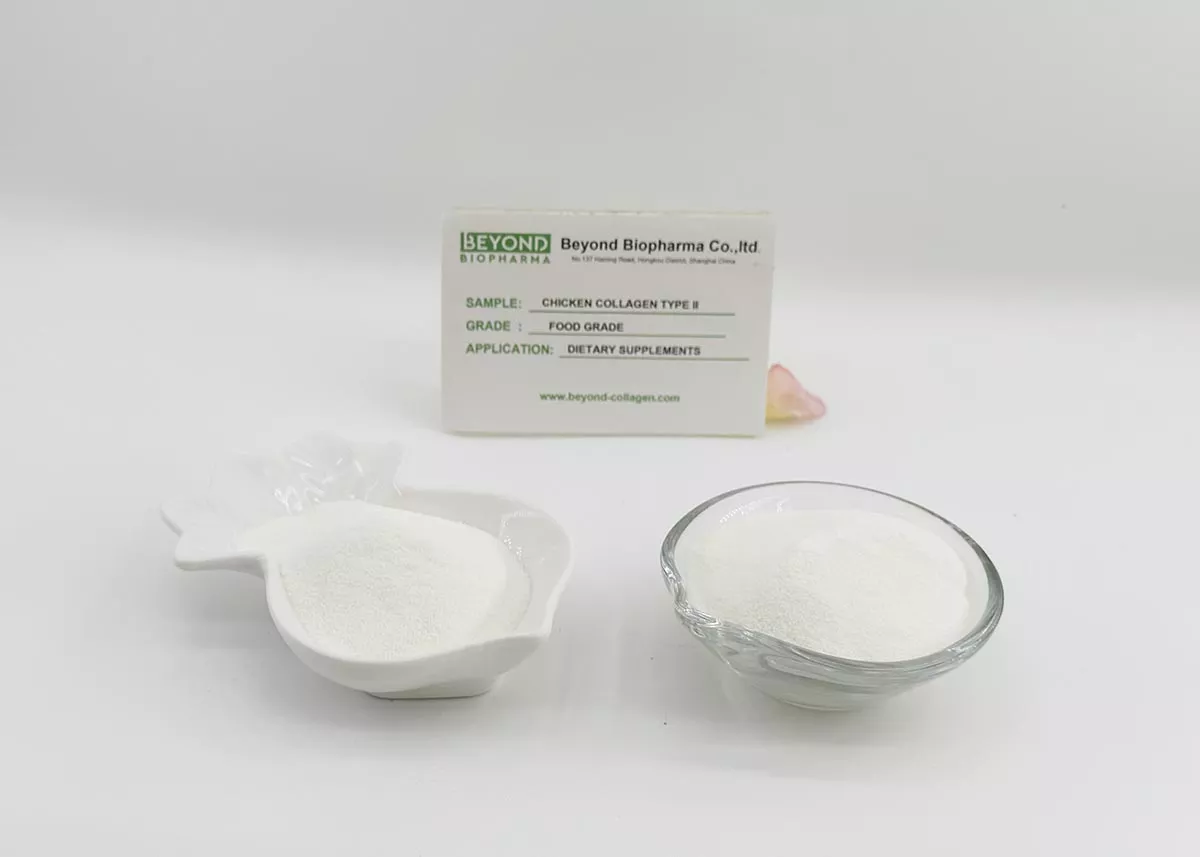
BEYOND BIOPHARMA is a specialized manufacturer of highly purified Hydrolyzed Collagen Type II. Through advanced enzymatic hydrolysis, we create low-molecular-weight collagen peptides that are highly bioavailable, offering foundational nutritional support for cartilage repair, joint function, and skin health. Our product is designed for rapid absorption and maximum efficacy in oral supplements.
Select the most popular foreign trade service products to meet your diverse needs
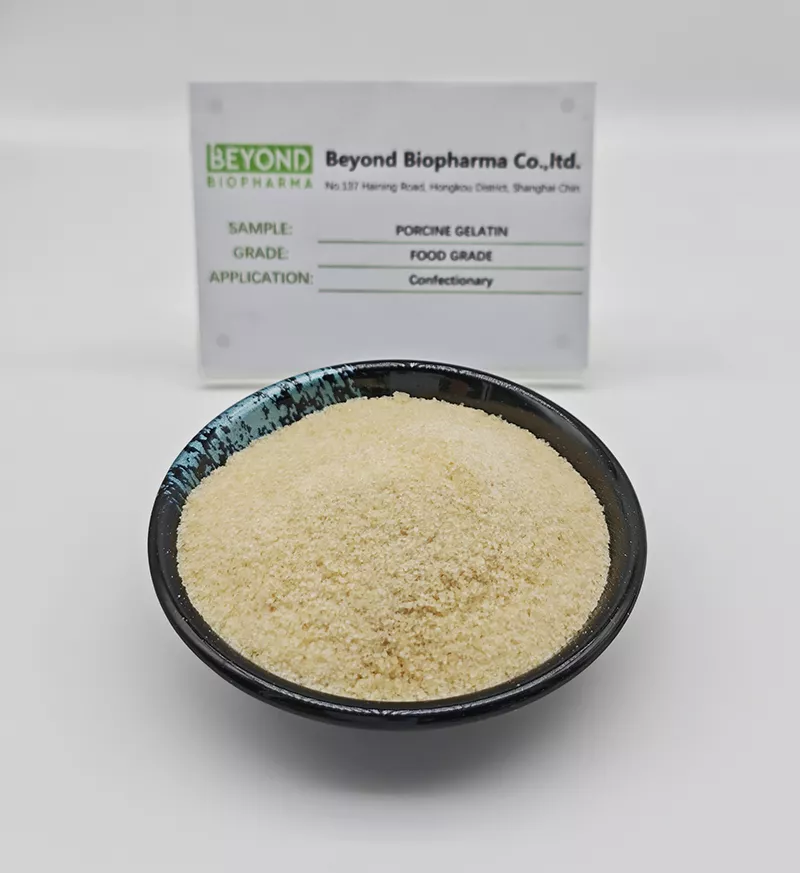
Food-grade porcine gelatin is a highly versatile and cost-effective natural protein derived from the collagen found in pig skin and bones. It is a premier gelling agent known for its exceptional clarity, neutral taste, and thermal reversibility.
The high-strength and rapid-setting characteristics of Bovine Bone Gelatin ensure it forms a stable, uniform, and durable shell that preserves the integrity of the active pharmaceutical ingredient (API).
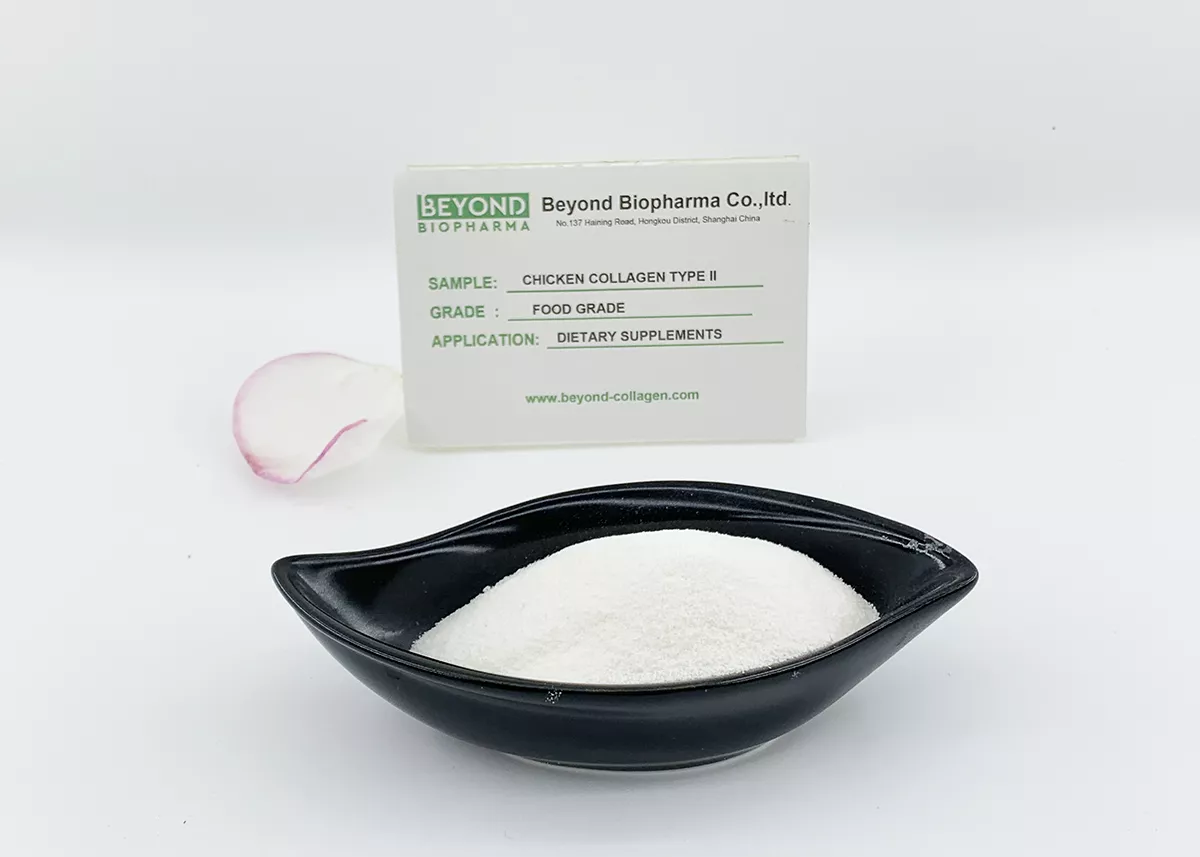
BEYOND BIOPHARMA is a specialized manufacturer of high-quality Undenatured Collagen Type II. Utilizing low-temperature, non-enzymatic extraction methods, our Undenatured Collagen Type II retains its native, triple-helix structure, essential for modulating the immune system's response to joint health and providing superior support for mobility, flexibility, and overall joint comfort.
Tel:+86 21 65010906
Cell/Whatsapp/Wechat:
+86 13482884055
+86 18657345785
Email: sales@beyondbiopharma.com





User Comments
Service Experience Sharing from Real Customers
Megan
Pastry ChefFinally found a reliable conversion! I was skeptical at first since sheet gelatin behaves differently, but this powder measured perfectly for my panna cotta. No weird aftertaste like some brands. My dessert menu just got more consistent!
Leo
Home BakerAs a newbie, I had no clue how to substitute sheet gelatin in a European recipe. This saved my cheesecake—though I'd suggest starting with slightly less powder than recommended until you get the feel. Worked like a charm after one trial!
Sam
Food Science StudentUsed this for a lab experiment on gelling agents. The conversion ratio was spot-on compared to my calculations. It dissolved faster than expected, which was a plus. Definitely keeping this in my pantry for both school and personal projects.
Rebecca
Catering ManagerWe switched to powder for bulk prep and this conversion guide made the transition smooth. The texture held up even in outdoor summer events. Lost one star because the packaging could be more durable—mine tore easily in the kitchen chaos.